Podcast Studios in London for 300 people
Explore top podcast studios in London suitable for 300 people. Perfect for corporate events and professional recordings.
About Podcast Studios
### Why London's Large-Scale Podcast Studios Are Revolutionising Corporate Audio Events for 300+ Attendees The corporate audio landscape has shifted dramatically, and we're seeing something quite remarkable happening in London's podcast studio scene. What started as intimate recording spaces for two or three hosts has evolved into sophisticated broadcast facilities that can accommodate entire company conferences, product launches, and hybrid events for 300+ attendees. I've watched this transformation firsthand, and it's genuinely exciting. These large-scale podcast studios aren't just bigger versions of traditional recording spaces – they're purpose-built environments that blend broadcast-quality audio with the engagement of live events. Think of them as the meeting point between a professional recording studio and a modern conference venue, but with the creative energy that only audio-first environments can deliver. #### The Numbers That Matter for Your Budget When you're planning for 300 people, you're looking at day rates between £8,000 and £15,000 for premium London podcast studios, with some flagship venues reaching £20,000+ during peak periods. That might sound steep, but consider what you're getting: broadcast-quality recording equipment, professional sound engineers, streaming capabilities, and often the ability to create multiple podcast episodes or audio content streams simultaneously. The real value becomes clear when you compare this to traditional conference venues plus separate audio production costs. We've seen clients save 30-40% by choosing integrated podcast studios over hiring conference spaces and bringing in external production teams. #### Why Location Matters More Than Ever Central London studios near transport hubs like King's Cross or Canary Wharf command premium rates but offer unmatched accessibility for large groups. The logistics of moving 300 people through London means proximity to major tube stations isn't just convenient – it's essential for keeping your event on schedule. What's particularly clever about these venues is how they're designed for both intimate recording and large audience experiences. Many feature tiered seating areas where your audience can watch the recording process, creating an engaging behind-the-scenes experience that works brilliantly for [corporate days out](https://hirespace.com/GB/London/Corporate-Days-Out) or [company retreats](https://hirespace.com/GB/Greater-London/Company-Retreats). The technical specifications are where these venues really shine. You're looking at minimum 4-metre ceiling heights for optimal acoustics, dedicated 100 Mbps internet lines for live streaming, and sophisticated zoned climate control – crucial when you've got 300 people generating heat in a soundproofed environment. Ready to explore what's possible? Start by identifying whether you need simultaneous recording capabilities or if a single main recording with audience viewing areas will suffice – this decision will significantly impact both your venue options and budget requirements. ### The Essential Technical Blueprint: What Every 300-Person Podcast Studio Must Deliver Having worked with dozens of large-scale podcast productions, I can tell you that the technical requirements for 300-person venues are absolutely critical – and where most organisers underestimate what's needed. The difference between a successful broadcast and a technical disaster often comes down to understanding these non-negotiables before you even start venue hunting. #### Power and Connectivity: The Foundation That Can't Fail Your venue needs a minimum 3-phase, 400-amp power supply – this isn't optional when you're running multiple camera feeds, lighting rigs, and sound systems simultaneously. I've seen events grind to a halt because organisers assumed standard office power would suffice. The dedicated 100 Mbps internet line is equally crucial, especially if you're planning live streaming or remote guest participation. What catches many people off-guard is the sheer scale of equipment required. You're looking at professional mixing consoles that can handle 32+ channels, multiple high-definition cameras for different angles, and a lighting grid with DMX control to ensure consistent broadcast quality. The acoustic treatment becomes exponentially more complex with 300 people – you need soundproofing panels with an STC rating of at least 50, plus bass traps to manage the low-frequency buildup from crowd noise. #### Space Configuration That Actually Works The 500-700m² minimum isn't arbitrary – it's based on creating distinct zones that don't interfere with each other. You need your recording area, audience seating (typically theatre-style for 300), technical control room, and crucially, a separate green room space for guests and speakers. The 4-metre ceiling height becomes essential not just for acoustics, but for proper lighting placement that won't create shadows on your talent. Climate control is where venues often fall short. With 300 people in a soundproofed environment, you're generating serious heat. Zoned HVAC systems aren't a luxury – they're necessary to maintain comfortable conditions without creating audio interference from fan noise. #### The Reality Check on Equipment Standards Premium venues should provide broadcast-quality microphones (think Shure SM7B or similar), but always verify what's included versus what you'll need to hire separately. Many studios charge extra for additional wireless mic packs, which you'll definitely need for audience Q&A sessions. Storage space of at least 50m² might seem excessive, but when you're managing equipment for 300 people plus catering supplies, merchandise, and technical gear, it disappears quickly. This is particularly relevant if you're planning something like a [product launch](https://hirespace.com/blog/perfect-product-launch-locations-in-london/) where you'll have additional display materials. Before viewing any venue, create a detailed technical rider listing every piece of equipment you'll need – this prevents costly surprises and ensures you're comparing like-for-like when evaluating different studios. ### Navigating London's Podcast Studio Landscape: Location, Access, and Hidden Costs Revealed ### Navigating London's Podcast Studio Landscape: Location, Access, and Hidden Costs Revealed Location strategy for large-scale podcast studios isn't just about finding space – it's about understanding London's unique geography and how it impacts both your budget and your guests' experience. After years of navigating these waters, I've learned that the wrong location choice can add £3,000-5,000 to your total costs through transport complications alone. #### The Transport Reality Check Central London venues near King's Cross, Liverpool Street, or Oxford Circus will cost you 40-60% more than equivalent spaces in Zones 2-3, but here's what that premium actually buys you: seamless access for 300 people without the logistical nightmare of coordinating multiple transport methods. A 25-minute tube journey from King's Cross to Canary Wharf might seem manageable for individuals, but multiply that by 300 attendees and you're looking at serious coordination challenges. The hidden cost that catches most organisers? Parking. Central London venues rarely include parking, and at £5-10 per hour for nearby private car parks, those costs mount quickly if you have VIP guests or equipment deliveries. I always factor in at least £500-800 for parking when budgeting central London venues. #### The Zone 2-3 Sweet Spot Areas like Shoreditch, Southbank, and emerging hubs around Stratford offer compelling alternatives. You'll typically save 30-40% on venue hire whilst still maintaining excellent transport links. Many of these locations have been purpose-built for large events, offering better loading facilities and more flexible licensing arrangements than converted central spaces. What's particularly clever about venues in these areas is their integration with London's creative ecosystem. Studios near Shoreditch often have established relationships with local catering suppliers specialising in healthy options – perfect for day-long recording sessions. This connects beautifully with the growing trend toward [sustainable venues](https://hirespace.com/blog/the-top-sustainable-conference-venues-in-london/) that many corporate clients now prioritise. #### The Licensing Labyrinth Here's where location really matters: different London boroughs have vastly different approaches to event licensing. Westminster and Camden have stricter noise restrictions (typically no amplified sound after 10pm), whilst areas like Hackney and Southwark offer more flexibility for extended recording sessions. Most podcast studios operate under premises licenses, but if you're planning audience participation or live streaming, you might need temporary event notices. The application process varies dramatically by borough – some require 10 working days' notice, others need just 48 hours. Before committing to any venue, verify their licensing covers your specific requirements and check their relationship with local authorities. Studios with established track records navigate these requirements seamlessly, whilst newer venues might leave you handling applications yourself. Start your venue search by mapping your attendees' likely travel origins – this will quickly reveal whether central London's premium is justified or if a Zone 2-3 location offers better value without compromising accessibility. ### From Booking to Broadcasting: Your Complete Timeline for Large-Scale Podcast Events ### From Booking to Broadcasting: Your Complete Timeline for Large-Scale Podcast Events The booking timeline for 300-person podcast studios is fundamentally different from smaller recording spaces, and getting this wrong can cost you both your preferred venue and thousands in rush fees. I've seen too many organisers treat these bookings like standard meeting rooms, only to discover that premium London podcast studios require 8-12 weeks' lead time during peak periods. #### The 12-Week Planning Window Start your venue search 12 weeks out – this isn't excessive when you consider that top-tier studios often have only 2-3 dates available per month for events of this scale. The technical complexity means venues can't simply flip between bookings; they need buffer time for equipment testing and acoustic calibration. Your deposit requirements will be substantial – typically 50% of the total fee, with some venues requiring full payment 4 weeks before your event. Budget for this early; I've seen companies scramble when they realise they need to release £10,000+ months before their actual event date. #### The Technical Timeline That Can't Be Rushed Here's where podcast studios differ dramatically from traditional venues: the technical rehearsal period. Book your venue for at least half a day before your main event for sound checks and equipment testing. With 300 people, you can't afford audio issues on the day, and complex mixing setups need proper testing time. Your content timeline becomes crucial too. Unlike standard conferences where speakers can wing presentations, podcast content requires scripting, timing, and often multiple takes. Plan for 2-3 hours of actual recording time to produce 60-90 minutes of final content – the editing process for broadcast-quality audio is time-intensive. #### Seasonal Considerations and Peak Pricing September through November represents peak season for corporate podcast events, with venues charging 20-30% premiums. January and February offer the best value, but you'll compete with companies planning [company retreats](https://hirespace.com/GB/Greater-London/Company-Retreats) during these months. Summer months present unique challenges – many studios reduce capacity due to increased cooling requirements in soundproofed environments. Factor this into your planning if you're considering June through August dates. #### The Critical 48-Hour Window Your final timeline crunch happens 48 hours before the event. This is when you'll need to confirm final attendee numbers (most venues allow 10% variance), complete technical riders, and coordinate any special dietary requirements for extended recording sessions. The most successful events I've managed follow a simple rule: book early, plan thoroughly, and always have a technical contingency. Your next step should be creating a shortlist of 3-4 venues and requesting availability for your preferred dates – the best studios book up faster than you'd expect. ### Avoiding the 5 Most Expensive Mistakes When Hiring Podcast Studios for Big Groups After managing dozens of large-scale podcast productions, I can tell you that the costliest mistakes aren't the obvious ones – they're the seemingly minor oversights that cascade into budget disasters. When you're dealing with £15,000+ venue hire fees, these errors can easily add another £5,000-8,000 to your final bill. #### Mistake #1: Underestimating Audio Complexity for 300 People The biggest shock for most organisers is discovering that standard podcast studio rates don't include the additional mixing equipment needed for large audiences. You'll need wireless microphones for audience Q&A (typically £150 per additional mic), plus enhanced monitoring systems to manage crowd noise during recording. I've seen budgets blown when clients assumed the base rate covered everything, only to face £2,000+ in additional audio equipment charges. The acoustic challenges multiply exponentially with crowd size. Studios often charge extra for additional sound dampening when hosting 300 people – budget an additional 15-20% of your venue fee for these acoustic modifications. #### Mistake #2: Ignoring the Streaming Infrastructure Reality Most venues quote basic recording rates, but streaming to remote audiences requires dedicated bandwidth and additional camera operators. Premium streaming packages typically add £3,000-5,000 to your costs, and many organisers only discover this during final planning stages when it's too late to negotiate. #### Mistake #3: Overlooking Extended Setup Requirements Unlike standard conferences, podcast studios need extensive pre-event setup time. The technical complexity means you're often paying for the venue 2-3 hours before your actual start time. At £500-800 per hour for premium venues, this "hidden" setup time can add £2,000+ to your bill. #### Mistake #4: Misunderstanding Catering Restrictions in Soundproofed Environments Soundproofed studios have strict limitations on catering equipment – no coffee machines, limited refrigeration, and often no hot food service during recording. External catering becomes essential, typically adding £25-40 per person for quality options that won't interfere with audio quality. #### Mistake #5: Failing to Plan for Content Creation Overruns Recording 300-person events rarely runs to schedule. Studios charge overtime rates of 150-200% of standard hourly fees, and with complex productions, overruns are common. Always book an additional 2-hour buffer – it's cheaper than paying emergency overtime rates. The pattern I see repeatedly is organisers focusing solely on the headline venue rate without understanding the ecosystem of additional costs. Much like planning [sustainable venues for product launches](https://hirespace.com/blog/sustainable-venues-for-a-green-impactful-product-launch/), success lies in comprehensive planning rather than just securing the space. Before signing any contract, request a detailed breakdown of all potential additional charges and build a 20% contingency into your budget – your finance team will thank you when the final invoice arrives exactly as expected.
Featured Venues for Podcast Studios
Browse 16 venues perfect for Podcast Studios
Arts at Sadler's Wells
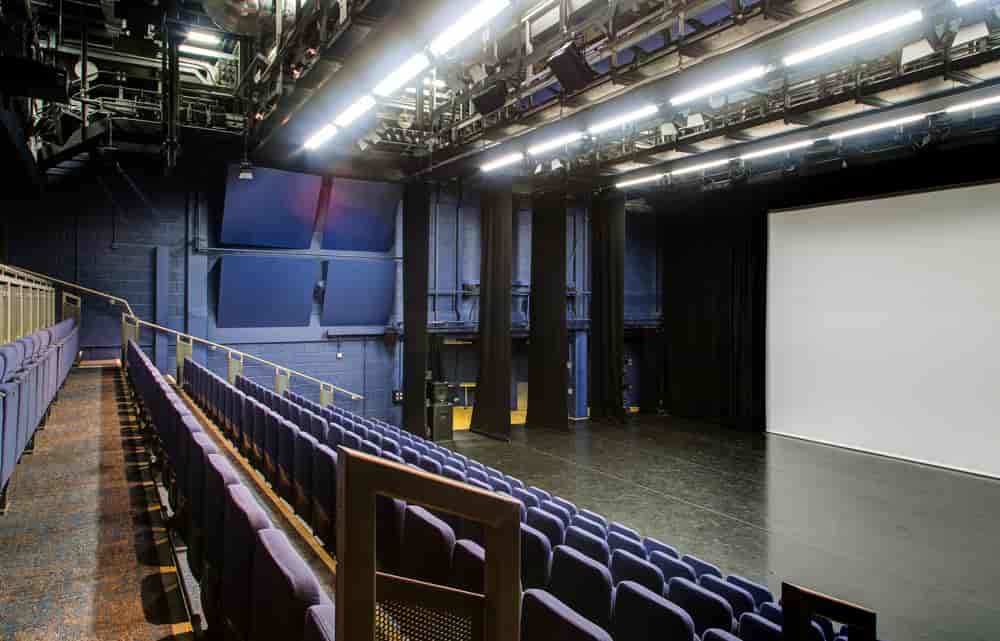
An intimate studio with advanced tech, ideal for seminars and performances in a theatre setting.
From: £430
Capacity: Up to 350 guests
Events at London Stadium (Home to West Ham United and London 2012 Olympics)
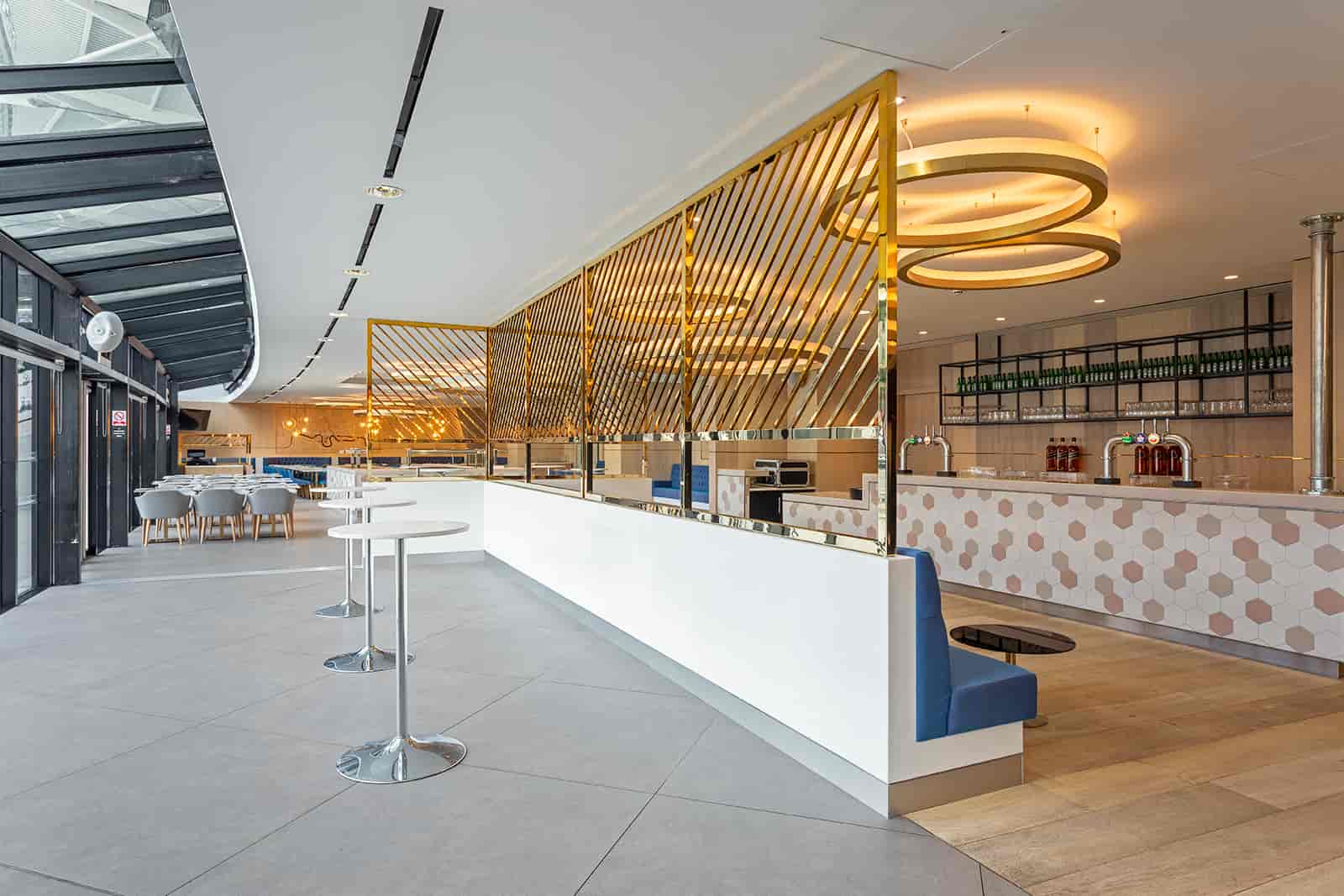
A versatile event space with a bar, balcony, and historic Olympic views. Ideal for corporate events.
From: £105 per person
Capacity: Up to 331 guests
Events at Studio Spaces
An industrial-chic studio in a former factory, ideal for high-end events and productions.
From: £3500
Capacity: Up to 300 guests
Dining at The Science Museum
Dine among iconic exhibits in a unique museum space. Ideal for receptions, dinners, and galas.
From: £17400
Capacity: Up to 400 guests
Events at Somerset House
From: £9000
Capacity: Up to 300 guests
Events at Curzon Mayfair
A historic 307-seat cinema in Mayfair with a stage and large screen, ideal for impactful events.
From: £650
Capacity: Up to 305 guests
Events at National Portrait Gallery
A grand, versatile atrium in a historic gallery. Ideal for receptions, launches, and exhibitions.
From: £4000
Capacity: Up to 300 guests
Events at 1 Lombard Street
A sophisticated brasserie venue for up to 150 guests, perfect for corporate events and celebrations.
From: £8000
Capacity: Up to 350 guests
Business at Oche The Strand
A versatile exclusive venue for private events with shared plates, craft cocktails, gaming experience, and space for up to 330 people.
From: £4000
Capacity: Up to 330 guests
Business at Park Village
A versatile 10,000 sq ft event space in a historic Victorian building near Regent's Park.
From: £8500
Capacity: Up to 400 guests
...and 6 more venues available
Related Event Types
- Recording Studios
- Recording Studios
- Affordable Recording Studios
- Recording Booth
- Affordable Recording Studios
- Recording Booth
- Creative Spaces
- Creative Spaces
- Creative Spaces
- Creative Spaces
- Recording Studios
- Recording Studios