Museums in London for 300 people
Explore museums in London perfect for hosting events of up to 300 guests.
About Museums
### Why London's Museums Are Perfect for Your 300-Guest Event (And Which Ones Actually Work) There's something magical about hosting an event where your guests are surrounded by centuries of history and world-class collections. We've organised dozens of museum events over the years, and honestly, they create an atmosphere that's impossible to replicate in a standard conference centre. London's museums aren't just stunning backdrops – they're surprisingly practical for 300-guest events. The Natural History Museum's Earth Hall, for instance, can accommodate 300 in theatre style or 250 for a seated dinner, with those soaring 4-metre ceilings that make even the largest gatherings feel intimate. The British Museum's Great Court offers similar flexibility, and both venues come with the kind of architectural drama that gets people talking long after your event ends. #### What Makes Museum Venues Actually Work for Large Groups The key advantage we've found is space flow. Unlike cramped hotel ballrooms, museums are designed for crowd movement. The Science Museum's Flight Gallery, for example, naturally guides guests through different zones – perfect for networking receptions or product launches where you want organic mingling rather than forced interactions. Budget-wise, you're looking at £5,000-£10,000 per day for hire, which might seem steep until you factor in what's included. Most museum venues provide basic AV infrastructure, climate control that protects priceless artefacts (and keeps your guests comfortable), and built-in wow factor that would cost thousands to recreate elsewhere. #### The Venues That Actually Deliver for 300 Guests From our experience, three museums consistently excel for this group size. The V&A's Medieval & Renaissance Galleries offer intimate grandeur – think vaulted ceilings and period details that photograph beautifully. The Imperial War Museum provides a more contemporary feel with excellent technical capabilities, whilst the Museum of London Docklands gives you that coveted riverside location with flexible event spaces. The trick is matching venue character to your event purpose. We've seen [corporate days out](https://hirespace.com/GB/London/Corporate-Days-Out) work brilliantly in the more interactive science museums, whilst formal product launches shine in the classical settings of the National Gallery or Tate Modern. #### Getting the Logistics Right Here's what most organisers miss: museums have strict preservation requirements that actually work in your favour. The mandatory climate control means consistent temperature and humidity – no stuffy rooms or freezing guests. The security protocols ensure smooth entry management, and the professional event teams understand how to balance heritage protection with modern event needs. The booking timeline is crucial though. Popular museums like the Natural History Museum get booked 6-12 months ahead for prime dates, so start your venue search early and have backup options ready. ### The Essential Planning Timeline: What Museum Event Organisers Wish They'd Known Earlier After organising museum events for over a decade, we've learned that timing isn't just about booking early – it's about understanding the unique rhythm of heritage venues. Museum event planning operates on a completely different timeline to standard venues, and getting this wrong can derail even the most well-funded events. The biggest mistake we see? Assuming you can book a museum venue like a hotel conference room. Museums work 12-18 months ahead for major exhibitions and conservation work, which directly impacts event availability. We've had clients lose their dream venue because they didn't realise the Dinosaur Gallery would be closed for specimen rotation during their preferred month. #### The 12-Month Museum Event Timeline That Actually Works **12 months out:** Secure your venue and submit initial event proposals. Museums require detailed plans including guest numbers, catering requirements, and any special installations. The Natural History Museum, for instance, needs to approve all decorative elements to ensure they won't damage the Grade I listed interiors. **8-10 months ahead:** Finalise your event format and begin the licensing process. This is crucial – museums often require special event licenses beyond their standard premises license, particularly if you're planning evening events or serving alcohol in gallery spaces. Budget £500-£1,000 for additional licensing fees. **6 months prior:** Lock in your catering and AV requirements. Museum kitchens have strict limitations – many can't accommodate hot food preparation due to conservation concerns. We typically work with approved external caterers who understand these restrictions, adding £15-25 per head to standard catering costs. **3 months before:** Conduct your site visit and finalise logistics. This is when you'll discover practical details like loading bay access (often limited to early morning slots) and storage restrictions. The British Museum, for example, has no on-site storage, so everything must arrive and leave the same day. #### The Hidden Timeline Factors That Catch People Out Museum conservation schedules can trump your event plans. We once had a client's launch postponed because emergency conservation work was needed on a gallery ceiling. Always have a Plan B venue, and consider [company retreats in Greater London](https://hirespace.com/GB/Greater-London/Company-Retreats) as backup options that offer similar prestige without heritage constraints. School holiday periods are particularly tricky – museums prioritise educational visits, limiting corporate event availability. Half-term weeks and summer holidays often mean complete event blackouts in popular galleries. Start your venue search 18 months ahead if you're targeting peak seasons or iconic spaces. The investment in early planning pays dividends when your guests are networking beneath a Diplodocus skeleton rather than in another generic hotel ballroom. ### Navigating Museum Venue Requirements: From Heritage Restrictions to Modern Event Needs ### Navigating Museum Venue Requirements: From Heritage Restrictions to Modern Event Needs The first time we tried to hang branded banners in the V&A's Medieval Gallery, we learned a harsh lesson about heritage venue restrictions. What seems like a simple request – adding your company logo to the space – becomes a complex negotiation involving conservation officers, structural engineers, and sometimes even English Heritage approval. Museum venues operate under layers of protection that standard event spaces simply don't face. Grade I and II* listed buildings (which most major London museums are) require special permissions for any temporary installations. We've seen event budgets balloon by £3,000-£5,000 just for the specialist mounting systems needed to hang AV screens without touching historic walls. #### The Technical Reality of Heritage Venues Power supply is often the biggest shock for organisers. Many museum galleries were never designed for modern events – you might find just two 13-amp sockets in a 500m² space. Bringing in additional power requires specialist contractors who understand heritage building constraints, typically adding £2,000-£4,000 to your technical budget. Climate control restrictions are non-negotiable. Museums maintain strict temperature (18-22°C) and humidity (45-65% RH) levels to protect collections. Your 300 guests will generate significant heat and moisture, so venues often limit occupancy or require additional environmental monitoring. The Science Museum charges an extra £500 for extended climate monitoring during large events. Sound restrictions can be particularly challenging. Many museums have noise limiters that automatically cut power if decibel levels exceed conservation-safe limits. We learned this the hard way during a product launch when the PA system cut out mid-presentation because applause triggered the 85dB limit. #### Working With (Not Against) Museum Requirements The secret is embracing these constraints as creative opportunities. Instead of fighting the no-nails policy, we've created stunning suspended installations using museum-approved tension systems. Rather than battling sound limits, we've designed intimate acoustic experiences that actually enhance the venue's atmosphere. Smart organisers build heritage requirements into their event concept from day one. [Team off-sites in North London](https://hirespace.com/GB/London/North-London/Team-Off-Sites) often work better in more flexible venues, but when you need the gravitas of a museum setting, plan your content around the venue's strengths rather than its limitations. #### Getting Approval Without the Headaches Start your technical discussions early – ideally 6 months before your event. Museum technical teams are incredibly knowledgeable but work within strict frameworks. Present your requirements as problems to solve together rather than demands to accommodate. Always budget 20-30% extra for heritage compliance costs. It's better to have contingency funds you don't need than to discover halfway through planning that your AV setup requires a structural survey costing £1,500. The key is finding venues where your event vision aligns with the museum's capabilities. When that happens, you'll create experiences that guests remember for years – not just another corporate gathering, but something truly special. ### Smart Budget Strategies for Museum Events: Getting Maximum Impact for 300 Guests The biggest misconception about museum events is that they're automatically expensive. Yes, venue hire runs £5,000-£10,000 per day, but when you break down what's included versus a standard conference centre, the value equation often tips in museums' favour – especially for 300-guest events where impact matters as much as cost. We've consistently found that museum venues deliver better ROI because they eliminate several budget lines you'd face elsewhere. That £8,000 venue hire typically includes climate control (worth £1,500 at external venues), basic security (another £800-£1,200), and architectural drama that would cost £3,000+ to recreate with staging and décor. Suddenly, your "expensive" museum booking looks rather sensible. #### The Hidden Savings That Make Museums Work The real budget wins come from understanding what museums provide versus what they restrict. Take catering – whilst you can't use the venue's kitchens, approved external caterers often offer better value than hotel in-house teams. We've saved clients £8-12 per head by working with museum-approved caterers who specialise in heritage venues, rather than paying hotel premiums. AV costs can be surprisingly reasonable too. Many museums have invested heavily in modern infrastructure – the Science Museum's galleries come with built-in projection systems and high-speed WiFi that would cost £2,000-£3,000 to install temporarily elsewhere. The key is choosing venues where your technical needs align with existing capabilities. #### Strategic Timing for Maximum Value Off-peak booking is where smart organisers make their budgets stretch. Tuesday-Thursday events in January-March or September-November can secure 20-30% discounts on standard rates. The Natural History Museum offers particularly attractive rates for weekday morning events, when they're keen to maximise revenue before public opening. Consider split-format events to maximise impact whilst controlling costs. We've successfully run morning conferences in museum lecture theatres (£1,500-£2,500 hire) followed by evening receptions in the main galleries (£6,000-£8,000). This approach gives you the prestige venue for networking whilst keeping presentation costs reasonable. #### Making Every Pound Count The smartest budget strategy we've seen involves partnering with museums on content. Many venues offer reduced rates for events that align with their educational mission or current exhibitions. A fintech company recently saved £3,000 on venue hire by incorporating the Science Museum's AI exhibition into their product launch narrative. For [corporate days out](https://hirespace.com/GB/London/Corporate-Days-Out) that need serious impact, museums deliver unmatched value per impression. When your guests are photographing themselves beside dinosaur skeletons or in the Great Court, that social media reach often exceeds what you'd achieve with expensive entertainment or celebrity speakers. Start your budget planning with total event impact rather than individual line items. Museum venues might cost more upfront, but they consistently deliver the kind of memorable experiences that justify premium pricing and generate lasting business value. ### Avoiding the 5 Most Common Museum Event Mistakes (Plus Expert Solutions That Actually Work) We've seen brilliant events derailed by the same five mistakes, time and again. The frustrating part? Each one is completely avoidable if you know what to watch for. After organising museum events for 300+ guests across London's major venues, these are the pitfalls that catch even experienced planners off guard. #### Mistake #1: Underestimating Load-In Complexity The biggest shock for first-time museum organisers is discovering that your £15,000 AV setup needs to arrive through a single service entrance shared with school groups and delivery trucks. The British Museum's loading bay, for instance, only accommodates vehicles until 10am – miss that window and you're carrying equipment through public galleries. We now build 3-4 hours of load-in time into every museum event schedule, versus the 90 minutes you'd need at a hotel. Factor this into your supplier contracts – many AV companies charge overtime rates for extended setup periods, adding £800-£1,200 to your technical budget. #### Mistake #2: Ignoring Gallery Flow for 300 Guests Museum spaces weren't designed for cocktail receptions. The Natural History Museum's Earth Hall looks spacious until 300 people arrive and create bottlenecks around the escalator and popular exhibits. We've learned to map guest flow patterns during site visits, identifying pinch points that need stewarding or furniture placement to guide movement. The solution? Work with venue teams to understand natural traffic patterns and plan your event layout accordingly. Consider [team off-sites in South East London](https://hirespace.com/GB/London/South-East-London/Team-Off-Sites) if you need more flexible space configuration for interactive elements. #### Mistake #3: Overlooking Conservation-Driven Restrictions Nothing kills event momentum like discovering your planned wine service violates conservation policies. Many galleries prohibit red wine entirely – imagine explaining to your CEO why the product launch toast is happening with white wine only. The V&A restricts all beverages in certain galleries, whilst the Science Museum allows drinks but requires special floor coverings costing £500-£800. Always request the full restrictions list during initial venue discussions. These aren't negotiable policies – they're legal requirements tied to the venue's heritage status and insurance coverage. #### Mistake #4: Inadequate Backup Planning Museum venues have unique vulnerabilities. Emergency conservation work, unexpected gallery closures, or even VIP visits can trump your booking. We always secure backup dates and alternative spaces within the same venue. The Imperial War Museum, for example, offers multiple event spaces that can accommodate 300 guests if your primary choice becomes unavailable. #### Mistake #5: Misunderstanding the True All-In Cost That £8,000 venue hire is just the starting point. Add mandatory security staffing (£600-£900), specialist cleaning requirements (£400-£600), and heritage-compliant technical solutions, and you're looking at £12,000-£15,000 total venue costs. Budget accordingly from day one to avoid nasty surprises. The key to museum event success? Embrace the venue's character rather than fighting it. When you work with these magnificent spaces instead of against them, you'll create experiences that guests talk about for years.
Featured Venues for Museums
Browse 16 venues perfect for Museums
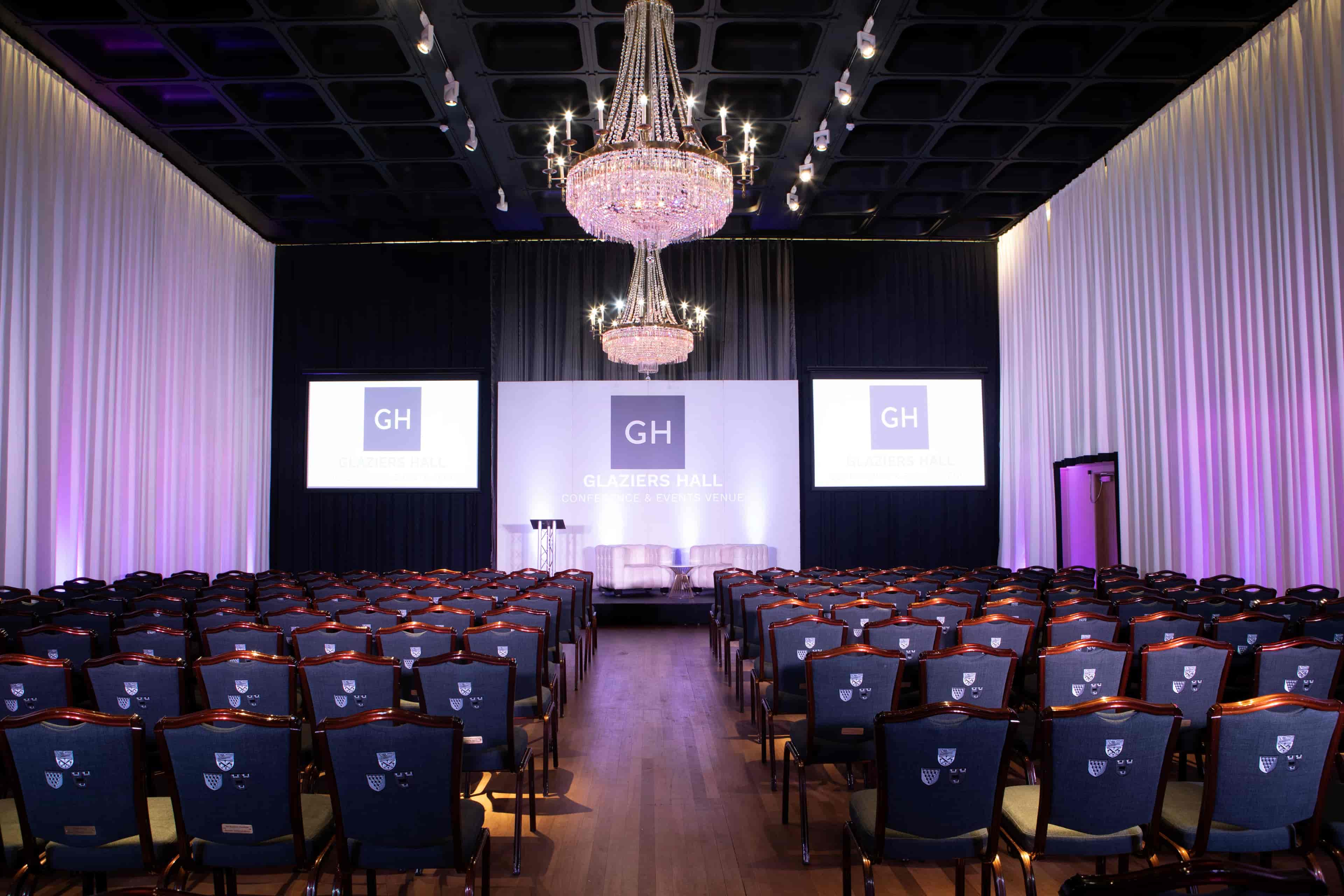
Business at Glaziers Hall
A versatile hall on the South Bank for up to 300 guests, ideal for conferences and events.
From: £4500
Capacity: Up to 300 guests
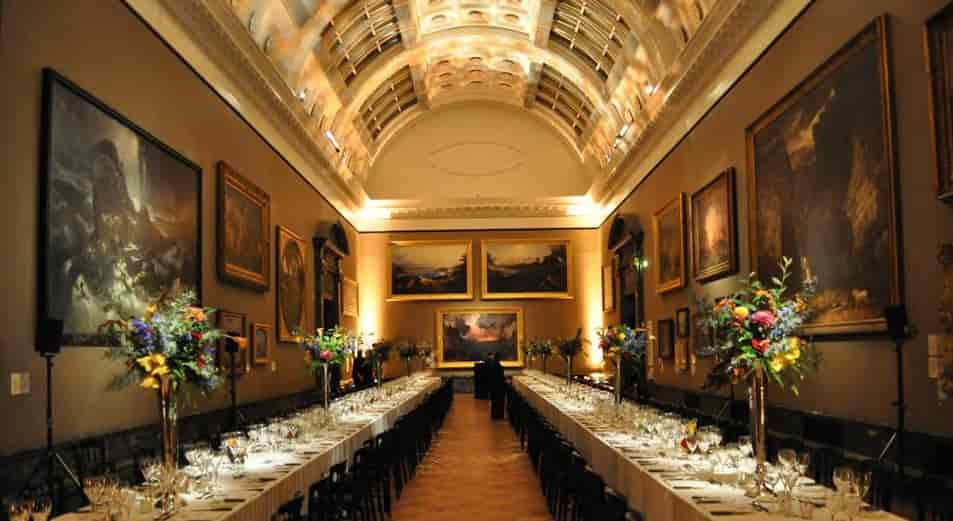
Events at Tate Britain
A historic gallery space showcasing British art, ideal for elegant events and dining experiences.
From: £10000
Capacity: Up to 300 guests
Events at Cutty Sark
An iconic venue under a ship's hull, ideal for dinners, receptions, and corporate events.
From: £10500
Capacity: Up to 400 guests
Arts at Mall Galleries
A large, versatile gallery on The Mall, ideal for solo or group exhibitions and various events.
From: £9600
Capacity: Up to 360 guests
Events at The May Fair Hotel, A Radisson Collection Hotel
Elegant event space with private bar, stunning chandelier, ideal for weddings, parties, and dinners.
From: £99 per person
Capacity: Up to 370 guests
Events at 1 Lombard Street
A sophisticated brasserie venue for up to 150 guests, perfect for corporate events and celebrations.
From: £8000
Capacity: Up to 350 guests
Dining at The Science Museum
Dine among iconic exhibits in a unique museum space. Ideal for receptions, dinners, and galas.
From: £17400
Capacity: Up to 400 guests
Business at The Mermaid London
Open-plan room with panoramic Thames views, ideal for business events, conferences, and exhibitions.
From: £95
Capacity: Up to 500 guests
Events at Ciné Lumière
Elegant Art Deco cinema with 229 seats, ideal for screenings, conferences, and concerts.
From: £1937.5
Capacity: Up to 300 guests
Business at The Landmark London
A luxurious 5* Victorian hotel with a grand ballroom, ideal for large-scale elegant events.
From: £20000
Capacity: Up to 500 guests
...and 6 more venues available
Related Event Types
- Unusual Venues
- Unusual Venues
- Gallaries
- Gallaries
- Basement Venues
- Boats
- Basement Venues
- Boats
- Cafes
- Conservatory Venues
- Kitchenes For Hire
- Loft Venues
- Palaces
- Townhouses
- Warehouse
- Warehouse Venues
- Cafes
- Conservatory Venues