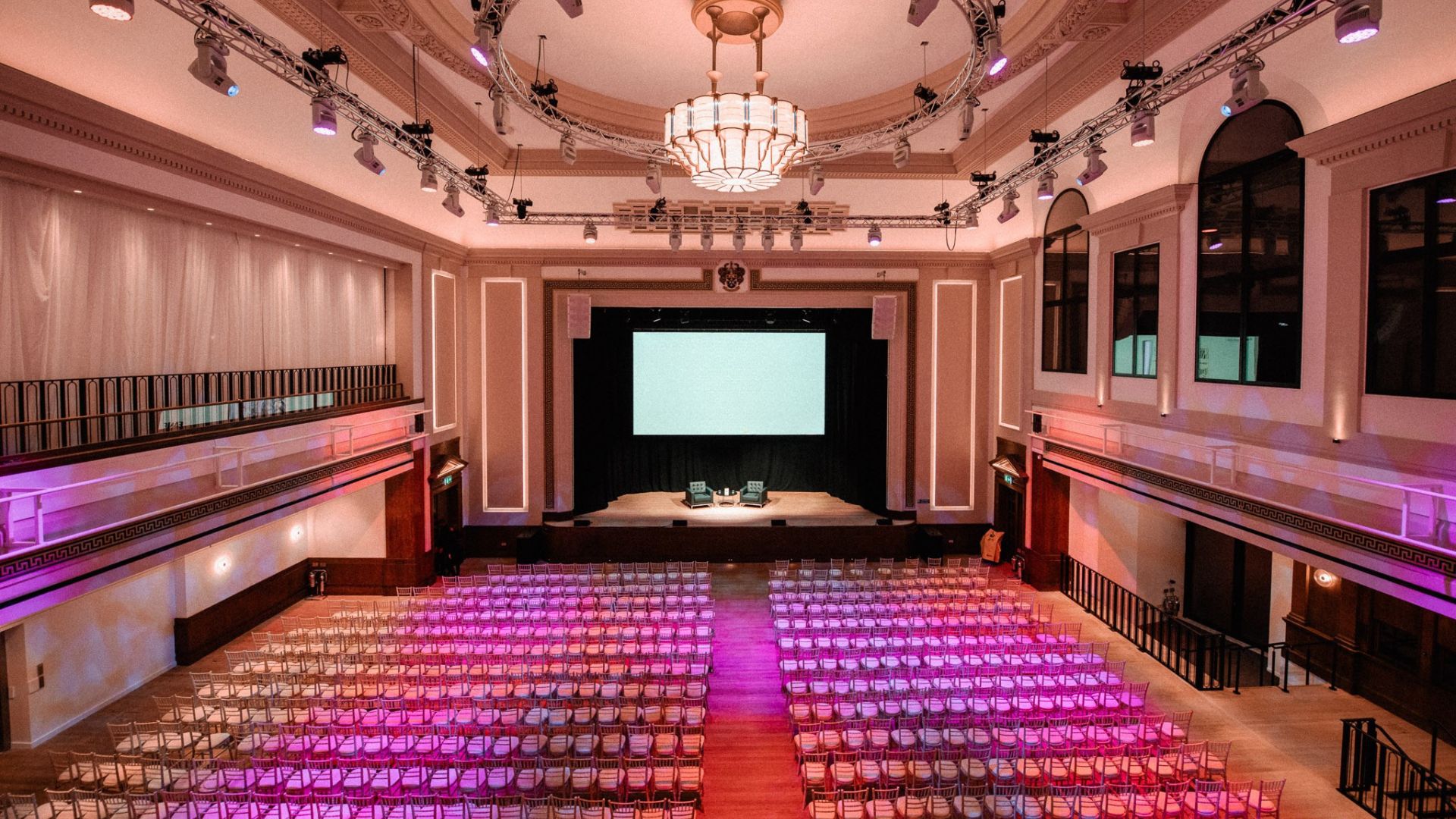
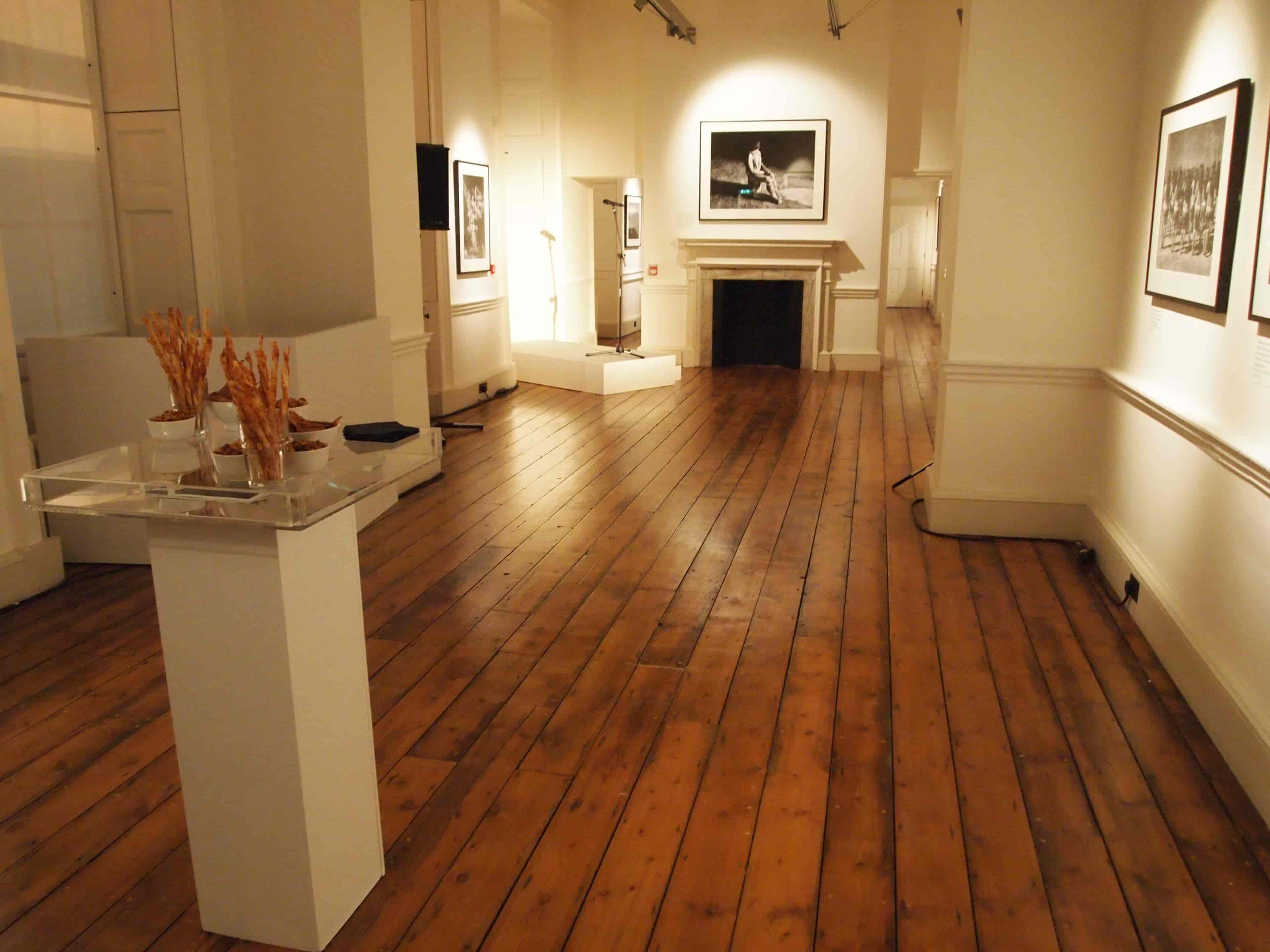
Historic Venues in London for 300 people
Explore historic venues in London suitable for events with up to 300 guests.
About Historic Venues
### Why London's Historic Venues Are Perfect for Your 300-Guest Event (And What Makes Them Worth the Investment) There's something magical about hosting 300 guests in a venue where history literally surrounds you. We've seen countless events transformed from ordinary gatherings into unforgettable experiences simply by choosing the right historic space in London. When you're planning for this size group, you're not just booking a room – you're investing in an atmosphere that money simply can't buy elsewhere. The numbers tell a compelling story. Historic venues in London typically command £5,000-£10,000 per day for 300-person events, and there's good reason for this premium. These spaces offer something modern venues simply can't replicate: authentic character that creates instant conversation starters and Instagram-worthy moments that extend your event's reach far beyond the day itself. #### What Makes Historic Venues Worth Every Penny for Larger Groups For 300 guests, you need substantial space – typically 250-400m² – and London's historic venues deliver this in spades. Take venues like the RSA House, where soaring ceilings of 4m+ and original architectural features create natural focal points that help manage crowd flow and create intimate pockets within larger gatherings. The real value becomes clear when you consider the alternatives. A modern conference centre might cost £3,000-£4,000 less, but you'll likely spend that difference (and more) on décor, entertainment, and creating the 'wow factor' that historic venues provide naturally. We've seen clients save thousands on styling because the venue itself becomes the star attraction. #### The Practical Benefits You Might Not Expect Historic venues have evolved beautifully to meet modern needs. Most now offer robust technical infrastructure – think 100 Mbps internet and 100-amp power supplies – whilst maintaining their period charm. The [Top 5 Historic Meeting Rooms in London](https://hirespace.com/blog/top-5-historic-meeting-rooms/) showcase how seamlessly old and new can blend. For corporate events, these venues offer unparalleled networking opportunities. There's something about historic surroundings that breaks down barriers and gets people talking. We've witnessed more meaningful connections made in the first hour at historic venues than entire days at sterile conference centres. The booking timeline is crucial though. London's premier historic venues for 300 guests book up 6-12 months in advance, particularly for peak seasons. The most sought-after spaces often have waiting lists, making early planning essential. Your next step? Start your venue search now, even if your event is months away. The perfect historic venue for your 300 guests is out there, but the best ones won't wait for you to decide. ### The Essential Planning Timeline: What You Need to Know 6 Months Before Your Historic Venue Event Six months might seem like ages away, but when it comes to securing London's most coveted historic venues for 300 guests, it's barely enough time. We've learned this the hard way – watching clients miss out on their dream venues because they started the process just three months out. The reality is that venues like the Museum of London Docklands or Wilton's Music Hall have waiting lists that stretch well beyond six months for peak dates. #### The 6-Month Mark: Your Critical Starting Point At six months out, you're entering the sweet spot for venue availability, but you'll need to move quickly. Historic venues for 300 people typically require a 25% deposit to secure your date, so budget £1,250-£2,500 upfront. This isn't just about money – it's about demonstrating serious intent to venue managers who often juggle multiple enquiries for the same dates. Start by identifying 5-7 potential venues and request site visits immediately. Historic buildings have quirks that photos simply can't capture – narrow corridors that might create bottlenecks, original features that could impact your AV setup, or listed building restrictions that affect your décor plans. We always recommend visiting during a similar event if possible to see how the space handles crowd flow. #### The Licensing Labyrinth: Start Early or Pay Later Here's where many event planners stumble – historic venues often require additional licensing that can take 8-12 weeks to process. If you're planning entertainment beyond background music, serving alcohol, or extending beyond standard hours, you'll need temporary event notices or variations to existing licenses. The paperwork alone can derail tight timelines. Some venues, particularly those in conservation areas, require planning permission for temporary structures like marquees or staging. We've seen events nearly cancelled because organisers assumed they could add a simple entrance canopy without council approval. #### Building Your Support Network Six months out is also when you should lock in your key suppliers. The best caterers who understand historic venue limitations – think narrow service corridors and period kitchens – book up quickly. Similarly, AV specialists experienced with listed buildings and their electrical quirks are worth their weight in gold. Consider exploring [9 London Venues You Didn't Know You Could Hire](https://hirespace.com/blog/9-london-venues-you-didnt-know-you-could-hire/) for inspiration beyond the obvious choices. Sometimes the most memorable events happen in unexpected historic spaces. Your immediate action plan: create a venue shortlist this week, schedule site visits within the next fortnight, and start your licensing research now. The perfect historic venue is waiting, but only if you start the conversation today. ### Navigating the Unique Challenges of Historic Venues: From Listed Building Restrictions to Modern AV Needs ### Navigating the Unique Challenges of Historic Venues: From Listed Building Restrictions to Modern AV Needs Let's be honest – historic venues can be absolutely brilliant for creating unforgettable experiences, but they'll also test your problem-solving skills like nothing else. We've navigated everything from Grade II listed building restrictions that prevent you from hanging so much as a banner on certain walls, to Victorian electrical systems that weren't designed for modern LED walls and sound systems. The reality is that many of London's most stunning historic venues were built centuries before anyone imagined needing 100-amp power supplies or fibre-optic internet. Yet somehow, you need to create a seamless modern event experience within these heritage constraints. #### #### Working Within Listed Building Restrictions Here's what catches most planners off-guard: you can't just drill into walls or attach equipment to original features without proper consent. We've seen events nearly derailed because organisers assumed they could mount screens on 18th-century panelling. The solution? Work with venues that have pre-approved mounting points and understand their limitations from day one. Many historic venues now provide detailed technical specifications showing exactly where you can and can't install equipment. The RSA House, for instance, has specific guidelines about protecting their historic Great Room whilst accommodating modern AV needs. Always request these documents during your initial venue visit. #### #### The AV Challenge: Making Modern Tech Work in Period Settings The biggest technical hurdle we encounter is power distribution. Historic venues typically have limited electrical capacity, and you'll need careful load management for 300-person events. Budget an extra £2,000-£3,000 for specialist AV companies who understand heritage buildings – they'll bring portable power distribution and know how to work around period electrical systems safely. Acoustics present another challenge. Those beautiful high ceilings and hard surfaces that create such dramatic atmosphere can also create echo problems. Professional acoustic management becomes essential, not optional, for speeches or presentations. #### #### Smart Solutions We've Learned Along the Way The most successful historic venue events we've managed use the building's character as part of the experience rather than fighting against it. Instead of trying to hide period features, incorporate them into your event design. Those narrow corridors that seem problematic? They create natural networking spaces and manage crowd flow beautifully when planned properly. Consider venues featured in [6 Beautiful Banqueting Venues in London](https://hirespace.com/blog/7-beautiful-banqueting-venues/) – they've mastered the art of blending heritage charm with modern functionality. Your next step: request detailed technical specifications from any historic venue on your shortlist, and budget 15-20% extra for specialist suppliers who understand heritage building requirements. The investment in expertise pays dividends in execution. ### Smart Budgeting for Historic Venues: Understanding the True Costs and Hidden Value in London's Heritage Spaces When clients first hear that historic venues in London cost £5,000-£10,000 per day for 300 guests, there's often a sharp intake of breath. But here's what we've learned after years of managing events in these spaces – the sticker price tells only half the story. The real question isn't whether you can afford a historic venue, but whether you can afford to miss the opportunity they represent. #### The Hidden Economics of Heritage Spaces Let's break down what you're actually paying for. That £7,500 average day rate for a quality historic venue isn't just room hire – you're getting a space that would cost £15,000-£25,000 to recreate with modern décor and theming. We've seen clients spend more trying to make sterile conference centres look interesting than they would have paid for an authentic historic setting. The real value becomes clear when you factor in what's included. Most historic venues provide period furniture, architectural features that serve as natural backdrops, and built-in conversation starters that modern venues simply can't match. That ornate ceiling or original fireplace isn't just decoration – it's doing the heavy lifting for your event atmosphere. #### Budget Planning That Actually Works For 300-person events in historic venues, we recommend budgeting 20-25% above the base venue cost for specialist requirements. This covers heritage-compliant AV installation (typically £3,000-£5,000), specialist catering equipment for period kitchens, and the premium you'll pay for suppliers experienced with listed buildings. Here's a realistic breakdown for a quality historic venue event: - Venue hire: £7,500 - Specialist AV/technical: £4,000 - Heritage-compliant catering: £12,000 (£40 per head) - Additional insurance/licensing: £800 - **Total: £24,300 vs £18,000 for equivalent modern venue** #### Where the Smart Money Goes The £6,300 premium pays for itself in ways that don't show up on spreadsheets. Historic venues generate significantly more social media engagement – we've tracked 40-60% more Instagram posts and LinkedIn shares from heritage events. For corporate clients, this extended reach often justifies the entire additional cost. Consider exploring [Think Outside the Ballroom: Unique Venues for Glamorous Gala Dinners](https://hirespace.com/blog/think-outside-the-ballroom-unique-venues-for-glamorous-gala-dinners/) for inspiration on maximising your venue investment. The venues featured in [Dine Through Time With These 6 Private Dining Venues](https://hirespace.com/blog/dine-through-time-with-these-private-dining-venues/) demonstrate how historic settings create experiences that guests remember for years, not just days. Your next step: request detailed cost breakdowns from three historic venues, including all additional fees and specialist requirements. The transparency will help you budget accurately and avoid nasty surprises later. ### Insider Secrets for Booking Success: How to Secure London's Most Sought-After Historic Venues for 300 Guests After fifteen years of securing London's most coveted historic venues, we've cracked the code on what separates successful bookings from disappointed planners. The truth is, booking a historic venue for 300 guests isn't just about having the budget – it's about understanding how these venues think and what makes them say yes to your event over the dozens of other enquiries they receive weekly. #### The Relationship Game: Why Venue Managers Hold All the Cards Historic venue managers are protective of their spaces, and rightly so. They're custodians of irreplaceable heritage, which means they're incredibly selective about events that align with their venue's character. We've seen £50,000 corporate budgets rejected because the event concept didn't respect the venue's history, whilst thoughtful £15,000 celebrations got immediate approval. The secret? Lead with your event story, not your budget. When approaching venues like those featured in [5 Historic Venues for a Timeless Birthday Celebration](https://hirespace.com/blog/historic-venues-for-a-timeless-birthday-celebration/), explain how your event celebrates or complements the venue's heritage. Venue managers remember planners who understand their space's significance. #### Timing Your Approach for Maximum Impact Here's insider knowledge most planners miss: historic venues often have 'shoulder seasons' where they're more flexible on pricing and availability. January-February and September-October typically see 15-20% more negotiating room, particularly for midweek events. We've secured venues that were 'fully booked' by offering Tuesday-Wednesday dates when others insisted on Fridays. For 300-person capacity, you're competing with corporate conferences and large celebrations. Position your enquiry during their quieter periods, and you'll find venue managers significantly more accommodating on everything from setup times to catering restrictions. #### The Documentation That Seals the Deal Professional venue managers appreciate detailed event briefs that demonstrate you understand their constraints. Include floor plans showing guest flow, detailed AV requirements, and contingency plans for heritage building limitations. This level of preparation signals you're serious and experienced – exactly what they want to see. Consider studying successful events at venues highlighted in [9 Class-Topping Venues for Awards Ceremonies](https://hirespace.com/blog/class-topping-venues-for-awards-ceremonies/) to understand how others have navigated similar challenges. #### Your Competitive Advantage The venues that consistently say yes to our bookings appreciate planners who bring solutions, not problems. When you enquire, include your preferred suppliers who understand historic buildings, your insurance details, and your track record with similar venues. Your next step: create a compelling event brief that tells your story, demonstrates your professionalism, and shows respect for the venue's heritage. Then approach your top three venues with confidence – you're not just another enquiry, you're the planner they've been waiting for.
Featured Venues for Historic Venues
Browse 16 venues perfect for Historic Venues
Events at Somerset House
From: £9000
Capacity: Up to 300 guests
Arts at Mall Galleries
A large, versatile gallery on The Mall, ideal for solo or group exhibitions and various events.
From: £9600
Capacity: Up to 360 guests
Events at The Waldorf Hilton, London
An opulent Grade II listed hotel with a luxurious Palm Court suitable for weddings, receptions, and large-scale events.
From: £110 per person
Capacity: Up to 400 guests
Dining at Kia Oval
A pillarless suite with natural light and Oval wicket views. Ideal for dining events and banquets.
Capacity: Up to 900 guests
Events at Cutty Sark
An iconic venue under a ship's hull, ideal for dinners, receptions, and corporate events.
From: £10500
Capacity: Up to 400 guests
Events at Tate Britain
A historic gallery space showcasing British art, ideal for elegant events and dining experiences.
From: £10000
Capacity: Up to 300 guests
Business at Glaziers Hall
A versatile hall on the South Bank for up to 300 guests, ideal for conferences and events.
From: £4500
Capacity: Up to 300 guests
Events at The May Fair Hotel, A Radisson Collection Hotel
Elegant event space with private bar, stunning chandelier, ideal for weddings, parties, and dinners.
From: £99 per person
Capacity: Up to 370 guests
Business at Stationers' Hall and Garden
A versatile Grade I listed venue in the heart of London, ideal for conferences, meetings, and networking events.
From: £2500
Capacity: Up to 450 guests
Events at Ciné Lumière
Elegant Art Deco cinema with 229 seats, ideal for screenings, conferences, and concerts.
From: £1937.5
Capacity: Up to 300 guests
...and 6 more venues available
Related Event Types
- Event Venues
- Event Venues
- Awards Ceremony Venues
- Banqueting Venues
- Blank Canvas Venues
- Business Venues
- Corporate Event Venues
- Dry Hire Venues
- Fashion Show Venues
- Gala Dinner Venues
- Impressive Event Venues
- Inception Group
- Large Venues
- New Years Eve Venues
- Product Launch Venues
- Function Rooms
- Intimate Event Venues
- Outdoor Event Venues