
Gig Venues in London for 200 people
Explore top gig venues in London suitable for 200 guests.
About Gig Venues
### Why London's 200-Capacity Gig Venues Are Perfect for Intimate Live Music Events There's something magical about that sweet spot of 200 people in a gig venue – it's intimate enough for genuine connection between artist and audience, yet substantial enough to create that electric atmosphere that makes live music unforgettable. After years of working with venues across London, I've seen how this capacity hits the perfect balance for both emerging and established acts. The beauty of 200-capacity venues lies in their versatility. Unlike massive arenas where artists become distant figures, these spaces allow for real interaction. I've watched countless performers feed off the energy of a packed 200-person room, creating those spontaneous moments that become legendary among fans. The acoustics work brilliantly too – with proper 10-15kW sound systems and 4-5 metre ceiling heights, every note reaches every corner without overwhelming the space. #### What Makes 200-Person Venues Commercially Viable From a business perspective, these venues offer excellent revenue potential. With minimum spends typically ranging £5,000-£15,000 in central London, they're accessible for mid-tier acts while still generating substantial income. The bar revenue alone can be impressive – 200 people over a 4-hour event can easily hit those minimum spend requirements, especially with London's craft beer and cocktail culture. The technical setup is manageable yet professional. Most venues provide house PA systems, mixing desks, and basic lighting rigs, meaning bands don't need massive production budgets. I've seen brilliant gigs delivered with just the venue's standard 32A three-phase power supply and in-house sound engineer support. #### Strategic Advantages for Event Organisers Location flexibility is another huge advantage. While you might struggle to find affordable large venues in Zone 1, 200-capacity spaces exist throughout London's music hotspots – from Camden's legendary circuit to Shoreditch's trendy warehouse conversions. Transport links are generally excellent, with most venues within walking distance of tube stations. The booking timeline is more forgiving too. Unlike major venues that book 12-18 months ahead, you can often secure quality 200-person spaces with 3-6 months' notice, perfect for touring acts or seasonal events. This flexibility extends to [Corporate Away Day Venues in the South East](https://hirespace.com/GB/London/Corporate-Away-Day-Venues) when you're planning multi-purpose events that combine business with entertainment. For artists building their fanbase, these venues offer the perfect stepping stone between pub gigs and major concert halls. The intimacy creates devoted followers, while the professional setup ensures quality recordings and memorable experiences that drive word-of-mouth marketing. Ready to explore your options? Start by identifying 3-4 venues in your preferred areas and visiting them during similar events to assess acoustics, sightlines, and overall atmosphere. ### Essential Technical Requirements Every 200-Person Gig Venue Must Have Getting the technical specs right can make or break your gig, and I've learned this the hard way after watching brilliant performances fall flat due to inadequate venue infrastructure. When you're dealing with 200 people, you're in that crucial zone where amateur setups simply won't cut it, but you don't need stadium-level complexity either. #### Power and Electrical Infrastructure That Actually Works The backbone of any decent 200-person gig venue is its electrical setup. You'll need a minimum of 125A three-phase supply for stage lighting, plus a separate 63A single-phase for sound equipment. I can't tell you how many times I've seen events compromised because venues only offered domestic 13A sockets – it's simply not enough for professional-grade equipment. Look for venues with dedicated 32A single-phase outlets distributed around the performance area. This gives you flexibility for additional equipment without running extension leads across walkways. The best venues I've worked with also provide UPS backup systems for critical sound equipment, because nothing kills the vibe quite like a power cut mid-performance. #### Sound Systems That Fill the Space Properly For 200 people, you're looking at venues with 10-15kW sound systems as standard. The sweet spot includes full-range speakers with dedicated subwoofers and a proper monitor system for performers. Brands like Funktion One or D&B Y10p speakers are what you'll find in quality venues, paired with digital mixing desks like the Allen & Heath SQ7. The acoustics matter enormously at this capacity. Venues need proper acoustic treatment to prevent that muddy reverb that plagues converted warehouses. I always check for sound limiters too – most London boroughs require them, and they're typically set around 85dB in central areas. #### Ceiling Heights and Rigging Points Here's where many venues fall short: you need minimum 4.5-metre ceiling heights for proper lighting rigs and truss systems. Anything lower and you'll struggle with heat buildup and limited lighting angles. The best 200-capacity venues offer 6+ metre ceilings with certified rigging points rated for at least 500kg per square metre. | Technical Requirement | Minimum Standard | Professional Standard | |----------------------|------------------|----------------------| | Power Supply | 63A single-phase | 125A three-phase | | Sound System | 8kW | 15kW with monitors | | Ceiling Height | 4.5m | 6m+ with rigging | | Internet Speed | 50 Mbps | 100 Mbps symmetrical | #### Load-In Access and Storage Professional venues provide ground-level load-in access with doors wide enough for flight cases and equipment trolleys. You'll want at least 20-30 square metres of secure storage space – about 10-15% of your event area. The venues that really understand live music also offer separate artist areas and equipment storage that's accessible during the event. When you're venue hunting, always visit during a similar event to test the acoustics and assess the technical setup in action. For larger corporate events that might need similar technical standards, consider exploring [Company Retreats in Greater London](https://hirespace.com/GB/Greater-London/Company-Retreats) which often feature comparable AV capabilities. Don't just take the venue's word for their technical specs – ask for equipment lists, power distribution diagrams, and recent client references who've used similar setups. ### Navigating London's Licensing Laws and Venue Regulations for Live Music The licensing maze in London can feel overwhelming, but once you understand the key requirements for 200-person gig venues, it becomes much more manageable. I've guided countless clients through this process, and the good news is that venues of this size often fall into more straightforward regulatory categories than massive concert halls. #### Understanding Premises Licensing for Live Music Most 200-capacity venues will already hold a premises licence covering live music, recorded music, and alcohol sales – this is your starting point. However, there's a crucial exemption many people don't know about: venues under 500 capacity can host live acoustic music between 8am and 11pm without additional licensing, provided no amplification is used. For amplified gigs (which let's face it, is most of them), you'll need that full premises licence. The licensing authority varies by borough, and each has different approaches. Westminster and Camden are notoriously strict with noise conditions, often requiring sound limiters set at 85dB and earlier finish times around 11pm-midnight. Hackney and Southwark tend to be more flexible, allowing later finishes and higher sound levels, making them popular with promoters. #### Music Licensing That Actually Matters Beyond the venue's premises licence, you'll need PRS for Music and PPL licences for any recorded music played before, during, or after the live performance. For a 200-person venue, annual PRS fees typically run £800-£1,500, while PPL charges around £400-£800. Many venues include these in their hire fees, but always confirm – I've seen events shut down over missing music licences. #### Insurance and Safety Requirements Public liability insurance is non-negotiable, with most venues requiring minimum £2-5 million coverage. For 200-person events, expect to pay £150-£300 for single-event coverage. The venue should provide their own insurance details, but you'll need separate coverage for your equipment and any additional risks. Fire safety becomes more complex at 200 capacity. You'll need proper evacuation procedures, trained staff, and often a dedicated fire marshal. Most venues handle this, but confirm their capacity calculations include your staging and equipment – I've seen venues lose 20-30 spaces due to stage setups. #### Noise Management Strategies Here's where local knowledge pays off. Venues in residential areas often have noise monitoring systems that automatically cut power if limits are exceeded. Work with venue managers to understand their specific restrictions – some allow higher levels during certain hours, others have seasonal variations. For events requiring special considerations beyond standard gig licensing, venues hosting [Company Retreats in Hampshire](https://hirespace.com/GB/Hampshire/Company-Retreats) often deal with similar regulatory complexities around mixed-use events. Start your licensing research at least 8-12 weeks before your event date, and always request copies of the venue's current licences and any specific conditions that might affect your event format. ### Smart Budgeting Strategies for Hiring London Gig Venues That Seat 200 ### Smart Budgeting Strategies for Hiring London Gig Venues That Seat 200 The reality of budgeting for 200-capacity gig venues in London is that you're entering serious money territory – but with the right approach, you can maximise value while avoiding the budget blowouts that catch many promoters off guard. After working through hundreds of venue negotiations, I've learned that successful budgeting is about understanding the hidden costs and timing your booking strategically. #### Breaking Down the Real Costs Central London venues typically demand £5,000-£15,000 minimum spend, but that's just the starting point. The venue hire itself often represents only 40% of your total budget. Factor in technical crew (£200-£400 per person for 6-8 hour shifts), security staff (£150-£250 per person), and cleaning fees (£300-£600 for post-event deep cleans). I always budget an additional 20% contingency because something always comes up – overtime charges, additional equipment, or damage deposits. The bar minimum spend can work in your favour if managed properly. With 200 people over 4-5 hours, hitting a £3,000-£5,000 bar minimum is entirely achievable, especially with London's £6-£8 pint prices and £10-£15 cocktails. Smart promoters negotiate revenue splits above the minimum – typically 10-15% of excess bar sales. #### Timing Your Booking for Maximum Value Here's where insider knowledge pays dividends: Tuesday-Thursday bookings can save you 20-30% compared to weekend rates. January and February offer the best deals, with venues desperate to fill quiet periods. I've secured premium venues at 40% discounts during these months. Avoid December entirely unless budget isn't a concern – Christmas party season drives prices through the roof. Similarly, steer clear of major festival weekends when competing events inflate demand. Bank holiday Mondays often offer surprising value as venues struggle to fill these awkward dates. #### Negotiation Strategies That Actually Work Most venue managers have flexibility on package deals. Bundle multiple services – venue hire, bar, security, cleaning – and negotiate a total package price. I've seen 15-20% savings on combined bookings. For repeat events, establish relationships with 2-3 preferred venues and negotiate annual rates or loyalty discounts. Consider venues in emerging areas like King's Cross or Stratford, where rates remain competitive but transport links are excellent. These locations often provide better value than established Camden or Shoreditch venues, and the savings can fund better production values. For events requiring similar budget considerations across different venue types, exploring [Company Retreats in Hertfordshire](https://hirespace.com/GB/Hertfordshire/Company-Retreats) can provide insights into cost-effective alternatives outside central London. Start your venue search with a realistic total budget figure, then work backwards to determine what you can afford for venue hire, keeping that 40% rule in mind for sustainable event economics. ### Insider Tips for Booking and Managing Successful 200-Person Gigs in London The difference between a good gig and a legendary one often comes down to the details that happen behind the scenes – and after 15 years of managing 200-person events across London, I've learned that success lies in the preparation and relationships you build along the way. #### Building Relationships That Open Doors The London gig venue scene is surprisingly small, and venue managers talk to each other. I always recommend starting with smaller bookings to prove your professionalism before pitching larger events. Pay deposits on time, treat staff well, and leave venues spotless – these actions get remembered. I've secured last-minute bookings at premium venues simply because managers knew we were reliable clients. Develop relationships with 4-5 venues across different areas. This gives you negotiating power and backup options when your first choice is unavailable. Many of my most successful promoter clients rotate between trusted venues, often securing preferential rates and flexible terms that aren't available to one-off bookers. #### The 48-Hour Rule for Event Success Here's something most people don't realise: the 48 hours before your event are crucial for 200-person gigs. Confirm final numbers with the venue – capacity calculations can shift based on your staging requirements. I've seen events lose 15-20 spaces due to unexpected fire safety requirements or equipment placement. Double-check your rider requirements against venue capabilities. That 32A power supply might be available, but is it positioned where you need it? Can the venue's 15kW sound system actually deliver clean audio to the back corners when packed with 200 people? These details matter enormously at this capacity level. #### Managing the Night Itself Staff briefings are essential for 200-person events. Unlike smaller gigs where you can wing it, this capacity requires coordinated crowd management. Ensure bar staff understand your event timeline – nothing kills momentum like slow service during peak demand periods. Security should know your guest list procedures and understand the difference between industry guests and general admission. Monitor your bar spend throughout the evening. With minimum spends of £3,000-£5,000, you want to hit targets without overselling. I track sales hourly and adjust drink promotions accordingly – it's much easier than explaining shortfalls to venue managers at 2am. #### Post-Event Relationship Building Always conduct a post-event debrief with venue management within a week. Discuss what worked, what didn't, and how to improve next time. This conversation often leads to better rates for future bookings and insider knowledge about upcoming availability. For events requiring similar attention to detail and relationship management, consider how [Company Retreats in Gloucestershire](https://hirespace.com/GB/Gloucestershire/Company-Retreats) approach venue partnerships for their multi-day events. Start building your venue relationships now, even if your next event is months away – the best opportunities come to promoters who've invested in long-term partnerships rather than transactional bookings.
Featured Venues for Gig Venues
Browse 16 venues perfect for Gig Venues
Arts at KOKO
A historic, versatile live music venue in Camden for concerts, parties, and events up to 1000 guests.
From: £22500
Capacity: Up to 1500 guests
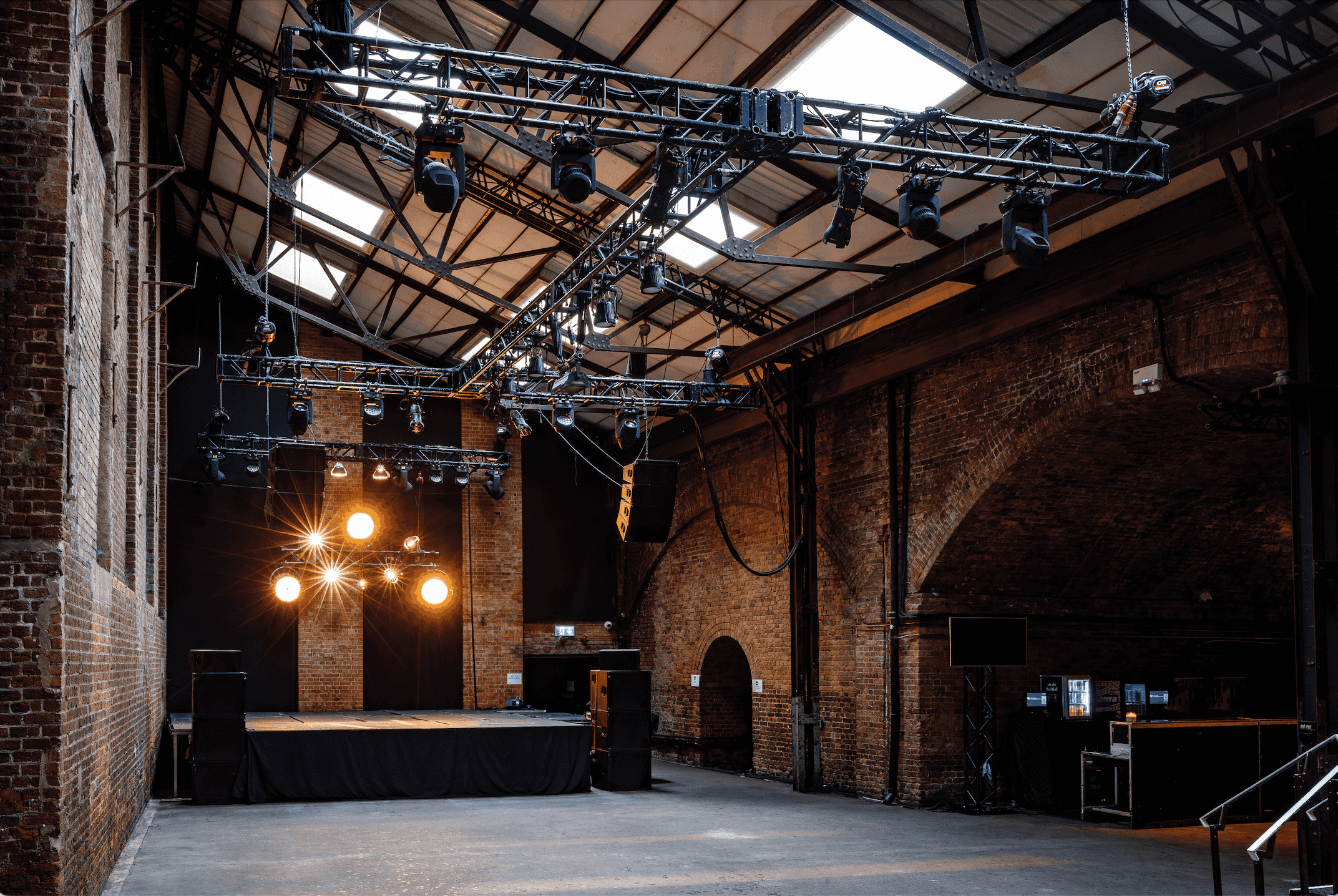
Events at Village Underground
A versatile, historic warehouse in Shoreditch with natural light. Ideal for launches, parties, and events.
From: £9500
Capacity: Up to 700 guests
Events at Vauxhall Arches
A modular 400-capacity event space under railway arches with a unique wraparound LED light system.
From: £500
Capacity: Up to 400 guests
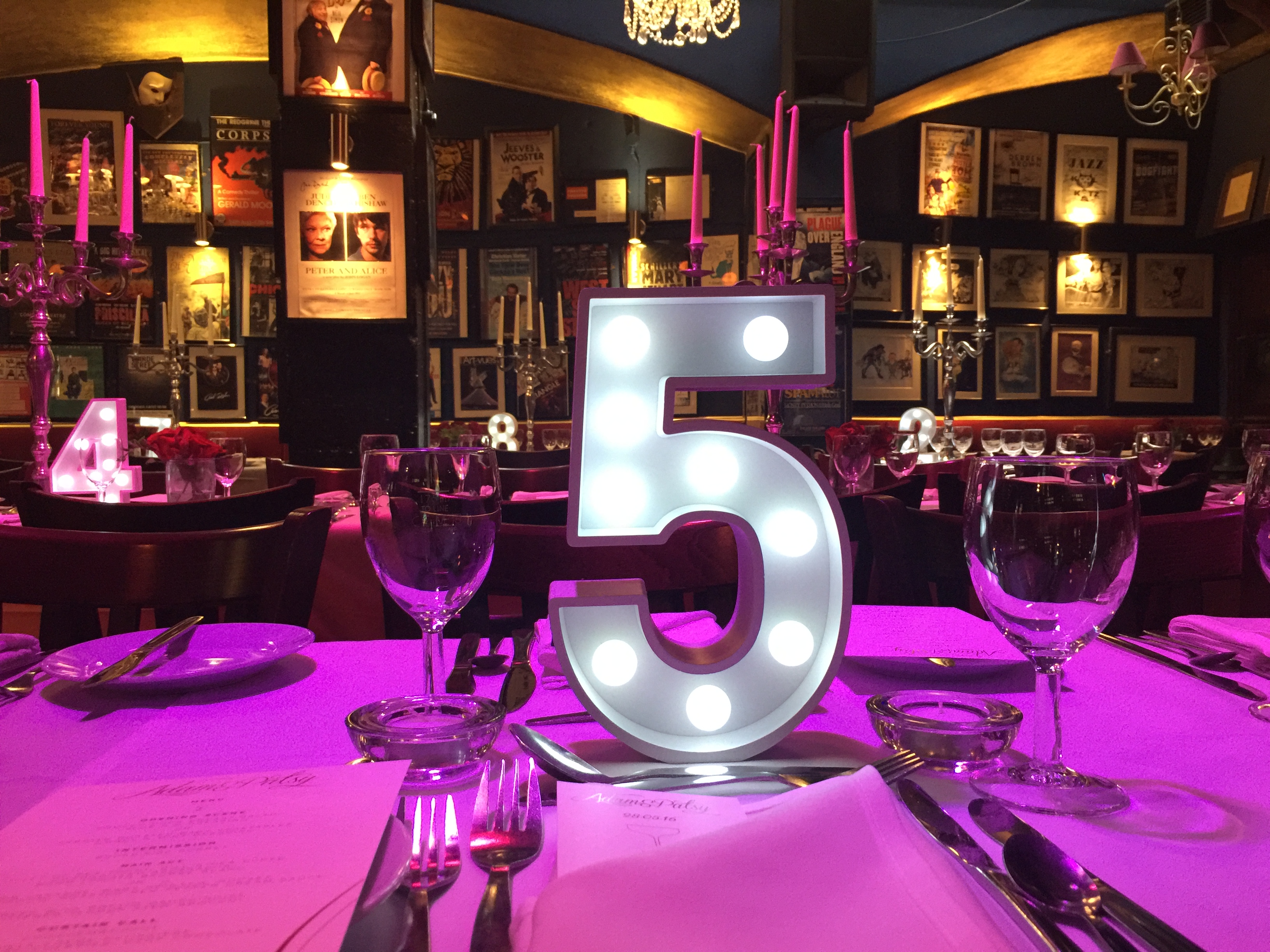
Dining at The Bloomsbury Ballroom
An opulent Art Deco cabaret venue with dining, ideal for corporate events, weddings, and live shows.
From: £45 per person
Capacity: Up to 250 guests
Weddings at Bush Hall
From: £2500
Capacity: Up to 300 guests
Events at Institute of Contemporary Arts
A versatile theatre in an iconic venue, ideal for gigs, fashion shows, private parties, and dinners.
From: £500
Capacity: Up to 350 guests
Screenings at The Box Soho
From: £10000
Capacity: Up to 210 guests
Dining at EartH
From: £3000
Capacity: Up to 300 guests
Events at The Venue
A versatile nightclub main hall with a historic vibe, ideal for events, dancing, and socializing.
From: £2500
Capacity: Up to 300 guests
Arts at St Paul's Church Covent Garden
A historic church in the West End, ideal for music events and summer theatre in a secret garden.
From: £50
Capacity: Up to 254 guests
...and 6 more venues available
Frequently Asked Questions
What ceiling height do London gig venues need for 200 people?
London gig venues for 200 people require minimum 4-5 metre ceiling heights to accommodate lighting trusses, ensure proper sound dispersion, and meet safety regulations. Higher ceilings (6+ metres) provide better acoustics and lighting flexibility for live performances.
How much stage space do 200-capacity London gig venues provide?
Standard gig venues for 200 people feature stages measuring 6-8 metres wide by 4-5 metres deep. Professional venues include raised platforms (1-1.5m high), dedicated load-in access, backstage areas, and power distribution for equipment setup and band requirements.
What licences do London gig venues need for 200-person events?
London gig venues require premises licences for alcohol sales, PRS/PPL music licences for live performances, public liability insurance (minimum £2-5 million), and entertainment licences. Venues must comply with noise restrictions and capacity limits set by local councils.
What bar facilities do 200-person London gig venues typically include?
Standard gig venues feature full bars with draught beer, spirits, and soft drinks. Minimum spend requirements typically range £2,000-£5,000. Professional venues offer dedicated bar staff, card payment systems, and merchandise sales areas to maximise revenue opportunities.
What sound system capacity do 200-person London gig venues need?
200-person gig venues require 10-15kW sound systems with full-range speakers, subwoofers, and monitor systems. Professional venues provide house PA systems, mixing desks, and microphone packages. Venues should offer 32A three-phase power and dedicated sound engineer support.
What loading access do London gig venues provide for equipment?
Professional gig venues offer dedicated load-in doors, ground-level access, and equipment storage areas. Central London venues typically restrict deliveries to 7am-11am. Venues should provide trolleys, secure equipment storage, and direct stage access for efficient setup.
What's the typical hire cost for 200-person gig venues in London?
Central London gig venues for 200 people typically cost £5,000-£15,000 minimum spend, while outer London venues range £4,000-£12,000. Weekend rates are 20-30% higher than weekdays. Costs include venue hire, basic sound/lighting, and bar minimum spend requirements.
Which London areas offer best transport access for gig venues?
King's Cross offers exceptional connectivity with 6 tube lines plus national rail. Camden provides Northern Line access with music venue clusters. Shoreditch/Old Street serves Northern/Circle lines. Central areas like Covent Garden offer multiple transport options but higher venue costs.
How do noise restrictions affect London gig venues for 200 people?
Westminster and Camden enforce stricter noise limits (typically 85dB) with earlier curfews (11pm-midnight). Outer boroughs allow higher levels and later finishes. Venues provide sound limiters and acoustic treatment to comply with local environmental health requirements.
When do London gig venue hire costs peak for 200-person events?
Friday and Saturday evenings command highest rates (20-30% premium). December and summer months see increased demand. Avoid major music festivals and bank holidays when prices surge. Tuesday-Thursday bookings offer best value, with January-February providing lowest rates.
Related Event Types
- Performance Venues
- Performance Venues
- Performance Spaces
- Presentation Venues
- Theatres
- Performance Spaces
- Presentation Venues
- Theatres
- Concert Venues
- Private Screenings
- Concert Venues
- Private Screenings
- Performance Venues
- Performance Venues