Galleries in London for 50 people
Explore stunning galleries in London suitable for events of up to 50 people.
About Galleries
### Why London's Gallery Scene Creates Perfect 50-Person Event Spaces (And Which Neighborhoods Deliver the Best Value) There's something magical about hosting events in London's galleries that goes beyond just having beautiful art on the walls. After years of organising events across the capital, I've found that galleries offer a unique sweet spot for 50-person gatherings – they're intimate enough to feel exclusive yet spacious enough to avoid that cramped feeling you get in smaller venues. The numbers tell quite a story here. Most London galleries suitable for 50 guests range from 70-100 m², which translates to roughly £1,000-£2,000 per day depending on location and prestige. What's particularly clever about this size is the flexibility – you can comfortably seat 30 for a formal dinner, accommodate 50 for a reception, or create theatre-style seating for presentations without anyone feeling squeezed in. #### Where the Smart Money Goes in London's Gallery Districts From my experience, certain neighbourhoods consistently deliver better value without compromising on impact. Shoreditch and Bermondsey have emerged as absolute gems – you'll find contemporary galleries with all the technical specs you need (that crucial 3m ceiling height, proper climate control, and adequate power supply) at rates that won't make your finance director wince. The City and Canary Wharf areas work brilliantly for corporate events, especially when you're targeting that Wednesday-Thursday peak period that galleries love. These venues understand business needs – they've got the infrastructure sorted, from high-speed internet (minimum 100 Mbps) to proper AV systems that actually work when you need them. South London, particularly around the Southbank, offers some fascinating options too. The transport links are excellent, and you're often getting more space for your money. I've seen events at galleries near [Galleries in Brighton](https://hirespace.com/GB/Brighton/Gallaries) that inspired similar bookings in South London – there's definitely a trend towards these slightly off-centre locations. #### The Technical Sweet Spot That Makes 50-Person Gallery Events Work What makes galleries particularly suited to this group size is their inherent design. Most have that essential combination of open floor space and defined zones – perfect for creating different experiences within one event. You might have drinks and networking in the main gallery space, then move to a smaller adjoining room for presentations. The key is understanding that galleries at this scale typically require about four hours each side of your event for setup and breakdown. Factor this into your timeline, and always confirm those load-bearing capabilities if you're bringing in any substantial installations – most gallery floors support up to 500 kg/m², but it's worth double-checking. For your next gallery event, start by identifying three potential neighbourhoods that align with your budget and guest demographics, then work backwards from your event date to secure the best rates. ### The Essential Gallery Booking Timeline: From Initial Inquiry to Event Day Success for Mid-Size Groups Getting the timing right for gallery bookings is absolutely crucial, and I've learned this the hard way over the years. The sweet spot for securing London galleries for 50-person events is typically 8-12 weeks ahead – any earlier and you're paying premium rates, any later and you're scrambling for availability. Here's what I've found works consistently: start your initial inquiries around 10 weeks out. This gives galleries enough notice to offer their best rates while ensuring you're not competing with those last-minute corporate bookings that can drive prices up by 20-30%. Most galleries I work with regularly offer early bird discounts of around 10-15% for bookings confirmed more than 8 weeks in advance. #### The Critical 6-Week Mark Six weeks before your event is when things get serious. This is your deadline for confirming all technical requirements – that HDMI setup for presentations, the wireless microphone system, and crucially, the lighting configuration. Galleries are particular about their lighting (and rightly so), but you need adequate illumination for networking and dining without washing out the artwork. I always recommend a site visit at this stage. It's one thing to see photos, but you need to understand the flow between spaces, check those sight lines for presentations, and confirm the setup logistics. Most galleries require a minimum of four hours each side of your event for setup and breakdown – factor this into your timeline and budget, as it often means paying for an additional half-day. #### The Final Sprint: 2 Weeks to Event Day Two weeks out is when you finalise catering arrangements and confirm your guest list. This timing works particularly well for [Corporate Days Out in London for 100 people](https://hirespace.com/GB/London/Corporate-Days-Out) where you might be scaling up from your 50-person gallery event. Many galleries have preferred caterers who understand the space limitations and artwork protection requirements. The week before your event, conduct a final walkthrough with your gallery contact. Confirm delivery schedules (most galleries prefer morning deliveries to avoid disrupting other visitors), review emergency procedures, and double-check that public liability insurance documentation is in order – galleries typically require £5 million coverage. Start your gallery search 10 weeks ahead, lock in your preferred venue by week 8, and use that 6-week milestone to nail down all technical requirements. This timeline has never failed me, and it'll give you the confidence to focus on creating an exceptional experience rather than firefighting logistics. ### Navigating Gallery Logistics: Power, Lighting, and Layout Considerations That Make or Break Your 50-Person Event I've seen more gallery events stumble on technical logistics than any other single factor, and it's almost always preventable with proper planning. The challenge with galleries is that they're designed to showcase art, not host events – so you're essentially retrofitting a space that prioritises aesthetics over functionality. The power situation is your first hurdle. Most galleries suitable for 50 people have a minimum of 32 amps three-phase supply, but here's the catch – it's rarely distributed where you actually need it. I learned this lesson at a product launch in Shoreditch where we had adequate power overall but needed 50 metres of cable runs to reach our catering stations. Budget £200-300 for additional power distribution, and always request a detailed electrical plan during your site visit. #### Lighting: The Art of Balance Gallery lighting is an art form in itself, and you'll be working within strict parameters. Most venues maintain their artwork lighting at museum standards – around 150-200 lux – which creates beautiful ambiance but won't cut it for networking or dining. The solution is supplementary lighting that complements rather than competes with the existing setup. I typically budget £400-600 for additional LED uplighting that can be colour-matched to the gallery's aesthetic. The key is positioning these lights to avoid casting shadows on artwork while providing adequate illumination for your guests. DMX-controlled LED systems work brilliantly here – you can adjust intensity throughout the evening as natural light fades. #### Layout Strategies That Actually Work The 70-100 m² sweet spot for 50-person gallery events gives you real flexibility, but you need to think in zones. I've found the most successful layouts create three distinct areas: a welcome zone near the entrance (roughly 20% of your space), a main networking/presentation area (60%), and a quieter breakout space (20%). Here's where galleries differ from traditional venues – you're working around fixed installations and potentially fragile pieces. Always confirm load-bearing capabilities (most gallery floors support 500 kg/m²) and establish clear boundaries with your venue contact. Some galleries require protective barriers around certain pieces, which can actually enhance your layout by creating natural conversation zones. For venues similar to [Galleries in Central London for 200 people](https://hirespace.com/GB/London/Central-London/Gallaries), the principles scale up, but at 50 people you have the luxury of more intimate arrangements. Before finalising any layout, walk the space with your AV technician and caterer present – their practical insights often reveal logistics challenges that aren't obvious from floor plans alone. ### Smart Budget Planning for Gallery Events: Understanding True Costs and Maximizing Your Investment in London ### Smart Budget Planning for Gallery Events: Understanding True Costs and Maximizing Your Investment in London The biggest mistake I see event planners make with gallery bookings is focusing solely on the day rate without understanding the full cost picture. Yes, that £1,000-£2,000 daily hire fee looks straightforward on paper, but the reality of gallery events involves several additional layers that can easily double your venue costs if you're not prepared. Let me break down what you're actually looking at for a 50-person gallery event in London. Beyond that base rate, you'll typically need to budget £300-500 for additional power distribution (galleries rarely have sockets where caterers need them), £400-600 for supplementary lighting that won't damage artwork, and crucially, £200-400 for extended access time. Most galleries require four hours setup and breakdown each side of your event – that's essentially paying for 1.5 days to host a 4-hour event. #### The Hidden Costs That Catch Everyone Out Insurance is non-negotiable and often overlooked – galleries require £5 million public liability coverage, which typically costs £150-250 for a single event policy. Then there's the artwork protection element. Many galleries charge £100-200 for protective barriers around valuable pieces, but this actually works in your favour by creating natural conversation zones and photo opportunities. Catering logistics add another layer of complexity and cost. Unlike traditional venues with dedicated kitchens, galleries often require external caterers to work from temporary setups. This means additional equipment hire (£200-300) and potentially higher catering rates due to the logistical challenges. However, I've found that venues similar to [Galleries in West London for 200 people](https://hirespace.com/GB/London/West-London/Gallaries) often have established relationships with caterers who understand these constraints, which can actually save you money. #### Where the Smart Money Goes Here's where experience pays dividends: the best value often comes from booking galleries during their quieter periods. Tuesday and Wednesday bookings can be 15-20% cheaper than Thursday and Friday rates, and many galleries offer attractive packages for daytime events that end before their evening opening hours. Consider venues in emerging areas like Bermondsey or Peckham, where you'll get contemporary spaces with all the technical infrastructure at rates 20-30% below central London. The transport links are excellent, and your guests will appreciate discovering these vibrant neighbourhoods. For larger events, you might explore [Company Retreats in Greater London for 200 people](https://hirespace.com/GB/Greater-London/Company-Retreats) which often offer better value per head. The key to maximizing your gallery investment is building relationships with venue managers. Regular clients often receive preferential rates and first access to cancellation opportunities. Start by identifying three galleries that align with your typical event profile, then invest time in understanding their unique requirements and constraints – this knowledge becomes invaluable when negotiating future bookings. ### Gallery Event Mastery: Proven Strategies to Avoid Common Pitfalls and Create Memorable Experiences After organising dozens of gallery events over the years, I've noticed that the most successful ones aren't necessarily those with the biggest budgets – they're the ones where organisers understand the unique rhythm and requirements of gallery spaces. The difference between a good gallery event and an exceptional one often comes down to mastering a few key strategies that most people only learn through expensive mistakes. The first thing to understand is that galleries operate on a completely different timeline than traditional venues. While hotels and conference centres are built around quick turnarounds, galleries need breathing space. I always recommend arriving for setup at least 30 minutes before your agreed time – not to start early, but to observe the space in its natural state. You'll spot potential issues like awkward sight lines or acoustic dead spots that aren't obvious from floor plans. #### The Art of Managing Gallery-Specific Challenges Sound management is where most gallery events stumble. Those beautiful high ceilings and hard surfaces that make galleries so visually striking also create acoustic nightmares. For 50-person events, I've found that strategic placement of soft furnishings – think elegant fabric panels or even carefully positioned plants – can dramatically improve acoustics without compromising the aesthetic. Temperature control is another hidden challenge. Galleries maintain strict climate conditions to protect artwork, typically around 21°C with controlled humidity. This feels perfect when empty but can become uncomfortably warm with 50 people networking and moving around. Work with your venue manager to adjust the HVAC system 30 minutes before guests arrive, and always have a backup plan for additional ventilation. The lighting transition from day to evening events requires particular finesse. Natural light fades gradually, but gallery lighting systems often operate on stark on/off schedules. I learned this lesson at a networking event in East London where the automatic lighting system suddenly dimmed at 6pm, leaving guests squinting at their canapés. Now I always request manual override control and test the lighting sequence during setup. #### Creating Memorable Moments Within Gallery Constraints What makes gallery events truly special is leveraging the artwork itself as conversation starters. I've seen brilliant organisers create "art tours" during networking breaks, or position key speakers near particularly striking pieces. For corporate events, consider how venues like [Team Off Sites in North London](https://hirespace.com/GB/London/North-London/Team-Off-Sites) use creative environments to spark innovation – galleries offer similar inspiration. The key to avoiding common pitfalls is building buffer time into every aspect of your event. Allow 15 minutes longer than usual for guest arrivals (people tend to linger and explore), factor in extra time for photos (the backdrop is irresistible), and always have a plan B for weather if your gallery has outdoor elements. For your next gallery event, create a detailed run-of-show that accounts for these unique considerations, and always conduct a full rehearsal with your key suppliers present – it's the difference between managing an event and mastering it.
Featured Venues for Galleries
Browse 16 venues perfect for Galleries
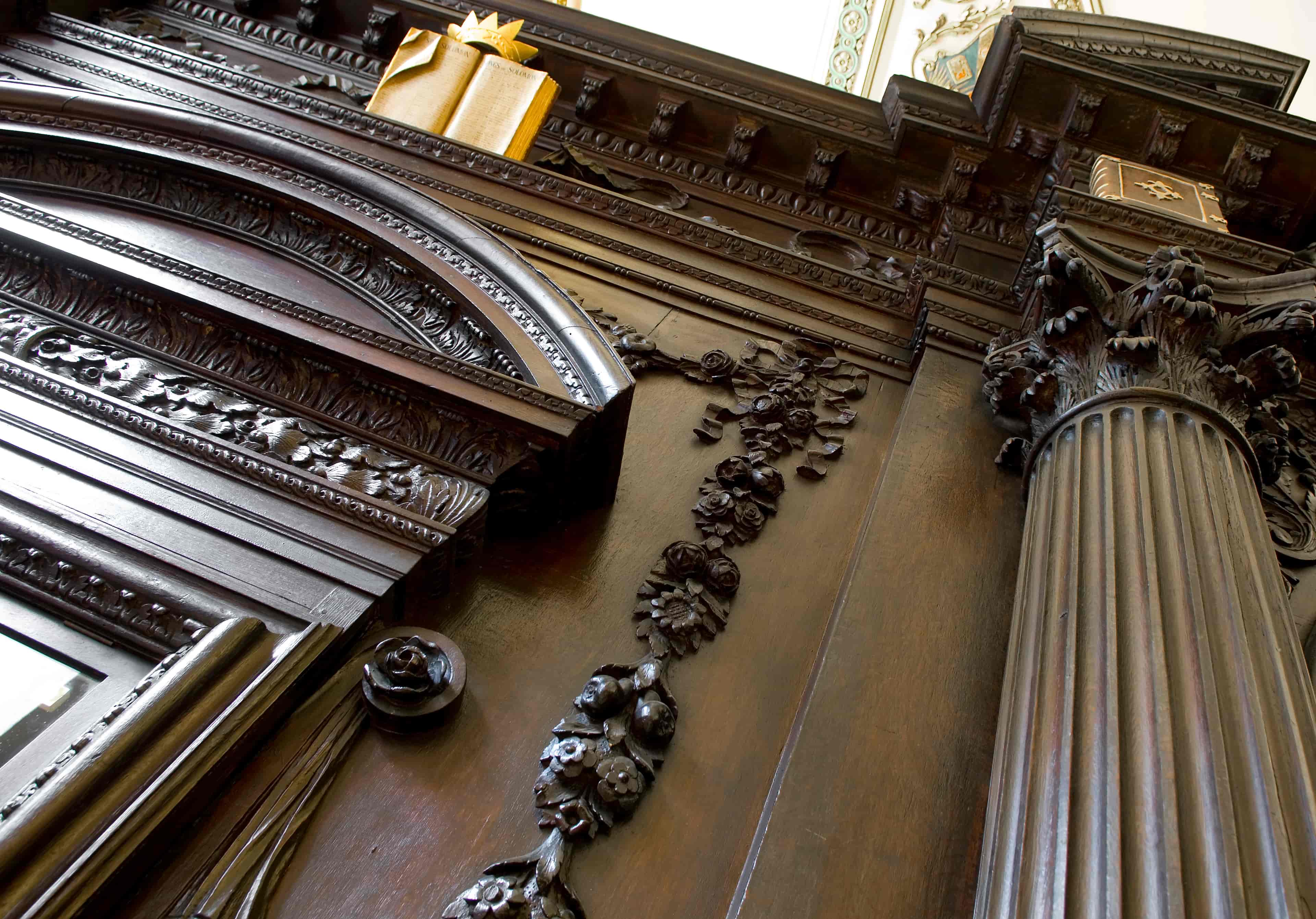
Film and Photo at Stationers' Hall and Garden
A Grade I listed venue with Rocco style rooms and a secluded garden, ideal for fashion shows or filming projects.
From: £2500
Capacity: Up to 450 guests
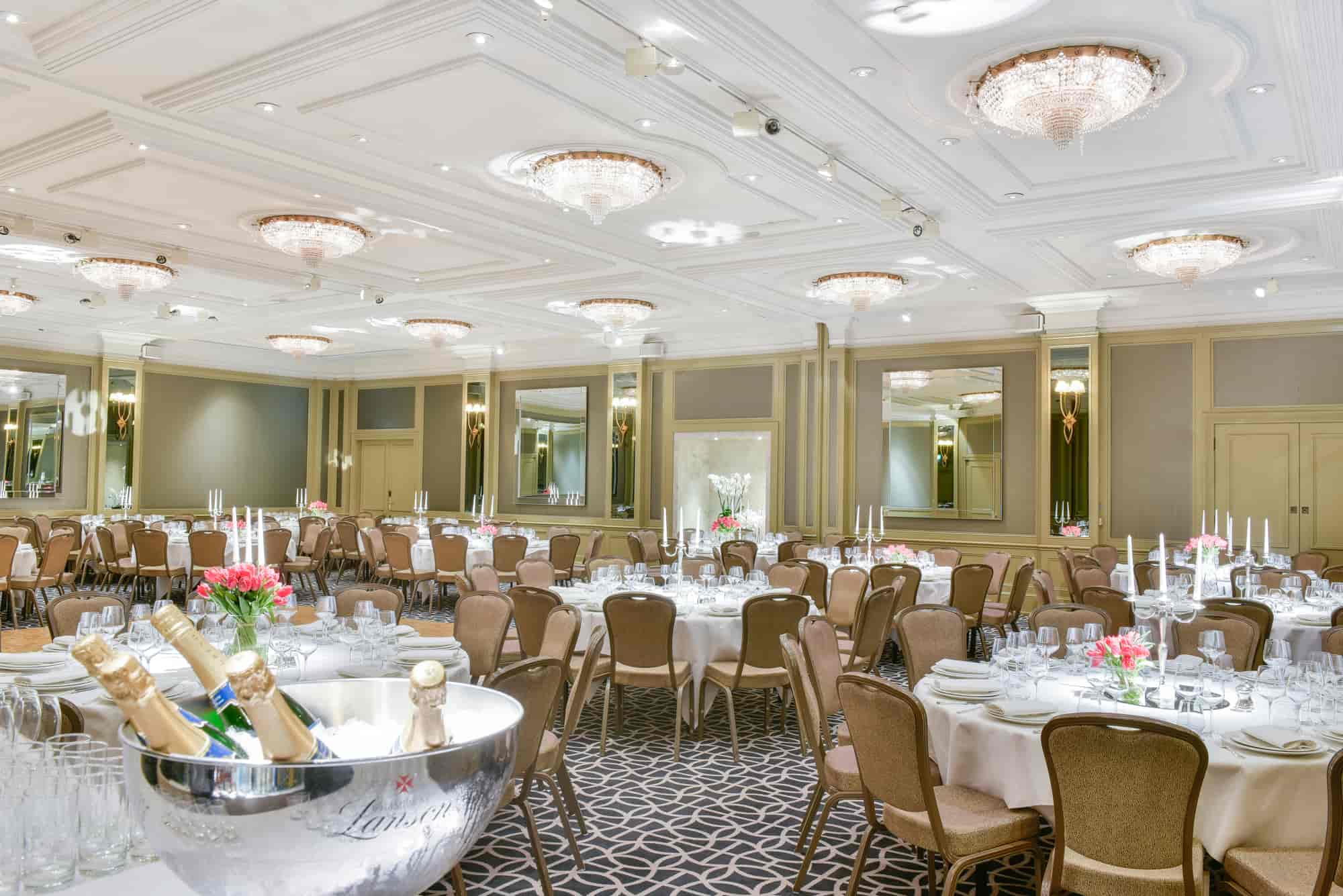
Events at Hyatt Regency London - The Churchill
A versatile ground floor ballroom in a luxury hotel, ideal for dinners and cocktail parties.
From: £12000
Capacity: Up to 350 guests
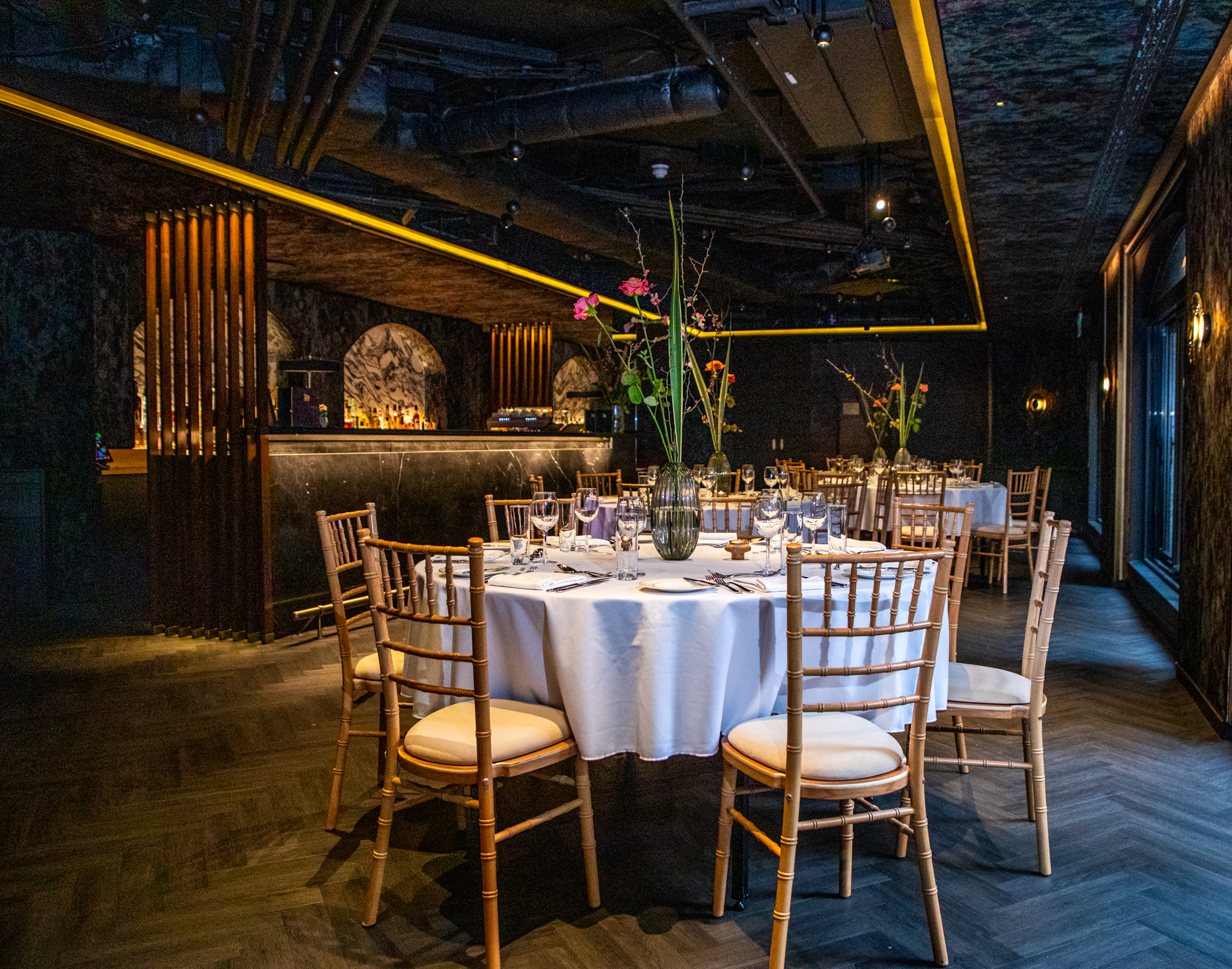
Events at The Mermaid London
A versatile 500-capacity space with city skyline views, ideal for receptions, dinners, and events.
From: £95
Capacity: Up to 500 guests
Business at The Postal Museum
A versatile outdoor space with a living wall, ideal for events, plus access to museum tours and exhibits.
From: £3600
Capacity: Up to 120 guests
Dining at 116 Pall Mall
A grand ornate room in a Georgian landmark, ideal for gala dinners, awards, and cabaret functions.
From: £12000
Capacity: Up to 350 guests
Dining at Kent House Knightsbridge
Elegant historic townhouse in Knightsbridge, ideal for customisable events and exclusive hire.
From: £4500
Capacity: Up to 280 guests
Weddings at Swan at The Globe
Elegant room with Thames views, private balcony. Ideal for weddings and intimate celebrations.
From: £500
Capacity: Up to 120 guests
Weddings at The Royal Horseguards Hotel and One Whitehall Place
Historic library venue with river views, ideal for weddings and large events in central London.
From: £18000
Capacity: Up to 252 guests
Weddings at The Landmark London
Elegant Victorian-style room with high ceilings and romantic lighting, perfect for weddings.
From: £3500
Capacity: Up to 250 guests
Business at The Peninsula London
Luxury hotel in Belgravia with fine dining, spa, and grand ballroom for glamorous events.
From: £2000
Capacity: Up to 100 guests
...and 6 more venues available
Related Event Types
- Unusual Venues
- Unusual Venues
- Townhouses
- Townhouses
- Gallaries
- Gallaries
- Gallaries
- Gallaries
- Gallaries
- Gallaries
- Basement Venues
- Boats
- Basement Venues
- Boats
- Cafes
- Conservatory Venues
- Kitchenes For Hire
- Loft Venues