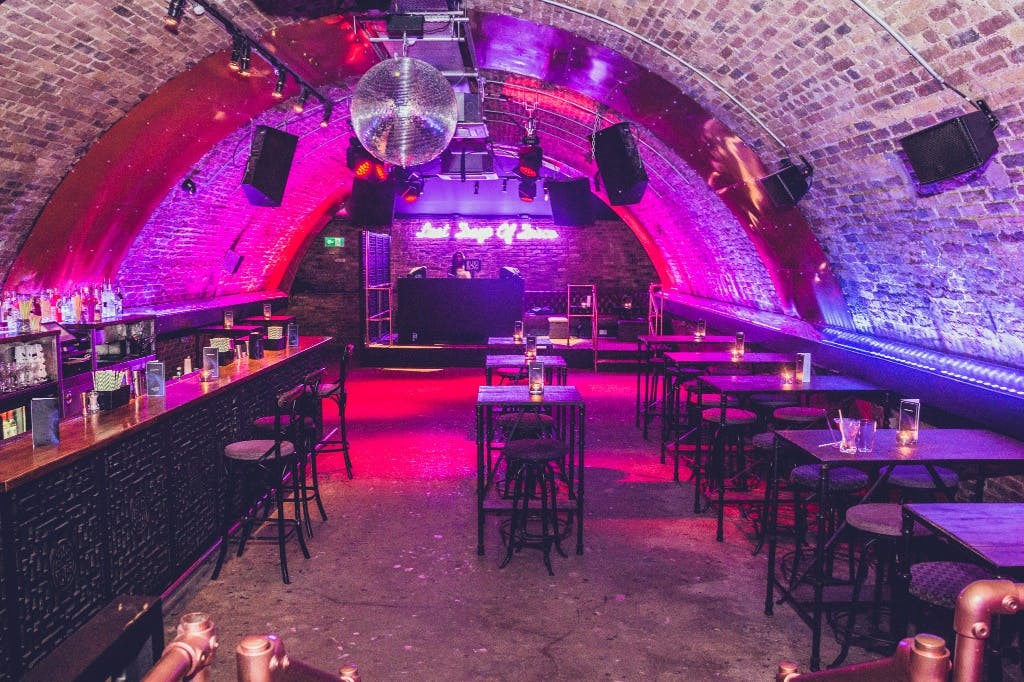


Concert Venues in London for 200 people
Explore top concert venues in London suitable for 200 guests.
About Concert Venues
### Why London's 200-Capacity Concert Venues Are Perfect for Creating Unforgettable Live Music Experiences There's something magical about the 200-capacity concert venue that larger arenas simply can't replicate. Having organised dozens of live music events across London, I can tell you that this sweet spot creates an intimacy between artist and audience that transforms a good gig into an unforgettable experience. The numbers speak for themselves – venues like The Lexington in King's Cross and Camden Assembly consistently sell out their 200-capacity shows, often commanding ticket prices 30-40% higher than larger venues per head. Why? Because punters are willing to pay premium rates for that up-close-and-personal experience where they can see the sweat on the guitarist's brow and feel every bass note in their chest. #### The Perfect Storm of Intimacy and Energy What makes 200-person venues so special is the acoustic sweet spot they occupy. You've got enough bodies to create proper crowd energy – that electric buzz when 200 people are all singing along – but you're not dealing with the sound delay issues that plague massive arenas. The artist can actually make eye contact with fans in the back row, creating those spine-tingling moments that become lifelong memories. From a technical standpoint, these venues typically offer 100-200 m² of space with 3.5-meter minimum ceiling heights, giving you excellent sound distribution without the need for complex delay towers. Most come equipped with professional PA systems and lighting rigs that would cost you £15,000-25,000 to hire separately for larger spaces. #### London's Unique Venue Ecosystem London's music scene thrives on these mid-size venues because they're perfectly positioned for emerging artists making the jump from pub gigs to proper concert halls. We've seen acts like Arctic Monkeys and Florence + The Machine cut their teeth in exactly these spaces before moving to arenas. The city's transport links make these venues incredibly accessible – most are within 15 minutes of major tube stations, and unlike massive venues that require complex crowd management, your 200 guests can arrive and leave without the usual concert chaos. Budget-wise, you're looking at £500-1,500 for venue hire, but here's the insider tip: many venues offer better deals for midweek bookings or if you're willing to work around their regular programming. Some of London's most successful music events happen on Tuesday nights precisely because savvy promoters understand this pricing dynamic. The key is choosing venues that complement your artist's style – intimate acoustic acts thrive in spaces like [those perfect product launch locations](https://hirespace.com/blog/perfect-product-launch-locations-in-london/) that double as concert venues, while rock bands need proper sound isolation and robust technical infrastructure. ### Essential Technical Requirements and Acoustic Considerations for Your 200-Person Concert Event Getting the technical side right can make or break your concert event – I've seen brilliant performances fall flat because of poor sound setup, and mediocre acts elevated by exceptional acoustics. With 200-capacity venues, you're in that goldilocks zone where technical requirements are manageable but absolutely critical to get spot-on. #### Power and Sound Infrastructure That Actually Works Your venue needs a minimum 32-amp three-phase power supply – anything less and you'll be dealing with blown fuses mid-performance. Most established London concert venues have this sorted, but always double-check, especially with converted spaces. The Lexington, for instance, has robust power infrastructure that can handle full backline plus professional lighting without breaking a sweat. Sound-wise, you're looking at venues with professional PA systems capable of 95-100dB throughout the space without distortion. The sweet spot for 200-person venues is typically a 4-6kW system with proper monitor feeds. I always insist on venues that provide both front-of-house and monitor mixing capabilities – your sound engineer needs independent control over what the audience hears versus what the performers hear on stage. #### Acoustic Treatment and Ceiling Heights Matter More Than You Think Here's where many organisers slip up – they focus on the PA system but ignore the room acoustics. Your venue needs proper acoustic treatment to prevent that dreaded echo that turns crisp vocals into muddy mess. Look for venues with sound-absorbing materials and avoid spaces with parallel walls that create standing waves. The 3.5-meter minimum ceiling height isn't just about comfort – it's about sound dispersion. Lower ceilings create hot spots where certain frequencies build up, making the mix sound completely different depending on where you're standing. I've worked with venues where the sound was perfect at the mixing desk but awful at the back of the room. #### Technical Specifications That Save Your Sanity Stage dimensions matter enormously for 200-capacity shows. You need minimum 4x3 meters for a full band setup, with proper cable management and enough power outlets for backline equipment. Most venues provide basic backline (drums, amps), but always confirm specifications match your riders. Internet connectivity is increasingly crucial – you'll need 100 Mbps minimum for basic operations, but if you're planning any live streaming or social media content, push for 500 Mbps. Many [unconventional conference venues](https://hirespace.com/blog/unconventional-conference-venues-youll-love/) that double as concert spaces have excellent connectivity infrastructure. Climate control becomes critical with 200 bodies generating heat. Ensure your venue has proper HVAC systems that can maintain comfortable temperatures without creating noise that interferes with the performance. Nothing kills the vibe like a sweaty, uncomfortable audience or air conditioning that drowns out the quiet moments. Before signing any contracts, insist on a technical walkthrough with your sound engineer present – it's the best investment you'll make in ensuring your event's success. ### Navigating London's Music Venue Landscape: From Camden's Iconic Spaces to Hidden Gems ### Navigating London's Music Venue Landscape: From Camden's Iconic Spaces to Hidden Gems London's concert venue scene is like a well-kept secret that's hiding in plain sight – you've got your obvious choices that everyone knows about, but the real magic happens when you discover those perfectly positioned spaces that most promoters overlook. #### Camden's Proven Track Record vs. Emerging Hotspots Camden remains the beating heart of London's live music scene, and for good reason. The Camden Assembly has been hosting 200-capacity shows for decades, with a proven track record of selling out indie and alternative acts. Their sound system is dialled in perfectly, and they understand the flow of a proper gig night. But here's the thing – everyone knows about Camden, which means you're competing with established promoters and paying premium rates. I've had fantastic success looking beyond the obvious choices. King's Cross has emerged as a brilliant alternative, with venues like The Lexington offering that same intimate atmosphere but with better transport links and often more flexible booking terms. The area's regeneration means you're getting modern technical infrastructure in spaces that still have character. #### The Hidden Gem Strategy That Actually Works Some of my most successful events have been in converted spaces that weren't originally designed as concert venues. Warehouse spaces in Hackney Wick, converted churches in South London, and even some of those [quirky London museums](https://hirespace.com/blog/quirky-london-museums-youll-love/) that offer evening hire can create absolutely magical concert experiences. The key is understanding what makes a space work acoustically. I once organised a sold-out show in a converted Victorian railway arch in Bermondsey – the natural reverb was incredible, and the industrial setting perfectly matched the electronic act we were showcasing. The venue hire was £800 compared to £1,200 for equivalent Camden spaces, and the uniqueness of the location became part of the event's appeal. #### Location Strategy That Maximises Attendance Transport accessibility trumps everything else when you're trying to fill 200 seats. I always map out journey times from major residential areas – if your venue requires more than two tube changes from areas like Clapham, Shoreditch, or Islington, you'll struggle with attendance regardless of how good the lineup is. Consider venues near major stations like King's Cross, Liverpool Street, or even slightly further out like Brixton, which has excellent transport links and a music-loving demographic. Some of the best [corporate days out locations](https://hirespace.com/GB/London/Corporate-Days-Out) double as excellent evening concert venues because they're designed with accessibility in mind. #### Seasonal Considerations and Booking Windows Summer months see increased competition for outdoor and festival-style venues, but indoor 200-capacity spaces often have better availability and rates. I've found that booking 8-12 weeks ahead gives you the best selection, though established venues in Camden or Shoreditch may require 16-20 weeks for weekend slots. The smart money books Tuesday through Thursday nights in lesser-known venues – you'll get better rates, more flexible terms, and often discover spaces that become your go-to venues for future events. Start by creating a shortlist of 8-10 potential venues across different areas, then visit each one during a similar event to understand how they handle sound, crowd flow, and atmosphere. ### Smart Budgeting and Booking Strategies for Mid-Size Concert Venues in London ### Smart Budgeting and Booking Strategies for Mid-Size Concert Venues in London The biggest mistake I see event organisers make is treating concert venue budgeting like a simple venue hire calculation. With 200-capacity shows, you're dealing with a complex ecosystem where every pound spent strategically can return three or four in ticket sales and future bookings. #### The Real Cost Breakdown That Catches Everyone Out Your venue hire is just the starting point – typically £500-1,500 for established London venues, but that's before you factor in the hidden costs that can double your budget. Security requirements alone will add £300-600 to your bill, as most venues require minimum staffing of 5-7 people including door staff and technical support. Here's where smart promoters save serious money: negotiate package deals that include basic technical support and security. I've secured deals where venues throw in sound engineer time and basic lighting operation for an extra £200-300, compared to hiring these services separately at £400-600. The Camden Assembly, for instance, offers excellent package rates for midweek bookings that include their house sound engineer. Sound system hire can be your biggest variable cost if you're working with venues that don't have adequate PA systems. Budget £800-1,200 for professional audio hire, but always check what's included in the venue package first. Some converted spaces offer rock-bottom venue rates but then sting you with technical requirements that weren't obvious upfront. #### Timing Your Bookings for Maximum Value The sweet spot for booking 200-capacity venues is 10-14 weeks ahead for weekend slots, but here's the insider knowledge: Tuesday and Wednesday nights often offer 40-50% better rates with identical technical specifications. I've organised incredibly successful midweek shows that became legendary precisely because the intimate setting and lower overheads allowed for better production values. Seasonal pricing varies dramatically – summer months see premium rates due to festival competition, while January through March offers the best value. Some venues offer early bird discounts for bookings made 16+ weeks in advance, particularly useful if you're planning a series of events. #### Negotiation Strategies That Actually Work Most venue managers have flexibility on pricing, especially for repeat bookings or if you're willing to help promote their regular programming. I always approach negotiations with a clear understanding of their business model – venues make money from bar sales, so demonstrating your audience's spending power can unlock better hire rates. Consider exploring some of those [gorgeous gala dinner venues](https://hirespace.com/blog/gorgeous-gala-dinner-venues-for-the-summer/) that transform into concert spaces – they often have more flexible pricing structures than dedicated music venues. Always request a detailed breakdown of all costs upfront, including any potential overtime charges, cleaning fees, or equipment damage deposits. The best deals come from building relationships with venue managers who understand your commitment to delivering quality events. ### Avoiding Common Pitfalls: What Every Event Organiser Needs to Know About Concert Venue Logistics ### Avoiding Common Pitfalls: What Every Event Organiser Needs to Know About Concert Venue Logistics After fifteen years of organising live music events, I can tell you that the difference between a smooth-running concert and an absolute disaster often comes down to logistics details that seem trivial until they're not. With 200-capacity venues, you're in that tricky middle ground where you can't wing it like a pub gig, but you don't have the massive support infrastructure of arena shows. #### Load-In Timing That Actually Works in London Traffic The biggest logistical nightmare I see repeatedly is underestimating load-in times in central London. Your band's equipment truck arriving at 2pm on a Friday in Camden is going to sit in traffic for an hour, then spend another 30 minutes finding parking that doesn't result in a £130 fine. Always schedule load-in for early morning (before 10am) or late evening (after 7pm) to avoid peak congestion. Most 200-capacity venues have limited loading access – often just street-level doors with no dedicated loading bay. Factor in 45-60 minutes for equipment load-in, even for a basic four-piece band setup. I always build in a two-hour buffer between load-in completion and doors opening, because Murphy's Law applies double to live music events. #### The Licensing Minefield That Catches Everyone Here's where many organisers get stung: assuming the venue's premises license covers everything you need. Most venues have music licenses that specify maximum capacity, permitted hours, and noise levels. Exceeding 200 people – even by ten – can result in immediate shutdown and hefty fines. Always request written confirmation of capacity limits and ensure your ticket sales don't exceed this number. Sound level restrictions are increasingly strict across London boroughs. Many venues have noise limiters that automatically cut power if decibel levels exceed permitted thresholds. I've seen headline acts literally silenced mid-song because sound engineers pushed levels too hard. Always conduct sound checks at realistic performance volumes, not rehearsal levels. #### Staff Coordination That Prevents Chaos With 200-person events, you need minimum five staff members: two door staff, one bar person, one sound engineer, and one event coordinator. The mistake I see constantly is assuming venue staff understand your specific requirements. Create detailed run sheets specifying exactly when doors open, when support acts start, changeover times, and curfew requirements. Security protocols become crucial at this capacity level. Bag checks, ID verification, and crowd management require proper coordination. Some of those [beautiful banqueting venues](https://hirespace.com/blog/7-beautiful-banqueting-venues/) that double as concert spaces have excellent staff training for formal events but may need guidance on music event protocols. #### Emergency Planning That Actually Works Every 200-capacity venue must have clear evacuation procedures, but many organisers never walk through these plans. Identify all exit routes, ensure they're clearly marked and unobstructed, and brief all staff on emergency procedures. Fire safety regulations require specific staff-to-guest ratios – typically one trained staff member per 50 attendees. The key to avoiding disasters is treating logistics as seriously as you treat the artistic elements. Create detailed timelines, confirm everything in writing, and always have backup plans for your backup plans.
Featured Venues for Concert Venues
Browse 16 venues perfect for Concert Venues
Events at Vauxhall Arches
A modular 400-capacity event space under railway arches with a unique wraparound LED light system.
From: £500
Capacity: Up to 400 guests
Business at Barbican Centre
A high-tech auditorium in a Brutalist arts centre, ideal for conferences and meetings.
From: £4200
Capacity: Up to 245 guests
Events at Nambucca
A 300-capacity venue with a large stage, top-notch sound and lighting, green room, and friendly staff.
From: £200
Capacity: Up to 300 guests
Events at XOYO
An industrial-chic venue in East London, ideal for parties, corporate events, and live shows.
From: £3000
Capacity: Up to 800 guests
Events at KOKO
A historic, versatile Camden venue for live music, conferences, and private events up to 1000 guests.
From: £22500
Capacity: Up to 1500 guests
Events at Village Underground
A versatile, historic warehouse in Shoreditch with natural light. Ideal for launches, parties, and events.
From: £9500
Capacity: Up to 700 guests
Weddings at Bush Hall
From: £2500
Capacity: Up to 300 guests
Events at Studio Spaces
A versatile 743 sqm blank canvas venue with three interconnected spaces for large events.
From: £4500
Capacity: Up to 160 guests
Arts at The Shakespeare's Globe
A unique candlelit theatre on London's Southbank, ideal for atmospheric performances and events.
From: £10000
Capacity: Up to 200 guests
Events at PowerHaus
A versatile, historic live music venue in Camden Market. Ideal for events, meetings, and performances.
From: £2500
Capacity: Up to 500 guests
...and 6 more venues available
Related Event Types
- Performance Venues
- Performance Venues
- Performance Spaces
- Private Screenings
- Theatres
- Performance Spaces
- Private Screenings
- Theatres
- Performance Venues
- Performance Venues
- Presentation Venues
- Presentation Venues
- Gig Venues
- Gig Venues