Nightclub Venues for Hire in Central London
Compare central London club spaces with clear pricing and private rooms for company parties, team celebrations and late-night socials.
3,137 Nightclub Venues for Hire in Central London



























































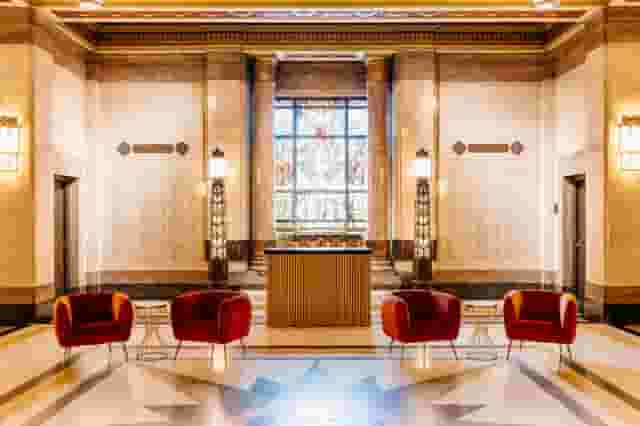
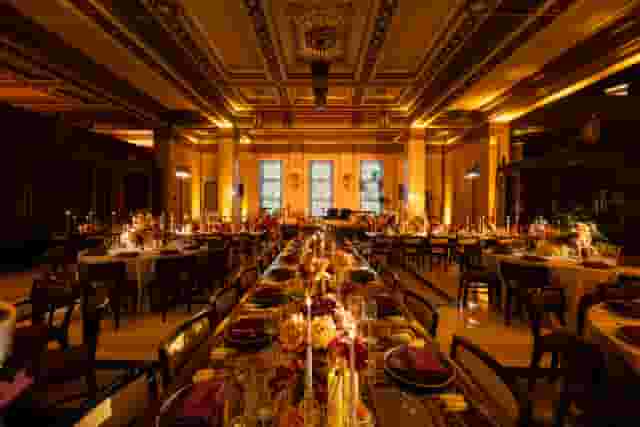
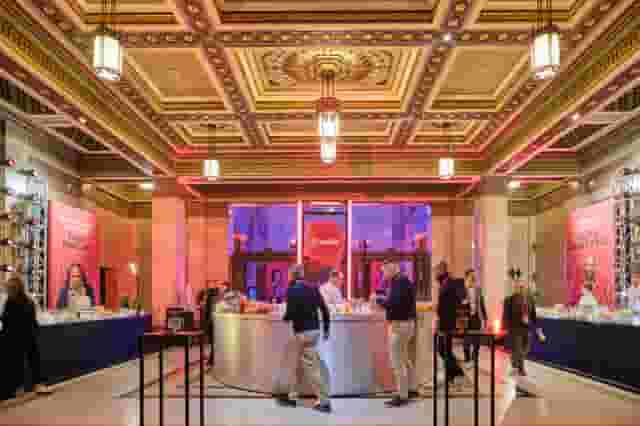
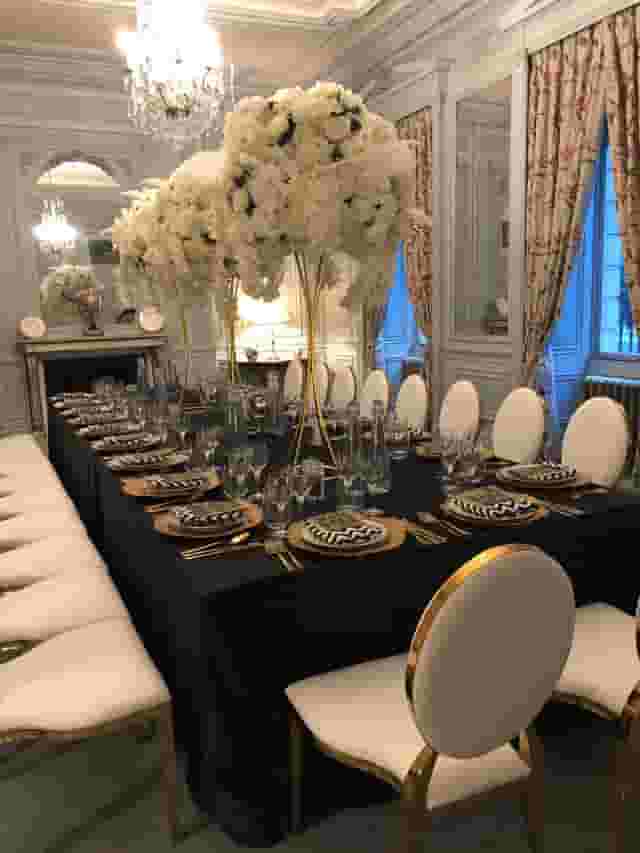


























































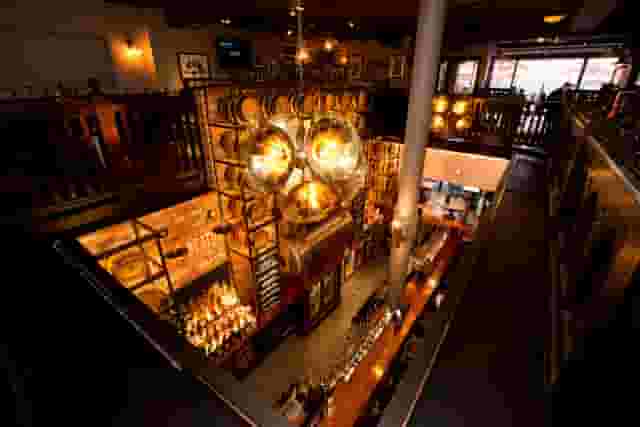
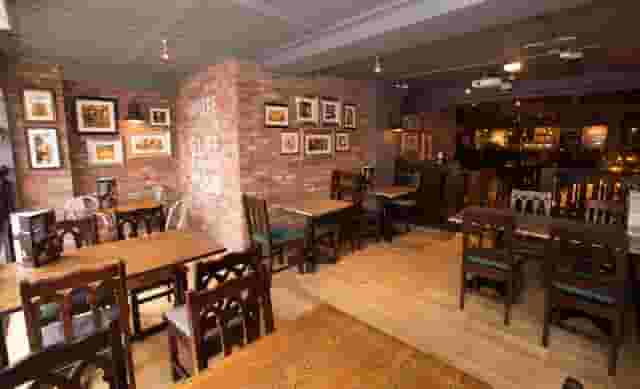
No venues match these filters
Try widening your capacity, luxury level or event type.
Don't have time to search? We'll find it for you.
For business events that need human judgement, talk to our team. Free for events of 100+ people, budgets over £10k or ongoing programmes.




Explore more venues in Central London













Frequently asked questions
How much does it cost to privately hire a nightclub in London?
How do I get a good deal for hosting my club night?
Can I hire a private room in a club for my Birthday?
How does a 'minimum spend' quote work for my event?
Other platforms search their database. We search everything.
Tell us what you need. Our deep research finds any venue, whether it's in our marketplace or not. No one else does this.
About Nightclub in Central London
Choosing the right club layout for a company night
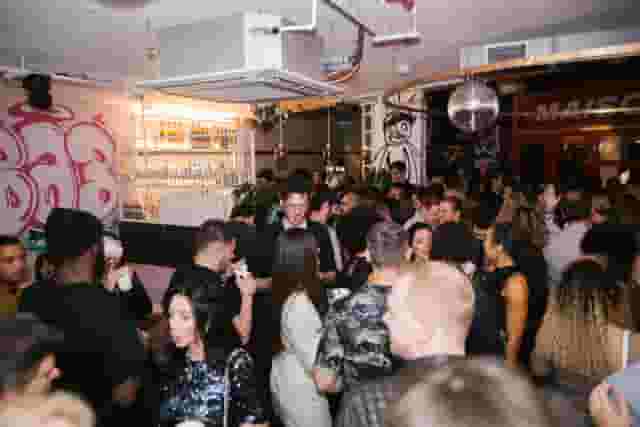
Booking a nightclub or late-night lounge for a corporate gathering changes the social dynamic immediately. Traditional corporate dining keeps guests pinned to designated chairs for three hours, whereas club environments encourage movement, spontaneous conversations and dancing. The priority when planning an evening like this is selecting a room that matches the size of your group. An empty dance floor kills the mood of a party faster than weak drinks, while an overcrowded basement creates long bar queues and frustrated colleagues.
Central London venues fall into three clear architectural styles, each serving a distinct type of company evening.
Industrial and multi-room spaces
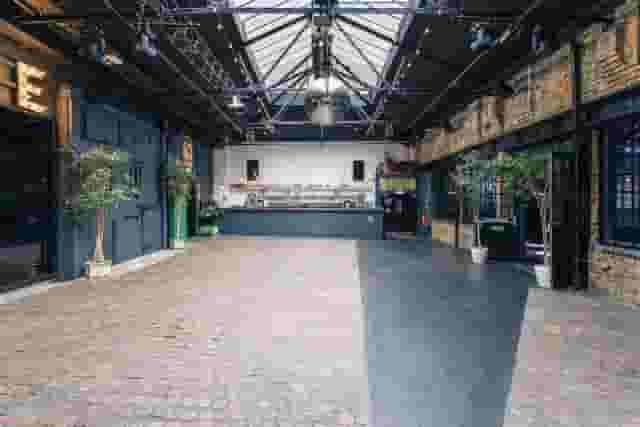
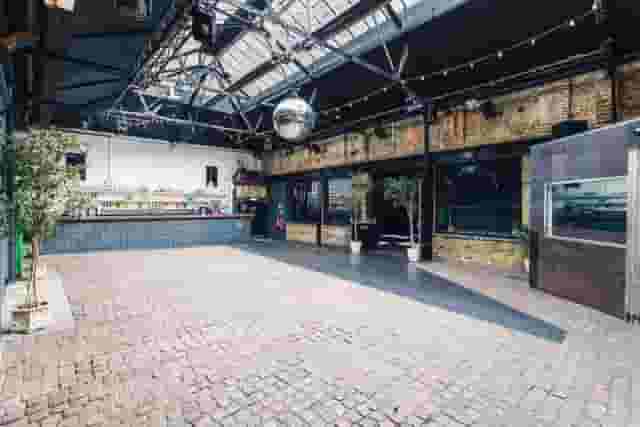
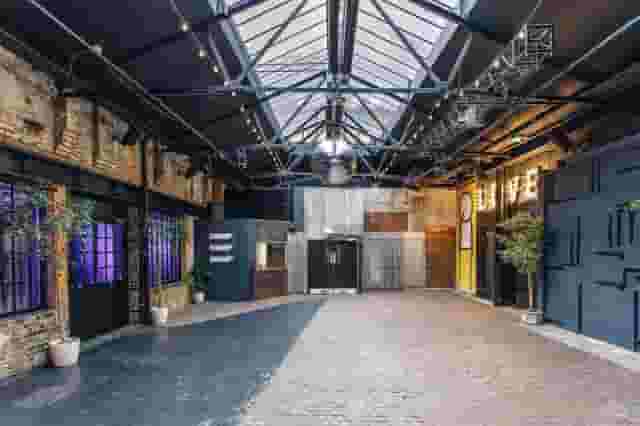
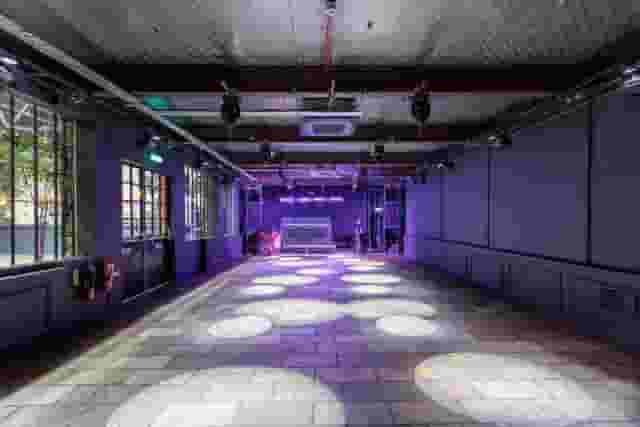
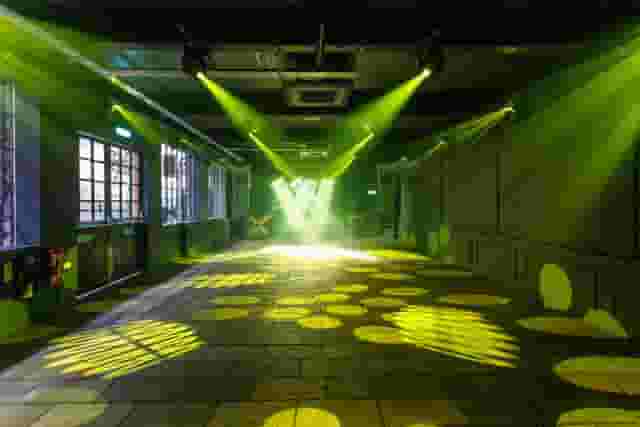
Converted railway arches and warehouse venues give you complete control over zoning. These spaces suit medium to large companies where you need distinct areas for conversation, eating and dancing. When people want a break from loud music, having an adjoining courtyard or mezzanine prevents them from heading out into the street and disappearing home early.
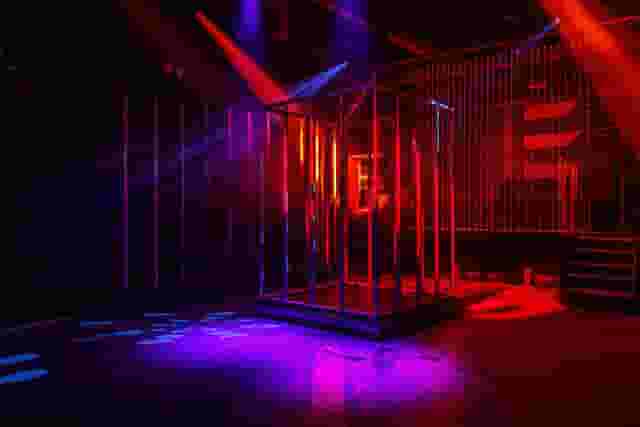
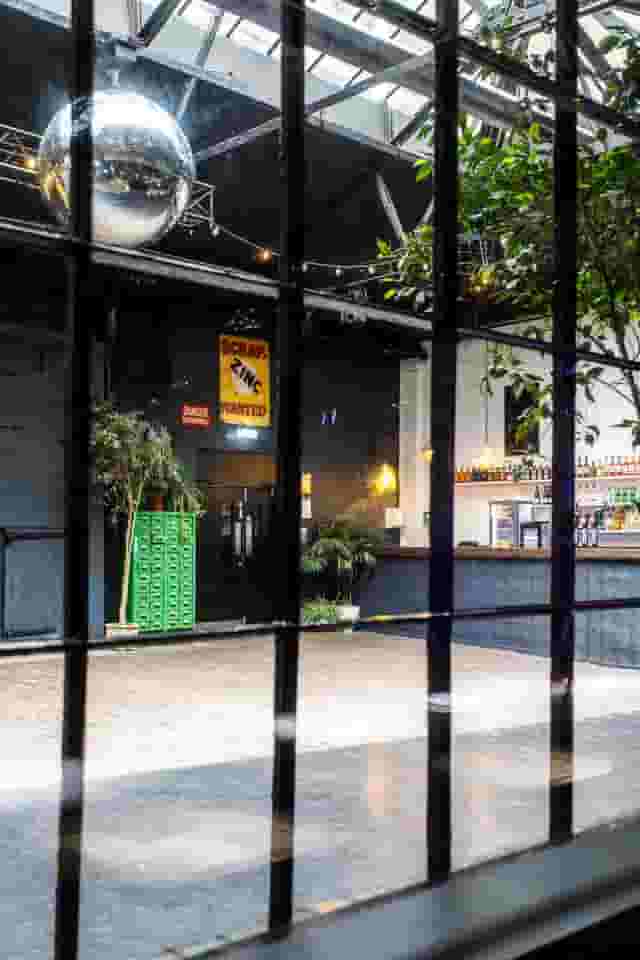
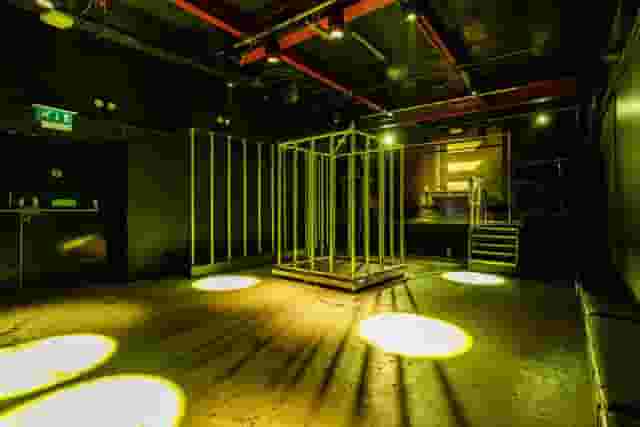
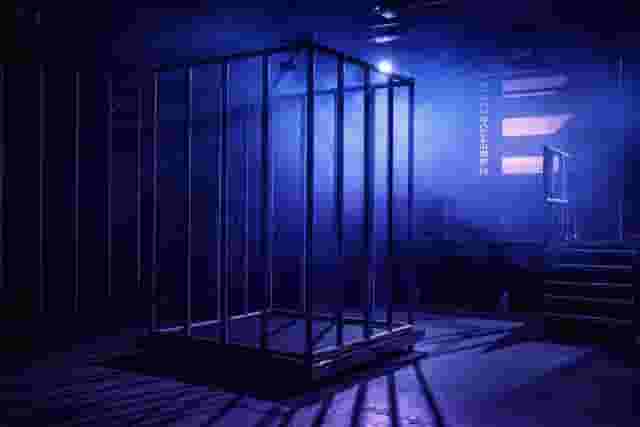
If your guest list sits between 400 and 700 people, spaces with structural character and separate rooms keep the energy concentrated. Village Underground in Shoreditch accommodates up to 700 guests standing beneath its brick railway viaduct. Its vast open floor and high ceilings let you set up central food stations and staging without interrupting circulation routes. Further west in Islington, Electrowerkz offers a ground floor setup spanning its Courtyard, Glasshouse and The Cage for up to 650 guests standing. Because the rooms connect around an industrial layout, you can keep background noise manageable in one section while running high-decibel music on the main stage.
Entertainment-led and split-level venues
For teams that need more than just a bar and a DJ booth to break the ice, venues with built-in activities help people mingle early in the evening. Multi-level party venues allow you to stagger the event programme naturally. You can host casual bowl food and welcome drinks on an upper tier before opening the main floor for entertainment later in the night.
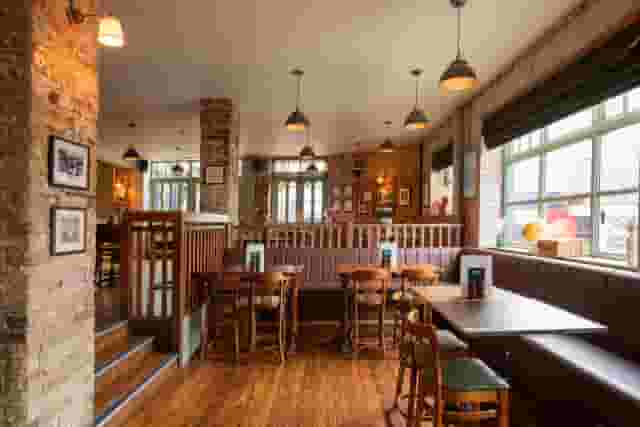
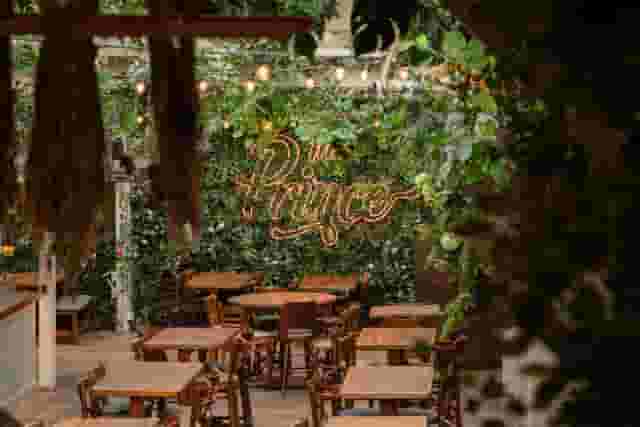
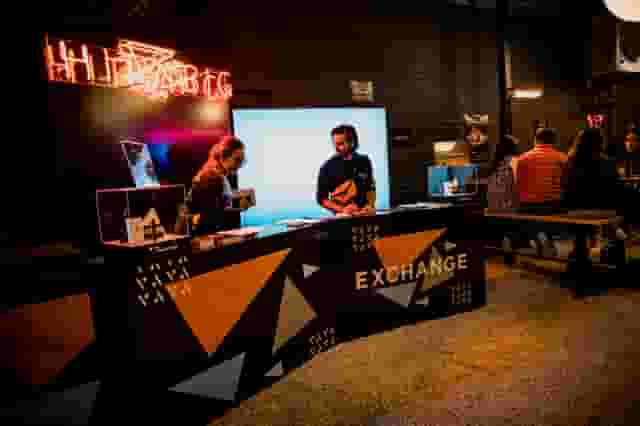
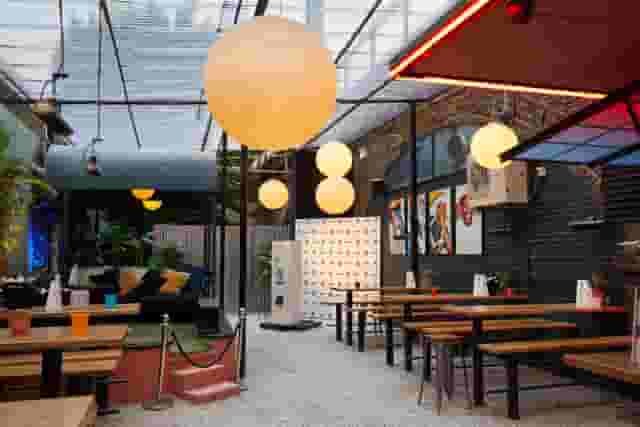
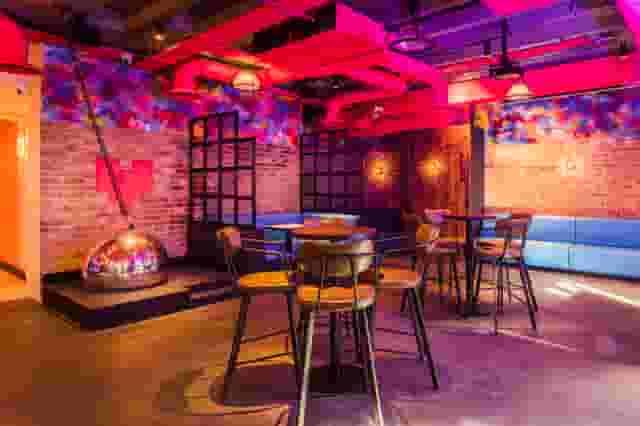
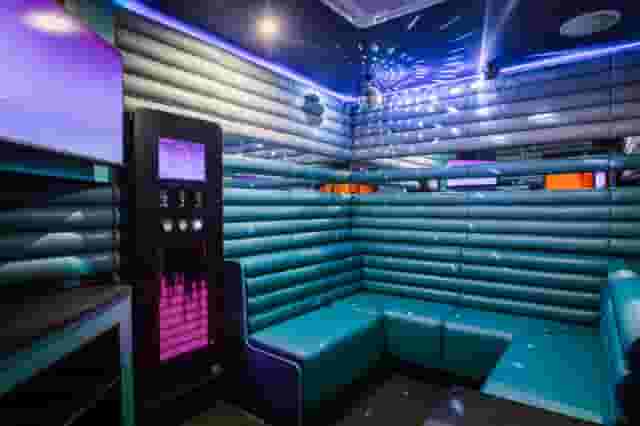
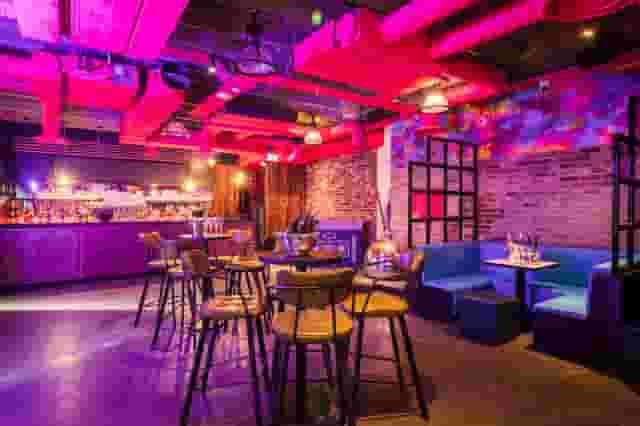
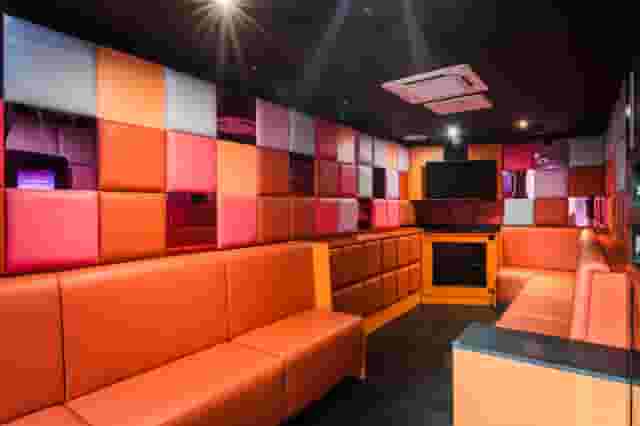
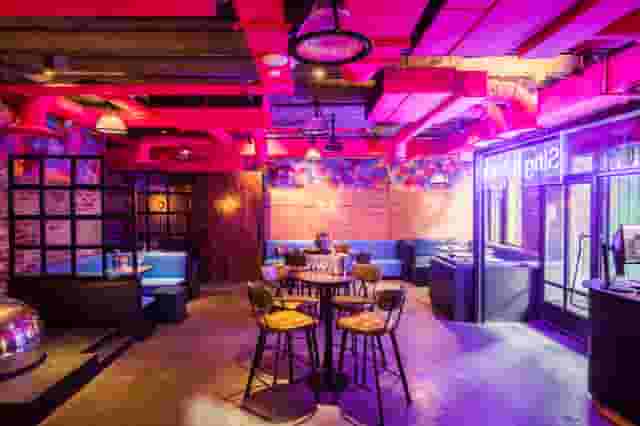
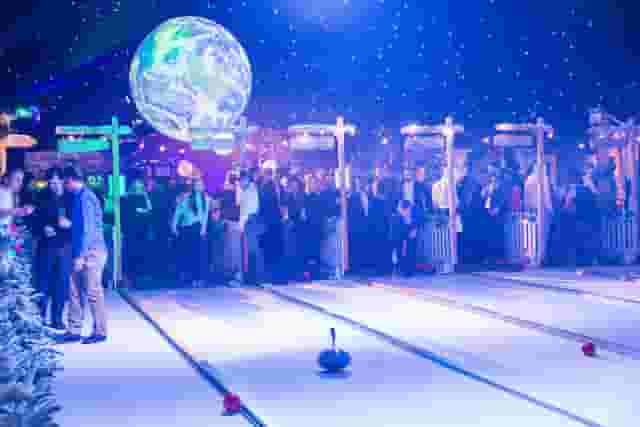
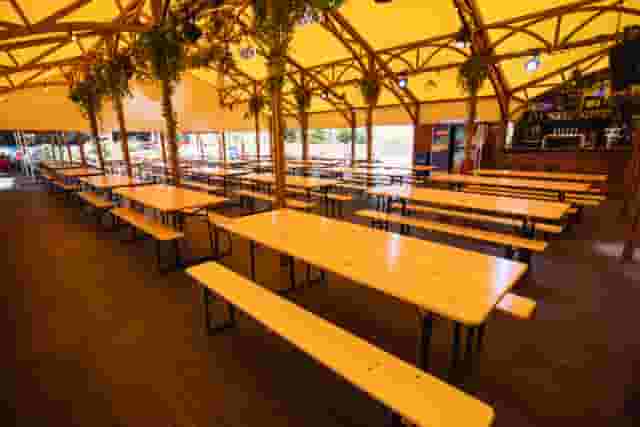
In Paddington, HUCKSTER London provides a dinner dance capacity of 400 guests on its main floor area. The venue combines dining areas with karaoke rooms and games, making it practical for teams that want an informal, high-energy environment without renting outside games equipment. When you want street food options alongside draught beer and live music, large covered venues like The Prince in West Brompton hold up to 750 guests standing across the whole venue. Its pub and garden layout creates a relaxed setting for summer or festive parties where guests can graze across independent food counters before gathering near the music.
Subterranean bars and private club rooms
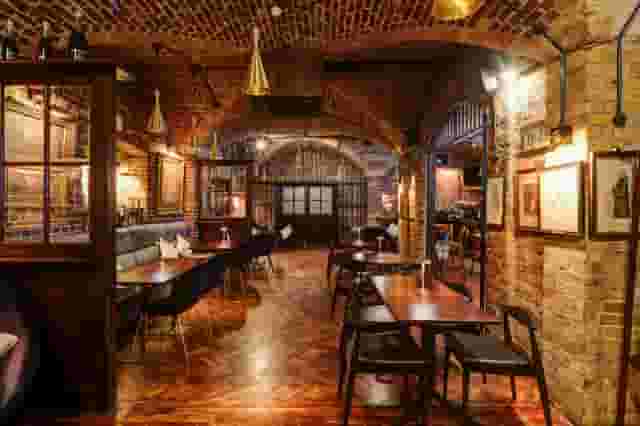
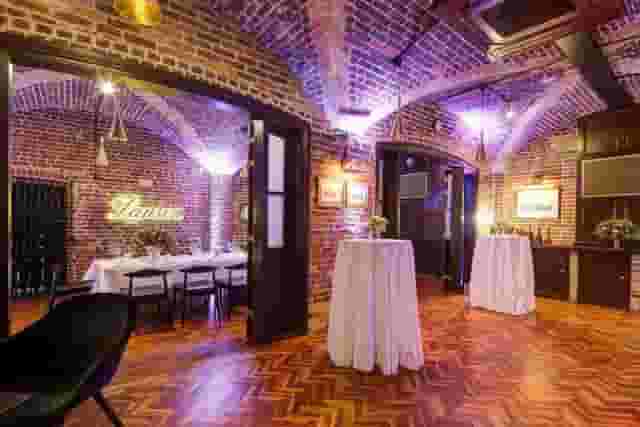
Smaller teams or client entertainment nights rarely suit cavernous club halls. When hosting groups of 50 to 150 people, private club lounges and vaulted basement bars deliver late-night atmosphere without the awkwardness of a half-filled dance floor.
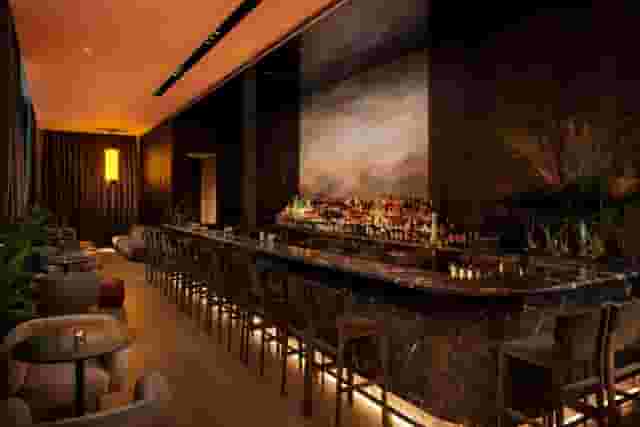
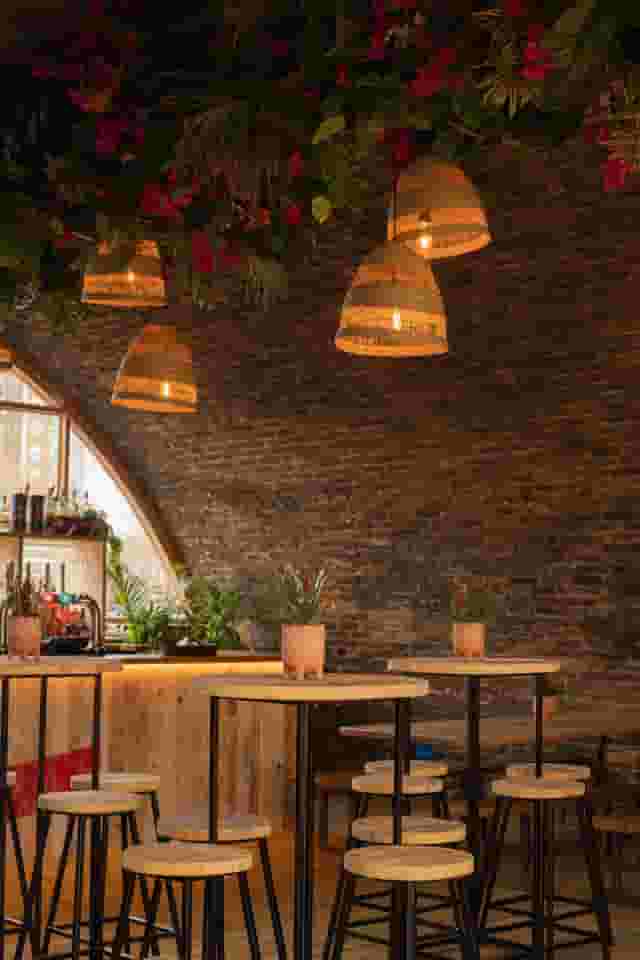
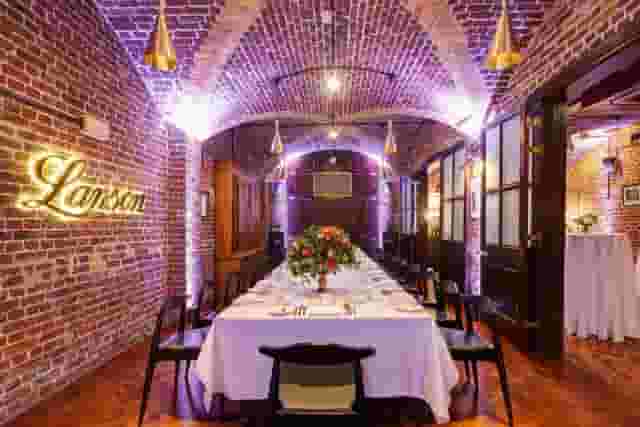
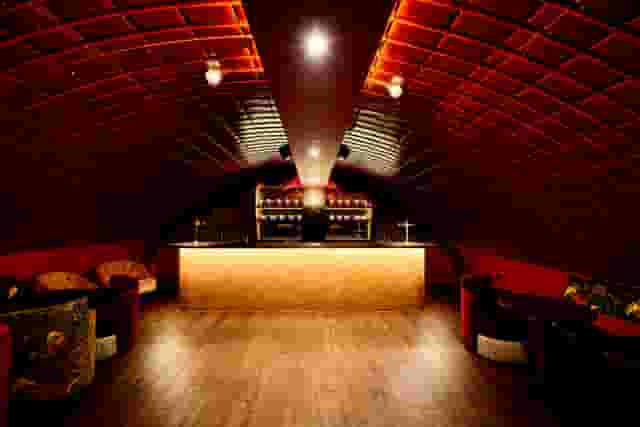
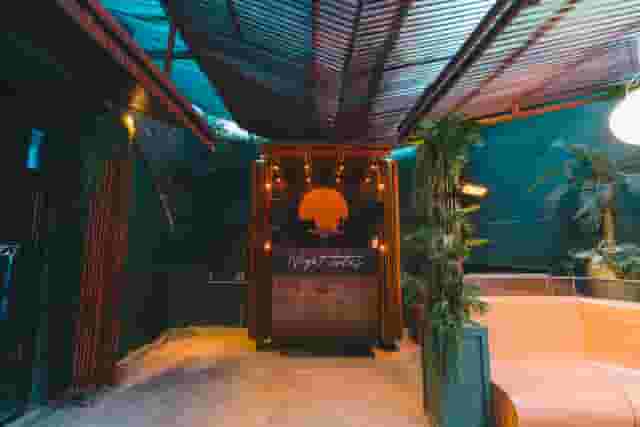
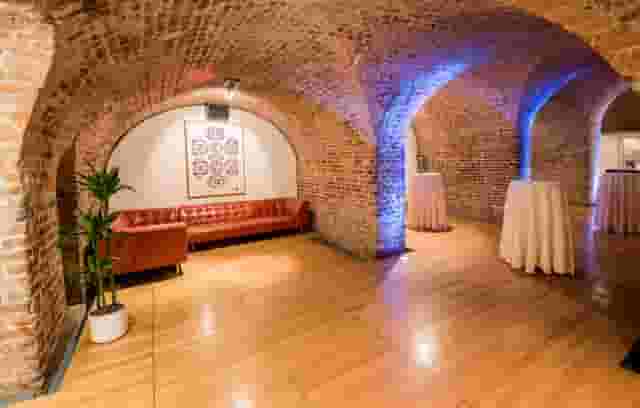
For financial district events near Moorgate, One Moorgate Place contains a dedicated club space holding up to 100 guests for a private reception, keeping the event central and straightforward for City teams. If your office is based around Westminster or Mayfair, the underground Champagne Bar at 116 Pall Mall holds up to 150 standing guests beneath vaulted brick ceilings, offering secluded alcoves for conversation alongside a private bar. In the City, Pan Pacific London provides the Ginger Lily Bar and Lounge for drinks receptions of up to 150 people, delivering a polished late-night cocktail setting right next to Liverpool Street station.
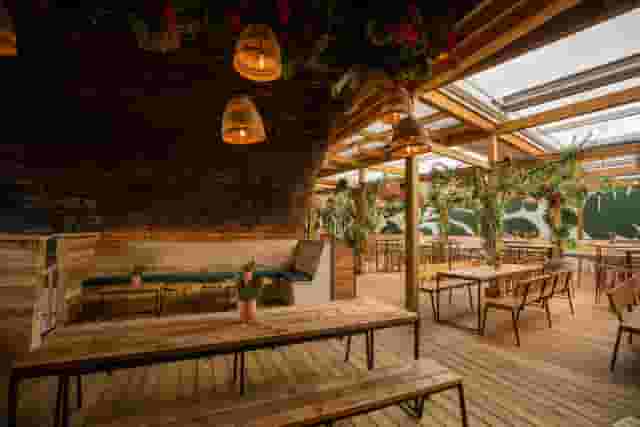
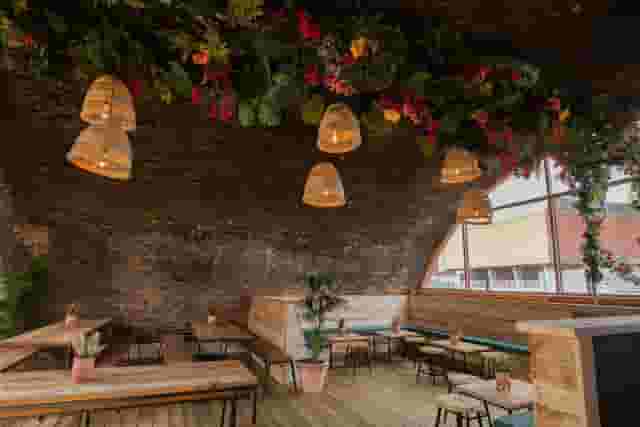
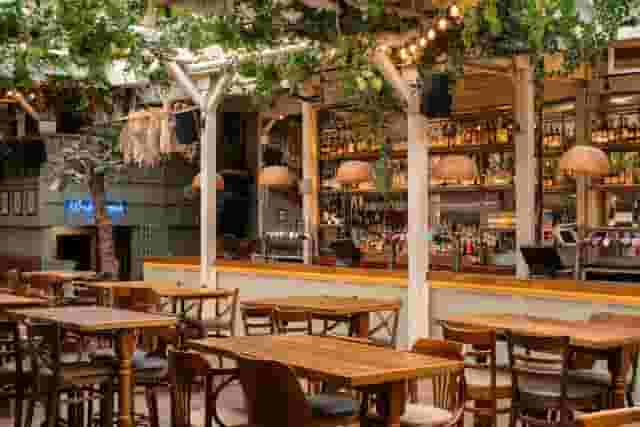
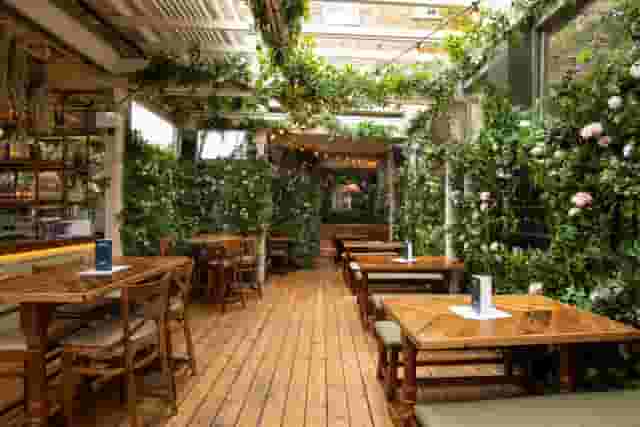
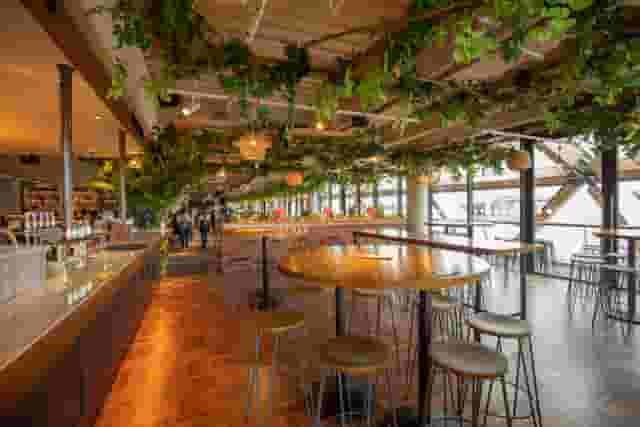
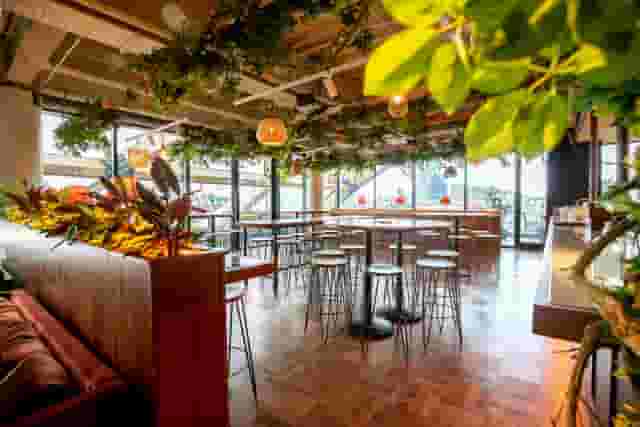
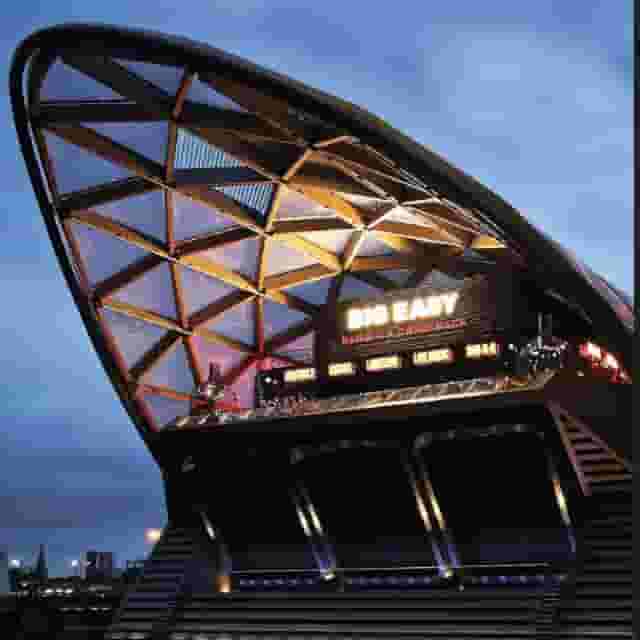
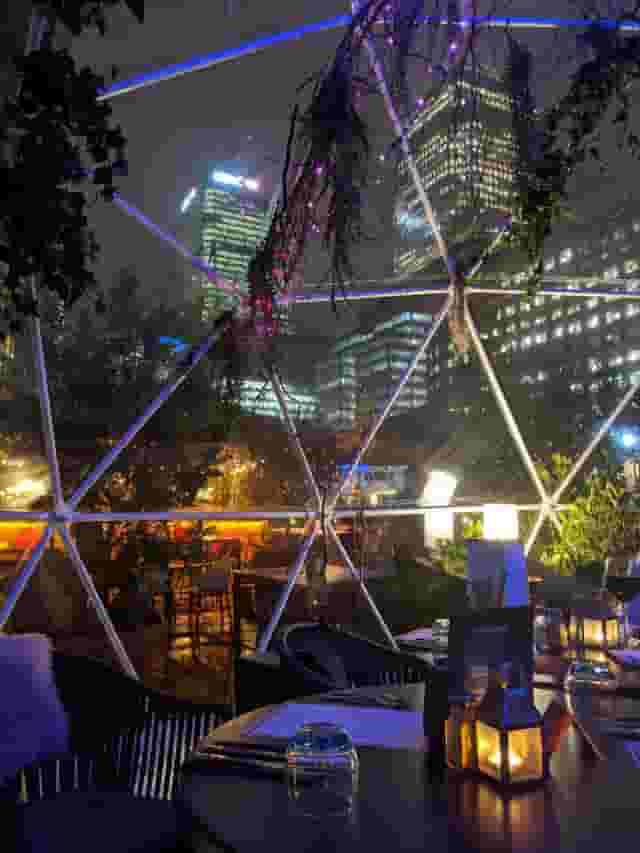
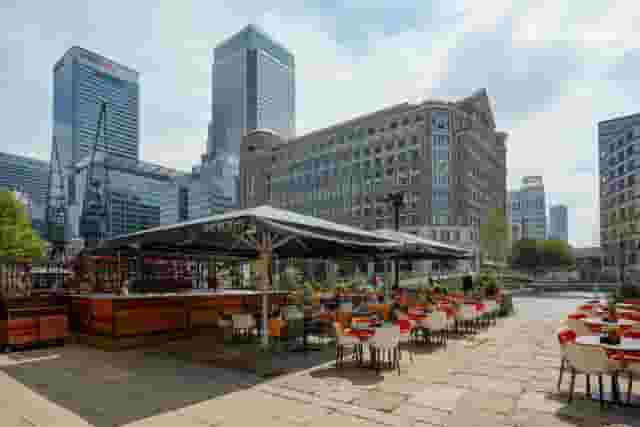
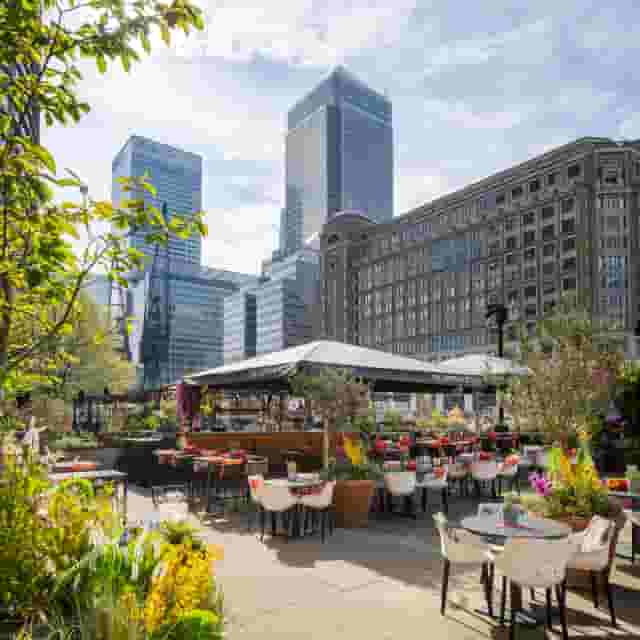
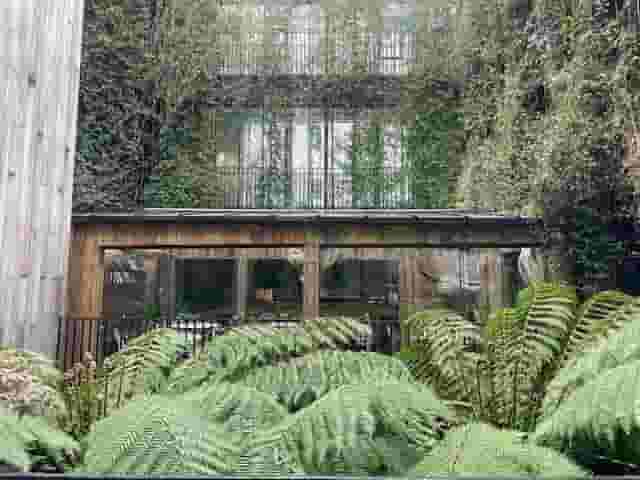
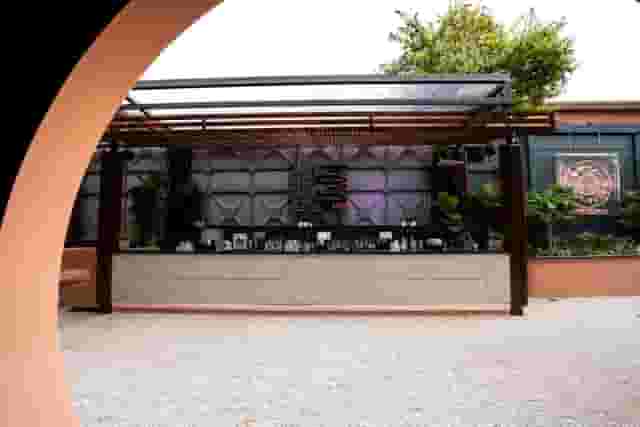
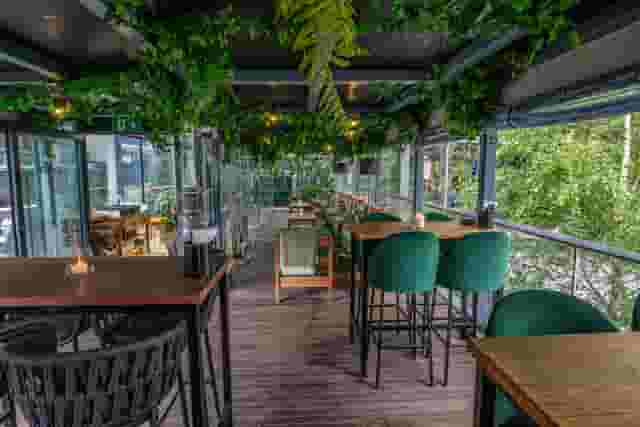
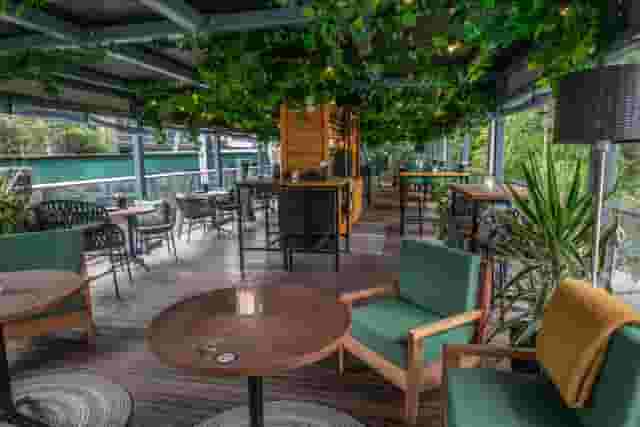
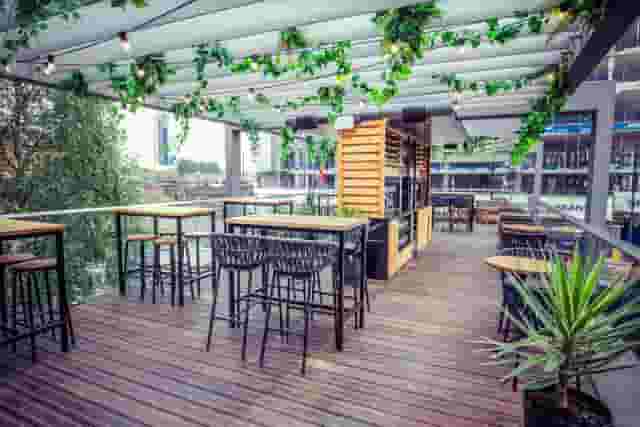
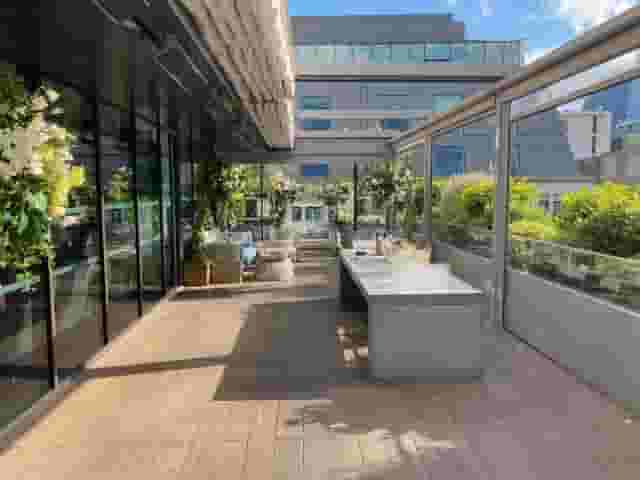
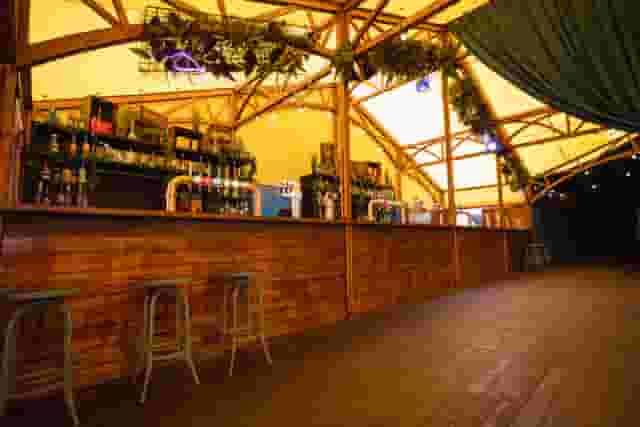
For smaller gatherings in Canary Wharf, Billingsgate at Pergola on the Wharf accommodates up to 60 guests standing for evening drinks, offering a contained botanical bar setup for intimate departmental celebrations. To find and compare spaces that suit your team's headcount, venue booking platform Hire Space combines venue sourcing technology with an experienced team of real people who oversee the outcome. Its Deep Venue Research tool searches the wider market rather than a static directory, delivering an accurate shortlist tailored to your layout needs in minutes.
Structuring the night: flow, food and noise levels
Company events in late-night venues fail when the programme fights against the room. Nightclub acoustics and ambient lighting are designed for socialising and music, not twenty-minute speeches delivered over a handheld microphone. Planning the timeline around the venue's natural strengths ensures guests stay engaged from arrival through to the final round.
| Time | Activity |
|---|---|
| 18:30 | Doors open; ambient background music; welcome drinks and cloakroom |
| 19:15 | Short company address (under five minutes, central floor) |
| 19:30 | Substantial bowl food and grazing circulating continuously |
| 21:00 | DJ begins; lighting drops; dessert bites or late-night snacks |
| 00:00 | Bar closes; music winds down; transport departure |
Arrival and sound management
Keep the house lights warm and the sound levels moderate for the first ninety minutes. Guests arriving from an office need time to catch up, drop their coats and grab a drink without shouting over a heavy bassline. If leadership wants to address the room, schedule speeches no later than 19:15. Keep remarks under five minutes. Club sound systems are tuned for recorded music, meaning reverberation in brick basements or concrete arches can make long speeches unintelligible.
Selecting the right catering format
Seated three-course dinners rarely belong in a nightclub. They consume floor space that you need later for dancing and require hiring furniture that must be cleared mid-evening. Circulating bowl food and high-top food stations work significantly better. Aim for five to six substantial hot savoury bowls per guest, followed by handheld dessert items that people can eat while standing. Avoid dishes that require two hands and a metal knife.
Late-night food orders are equally important. Serving sliders, hot mini pies or flatbreads around 22:00 keeps guests comfortable, slows down the effects of alcohol and prevents people from slipping away early to find fast food.
Calculating your drinks order
Running an open bar requires strict planning to avoid unexpected invoices at midnight. Most corporate groups consume between three and four drinks per person over the first two hours, tapering to one drink per hour thereafter. For a five-hour party, budgeting for five to six drinks per guest represents a safe planning standard. Reviewing practical advice on How Many Drinks Do I Need For My Event? helps you balance wine, beer and spirit allocations before signing off on supplier minimums.
Offering house wine, two draught or bottled beers and a single signature cocktail on arrival is far easier to manage than an unrestricted spirits bar. If you want to add creative themes to the drinks selection, looking through 9 Inspirational Ideas To Take Your Summer Party To The Next Level can spark ideas for themed mocktails and arrival drinks that keep non-drinkers equally involved.
The real cost of club hire: minimum spends and package quotes
Budgeting for a private club hire differs fundamentally from standard meeting room hire. A good number of these venues quote a minimum spend rather than a price per person, especially for prime Thursday and Friday evening bookings. Hire Space 360 is enterprise venue and hotel procurement for companies spending £1m or more a year on meetings and events: a managed meetings and events programme, the kind procurement teams call strategic meetings management. It places all venue sourcing under a single agreement with centrally negotiated terms, keeping bookings aligned with your company event policy while providing consolidated invoicing and live spend reporting for finance.
Pricing across corporate bookings in Central London typically sits at £95 to £215 per head. This indicative range is based on 13 quotes from the venues on this page and assumes a party size of about 50 guests.
| What is in the quote | How often it is included | Notes for your budget |
|---|---|---|
| Catering | Almost always included | Canapes, bowl food or street food tokens |
| Drinks | Usually included | House beer, wine, soft drinks or bar tabs |
| Room hire | Usually included | Waived when meeting minimum spend thresholds |
| Staffing | Sometimes included | Bar staff, floor hosts and runners |
| Party package | Sometimes included | Fixed cost per head covering food and wine |
| Security | Sometimes included | Mandatory SIA door supervisors |
| Entertainment | Sometimes included | In-house DJ, PA system and basic party lighting |
How minimum spends operate
A minimum spend agreement means you pay no separate venue hire fee, provided your group spends an agreed total on food and drinks over the bar. For example, if a private room carries a £5,000 minimum spend, your pre-ordered catering platters, welcome drinks and the bar tab run up by guests all count towards that figure.
Always check whether VAT and the venue's discretionary service charge (typically 12.5% to 15%) count towards clearing the minimum spend target. In most commercial venues, service charges and VAT sit outside the calculation, meaning your gross budget must be higher than the headline minimum.
You must also establish what happens if your guests do not reach the threshold. Most operators charge the remaining shortfall directly to the organiser's credit card as a room hire balance, without rolling the unused amount into a future credit note. If your attendance figures drop, pre-ordering premium wines or booking late-night food snacks can make up the difference productively.
What drives quotes from £95 towards £215 per head
Quotes landing towards the £95 end of the band generally apply to off-peak days, such as Mondays, Tuesdays or Sundays, where footfall is low. They typically cover basic finger food, a limited beer and wine bar for two to three hours, and access to the venue's house sound system without extra lighting staff.
Quotes climbing towards the £215 end of the band reflect peak Thursday and Friday bookings in November and December. At this level, quotes usually feature full spirits bars, substantial hot bowl food or chef-led food stations, security staffing, dedicated cloakroom attendants and an on-site technician to run lighting and sound throughout the night.
Production, sound limits and late licensing
One of the major benefits of hiring a nightclub is that professional audio and club-grade lighting are already wired and tested. In a blank canvas warehouse or hotel ballroom, installing equivalent production can add thousands of pounds to your supplier budget. However, integrating corporate branding and live entertainment into an existing club rig requires attention to practical details.
Audio visual checks
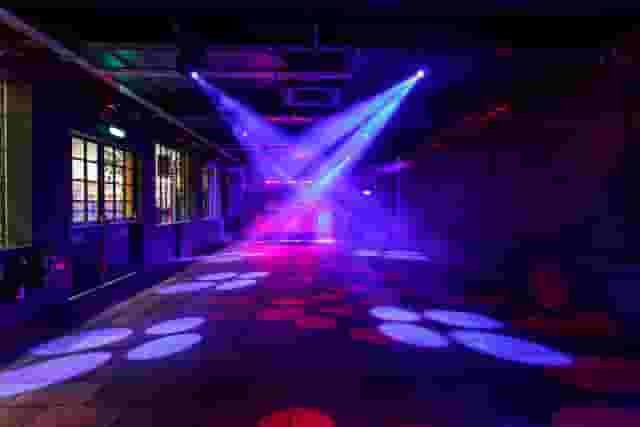
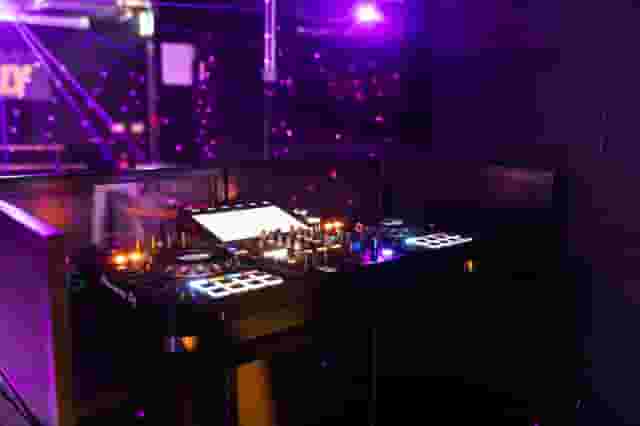
Ask the venue management for their technical specification sheet before hiring entertainment. A venue setup designed for club DJs will feature high-end pioneer decks, subwoofers and intelligent moving-head lights, but it may lack simple equipment like wireless roving microphones for speeches or a clean video input for company presentations.
If you plan to show an internal video or display brand graphics, confirm where screens can be hung. Dark basement walls and club strobe fixtures frequently wash out projected images. High-brightness LED screens or existing digital wall panels provide far clearer visibility than portable projectors.
Security, licences and noise restrictions
Unlike standard restaurants and bars, nightclubs operate under rigorous local council licensing conditions. In Central London boroughs like Westminster, Camden and Islington, late licences come with statutory rules covering security, capacity and sound containment.
- SIA door staff: Licences typically require one SIA-registered security guard per 50 to 100 guests. Clarify whether security costs are wrapped into your venue quote or billed on top as an hourly charge.
- Decibel limits: Many central clubs operate sound limiters connected directly to the mains power. If an external band or DJ exceeds the venue's agreed decibel threshold, the system cuts power to the stage automatically. Inform your performers of the limit beforehand.
- Curfews and last orders: Distinguish between the time the bar closes, when the music must stop, and when all guests must leave the building. A 01:00 licence often requires the bar to shut at 00:30 and the room to be completely empty by 01:00.
Transport, cloakrooms and guest welfare
An organiser's duty of care extends right up until every guest is safely on their way home. Club events involve higher alcohol intake and darker surroundings than standard office gatherings, making logistics and guest welfare vital parts of your planning checklist.
Cloakrooms and arrivals
Do not overlook the cloakroom. In autumn and winter, processing 300 coats, umbrellas and laptop bags through a single door creates a twenty-minute bottleneck on the pavement. Ensure the venue allocates at least two dedicated attendants at arrival and three at departure. Confirm whether cloakroom use is included in your main contract; charging corporate guests £2 per hanger leaves a poor first impression.
Late-night travel connections
Central London offers unmatched late-night transit, but connections drop off rapidly after midnight outside the main rail interchanges. When shortlisting locations, check their proximity to Night Tube lines (Central, Jubilee, Northern, Piccadilly and Victoria) or major 24-hour bus hubs such as Victoria, King's Cross and Liverpool Street.
Provide guests with clear transport information on your event invitations. Detail the nearest accessible tube stations, reputable local minicab ranks and safe pedestrian walking routes. Setting up a dedicated ride-hailing collection point away from congested main club entrances prevents your colleagues from waiting on cold street corners at 01:00.
What our customers say
Inspiration and planning guides

How To Throw An Amazing Party (Without Paying For It)
Imagine a party, with your colleagues, your friends or your family, at the tip of The Gherkin. [https://hirespace.com/Venues/London/210/SearcysThe-Gherkin] I cannot convey just how incredible that venue is. It's a glass palace, floating between London's iconic, spiralling skyscrapers. You feel immersed in the London skyline, surrounded by a panorama of sky and steel. Here's the catch: it costs £10,500 to hire. Out of your budget? Not a problem: rather than paying yourself, you can get other pe

5 Easy DIY Decoration Ideas For Your Summer Party
Are you looking to make your summer event beautiful on a budget? These 5 ideas are simple but will guarantee to transform your event.

Hackney Town Hall: Modern Elegance Meets Art Deco Flair
Believe it or not, the London Borough of Hackney was once a wild and marshy place, the name itself likely having roots in the Old English for Haka’s Island. Now of course, Hackney is one of London’s trendiest boroughs and nowhere proves this more than the recently refurbished Hackney Town Hall [https://hirespace.com/Spaces/London/138600/Hackney-Town-Hall/Assembly-Hall/Weddings] . Hackney Town Hall combines the original elements of 1930s design with modern elegance. This gorgeous venue is perfec
One supplier. Every venue. Full visibility on what you spend.
Multiple venues and events. One agreement.