Corporate Away Day Venues for Hire in Central London
Compare Central London spaces with presentation facilities, lunch and activities for teams, with typical pricing from £95 to £190 per head.
1,097 Corporate Away Day Venues for Hire in Central London
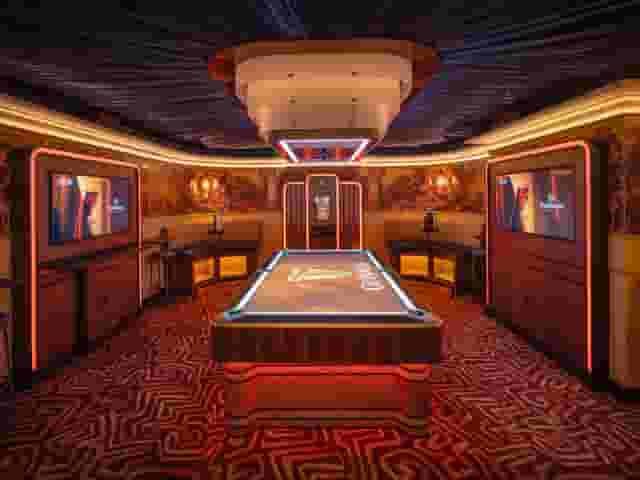
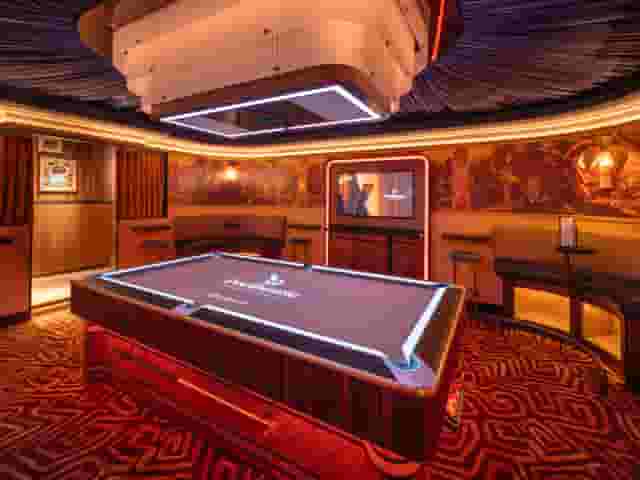
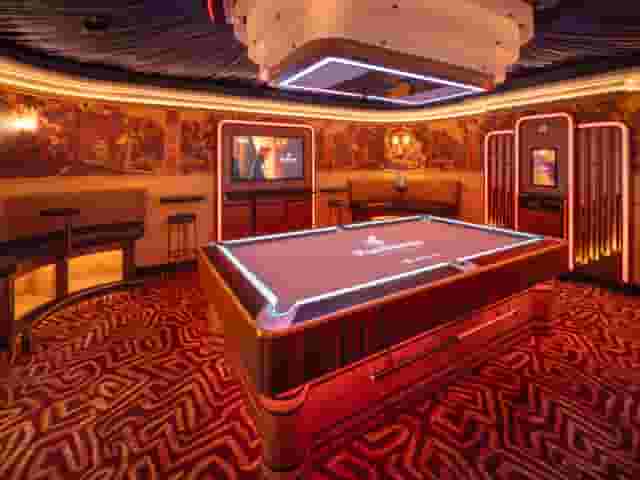

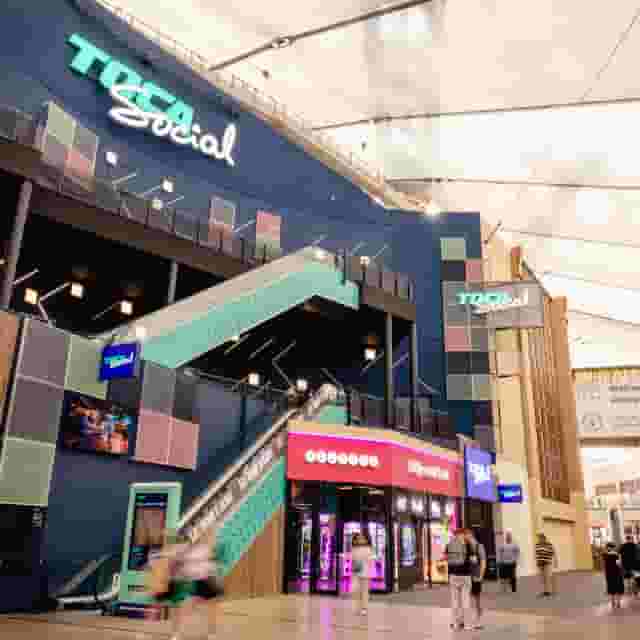
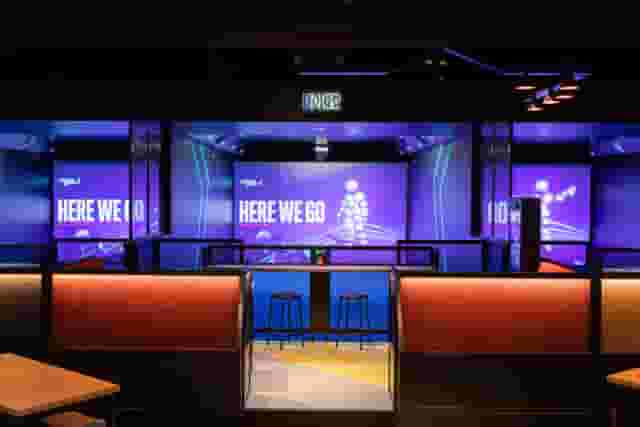
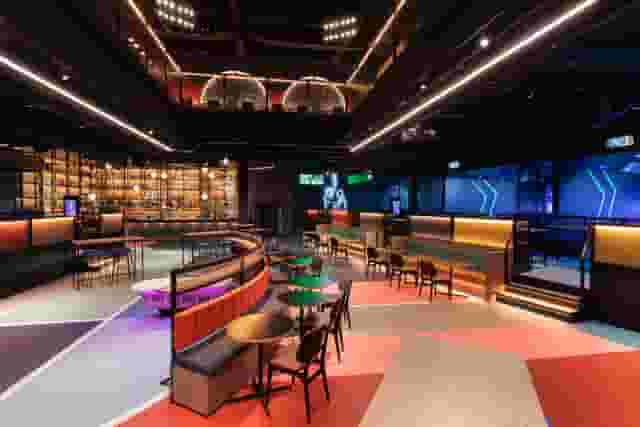




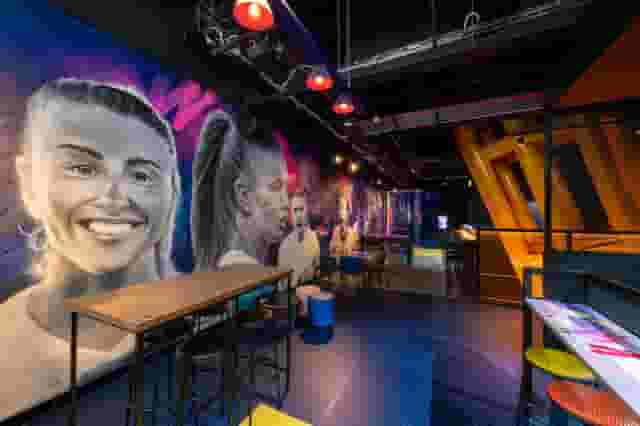







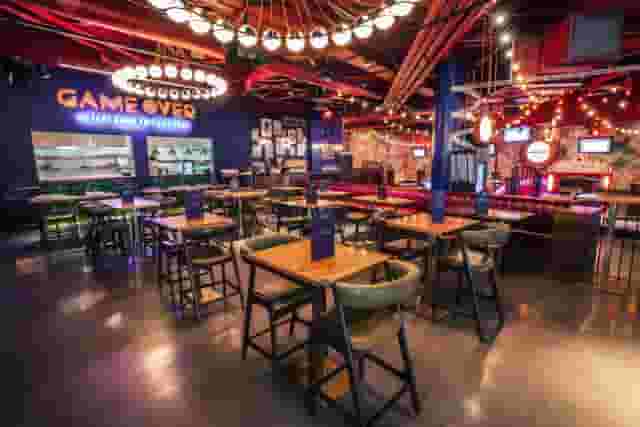
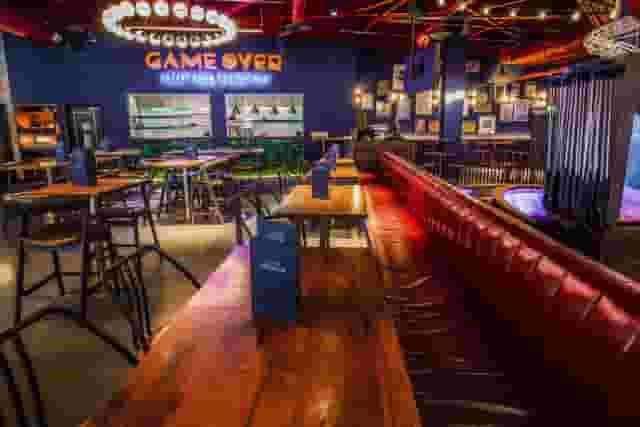
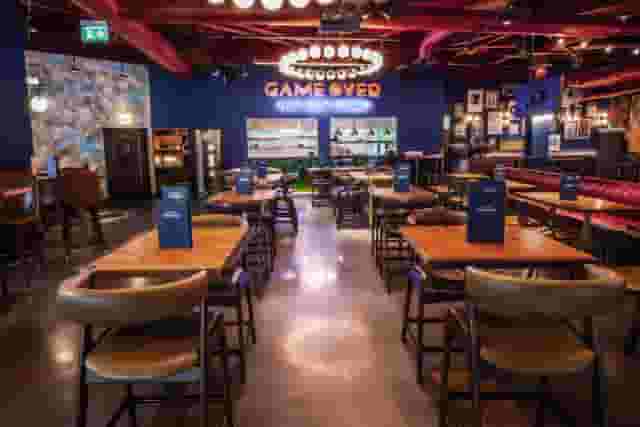
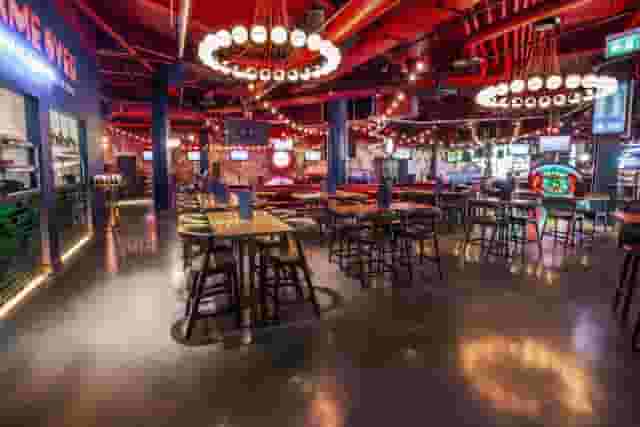
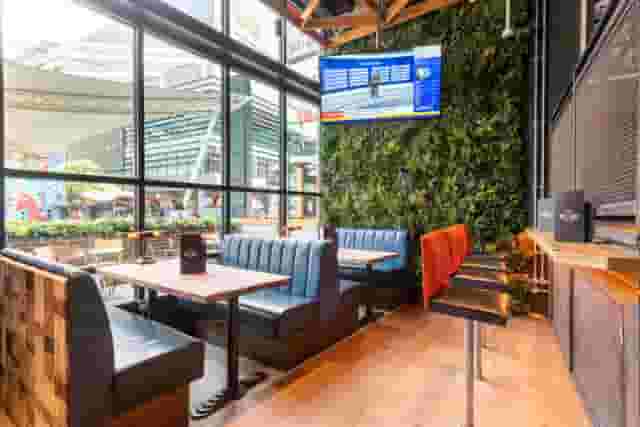
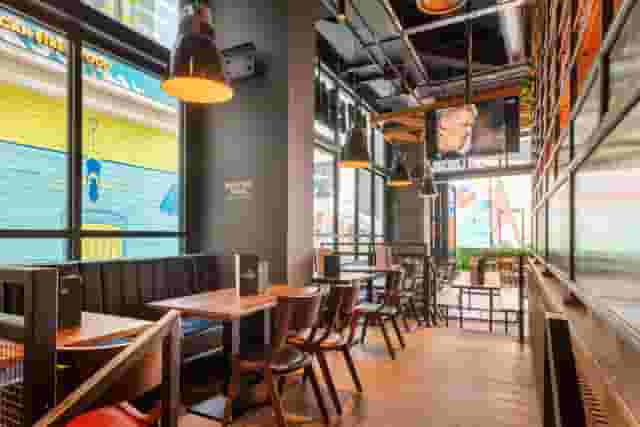
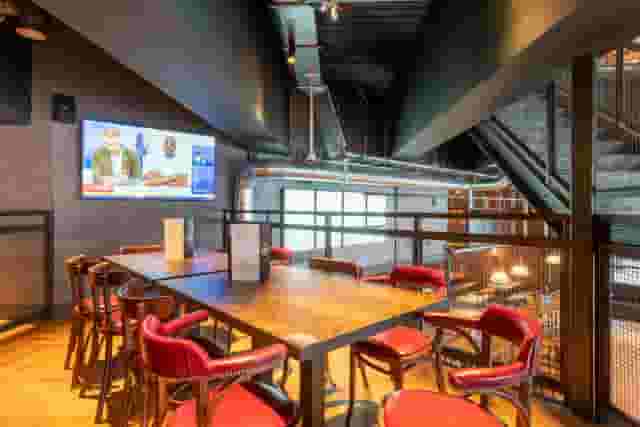
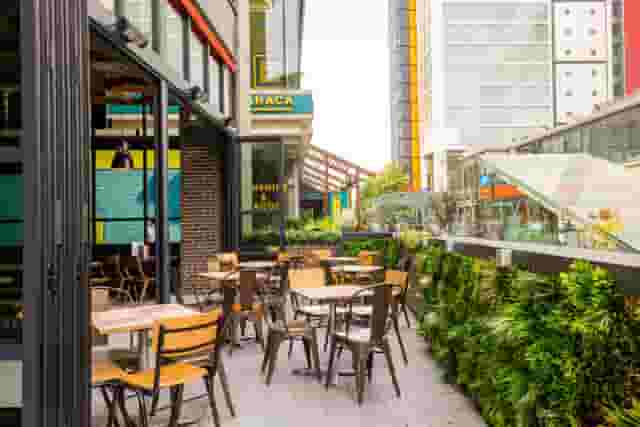



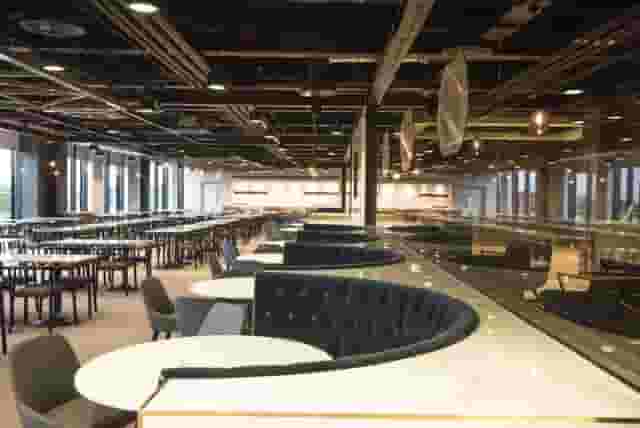
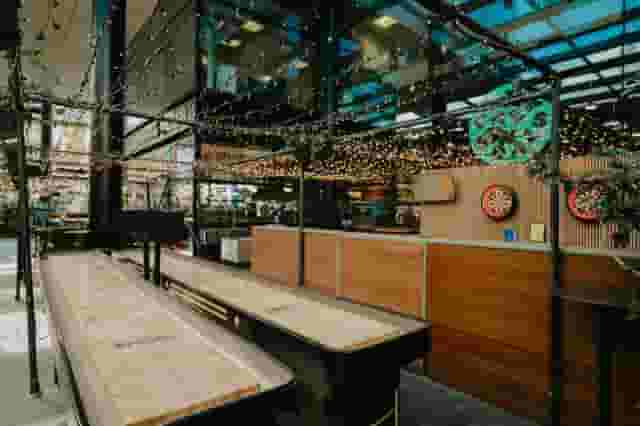
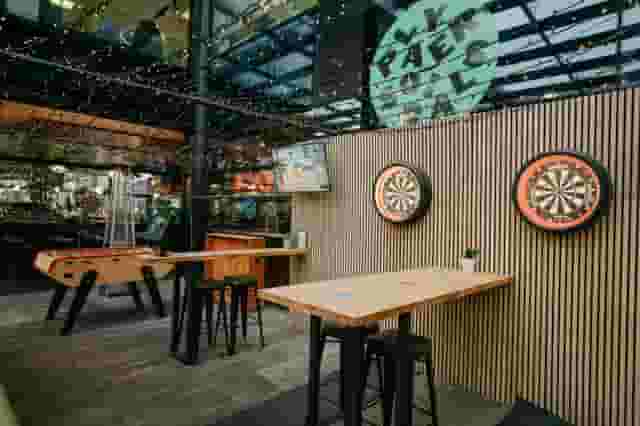


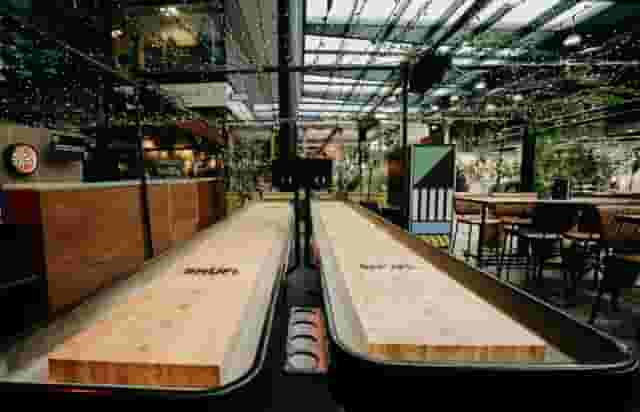

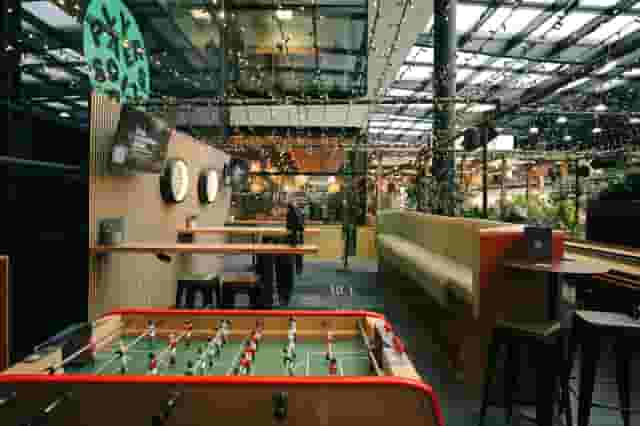
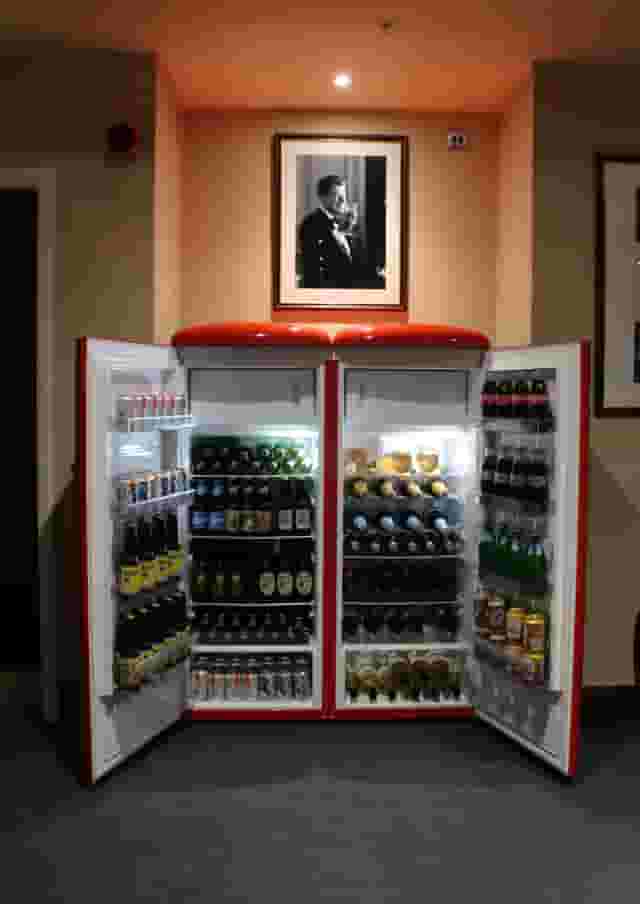


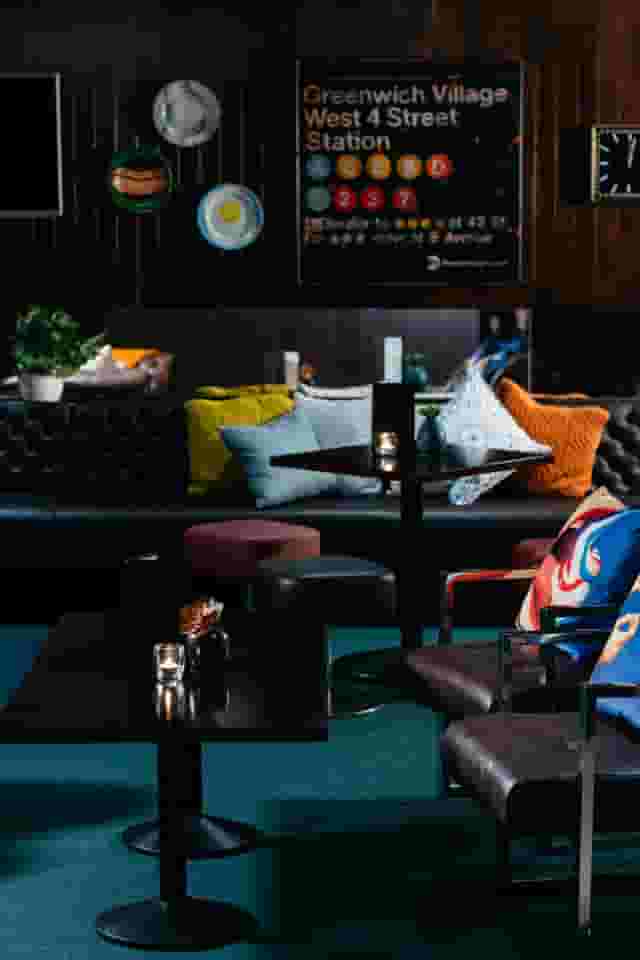


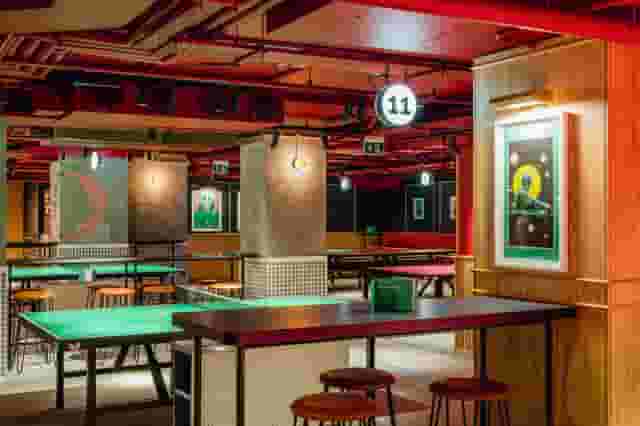
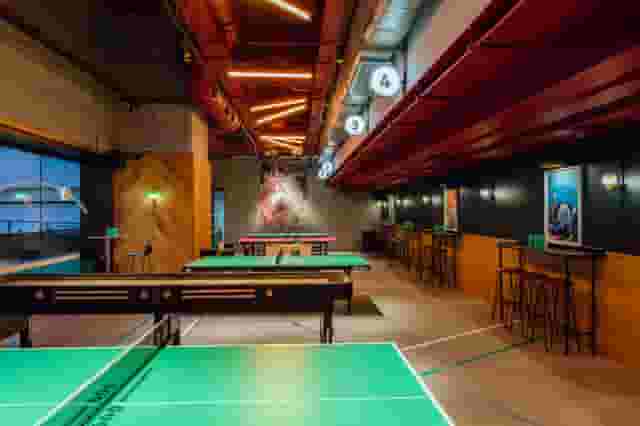
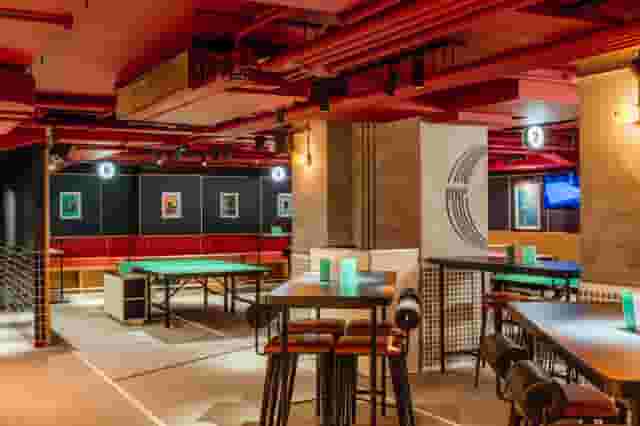
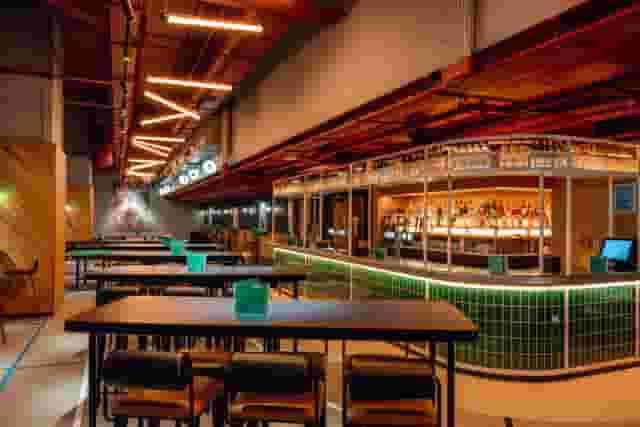













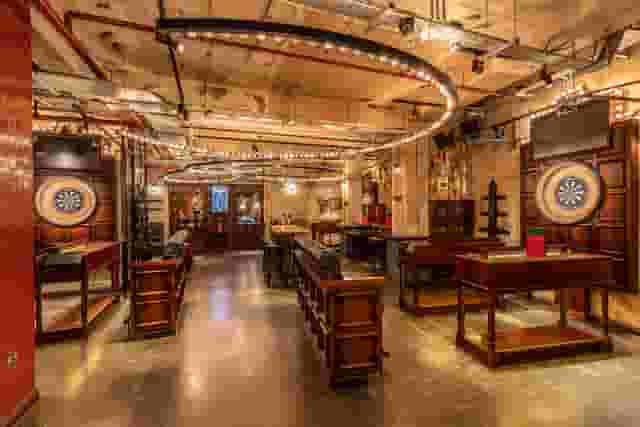
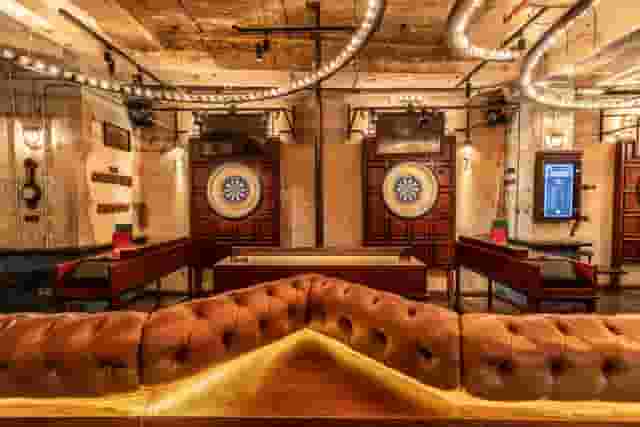
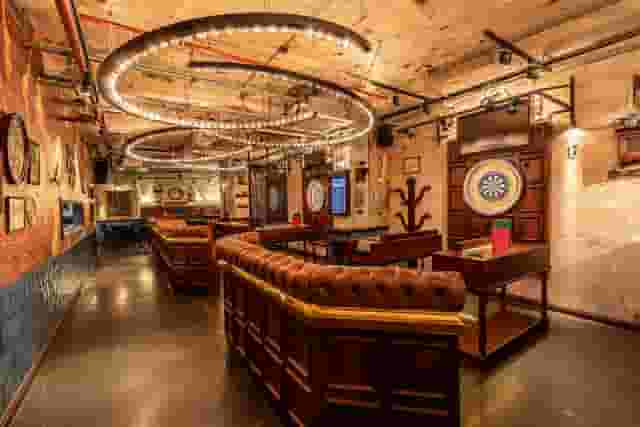
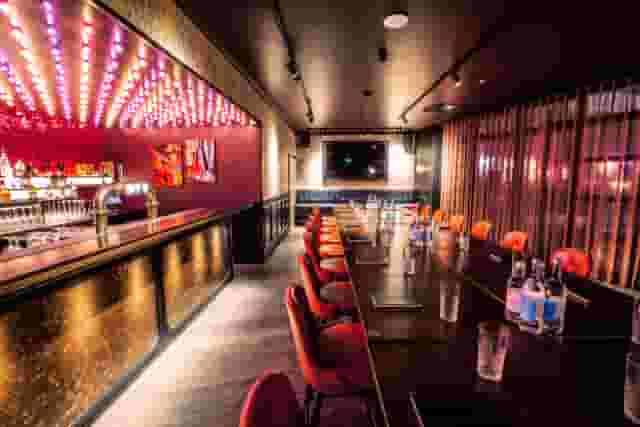











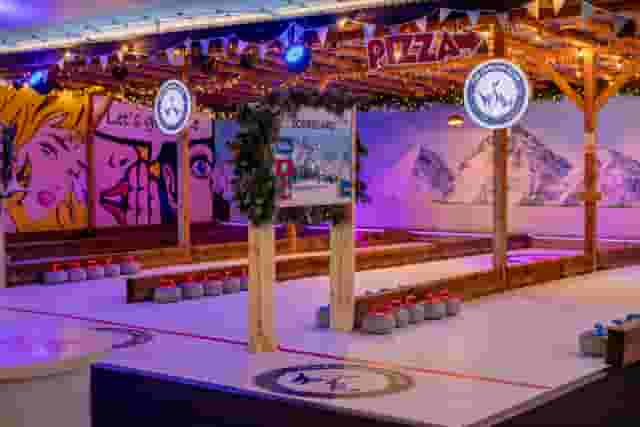
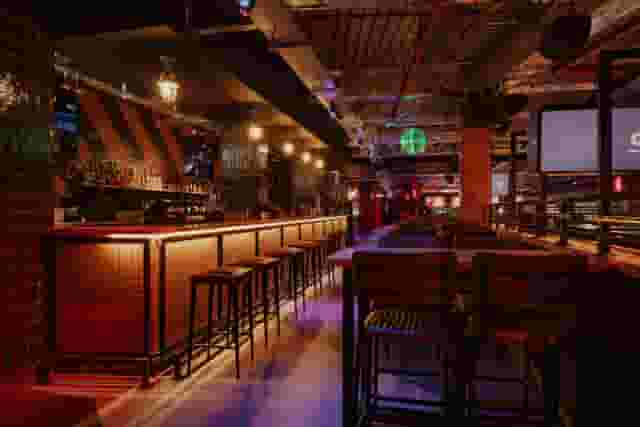
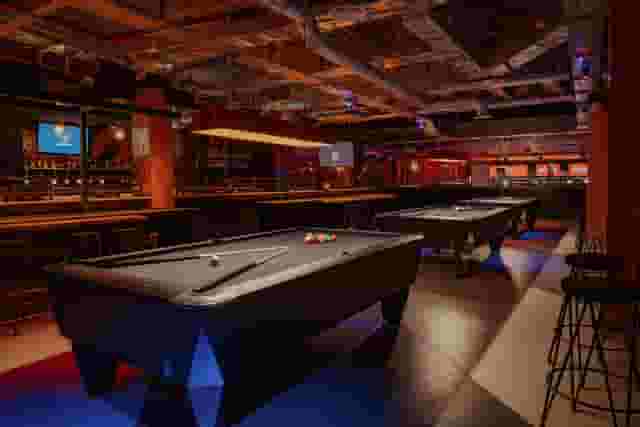
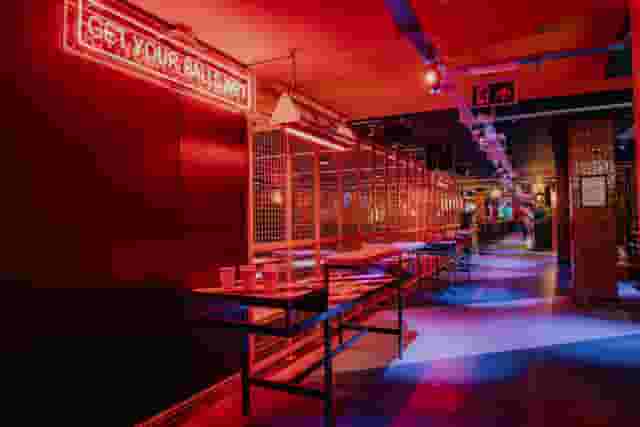

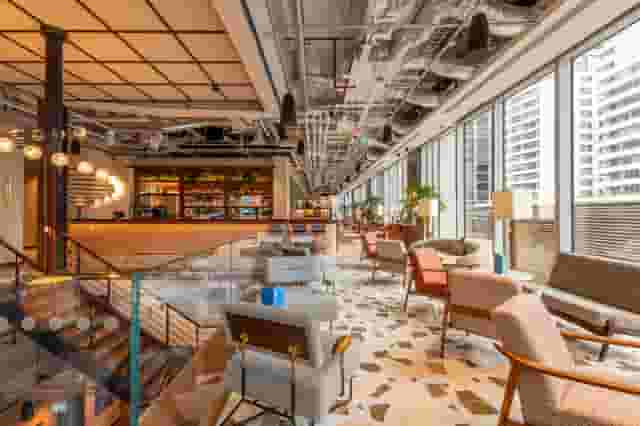
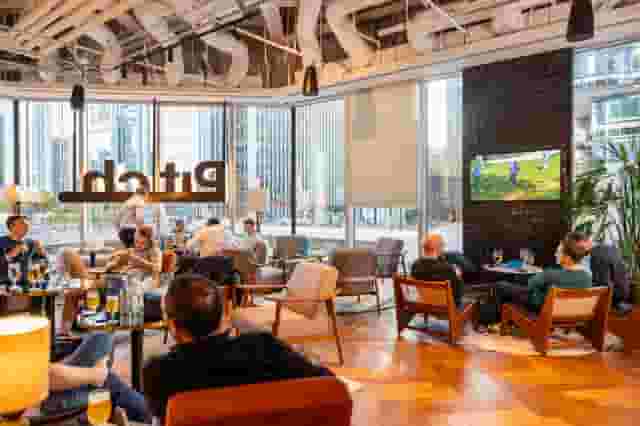
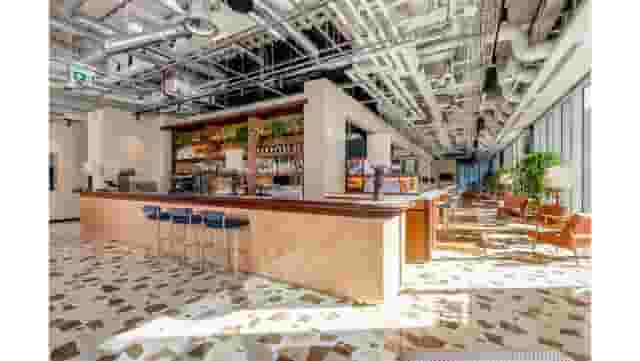
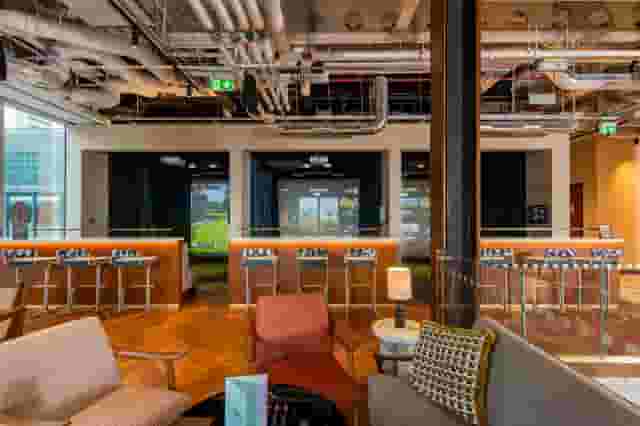









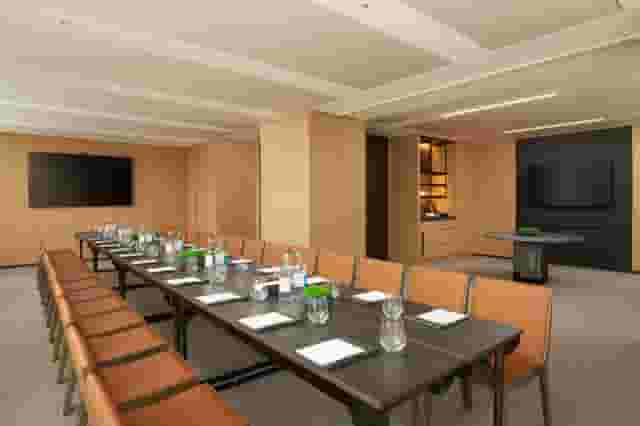
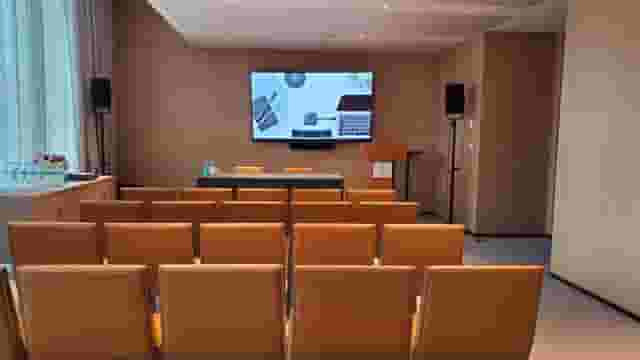
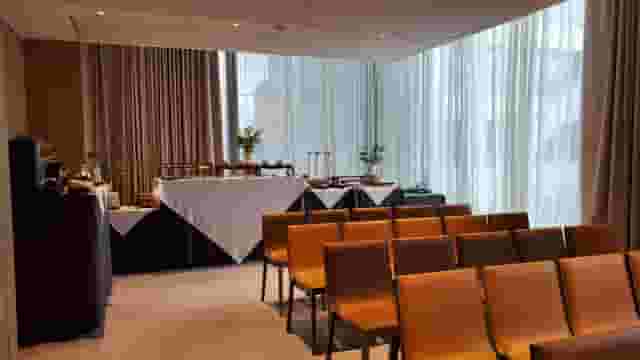
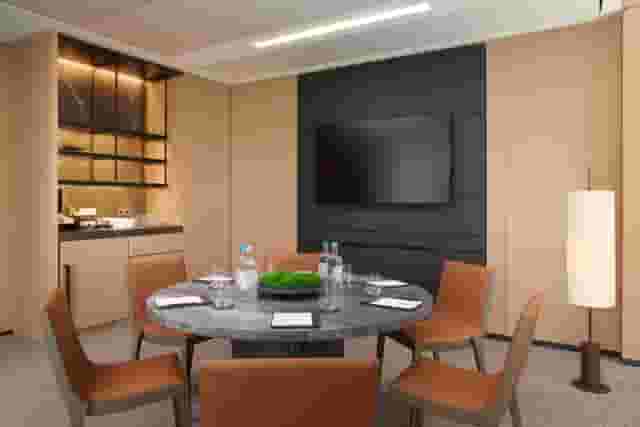










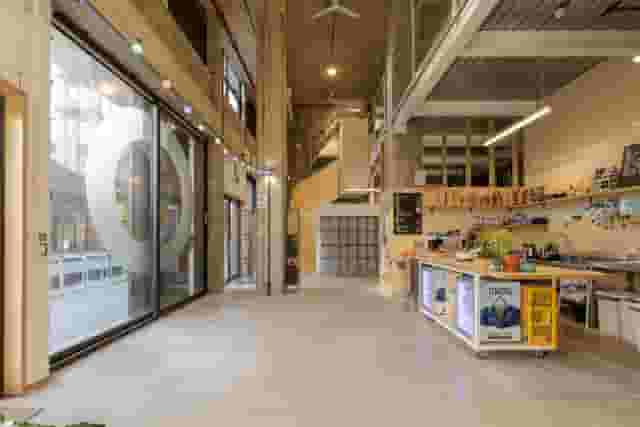
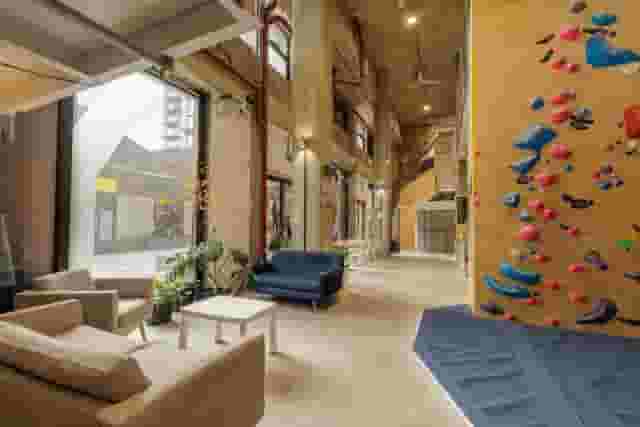
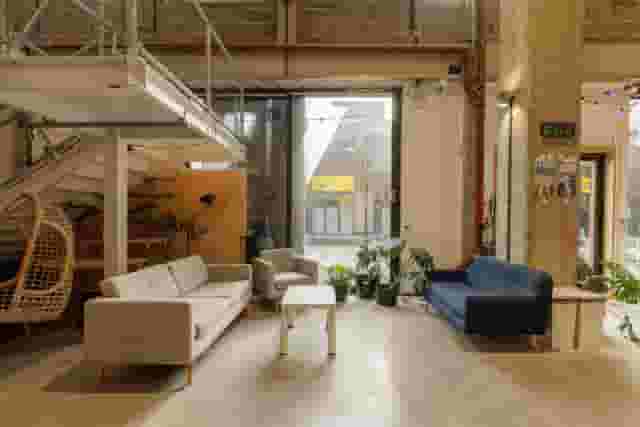
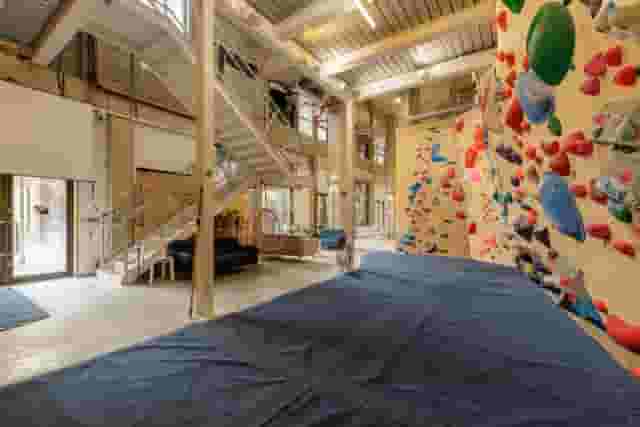








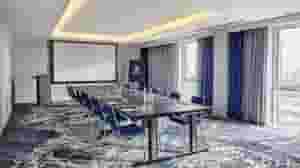
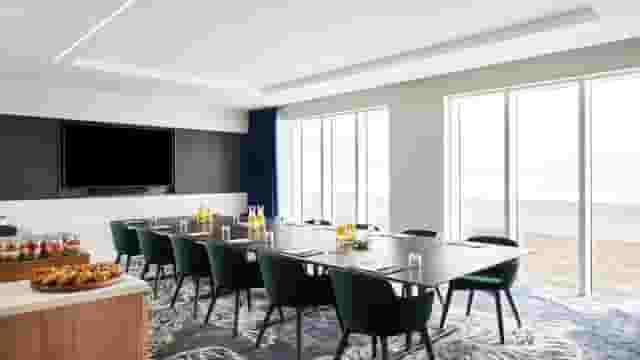
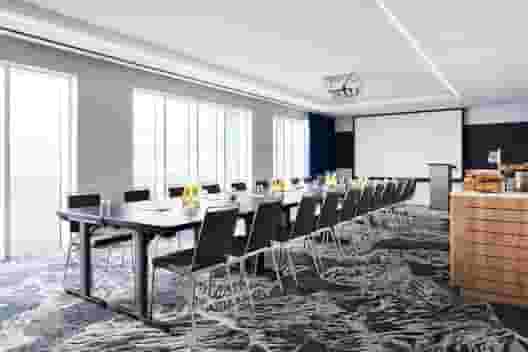
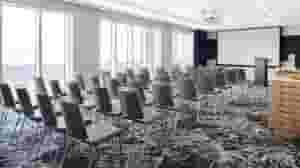













































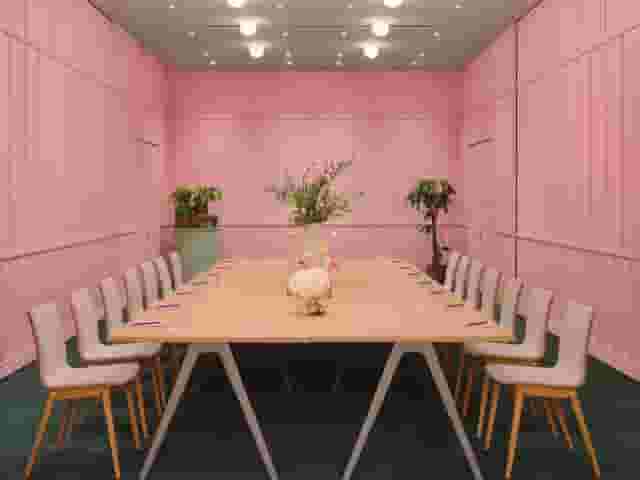
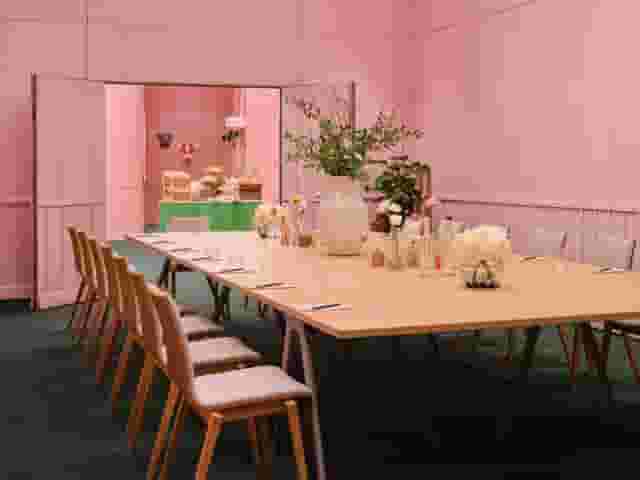
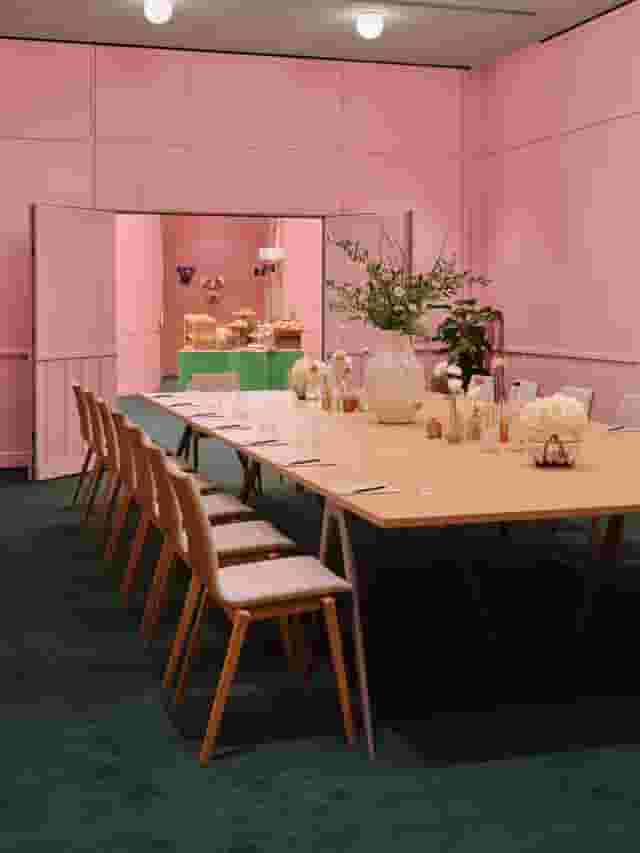
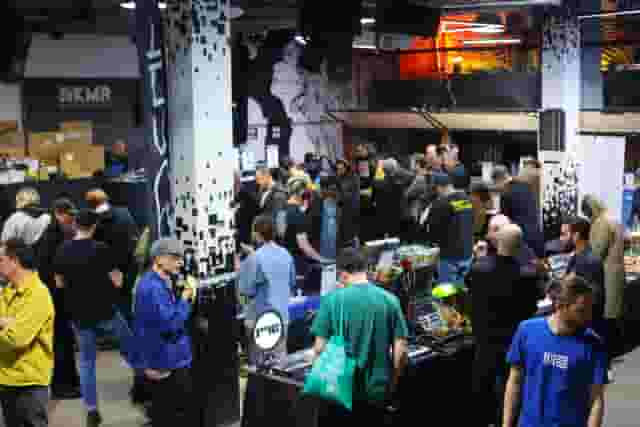

No venues match these filters
Try widening your capacity, luxury level or event type.
Don't have time to search? We'll find it for you.
For business events that need human judgement, talk to our team. Free for events of 100+ people, budgets over £10k or ongoing programmes.




Explore more venues in Central London













Other platforms search their database. We search everything.
Tell us what you need. Our deep research finds any venue, whether it's in our marketplace or not. No one else does this.
About Corporate Away Day in Central London
Structuring a full day away day: balancing focus and downtime
Planning a corporate away day in Central London requires balancing serious business work with genuine team connection. When teams spend an entire working day away from their desks, the schedule needs to justify the time out of the office. Packing eight hours with back to back presentations leads to fatigue before lunch. Leaving the day too loose makes stakeholders question the return on budget. A successful agenda usually divides into three distinct acts: morning alignment, an afternoon collaborative workshop or activity, and an informal evening wrap up.
The morning is when concentration peaks. Schedule your core strategy sessions, financial reviews or executive presentations between 09:30 and 12:30. Give people thirty minutes of arrival buffer with hot coffee and breakfast pastries so late tube connections do not derail the start time. Break the morning into sixty minute blocks with clear pauses. If a presenter runs ten minutes over, a scheduled break protects the rest of the day.
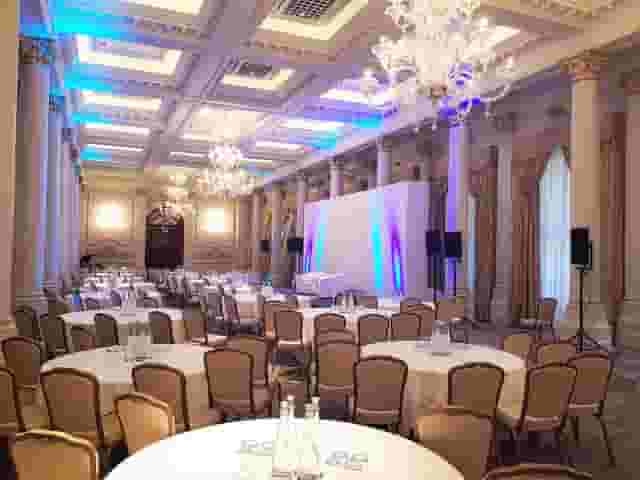
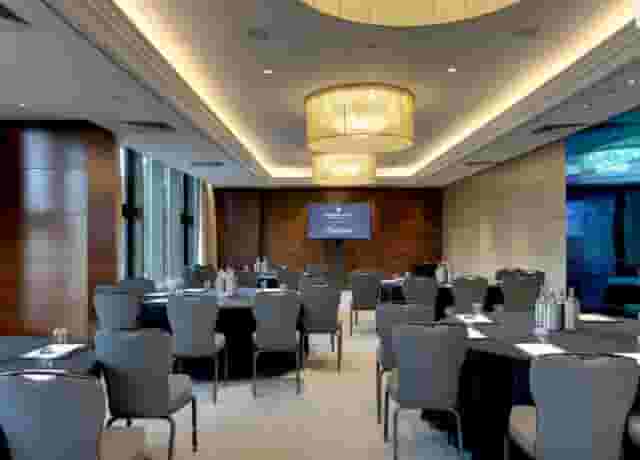
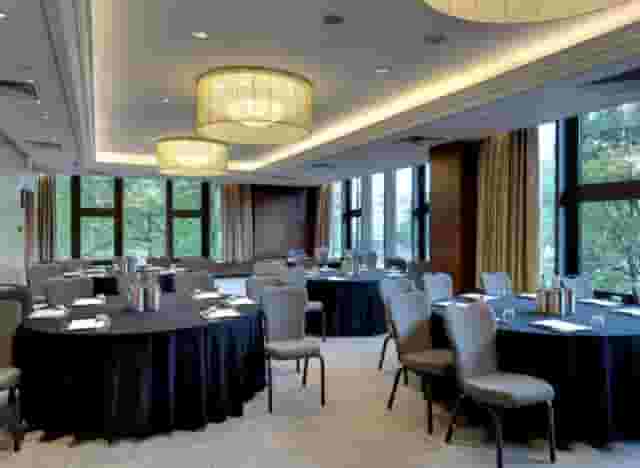
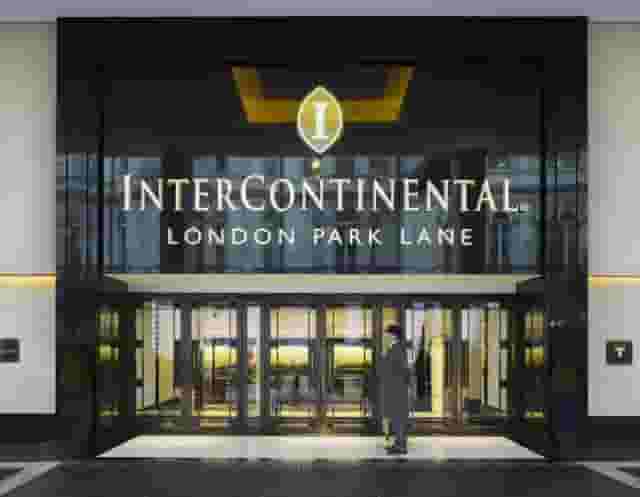
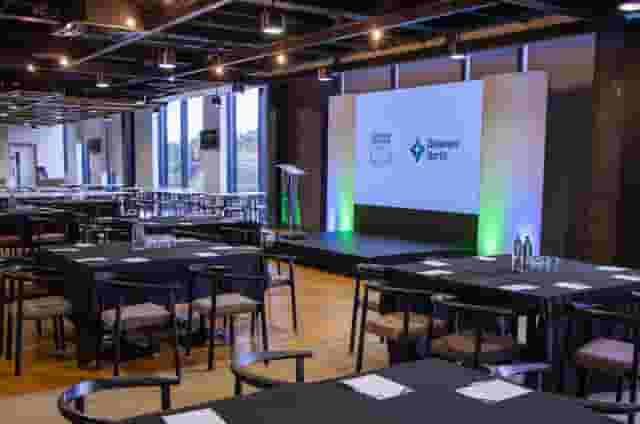
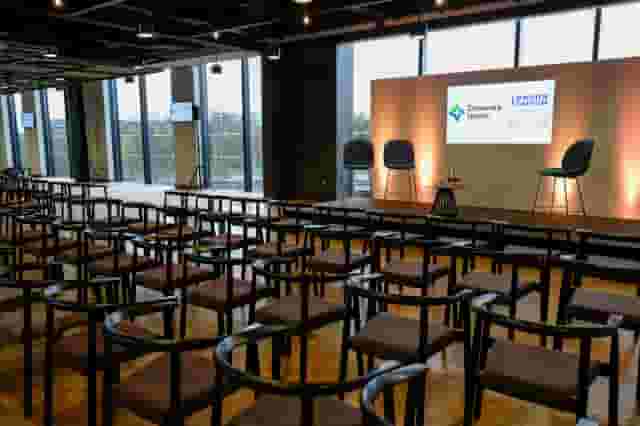
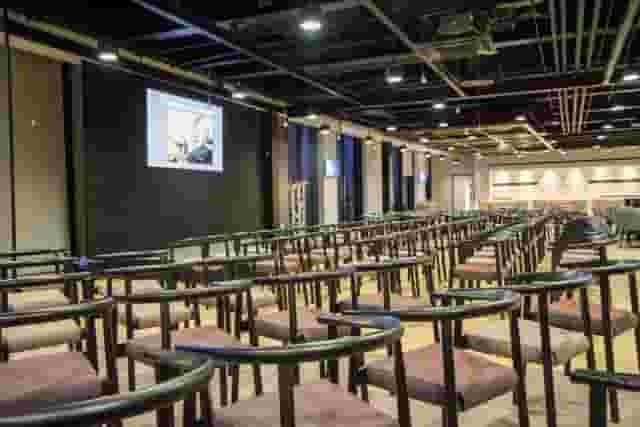
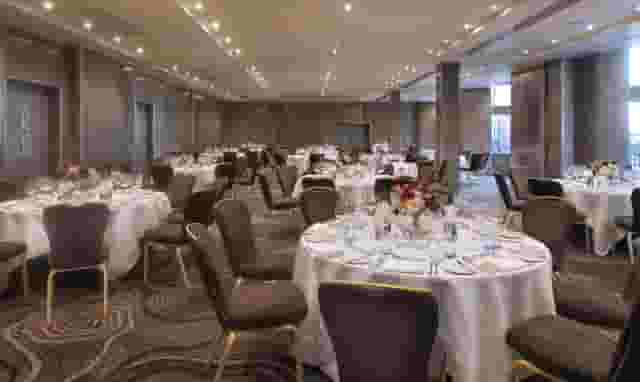
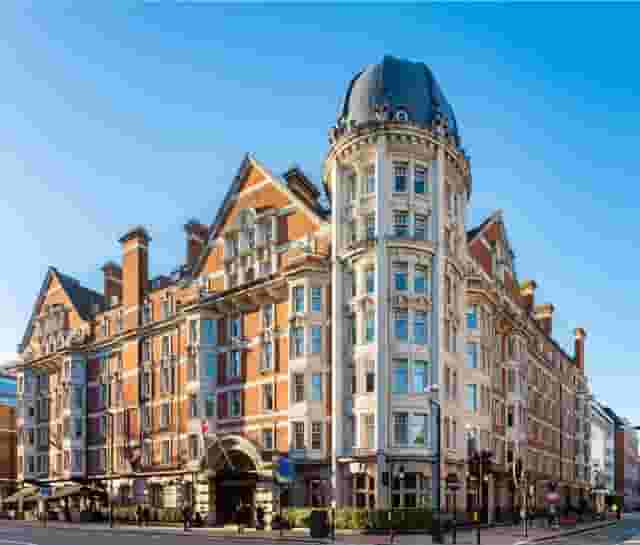
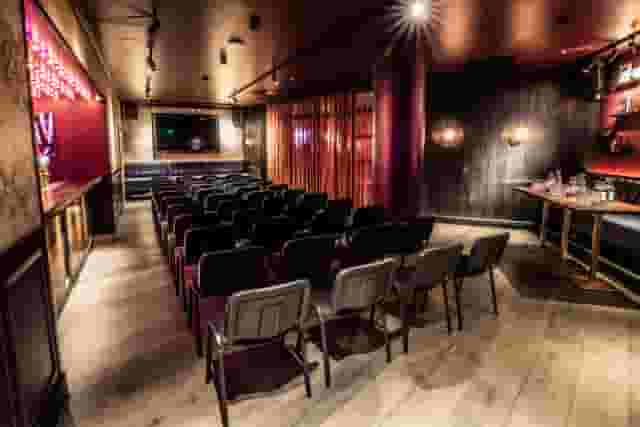
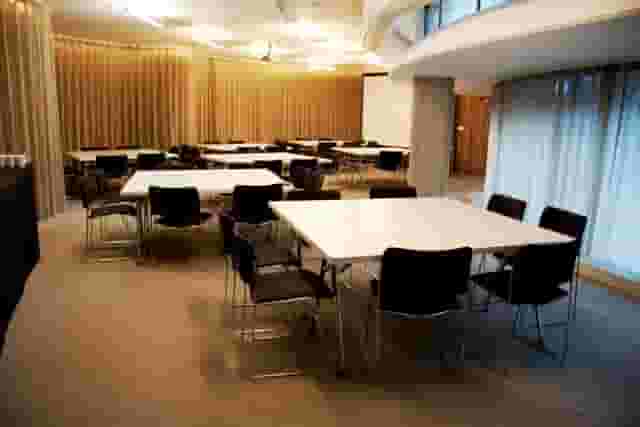
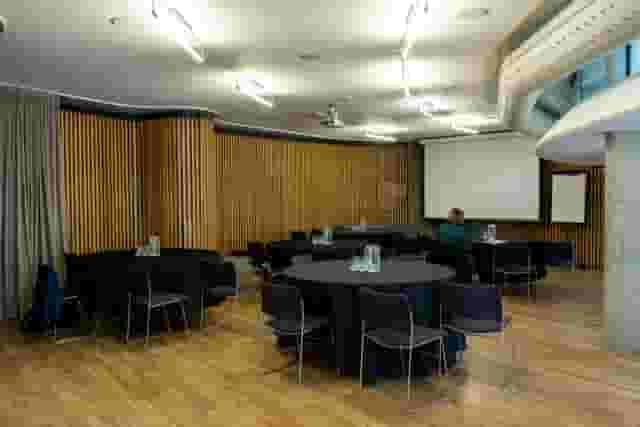
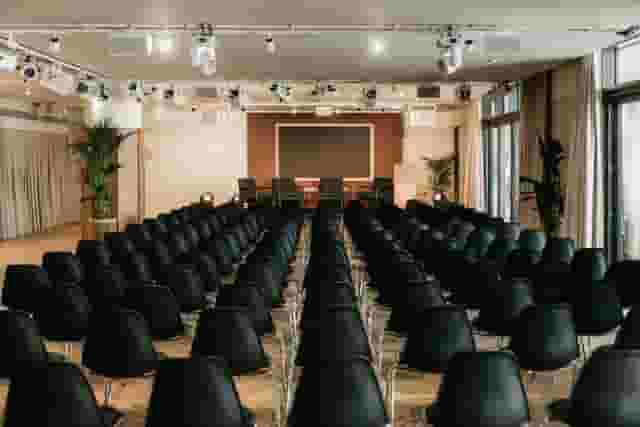
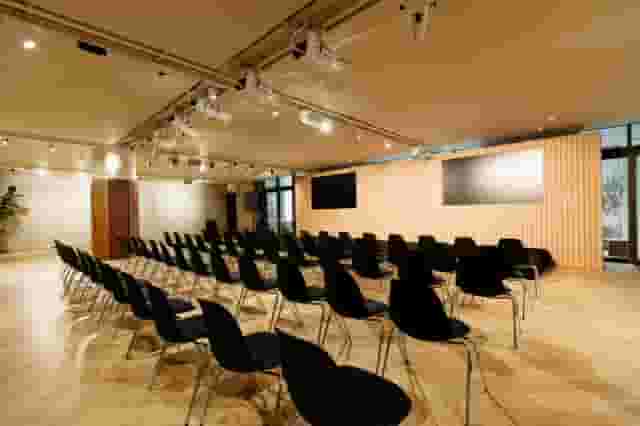
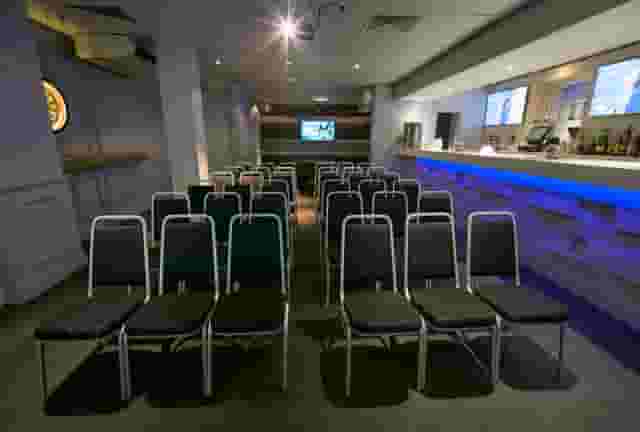
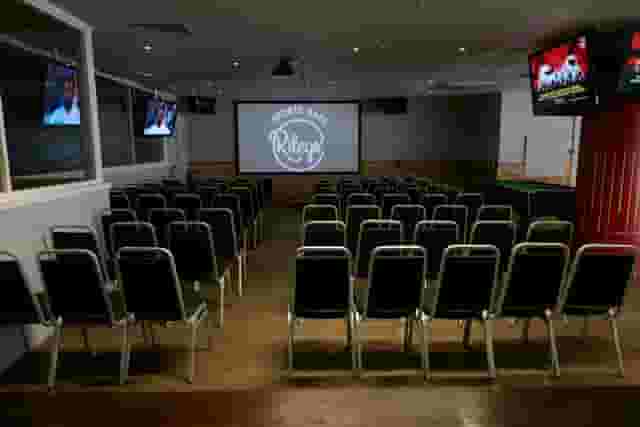
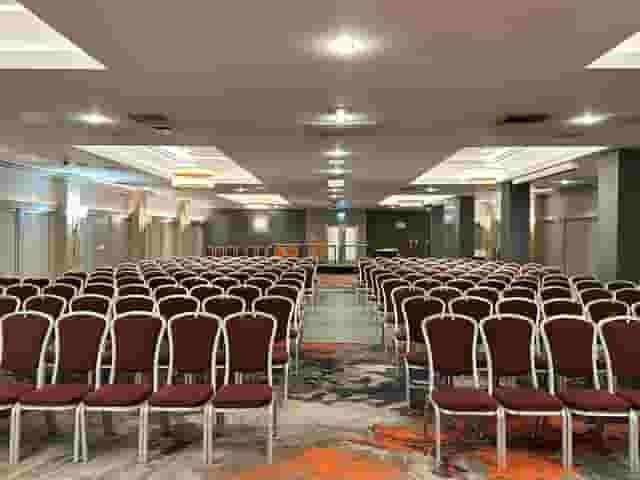
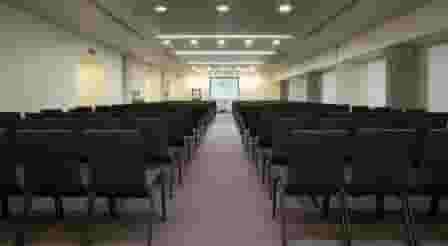
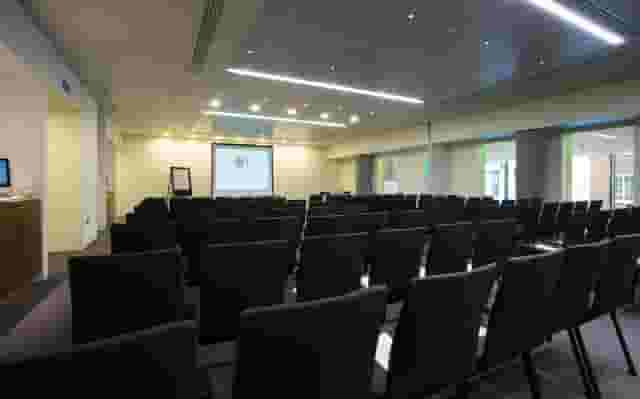
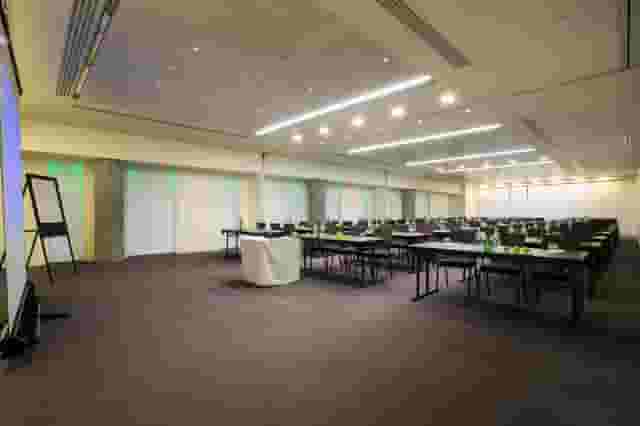
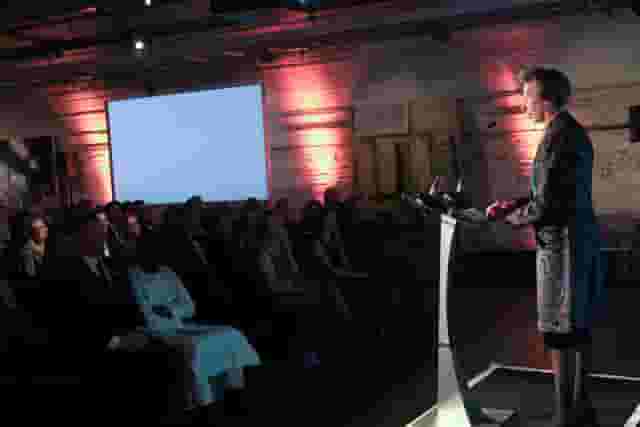
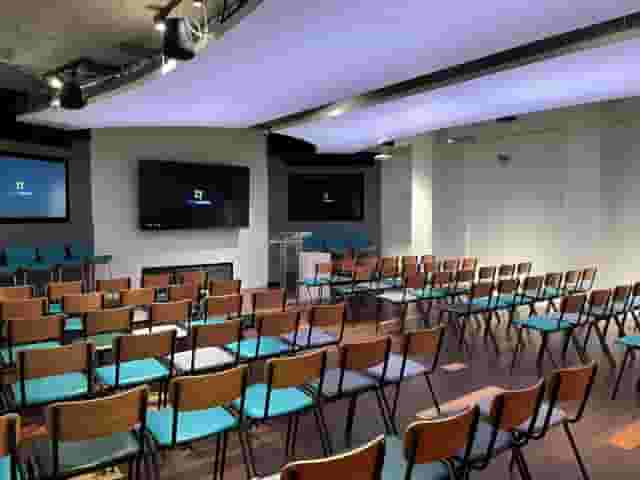
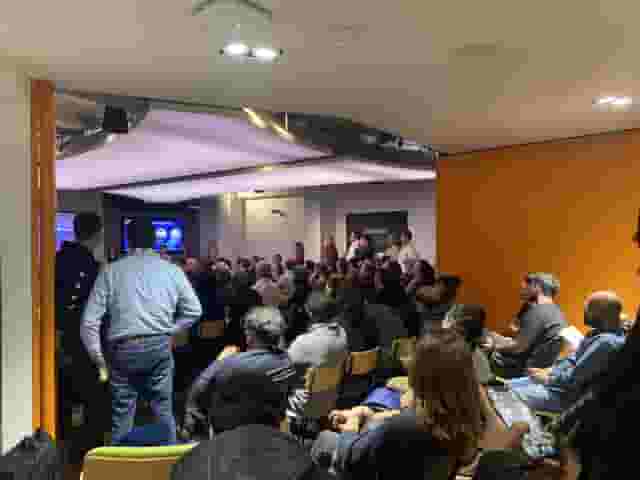
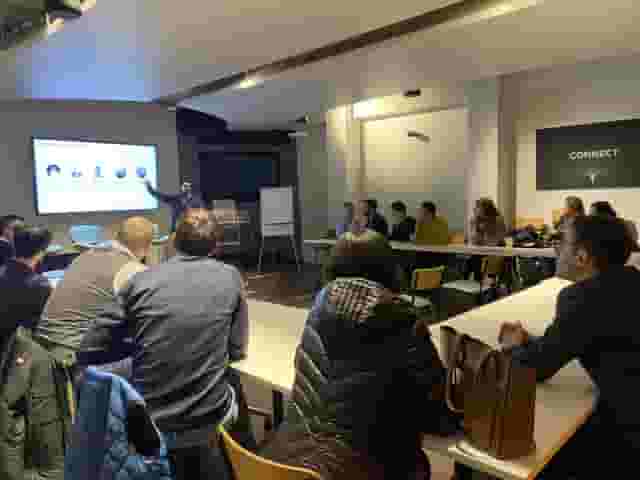
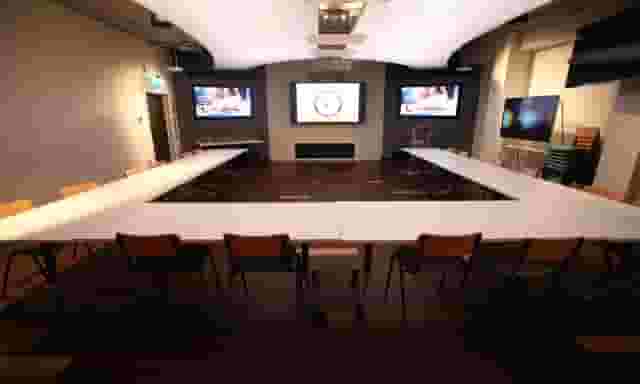
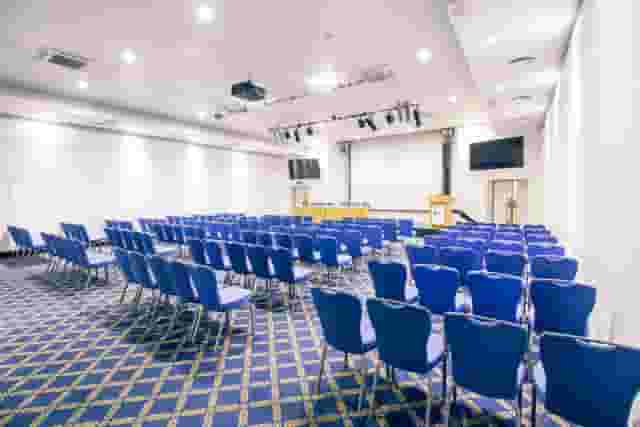
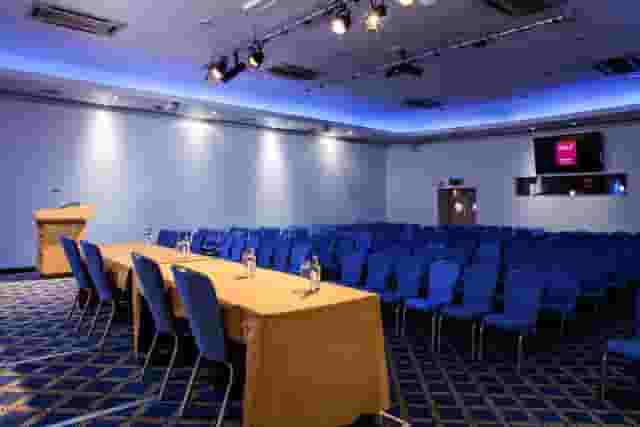
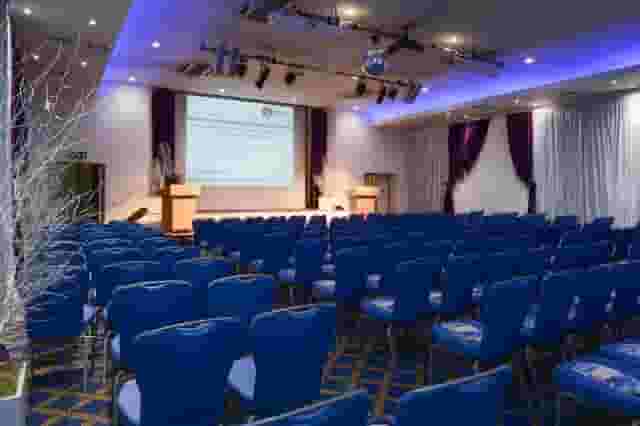
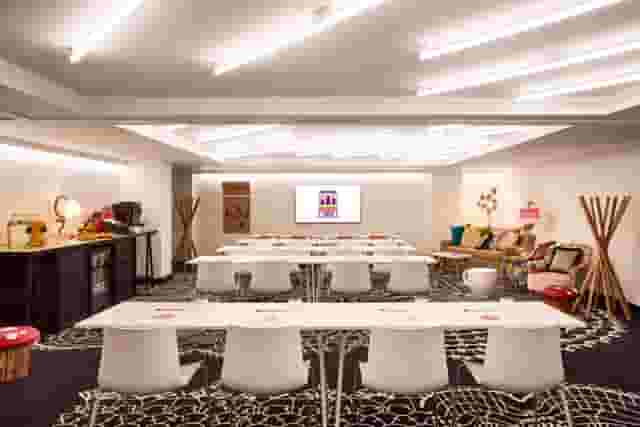
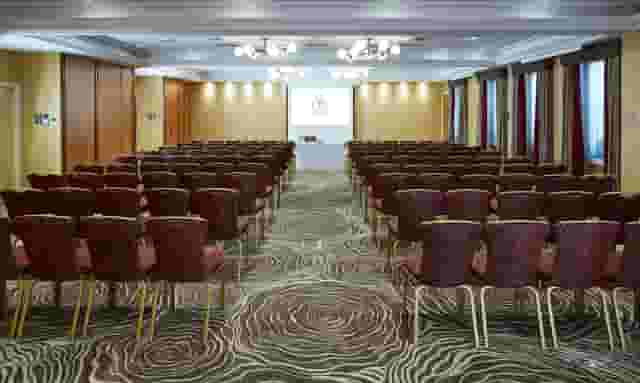
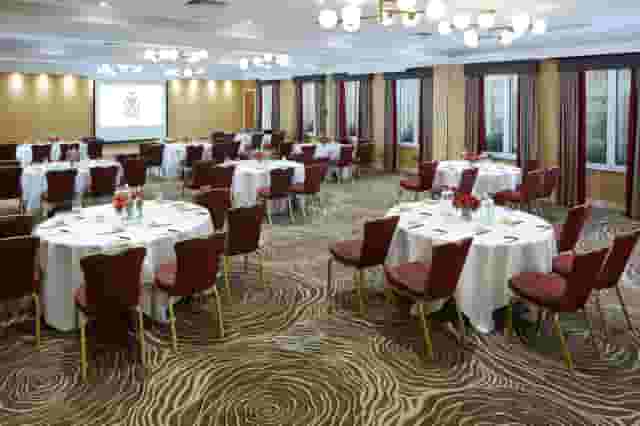
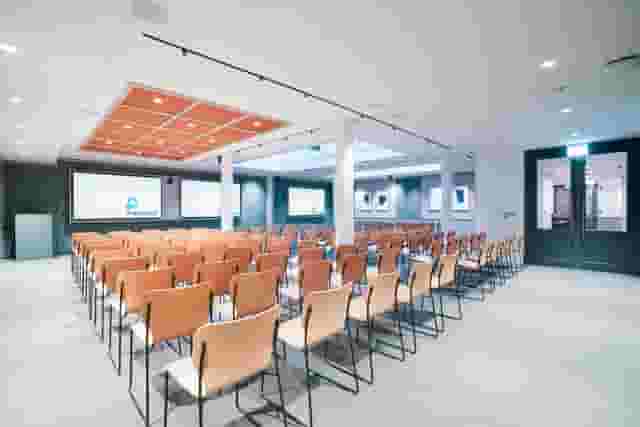
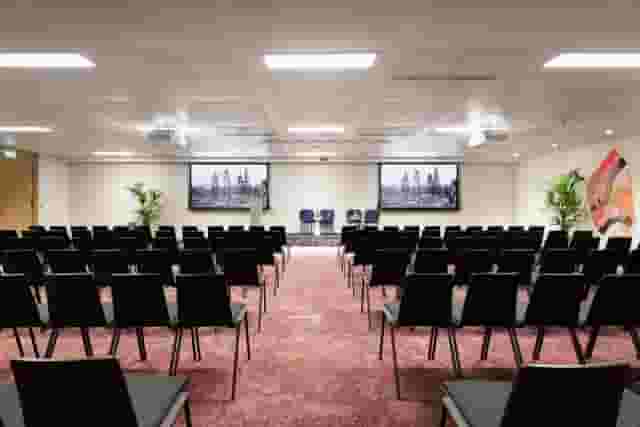
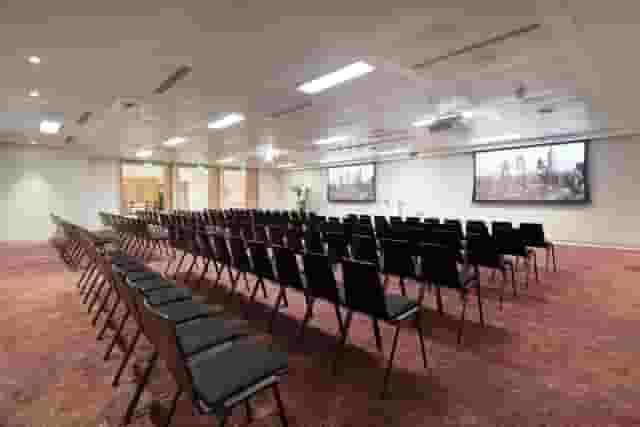
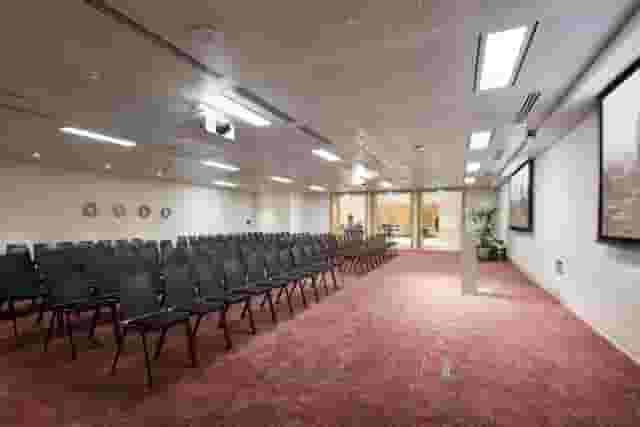
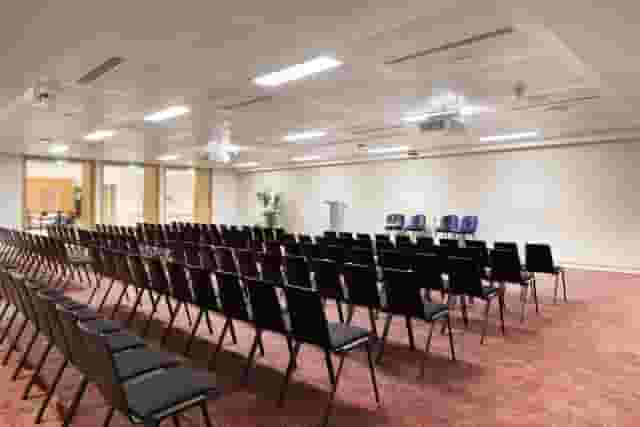
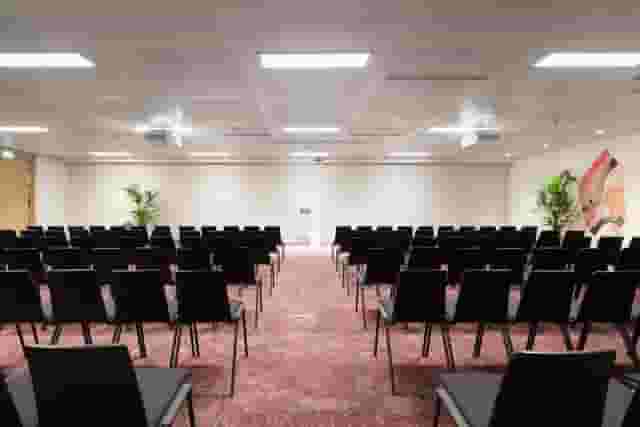
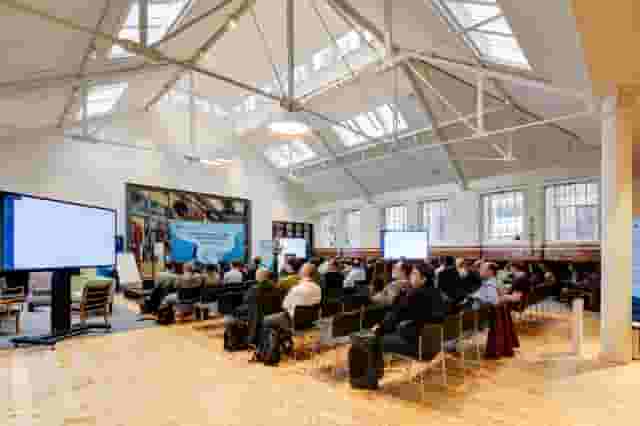
How you lay out the room dictates how people behave. If your morning focuses on top down updates, a theatre layout fits the maximum number of chairs in front of a screen. For example, InterContinental London Park Lane in Mayfair can seat 140 guests in a theatre setup for presentations. If your objectives require discussion, steer away from theatre rows. Cabaret tables of five or six allow team members to take notes, work through worksheets and converse without turning their chairs around. Ensure sightlines remain clear to the presenter and the screen. Columns, chandeliers or low ceiling heights can obscure slides for people at the edge of the room.
| Time | Activity |
|---|---|
| 09:00 to 09:30 | Arrival, coffee and breakfast |
| 09:30 to 11:00 | Session 1: Company vision and leadership updates |
| 11:00 to 11:20 | Mid-morning tea, coffee and phone check |
| 11:20 to 12:45 | Session 2: Department workshops or breakout tasks |
| 12:45 to 14:00 | Lunch (standing buffet or seated dining) |
| 14:00 to 16:00 | Session 3: Interactive team challenge or external speaker |
| 16:00 to 16:15 | Afternoon break and refreshments |
| 16:15 to 17:00 | Summary, awards and next steps |
| 17:00 onwards | Informal drinks, games or dinner |
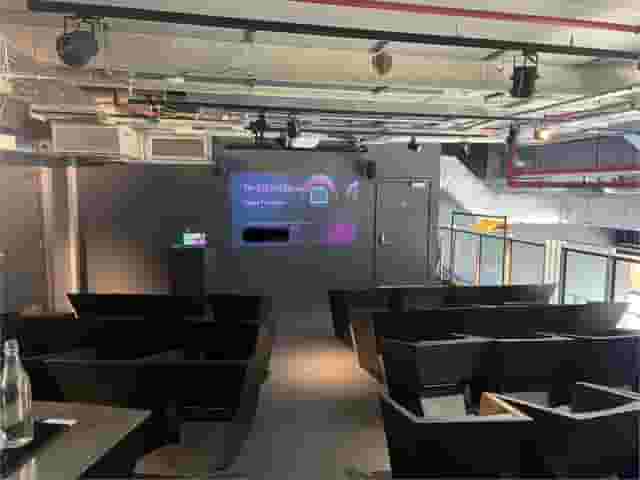
Audio visual requirements must be pinned down early. For a full day meeting, basic equipment includes a bright display screen or projector, a presenter clicker, audio amplification and at least two wireless handheld or lapel microphones for audience questions. Never assume a venue includes all AV in the standard hire. Ask whether the room has built-in relay screens if the space is long, whether the lighting has dimming zones over the stage, and whether there is an on-site technician during your morning keynote.
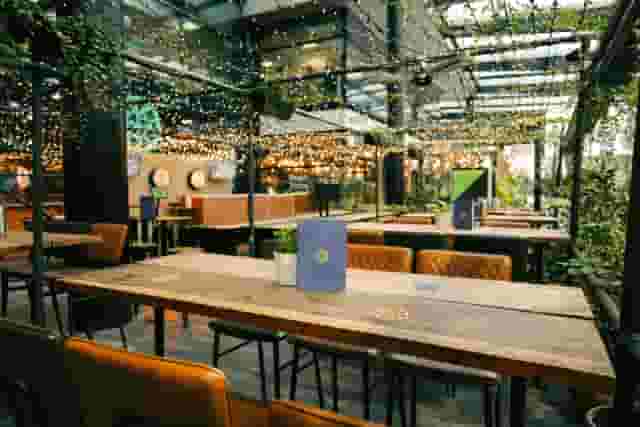
Natural daylight is critical for full day meetings. Basements and windowless meeting rooms save money, but by 15:00 your delegates will fight drowsiness. Look for rooms with large windows, controllable blinds for screen visibility and independent air conditioning that you control from within the space.
Choosing between traditional meeting suites and activity-led venues
Central London venues fall into two broad styles for away days: traditional hotel or conference suites, and activity-led hospitality spaces. Deciding between them depends on your team culture and the balance of presentation time against social time.
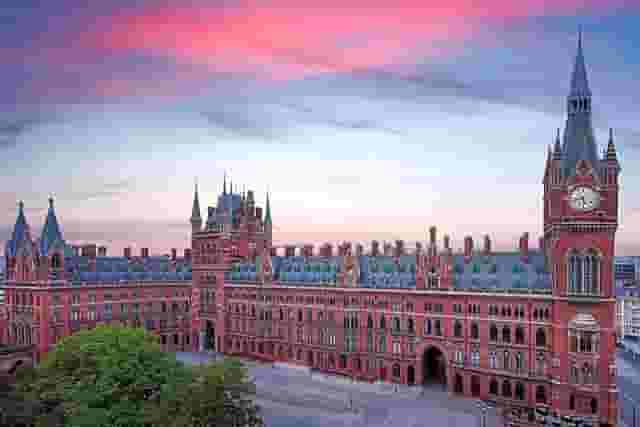
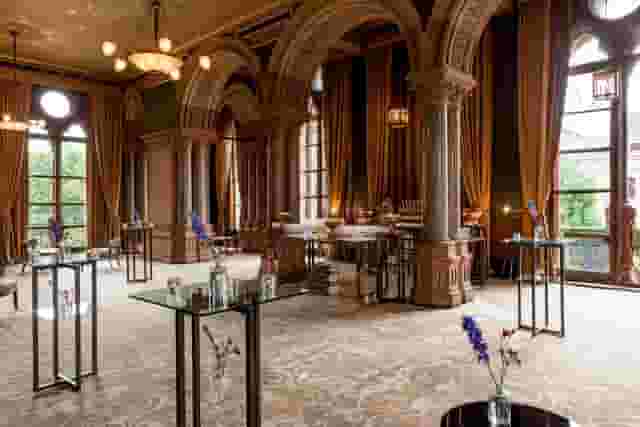
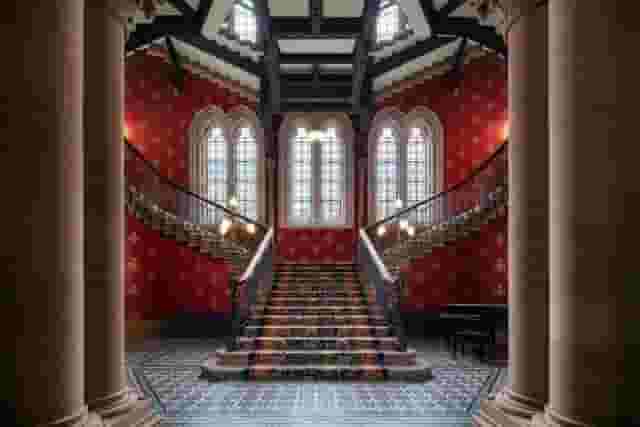
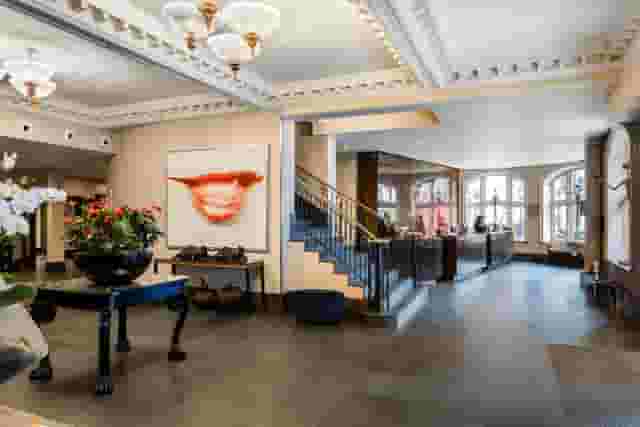
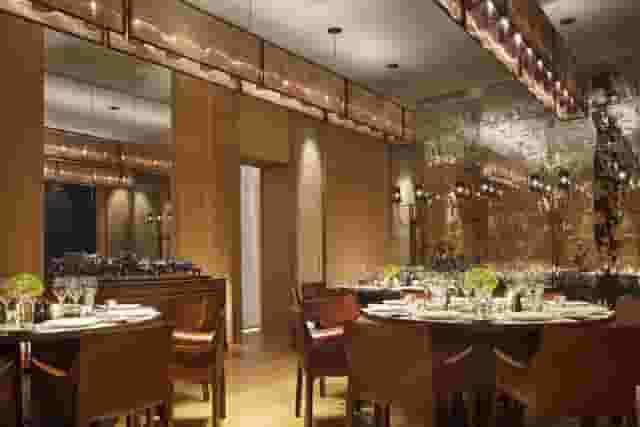
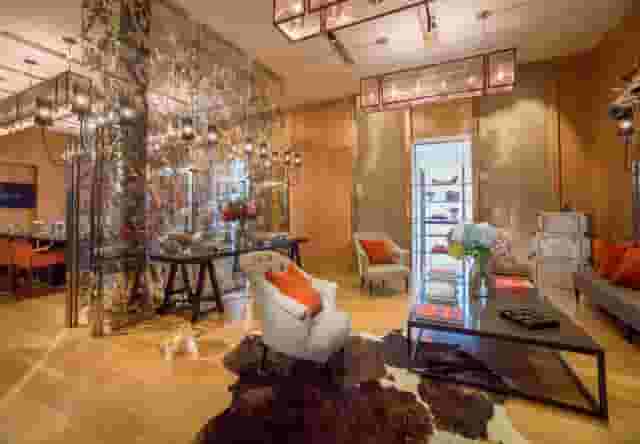
Traditional venues excel at formal sessions, compliance meetings, discreet strategy talks and events where senior leaders need dependable, quiet surroundings. Hotels offer dedicated event floors, professional banqueting teams and on-site guest bedrooms for colleagues travelling from regional offices. In Marylebone, The Langham, London on Regent Street provides 26 event spaces including a Grade II ballroom, with rooms suitable for receptions of 60 guests where historic architecture meets modern hospitality. For national teams arriving by rail, St. Pancras London offers Victorian rooms and a grand hall with theatre capacity for 60 guests, featuring built-in AV and immediate access to the transport hub.
The limitation of traditional hotel rooms is that the environment can feel like an extension of the working week. If your goal is cross-department bonding, team building or celebrating a milestone, an activity-led venue combines meeting facilities with built-in social entertainment under one roof.
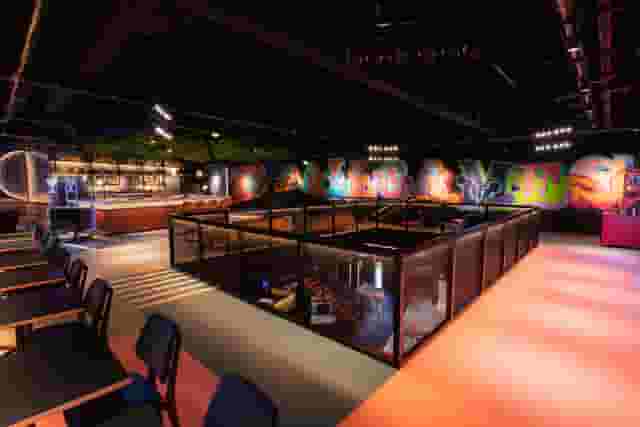
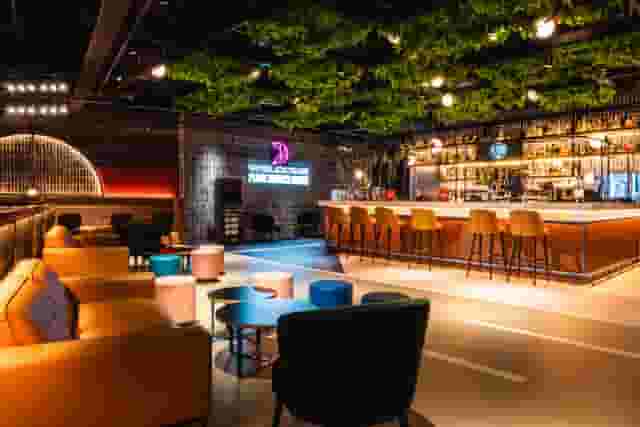
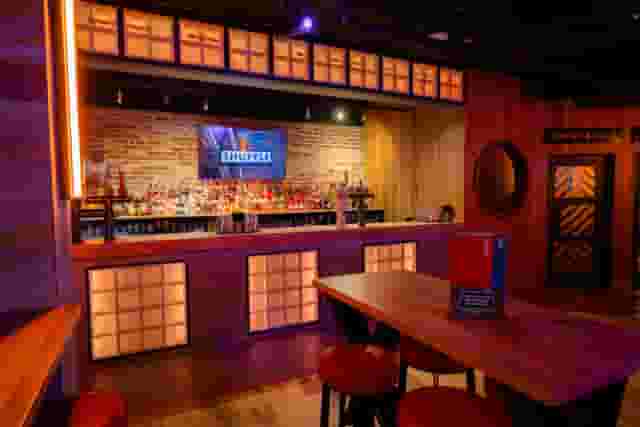
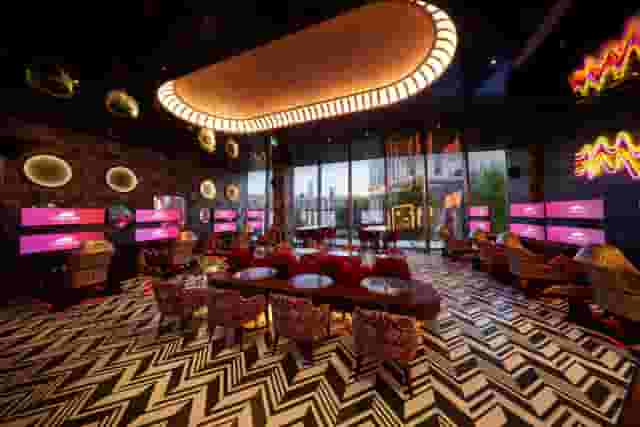
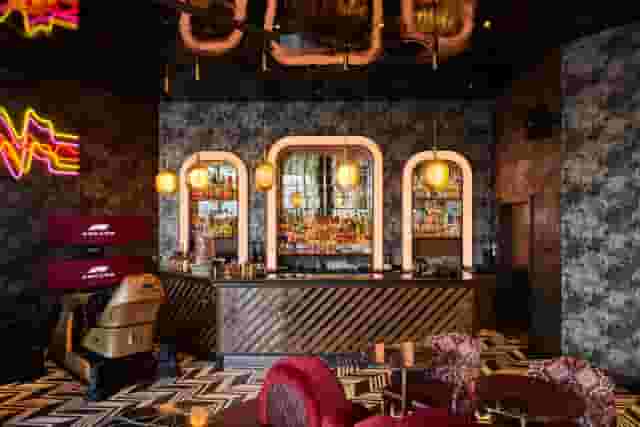
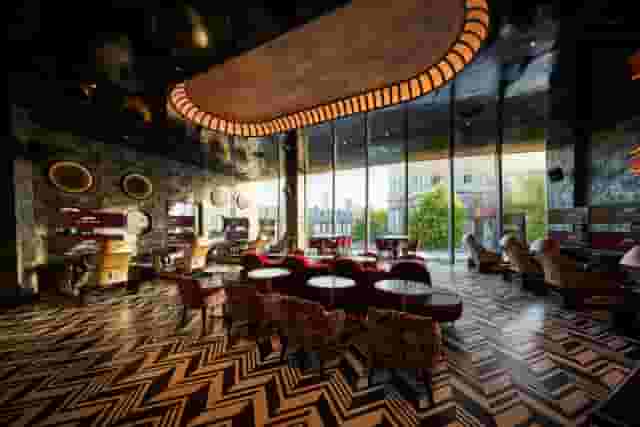
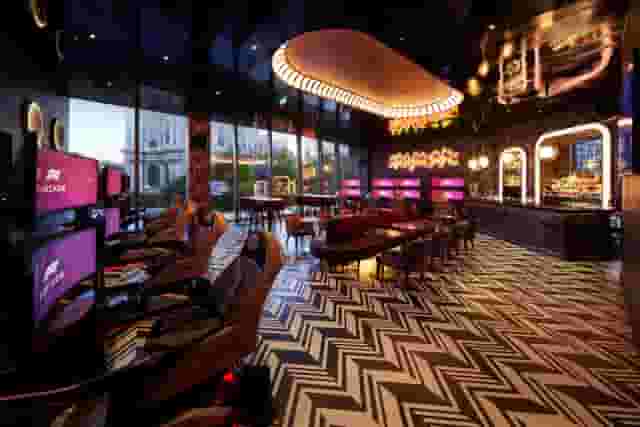
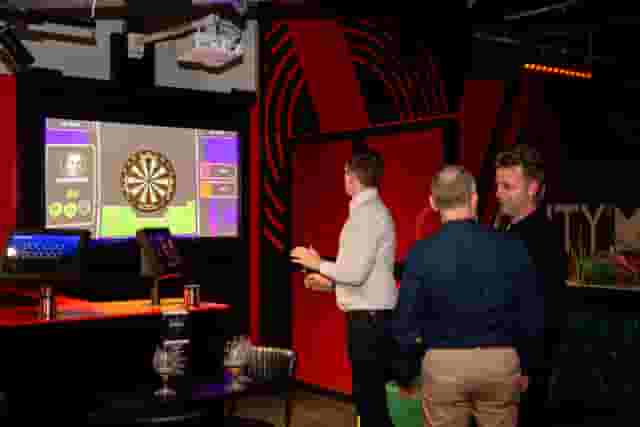
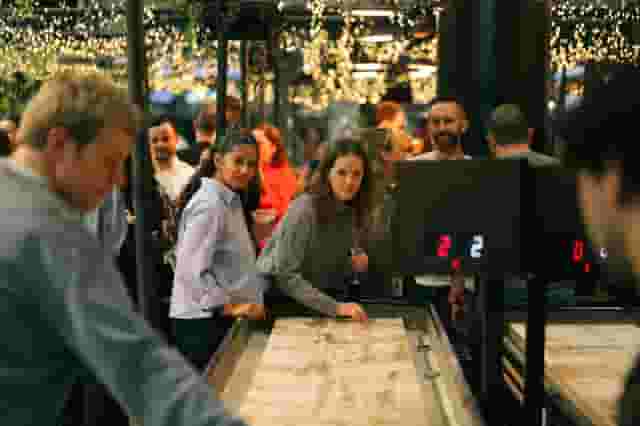
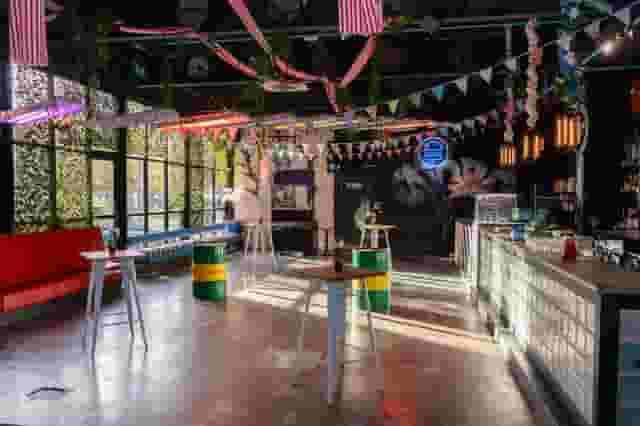
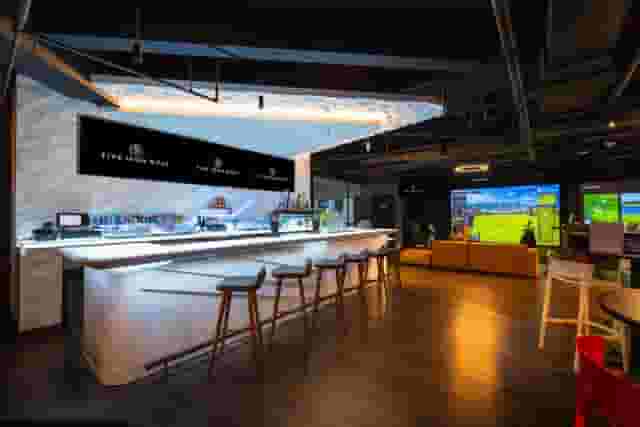
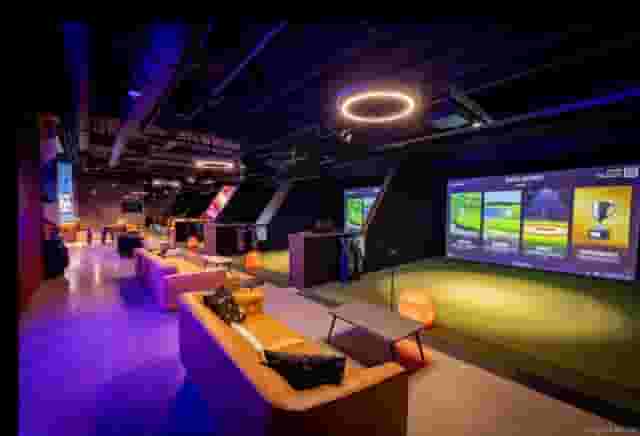
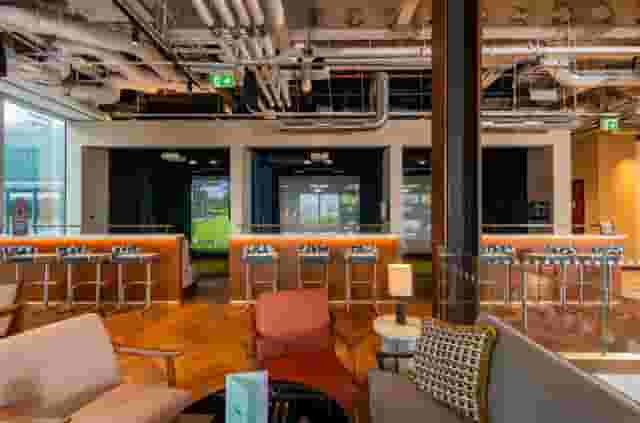
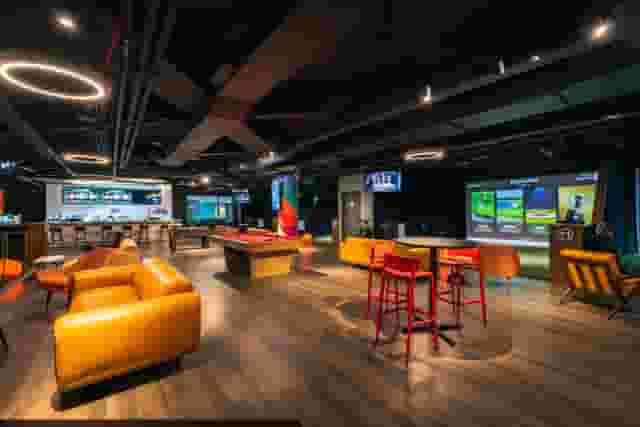
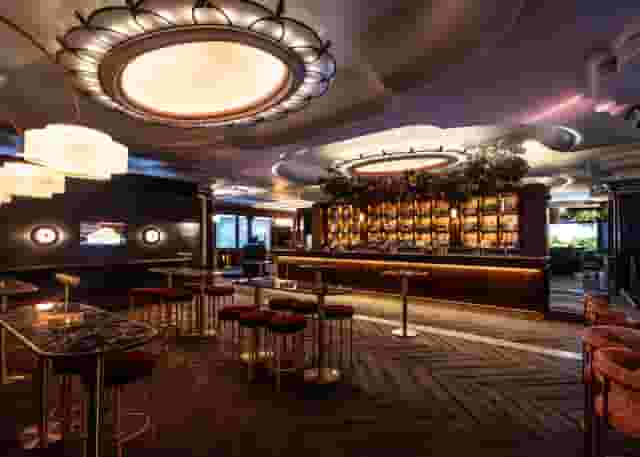
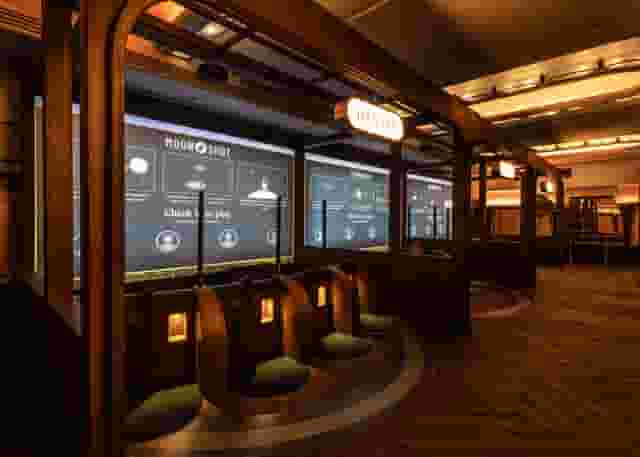
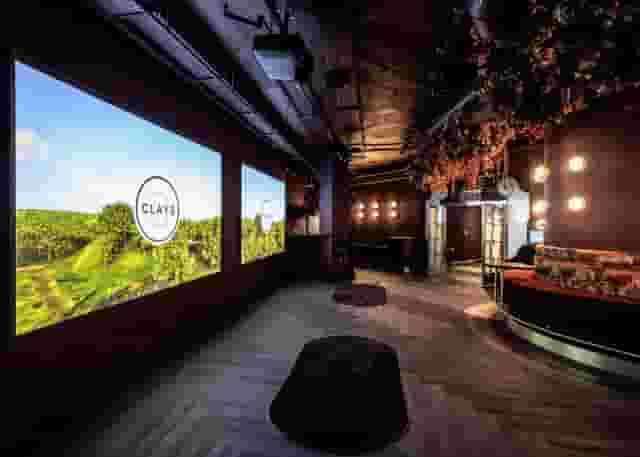
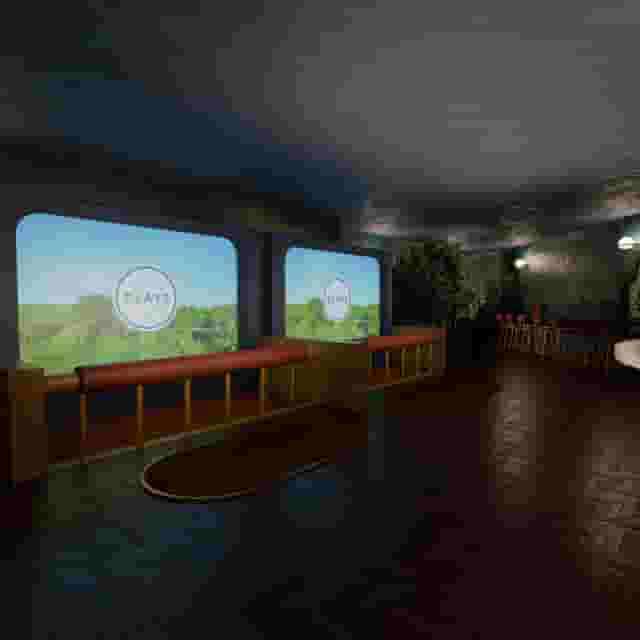
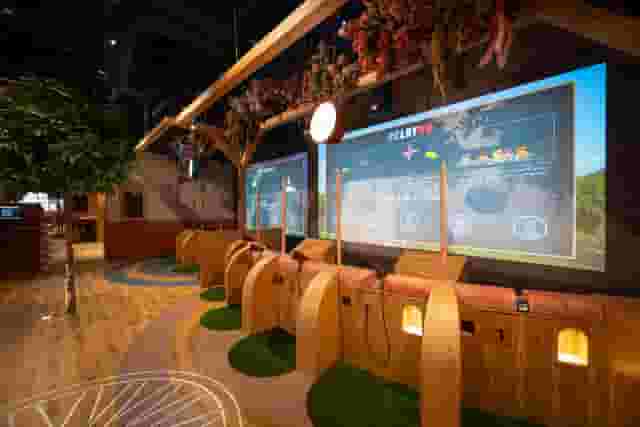
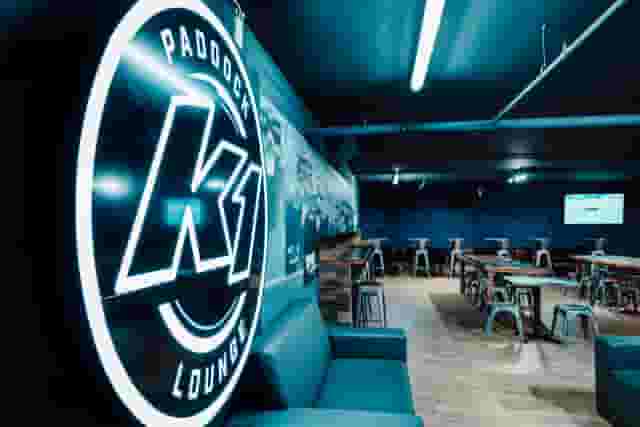
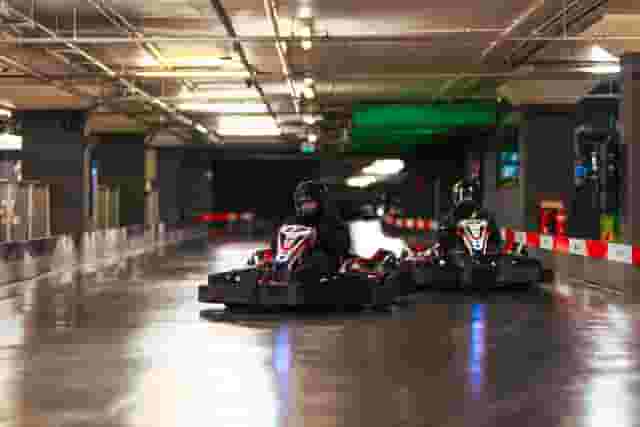
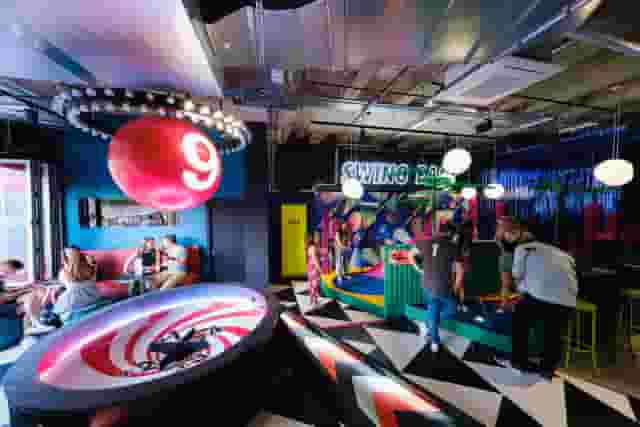
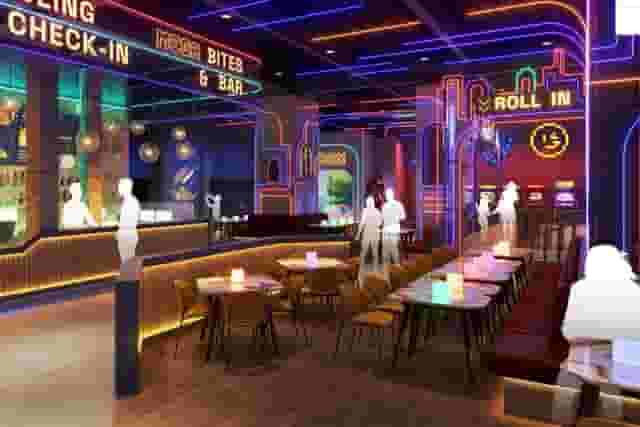
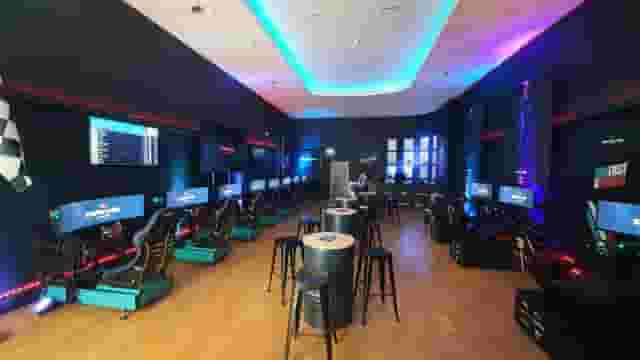
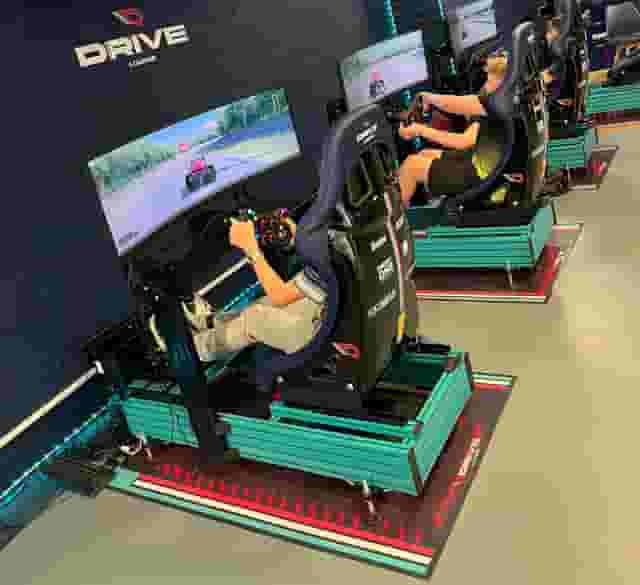
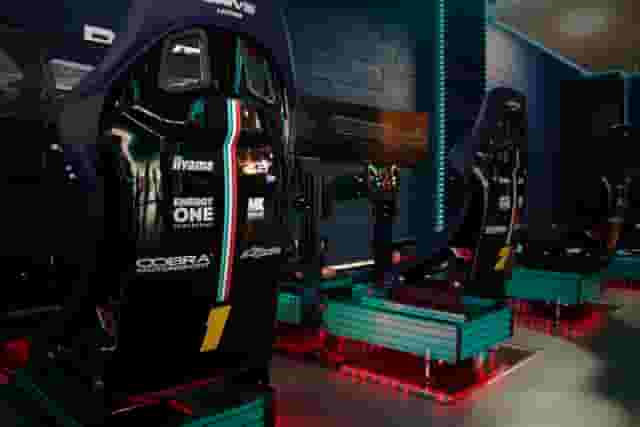
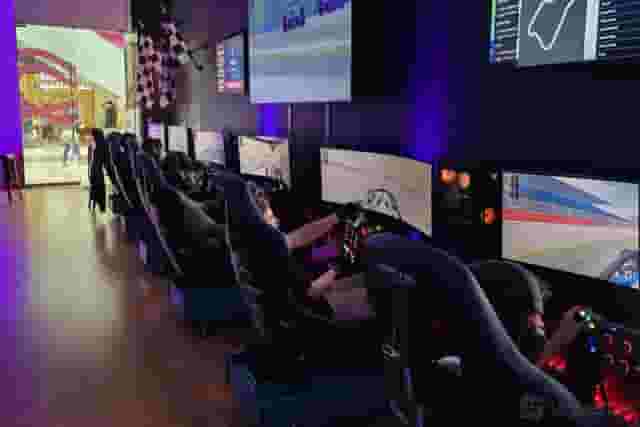
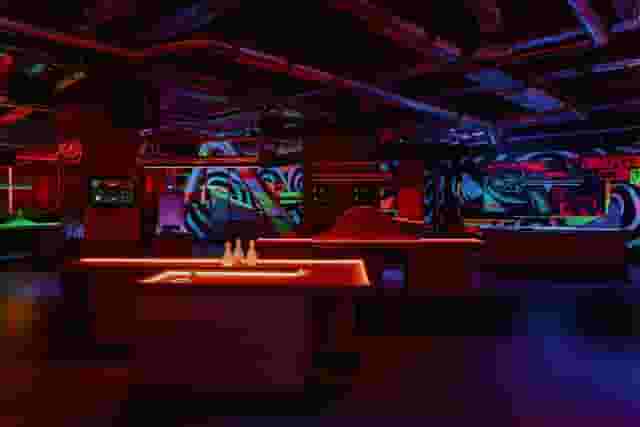
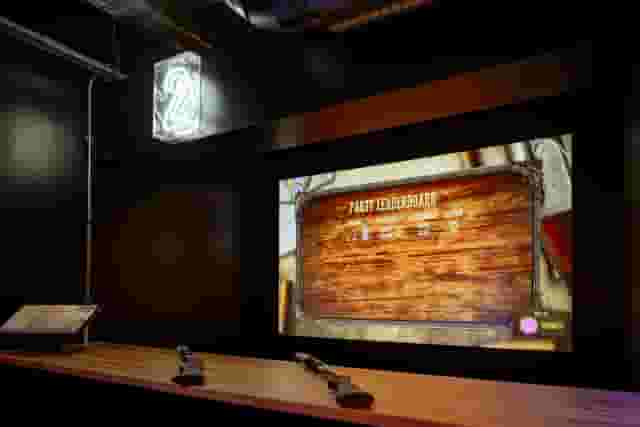
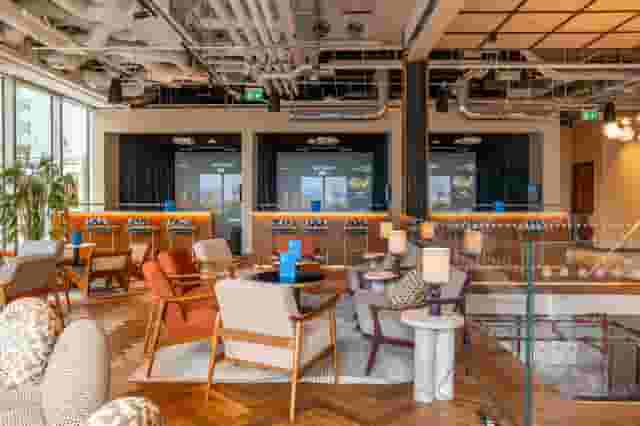
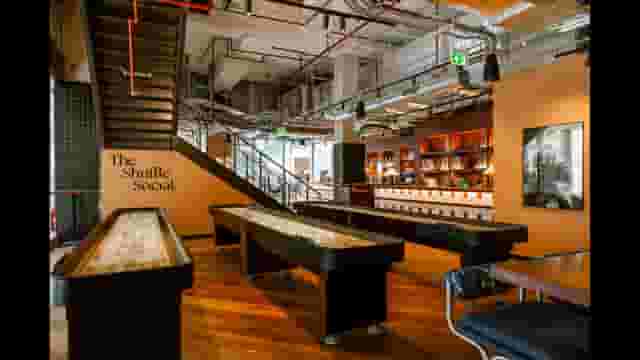
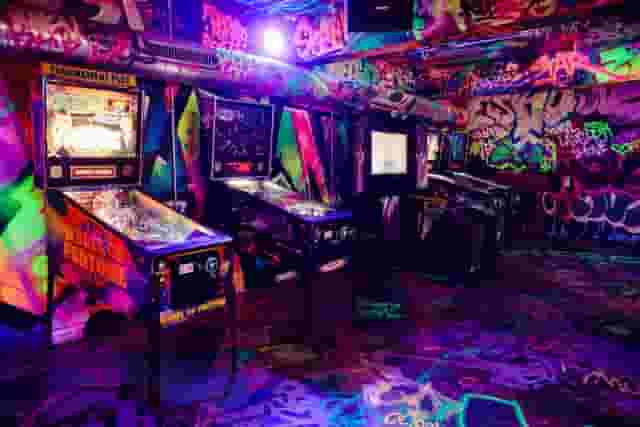
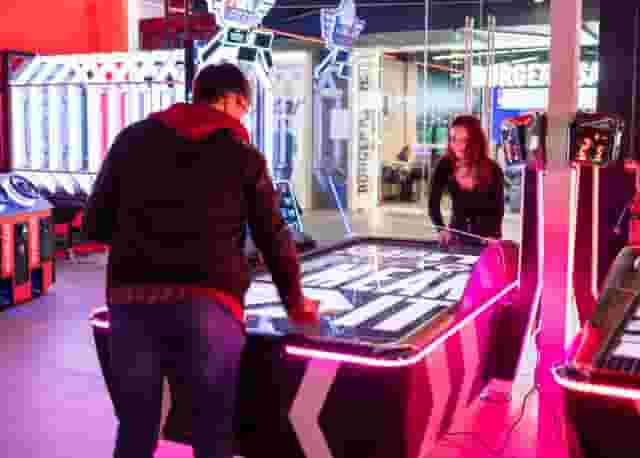
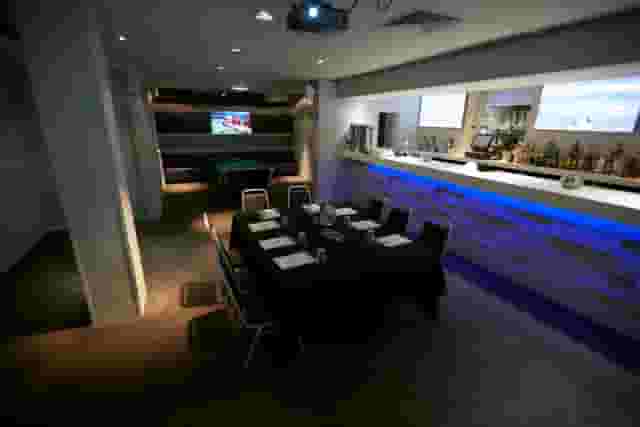
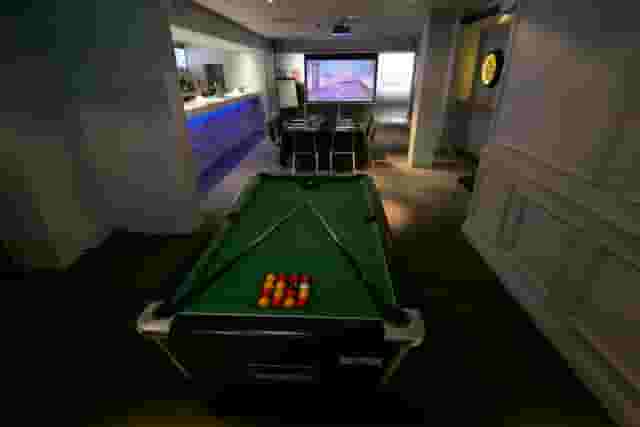
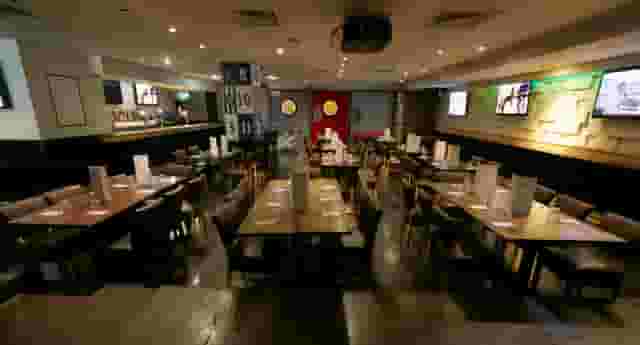
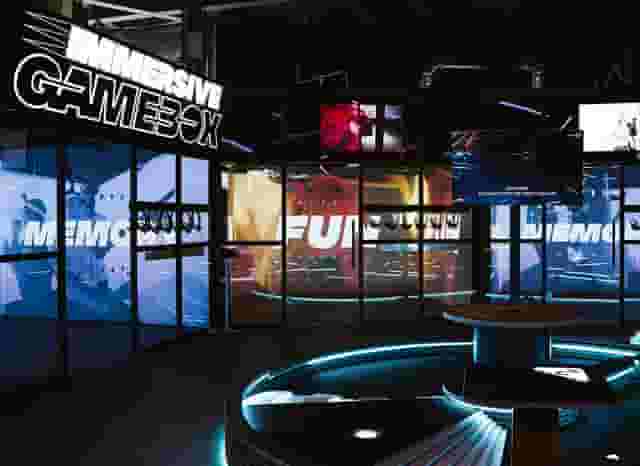
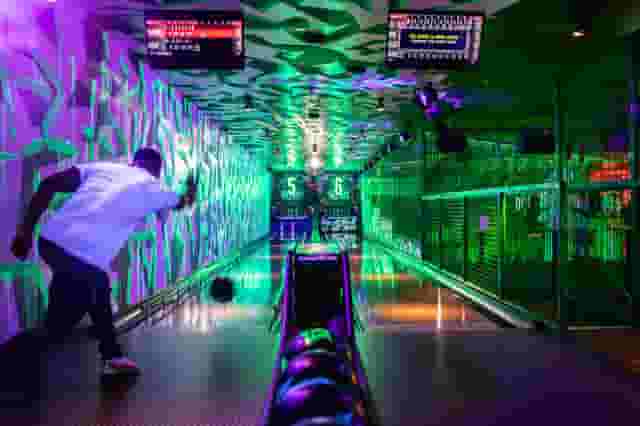
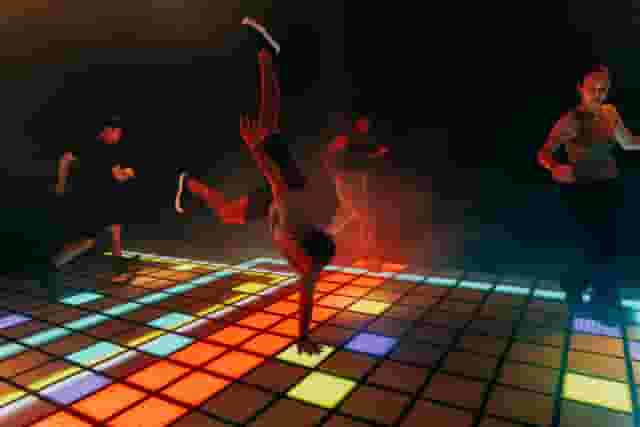
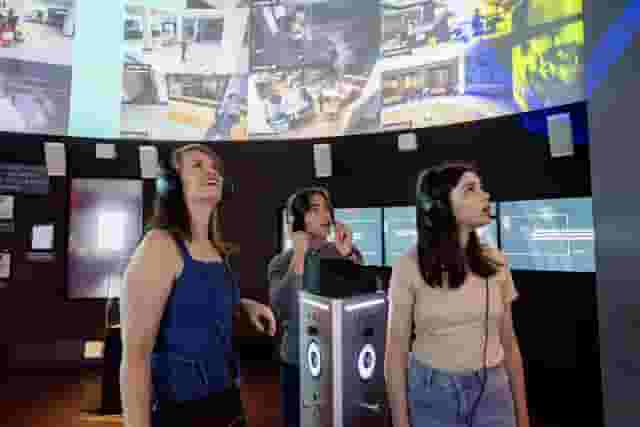
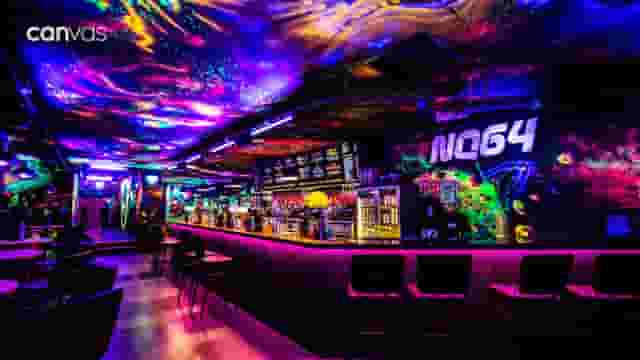
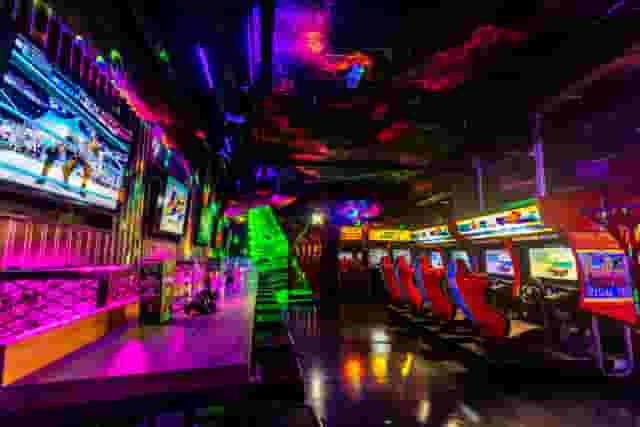
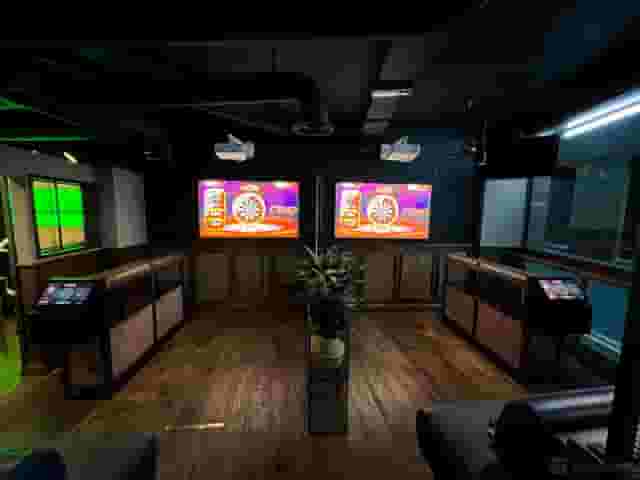
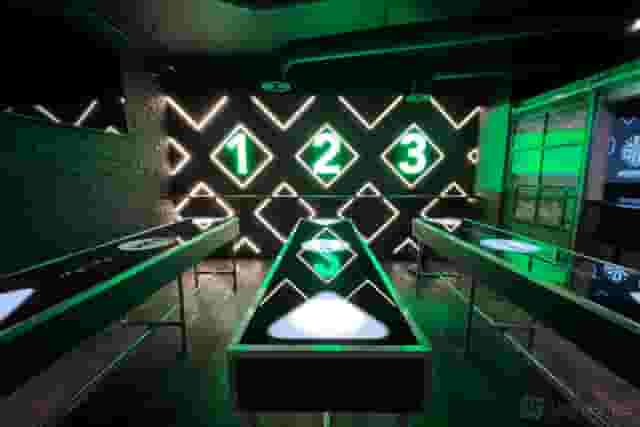
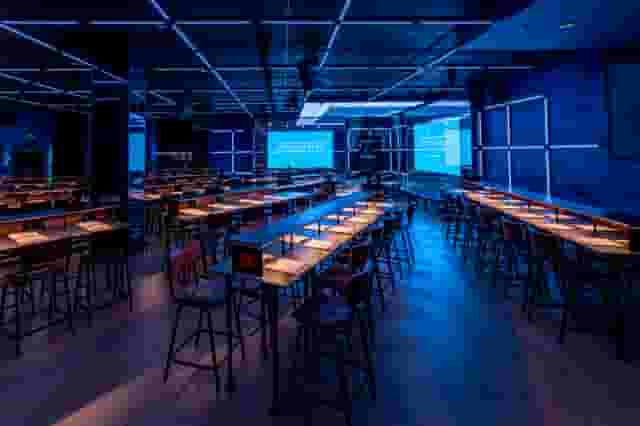
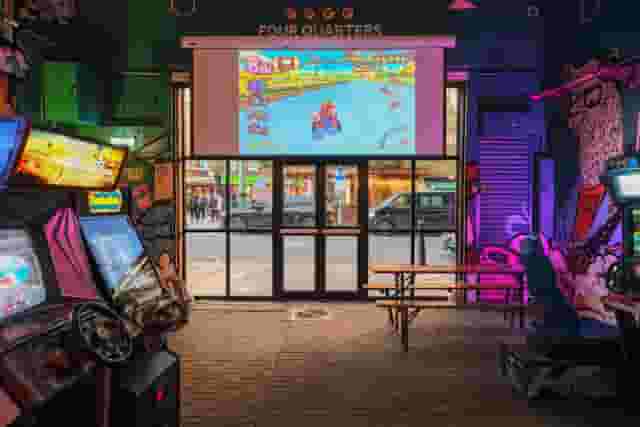
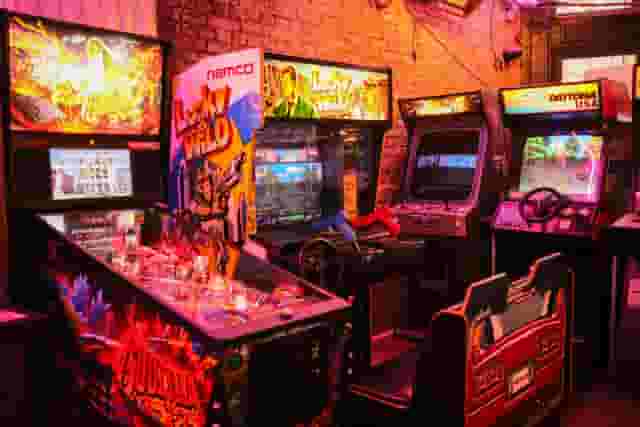
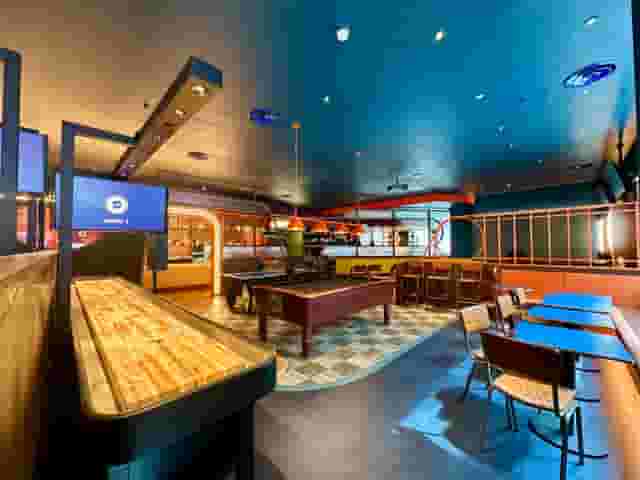
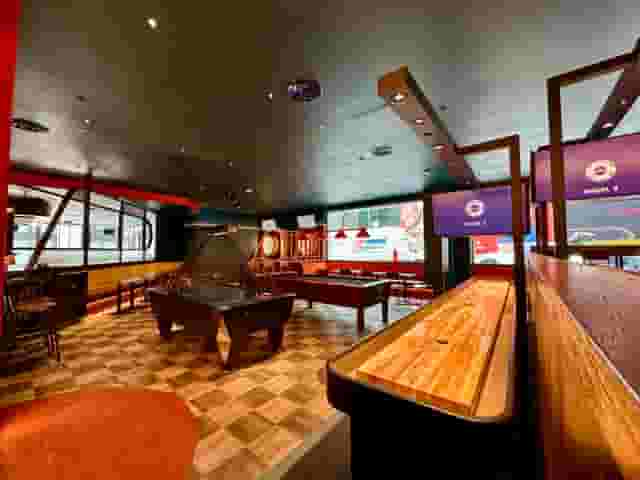
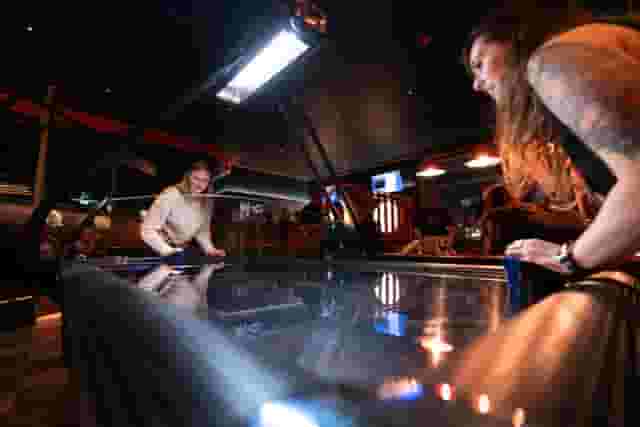
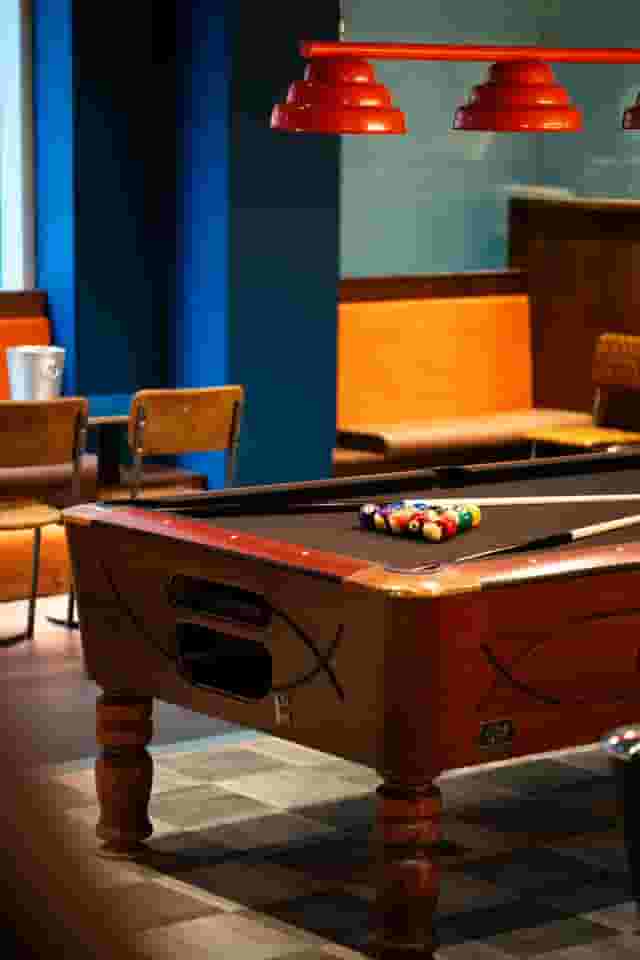
Activity venues eliminate the awkward dead time between the end of a workshop and the evening dinner. Instead of herding thirty people across London in the rain to a separate pub, you switch zones inside the same venue. In the City, F1 Arcade St Pauls offers The Briefing Room, a private event space holding 90 people standing with full motion racing simulators, dedicated bar service and lounge seating. Teams can handle business presentations in the morning using the screen setup, then run competitive team tournaments in the afternoon.
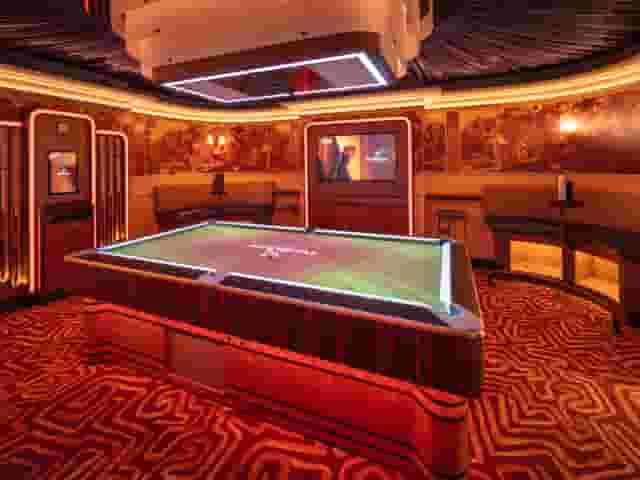
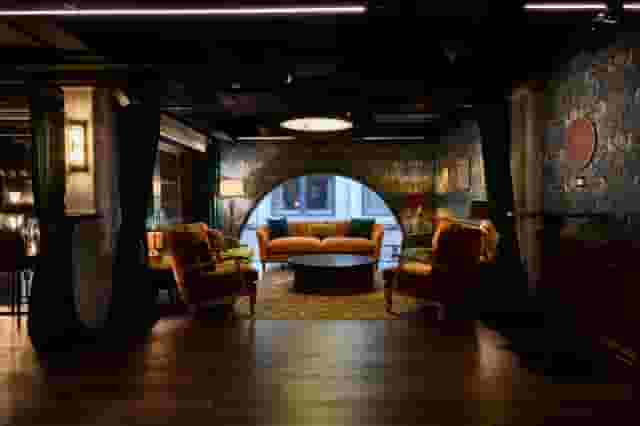
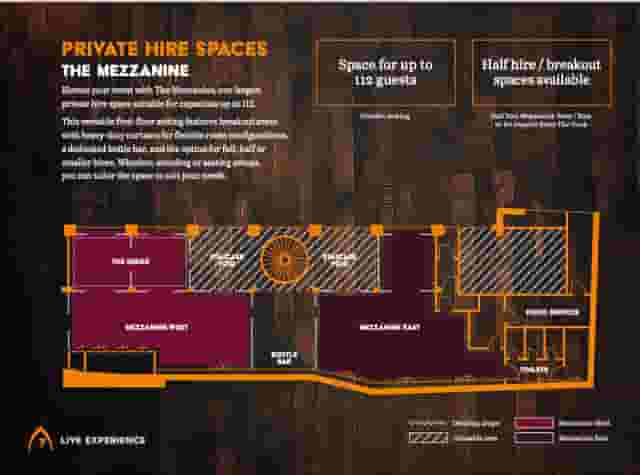
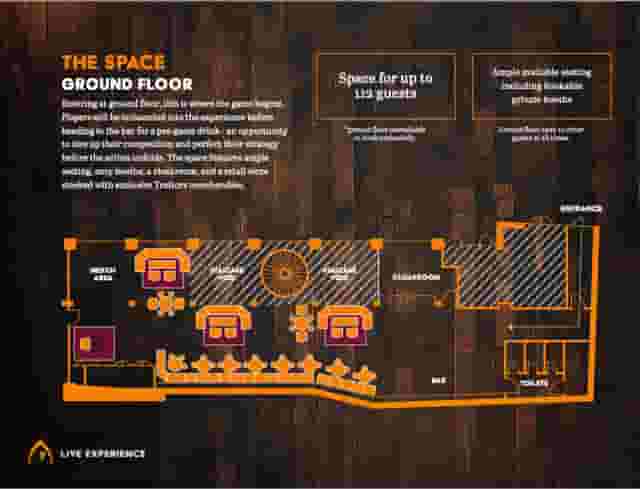
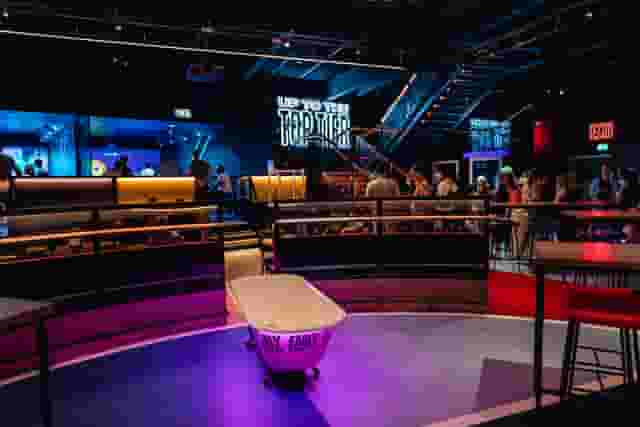
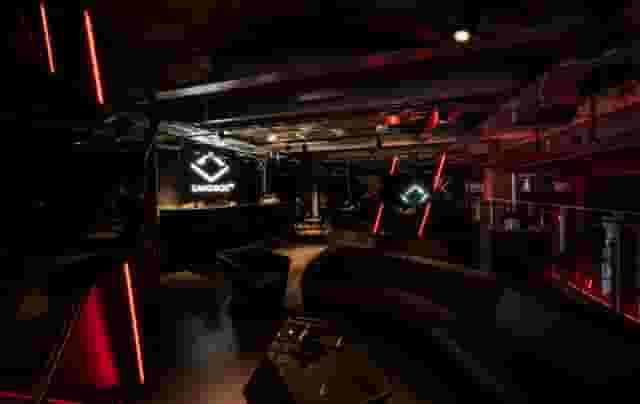
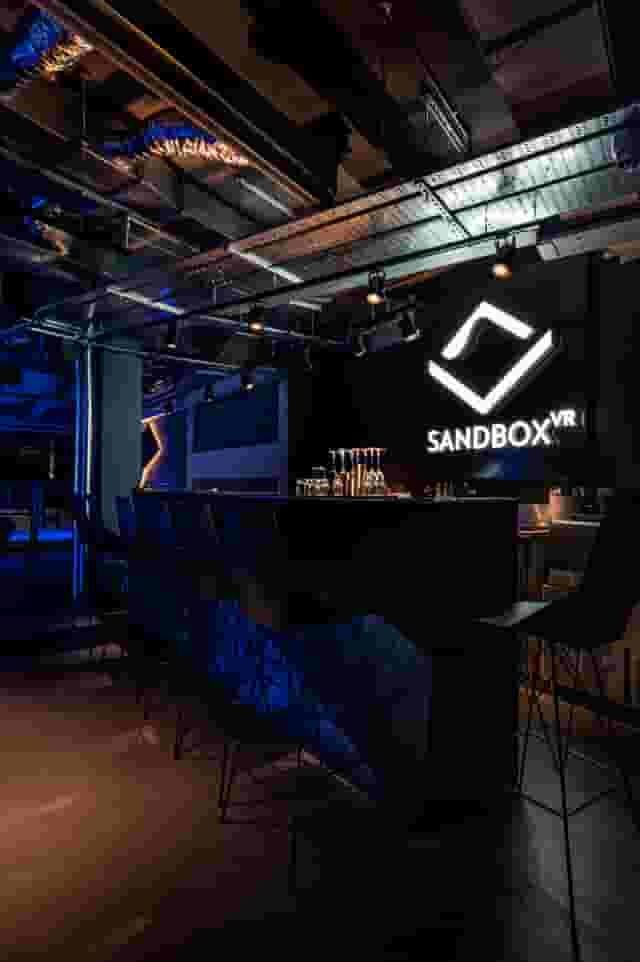
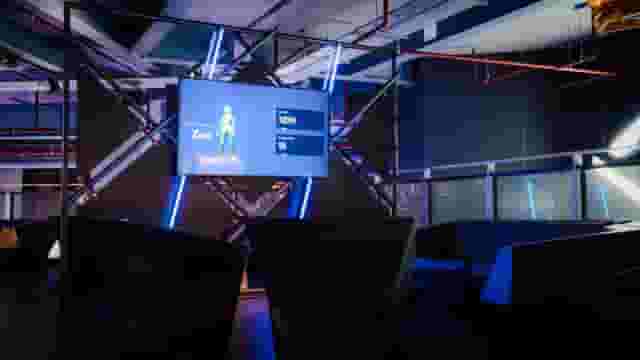
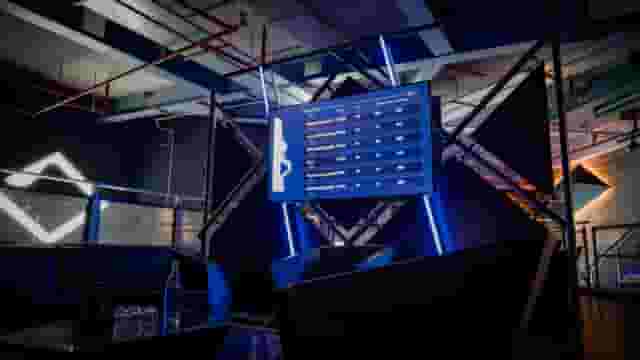
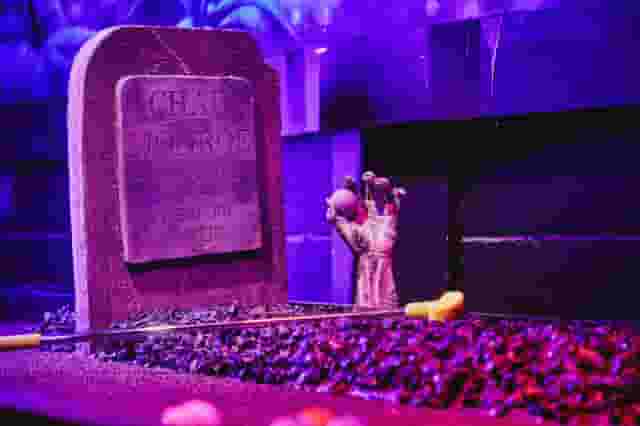
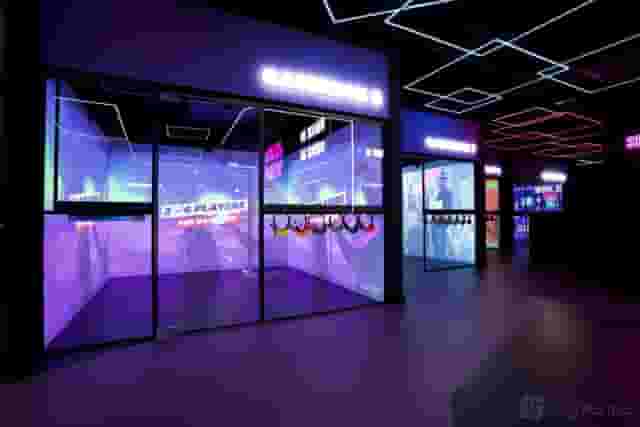
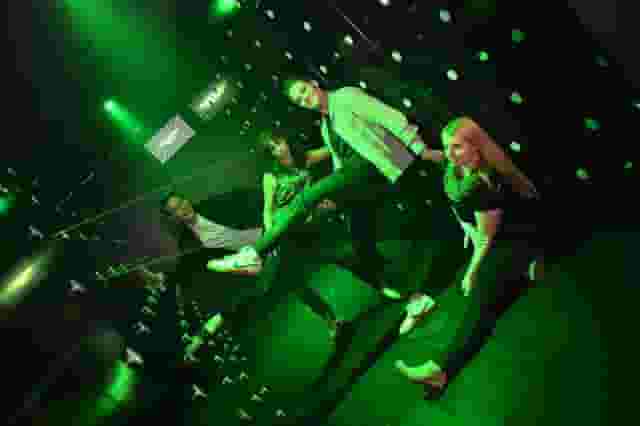
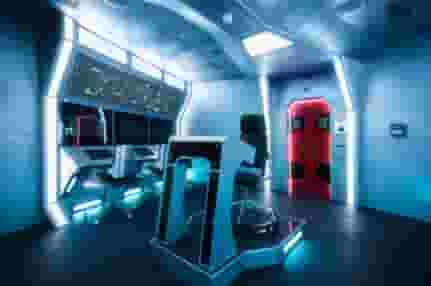
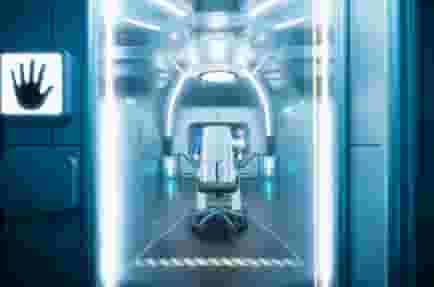
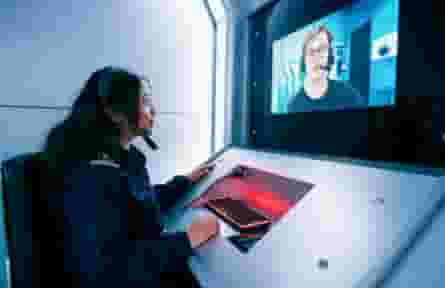
For creative agencies or tech teams looking for modern group dynamics, Sandbox VR London in Covent Garden provides a mezzanine presentation and meeting space holding 80 people standing, letting you mix business reviews with virtual reality team missions. Just round the corner, The Traitors Live Experience offers a half venue hire option with buffet capacity for 56 people, placing groups inside an immersive game format based on deduction and strategy.
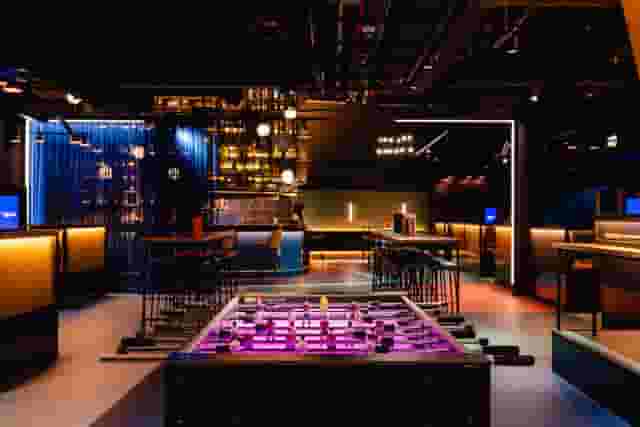
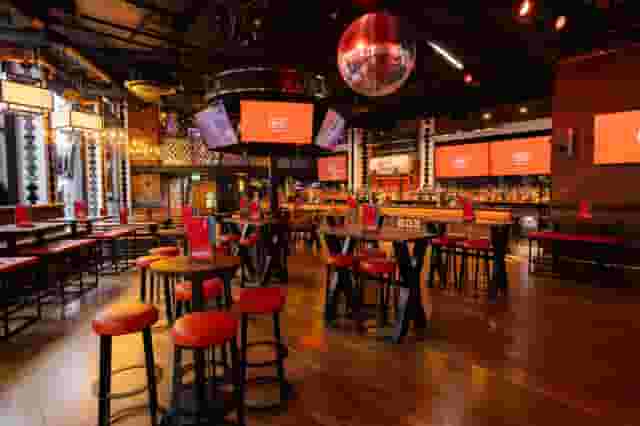
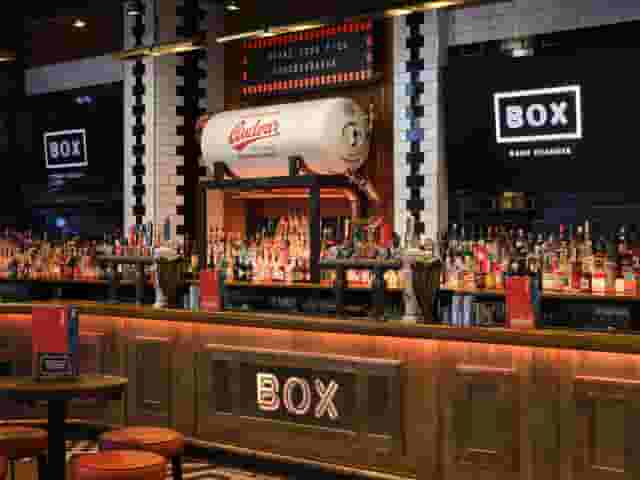
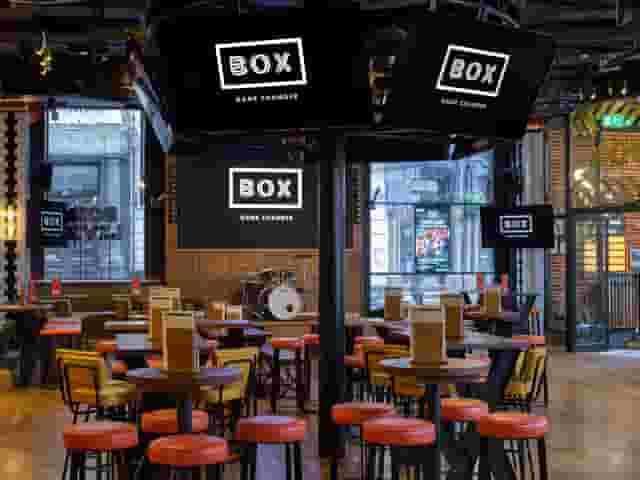
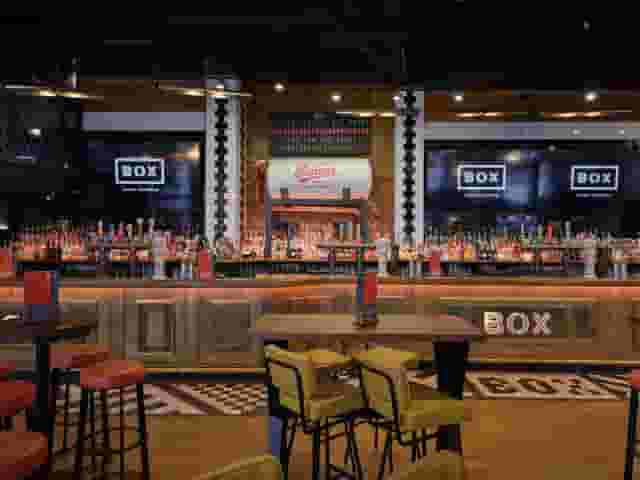
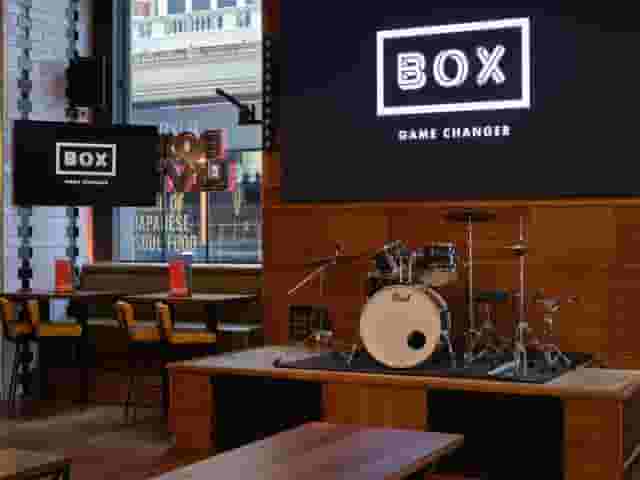
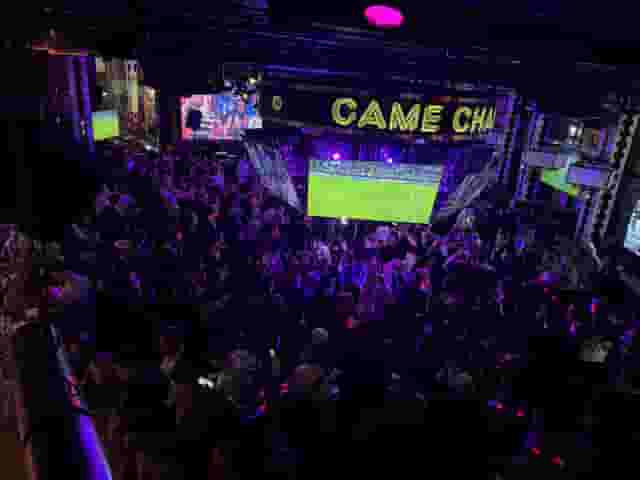
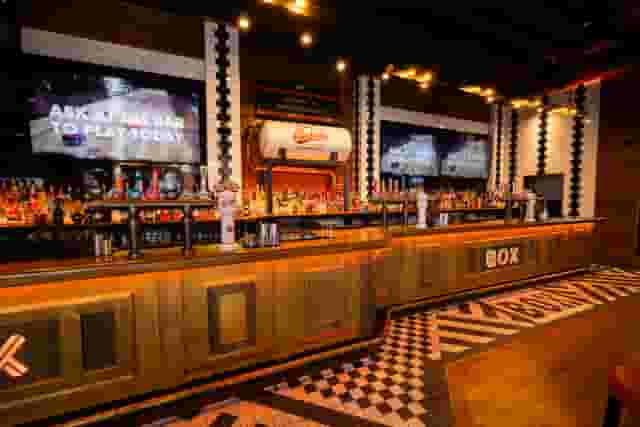
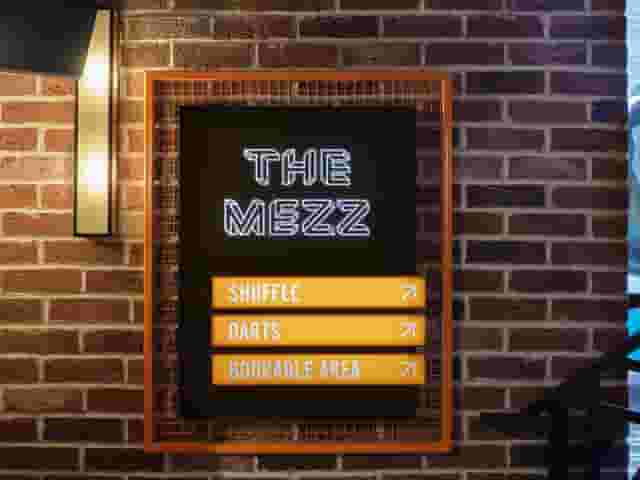
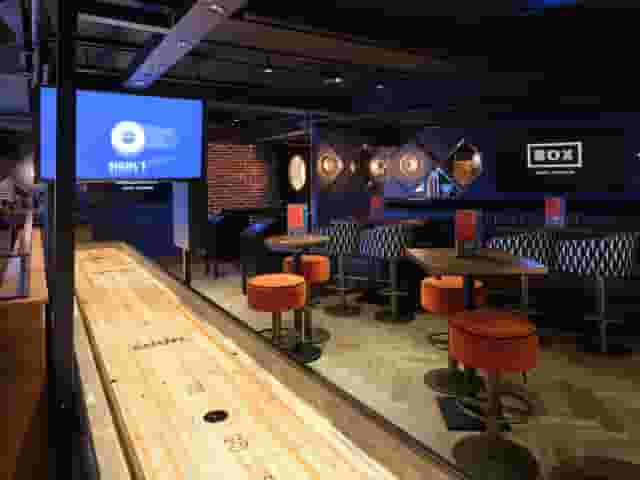
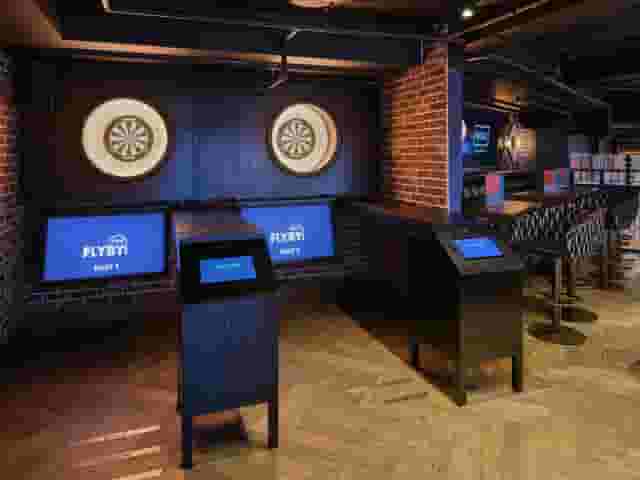
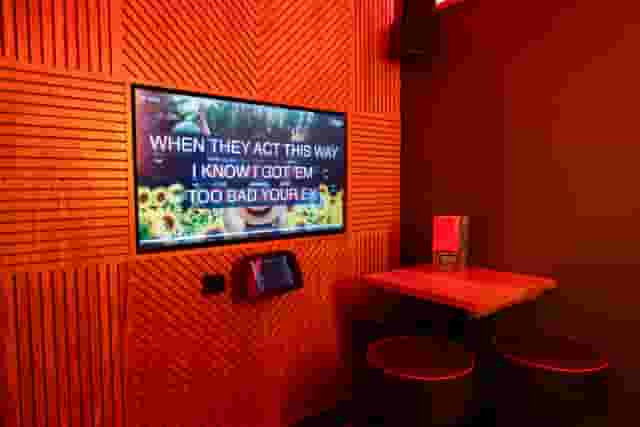
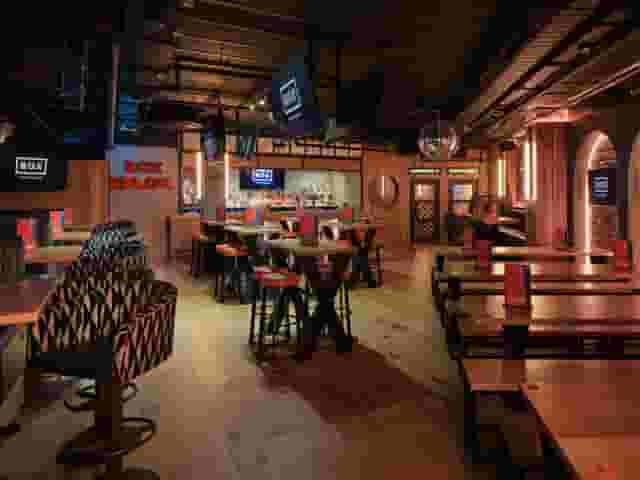
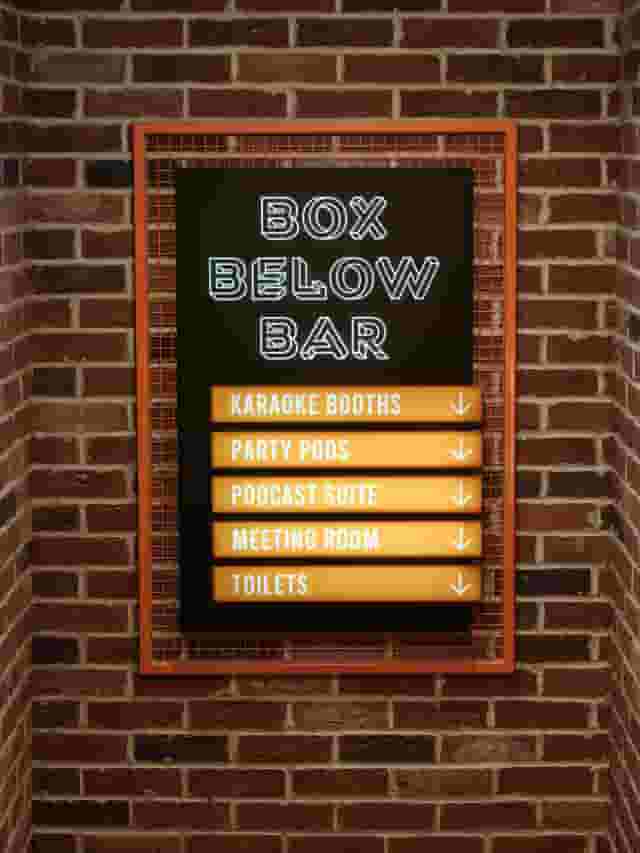
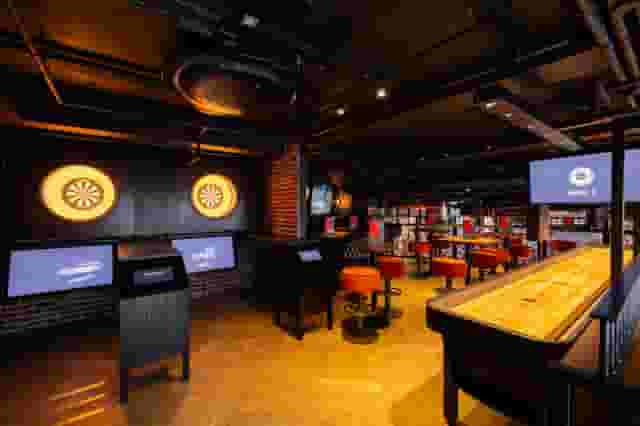
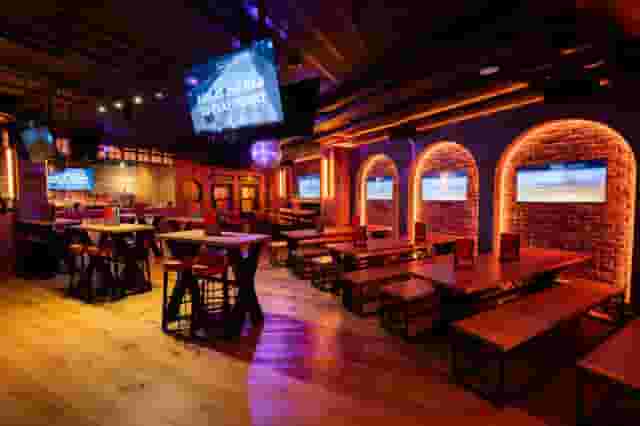
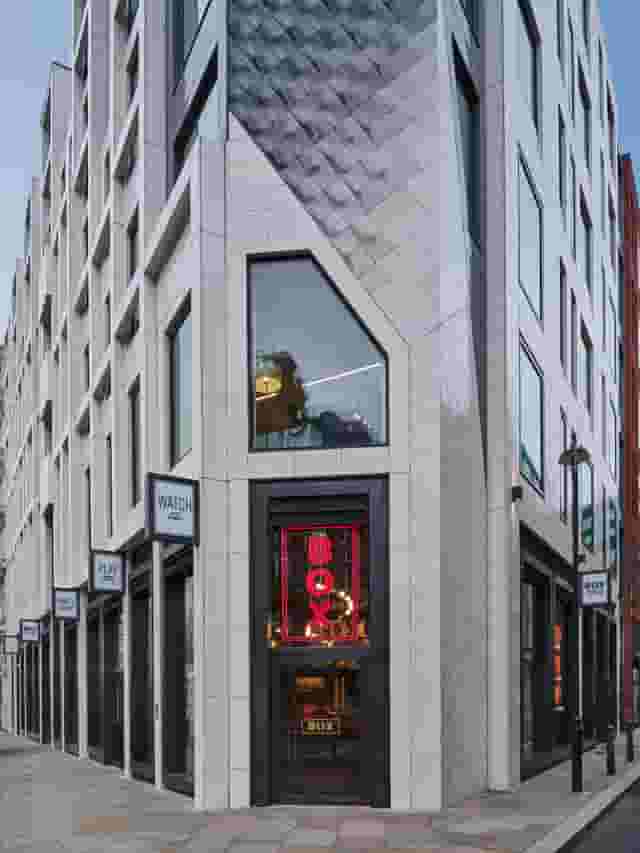
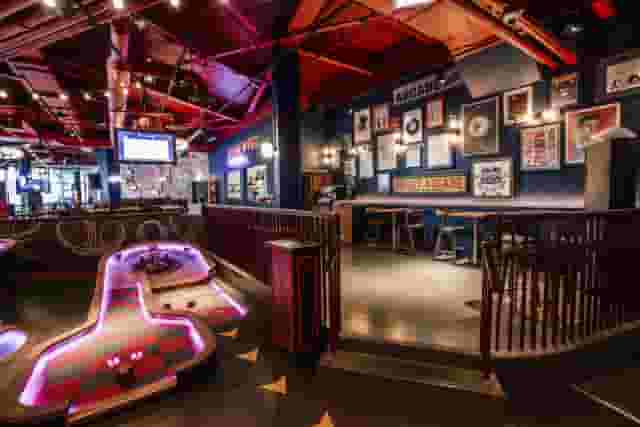
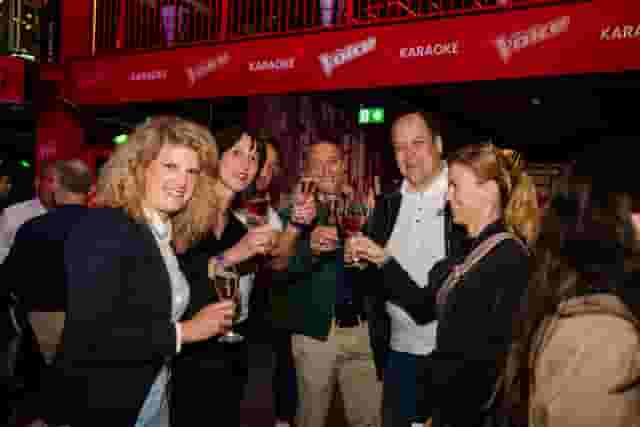
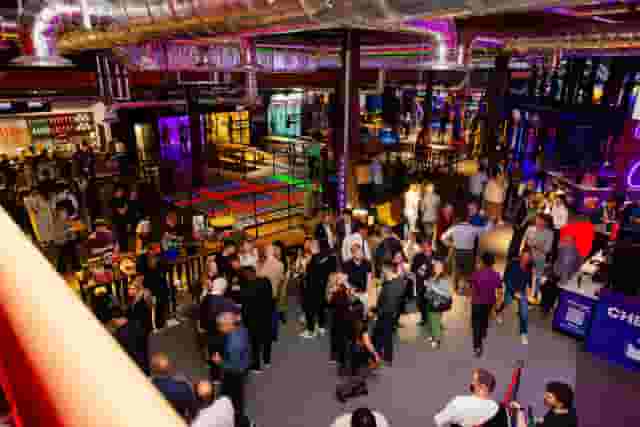
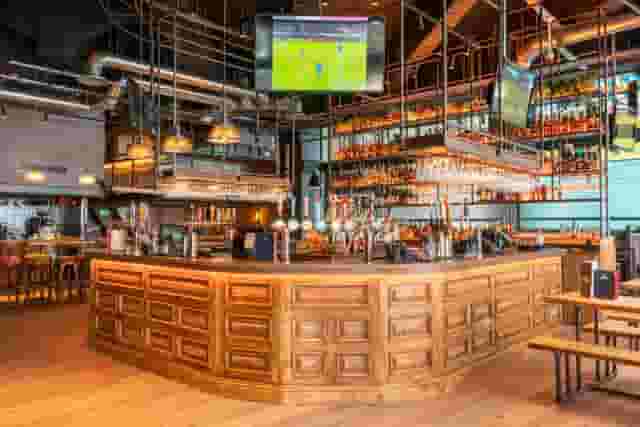
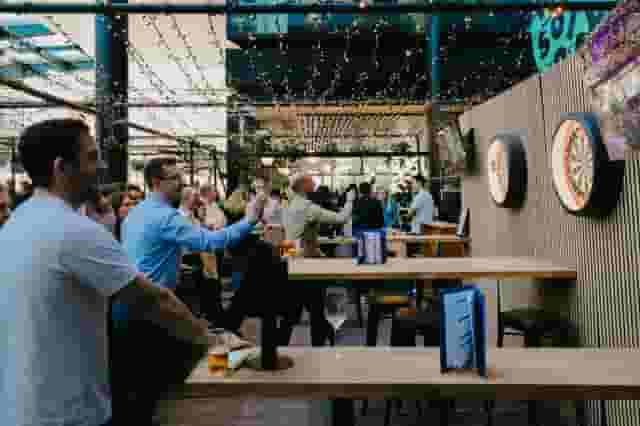
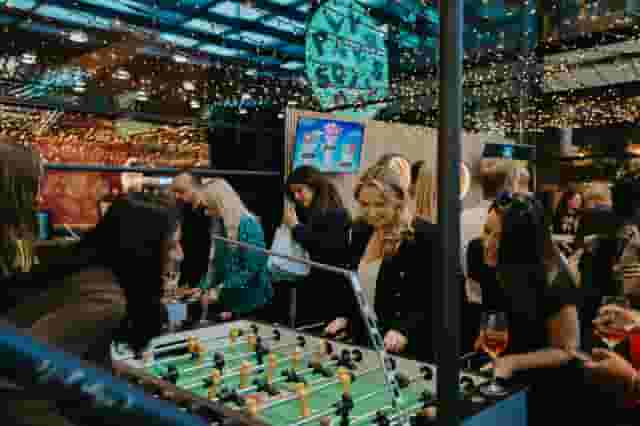
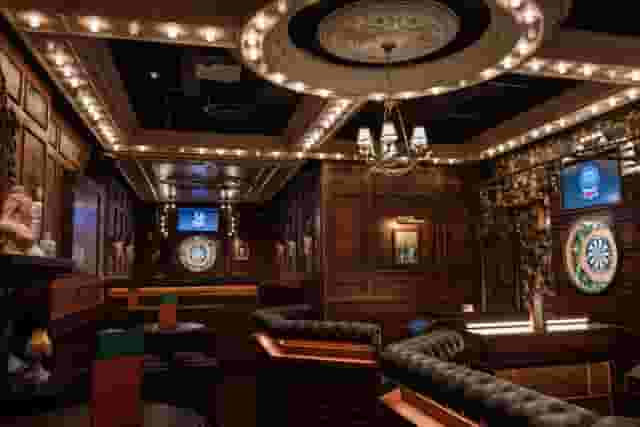
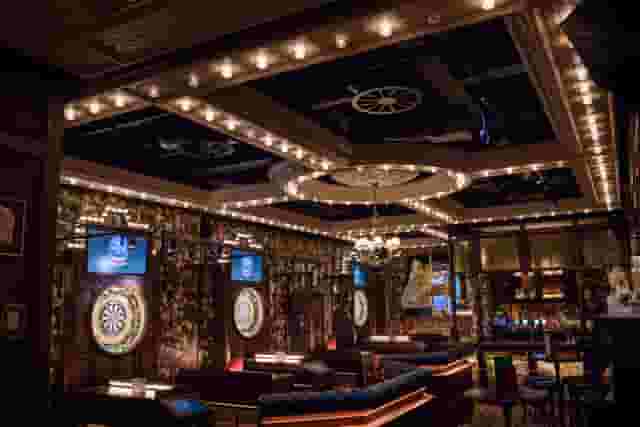
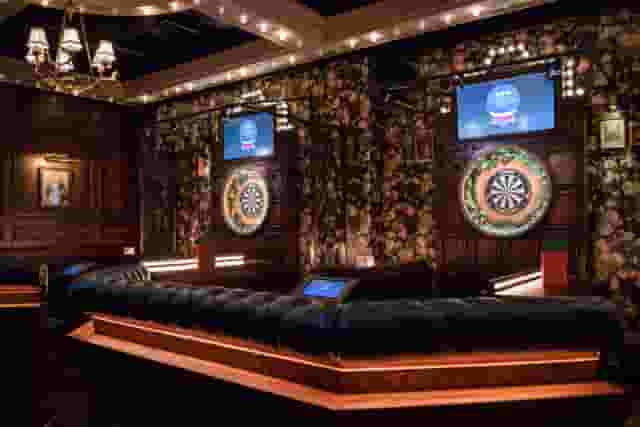
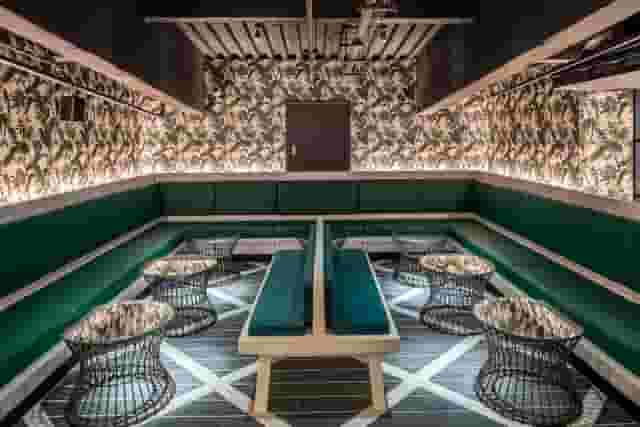
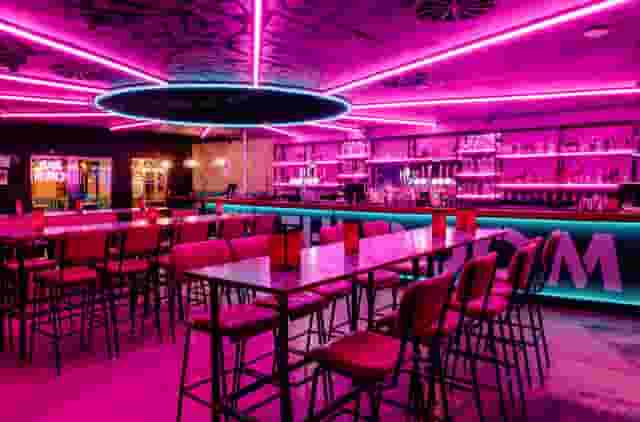
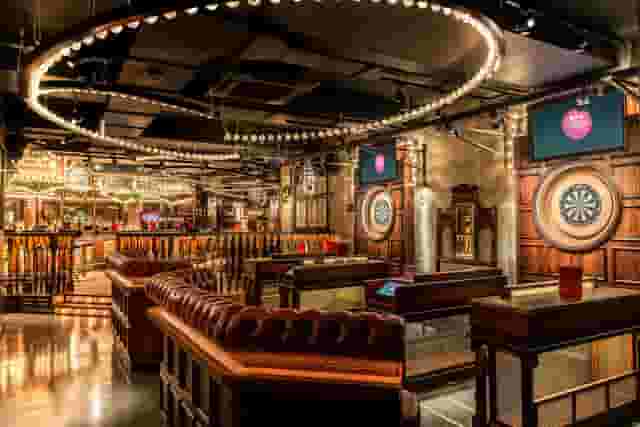
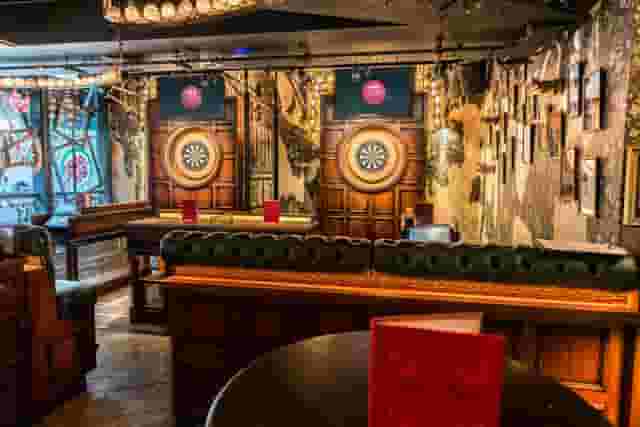
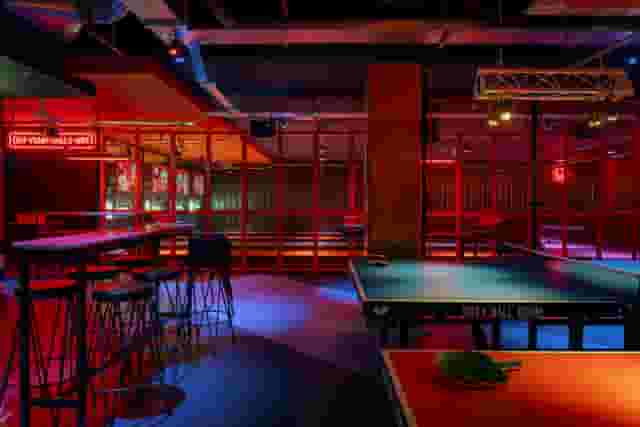
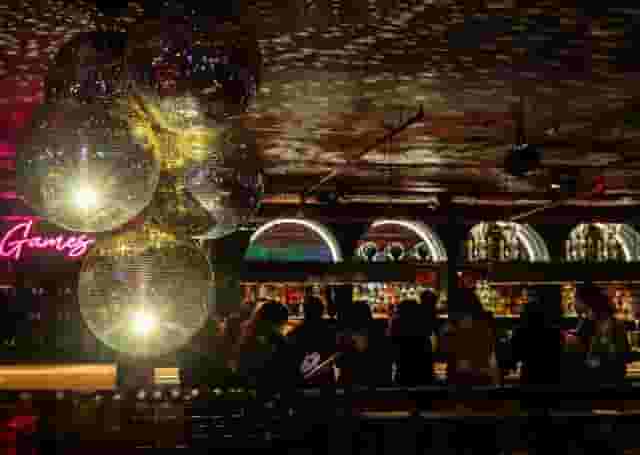
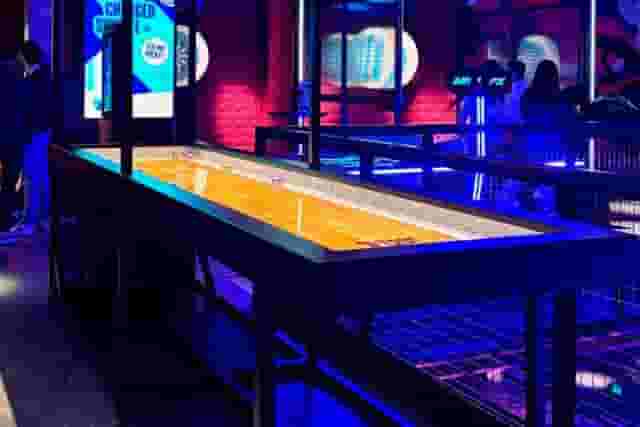
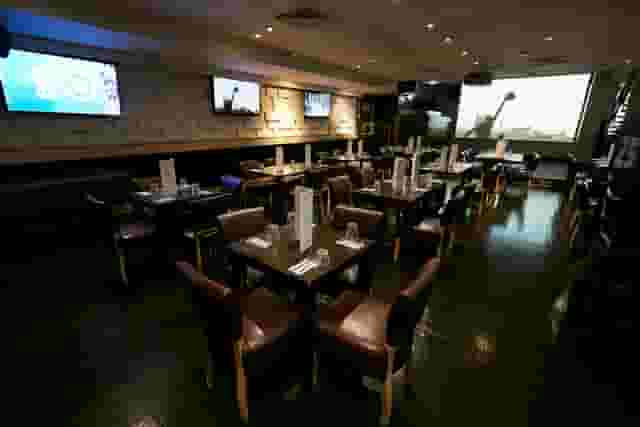
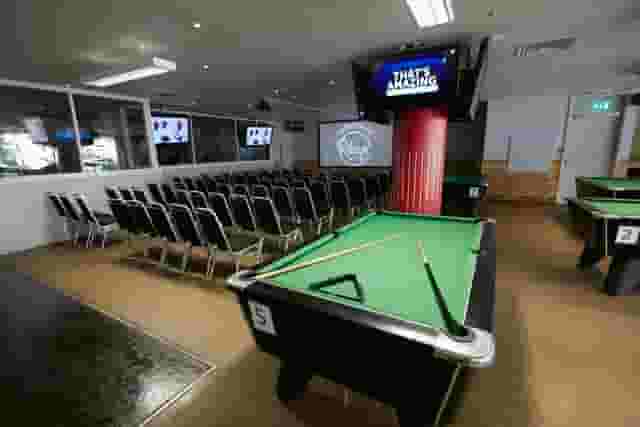
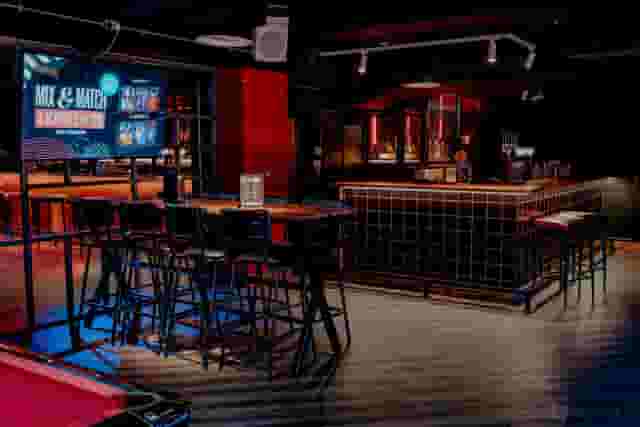
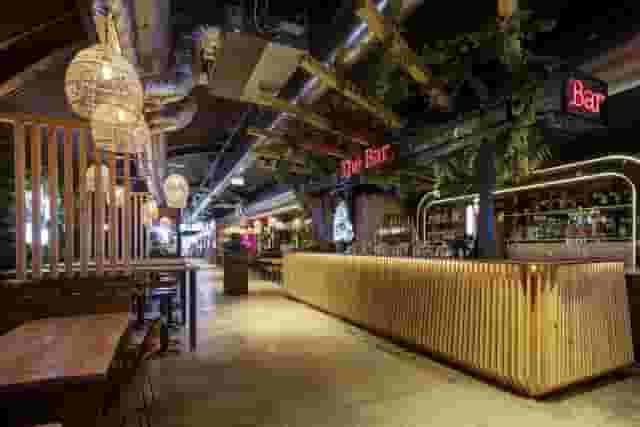
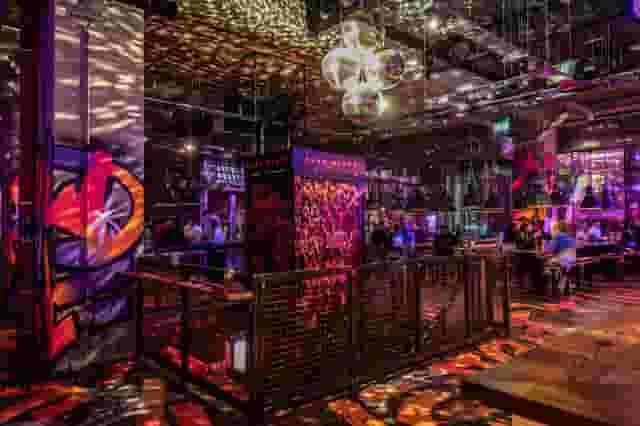
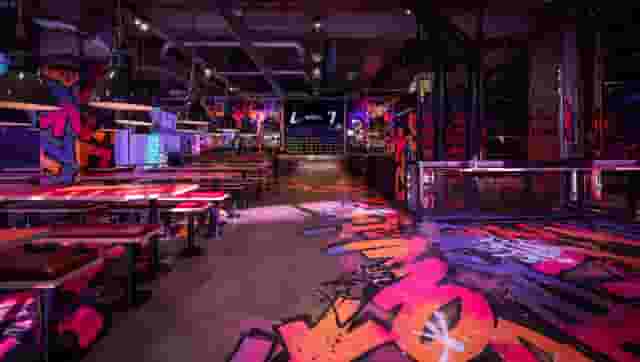
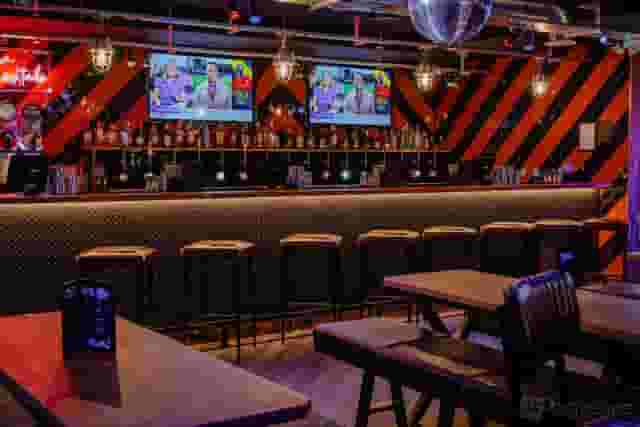
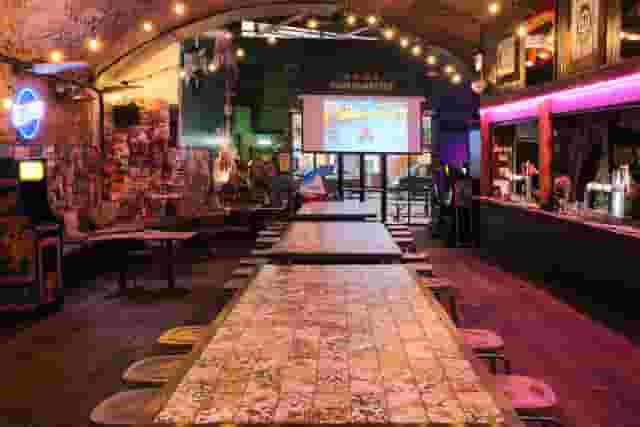
If your team leans towards informal sports and nightlife, BOX Piccadilly in Soho accommodates up to 550 people standing across a multi-floor sports bar with private rooms, karaoke and live music facilities. In the Square Mile, Lucky Voice Liverpool Street holds 200 guests standing across the whole venue, featuring an HD projector for business presentations alongside private pods and a full bar for the evening social.
| Venue type | Best suited for | Core advantages | Watch out for |
|---|---|---|---|
| Business hotels | Executive boards, strategic planning, national teams | High-spec AV, soundproofing, natural daylight, accommodation on site | Food and beverage minimums, corporate atmosphere |
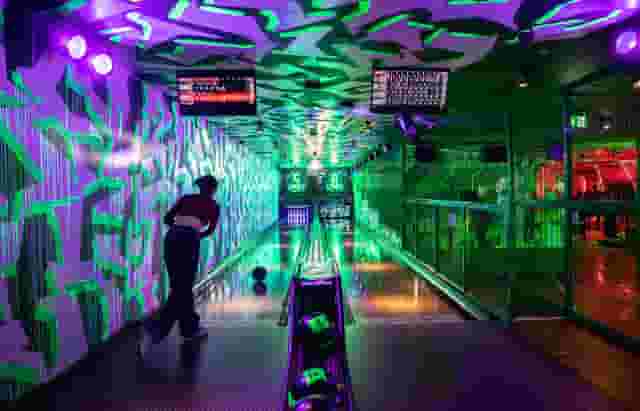
| Dedicated simulation venues | Competitive teams, engineering, sales kick-offs | High engagement, social hosts included, zero travel between work and play | Background music bleed, lower suitability for confidential talks |
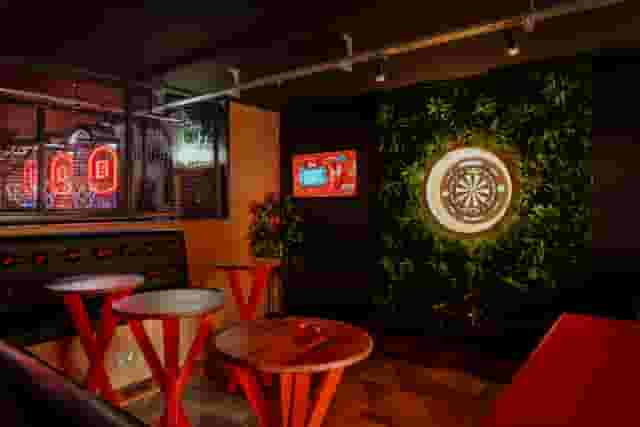
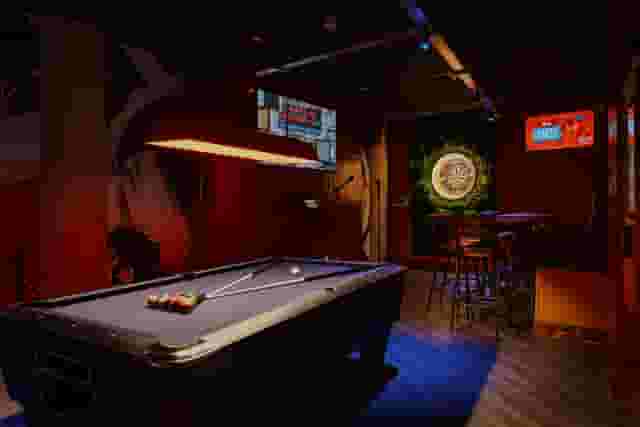
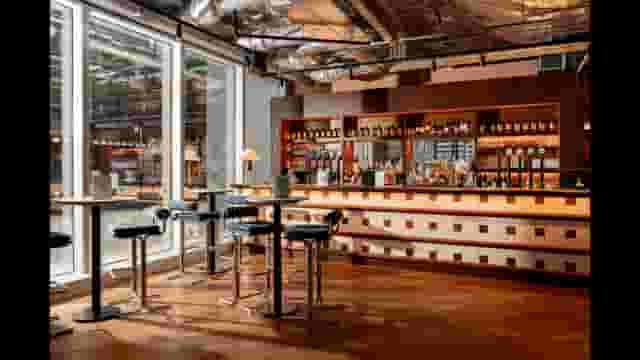
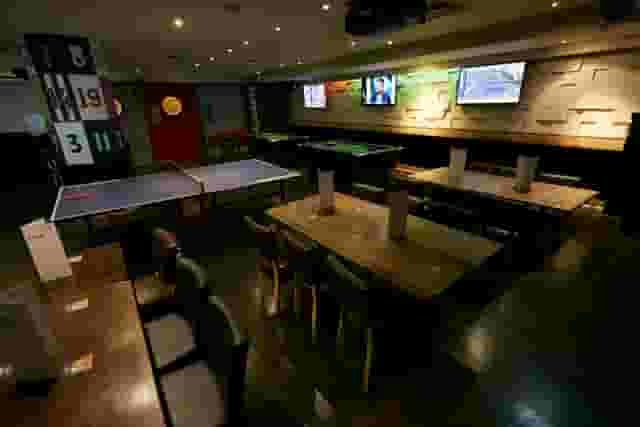
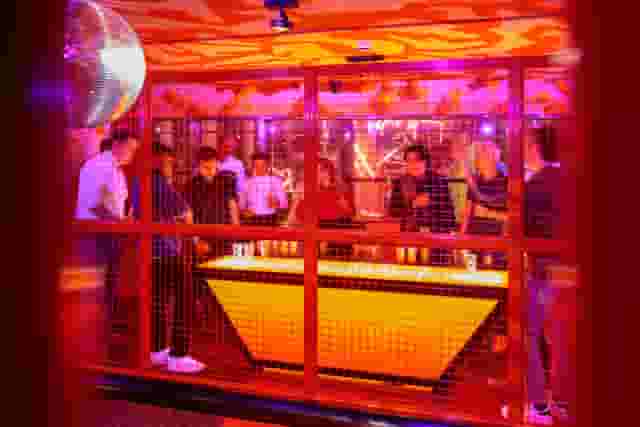
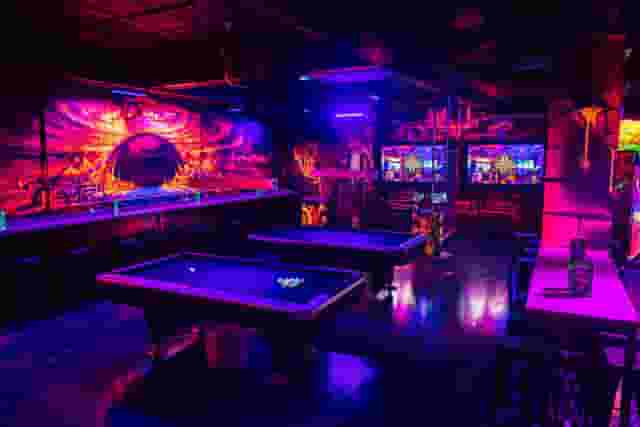
| Private games bars | Department socials, cross-functional mixing | Relaxed atmosphere, combined dining and activities | Limited formal seating for long whiteboard workshops |
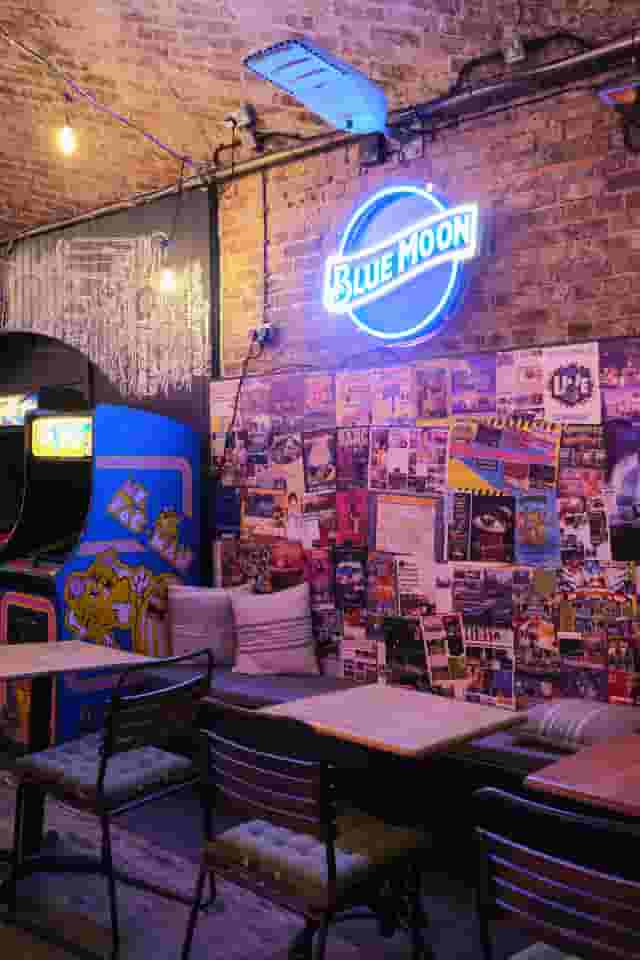
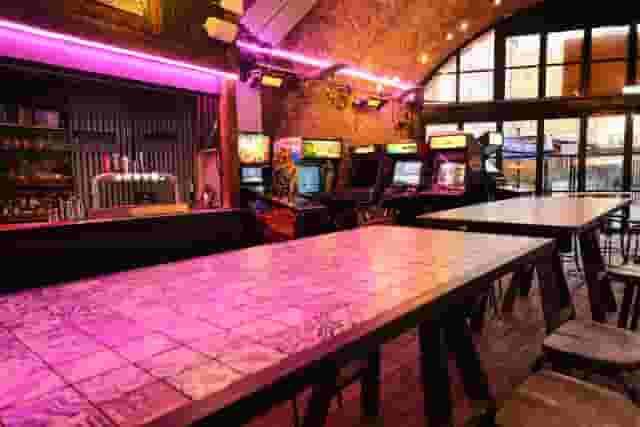
When selecting an activity venue, verify noise separation. A venue might promise a private room for your morning business session, but if bass from the arcade floor vibrates through the partition wall while your chief executive presents the quarterly figures, the session fails. Always visit at the time of day your meeting will take place.
The true cost of a Central London away day
Budgeting for an away day requires looking past the headline room hire rate. In Central London, costs are typically quoted in one of three ways: a Day Delegate Rate (DDR), a venue room hire fee plus catering, or a minimum spend on food and beverage.
Based on 5 quotes from the venues on this page, an away day in Central London typically costs £95 to £190 per head. This figure assumes about 30 guests, which represents a standard department or leadership group.
Understanding where your booking sits along that £95 to £190 per head spectrum comes down to three factors: the venue format, the catering style and the technology requirements. If you want to test where your brief lands before reaching out to venues, venue booking platform Hire Space provides instant, data-backed price estimates based on real transaction data, backed by a team of real people who can recommend similar venues at lower rates if your preferred option exceeds budget.
At the lower end, closer to £95 per head, you are generally securing a straightforward DDR package in a standard meeting space, or an activity venue offering off-peak hire on a Monday or Tuesday. These packages usually include room hire from 09:00 to 17:00, arrival tea and coffee, a simple sandwich or deli lunch, afternoon biscuits, a screen, and Wi-Fi.
At the higher end, approaching £190 per head, you are paying for five-star hotel suites in areas like Mayfair or Covent Garden, exclusive private hire of prime spaces, three-course hot fork buffets or plated meals, dedicated audio visual technicians on standby, and evening add-ons such as hosted tournament sessions, cocktails and canapes.
| Budget element | What is standard | What incurs extra charges |
|---|---|---|
| Room access | 08:30 setup to 17:00 departure | Access before 08:00, evening extensions past 17:30 |
| Audio visual | One screen or projector, one flipchart, basic Wi-Fi | Handheld microphones, recording, technician time, hybrid streaming links |
| Food and drinks | Morning pastries, sandwich lunch, filter coffee | Hot seated lunches, specialty barista coffees, afternoon wine receptions |
| Service charges | Basic venue management | Discretionary service charges (typically 12.5% to 15% on catering) |
To keep total spend predictable, watch out for the items that routinely fall outside standard DDR packages:
First, look at early access. If your event organisers need access at 07:30 to lay out folders, test laptop connections and place branding, many venues will charge an early access fee or an extra half-day hire rate. Confirm your access window in writing.
Second, check coffee replenishment. A classic trap is paying for three scheduled coffee servings (arrival, mid-morning and afternoon). If your team drinks the urns dry by 10:15, extra jugs of coffee and biscuits will appear on your final invoice at hotel bar prices. Ask whether continuous bean-to-cup coffee is included or whether you can cap unexpected catering top-ups.
Third, inspect the service charge and VAT. In hospitality, quotes often exclude VAT (20%) and standard discretionary service charges (usually 12.5% or 15%). A quote of £150 per person quickly climbs past £200 per head once taxes and gratuities are applied. Ensure all budget proposals submitted to finance reflect gross totals. Hire Space 360 is enterprise venue and hotel procurement for companies spending £1m or more a year on meetings and events: a managed meetings and events programme, the kind procurement teams call strategic meetings management. It places every booking on centrally negotiated terms with one master supplier, giving finance teams consolidated invoicing and live spend reporting across all departments. Learn how Hire Space 360 works for procurement to streamline compliance with your internal event policy.
Managing logistics, lunch schedules and technical checks
The success of a full day event often hinges on small operational details that attendees only notice when they go wrong. Getting forty people across Central London on time, feeding them without causing an afternoon slump, and running error-free slides requires careful preparation.
Transport connectivity should determine your venue shortlist. Central London is well connected, but expecting delegates to navigate two tube line changes and a fifteen minute walk in morning rush hour invites late arrivals. Venues near major interchange hubs like Liverpool Street, St Pancras or Piccadilly minimise travel friction. Always supply clear walking instructions from the nearest station exit rather than just a postcode, as venue entrances on pedestrianised lanes or inside commercial developments can be difficult to find.
Check step-free access ahead of time. Do not settle for a vague confirmation that the building is accessible. Confirm whether step-free access uses the main entrance or a rear delivery lift, check that accessible toilets are on the same floor as your meeting room, and establish whether fire evacuation procedures for mobility-impaired guests involve evacuation chairs and trained venue staff.
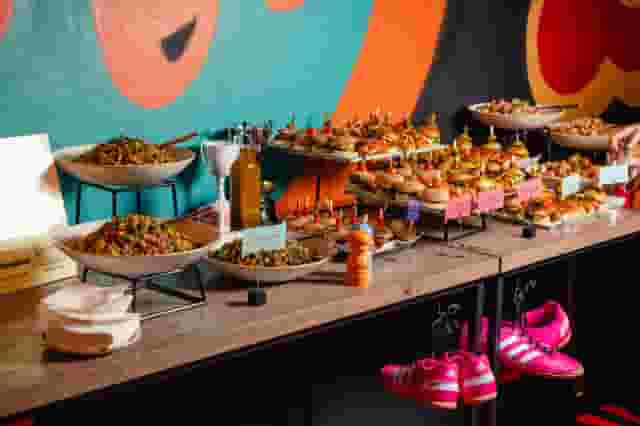
Lunch requires careful planning. An away day lunch serves two purposes: refuelling delegates and facilitating conversation. A heavy, seated two-course hot lunch takes ninety minutes, pulls energy down, and makes your 14:00 session difficult for any speaker. A standing fork buffet or premium bowl food lunch is almost always preferable for an away day. Standing encourages people to mingle with colleagues they do not sit with every day, while light proteins and grain salads maintain afternoon alertness.
| Action | Detail |
|---|---|
| Collect requirements two weeks out | Vegetarian, vegan, gluten-free, halal, kosher, severe allergies |
| Request separate labelling on buffets | Clear allergen indicators |
| Ask the venue to plate severe allergy meals separately | Prevents cross-contamination |
| Ensure vegan and dairy-free milk alternatives are available | At coffee stations |
Technical rehearsals make or break the morning presentations. Never plug your laptop into the display screen for the first time as people take their seats. Arrive forty-five minutes before attendee registration to run through your presentation deck.
Test audio playback from your slides through the room speakers, advance through embedded video clips to check for buffering, and walk to the back corner of the room to confirm that 16-point fonts on your slides are legible. If you are hosting remote attendees via a hybrid link, test the room microphone pickup so colleagues dialling in can hear questions from the floor, not just the keynote speaker at the lectern.
Finally, prepare for post-lunch energy dips. Plan a physical room reset during lunch if your agenda shifts. If delegates spent the morning at tables facing forward, have the venue staff clear away unused paperwork and rearrange seating into an open circle, or move the group entirely into an activity zone. Giving people a change of scenery re-energises the room and signals that the formal listening part of the day is complete, clearing the way for productive team collaboration.
What our customers say
Inspiration and planning guides

Watch a real brief turn into priced, available venues in 15 minutes
Chloe Richardson has spent 17 years in events. We gave Deep Venue Research one of her briefs and filmed every step, from the first questions to availability checked at the venues she chose.

Simple Events Win: Why Restraint Beats Spectacle
Budgets are tight and audiences want connection over spectacle. The events that land in 2026 are the deliberately simple ones. Here is how to edit rather than cut, grounded in the 2026 industry data, and why the right venue does the heavy lifting.

Why UK Event Calendars Got So Tight (And How to Book Smarter)
Lead times for UK corporate events are up 39% since 2022, based on Hire Space booking data. The calendar is tighter, conversion rates fall sharply when you leave it late and the peak windows are getting more crowded. Here is what the numbers say and what to do about it.
One supplier. Every venue. Full visibility on what you spend.
Multiple venues and events. One agreement.