Quirky Party Venues for Hire in London
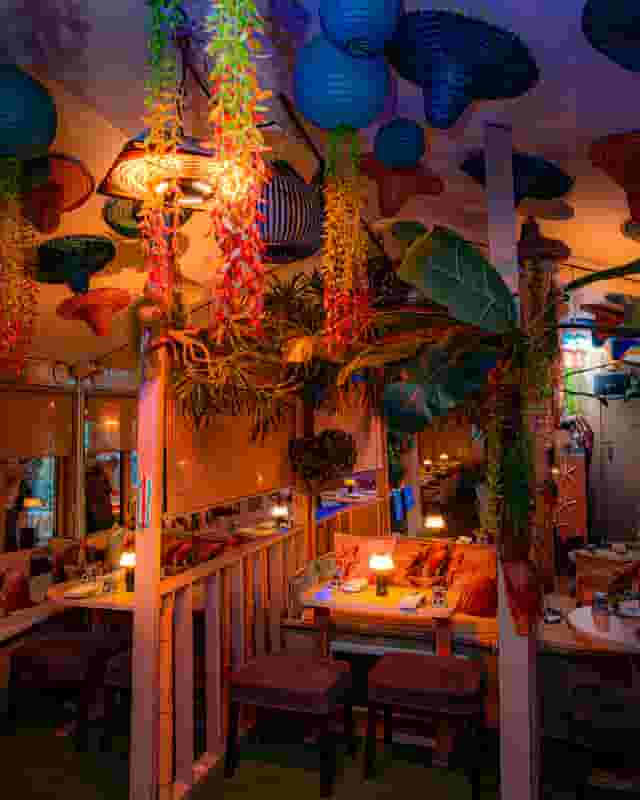
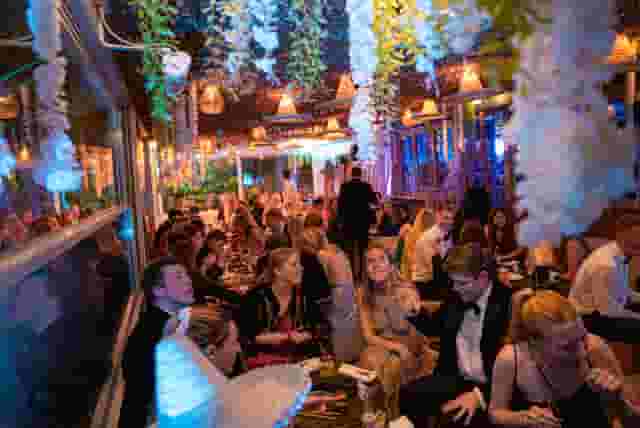
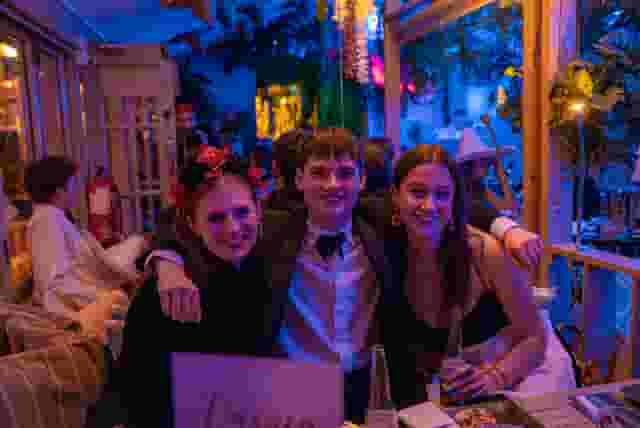
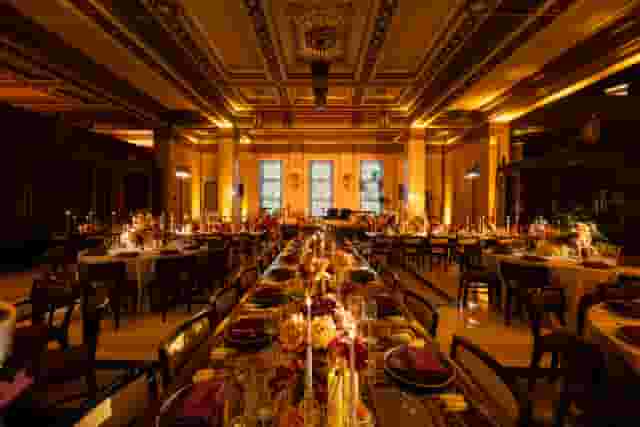
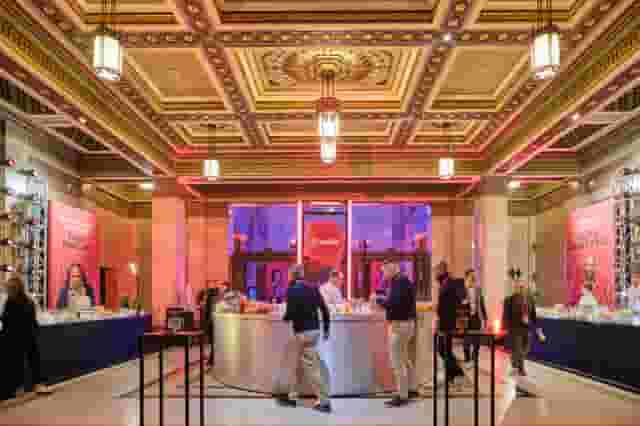
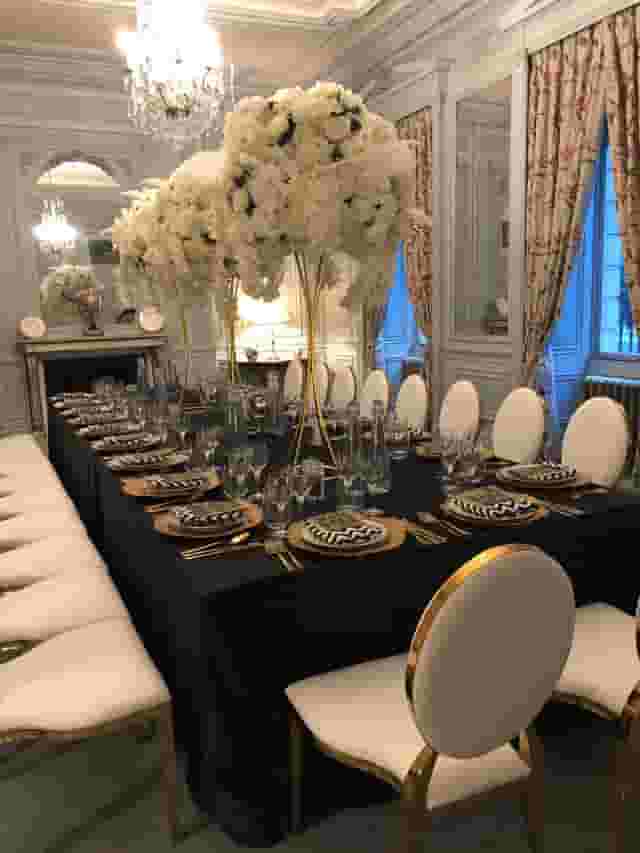
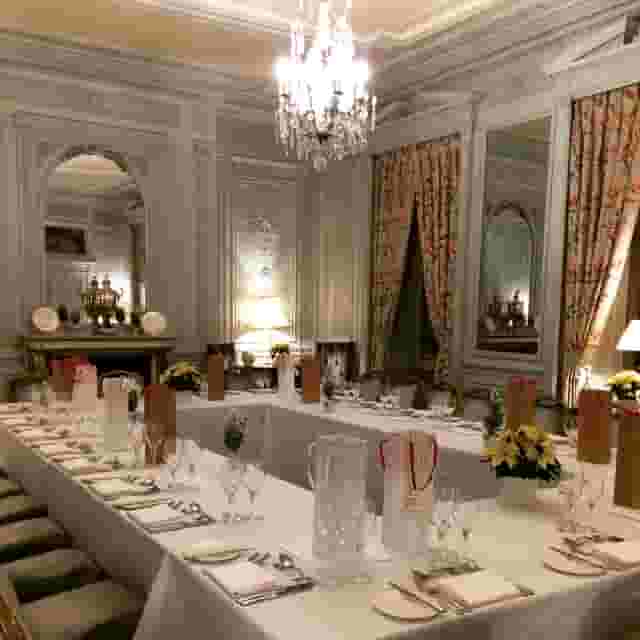
Discover unusual London party venues with distinctive architecture, built-in sound systems and space for private drinks, food and dancing.
3,486 Quirky Party Venues for Hire in London

















































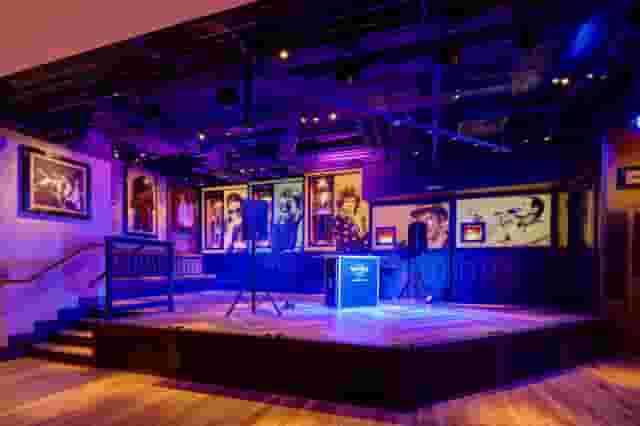
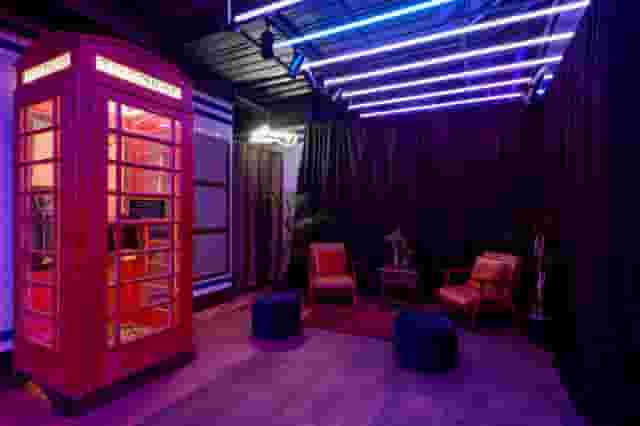
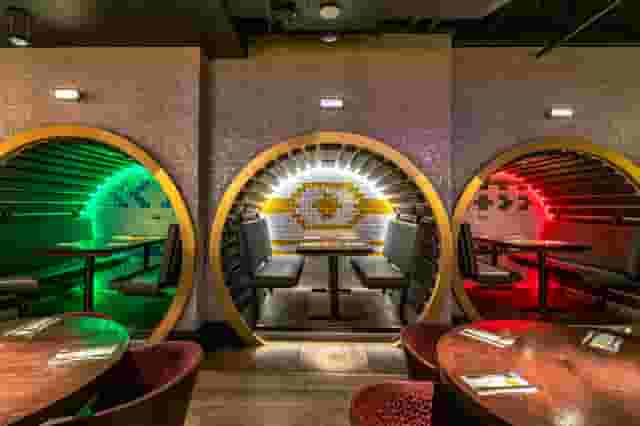
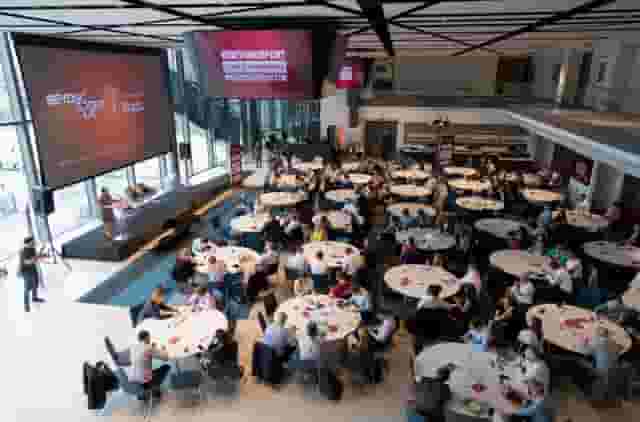




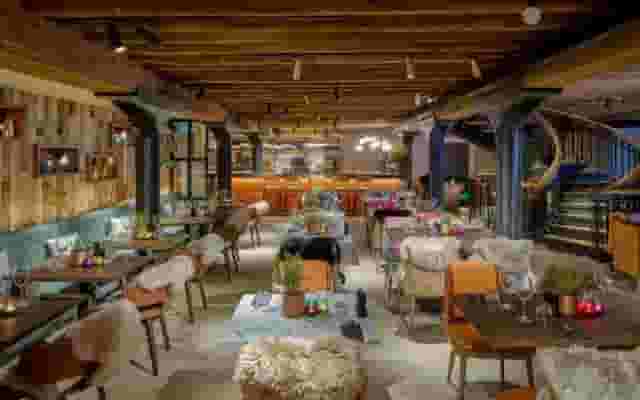
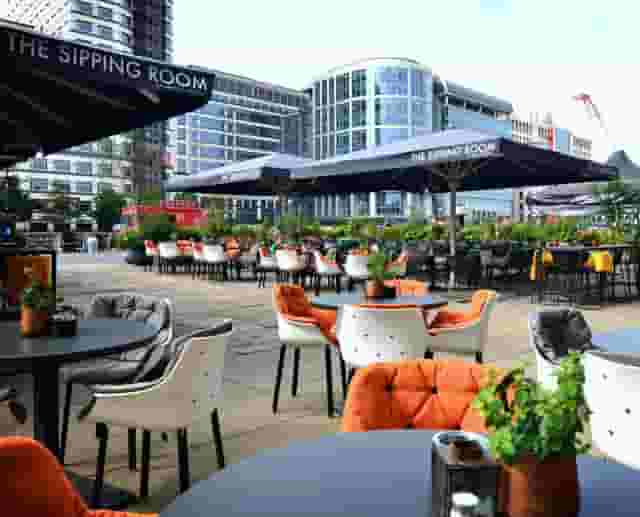
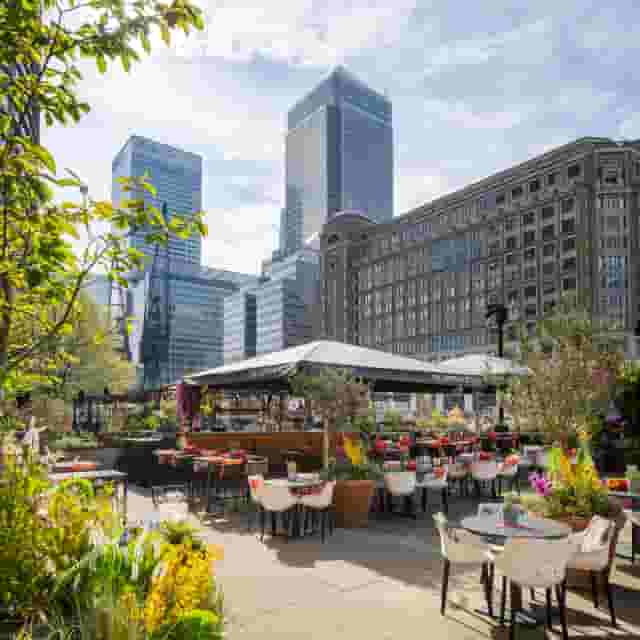
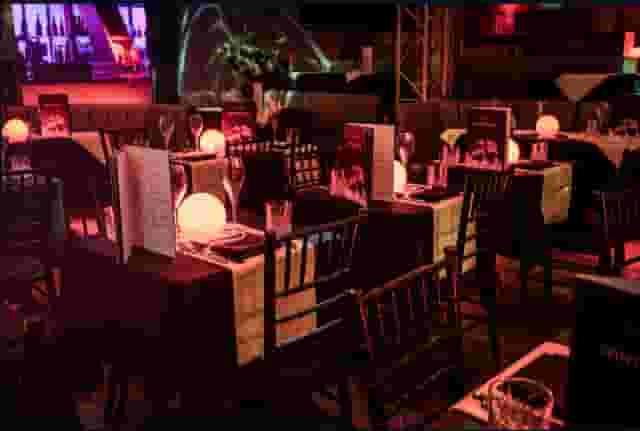
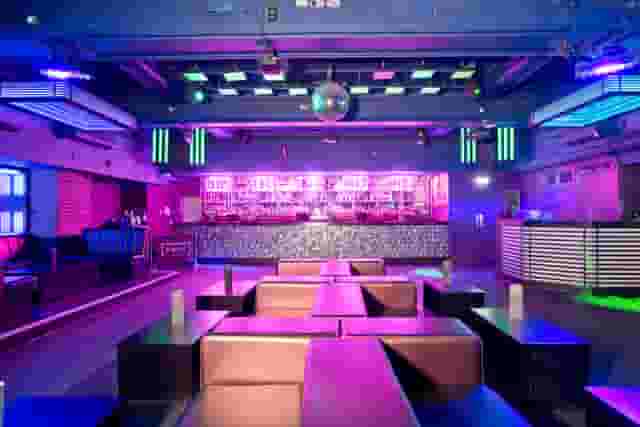
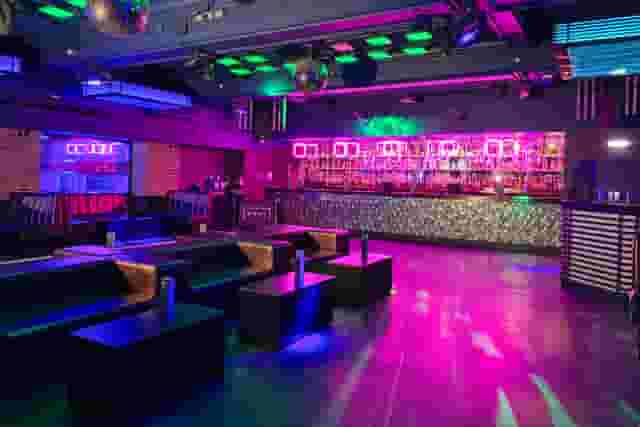
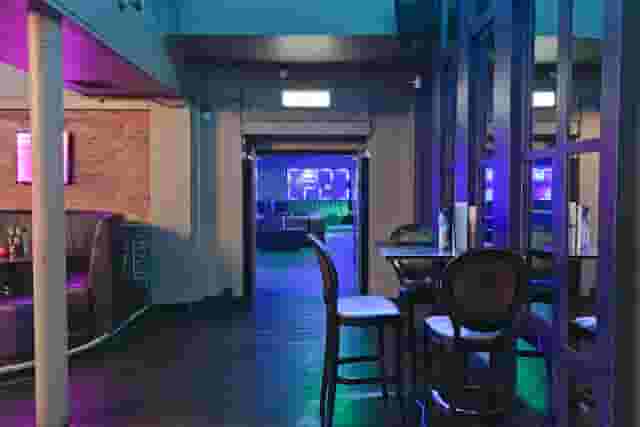
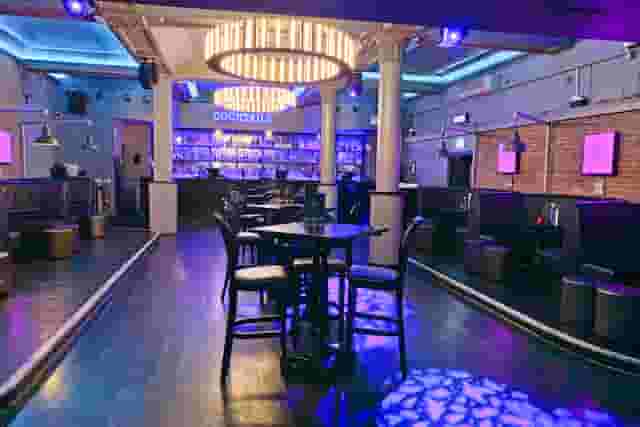
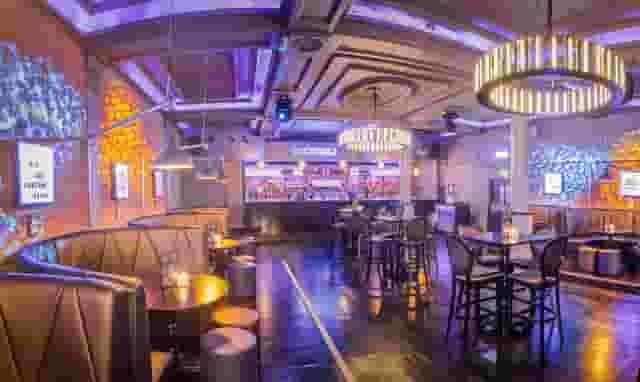
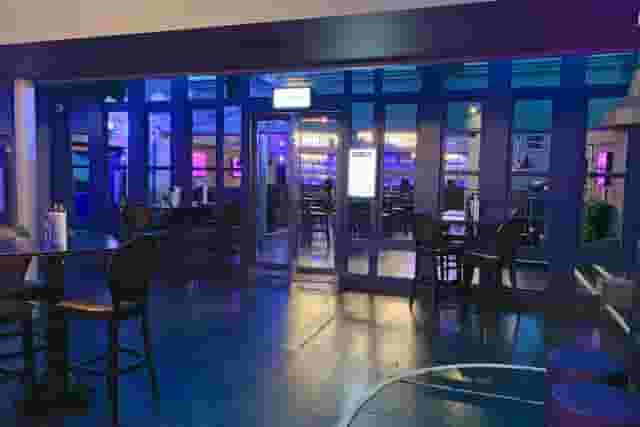
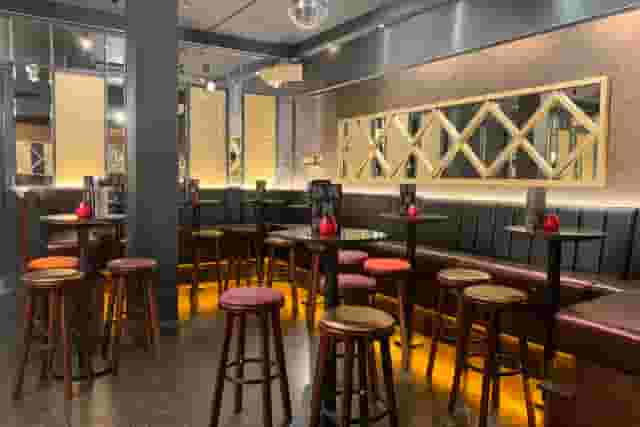
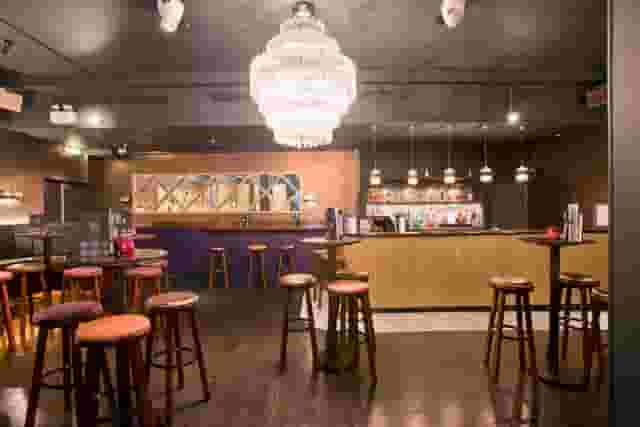

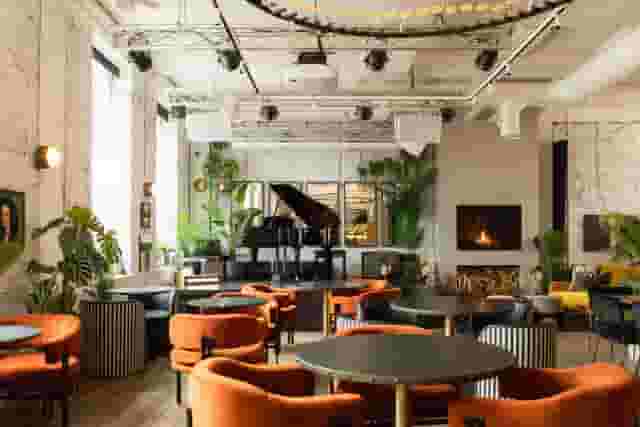

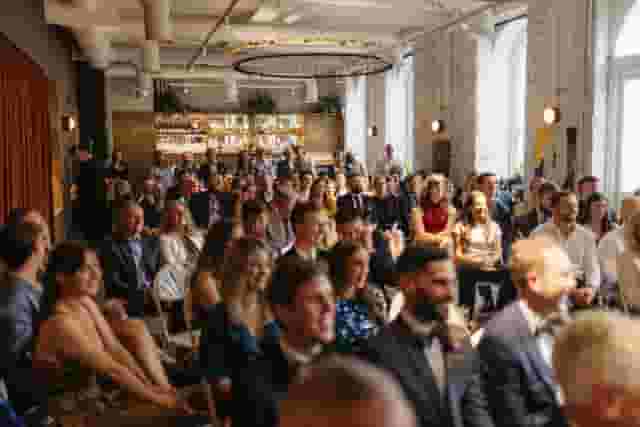

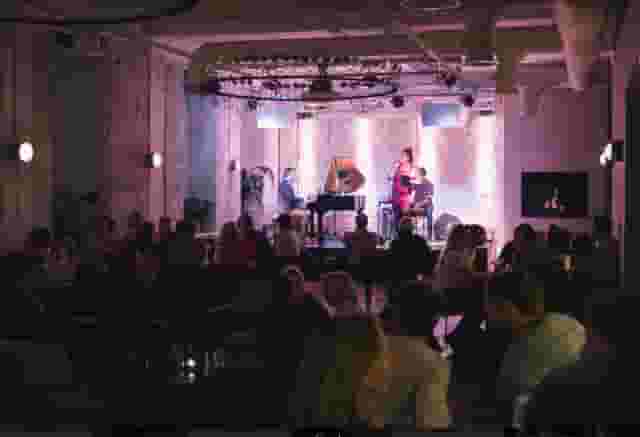
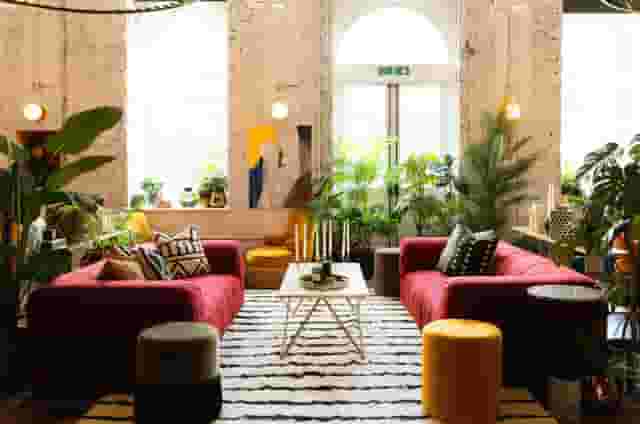








































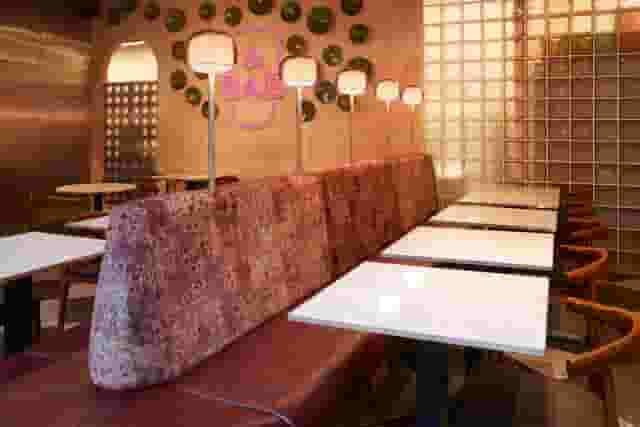
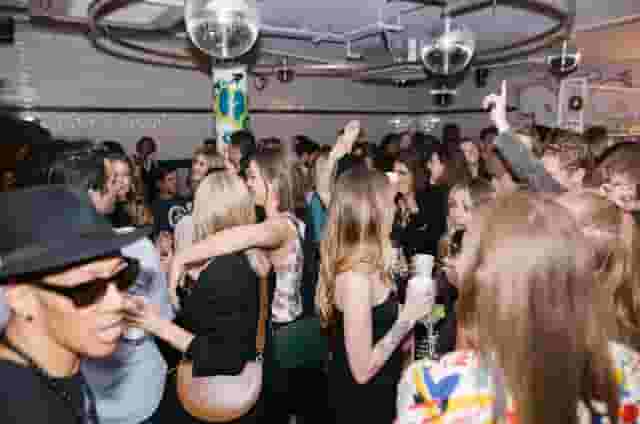
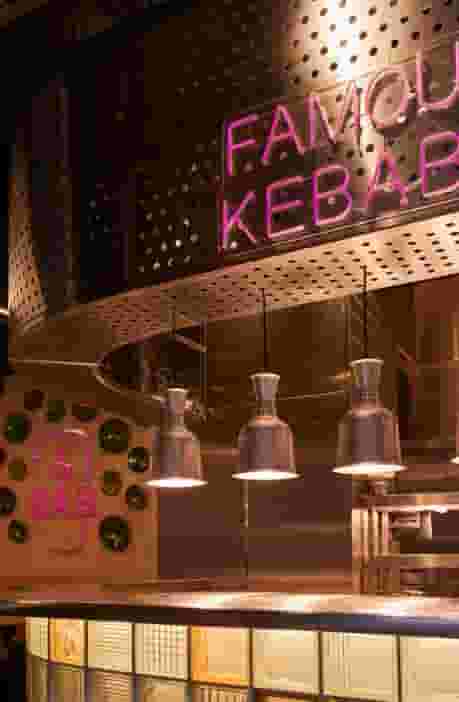
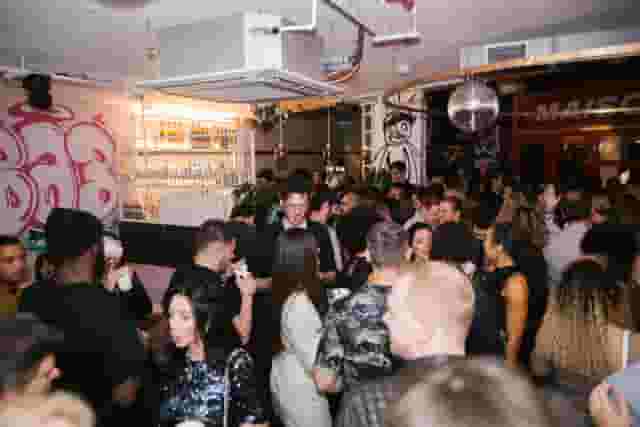






























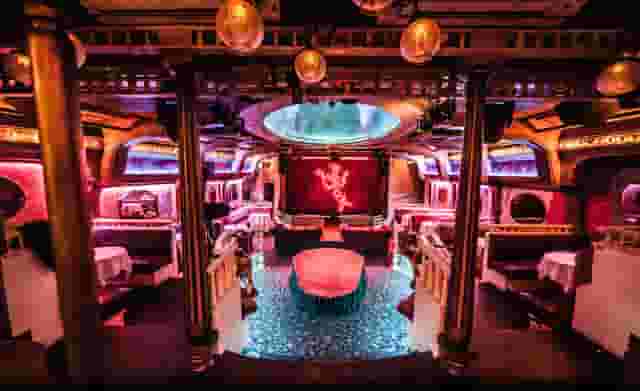
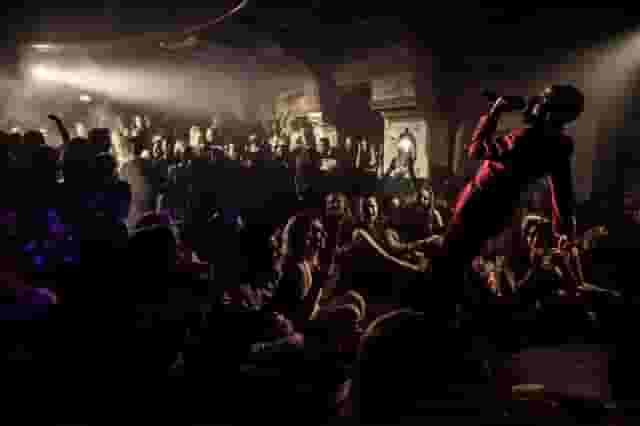
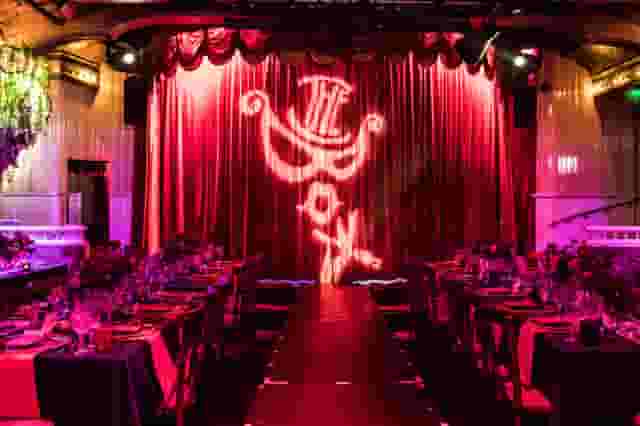
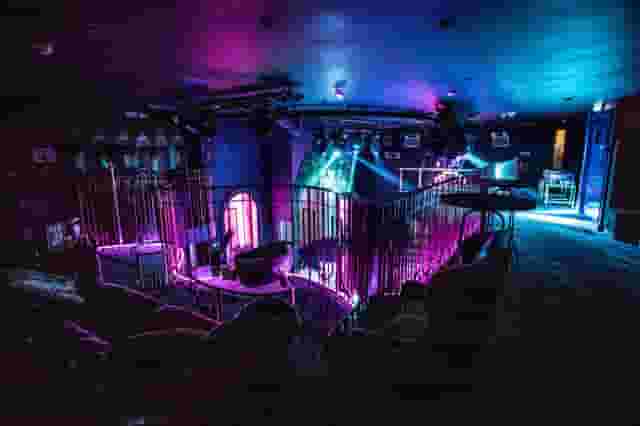


















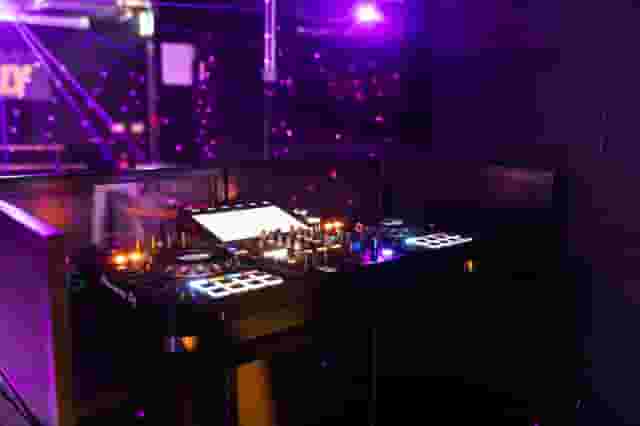

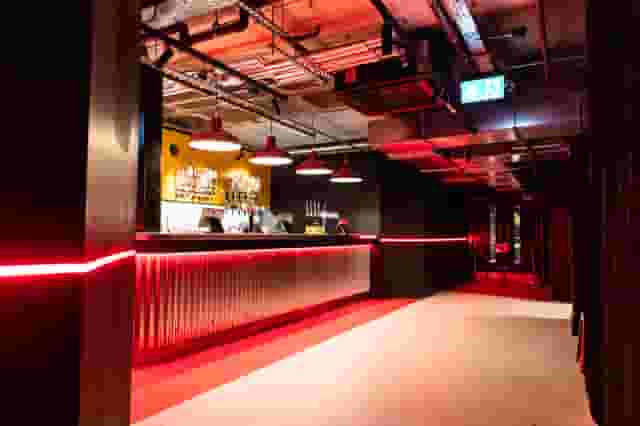
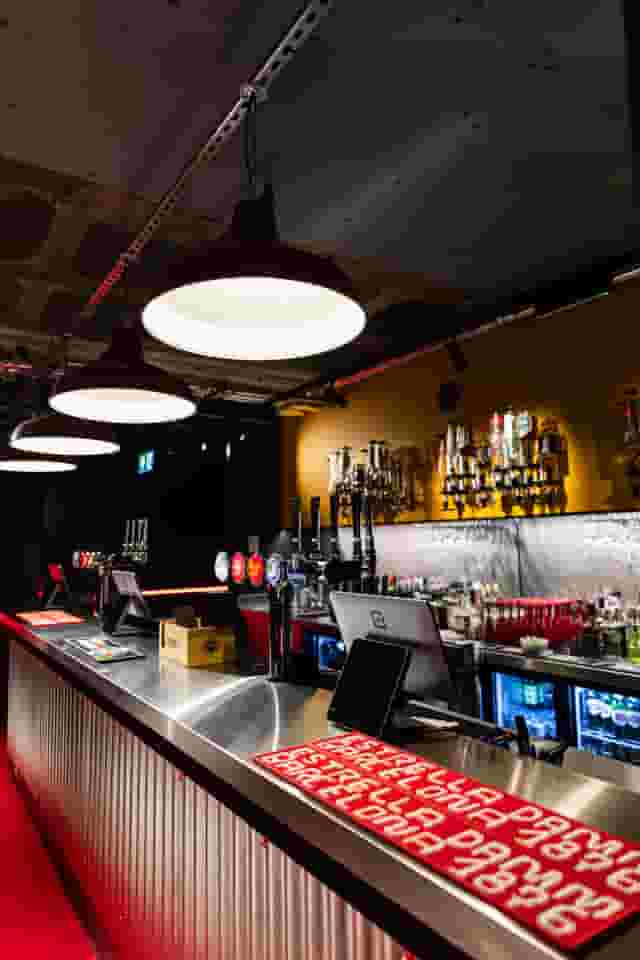
No venues match these filters
Try widening your capacity, luxury level or event type.
Don't have time to search? We'll find it for you.
For business events that need human judgement, talk to our team. Free for events of 100+ people, budgets over £10k or ongoing programmes.




Explore more venues in London












Frequently asked questions
How to ensure a quirky venue is guest-friendly?
What makes a venue quirky in London?
Can I find a tech-equipped quirky venue?
How do I personalise a quirky venue?
Are there intimate quirky venues in London?
Other platforms search their database. We search everything.
Tell us what you need. Our deep research finds any venue, whether it's in our marketplace or not. No one else does this.
About Unusual Party in London
Choosing the right style of unusual space
London has no shortage of blank boxes and hotel suites, but a party with real personality demands something with architectural grit, theatrical staging or an unexpected social hook. When you look beyond predictable function rooms, unusual party spaces usually fall into four broad categories: industrial warehouses, immersive social hubs, botanical hideaways and underground vaults.
Industrial warehouses and heritage spaces
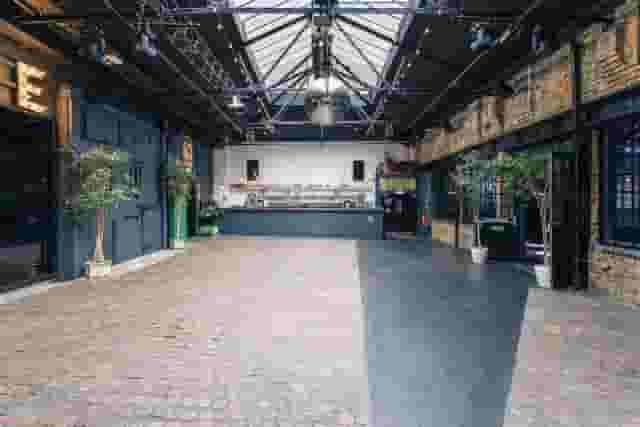
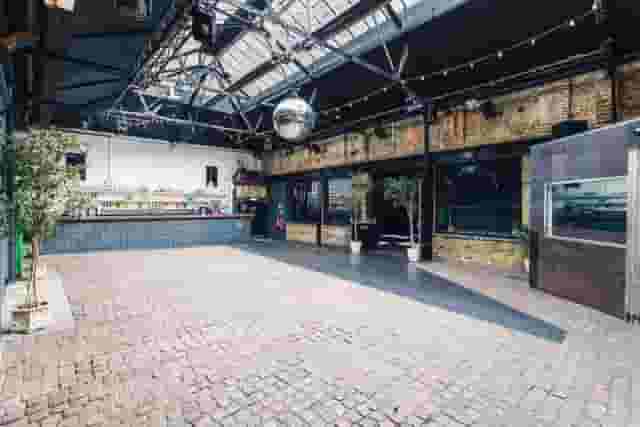
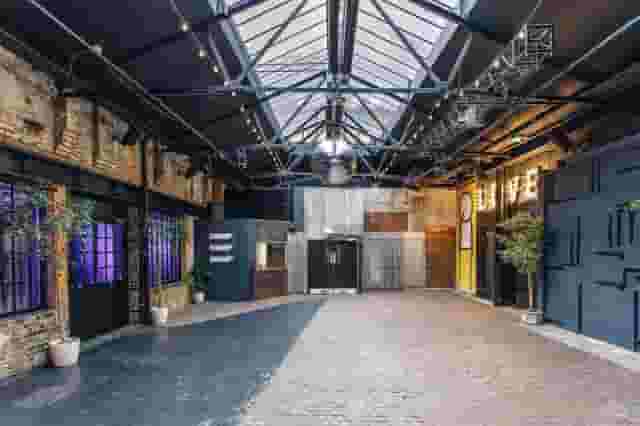
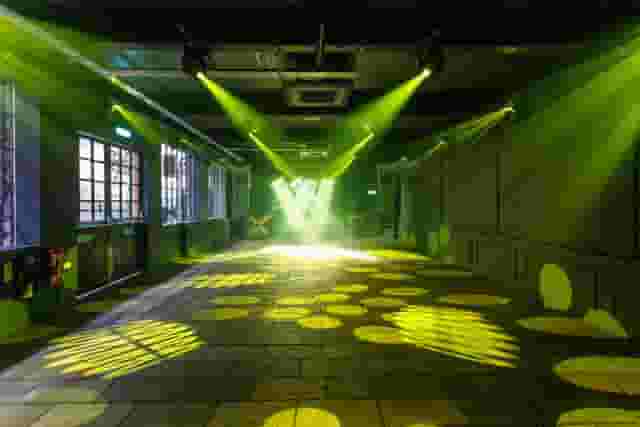
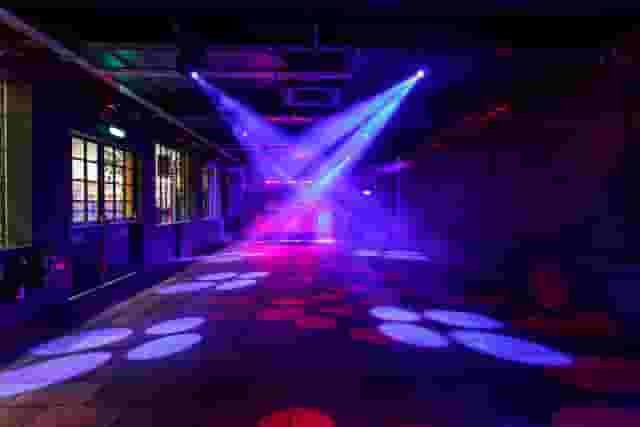
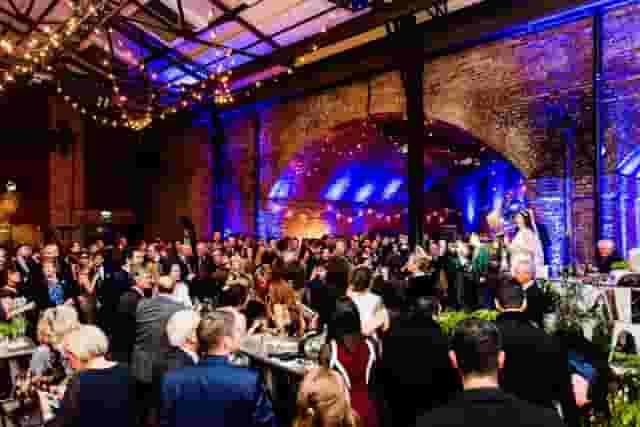
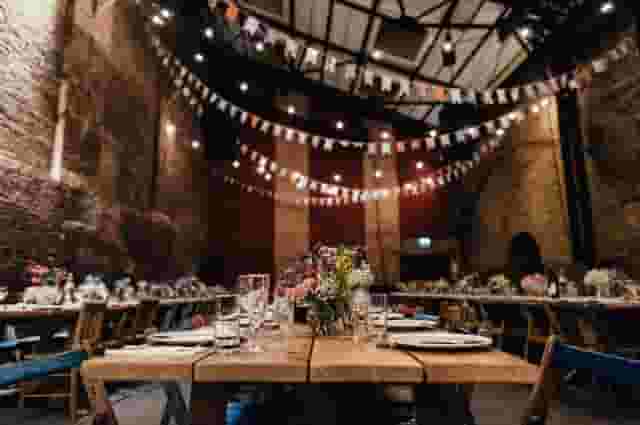
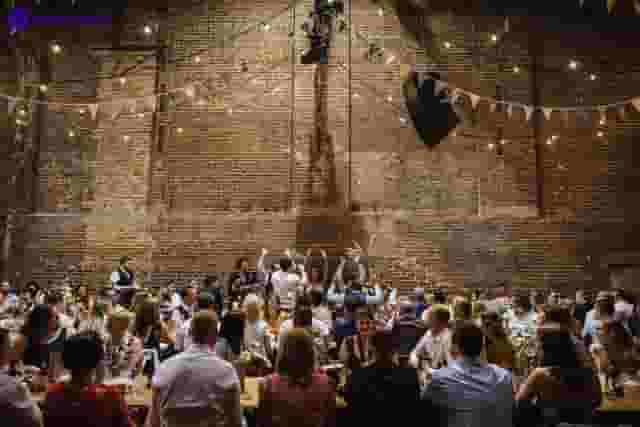
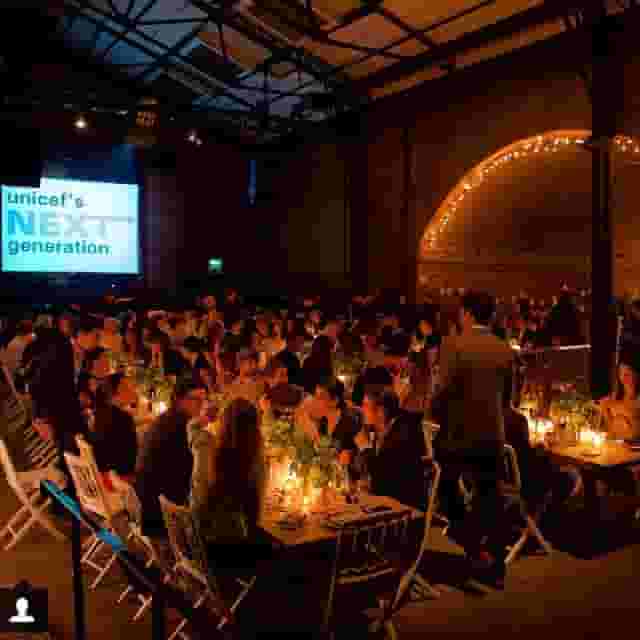
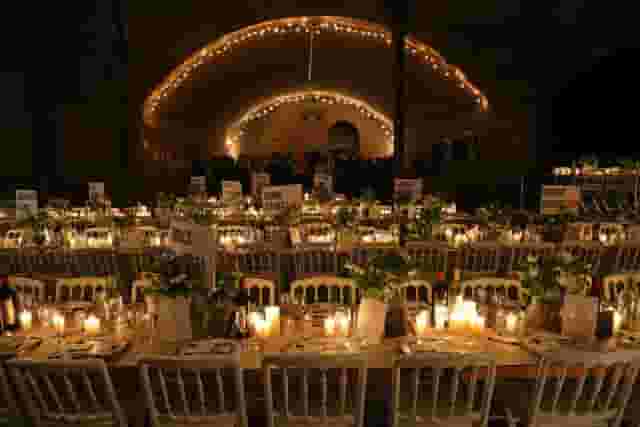
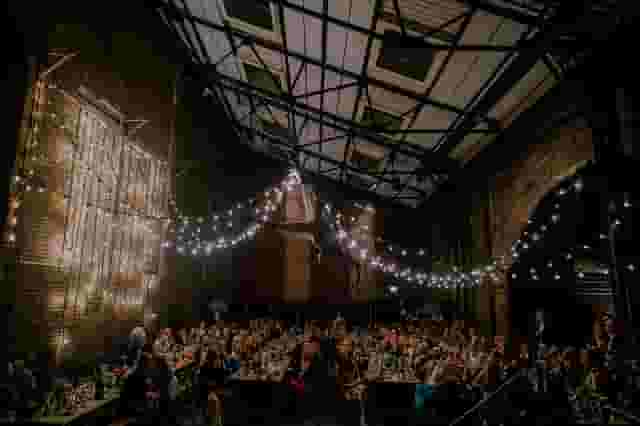
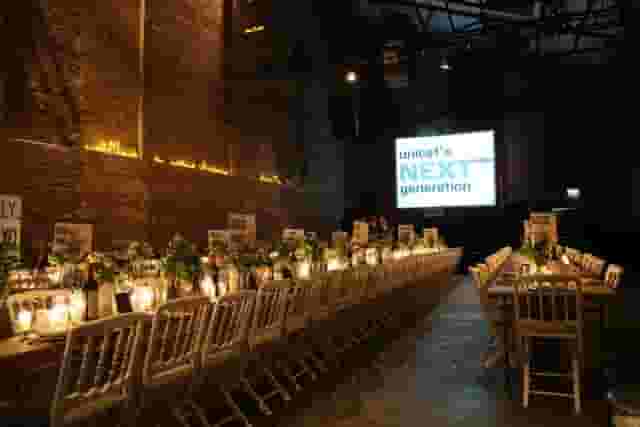
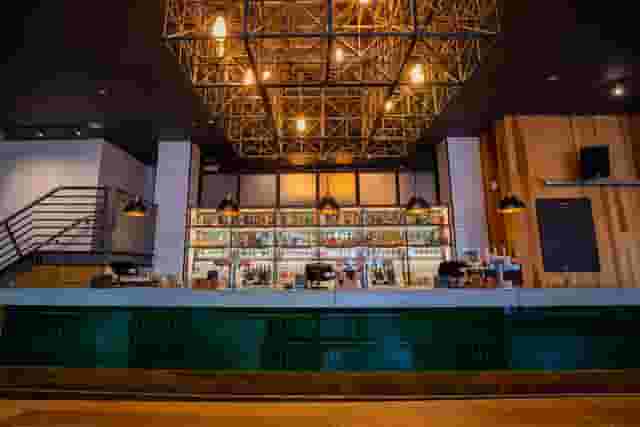
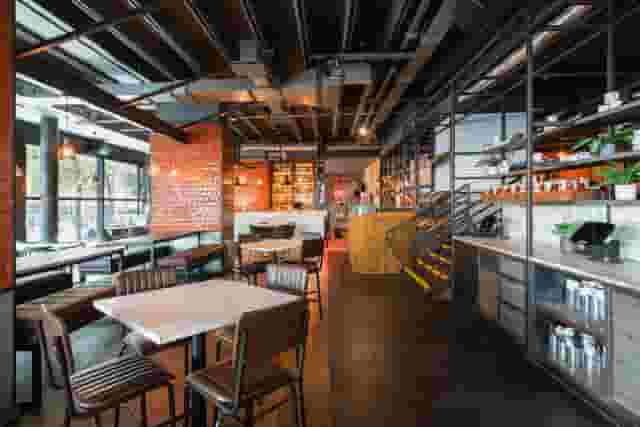
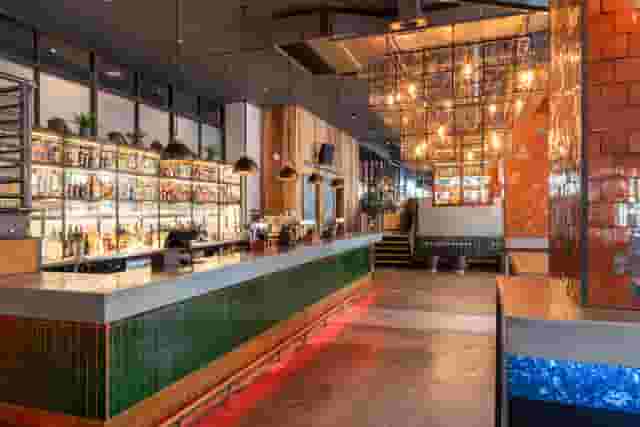
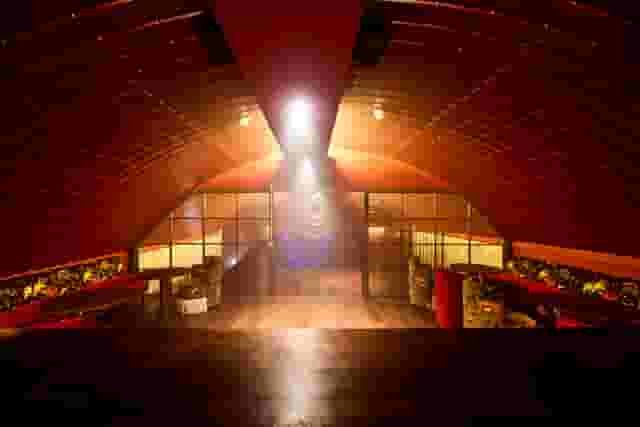
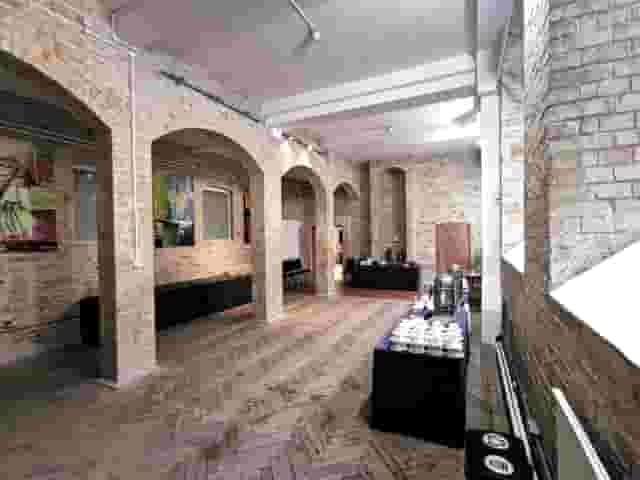
Raw industrial buildings offer scale and visual drama that standard halls cannot match. Converted Victorian rail arches, former factories and brick storehouses give you high ceilings, exposed structural ironwork and the freedom to run high-volume sound rigs without immediate noise complaints. In Shoreditch, Village Underground brings an industrial warehouse setting with capacity for up to 700 standing guests, giving you a cavernous brick backdrop where architectural lighting and heavy bass feel natural.
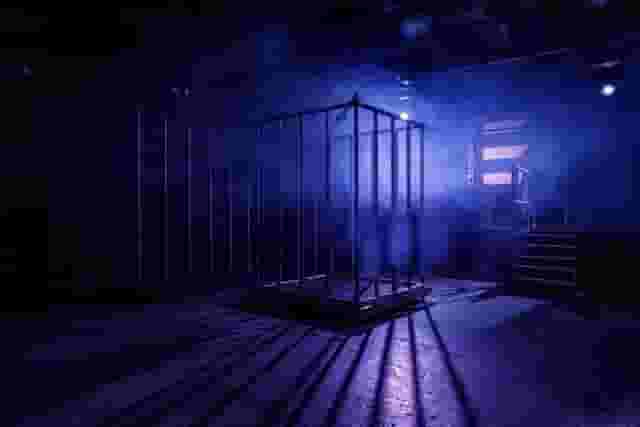
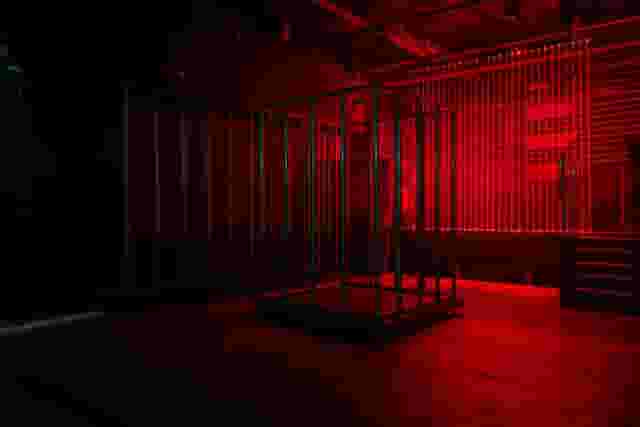
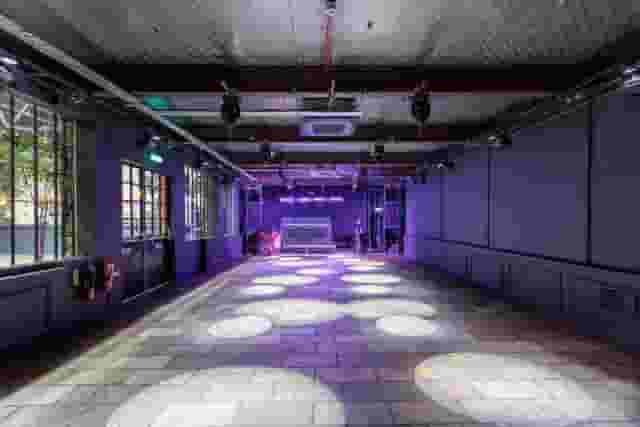
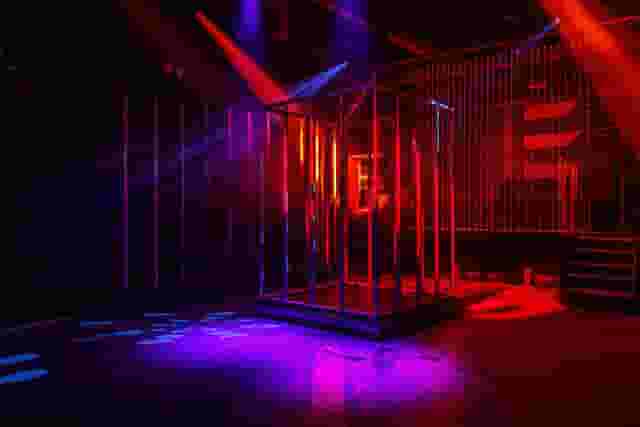
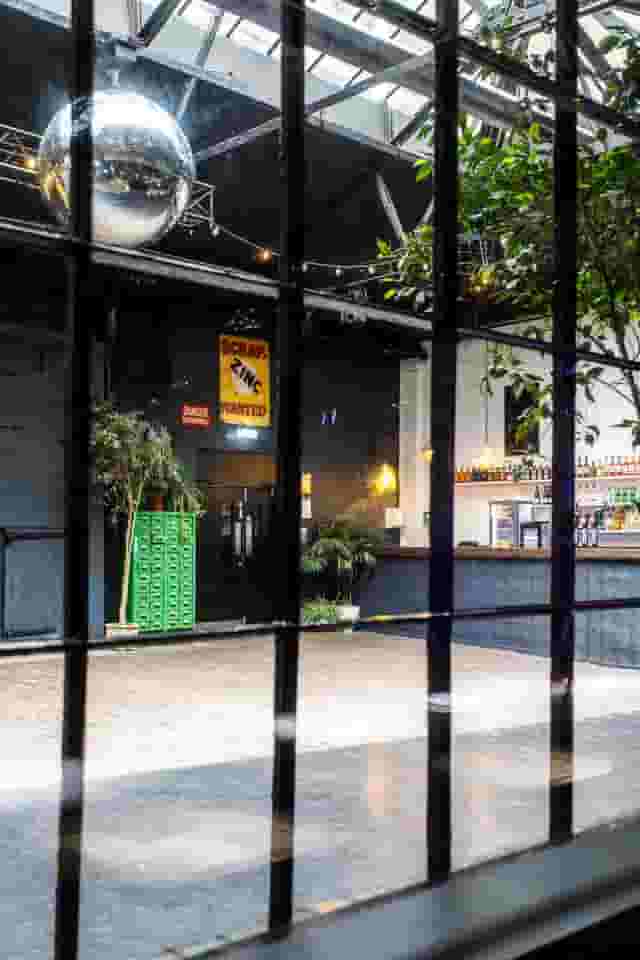
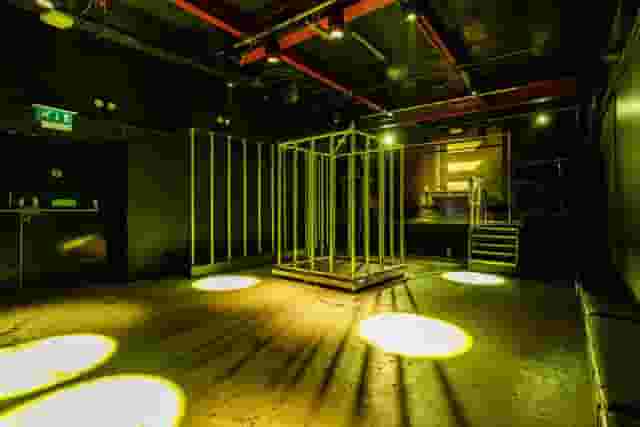
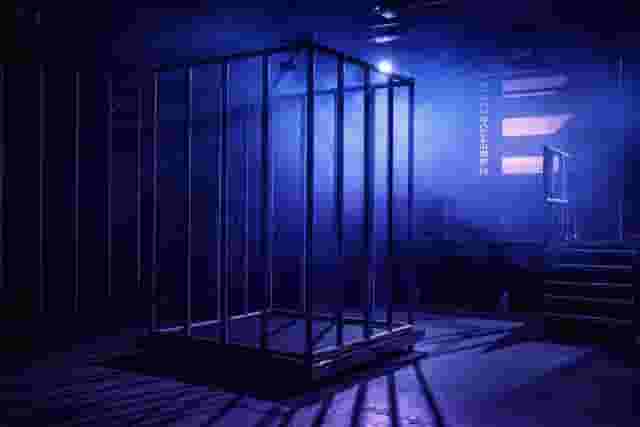
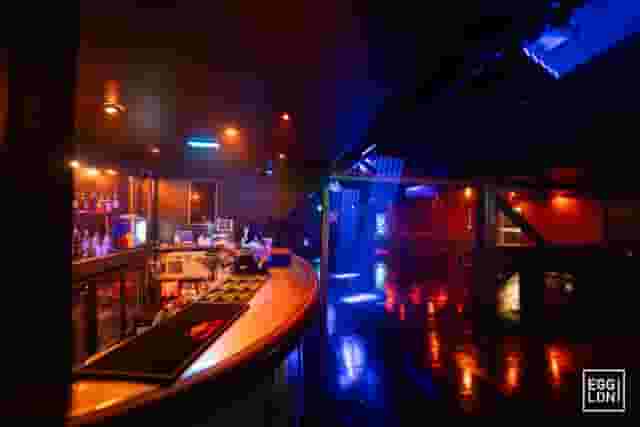
If your party leans towards an underground club aesthetic with multiple rooms, Electrowerkz in Angel holds up to 650 standing guests across its ground floor courtyard, glasshouse and cage areas. A multi-room warehouse layout lets you break the evening into distinct zones, keeping a main DJ set in one room while guests chat or grab food in another.
The trade-off with industrial conversions is infrastructure. Bare brick bounces sound aggressively, and cavernous arches swallow ambient heat in winter. When looking at bare warehouse spaces, check whether acoustic dampening is installed and verify whether heating, ventilation and base lighting are part of the hire or require hired production.
Entertainment-led and gaming spaces
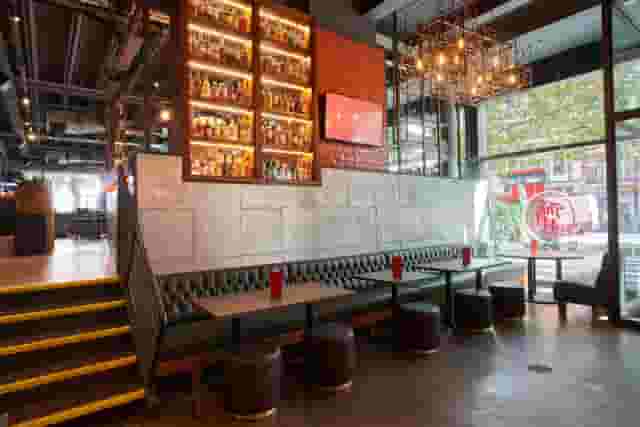
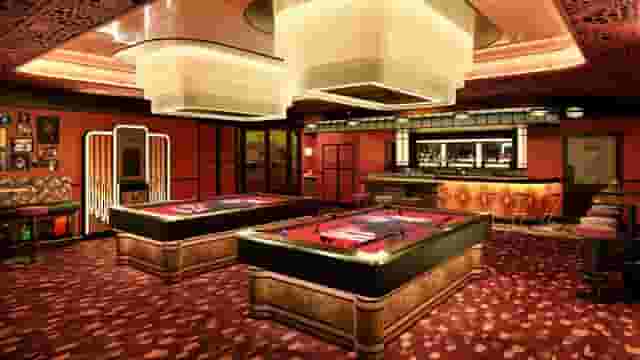
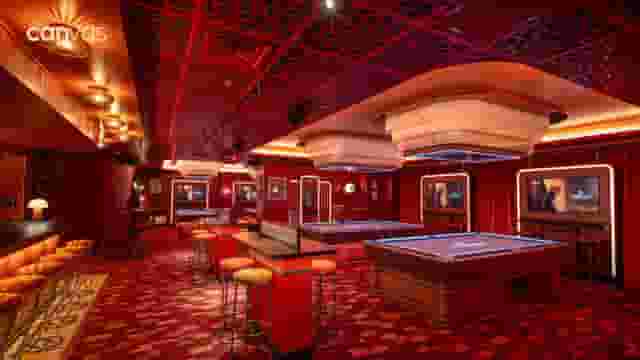
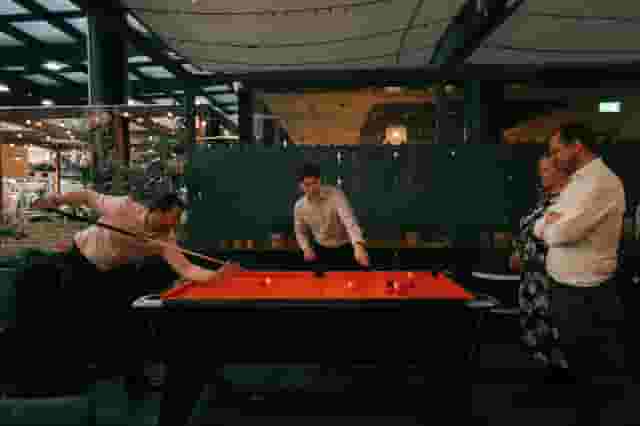
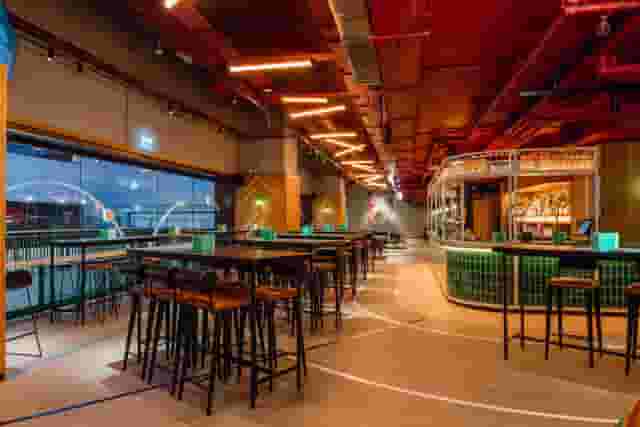
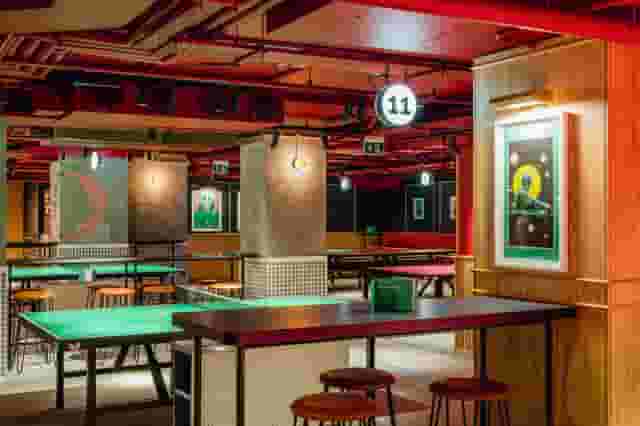
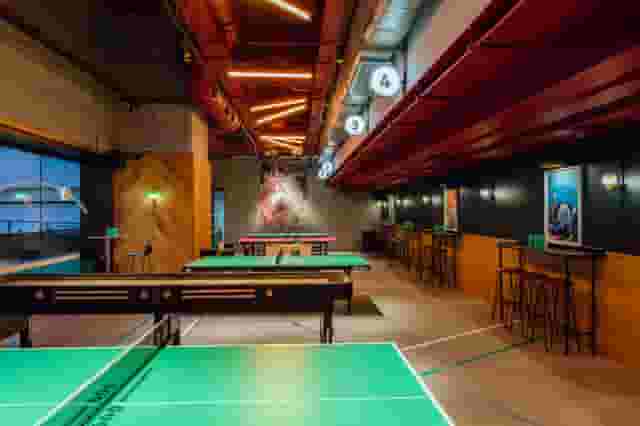
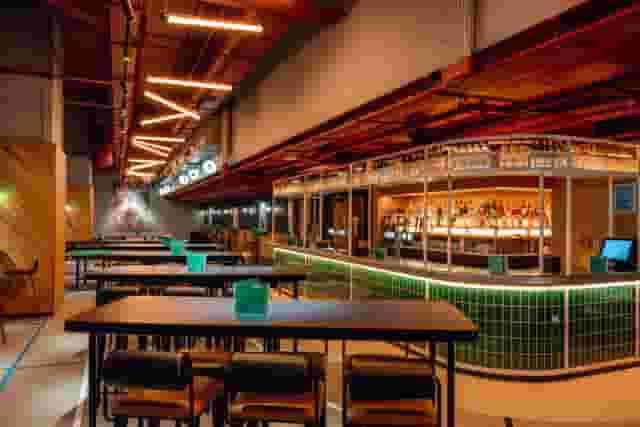
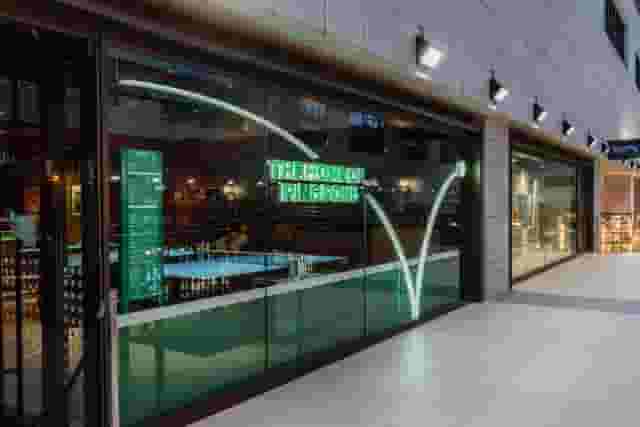
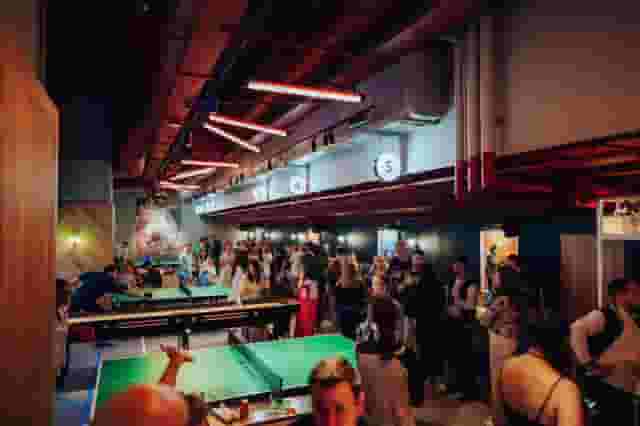
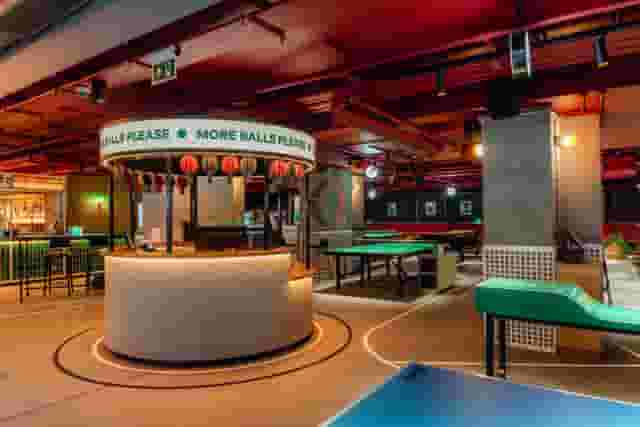
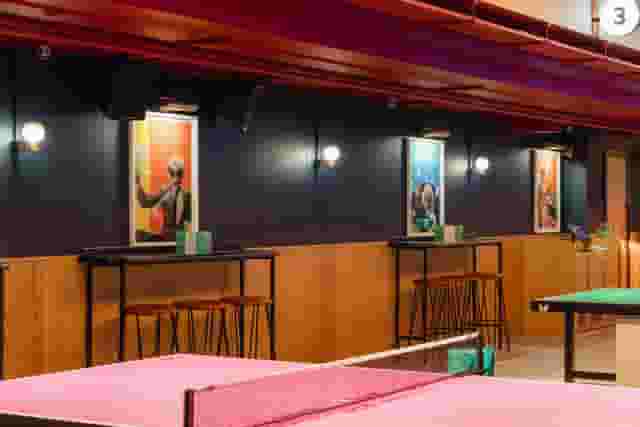
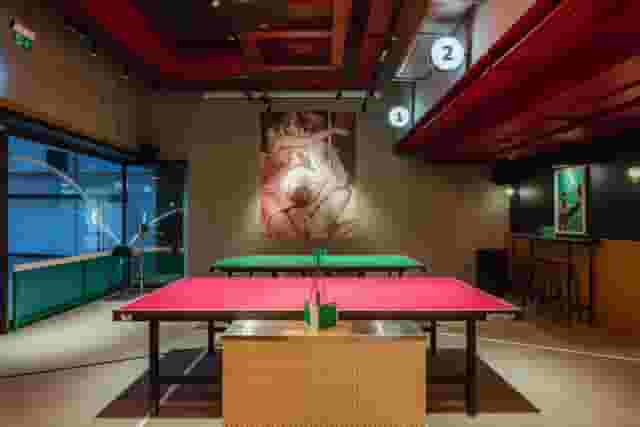
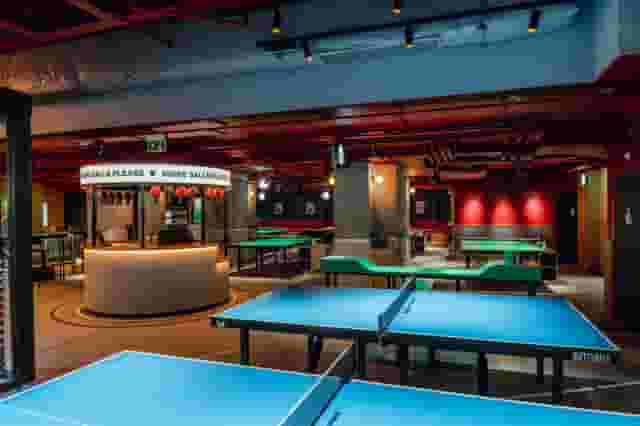
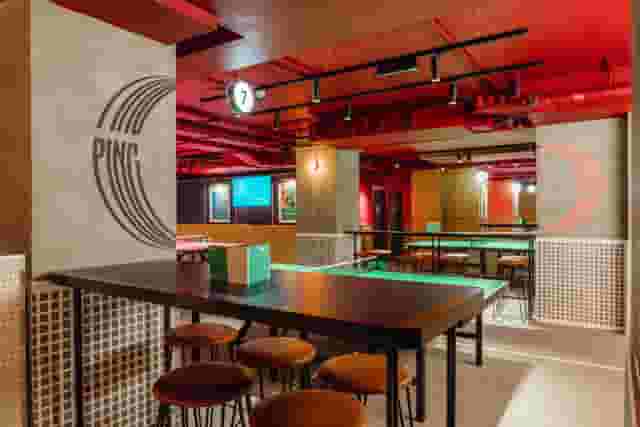
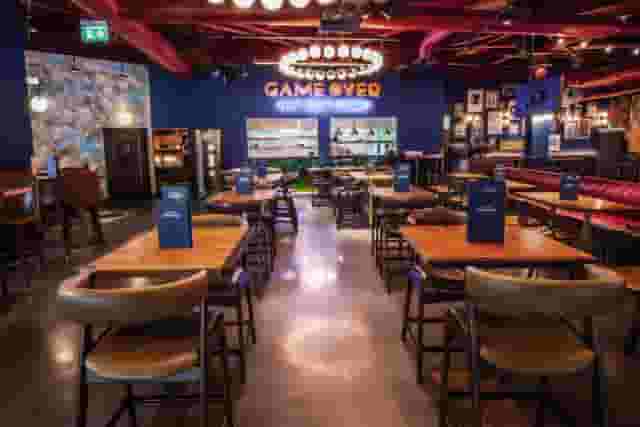
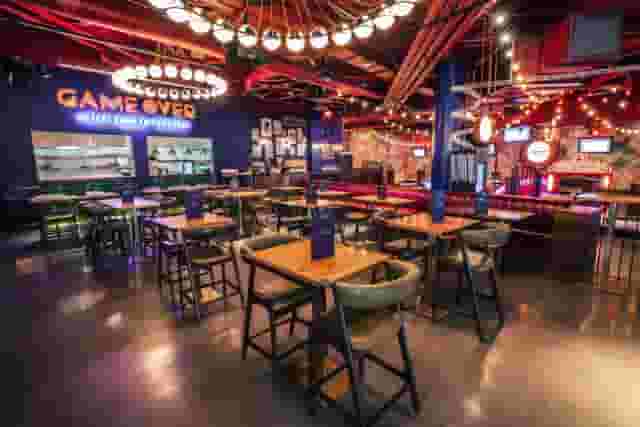
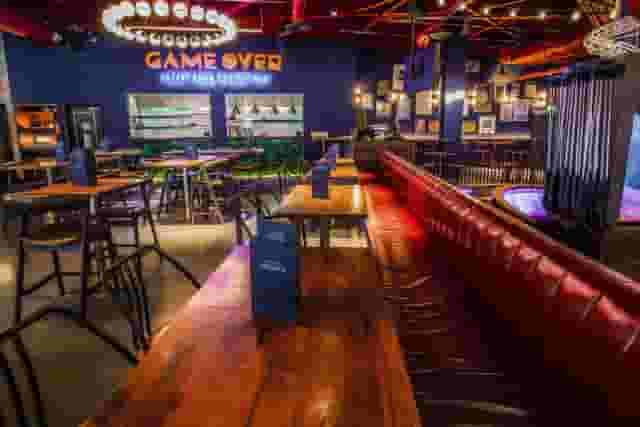
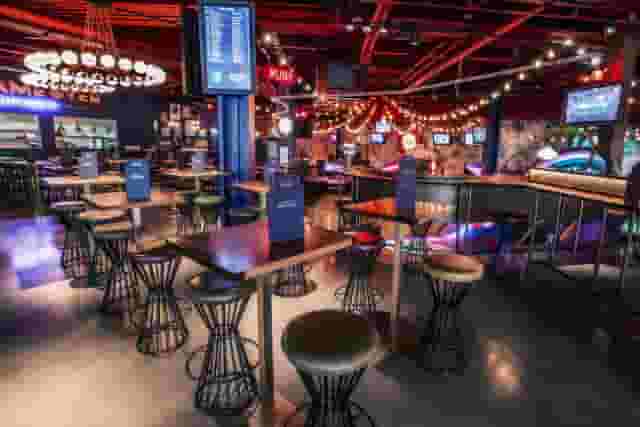
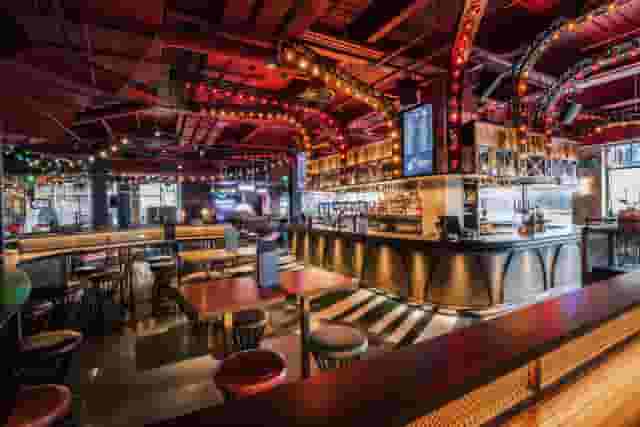
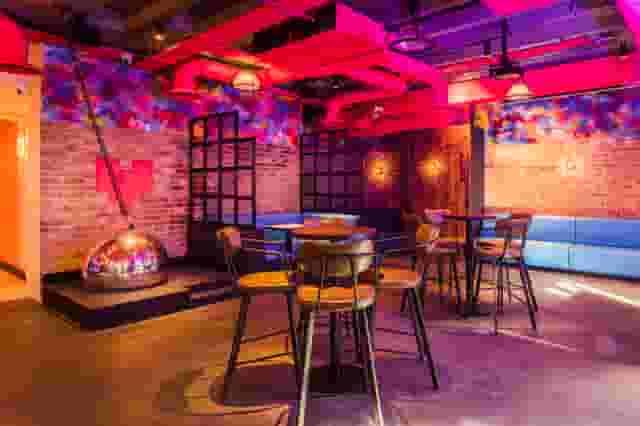
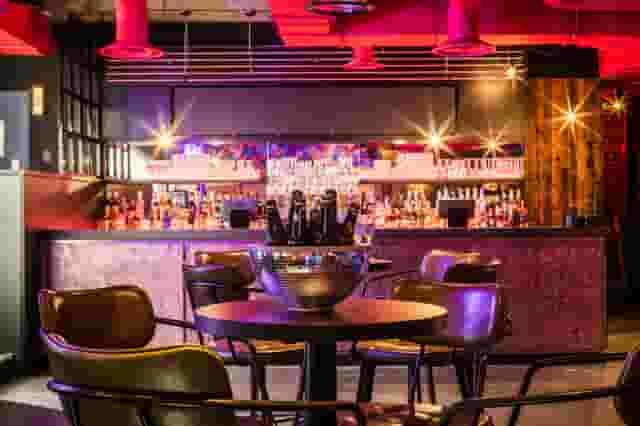
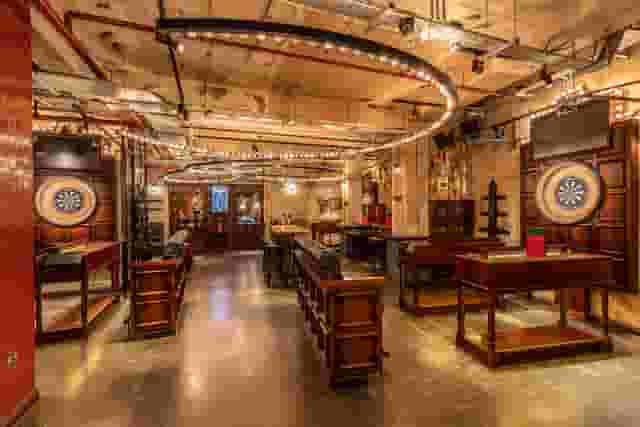
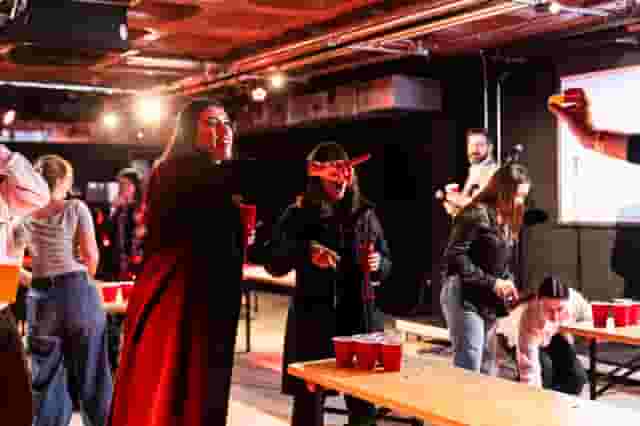
If you want an informal night where guests mingle naturally without forced icebreakers, entertainment-led venues build activity directly into the floor plan. In Liverpool Street, Poolhouse accommodates up to 500 standing guests across an exclusive first floor, pairing traditional pool tables with gaming technology and lounge seating.
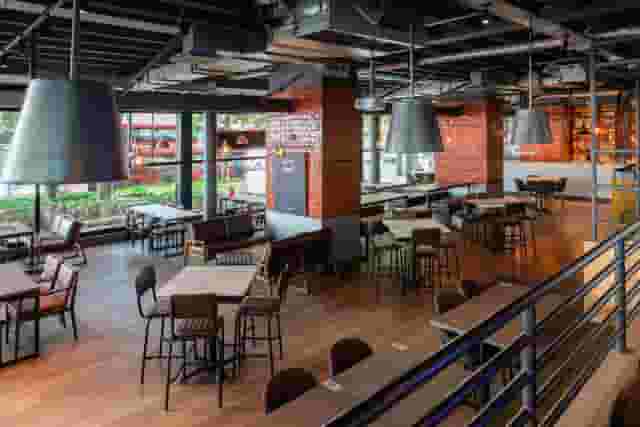
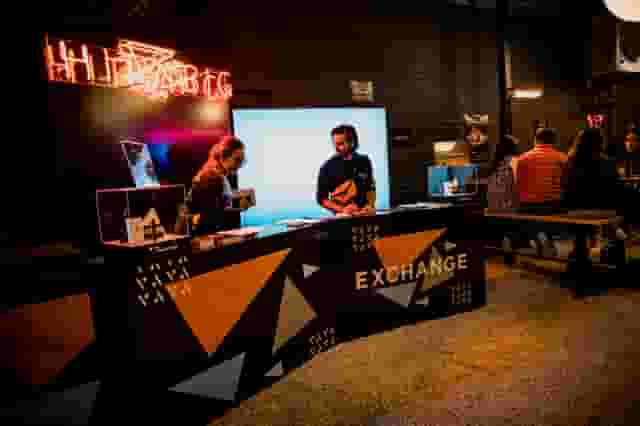
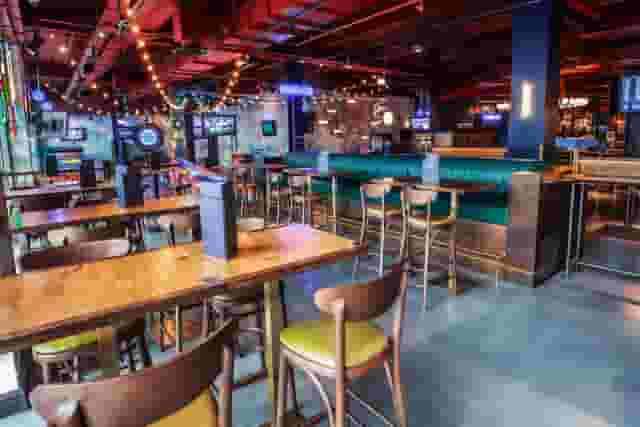
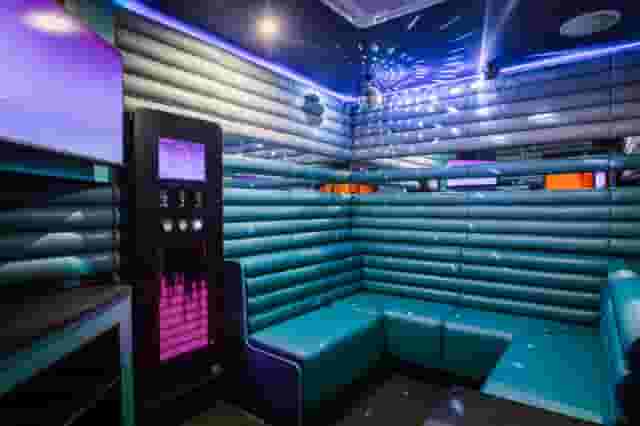
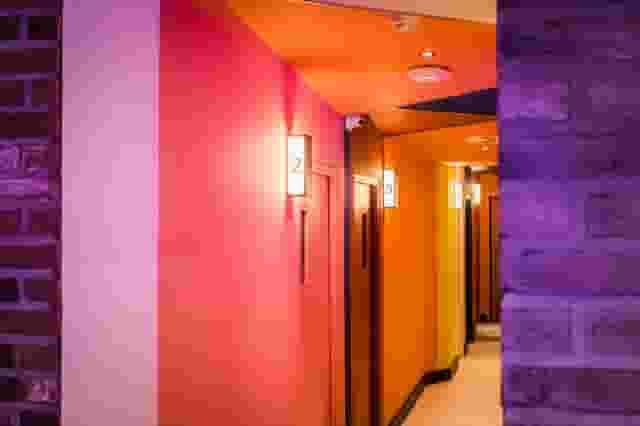
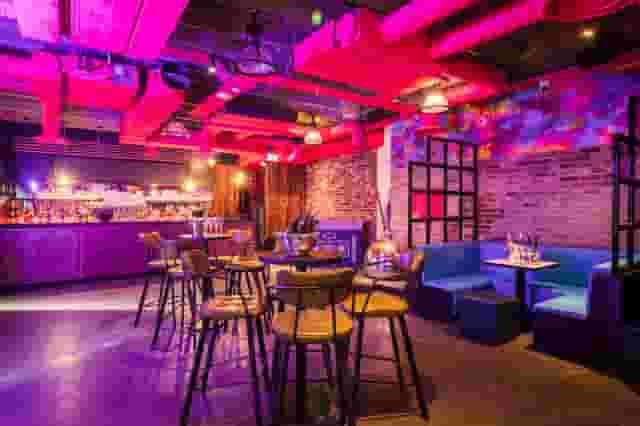
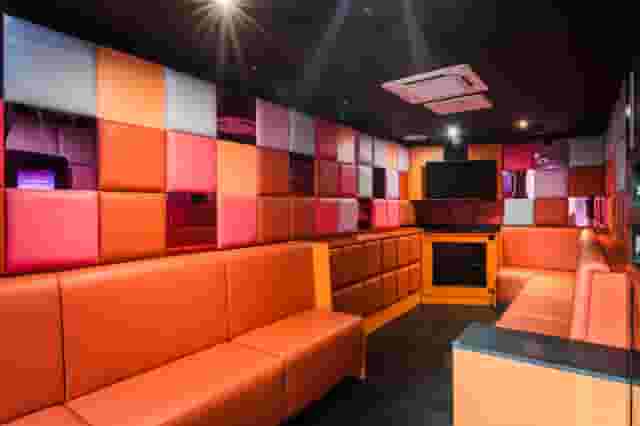
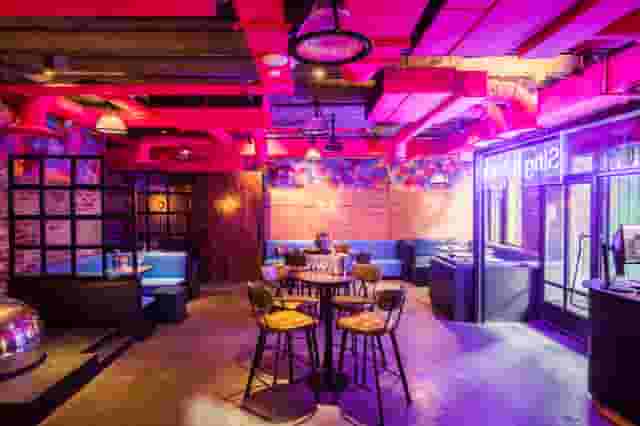
In Paddington, HUCKSTER London accommodates up to 400 guests for a dinner dance across a multi-level layout that incorporates karaoke rooms, casual games and street-food styling. These formats work well when your guest list brings together different social circles, as games and singing provide natural congregation points away from the main bar.
Plant-filled roofs and covered gardens
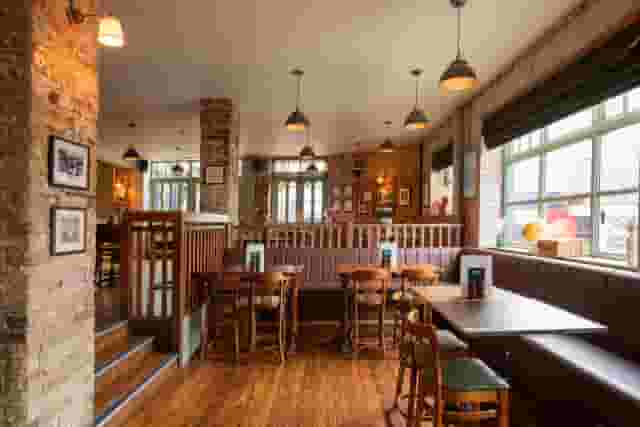
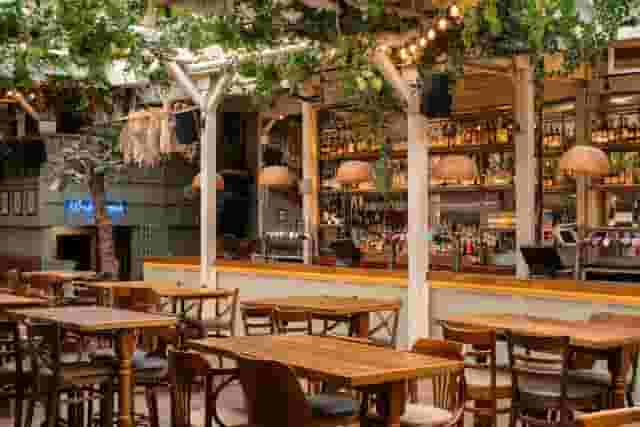
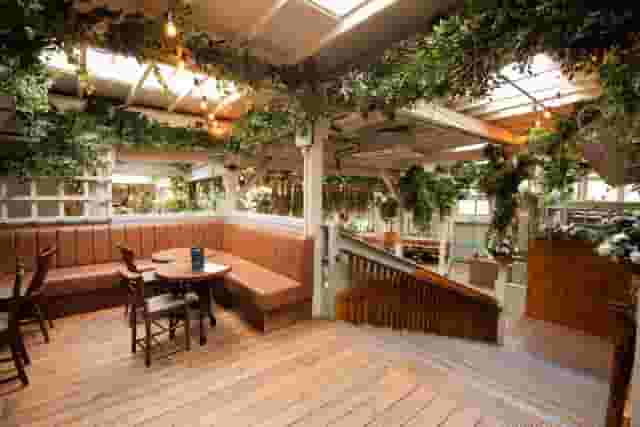
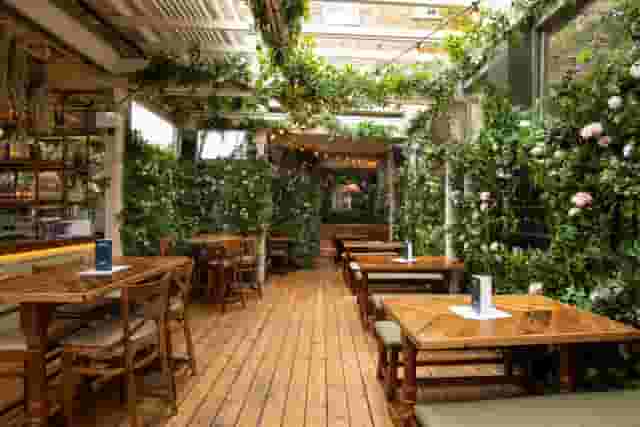
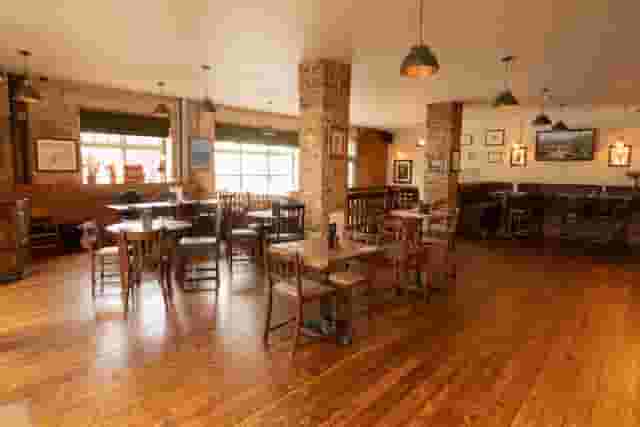
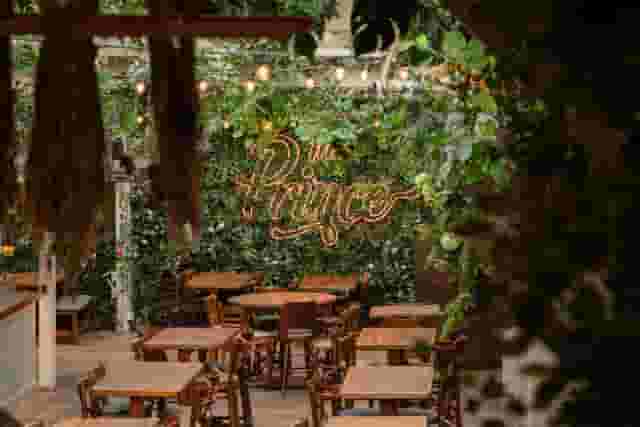
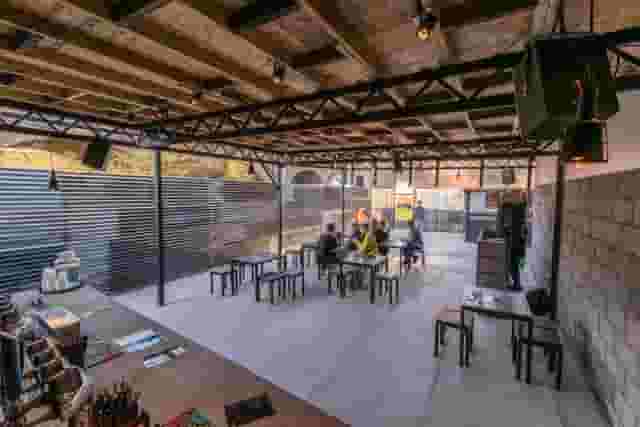
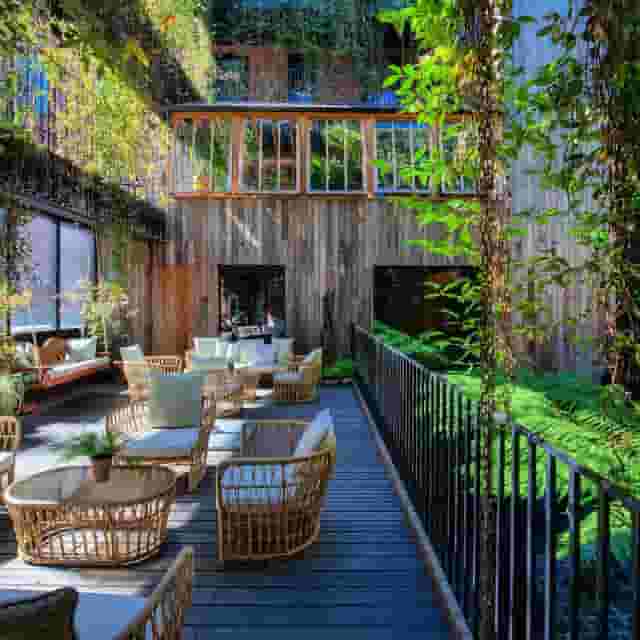
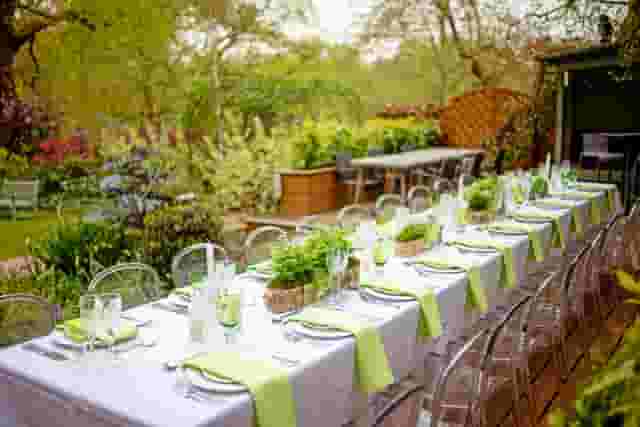
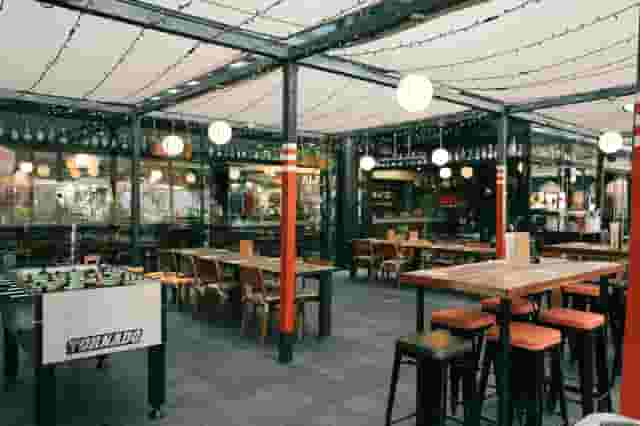
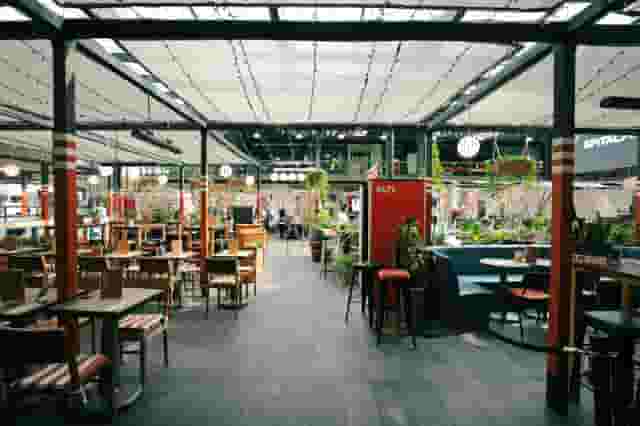
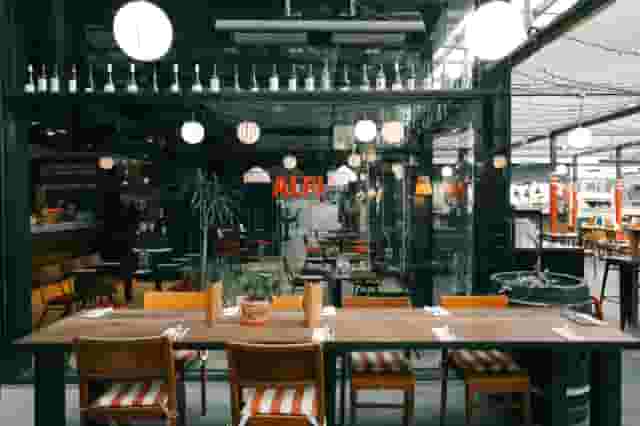
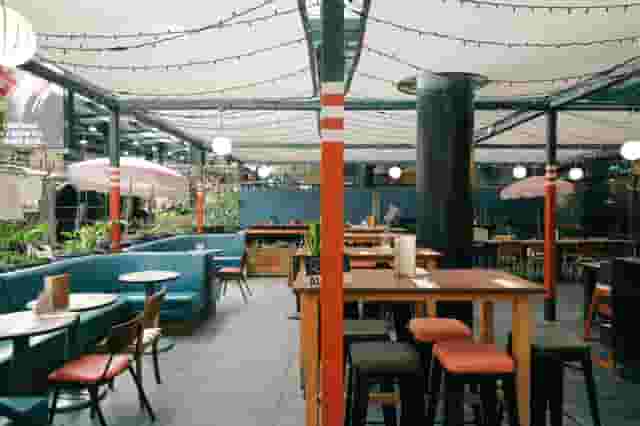
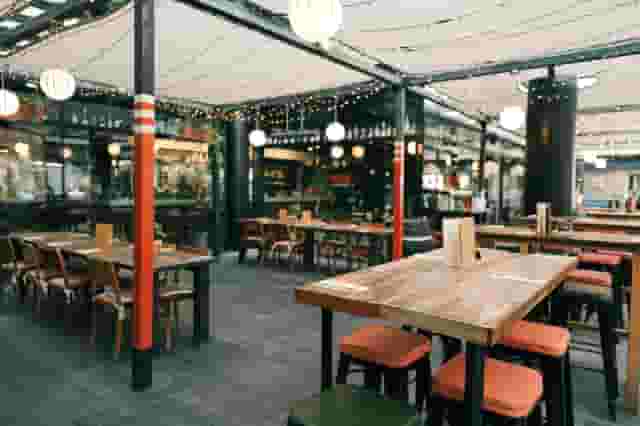
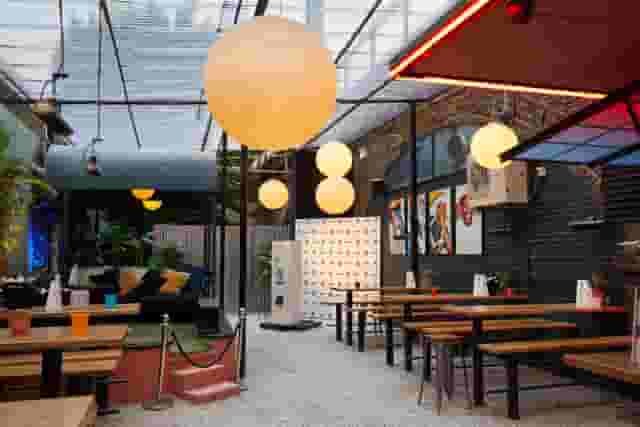
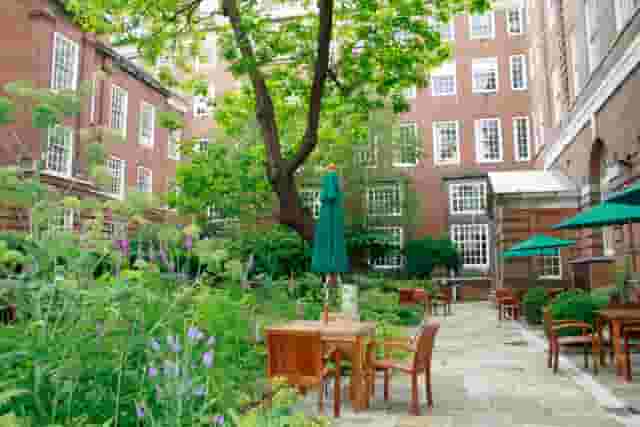
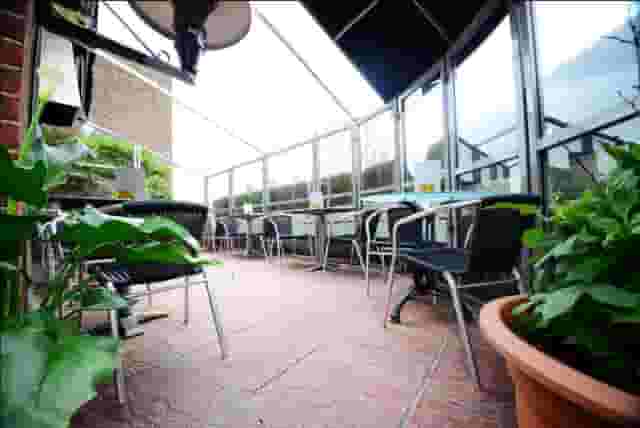
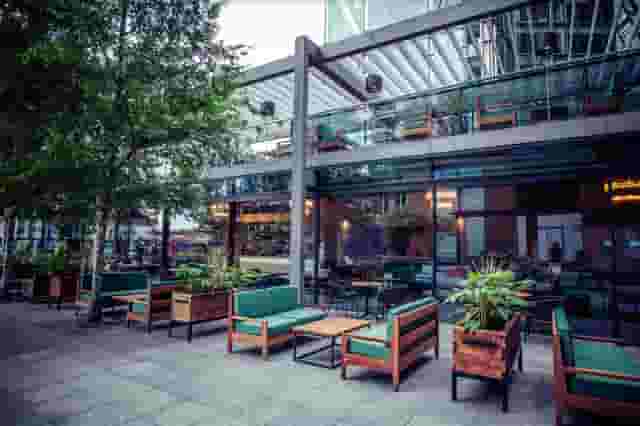
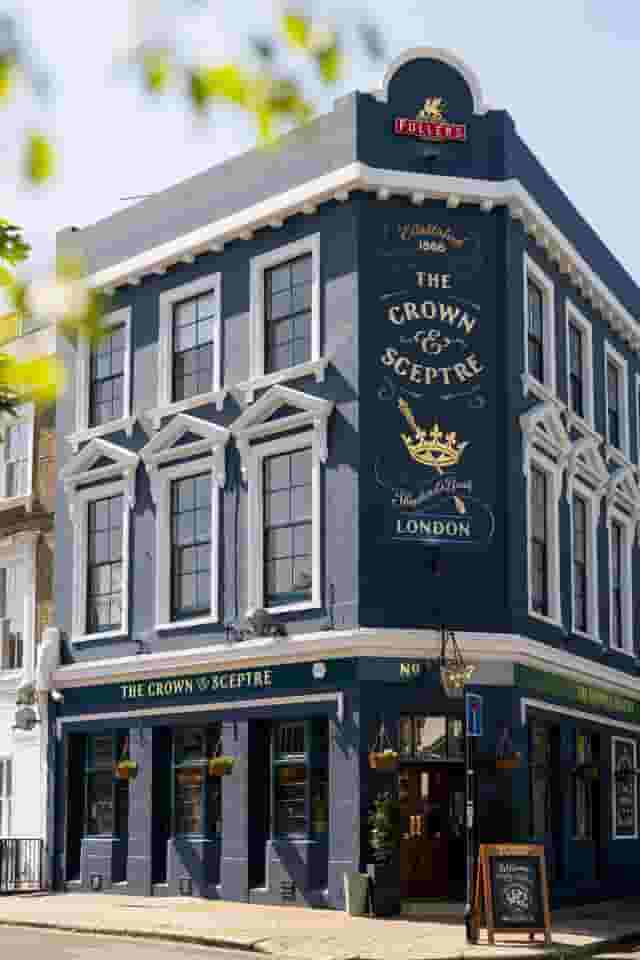
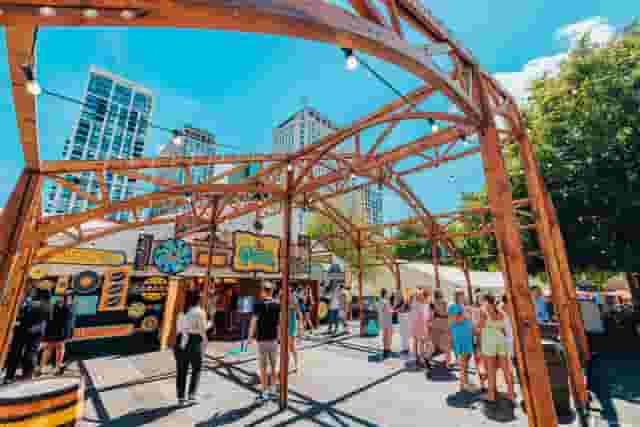
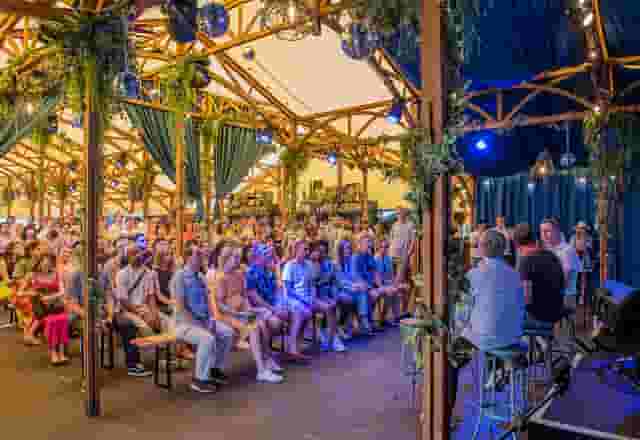
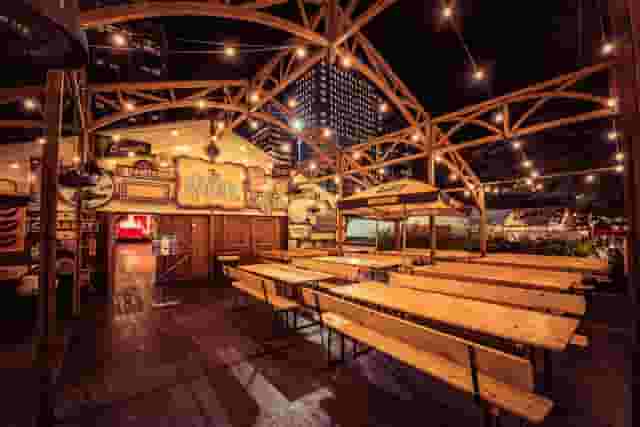
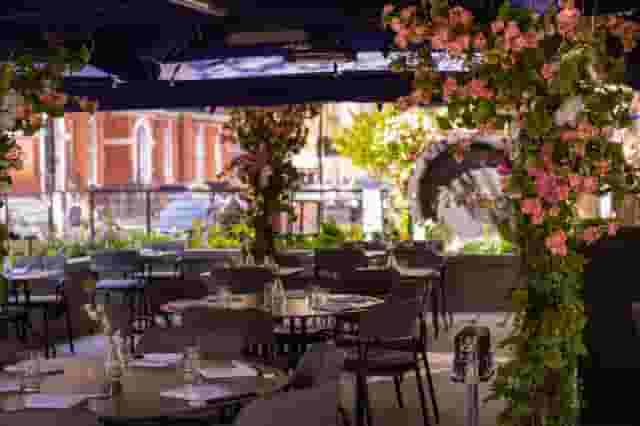
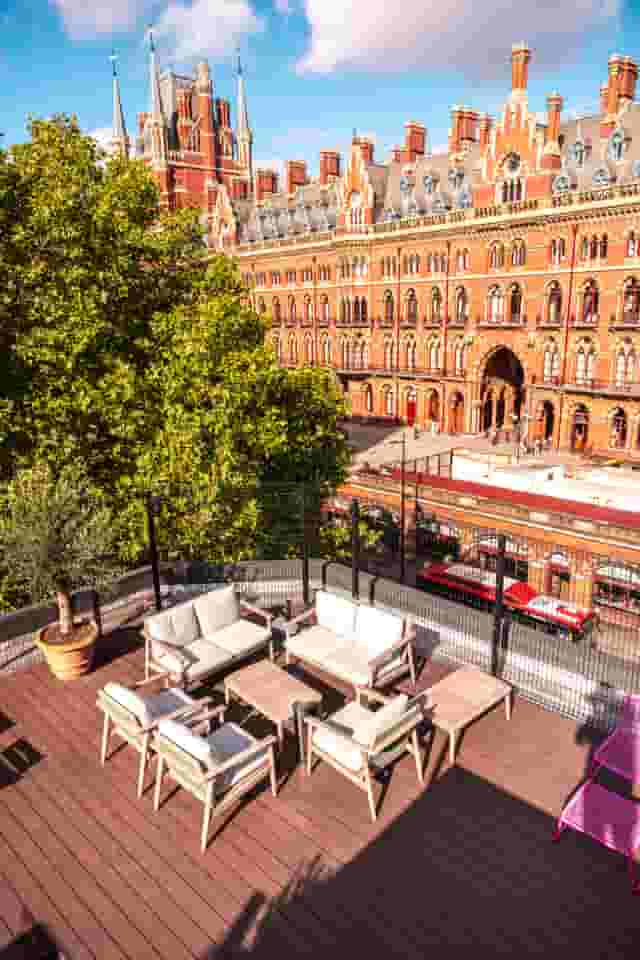
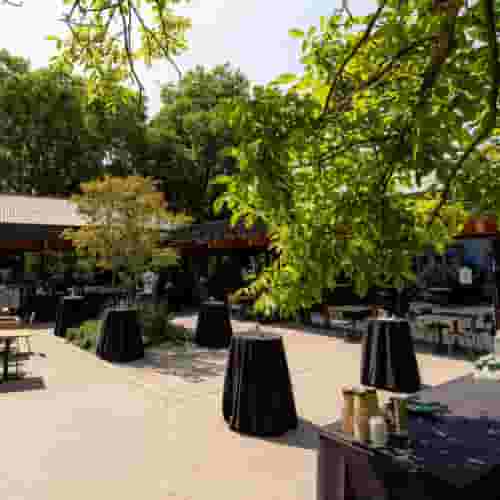
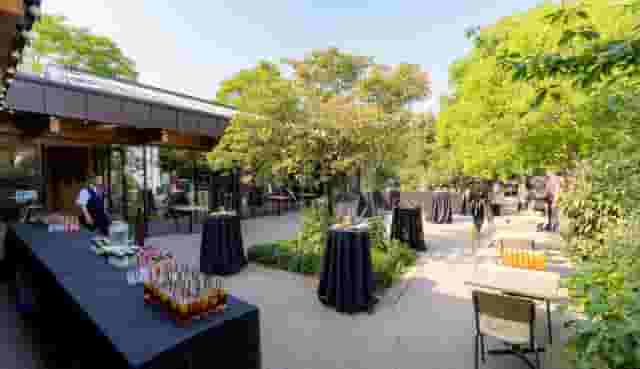
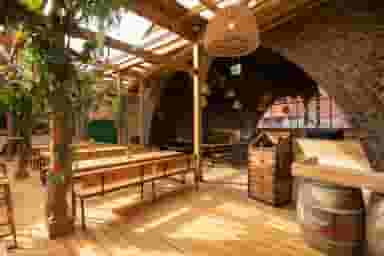
Indoor-outdoor spaces give evening parties a relaxed, seasonal mood, provided they are weatherproofed against British rain. In West Brompton, The Prince holds up to 750 standing guests across its pub rooms and large covered beer garden, framed by street-food kitchens that allow guests to eat casually throughout the night.
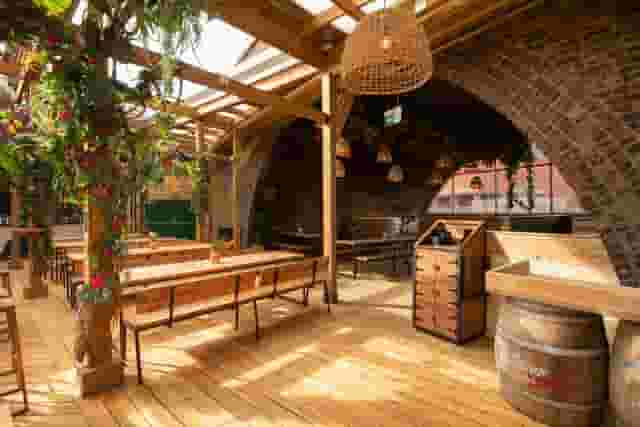
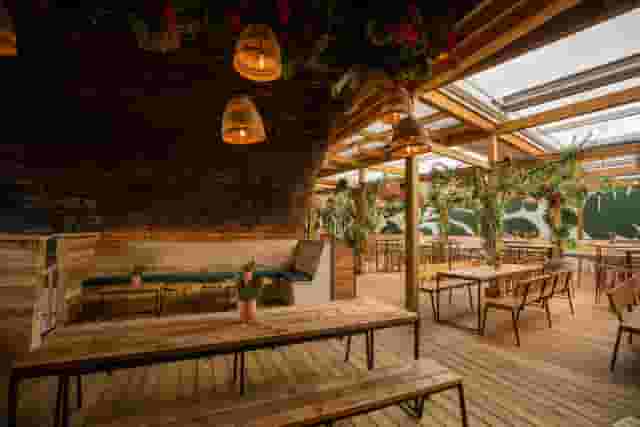
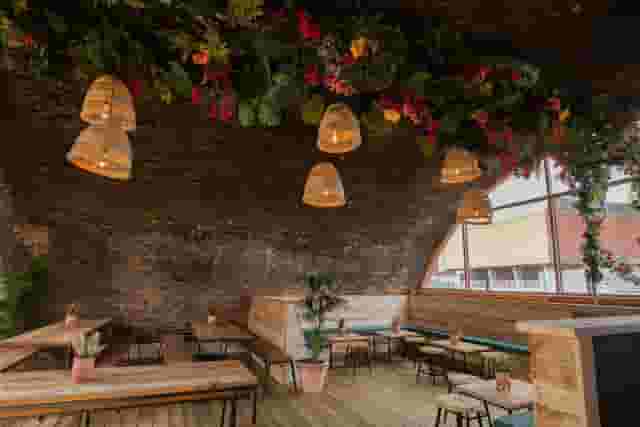
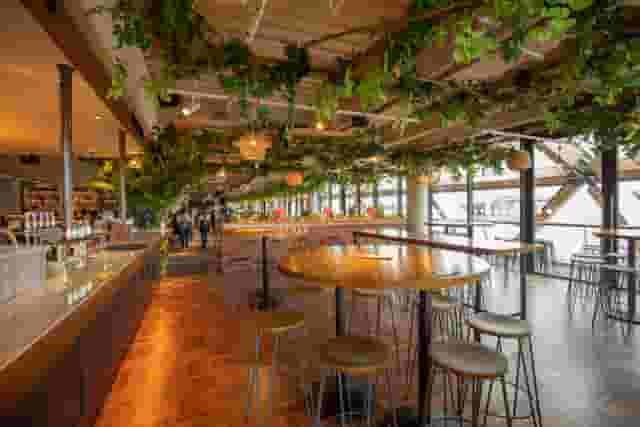
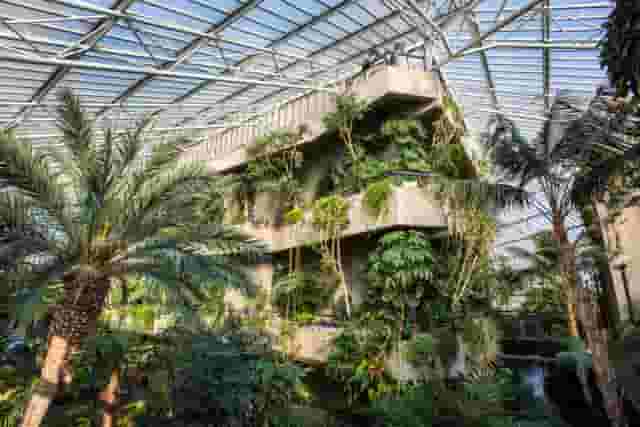
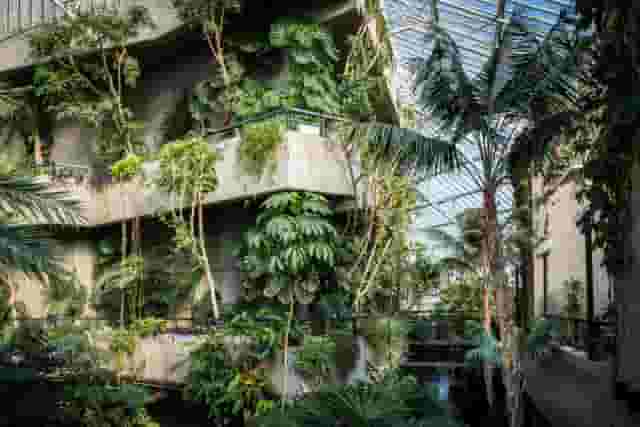
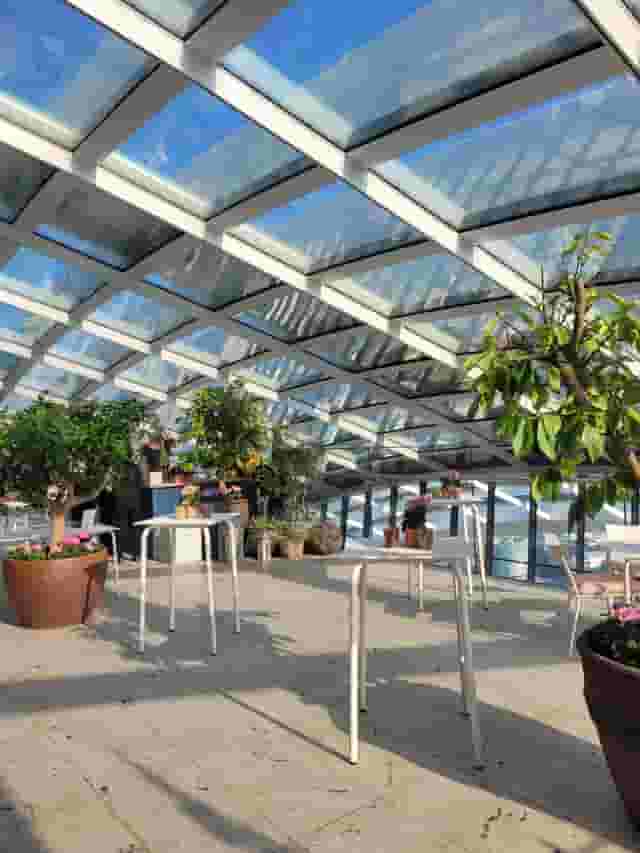
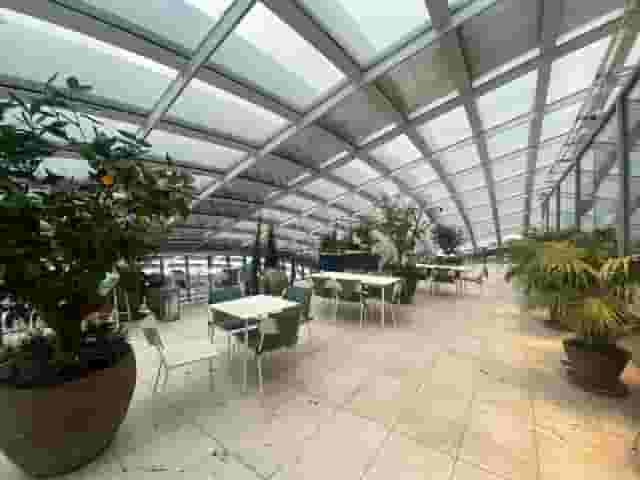
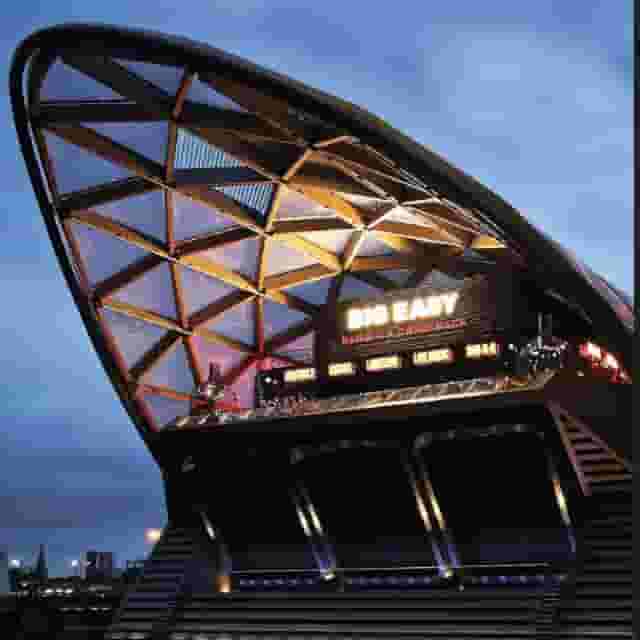
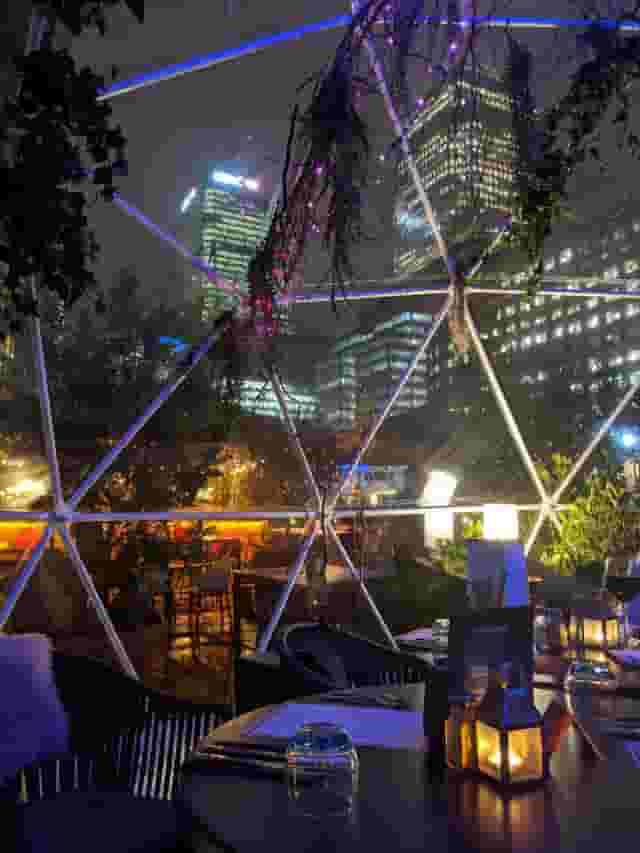
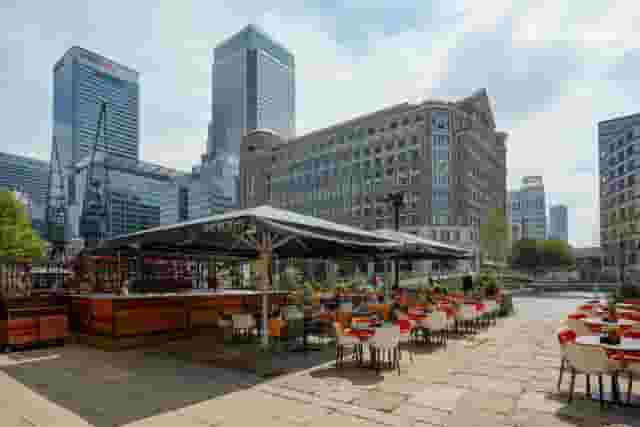
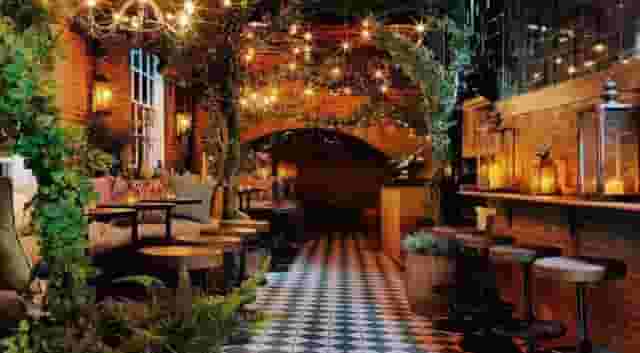
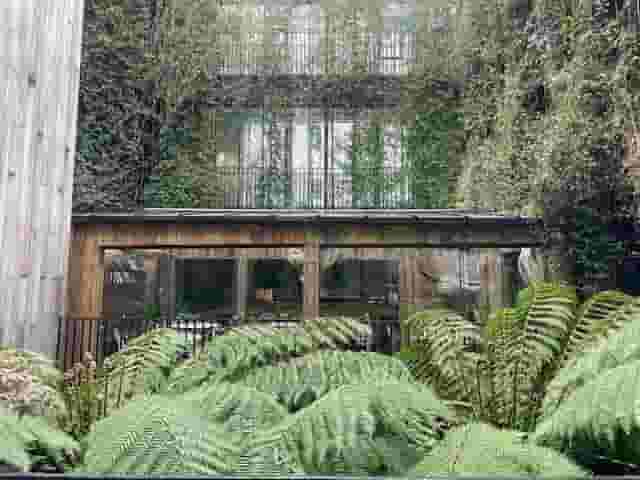
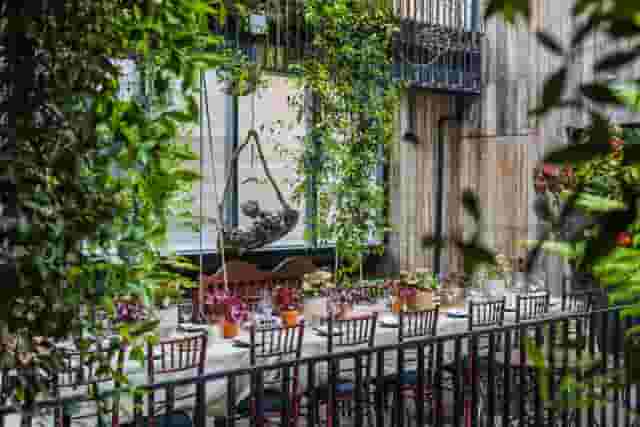
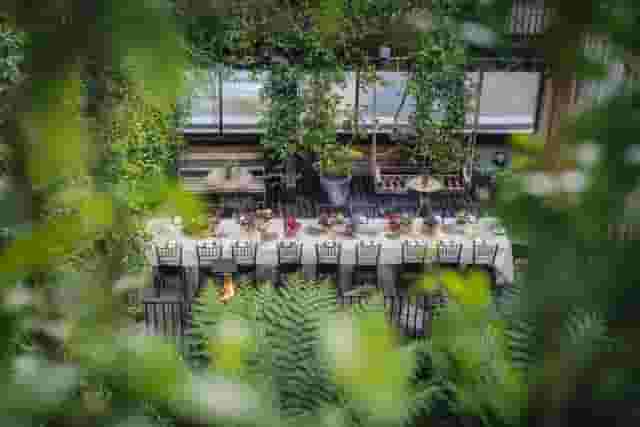
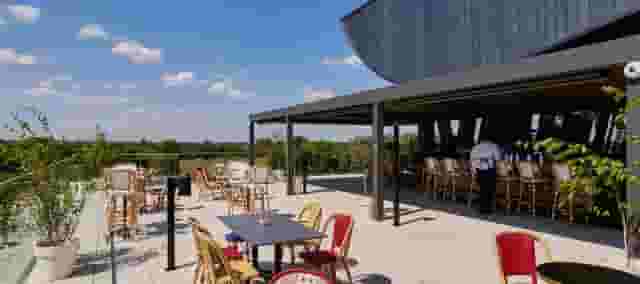
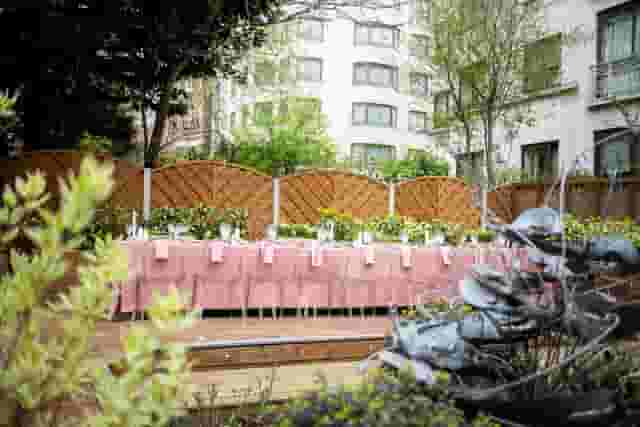
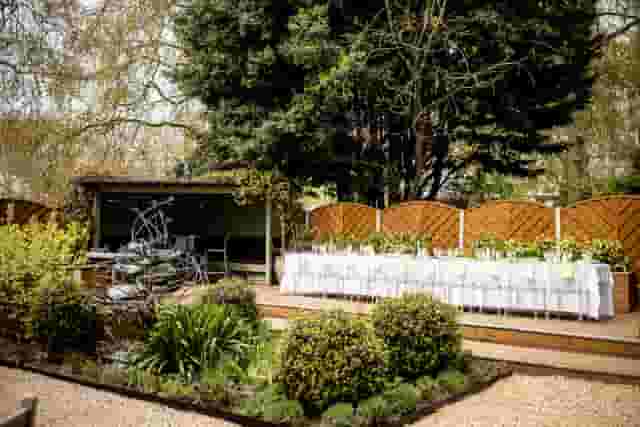
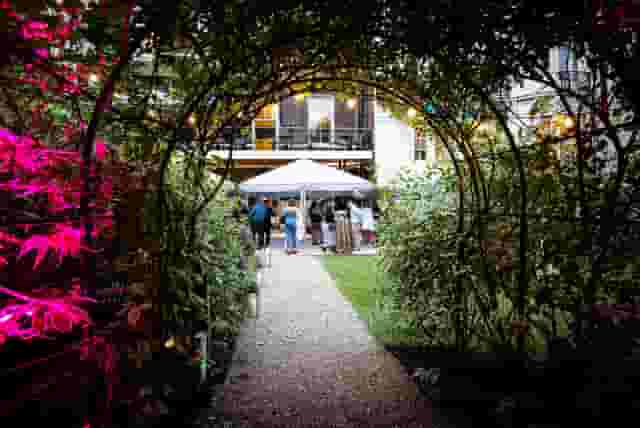
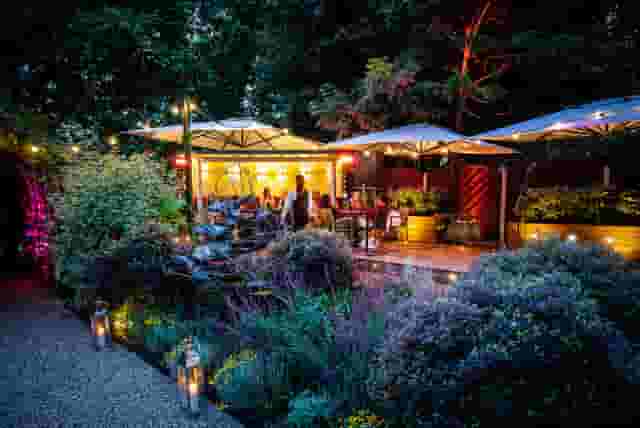
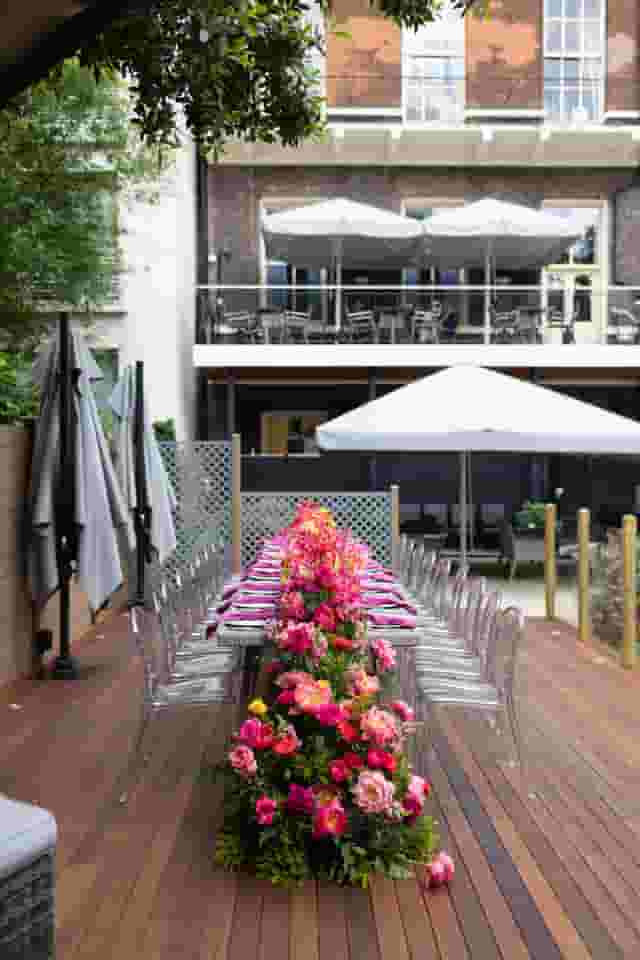
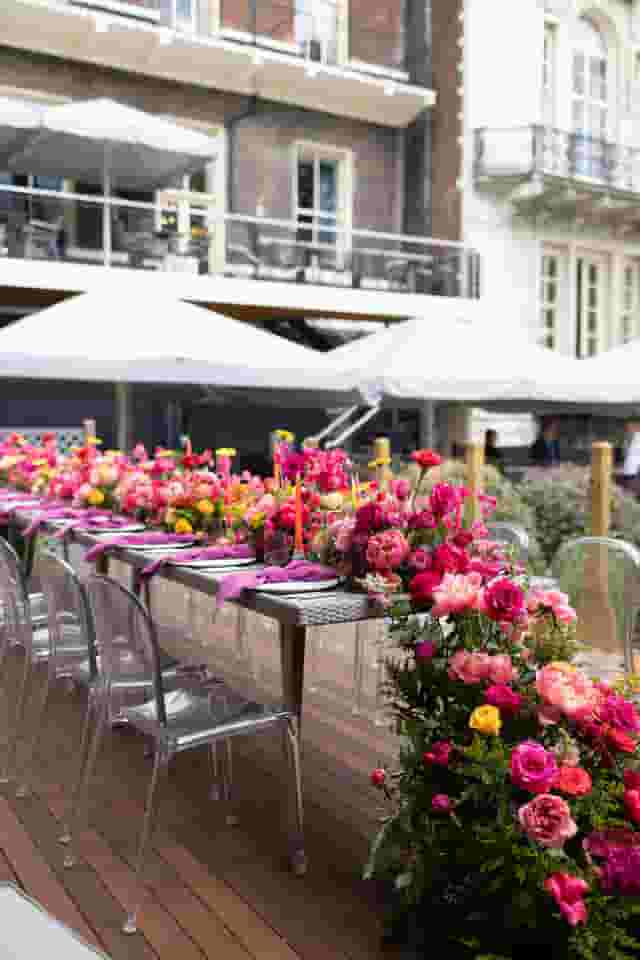
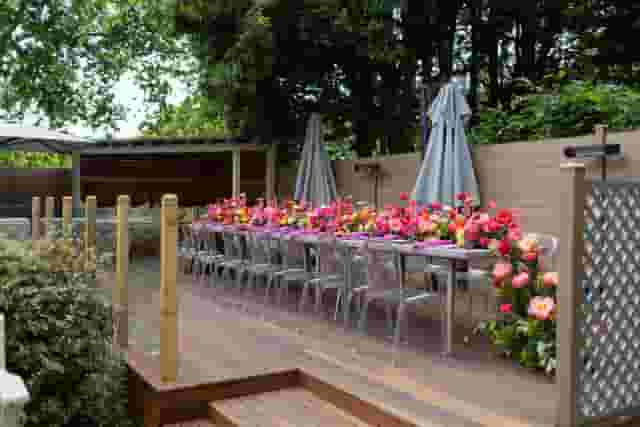
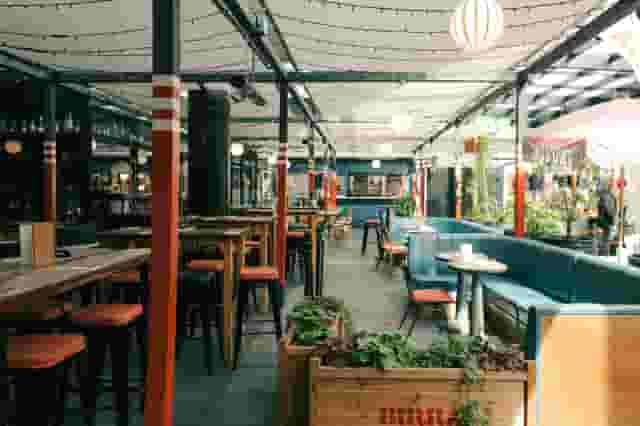
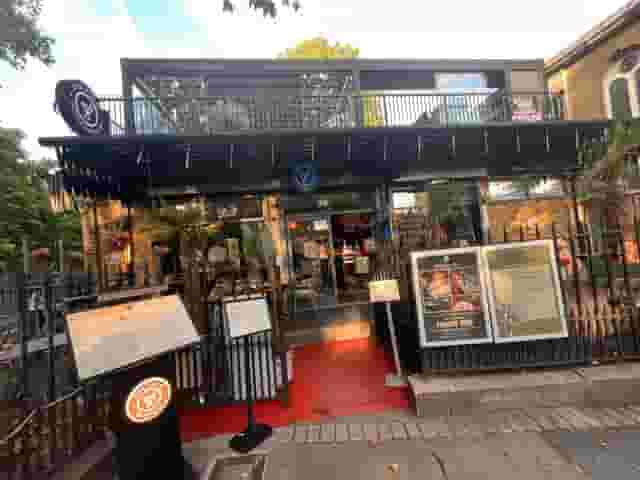
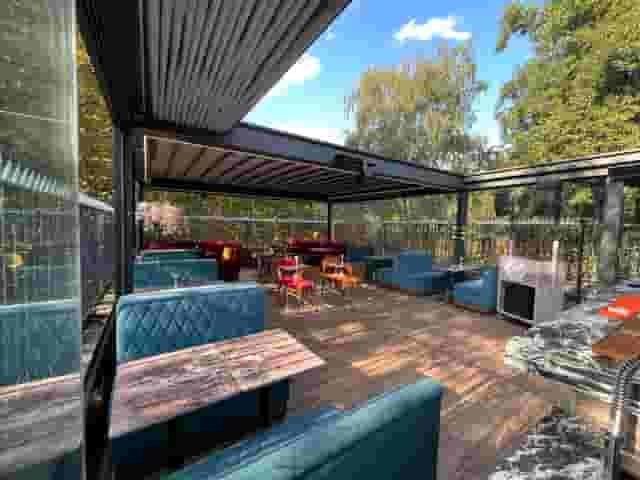
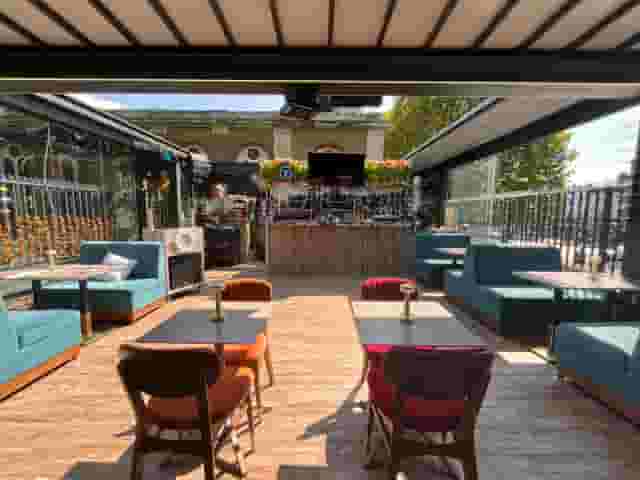
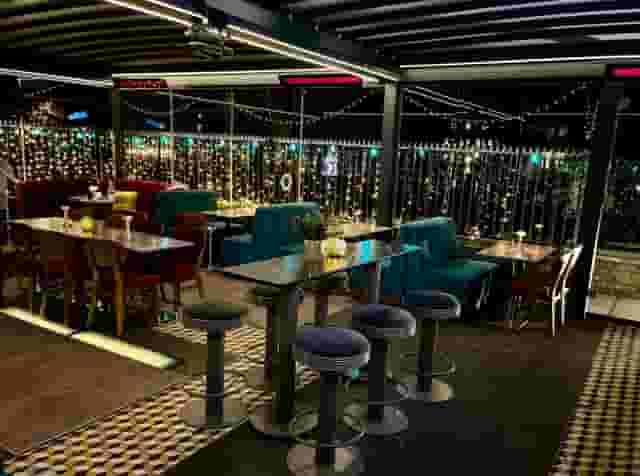
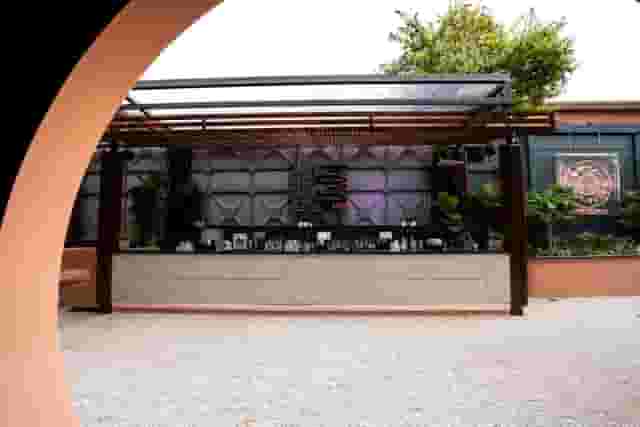
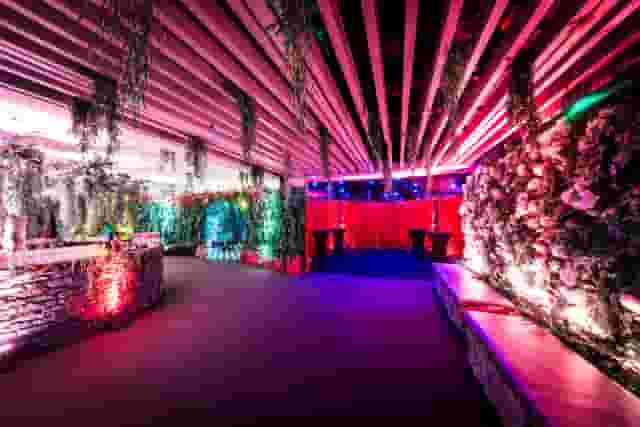
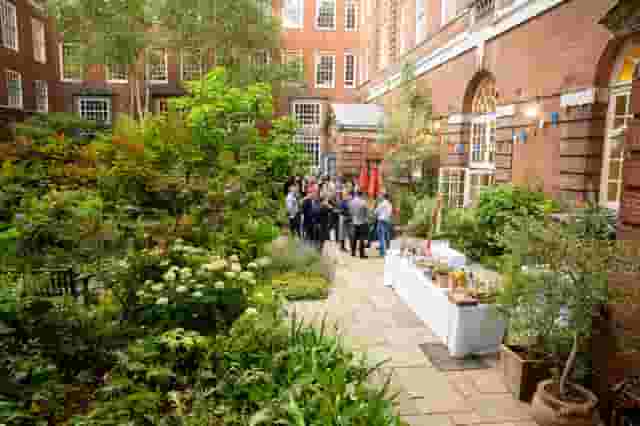
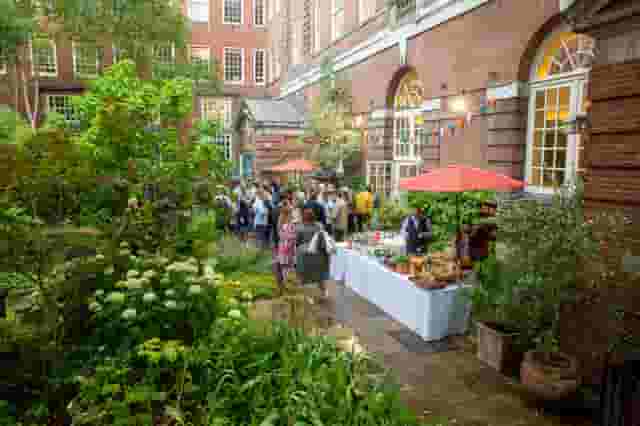
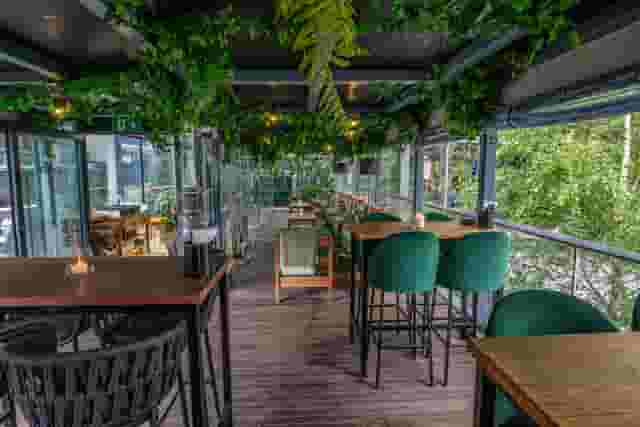
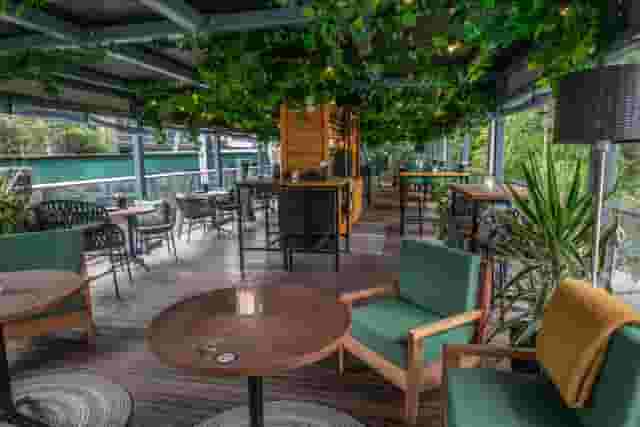
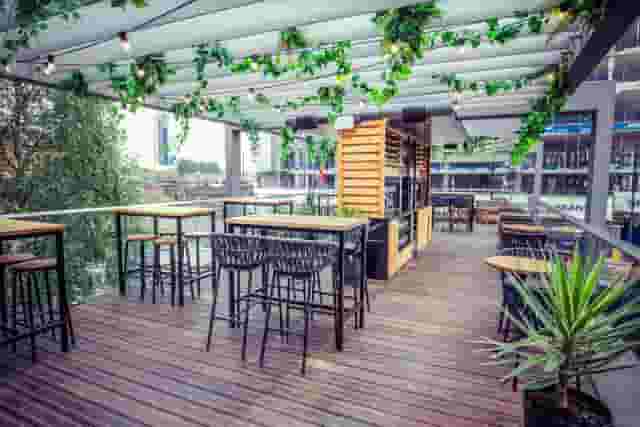
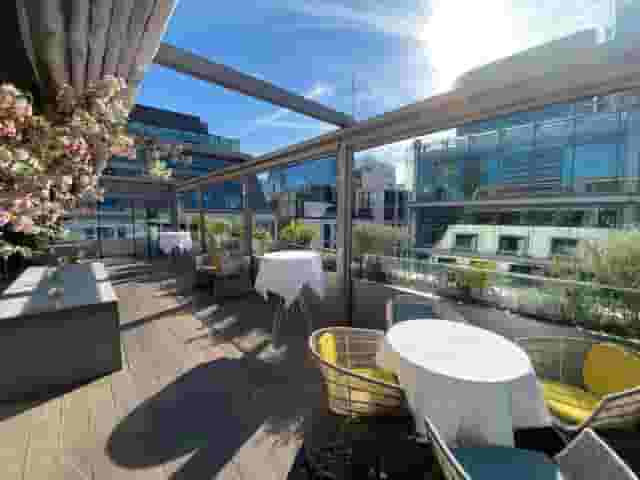
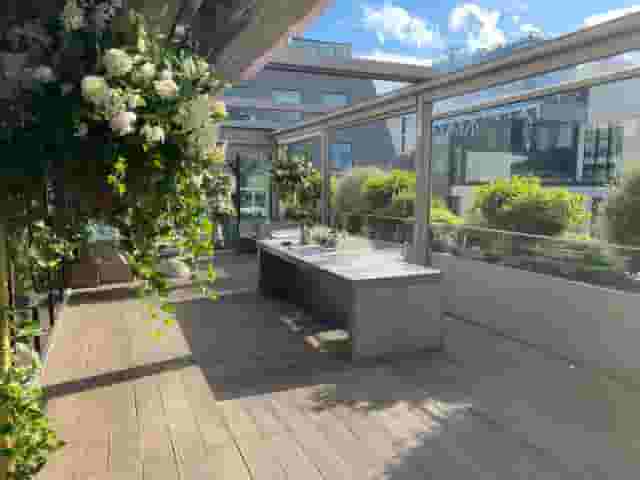
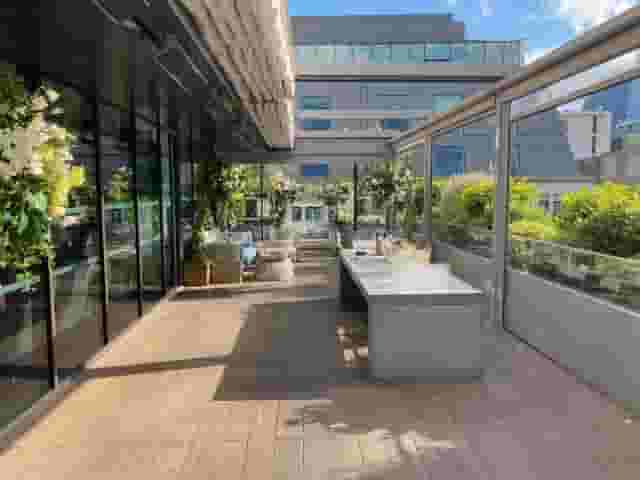
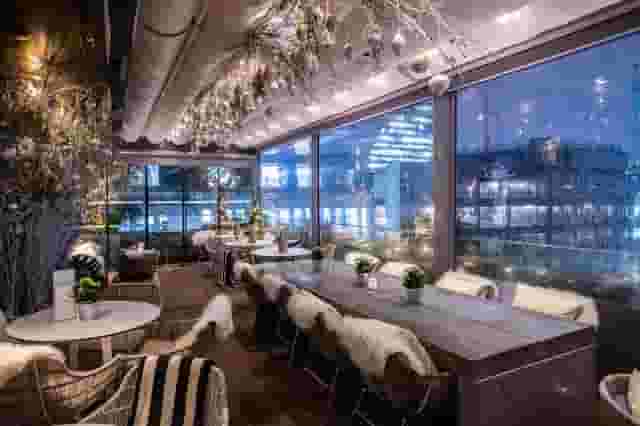
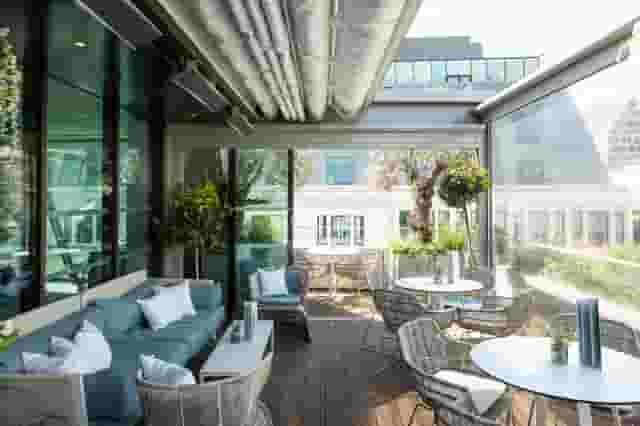
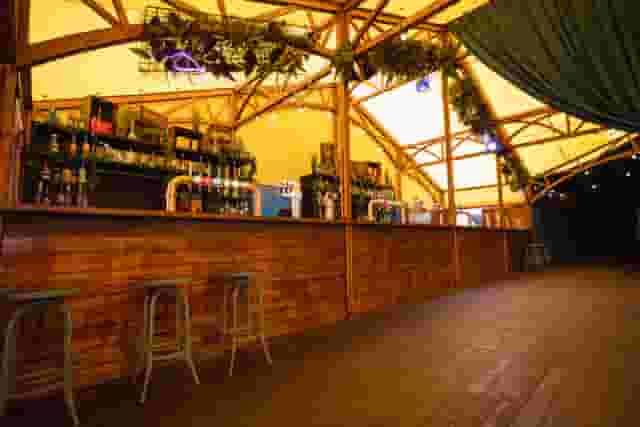
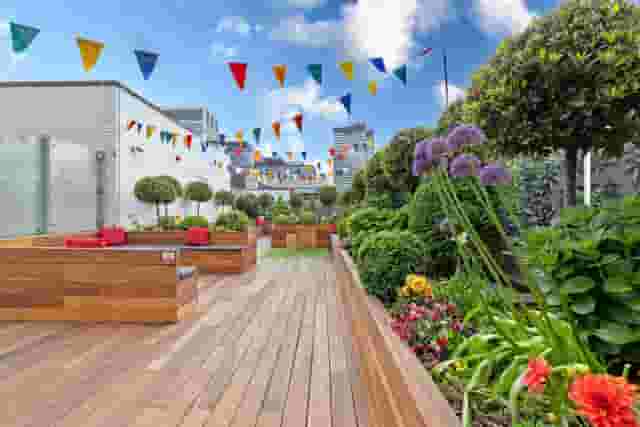
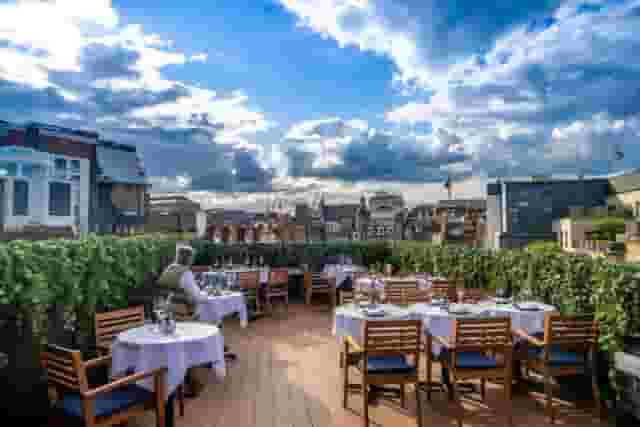
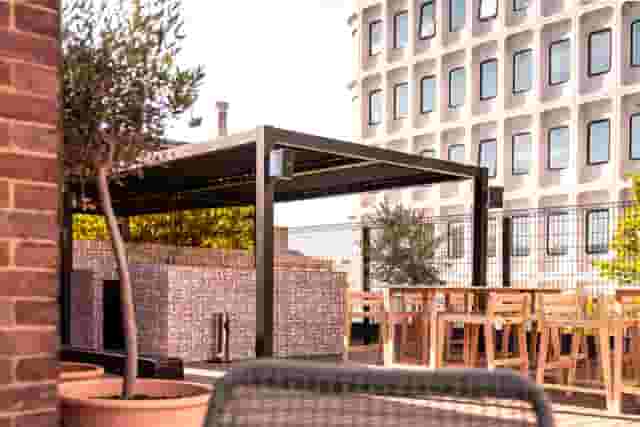
For smaller parties closer to the docks, Billingsgate at Pergola on the Wharf in Canary Wharf offers a botanical bar setting with panoramic views for up to 60 standing guests. Botanical venues save significant budget on styling, because living greenery, timber decking and festoon lighting provide an immediate atmosphere without additional floristry.
Subterranean chambers and historic cellars
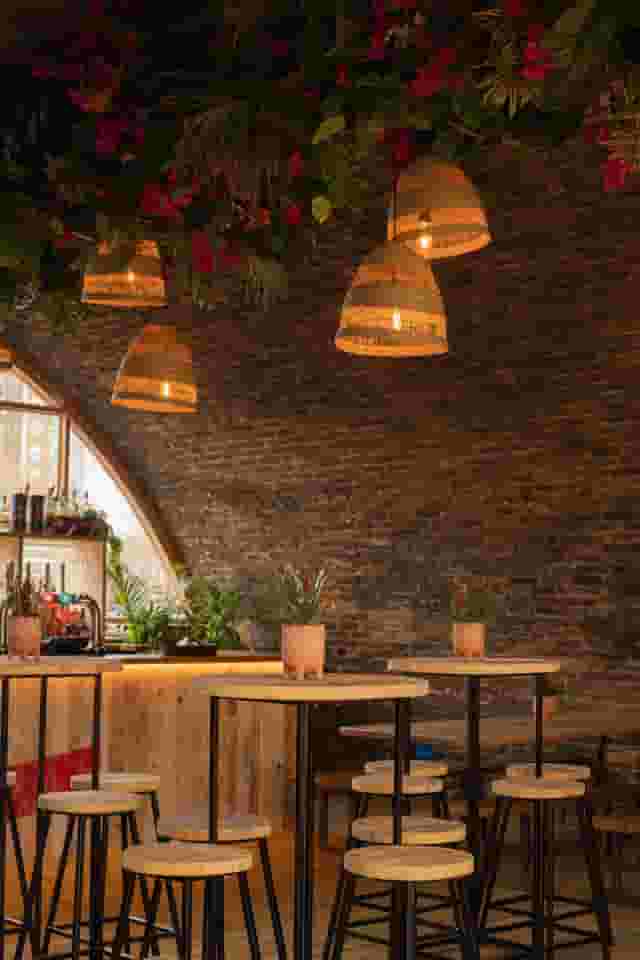
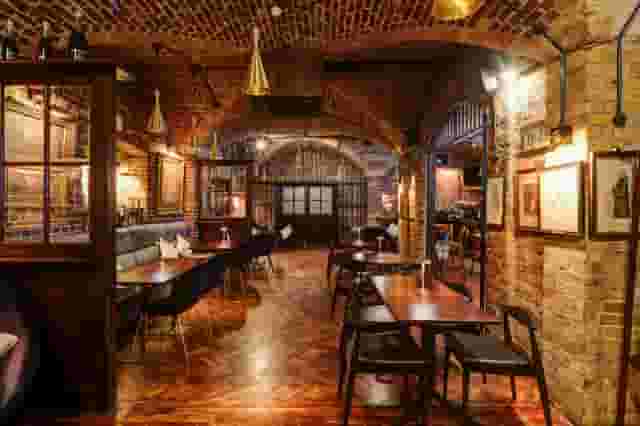
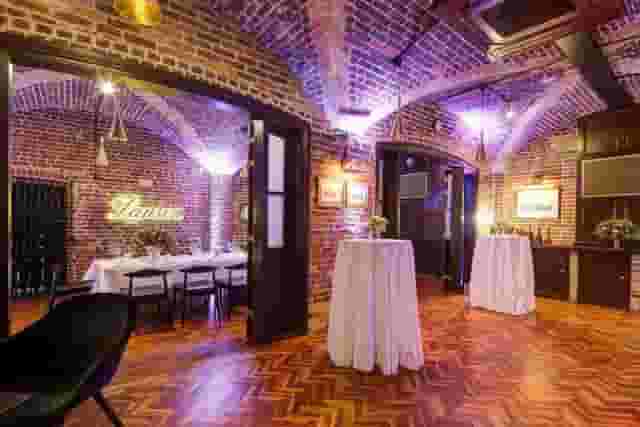
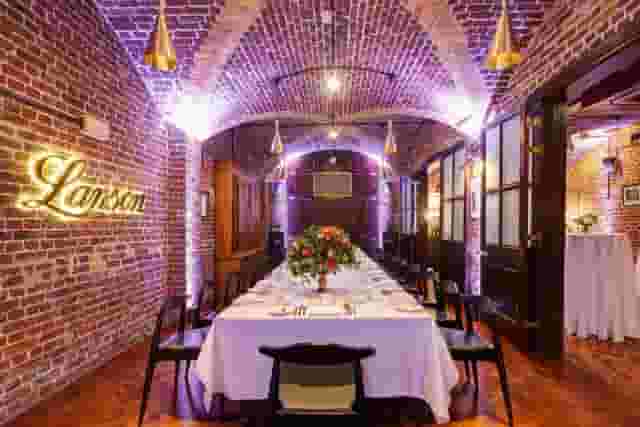
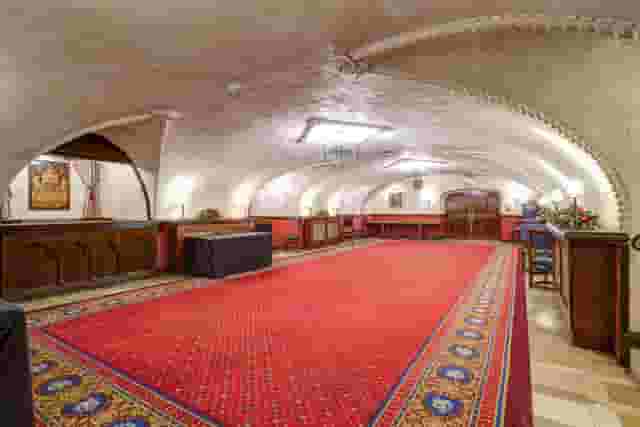
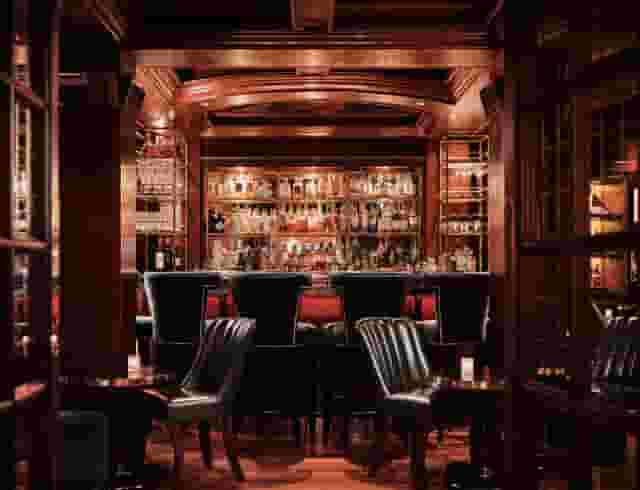
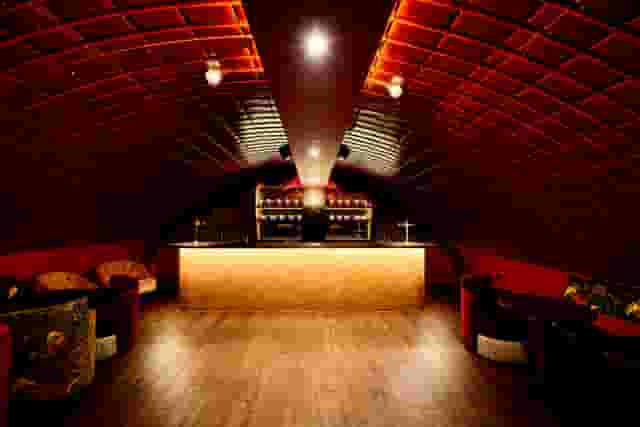
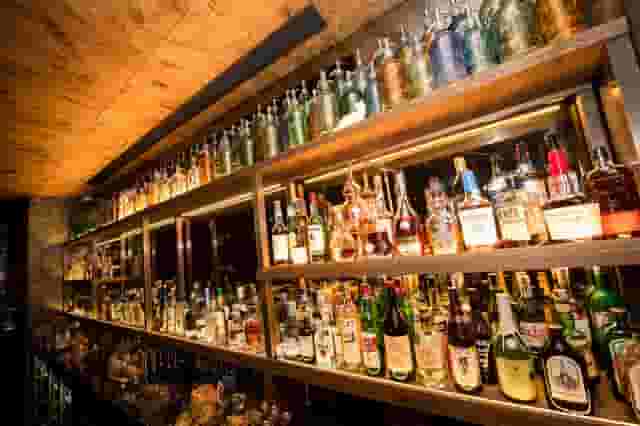
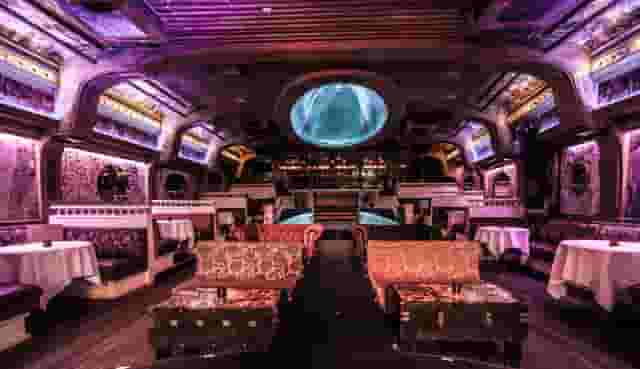
Basement cocktail dens and brick vaults create an immediate sense of discovery. Striking architecture below ground gives guests an exclusive feel from the moment they descend the stairs. In Westminster, the Champagne Bar at 116 Pall Mall holds up to 150 standing guests beneath restored vaulted brick ceilings. The exposed brick archways create intimate alcoves where smaller groups can sit and talk without feeling detached from the main party.
| Venue Style | Best Suited For | Key Operational Consideration |
|---|---|---|
| Industrial warehouse | Late-night dancing | Acoustic echo and supplemental heating |
| Entertainment bar | Mixed social groups | Circulation space around games tables |
| Botanical garden / covered roof | Casual food/drinks | Wet-weather covers and heating draughts |
| Subterranean vaulted bar | Intimate cocktails | Mobile signal and step-free lift access |
Planning the flow for drinks, food and dancing
The success of a private party depends on how your guests move through the space across three or four hours. A room that feels pleasantly energetic at 9:00 pm can quickly turn into a bottleneck if the bar is too narrow, the food service collides with the entrance, or the sound system leaves no quiet refuge for conversation.
Capacity numbers versus usable space
A venue's headline standing capacity rarely reflects how many people can comfortably party inside it when you add a DJ booth, a dancefloor and catering stations. A room rated for 150 people standing might only support 90 or 100 once you leave clear sightlines, bar service queuing lanes and space for guests to put down drinks.
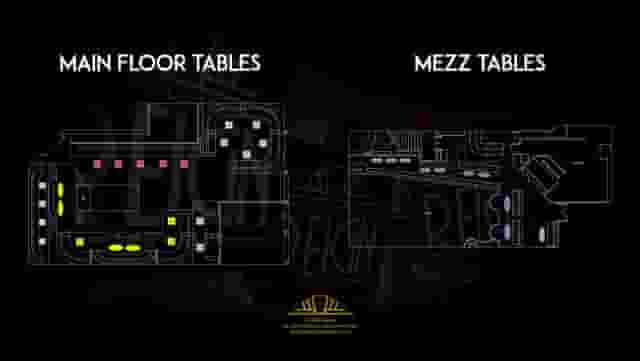
For an intimate gathering of around 80 people, look closely at how the floor divides. If you book an open cavern built for hundreds, 80 people will feel lost and the party will struggle to generate momentum. Conversely, putting 80 guests into an eccentric basement room with heavy architectural pillars can split your group into isolated pockets. Ask for a floor plan showing where fixed structural posts, raised steps and bar counters sit before confirming numbers.
Structuring food service around the party
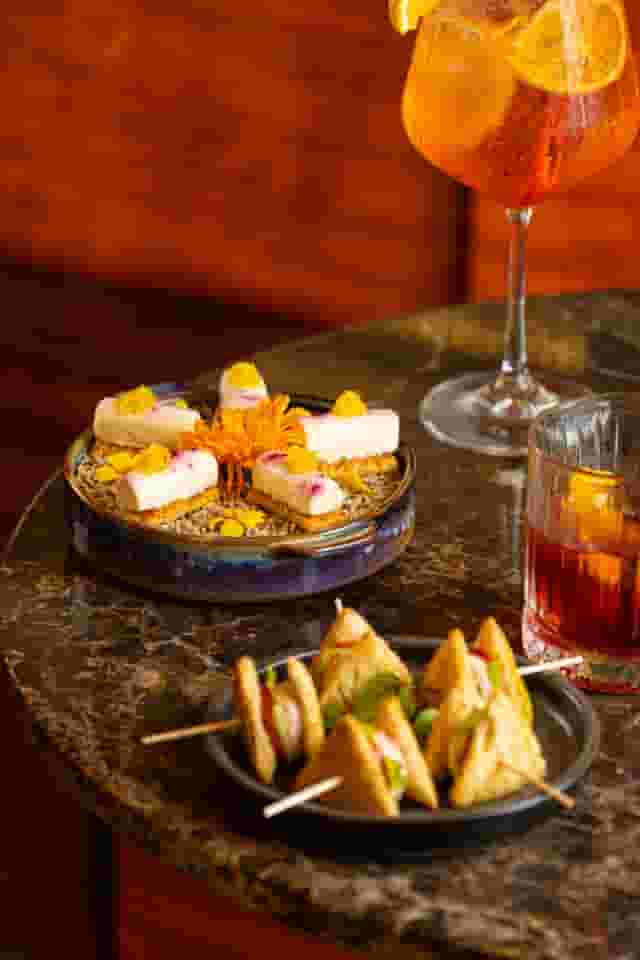
Formal seated dinners demand fixed arrivals, synchronized courses and substantial floor space for tables and service paths. For a high-energy social party, bowl food, grazing tables and street-food counters work far better. They let guests eat standing up with a drink in hand, encouraging continuous movement and conversation.
When planning food in an unusual space:
- Choose menu items that require only a fork or can be eaten cleanly as finger food.
- Scatter poseur tables and small ledges around the room so guests have somewhere to set down glasses and plates.
- Spread food stations across two distinct spots rather than one central buffet table, which prevents long queues from choking the room.
- Schedule food service for 45 to 60 minutes after the main arrival time, ensuring late arrivals do not miss out while early guests have already secured a drink.
Sound, lighting and AV checks
Never assume that an in-house sound system configured for background daytime music can handle a live DJ or a late-night party set. Some spaces have strict decibel limiters wired directly to the mains power: if the volume crosses a set threshold, the electricity cuts out automatically.
Ask the venue manager what sound hardware is installed, where the inputs sit and whether a soundcheck is permitted before guests arrive. You should establish whether the venue has handheld wireless microphones for speeches, whether lighting scenes can be dimmed as the evening progresses, and who controls the sound levels during the night. A dedicated sound technician on site prevents frantic troubleshooting when a DJ plugs in gear with mismatched connectors.
Personalisation without clutter
Eccentric venues carry their own visual weight. Adding excessive decorations often clutters the architecture rather than improving it. Focus your effort on a few coordinated touches that work with the room:
- Coloured uplighting pointed at bare brick, steel columns or vaulted ceilings changes the mood instantly without taking up floor space.
- Bespoke printed cocktail menus or directional signs add a personal stamp at key guest touchpoints.
- Check the venue's policy on naked flames, hanging installations and vinyl floor decals. Many historic or listed spaces ban real candles, glitter, tape and wall fixings entirely.
Understanding party venue costs and quote structures
Pricing for private parties across London varies significantly depending on whether a venue operates on minimum spends, dry hire fees or inclusive per-person packages. Based on 14 quotes from the venues on this page, typical pricing for social parties sits between £71 to £150 per head. This figure is indicative, and estimated from what these venues have charged for similar events, assuming a party size of about 80 guests. If you want to test realistic numbers before reaching out to spaces, venue booking platform Hire Space provides instant price estimates based on real booking data, backed by a team of real people who help you navigate the quotes. It can also suggest similar unusual spaces at a lower price point if your first choice stretches the budget.
| Pricing Tier | Typical Inclusions | Common Additional Costs |
|---|---|---|
| Towards the £71 end | Standard bar spend or entry pack; basic venue hire; simple drinks | Security fees, late-licence fee, external catering buy-outs, AV hire |
| Towards the £150 end | Substantial food (bowl/street); premium open bar; basic staffing | Extended DJ hours, specialty bars, cloakroom staff, bespoke lighting |
Quotes towards the £71 end of the range often reflect either minimum bar spends where basic drinks make up the bulk of the commitment, or entry-level food and drink packages during off-peak evenings like Tuesdays or Wednesdays. At this end, you may need to pay separately for venue security, cleaning crews and AV equipment hire.
Quotes towards the £150 end typically provide comprehensive packages covering several hours of unlimited house wine, beer and soft drinks, a substantial spread of bowl food or street food, professional service staff and standard furniture.
Minimum spends versus dry hire
Venues that operate existing bars or restaurants usually prefer minimum spend agreements. You pay a deposit upfront, and as long as your guests drink and eat enough across the evening to reach the agreed target, you pay no separate room hire fee. If your party falls short of the target at closing time, you must pay the remaining balance out of pocket. Ensure you know whether service charges (typically 12.5% to 15%) and VAT count towards your minimum spend target or sit on top of it.
Dry hire is more common in raw warehouses and historic halls. Here, you pay a flat fee purely to open the doors. Everything else (catering, bartenders, alcohol, glassware, refrigeration, ice and rubbish disposal) must be brought in by you or your chosen suppliers. Dry hire offers complete creative freedom over what you serve, but production logistics add up quickly.
Overlooked operational costs
When reviewing party venue contracts, watch for these common extra line items:
- SIA security staff: Most London venues require licensed door staff for evening parties with alcohol, typically charging an hourly rate per guard with a four-hour minimum shift.
- Late licence surcharges: If the venue holds a standard licence until 11:00 pm, extending to 1:00 am or 2:00 am may incur council application costs and additional staff charges.
- Post-event deep cleaning: A flat cleaning fee is standard, but venues can levy substantial penalty charges if guests use confetti, glitter or smoke machines without prior consent.
- Storage and collection fees: If you cannot remove your decorations, DJ equipment or hired props immediately at the end of the night, venues often charge overnight holding fees.
Licences, timings and managing the curfew
Licensing dictates how your night ends. London boroughs enforce local noise abatement rules strictly, particularly in mixed residential neighbourhoods like Angel, Shoreditch or Brixton. A venue located directly beneath flats will have far tighter noise limits and earlier street curfews than a standalone warehouse in a commercial retail zone.
Understanding licence cut-offs
Pay close attention to the difference between the alcohol cut-off, the music curfew and the guest departure time:
- Last orders at the bar: Usually set 30 to 45 minutes before guests must leave the building.
- Music fade: Venues routinely reduce volume and switch to ambient tracks 20 minutes before closing to encourage a smooth, orderly exit.
- Building curfew: The exact time everyone, including hosts and external organisers, must clear the space.
If your contract states a midnight finish, your DJ must stop playing by 11:45 pm, the bar will shut by 11:30 pm, and your guests must be out on the street by 12:00 am. Failing to clear the room on schedule can trigger overtime penalty rates that get deducted from your damage deposit.
Outdoor and terrace restrictions
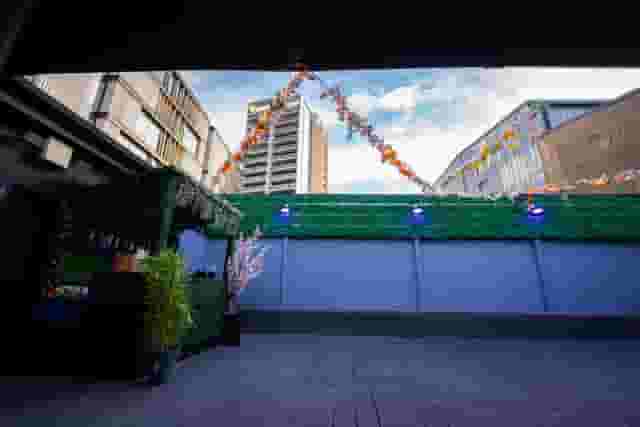
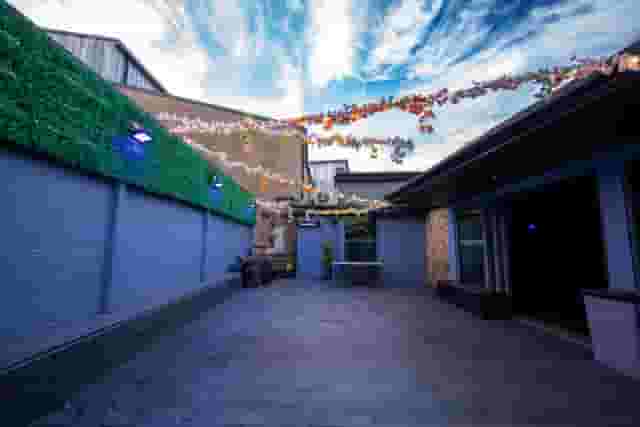
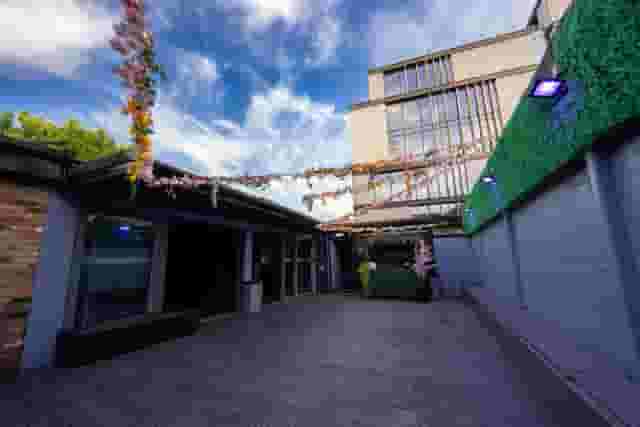
If your chosen venue features a rooftop, courtyard or garden terrace, ask specifically about outdoor operational hours. Most London venues are legally required to shut external terraces and move all guests indoors by 9:00 pm or 10:00 pm to protect neighbouring residents from noise. If your vision involves an open-air summer party that runs well into the night, ensure the venue has an indoor backup space ready to absorb the full guest list when the terrace closes.
Practicalities, accessibility and getting home
A quirky setting loses its charm immediately if your guests cannot find the entrance, struggle with access, or face transport nightmares when leaving late at night.
Step-free access and physical navigation
Eccentric venues frequently feature uneven floor surfaces, narrow spiral staircases, low lighting and maze-like corridors. Converted basements and Victorian arches are especially prone to accessibility bottlenecks.
Before paying a deposit, walk the venue through the eyes of all your guests:
- Is there a reliable passenger lift, or does reaching the room require navigating multiple flights of stairs?
- Are the accessible toilets situated on the same floor as the main party, and are they kept unlocked during private events?
- Is there an area with lower ambient noise and softer lighting where older relatives or sensory-sensitive guests can sit down comfortably?
- Can the venue accommodate assistance dogs, and are service routes wide enough for wheelchair mobility?
Clear information shared on your invitations helps manage expectations early. Tell guests whether the venue features cobbled floors, steep entrance stairs or dimly lit corridors so they can choose practical footwear.
Transport connections and late-night departures
Party guests rarely stay until the end if getting home feels daunting. When shortlisting venues, check their proximity to major Underground, Overground and Night Tube connections. Central hubs like Liverpool Street, Paddington and King's Cross give guests reliable rail and tube options in all directions, making arrivals effortless.
For venues situated further out or away from main tube corridors, consider how guests will depart after midnight:
- Is there a safe, well-lit street frontage where black cabs can stop or app-based cars can pull over without blocking traffic?
- Does the venue have a dedicated indoor waiting area or a sheltered lobby for guests waiting on rides in wet weather?
- Are local bus routes operating regular night services nearby?
Reviewing these logistical details alongside the quirky character of the room ensures your private party runs smoothly from the first drink to the final farewell.
What our customers say
Inspiration and planning guides

Watch a real brief turn into priced, available venues in 15 minutes
Chloe Richardson has spent 17 years in events. We gave Deep Venue Research one of her briefs and filmed every step, from the first questions to availability checked at the venues she chose.

Simple Events Win: Why Restraint Beats Spectacle
Budgets are tight and audiences want connection over spectacle. The events that land in 2026 are the deliberately simple ones. Here is how to edit rather than cut, grounded in the 2026 industry data, and why the right venue does the heavy lifting.

Why UK Event Calendars Got So Tight (And How to Book Smarter)
Lead times for UK corporate events are up 39% since 2022, based on Hire Space booking data. The calendar is tighter, conversion rates fall sharply when you leave it late and the peak windows are getting more crowded. Here is what the numbers say and what to do about it.
One supplier. Every venue. Full visibility on what you spend.
Multiple venues and events. One agreement.