The Human Advantage: Why Authentic Connection Is Your Event's Greatest Asset

The rarest thing in business
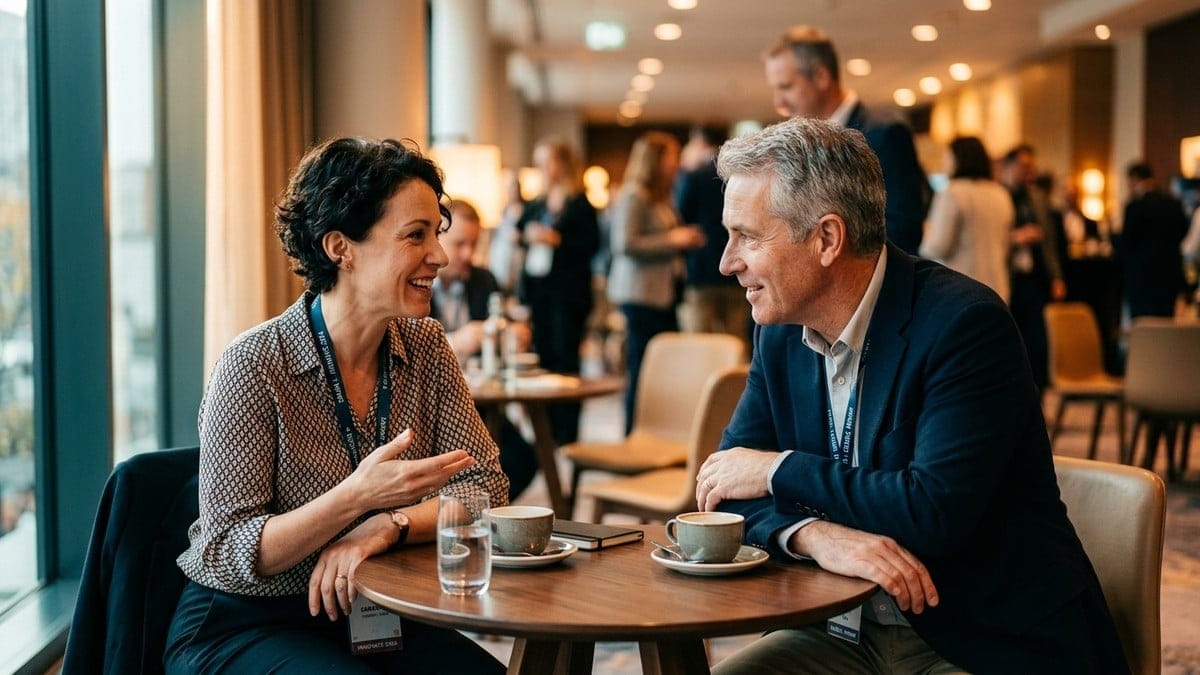
Something unexpected is happening in 2026. In a world saturated with AI-generated content, automated outreach and digital-first everything, authentic human connection has become one of the scarcest and most valuable commodities in business.
Colja Dams, one of the most respected figures in the global events industry with over 30 years' experience, framed it perfectly at Event Tech Live 2025: "In this area of white noise, there is only one opportunity to really break out of it. And this is in real life. Only in live events are you in control. You own the event, what's happening - it's true authentic connections. It's about trust and impact."
Social media adoption among young professionals has plateaued (Pew Research, 2024). Trust in digital content is declining, 68% of consumers say generative AI makes it harder to trust what they see online (Salesforce, 2024). And yet, demand for live events is rising. Research from the Freeman Gen Z Report 2025 found that 91% of Gen Z professionals consider in-person events essential for building skills and advancing their careers, and 79% of 18-to-35-year-olds plan to attend more events in 2026 (Eventbrite Social Study, 2026).
For event professionals, this represents a profound opportunity. The very thing that makes your work demanding, the complexity of bringing real people together in real spaces, is precisely what makes it irreplaceable. But only if you design for genuine connection, not just attendance.
It's not about the content (and the data proves it)
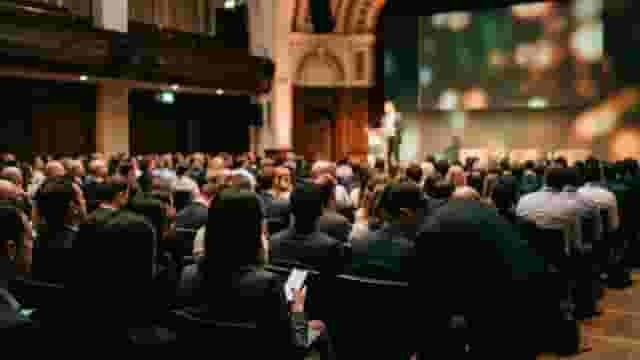
If human connection is the product, too many events are still packaging it badly. The traditional conference format, a day of panel discussions, a networking break with bad coffee, a closing keynote, isn't designed for meaningful connection. It's designed for content delivery, and in 2026, content is the one thing nobody needs more of.
Christine Renaud, CEO of Braindate, was blunt about this at Event Tech Live 2025: "Folks don't come to events for the content anymore. They can sit and have the content. They really come to see each other and talk to each other. They want more thoughtful, meaningful connection that will propel them, their business, their community forward."
The data backs her up. Research on memory retention, dating back to Ebbinghaus's forgetting curve, shows that passively received information is rapidly forgotten without reinforcement or emotional engagement. Attendees leave with notebooks full of ideas that never translate into action. The industry is spending billions delivering content that doesn't stick, at the expense of the interactions that actually change behaviour and build relationships.
Christine identified the root cause: "One of the biggest pitfalls is the impression as event professionals that we provide value when we provide content. So the idea that every single minute has to have something, a content, a conference, something going on. But collaborative learning, experimentation, innovation takes space. It takes time."
The events that stand out, the ones people talk about months later, that genuinely shift thinking and create lasting connections, are the ones that prioritise experience design over content delivery. They create the space, the structure and the permission for real conversations to happen.
Hire Space Top Tip:
Apply the 60/40 rule to your next event programme: 60% facilitated interaction and connection, 40% curated content. Flip the traditional ratio and watch engagement transform. Your attendees didn't travel for a podcast they could have listened to at home, they came for the conversations that only happen in the room.
The neuroscience of memorable events
Why do some events stay with people for years while others are forgotten before the taxi home? Lisa Schulteis, an event strategist with a background in neuropsychology, explained the science: "Only emotionally tagged experiences become memories. So if there's no emotion, either positive or negative, the brain doesn't actually bother encoding it. This is where novelty matters. This is where multisensory experiences matter."
This has profound implications for how we design events. If memory formation requires emotional engagement, then every design decision, from venue selection to programme structure to the sensory environment, should be evaluated through the lens of emotional impact. Does this space evoke curiosity? Does this format create surprise? Does this interaction build genuine trust?
Lisa's warning about technology was equally clear: "Tech that competes with attention destroys the experience that it's meant to enhance." A push notification during a powerful keynote. A complex app that distracts from the conversation happening across the table. Technology should amplify the emotional experience, not interrupt it.
Her summary is a principle every event professional should pin above their desk: "The brain doesn't remember everything. It remembers what you design it to remember."
Designing for connection, not just attendance
Creating genuine human connection at events doesn't happen by accident. It requires intentional design, and that means rethinking everything from venue layout to programme structure.
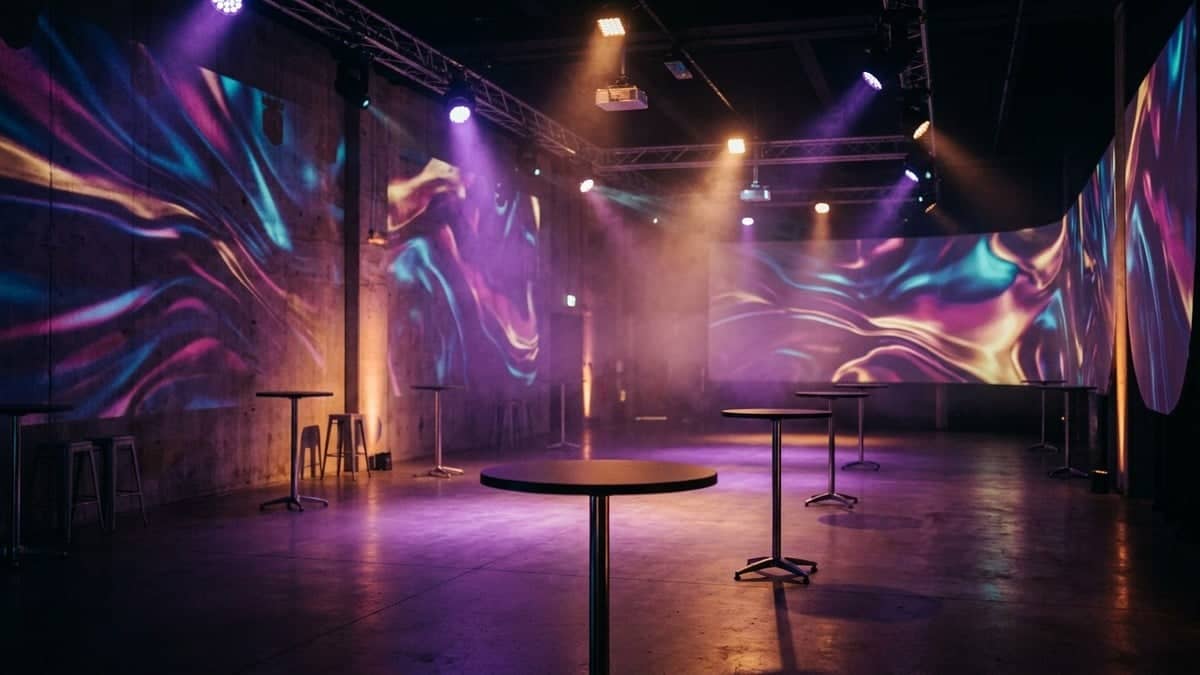
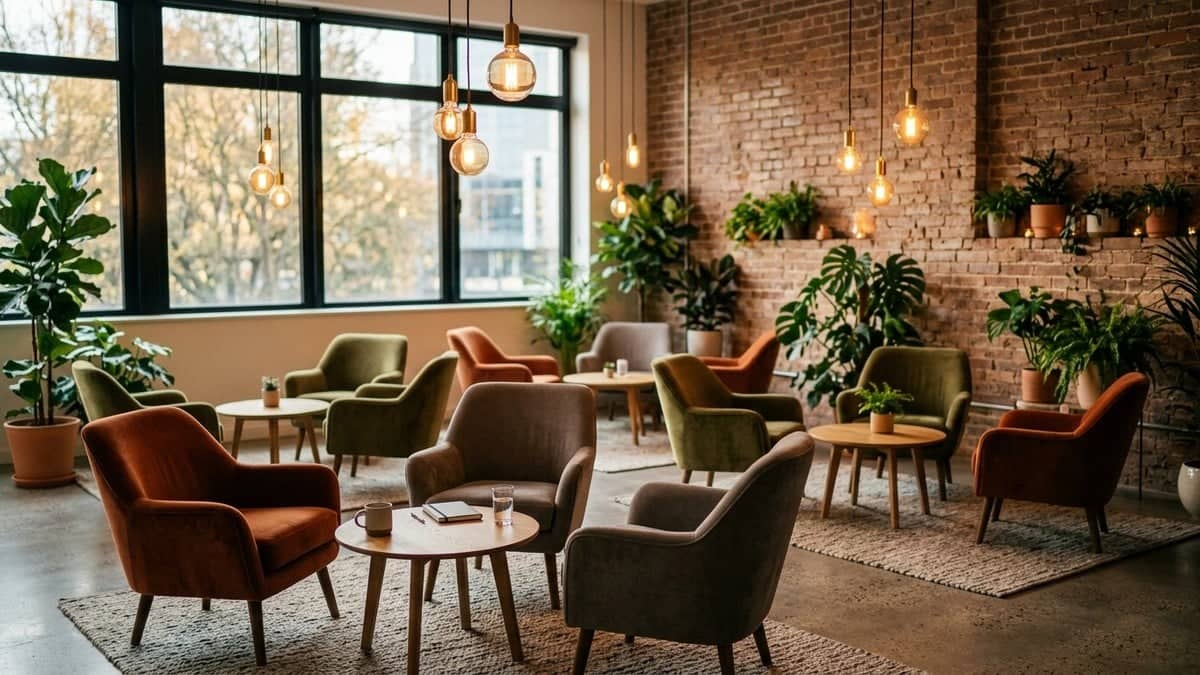
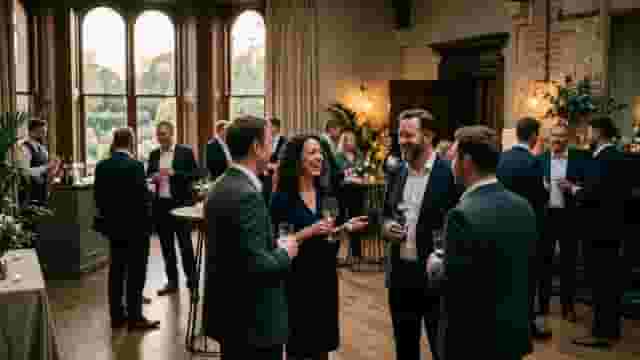
Start with spatial design. The venues you choose and how you configure them directly influence how people interact. Long rows of theatre-style seating discourage conversation. Clusters of comfortable furniture, standing-height tables and breakout nooks encourage it. Think about sightlines, traffic flow and where natural gathering points will form. The best networking often happens in corridors and around coffee stations, so design those spaces with as much care as you design the main stage.
Structure serendipity. Unstructured networking time with a name badge and a drink rarely produces meaningful connections. Colja Dams shared an observation from his work with VOK DAMS' Digital Doppelganger programme: "We a lot of times have more introverts than extroverts in the audience. So make sure that you are somehow creating supported serendipity to create these moments." Give people a reason and a framework to connect, facilitated introductions, roundtable discussions on specific topics, collaborative workshops where delegates solve problems together, and they will.
Curate, don't broadcast. The speaker selection trend is shifting from celebrity names to substance-led voices, speakers who are practitioners, not performers. People who've done the work and can share genuine insight, not polished keynotes they've delivered a hundred times. Attendees can spot the difference, and they're increasingly choosing events that prioritise depth over star power.
Leave room for the human. One of the debates at Event Tech Live centred on whether over-personalisation could remove the human instinct to explore and discover. The consensus? Leave room for the unexpected. Not every minute needs to be optimised. Some of the most valuable moments at events happen in the unscheduled spaces between sessions, but only if you design enough breathing room for them to occur.
Find the perfect space for meaningful connection
From intimate roundtable settings to flexible workshop spaces, find a venue that's designed for the interactions that matter.
Search venuesEven digital natives crave analog moments
One of the most counterintuitive findings from Colja Dams' digital doppelganger research challenges the assumption that younger, tech-savvy audiences want more digital: "Even digital natives love analog moments. Scribbling down something on paper or doing something purely not event tech or app based."

This isn't nostalgia, it's neuroscience in action. In a world where most work happens behind a screen, the physical, embodied experience of a well-designed event is increasingly valuable. The tactile sensation of writing on a whiteboard during a workshop. The energy of a room full of people reacting to an idea in real time. The serendipity of bumping into someone in a corridor and starting a conversation that changes your perspective. These analog moments create the emotional tags that Lisa Schulteis's research shows are essential for memory formation.
Wellness-focused programming is following a similar trajectory. Events that incorporate mindful breaks, movement, outdoor time and sensory variety aren't just being nice to their attendees, they're producing better engagement, longer attention spans and higher satisfaction scores.
Measuring what actually matters
If human connection is your event's greatest asset, you need to measure it, not just count heads. Traditional metrics like attendance numbers and satisfaction surveys capture a fraction of the value that well-designed events create.
Christine Renaud's data from Braindate makes the case powerfully: "8 out of 10 people who went on a Braindate said it was a reason why they would come back to the event. It's not because of your keynote. Your keynote won't be there next year." This is backed by Braindate's impact study with Cathexis Consulting, which found 81% of participants said Braindate was a key factor in their decision to return.
Start tracking the metrics that correlate with business impact: how many new business relationships were initiated, whether attendees changed their behaviour or decision-making as a result of the event, how many delegates returned for the next edition, and what the quality of post-event conversations looks like. These are harder to measure than badge scans, but they're the metrics that actually drive long-term value.
The organisations getting this right are those that treat events not as isolated moments but as part of a longer relationship journey, with pre-event engagement building anticipation, the event itself creating transformative experiences and post-event follow-up sustaining the connections that were made.
The human advantage is yours to claim
In an age of automation, the event professional's superpower is profoundly human: the ability to bring people together in ways that create trust, spark ideas and build relationships that no algorithm can replicate.
But this advantage isn't automatic. It requires a deliberate shift away from content-heavy, format-safe event design and toward experience-led, connection-first thinking. It means choosing venues for their capacity to facilitate interaction, not just their capacity number. It means investing in programme design that prioritises conversation over keynotes. And it means measuring success by the depth of connections created, not just the breadth of attendance achieved.
The world is getting noisier, more automated and more impersonal every day. The events that cut through, that people remember, return to and recommend, are the ones that offer something no screen can: a genuinely human experience.
Other platforms search their database. We search everything.
Tell us what you need. Our deep research finds any venue, whether it's in our marketplace or not. No one else does this.
One supplier. Every venue. Full visibility on what you spend.
Multiple venues and events. One agreement.

With 10 years in events, Kim leads growth at Hire Space. Writing about what's shaping the future of events, from personalisation and experience design to the technology making it all possible, turning industry insight into practical advice.
Related articles
Simple Events Win: Why Restraint Beats Spectacle
Budgets are tight and audiences want connection over spectacle. The events that land in 2026 are the deliberately simple ones. Here is how to edit rather than cut, grounded in the 2026 industry data, and why the right venue does the heavy lifting.
Wellness as Infrastructure: The New Baseline for Event Design
The Global Wellness Institute has launched a Meetings and Events Initiative, signalling that wellness is no longer an add-on at corporate events. Here is what the shift means for UK venue briefs, agendas and attendee experience in 2026.