Unique Meeting Rooms in London
Explore characterful private meeting rooms in London with screens and refreshments. Compare data-backed pricing and real capacities for your team.
1,323 Unique Meeting Rooms in venues in London








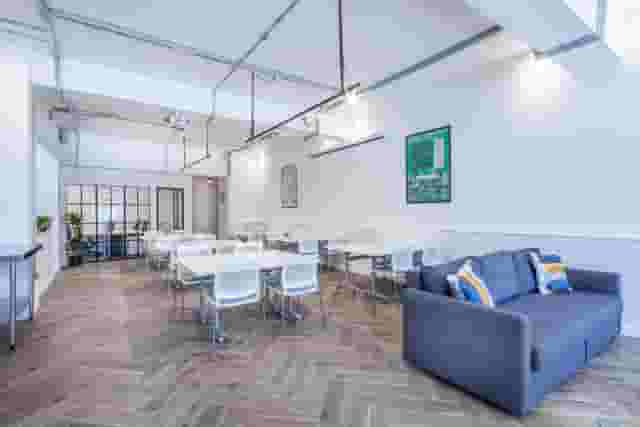
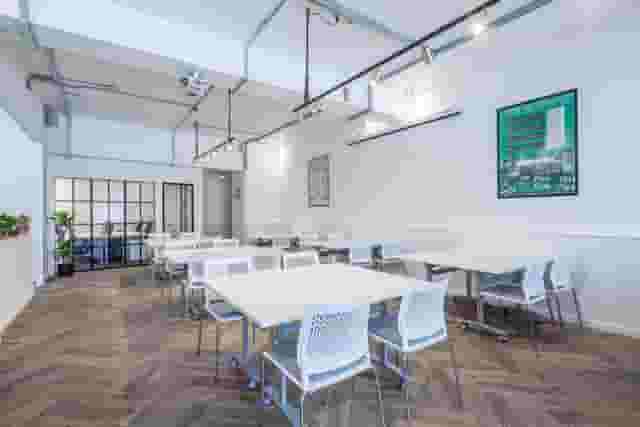
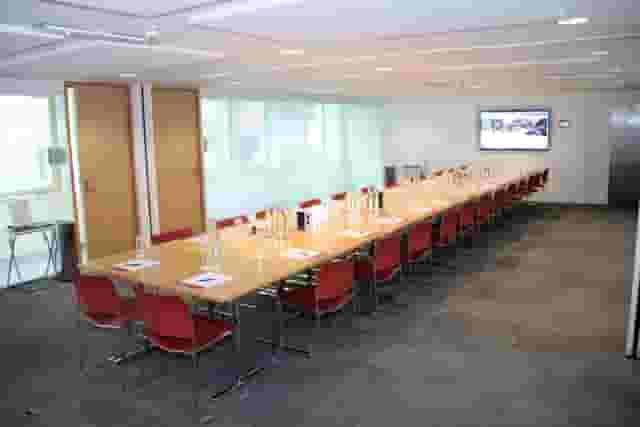
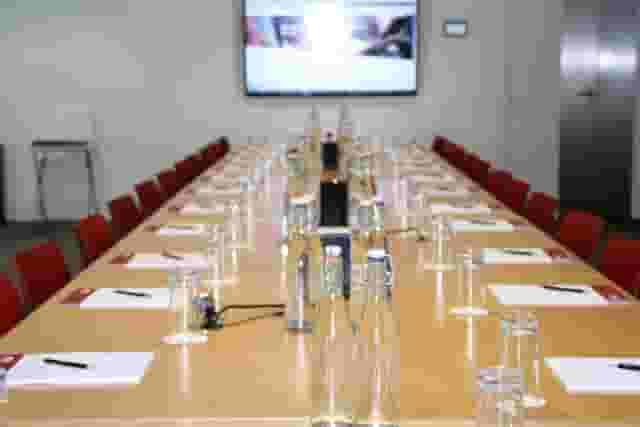
























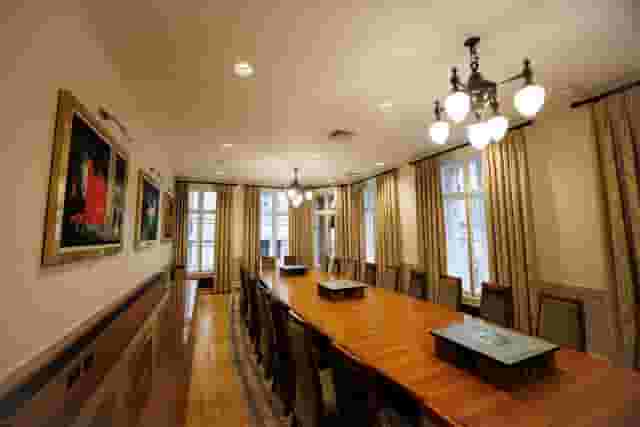
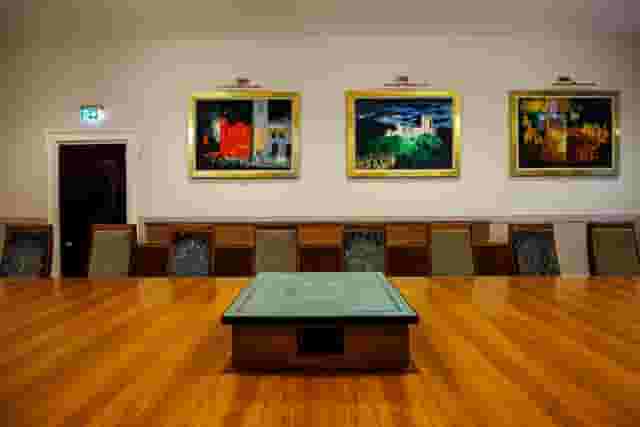
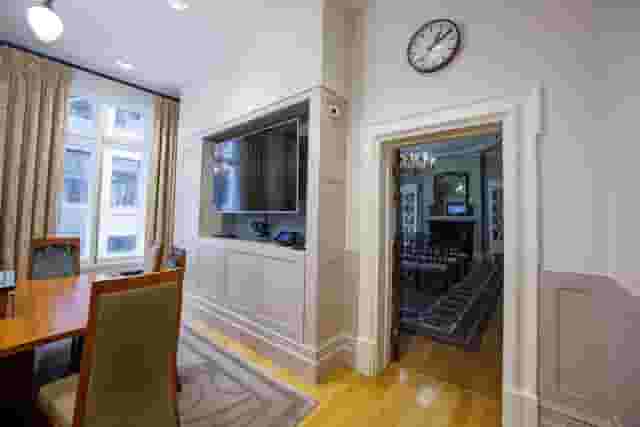
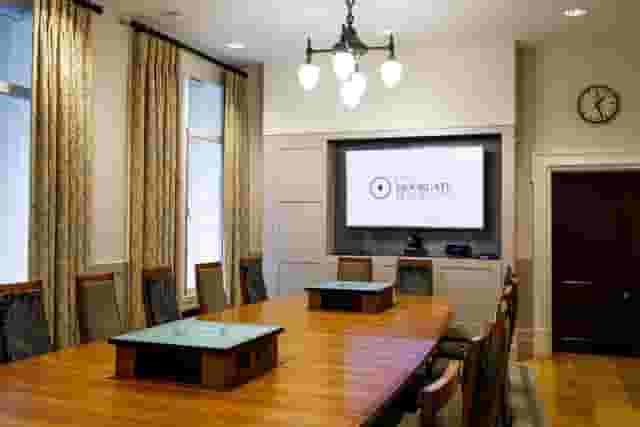







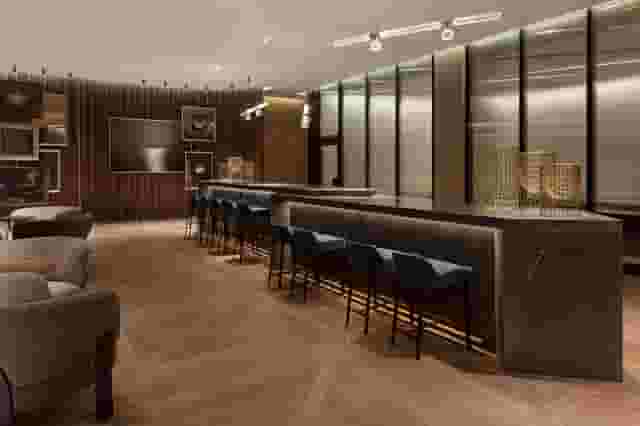
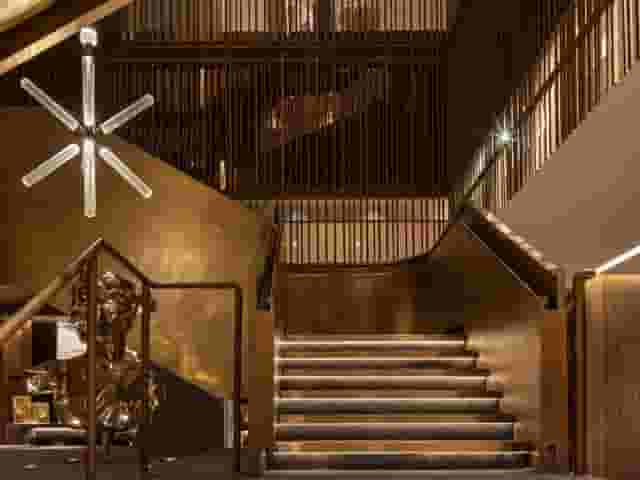

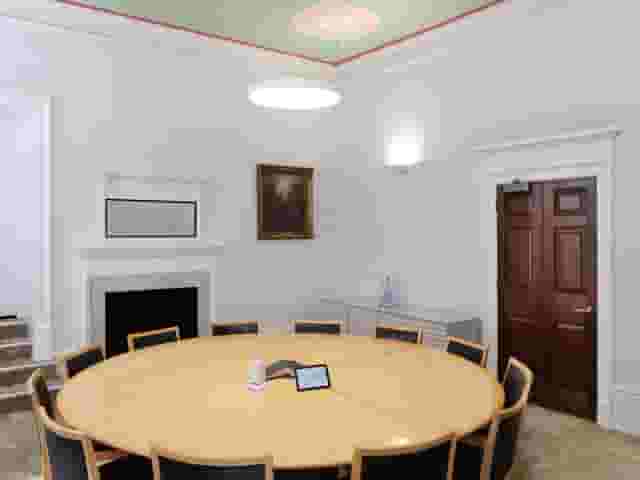


No venues match these filters
Try widening your capacity, luxury level or event type.
Don't have time to search? We'll find it for you.
For business events that need human judgement, talk to our team. Free for events of 100+ people, budgets over £10k or ongoing programmes.




Explore more venues in London








Frequently asked questions
What are the best unique meeting rooms in London?
What are the most historical unique meeting rooms in London?
What is the best location for unique meeting rooms in London?
Other platforms search their database. We search everything.
Tell us what you need. Our deep research finds any venue, whether it's in our marketplace or not. No one else does this.
About Unique Meeting Rooms in London
Choosing a room with character over a standard corporate box
Booking a space for a half-day business session is usually an exercise in trade-offs. If your team or clients spend four hours in a windowless hotel basement with strip lighting and generic swivel chairs, attention flags before the mid-morning coffee arrives. Moving the session out of the office is meant to shift perspectives, encourage frank discussion and make an agenda stick. A room with architectural distinction, historical interest or an unconventional layout does half that work before anyone opens a laptop.
The priority for a morning or afternoon meeting is focus. A room that feels distinctive should never compromise the fundamentals of a working environment: comfortable seating, acoustic privacy, stable temperature control and reliable presentation technology. The distinction comes from the physical setting rather than unnecessary novelty. Converted industrial warehouses, restored civic chambers, Victorian hotels, sporting grounds and contemporary creative hubs all offer private meeting environments that feel deliberate rather than default.
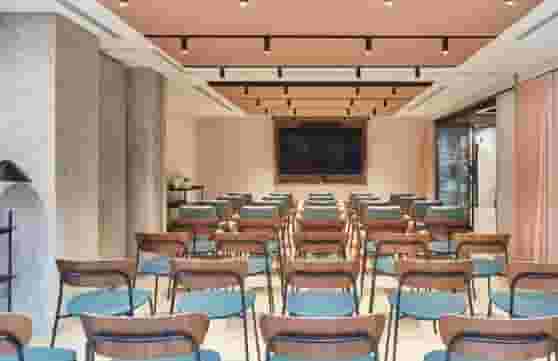
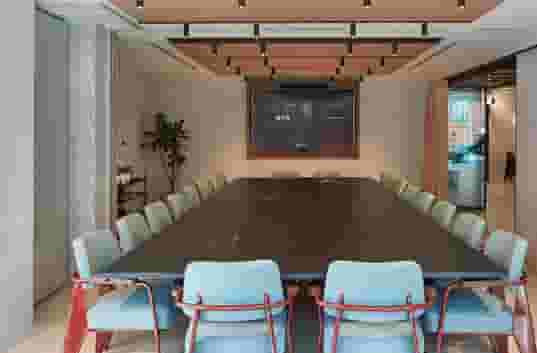
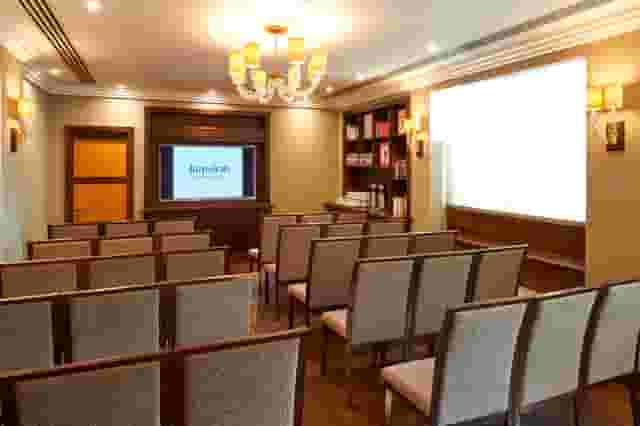
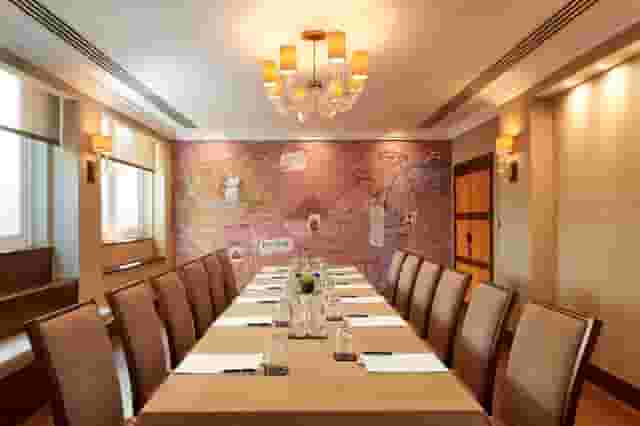
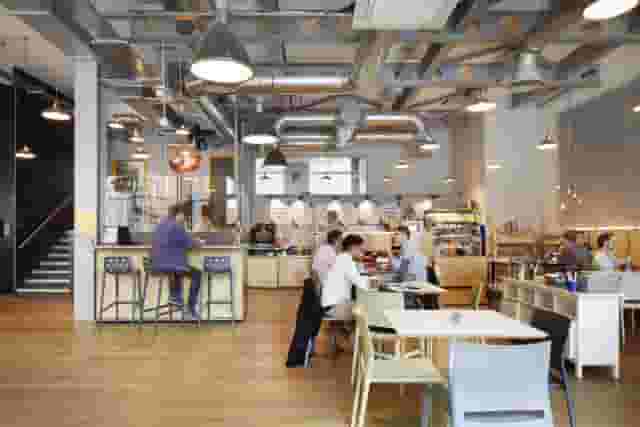
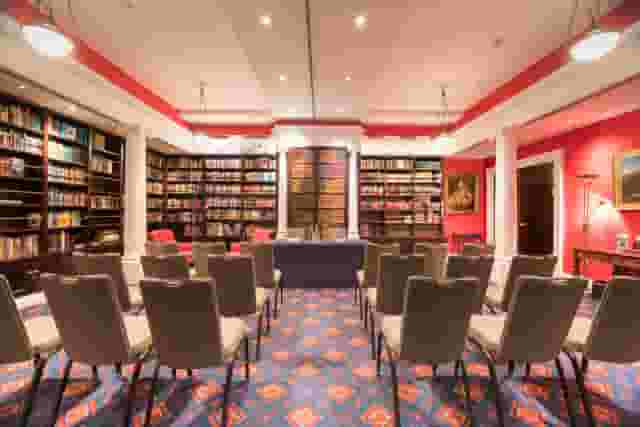
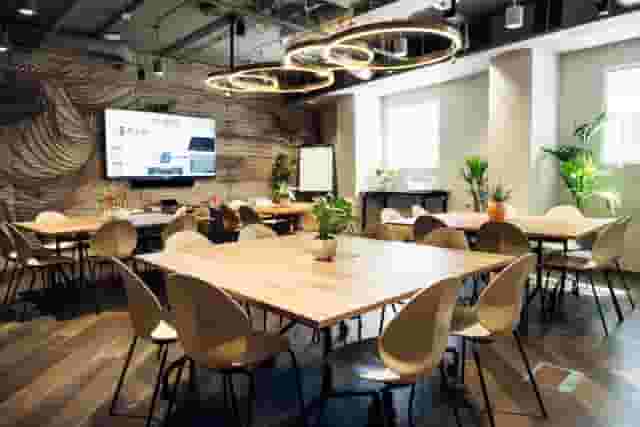
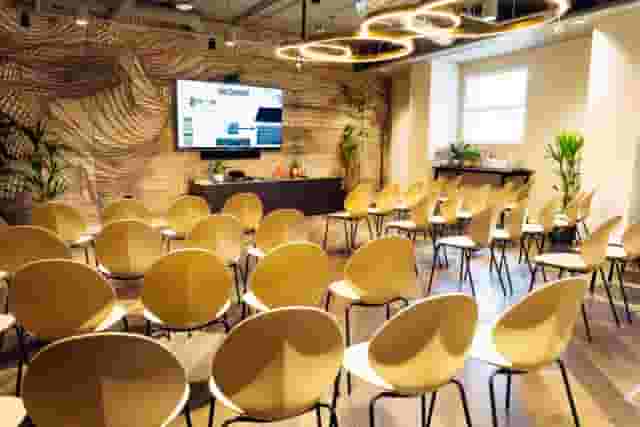
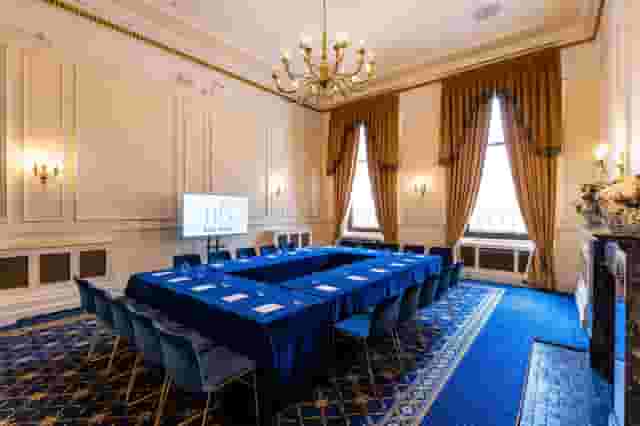
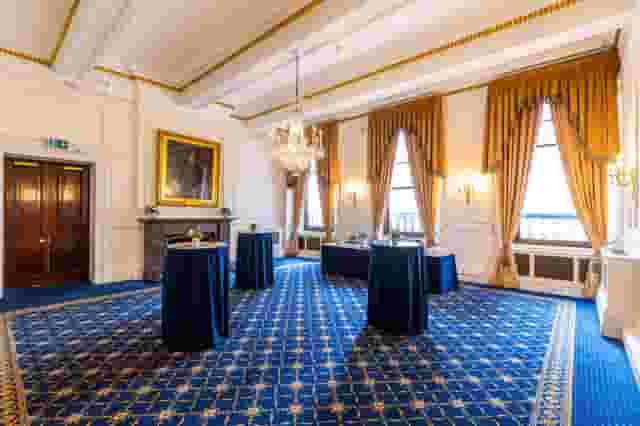
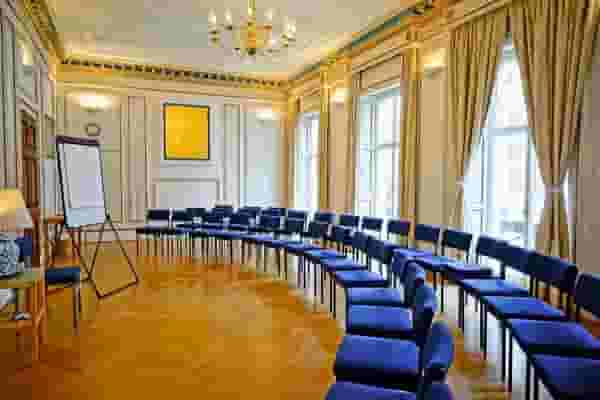
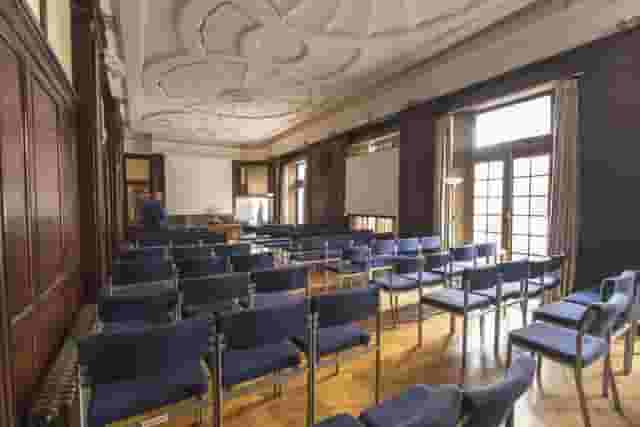
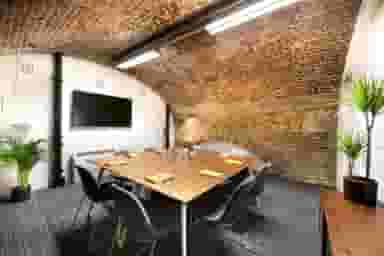
For an executive committee or a team strategy session of 10 to 20 delegates, scale matters. A cavernous room swallows discussion and creates awkward distance between speakers. An overcrowded room leaves delegates balancing notebooks on their knees with no elbow room for coffee cups. In Wapping, Brunel and Marx at The Dock provides a dedicated boardroom layout for up to 10 delegates within a Grade 1 listed building, combining historical brickwork with modern business amenities. For larger discussions or workshop groups, Showroom at Knotel Workclub at Old Sessions House in Clerkenwell offers a standing capacity of 60 in an 18th-century former courthouse, where high ceilings, tall arched windows and period plasterwork create an immediate impression without distracting from the agenda.
When choosing between venues, establish the primary working format first. A presentation requires clear sightlines to a single focal point. A workshop demands wall space for sticky notes, space to break into smaller clusters and tables that can be moved easily. An executive roundtable needs a solid boardroom table where everyone can make eye contact. Matching the room's permanent architecture to your session's format avoids awkward furniture reshuffles on the day. To narrow down spaces that fit your agenda, Hire Space is an event planning and venue booking platform supported by a team of real people who help manage the search. Its Deep Venue Research tool explores spaces across London against your exact layout and technical needs, providing data-backed price estimates in minutes so you know realistic costs before enquiring.
Technical essentials: screens, sightlines and sound
A half-day session cannot afford twenty minutes of troubleshooting adapter cables or adjusting blinds to cut screen glare. The presentation display is the anchor of modern business meetings, whether you are running a quarterly financial review, pitching a new initiative or dialling in remote contributors.
Before confirming any booking, ask the venue team three specific questions about their screen setup:
- What is the screen size relative to the furthest seat in the room?
- How do delegates connect their laptops (HDMI, USB-C, or wireless casting such as ClickShare or AirPlay)?
- Does the room have blackout blinds or adjustable window coverings to manage natural light during slide presentations?
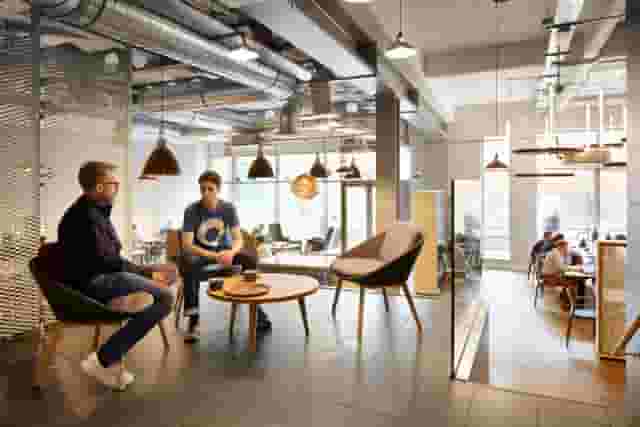
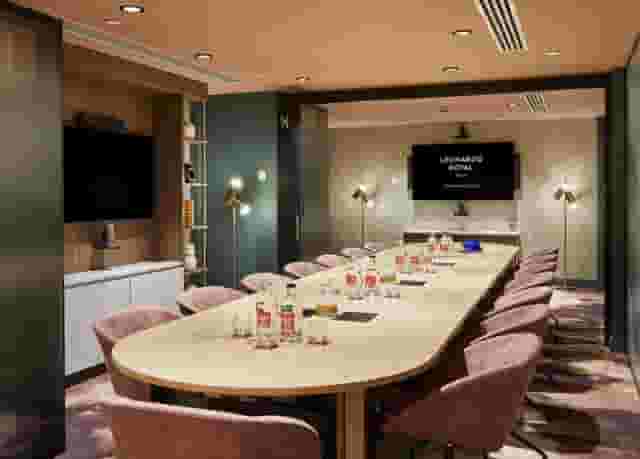
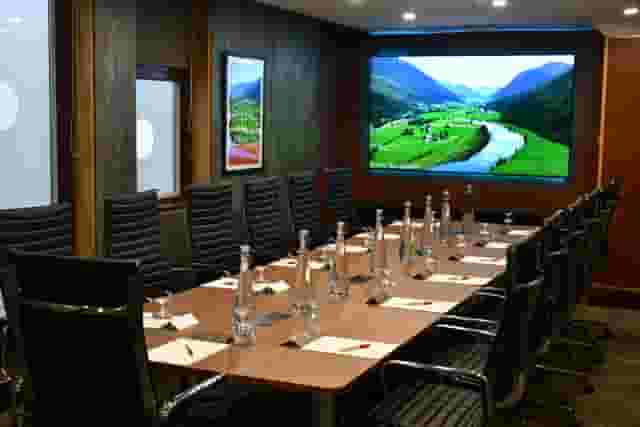
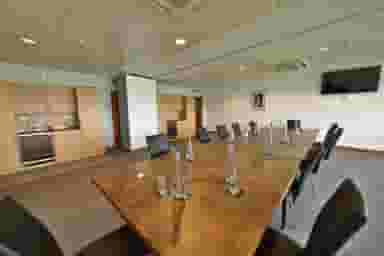
Rooms with abundant natural daylight are far better for mental energy over four hours, but direct midday sun washing out a low-contrast display will ruin a presentation. Venues designed with both aesthetic appeal and workplace technology in mind plan for this balance. In London Bridge, Major Tom at Runway East Borough Market is purpose-built as a boardroom for 20 delegates, pairing modern presentation displays with fast connectivity and practical support. Similarly, Double Executive Box at Kia Oval in Kennington adapts executive sports hospitality suites into dedicated business spaces, offering integrated plasma screens, private balcony access and open views over the pitch for up to 50 guests in a reception layout.
Acoustics are equally critical. High ceilings, bare floorboards and exposed brickwork look striking in photographs, but hard surfaces bounce sound. If your agenda involves hybrid video conferencing or lively debate among 15 or 20 people, an echoey room will leave attendees straining to hear. Check whether the room features soft furnishings, acoustic ceiling panels, drapes or carpet to absorb reverberation. For board-level discussions where sensitive commercial data or client confidentiality is at stake, ask whether the room has full structural soundproofing or merely visual partition walls dividing it from neighbouring spaces.
For further ideas on how unconventional room design can spark productive conversation, read our guide to 6 Quirky London Meeting Rooms.
Structuring the half-day: timing and room flow
A four-hour meeting has a distinct rhythm. Whether running from 09:00 to 13:00 followed by lunch, or starting with lunch at 12:30 and working through until 17:00, attention peaks early and dips after two hours. Planning the physical movement of delegates through the space helps maintain momentum.
| Phase | Duration | Ideal room requirement | Delegate needs |
|---|---|---|---|
| Arrival and setup | 30 minutes | Dedicated side credenza or adjacent breakout lobby | Fresh coffee, hot water, coat storage and reliable Wi-Fi login |
| Primary working block | 90 minutes | Main boardroom or horseshoe table with clear screen view | Note-taking space, power sockets and still water carafes |
| Mid-session reset | 20 minutes | Standing circulation space or outdoor terrace access | Fresh air, leg-stretching, clean cups and tea refills |
| Discussion and close | 80 minutes | Collaborative layout or relaxed lounge seating | High-level focus, action-point tracking and summary notes |
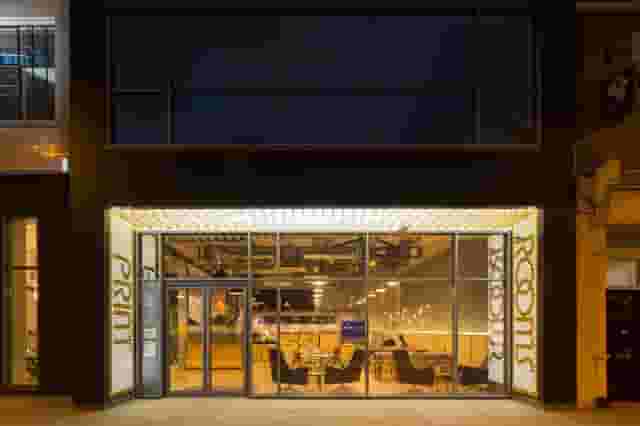
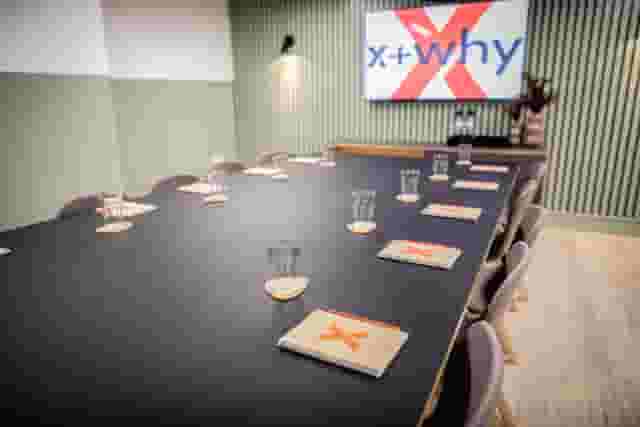
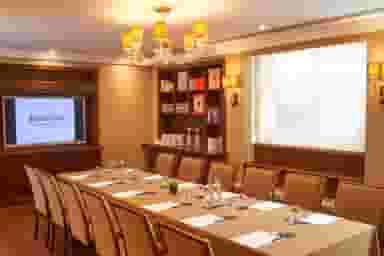
In central locations, access to outside space or varied zones within the same private hire area gives delegates a physical reset between intense working blocks. In Marble Arch, Damson at x+why The Orchard provides a boardroom for 18 delegates with views across Hyde Park and access to an outdoor terrace, giving attendees a chance to step outside for fresh air during the interval without leaving the building. Along the South Bank near Waterloo, Duplex Studios at The Print Rooms uses mezzanine levels to separate presentation seating from break areas, accommodating up to 40 in theatre style and keeping tea and coffee away from laptops and working documents.
Refreshments and catering that keep teams sharp
Food and drink at a half-day meeting serve a practical physiological purpose: keeping energy levels steady. Heavy pastries on arrival and starchy sandwiches at noon cause mid-afternoon slumps that derail productive debate.
For a morning session, request continuous tea and coffee rather than a single drop at 08:45. A single batch of brewed coffee sitting in a pump flask goes cold and bitter within an hour. High-quality bean-to-cup machine access, fresh cafetieres or refreshed thermal pots at the mid-morning break ensure delegates stay alert. Swap croissants for protein-rich options such as Greek yoghurt pots, fruit bowls, nuts and seeded flapjacks.
When it comes to lunch, you must decide whether to eat inside the meeting room or move elsewhere:
Working lunches inside the room
If your agenda is tight and discussions must continue over food, choose items that can be eaten cleanly with one hand while reviewing documents. Finger food, individual bento boxes, salad bowls and grain wraps work well. Avoid saucy hot dishes, oversized burgers or anything requiring two hands, a steak knife and intense concentration. Keep food tables set up at the perimeter of the room so delegates can stand and stretch their legs while eating.
Transitioning to private dining
If the meeting concludes at 13:00, shifting to a seated meal in an adjoining restaurant or dedicated dining room marks a clean psychological end to business and allows for informal relationship building. In the City, The Minories at Andaz London Liverpool Street sits within a Victorian railway hotel structure, accommodating up to 60 standing and connecting directly to full hotel hospitality for seated business lunches. In Marylebone, Sakura Boardroom at Nobu Hotel Portman Square offers an integrated dining and meeting setup for 14 to 16 delegates, allowing business presentations to transition into formal dining without changing location.
Water provision is another small detail that organizers frequently overlook. Ensure venues supply both still and sparkling water in glass bottles on the main table, replenished at the break, rather than single-use plastic bottles or a water cooler down the corridor.
What half-day meetings cost in London
Budgeting for a private half-day meeting room involves navigating two standard pricing models: day delegate rates (or half-day delegate rates) and flat room hire plus catering. Hire Space 360 is enterprise venue and hotel procurement for companies spending £1m or more a year on meetings and events: a managed meetings and events programme, the kind procurement teams call strategic meetings management. It places every venue booking on a single master agreement with centrally negotiated terms, ensuring departmental off-sites stay within agreed company event policy. Finance teams receive one consolidated invoice instead of separate venue bills, alongside live reporting on spend and savings across the organisation.
Based on 12 quotes from the venues on this page, indicative pricing for a meeting in London is typically £60 to £123 per head. This figure assumes about 20 guests, reflecting real booking and enquiry data across business spaces in the capital.
Where your event falls within that £60 to £123 per head range depends heavily on venue type, location and catering tier:
The lower end of the band (£60 to £80 per head)
Towards the £60 end of the range, pricing generally covers standard half-day room hire in creative hubs, modern coworking spaces or functional civic venues, accompanied by basic tea, coffee, biscuits and tap water. In this tier, presentation screens and standard Wi-Fi are usually included without extra fees, but premium catering, dedicated technical technicians or hot lunches will sit outside the base price.
The higher end of the band (£90 to £123 per head)
Towards the £123 end of the range, you are typically looking at luxury hotels in Mayfair or Marylebone, prestigious heritage institutions, private member clubs or specialist venues offering full hospitality packages. In this bracket, the cost often incorporates a formal hot working lunch or seated dining, continuous premium barista coffee, high-specification digital display screens and dedicated on-site event staff to manage delegate arrivals and technical setup.
When comparing quotes from different venues, examine the line items carefully to avoid unexpected invoices:
- VAT: Confirm whether quoted figures include or exclude standard 20% VAT. Corporate rate cards often display net amounts.
- Service charge: Luxury hotels and private dining venues frequently add an optional or mandatory service charge of 10% to 15% on catering elements.
- Audio-visual equipment: Most modern rooms include a wall-mounted screen and HDMI or wireless connectivity in their room hire. However, some venues still charge supplemental fees for conference phones, video bars, flipcharts or extra lapel microphones.
- Minimum spend thresholds: If hiring a private room within a hospitality venue, check whether you are paying dry room hire or committing to a minimum catering spend. For a half-day morning session, meeting a minimum spend solely on breakfast pastries and coffee can be challenging without adding lunch.
Always ask venues about their access timings. If your meeting starts promptly at 09:00, your team will need access from 08:30 to test laptop displays, lay out agendas and brief the catering staff. Clarify whether this setup window is included in your half-day booking period or billed as an additional hour.
Strategic locations: matching transport links to delegate journeys
London's travel network dictates how punctually your delegates arrive. For a four-hour session, asking attendees to travel an hour each way for an out-of-the-way space reduces their enthusiasm before the meeting starts. Selecting a neighbourhood with direct tube, rail and Elizabeth line links ensures delegates arrive relaxed and on time.
The City and Liverpool Street corridor works best for financial, legal and international corporate groups. Liverpool Street connects directly to Stansted Airport, national rail services from East Anglia, central Underground lines and the Elizabeth line, making it straightforward for regional and overseas attendees.
Farringdon and Clerkenwell provide an ideal middle ground for teams drawing attendees from across London. The combination of Thameslink north-south rail, three tube lines and the Elizabeth line means delegates travelling from Canary Wharf, the West End or Gatwick can reach the venue with minimal interchanges. The neighbourhood also balances historic character with design agencies and professional services.
The South Bank, Waterloo and London Bridge corridor suits teams split between central offices and southern commuter rail lines. Venues near Borough Market or Waterloo allow attendees from Kent, Surrey and Sussex to walk directly from the mainline terminal into the meeting room without navigating the morning tube crush.
Marylebone, Mayfair and the West End offer discreet prestige and immediate access to top-tier dining, suited to board meetings, investor briefings and senior client roundtables. Proximity to Paddington and the Elizabeth line ensures swift transit from Heathrow for flying delegates, while nearby restaurants allow organizers to conclude sessions with high-level entertainment.
Choosing the right room comes down to identifying your meeting's single most important outcome. Once you know whether you need intense analytical focus, confidential decision-making or collaborative team debate, pick the space whose physical architecture, light and location support that goal directly.
What our customers say
Inspiration and planning guides

The 5 Best Boats For Hire In London
Looking for something a bit different for your summer party? Check out our picks for the best boat venues in London. Perfect for corporate events, they're guaranteed to offer a unique experience with stunning views!

This Is Why London Has Such Unique Venues
At Hire Space, unusual venues [https://hirespace.com/Browse/Unusual-Event-Venues-London] are the name of the game. Passion to find a unique venue for an event seems to be unabated in London, but it's of little surprise when taking into account all the amazing spaces the capital has to offer. But just why is London filled with so many unusual venues for hire? We investigated: Romans, Saxons, Normans, Tudors and Stuarts. The Black Death, two World Wars and one Great Fire. London has seen it a

London's Most Unusual Christmas Venues
Tired of the same old Christmas party venues? This year, why not switch things up and throw your festive bash somewhere that’s truly out of the ordinary?
One supplier. Every venue. Full visibility on what you spend.
Multiple venues and events. One agreement.