Wedding Reception Venues in London
Explore London spaces built for reception drinks, seated dining and late dancing, with transparent pricing estimates from recent quotes.
921 Wedding Reception in venues in London






































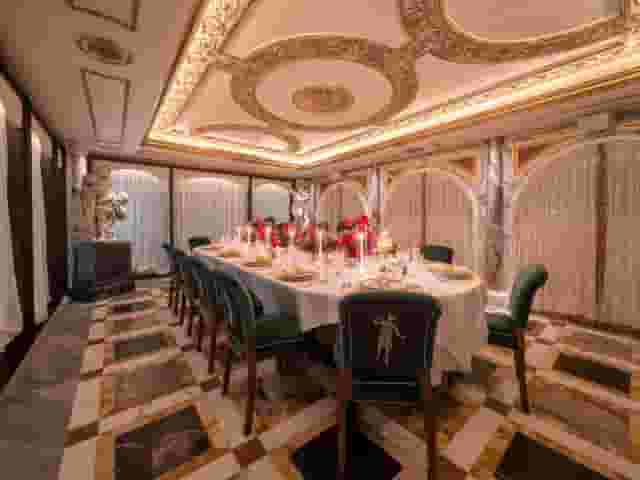
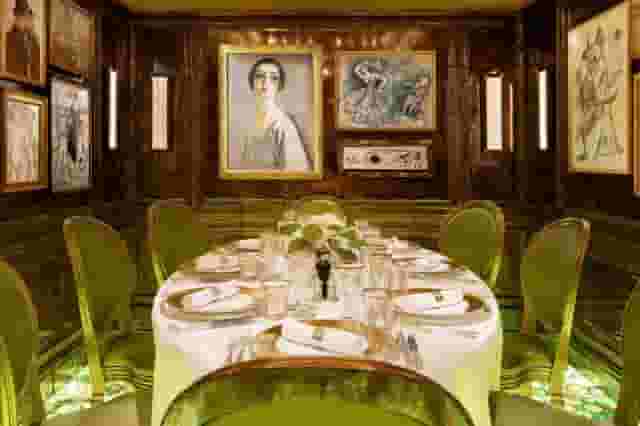
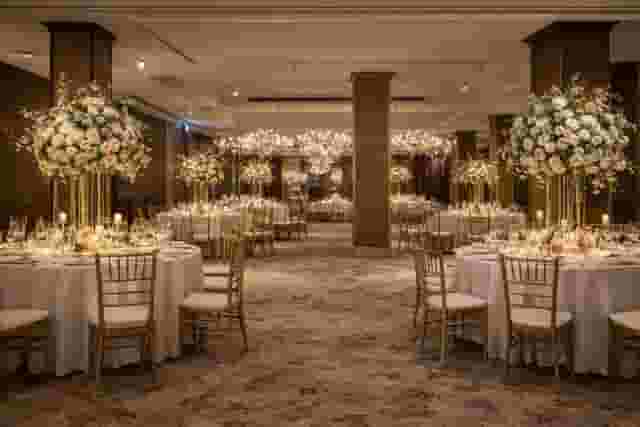
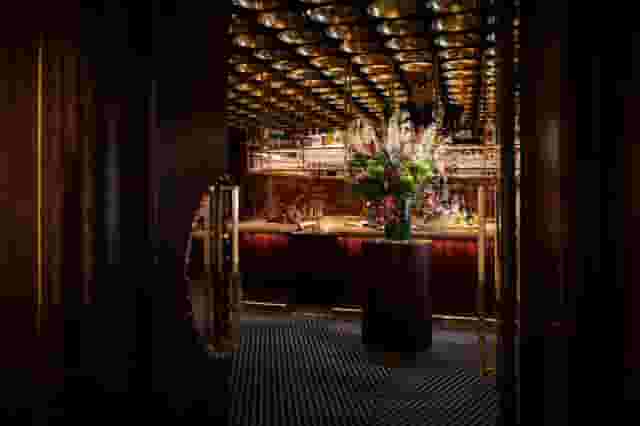
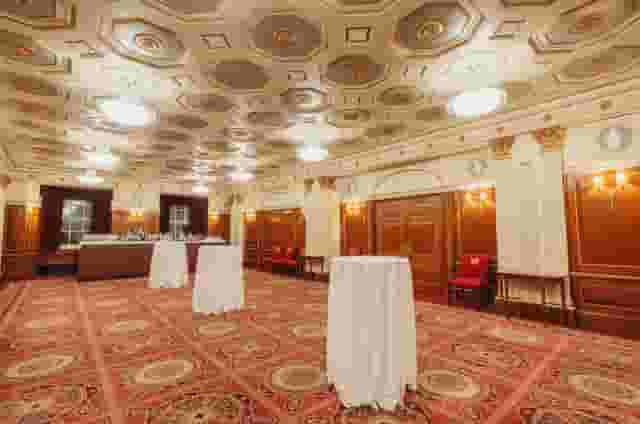
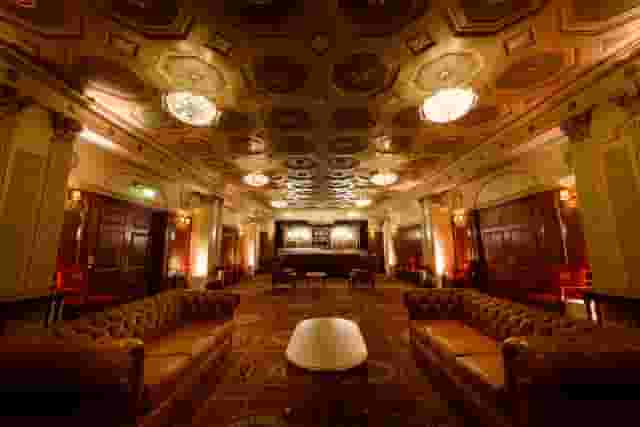
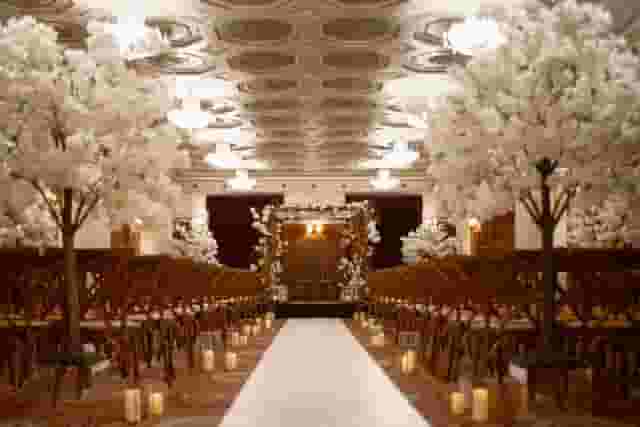
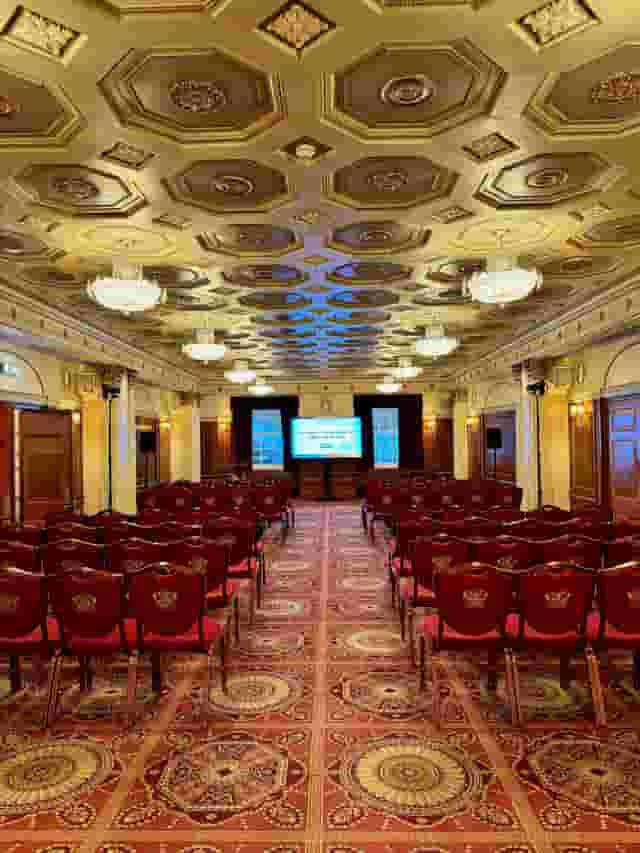






























































































No venues match these filters
Try widening your capacity, luxury level or event type.
Don't have time to search? We'll find it for you.
For business events that need human judgement, talk to our team. Free for events of 100+ people, budgets over £10k or ongoing programmes.




Explore more venues in London












Frequently asked questions
What are the best wedding reception venues in London?
How can I make my wedding reception more memorable?
What catering shall I do at my wedding reception?
Will there be someone there on the day to help me?
What are the most beautiful wedding venues in London?
What are the most unusual wedding venues in London?
Affordable wedding venues in London?
What do I need to organise for my wedding venue?
Other platforms search their database. We search everything.
Tell us what you need. Our deep research finds any venue, whether it's in our marketplace or not. No one else does this.
About Wedding Reception in London
Planning a London wedding reception that moves smoothly from welcome drinks to a seated meal and into evening dancing comes down to practical choices: flow, room setup, licensing and costs. A venue needs to accommodate these distinct phases without guests feeling pushed around, stranded between courses, or waiting out awkward room turnovers.
Choosing a layout that suits the flow of the night
A classic reception has three distinct acts. First, an arrival drinks reception with canapés. Second, a seated dinner with speeches. Third, the transition to evening music and dancing. How a space handles those shifts determines how relaxed your guests feel.
Single-room venues require what the industry calls a "flip", where staff clear dinner tables and reset the space for a dance floor and evening band. While experienced venue teams handle this during after-dinner drinks, it requires a holding area, such as a foyer or bar. Venues with interconnected rooms eliminate that friction by allowing guests to move naturally into a fresh space.
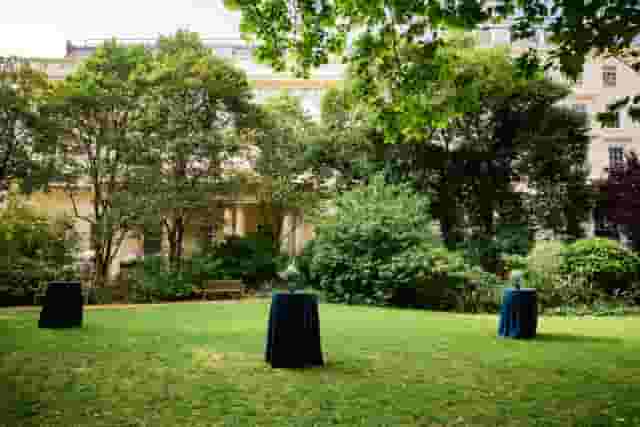
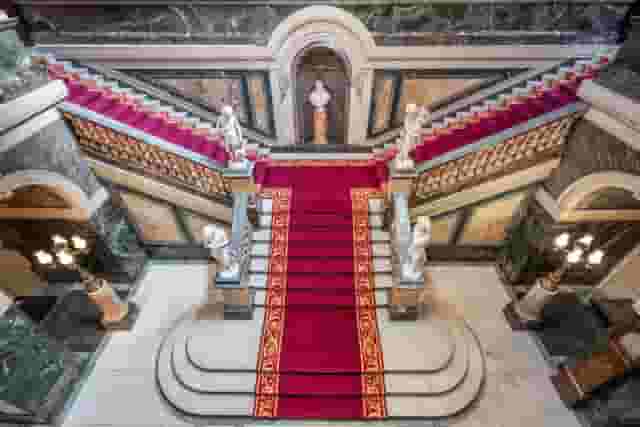
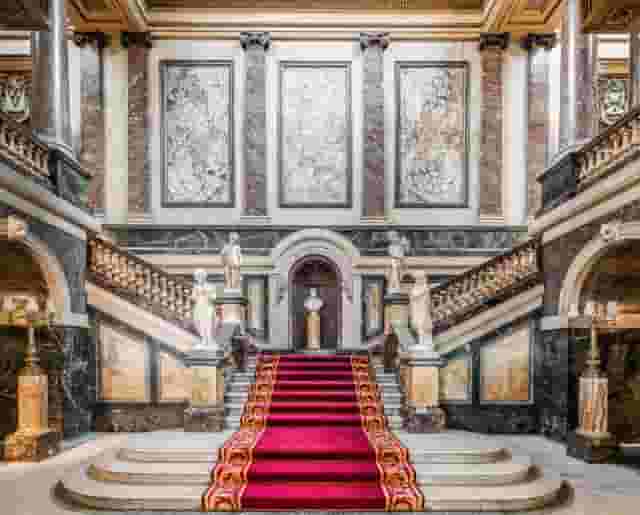
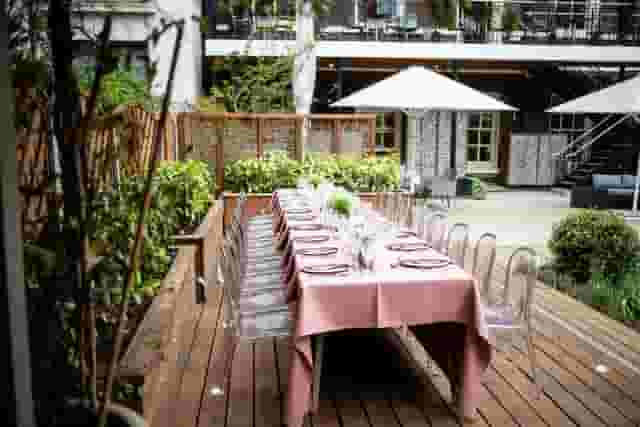
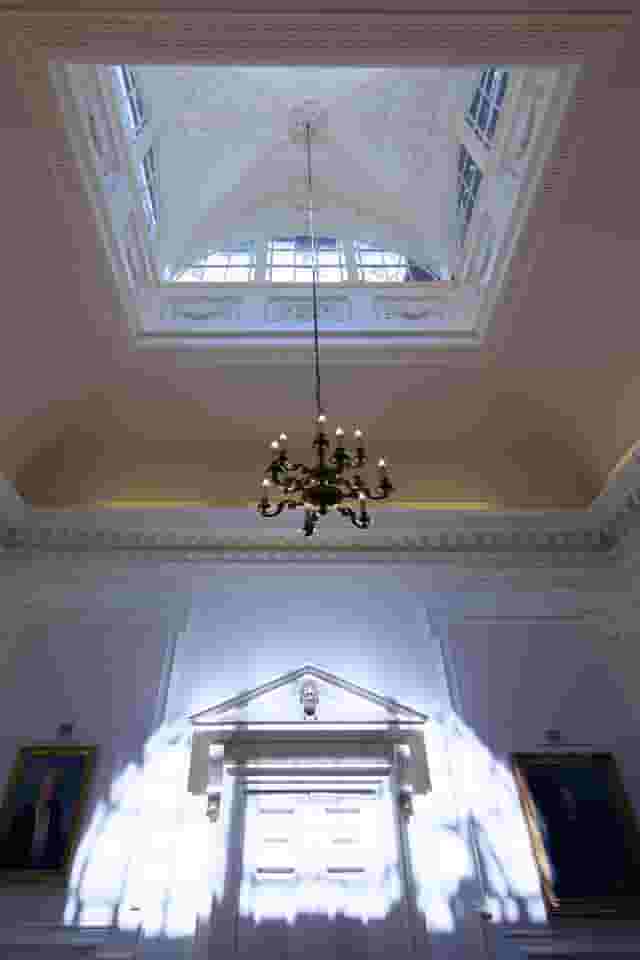
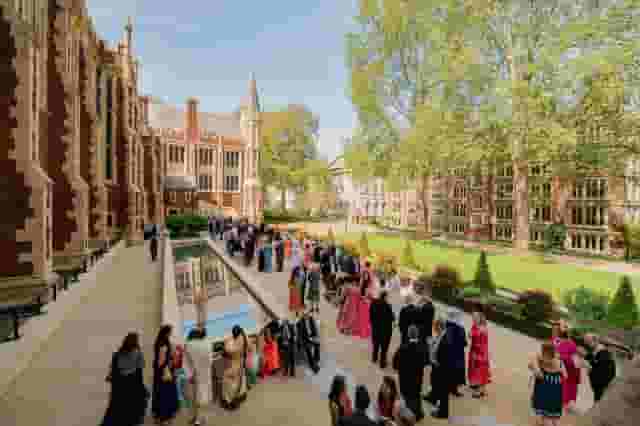
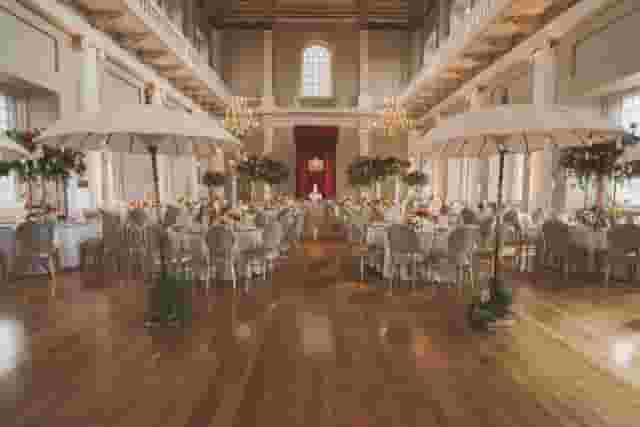
In Whitehall, Banqueting House accommodates up to 500 guests for standing receptions under its celebrated Rubens ceiling, offering the sheer scale required for an expansive celebration and late-night party. If you prefer a multi-room Georgian setting in the West End, Dartmouth House in Mayfair accommodates up to 350 standing guests across period rooms and a private courtyard. This configuration lets you host welcome drinks outside or across the drawing rooms, migrate for dinner, and preserve a dedicated room for your band.
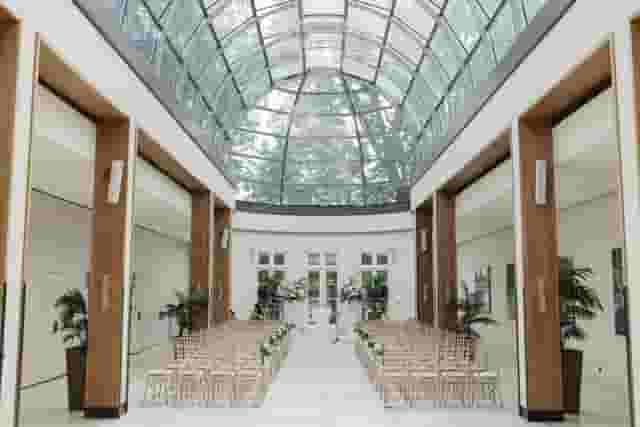
For large guest lists requiring outdoor grounds, The Hurlingham Club in Fulham features the glass-domed Palm Court and Broomhouse Suite, accommodating up to 850 standing guests alongside Thames-side gardens. Out in West London, Gunnersbury Park provides a Regency house, classical Temple and a glass Orangery suitable for receptions of up to 250 guests. Having separate architectural spaces allows you to keep evening entertainment and dining completely distinct.
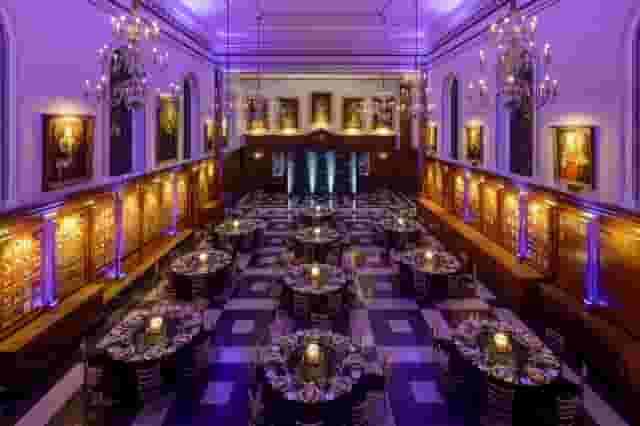
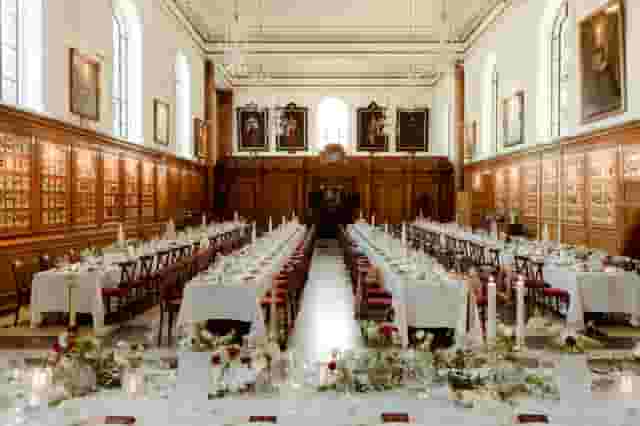
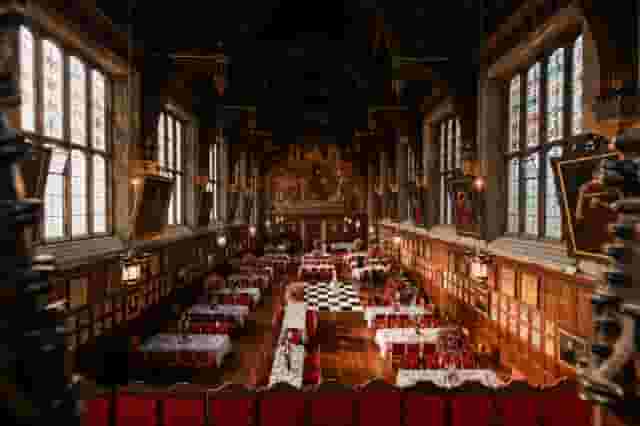
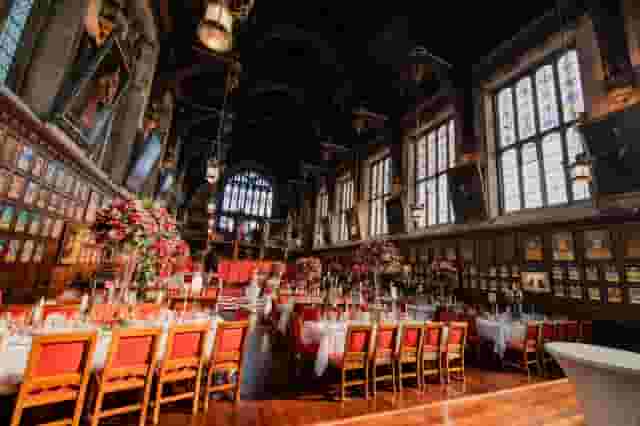
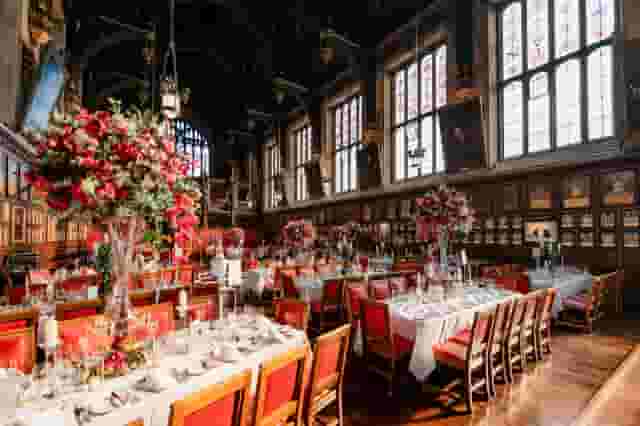
For central gatherings near St Paul's, Stationers' Hall offers a Grade I listed City livery hall holding up to 200 guests for private dining, paired with secluded garden access for early-evening drinks. Just down the road, Saddlers' Hall seats up to 200 guests in its neo-classical Great Hall for formal seated meals.
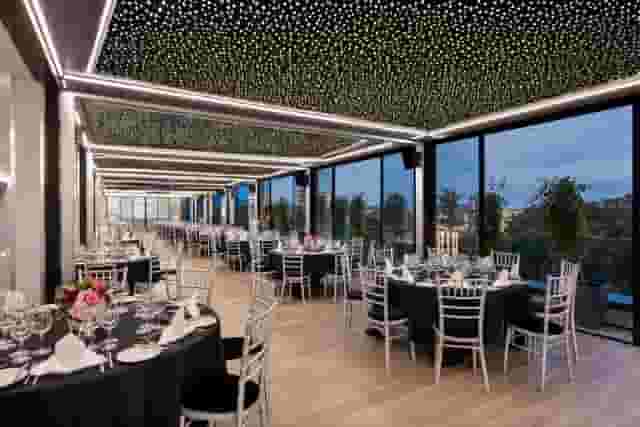
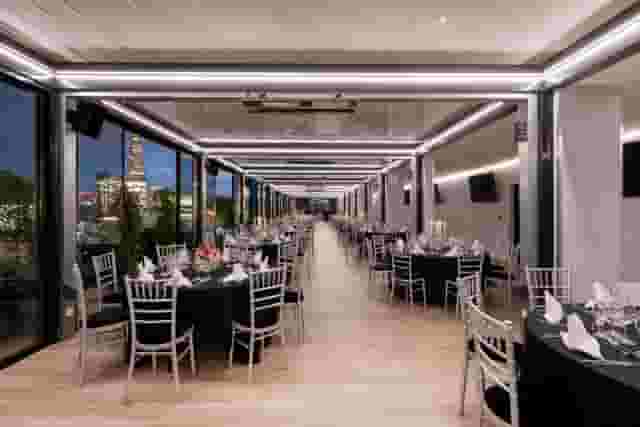
If modern surroundings and central transport links are your priority, 60 Great Queen Street in Covent Garden offers The Gallery, an Art Deco setting holding up to 350 reception guests with an adjoining anteroom that works well for keeping arrivals separate from dinner. Alternatively, taking over Radio Rooftop London on the Strand provides an exclusive reception layout for up to 240 guests set against panoramic skyline views.
| Venue | Locality | Reception or Standing Capacity | Dining Capacity | Primary Architectural Feature |
|---|---|---|---|---|
| The Hurlingham Club | Fulham | 850 | N/A | Glass-domed Palm Court and Thames-side gardens |
| Banqueting House | Whitehall | 500 | N/A | Historic hall with painted Rubens ceiling |
| Dartmouth House | Mayfair | 350 | N/A | Georgian mansion with period suites and courtyard |
| 60 Great Queen Street | Covent Garden | 350 | N/A | Art Deco gallery with adjoining anteroom |
| Gunnersbury Park | West London | 250 | N/A | Regency house, glass Orangery and classical Temple |
| Radio Rooftop London | Strand | 240 | N/A | Contemporary rooftop lounge with city skyline views |
| Stationers' Hall | St Paul's | N/A | 200 | Wood-panelled livery hall with garden access |
| Saddlers' Hall | City of London | 200 | N/A | Neo-classical hall for formal seated dinners |
Understanding reception costs and packages
Budgeting for a London wedding reception means looking closely at what quotes cover. Across venues on this page, indicative pricing sits at £94 to £250 per head, based on 10 quotes for similar events. This figure assumes a guest count of about 100 guests. To see where your own numbers land before you enquire, venue booking platform Hire Space generates instant, data-backed price estimates drawn from real booking data, with a team of real people beside you who can suggest similar options at a lower cost if a location is over budget. For receptions with a venue spend above £15,000, they also provide a free, experienced event concierge to help you secure the space.
Pricing sits within a broad bracket because venue business models diverge sharply:
Towards the £94 end of the spectrum, venues generally operate on all-inclusive per-head packages. These bundles usually cover room hire, a set three-course meal, house wine allocations, service staff and standard furniture like banquet tables and chairs. They offer cost certainty, but leave less room for bespoke adjustments.
Towards the £250 end, you often encounter dry-hire venues or landmark historic properties. Here, you pay a flat venue hire fee for exclusive access, with catering, production, tableware, linen and bar service quoted separately through approved suppliers. While this setup grants total freedom over what you serve, your final per-head spend climbs quickly once catering hire, kitchen equipment and staffing are added.
Before committing to any venue proposal, work through this cost checklist:
- Catering packages and tastings. Ask whether your per-head rate includes canapés, a multi-course dinner, bread, coffee and petit fours. Confirm whether an advance menu tasting is complimentary or billed as an extra.
- Wine, toast drinks and corkage. Check how many glasses of sparkling wine are allocated per person for the drinks reception and speeches, and whether table wine is topped up through dinner. If you bring your own bottles, establish whether the venue charges a flat per-bottle corkage fee.
- Service and staffing charges. Review whether the quote factors in a discretionary 12.5% or 15% service charge, and check if staffing rates increase past midnight.
- Evening food and cake cutting. Serving evening food like sliders, flatbreads or a cheese board keeps guests fuelled for dancing. Check whether this is part of the package, and ask if the kitchen charges a cake-cutting or plating fee.
- Furniture, glassware and linen. Historic and raw spaces may not own banqueting chairs or round tables. Factor in the cost of hiring furniture and tableware if the venue supply does not meet your numbers.
Structuring your timeline and catering format
A well-paced timeline keeps conversation flowing and stops energy from dropping. For a reception combining drinks, dining and dancing, a practical format starts with drinks and canapés on arrival, moves into a seated meal with clearly labelled vegetarian, vegan and allergy-friendly choices, and finishes with cake and substantial evening food before or during the dancing.
Allowing enough time between each segment is essential. A 90-minute drinks reception gives everyone time to arrive, drop coats, grab a glass and mingle. Rushing dinner service causes bottlenecks in the kitchen, while dragging speeches out across more than 40 minutes tests guest stamina. Consider scheduling speeches before dinner or between courses to keep momentum steady.
Build the reception around a few personal details rather than trying to add too many activities. Use meaningful music, a thoughtful menu, and a welcome that makes guests feel involved. Choose food that suits the season and the formality of the venue, then arrange a tasting and confirm what is included, including drinks, service, crockery, linen, cake cutting and evening catering. Also check whether you may use your own caterer, whether corkage applies and when final guest numbers and dietary requirements are required.
When choosing your menu, match the food style to the surroundings. Formal heritage rooms often suit plated three-course dinners, while open or garden spaces suit sharing platters and family-style service. Whatever the format, ensure dietary alternatives are genuinely thought through rather than treated as an afterthought.
For a broader walkthrough on planning, review Hire Space's Ultimate Guide to Finding The Perfect Wedding Venue in London.
Sound limits, finish times and licensing rules
Every London borough sets its own environmental health and licensing framework, meaning entertainment rules vary street by street. A venue in Mayfair faces different residential sound restrictions than an isolated building on the river.
Music curfews and decibel limiters
Central London venues often have a strict 11:00pm or midnight licence for amplified live music. Beyond that point, venues must either drop the volume, switch to background acoustic levels, or finish the event. If your reception plans hinge on a brass band or six-piece covers group, ask direct questions before signing:
- Does the room use an in-house sound limiter linked to the power supply?
- What is the maximum decibel reading allowed at the mixing desk?
- Are live drum kits permitted, or does the venue require electronic percussion?
- Can entertainment run past midnight, and is there an additional late licence fee?
Some venues offer late finishes up to 1:00am or 2:00am, but the bar service often closes 30 minutes before music stops to allow for phased guest departure.
Supplier access and pack-down windows
Your suppliers need sufficient time to set up and pack down. Florists, production crews, cake designers and musicians need early access to unload. Heritage buildings and venues hosting daytime corporate functions may only allow supplier access from 3:00pm for a 5:00pm start. Ask what access windows exist and whether load-in must happen via service lifts or narrow staircases.
Similarly, check what happens at the end of the night. Some venues insist all production equipment and floral arrangements leave the premises within one hour of the music stopping. If your suppliers cannot collect gear immediately, ask if items can be safely stored until the following morning.
On-the-day coordination and logistics
Managing multiple suppliers across arrival drinks, dinner service and evening party changes requires clear logistical oversight. During site visits, pay attention to who runs the event on the day itself. A comprehensive list of questions can be found in The Top Questions To Ask On Your Venue Site Visit.
Do not assume that the sales manager who arranged your booking will be present on the day. Ask for the name and role of the on-the-day coordinator, when they will be on site, what they will manage, and whether they cover only the venue or also help coordinate suppliers, timings and setup. Confirm the arrangements in writing, including who deals with problems during the evening after the meal.
An internal venue manager primarily protects the property, supervises venue staff, monitors sound levels and ensures health and safety rules are respected. They may not be responsible for lighting candles, cueing your musicians, laying out name cards or chasing late suppliers. If the venue does not supply an operational event manager, identify a trusted individual or independent coordinator to manage the running order.
Before booking, confirm the date, access and finish times, room layout, guest capacity, catering and drinks arrangements, music restrictions, supplier access, furniture, linen, cleaning, accessibility, parking and any wet-weather plan. Read the contract carefully and check the deposit, payment schedule, cancellation or postponement terms, insurance requirements and what happens if the venue cancels.
Before the day, provide the final guest numbers, seating plan, dietary information, supplier contacts, running order and any setup instructions, and agree who is responsible for coordinating everything on site.
Transport and departure considerations
Getting guests safely to the venue and home again at the end of the night shapes their lasting impression of the evening. Central London locations benefit from proximity to Night Tube lines and major rail hubs, making late departures simple for people heading across the city. However, central streets often lack parking, and drop-off zones for wedding cars, coaches or taxis can be restricted by red routes and council loading limits.
For venues situated outside Zone 1, consider evening transport links carefully. If the property sits away from late-running train or underground stations, advise guests to pre-book taxis, or consider booking a shared coach to take people back to a central hub like Victoria or Waterloo at the end of the night. Confirm whether the venue has on-site parking for guests who drive, and check if cars can remain parked overnight for morning collection. Taking care of these details early ensures your reception runs as smoothly as planned.
What our customers say
Inspiration and planning guides

3 Affordable Wedding Venues In London
Planning a wedding in London can be as dreamy as it is daunting, especially when trying to keep costs reasonable without compromising on the venue. Fortunately, London boasts an array of stunning yet affordable wedding venues that cater to every taste and budget. So let's dive in!

Venue Review: Theatre Royal Drury Lane
Theatre Royal Drury Lane [https://hirespace.com/Spaces/London/11681/Theatre-Royal-Drury-Lane/Grand-Saloon/Weddings] is a phoenix. Amazingly, the first time it burned down was after the Great Fire Of London - it survived that fire. But six years later, it was burnt to a crisp. But it rose, rebuilt, only a few years later - only to be destroyed once again, in 1794. And in 1809, having been rebuilt again, it caught alight, and Theatre Royal [https://hirespace.com/Spaces/London/11681/Theatre-Royal

9 Glorious Glass Venues in London
London is a city that knows how to make an impression, and when it comes to hosting events, why settle for anything less than spectacular? Enter London’s glorious glass venues!
One supplier. Every venue. Full visibility on what you spend.
Multiple venues and events. One agreement.