Kitchens for Hire in London
Find kitchens for hire across London for team cooking sessions, product launches and private client dining with real pricing data.
2,984 Kitchens for Hire in venues in London
































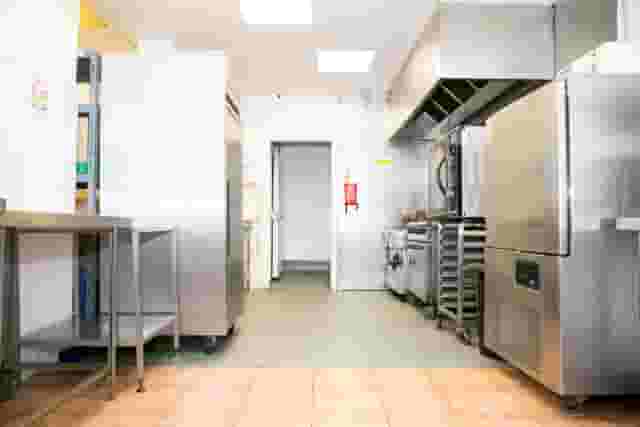


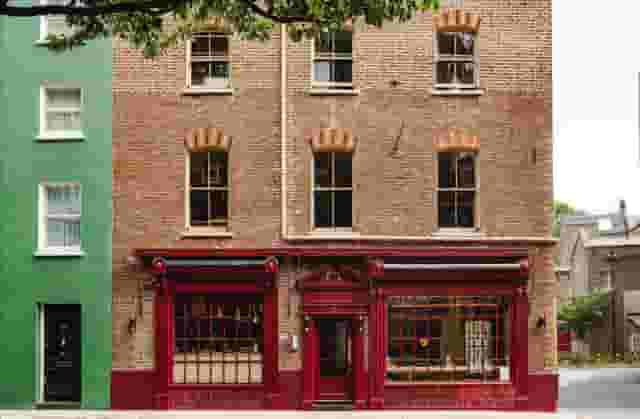
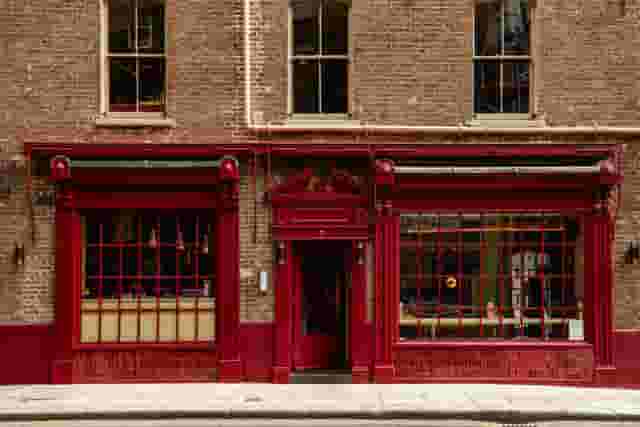



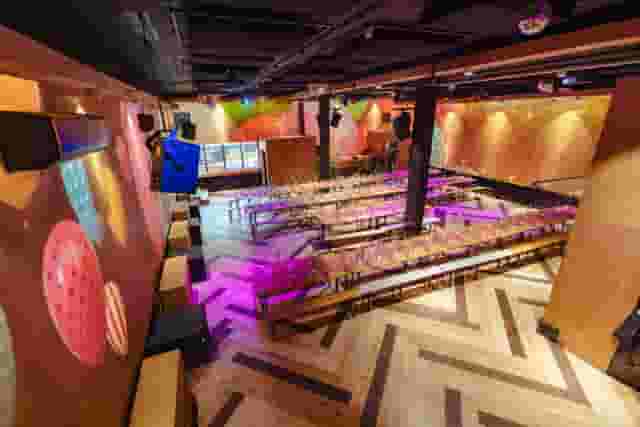





























No venues match these filters
Try widening your capacity, luxury level or event type.
Don't have time to search? We'll find it for you.
For business events that need human judgement, talk to our team. Free for events of 100+ people, budgets over £10k or ongoing programmes.




Explore more venues in London












Frequently asked questions
How much does hiring a London kitchen cost?
What size kitchen do I need for my event?
Are there kitchens with a homely feel in London?
What should I look for in a London hire kitchen?
How do I ensure a kitchen meets safety standards?
Other platforms search their database. We search everything.
Tell us what you need. Our deep research finds any venue, whether it's in our marketplace or not. No one else does this.
About Kitchens for Hire in London
Hiring a private kitchen for a company event shifts the dynamic of corporate entertaining. Instead of sitting around a static restaurant table or balancing drinks in a noisy reception bar, guests interact through cooking, tasting or watching a chef work up close. London offers a diverse stock of culinary spaces, ranging from professional broadcast studios and purpose-built cookery academies to intimate residential-style kitchens and restaurant spaces with open prep areas.
Organising an event in a working kitchen brings distinct operational demands. You are coordinating food hygiene standards, commercial extraction systems, specialist equipment and strict delivery schedules alongside standard hospitality requirements such as guest seating, dietary management and bar service. Selecting the right space requires understanding how your team will interact with the kitchen, what equipment must be in place before you arrive and how the schedule balances hands-on activity with relaxed socialising.
Choosing between production studios, cookery schools and private dining kitchens
The first operational choice is deciding what role the kitchen plays in your event. Different company gatherings demand entirely different kitchen layouts, and booking the wrong format will complicate your event flow.
Production studios are designed primarily for food filming, photography and live demonstrations. These spaces typically feature expansive central prep islands with overhead lighting rigs, multiple induction hobs and generous floor space for cameras or spectator viewing. Because they are working media spaces, they provide industrial power supplies, extensive walk-in refrigeration and dedicated wash-up areas away from the main presentation counter. Paper Mill Studio operates as a three-storey production studio in Islington, offering working kitchens, meeting rooms and open event space with room for up to 300 standing guests. Spaces like this suit large-scale food brand launches, live cooking demonstrations by headline chefs or multi-station team challenges where visual presentation and broadcast-quality equipment matter.
Cookery schools, by contrast, focus on active participation. They feature multiple individual workstations equipped with identical sets of knives, chopping boards, prep bowls and induction plates. The layout encourages hands-on learning, where every attendee prepares their own elements under the instruction of a head chef. Jenius Social in Islington is designed specifically for this format, combining a fully equipped commercial teaching kitchen with a private dining room that accommodates up to 45 seated guests or 60 standing. Spaces of this type eliminate the friction of kitchen sharing because each attendee has their own dedicated tools and workspace.
Private dining kitchens and domestic-style apartments offer a softer, hospitality-focused setting. In these venues, the kitchen sits open-plan to a comfortable lounge or dining room. The focus moves away from industrial cooking toward relaxed socialising, where guests watch a private chef prepare dinner over drinks, or take part in low-intensity masterclasses such as pasta rolling or cocktail mixing. In East Finchley, Beautiful home kitchen and cookery school provides a luxury domestic setup with Gaggenau appliances suited for up to 20 guests for a buffet format. For micro-events and executive gatherings, KitchenVerse Studio in Canary Wharf offers a sleek culinary studio set up for dining groups of up to 12 guests.
Matching kitchen format to guest numbers and event flow
Kitchen capacities operate differently from regular event spaces. A venue might hold 100 people for a standing drinks reception, but only 20 can cook safely at one time. Overcrowding a kitchen workspace introduces health and safety hazards, from sharp blades to scalding liquids.
When planning your guest list, distinguish between prep capacity, dining capacity and total standing capacity. If your event involves every attendee cooking simultaneously, you must verify how many active stations exist. For larger teams wanting a shared food experience, hybrid formats work best: divide guests into cohorts, rotating between hands-on food preparation, a tasting masterclass and relaxed networking in an adjoining lounge or terrace.
| Venue type | Primary focus | Cooking capacity | Seated dining capacity | Standing reception capacity |
|---|---|---|---|---|
| Dedicated cookery school | Hands-on team cooking | 15 to 40 guests | 20 to 50 guests | 40 to 80 guests |
| Broadcast production studio | Demos, launches, filming | 10 to 25 active | 30 to 100 guests | 100 to 300 guests |
| Industrial arch or loft | Dining, tastings, parties | 10 to 20 active | 30 to 60 guests | 80 to 160 guests |
| Domestic-style kitchen | Intimate dinners, workshops | 6 to 12 active | 8 to 20 guests | 15 to 30 guests |
In Shoreditch, 83 Rivington Street offers an industrial railway arch with an open kitchen, dining space for 50 seated and an overall capacity of 100 standing. This layout allows an external catering team or private chef to handle hot courses while guests network across the dining room and outdoor garden.
For boutique groups seeking central luxury, Holmes Hotel London in Marylebone features The Pantry, a self-contained kitchen space designed for receptions of up to 20 guests. It allows teams to combine informal interactive culinary sessions with hotel hospitality.
For larger corporate evenings with water views, Le Sorelle in Canary Wharf accommodates up to 100 standing guests with an operational kitchen ready for team celebrations or client entertaining. When guest lists push into triple figures, venues like EartH in Dalston provide dedicated kitchen and bar facilities across flexible dining areas, accommodating up to 300 standing guests for large corporate events. As an event planning and venue booking platform supported by a team of real people who take responsibility for the outcome, Hire Space helps organisers evaluate and shortlist culinary spaces in minutes rather than days. For company gatherings of one hundred guests or more, it also displays instant availability verified directly by the venues for your exact dates and operational needs.
Budgeting for kitchen hire, catering and drinks packages
Budgeting for kitchen hire differs from standard venue booking because costs are split across facility hire, chef facilitation, food ingredients, drinks and cleaning overheads. Hire Space 360 is enterprise venue and hotel procurement for companies spending £1m or more a year on meetings and events: a managed meetings and events programme, the kind procurement teams call strategic meetings management. This framework places all venue sourcing across the business under a single supplier agreement, replacing individual kitchen deposits and caterer accounts with consolidated invoicing. It provides finance and procurement teams with live spend reporting while ensuring team socials remain aligned with corporate event policy.
Pricing across London kitchen venues typically sits between £43 to £128 per head. This figure is indicative, and estimated from what these venues have charged for similar events. It is based on 10 quotes from the venues on this page and assumes a corporate gathering of about 50 guests.
Expected per-head pricing structure: £43 to £128 per head, based on 10 quotes from venues on this page and assuming about 50 guests.
Where your event lands within that range depends on the hire model:
- Dry hire models: Toward the £43 end of the range, bookings usually cover dry hire of the space, standard extraction, basic cooking equipment and domestic refrigeration. You provide the food ingredients, bring in external chefs or caterers, supply table linens and fund your own bar stock. Dry hire keeps base costs low, but requires you to manage supplier insurance, delivery logistics, waste removal and post-event kitchen scrubbing.
- All-inclusive culinary packages: Moving toward the £128 end of the range, packages generally include private venue hire, head chef tuition, kitchen assistants, premium raw ingredients, welcome prosecco, paired wines and dedicated kitchen porters who manage prep washing and end-of-night sanitisation.
When reviewing proposals, ask venues to itemise ancillary fees that can quickly shift your total spend:
- Kitchen porter fees: In an interactive cooking event, pots, pans and mixing bowls pile up rapidly. A dedicated kitchen porter keeps prep counters clear so guests can cook without clutter. Some venues include porters in their package, while others charge an hourly rate between £15 and £25 per hour.
- Deep cleaning and waste disposal charges: Commercial kitchens must be returned in grease-free, food-safe condition. Venues frequently charge a mandatory cleaning fee of £150 to £400 if you use external caterers or run dry hire bookings. Check whether commercial rubbish and food waste removal is included or charged by the sack.
- Corkage and drinks minimums: If you plan to bring client-branded wines or specific spirits, confirm corkage rates upfront. Many culinary spaces waive corkage if you hire their in-house sommelier or hit a minimum spend on draught and soft drinks.
- Equipment hire and smallwares: While venues list commercial ovens and hobs, check their inventory of chef knives, chopping boards, aprons, serving platters, wine glasses and cutlery. Hiring tableware from external suppliers adds transport and washing charges.
Equipment checks, safety standards and kitchen logistics
Safety standards and equipment capacity require close scrutiny before signing a hire agreement. Operating a commercial kitchen involves legal compliance that does not apply to regular conference rooms.
Start by verifying the venue's food hygiene credentials. Ask for their current local authority food hygiene rating, food safety management procedures and allergen management protocols. If your staff or an external chef team will prepare food on-site, the venue contract must establish clearly who holds legal liability for food safety, allergen cross-contamination controls and guest supervision around hot equipment.
Take time on site visits to check the physical infrastructure:
- Ventilation and extraction: High-heat searing, deep frying or multi-station gas cooking produces steam, grease and smoke. Ensure the extraction canopy runs effectively and holds an up-to-date duct cleaning certificate. Domestic extractors cannot cope with twelve people frying steaks simultaneously.
- Refrigeration capacity: Check how much dedicated chilled storage is reserved for your event. If your team or caterer arrives with fresh produce, dairy and pre-batched desserts hours before the event, you cannot rely on a single under-counter domestic fridge. Confirm that clear separate shelf space exists to keep raw meat and ready-to-eat items apart.
- Power supply and phase load: If you plan to hire supplemental induction plates, sous-vide baths or soft-serve machines, calculate your total electrical draw. Commercial appliances pull significant wattage and can trip standard domestic circuit breakers. Production studios and dedicated cookery venues offer multi-phase electrical connections designed for heavy loads.
- Fire safety systems: Kitchen fires require specialist responses. Confirm that the kitchen carries operational fire blankets, wet chemical extinguishers for oil fires and clear, unobstructed escape routes. Check that staff on site hold basic fire marshal training and that the venue has an active fire risk assessment.
Logistical access is equally critical. Chefs, wine merchants and food suppliers require vehicle loading bays with direct, step-free access to the kitchen doors. In historic or basement London venues, carrying crates of food and ice up narrow stairwells slows down setup and risks breakage. Establish your access window: an evening cooking event starting at 18:30 often requires kitchen access from 14:00 for mise en place and equipment checks.
Structuring the evening: interactive cooking and dining run of show
A kitchen event requires tighter stage management than a standard drinks reception. If prep work takes too long, guests get hungry; if courses finish too quickly, the night feels rushed. Balancing hands-on engagement with time to eat and network is key to a smooth event.
The ideal timeline pairs an initial reception with structured kitchen tasks, leading into a relaxed seated meal where venue staff take over the heavy clearing.
| Time window | Event phase | Operational focus |
|---|---|---|
| 18:00 to 18:30 | Arrival and welcome drinks | Guests arrive, check coats, put on aprons, enjoy welcome drinks and bar snacks outside the cooking zone. |
| 18:30 to 18:45 | Chef briefing and safety overview | Head chef outlines the menu, demonstrates knife safety, explains workstation assignments and covers allergen controls. |
| 18:45 to 19:45 | Interactive cooking session | Teams prepare main elements or assemble starters under guidance. Kitchen porters clear dirty prep bowls in real time. |
| 19:45 to 21:00 | Seated dinner and wine service | Guests take seats in the private dining space. The kitchen team dishes up finished courses with paired wines. |
| 21:00 to 22:00 | Desserts, drinks and wrap-up | Casual dessert course, digestifs, informal speeches and team debrief. Kitchen team begins post-event deep clean. |
Keep guest cooking tasks focused and achievable. Expecting corporate groups to prepare three intricate courses from scratch leads to delays and stress. The most successful events ask guests to tackle one or two creative elements, such as making fresh pasta, shaping artisanal bread, blending sauces or garnishing plates, while professional chefs handle complex reductions, raw meat roasting and timing-sensitive baking behind the scenes.
Plan the transition between cooking and dining with care. Guests need time to wash their hands, take off aprons and refresh their drinks before sitting down. If the dining table sits directly alongside the prep counters, ensure kitchen assistants clear away raw peelings, dirty pans and cutting boards before guests take their seats. Clean visual presentation around the dining tables lets attendees enjoy their food without feeling like they are sitting in the middle of a commercial wash-up station.
Confirm concluding logistics well before guests depart. Verify public transport connections for late finishes, especially in outer zones. Standard venue hire contracts require guests to vacate the floor by 22:30 or 23:00 to allow caterers their contracted breakdown time without incurring overnight overage fees. Clear expectations around wrap-up times and cleaning handover ensure your company event concludes smoothly.
What our customers say
Inspiration and planning guides

This Is Why London Has Such Unique Venues
At Hire Space, unusual venues [https://hirespace.com/Browse/Unusual-Event-Venues-London] are the name of the game. Passion to find a unique venue for an event seems to be unabated in London, but it's of little surprise when taking into account all the amazing spaces the capital has to offer. But just why is London filled with so many unusual venues for hire? We investigated: Romans, Saxons, Normans, Tudors and Stuarts. The Black Death, two World Wars and one Great Fire. London has seen it a

EventLAB Series: Introducing the Event
We're very excited to introduce EventLAB [https://eventlab.online/], our first two-day event designed to take event professionals through every step of the event planning process. We'll be bringing you the latest updates in the run-up to the event in our 'EventLAB Series' [https://hirespace.com/blog/tag/eventlab//], including relevant content and a little glimpse of the speakers, workshops and themes that will feature at the event. In the first instalment, we’ll explain all there is to know a

6 Reasons Why Venues Should Join Hire Space
Four years ago, we launched Hire Space to connect event venues with new customers easily via our online platform and Venue Expert service. We've come up with 6 reasons why Venue Managers might like working with Hire Space, and why venues should join the club [http://bit.ly/2kQaHEd]! 1. Best SEO in the Industry = High Web Traffic Our Marketing team has enhanced our site visibility on search engines and as a result 1.3M customers visited our web site in 2016 (7% higher than the previous year). Ou
One supplier. Every venue. Full visibility on what you spend.
Multiple venues and events. One agreement.