Venues For 500 People in London for 200 people
Explore top Venues For 500 People in London suitable for events with around 200 attendees.
About Venues For 500 People
### Why London's 500-Capacity Venues Are Perfect for Your 200-Guest Event You might think booking a venue designed for 500 people when you're expecting 200 guests sounds like overkill, but here's the thing – it's actually one of the smartest moves you can make in London's competitive event landscape. After years of organising events across the capital, I've seen how this approach consistently delivers better outcomes for both organisers and attendees. The mathematics alone make compelling reading. When you book a 500-capacity venue for 200 guests, you're working with roughly 40% occupancy, which translates to significantly more breathing room per person. Most venues designed for this scale offer between 180-250 m² of space, giving your guests approximately 1.2-1.5 m² each – well above the cramped 0.8 m² you'd typically get in a venue sized exactly for your numbers. #### The Financial Sweet Spot That Surprises Everyone Here's where it gets interesting from a budget perspective. London venues with 500-person capacity typically charge £3,000-£8,000 for dry hire, but when you're only using 40% of their capacity, you've got serious negotiating power. I've secured deals where clients saved 15-20% simply because the venue knew they'd have lower wear-and-tear, reduced cleaning costs, and easier crowd management. The day delegate rates tell an even better story. While central London conference venues typically charge £55-£120+ per person for basic to luxury experiences, larger venues often offer better value because their fixed costs are spread across a bigger potential audience. You're essentially getting premium space at a more reasonable per-head cost. #### Operational Advantages That Make All the Difference The technical capabilities of 500-capacity venues are where you really see the value. These spaces come equipped with 3-phase power (63A per phase minimum), professional-grade AV systems like Allen & Heath mixing desks, and 1 Gbps internet as standard. Try finding that specification in a venue sized for exactly 200 people – you'll pay significantly more for retrofitted solutions. The flexibility is remarkable too. Need to pivot from theatre-style seating to a standing reception? Easy. Want to create breakout areas or networking zones? You've got the space. Planning a [corporate away day](https://hirespace.com/GB/London/Corporate-Away-Day-Venues) that might expand? You're already sorted. Your next step should be identifying 3-4 venues with 500-person capacity in your preferred London area, then approaching them with your 200-guest requirement. You'll be surprised how eager they are to discuss flexible arrangements that work for everyone. ### 5 Essential Planning Steps for Booking Large-Scale Venues in London Getting the booking process right for large-scale venues is absolutely crucial, and frankly, it's where I see most event organisers stumble. The good news? There's a proven framework that works brilliantly for securing 500-capacity venues when you're planning for 200 guests. #### Start Your Search 6-8 Months Out (Not 3-4 Like Smaller Venues) Here's something that catches people off guard – large venues in London book up faster than you'd expect, especially the quality ones. I always tell clients to start their venue hunt 6-8 months ahead, particularly if you're eyeing dates between September and December when corporate events peak. The King's House Upper Room, for instance, with its 182.5 m² space and professional AV setup, gets booked solid during conference season. The sweet spot for availability? Tuesday through Thursday bookings typically offer 20-30% better rates than Friday events, and you'll have more negotiating power. #### Nail Down Your Technical Requirements Before You Visit This is where working with 500-capacity venues becomes brilliant – but only if you know what to ask for. These venues come standard with 3-phase power and 1 Gbps internet, but you need to confirm specifics. Will you need the full PA system (those D&B Y10p speakers aren't cheap to run)? Do you require the professional lighting rig, or will house lights suffice? I always create a technical spec sheet covering power requirements, AV needs, and internet bandwidth. It saves hours of back-and-forth later and helps venues provide accurate quotes. #### Understand the Staffing Model Early Large venues operate differently from smaller spaces. They typically require minimum staffing levels regardless of your guest count – usually 4-6 people covering technical, security, and front-of-house. This can add £800-£1,200 to your costs, but it also means professional service standards that smaller venues can't match. #### Negotiate Based on Reduced Impact, Not Just Size Here's your ace card: emphasise how your 200-guest event creates less wear-and-tear, requires simpler crowd management, and reduces their cleaning costs. I've seen clients secure 15-20% discounts by positioning their event as "low-impact" rather than just "smaller." Consider exploring [company retreats in Greater London](https://hirespace.com/GB/Greater-London/Company-Retreats) if you're planning something more intimate – these venues understand the dynamics of right-sizing perfectly. #### Lock in Your Cancellation Terms and Force Majeure Clauses Large venues have stricter cancellation policies because they're turning away bigger bookings for you. Negotiate sliding-scale penalties rather than flat fees, and ensure your force majeure clause covers more than just "acts of God" – include transport strikes and major local disruptions. Your next move should be creating a shortlist of three venues and requesting detailed technical specifications alongside their standard hire agreements. This gives you everything you need for meaningful negotiations. ### Understanding Costs and Hidden Fees When Hiring 500-Person Venues for Smaller Groups The pricing structure for large-scale venues can be absolutely bewildering if you're not prepared for it, and honestly, it's where I've seen even experienced event planners get caught out. The key thing to understand is that 500-capacity venues operate on completely different cost models than smaller spaces – and that can work brilliantly in your favour if you know what you're looking at. #### The Base Rate Is Just the Beginning When venues quote you £3,000-£8,000 for dry hire, that's genuinely just your starting point. What they don't always mention upfront is the mandatory staffing requirement – typically 4-6 people regardless of your guest count. That's an additional £800-£1,200 you need to factor in, covering technical support, security, and front-of-house management. The good news? This staffing level is actually overkill for 200 guests, which gives you excellent service standards. Here's where it gets interesting though. Large venues often bundle their AV equipment differently. That professional PA system with D&B speakers and Allen & Heath mixing desk? It might be included in your hire fee, or it could be an extra £1,500-£2,500 depending on usage. Always ask for a detailed breakdown of what's included versus what's additional. #### The Hidden Costs That Add Up Quickly Power consumption is where many people get stung. These venues are designed for full capacity, so their baseline power costs assume heavy usage. If you're only using 40% of the space, negotiate a reduced power charge – I've seen savings of £200-£400 on this alone. Cleaning fees are another area worth scrutinising. Standard rates assume 500 people's worth of mess, but your 200-guest event creates significantly less impact. Push for a reduced cleaning fee based on actual usage rather than venue capacity. | Cost Category | Standard Rate | Negotiated Rate (200 guests) | Potential Saving | |---------------|---------------|------------------------------|------------------| | Cleaning | £800-£1,200 | £500-£700 | £300-£500 | | Power | £400-£600 | £250-£350 | £150-£250 | | Security | £600-£800 | £400-£500 | £200-£300 | #### Smart Negotiation Strategies That Actually Work The most effective approach I've found is positioning your event as "premium but intimate." Emphasise that you're choosing their venue for the quality of space and service, not because you couldn't afford something smaller. This mindset shift often unlocks better rates and included services. Consider timing strategically too. If you're flexible with dates, venues will often throw in extras like upgraded AV or extended setup time to fill quieter periods. This works particularly well for [company retreats in Hampshire](https://hirespace.com/GB/Hampshire/Company-Retreats) or similar corporate events where date flexibility exists. Your next step should be requesting itemised quotes from three venues, specifically asking them to separate mandatory costs from optional extras. This transparency makes negotiation much more straightforward and helps you compare like-for-like. ### Maximizing Space and Impact: Layout Strategies for 200 Guests in Oversized Venues ### Maximizing Space and Impact: Layout Strategies for 200 Guests in Oversized Venues Working with 500-capacity venues for 200 guests is like having a blank canvas with premium brushes – the possibilities are endless, but you need to know how to use that extra space strategically. I've seen too many organisers simply plonk their guests in the centre of a massive room and wonder why the atmosphere feels flat. The secret lies in creating intentional zones that make your event feel intimate despite the generous square footage. #### Creating Intimacy Within Grand Scale The golden rule I always share is the 60-40 split. Use roughly 60% of your available space for the main event area, then transform the remaining 40% into purposeful zones. In a typical 200 m² venue designed for 500 people, this gives you about 120 m² for your core activity and 80 m² for networking areas, registration zones, or breakout spaces. This approach works brilliantly because it eliminates that "lost in a warehouse" feeling while giving you flexibility most smaller venues simply can't offer. I recently worked with a client at a venue similar to The Lightwell – they used the main space for their 200-person conference, then created three distinct networking pods in the remaining area using modular furniture and strategic lighting. #### Strategic Furniture Placement That Actually Works Here's where the technical advantages of large venues really shine. With 3-phase power throughout and multiple rigging points, you can create dramatic lighting zones that guide guest flow naturally. Position your registration area near the entrance, but don't make it a bottleneck – use the extra width to create parallel check-in stations that process guests quickly. For the main seating area, avoid the temptation to centre everything. Instead, position your audience slightly off-centre, leaving space for a proper networking area with high tables and comfortable seating. This setup encourages mingling before and after your main programme without guests feeling like they're interrupting the formal space. The ceiling height in these venues – typically 3.5-4.5 metres – allows for creative solutions too. Hanging installations, uplighting, or even suspended signage can define different areas without physical barriers. #### Making Every Square Metre Count Consider incorporating elements that smaller venues couldn't accommodate. A dedicated exhibition area, a quiet zone for phone calls, or even a separate catering station that doesn't compete with your main presentation space. These additions transform your event from a simple gathering into a comprehensive experience. If you're planning something more elaborate, venues that cater to [company retreats in Hertfordshire](https://hirespace.com/GB/Hertfordshire/Company-Retreats) often have excellent case studies of creative space utilisation you can adapt. Your next step should be sketching three different layout options for your chosen venue, each maximising different aspects – networking, presentation focus, or hybrid functionality. Most venue managers love seeing this level of planning and often contribute valuable suggestions based on their space's unique characteristics. ### Expert Tips for Negotiating with London's Premium Event Venues ### Expert Tips for Negotiating with London's Premium Event Venues The negotiation game changes completely when you're dealing with premium venues designed for 500 people, and frankly, most event organisers approach it all wrong. They walk in apologising for their "smaller" event when they should be highlighting the unique value proposition they're bringing to the table. After negotiating hundreds of these deals across London, I can tell you that venue managers actually prefer well-planned 200-guest events over chaotic 500-person gatherings. #### Lead with Your Event's Premium Positioning Start every conversation by emphasising quality over quantity. Premium venues like those with professional AV systems and 1 Gbps internet aren't just selling space – they're selling an experience. When you position your 200-guest event as "curated" or "exclusive," you're speaking their language. I've seen this approach unlock 15-20% discounts simply because venue managers recognise they're dealing with serious professionals who understand value. The timing of your approach matters enormously too. Contact venues on Tuesday or Wednesday mornings when their sales teams are fresh and focused. Avoid Mondays (they're catching up from the weekend) and Fridays (they're winding down). This small detail can make the difference between getting their full attention or a rushed response. #### Leverage Your Reduced Impact as a Selling Point Here's your secret weapon: emphasise how your 200-guest event creates significantly less wear and tear on their facilities. With only 40% capacity utilisation, you're offering them an easier event to manage with lower cleaning costs, reduced security requirements, and minimal risk of damage. I've negotiated deals where venues reduced their cleaning fees from £1,200 to £700 simply because the client presented detailed crowd management plans showing lower impact. The power consumption angle works brilliantly too. These venues budget for full capacity usage, but your event will consume roughly 40% of their typical power load. Ask for a reduced power charge based on actual usage rather than venue capacity – savings of £200-£400 are completely achievable. #### Master the Art of Package Bundling Premium venues make their real money on add-ons, so approach negotiations with a bundling mindset. Instead of negotiating individual line items, ask for comprehensive packages that include AV, staffing, and extended setup time. This approach often unlocks better overall value because venues can absorb costs across multiple services. Consider exploring venues that specialise in [company retreats in Gloucestershire](https://hirespace.com/GB/Gloucestershire/Company-Retreats) if you need inspiration for creative package negotiations – they're masters at right-sizing premium experiences. #### The 48-Hour Follow-Up Strategy After your initial meeting, send a detailed follow-up within 48 hours summarising your requirements and proposed terms. Include a timeline showing your decision-making process and emphasise any unique aspects of your event that add prestige to their venue. This professional approach positions you as a serious client worth accommodating. Your next step should be preparing a one-page event brief highlighting your event's premium nature, reduced venue impact, and flexible requirements. This document becomes your negotiation foundation and demonstrates the professionalism that premium venues value most.
Featured Venues for Venues For 500 People
Browse 16 venues perfect for Venues For 500 People
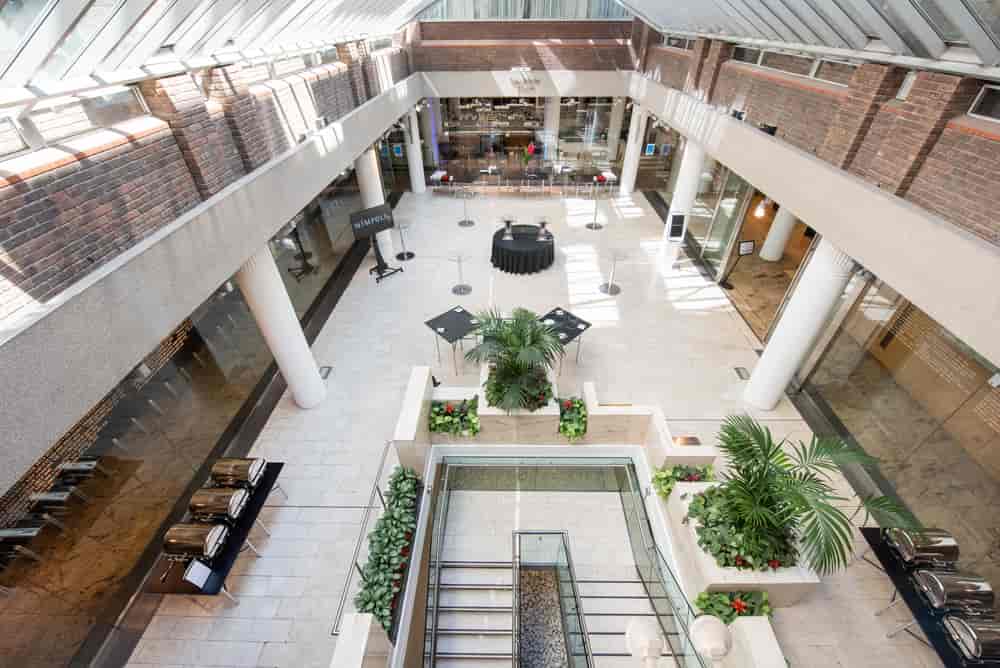
Events at 1 Wimpole Street
A spacious, glass-roofed atrium in central London, ideal for corporate events and receptions.
From: £1200
Capacity: Up to 200 guests
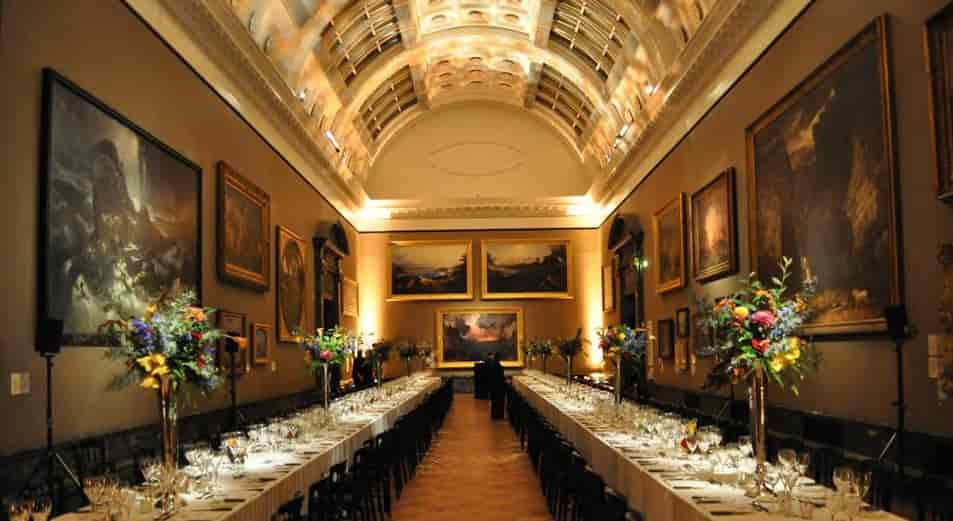
Events at Tate Britain
A historic gallery space showcasing British art, ideal for elegant events and dining experiences.
From: £10000
Capacity: Up to 300 guests
Events at University of London Venues
A versatile event space in iconic art deco building, suitable for award ceremonies, banquets, and graduations.
From: £70
Capacity: Up to 375 guests
Weddings at St Martin-in-the-Fields
A historic 18th-century crypt in central London, ideal for large receptions and dinners.
From: £11000
Capacity: Up to 500 guests
Pop-up at Studio Spaces
A versatile 8000sqft renovated warehouse with three modular spaces, ideal for large-scale events.
From: £6500
Capacity: Up to 1000 guests
Events at The May Fair Hotel, A Radisson Collection Hotel
Elegant event space with private bar, stunning chandelier, ideal for weddings, parties, and dinners.
From: £99 per person
Capacity: Up to 370 guests
Events at The Royal Society
A prestigious venue in Carlton House Terrace, ideal for events from small meetings to large receptions.
From: £10800
Capacity: Up to 500 guests
Dining at Kia Oval
A pillarless suite with natural light and Oval wicket views. Ideal for dining events and banquets.
Capacity: Up to 900 guests
Weddings at The Inner Temple
A Georgian-style terrace with garden views, ideal for wedding receptions and events for up to 200.
From: £3207
Capacity: Up to 200 guests
Business at RCP London Events (Royal College of Physicians)
From: £82 per person
Capacity: Up to 200 guests
...and 6 more venues available
Related Event Types
- Event Venues
- Event Venues
- Business Venues
- Formal Event Venues
- Impressive Event Venues
- Product Launch Venues
- Recently Opened
- Intimate Event Venues
- Outdoor Event Venues
- Showpiece Venues
- Stadiums
- Venues With A View
- Venues With No Corkage
- Hybrid Event Venues
- Business Venues
- Formal Event Venues
- Impressive Event Venues
- Product Launch Venues