Museums in London for 50 people
Explore unique museums in London ideal for hosting events with up to 50 attendees.
About Museums
### Why London's Museums Are Perfect for Your 50-Person Event (And Which Ones Actually Work) There's something magical about hosting an event surrounded by centuries of history and culture – and London's museums offer exactly that backdrop for your 50-person gathering. We've found that museum venues consistently deliver that "wow factor" that transforms ordinary corporate events into memorable experiences, whilst offering surprisingly practical benefits that many event planners overlook. The numbers speak for themselves: museum venues in London typically charge between £500-£1,000 per day for spaces accommodating 50 people, which often includes exclusive access to exhibition areas that would normally cost your guests £15-25 each to visit. When you factor in the built-in entertainment value and conversation starters, you're looking at exceptional value compared to traditional conference centres. #### What Makes Museums Work So Well for Mid-Sized Groups For 50-person events, you're hitting the sweet spot where museums really shine. The Museum of London Docklands' Wilberforce Room, for instance, offers 80m² of flexible space with 3-metre ceilings – perfect for presentations whilst maintaining that intimate atmosphere that larger venues can't match. You'll find most museum spaces naturally encourage networking, as guests inevitably drift towards exhibits during breaks. The practical benefits are equally compelling. Most established museums already have robust AV infrastructure (minimum 100 Mbps internet, professional lighting systems), climate control that protects priceless artefacts (which means your guests stay comfortable), and accessibility features that exceed standard requirements. Plus, you're getting venues that are already designed to handle crowds safely – something that's become increasingly important for corporate events. #### Which London Museums Actually Deliver for Events Not all museums are created equal for events. The British Museum and Tate Modern offer stunning spaces but come with premium pricing and strict restrictions. For better value and flexibility, consider the Museum of London Docklands, the Design Museum, or the Churchill War Rooms – all offer dedicated event spaces with fewer limitations on catering and setup. The key is matching your event's energy to the venue's character. High-energy product launches work brilliantly at the Design Museum, whilst more formal corporate presentations suit the gravitas of historical venues. We've seen [corporate days out](https://hirespace.com/GB/London/Corporate-Days-Out) transform when organisers choose venues that reflect their company values rather than just ticking the "impressive location" box. Your next step? Visit potential venues during similar events to see how the space actually flows with 50 people – photos never tell the full story of how sound carries or how naturally guests move through the space. ### The Smart Event Planner's Guide to Museum Venue Requirements and Hidden Costs The devil's in the detail when it comes to museum venue costs, and we've seen too many event budgets blown by charges that weren't mentioned in the initial quote. The headline day rate of £500-£1,000 is just the starting point – the real cost often creeps up to £1,500-£2,500 once you factor in the essentials that museums don't always highlight upfront. #### The Hidden Costs That Catch Everyone Out Security staffing is the big one that surprises most planners. Museums require dedicated security personnel during private events, typically costing £200-£300 per guard for a full day. For 50 people, you'll need at least two guards – one for the main space and another for any adjoining galleries. That's £400-£600 that wasn't in your original quote. Then there's the technical requirements that sound simple but aren't. Most museums charge separately for AV equipment beyond basic lighting. A professional projector setup with sound system typically adds £300-£500, and if you need live streaming capabilities (increasingly common for hybrid events), expect another £400-£800 for the bandwidth upgrade and technical support. Catering restrictions can also impact your budget significantly. Many museums only work with approved caterers who understand the strict requirements around protecting exhibits. These specialists typically charge 15-20% more than standard event caterers, but they're worth it – we've seen events nearly cancelled because regular caterers couldn't meet the venue's conservation standards. #### The Insurance and Licensing Maze Here's where it gets particularly tricky for 50-person events. You'll need public liability insurance of at least £5 million, which most corporate policies cover. However, if you're serving alcohol, you'll need a Temporary Event Notice (TEN) from the local council, costing £21 but requiring 10 working days' notice. Miss this deadline, and you're looking at a dry event or expensive last-minute alternatives. The permit requirements vary dramatically between venues. The British Museum requires additional documentation for any filming or photography beyond basic event shots, whilst smaller museums like the Foundling Museum are more flexible but still require 48 hours' notice for any changes to your setup. #### Smart Budget Planning That Actually Works Build in a 25-30% contingency for museum events – it sounds high, but it's realistic. Create a detailed technical rider early in your planning process, specifying exactly what AV equipment you need, catering requirements, and any special access needs. This forces venues to provide comprehensive quotes rather than the basic day rates that lead to budget surprises. For [company retreats](https://hirespace.com/GB/Greater-London/Company-Retreats) or more complex events, consider hiring a venue coordinator who specialises in museum events. Their £500-£800 fee often pays for itself by avoiding costly mistakes and securing better rates through established relationships. Your next move should be requesting a detailed breakdown of all potential additional costs before signing any contracts – transparency at this stage saves headaches later. ### Navigating London Museum Bookings: Timeline, Permits, and What Nobody Tells You The booking timeline for London museums is completely different from standard venues, and getting this wrong can derail your entire event. We've learned the hard way that museum bookings require a minimum 8-12 weeks lead time – not because they're being difficult, but because they're juggling exhibition schedules, conservation work, and other private events that can't be moved once confirmed. #### The 12-Week Booking Sweet Spot (And Why It Matters) Most museum event coordinators work on quarterly planning cycles, reviewing private hire requests every 12 weeks. Book within this window, and you'll have access to prime dates and better negotiating power. Leave it until 4-6 weeks out, and you're competing for cancelled slots or awkward time periods around major exhibitions. The Museum of London Docklands, for instance, blocks out event spaces during their Maritime Festival period (usually May-June), whilst the Design Museum restricts bookings during major exhibition changeovers. These blackout periods aren't always obvious from their websites, which is why early conversations with venue coordinators are crucial. #### The Permit Paperwork That Actually Matters Beyond the standard Temporary Event Notice for alcohol (£21, 10 working days), museums often require additional documentation that catches planners off-guard. If your 50-person event includes any filming – even basic social media content – you'll need a separate filming permit. The British Museum charges £150 for basic photography permissions, whilst smaller venues like the Foundling Museum include this in their day rate. For events involving external suppliers, most museums require method statements 48 hours in advance. This isn't bureaucracy for its own sake – it's about protecting irreplaceable collections. Your caterer needs to demonstrate they understand conservation requirements, and your AV technician must show they can work around sensitive exhibits. #### The Insider Booking Strategy That Works Here's what venue coordinators won't tell you upfront: museums often have "shoulder dates" – less popular days that they're keen to fill. Tuesday and Wednesday events typically cost 15-20% less than Thursday and Friday bookings, and you'll get more flexibility on setup times and catering options. Consider linking your museum event with [team off-sites in North London](https://hirespace.com/GB/London/North-London/Team-Off-Sites) for a full day programme – many museums offer package deals when you're booking multiple spaces or extending your hire period. Your next step should be contacting three potential venues simultaneously with your preferred dates and backup options. Museum coordinators appreciate planners who understand their constraints and come prepared with flexible alternatives. ### Making the Most of Your Museum Event: From Interactive Experiences to Catering Solutions The real magic of museum events happens when you move beyond simply hiring a beautiful space and start leveraging the unique opportunities these venues offer. With 50 people, you're perfectly positioned to create interactive experiences that would be impossible in larger groups or traditional conference centres – and the venues themselves are often surprisingly eager to help you make the most of their collections. #### Turning Exhibits Into Event Experiences The most successful museum events we've organised integrate the collections directly into the programme. The Churchill War Rooms, for instance, offers guided tours that can be tailored to your group's interests – perfect for leadership teams exploring decision-making under pressure. These bespoke tours typically cost £8-12 per person but transform a standard corporate event into something genuinely memorable. For product launches or creative workshops, consider venues like the Design Museum where you can book exclusive access to current exhibitions. We've seen tech companies use design exhibitions as inspiration sessions, with facilitators drawing parallels between historical innovation and current challenges. The venue provides the context, you provide the business application – it's a powerful combination that guests talk about for months afterwards. #### Catering That Works With Conservation Requirements Museum catering isn't just about finding approved suppliers – it's about understanding how conservation requirements can actually enhance your event. The strict "no red wine near textiles" rule at many venues has led to some brilliant creative solutions. The V&A's approved caterers, for example, have developed signature cocktails that complement their exhibition themes whilst meeting all conservation standards. For 50-person events, consider canapé receptions that encourage movement through the space rather than seated dinners. This works particularly well in venues like the Museum of London Docklands, where guests naturally flow between the Wilberforce Room and adjacent gallery spaces. Budget £45-65 per head for quality canapés from museum-approved caterers – yes, it's premium pricing, but the presentation and service standards justify the cost. #### Technology Integration That Actually Adds Value Modern museums are surprisingly tech-forward, and many offer digital integration options that can elevate your event. QR codes linking to exclusive content, interactive displays that guests can explore during breaks, or even augmented reality experiences that connect your event theme to the museum's collections. The key is working with venues that understand both conservation and technology. Consider pairing your museum event with [sustainable venues for impactful experiences](https://hirespace.com/blog/sustainable-venues-for-a-green-impactful-product-launch/) – many London museums are leading the way in environmental responsibility whilst maintaining world-class event capabilities. Your next step should be scheduling a planning meeting with both the venue coordinator and an approved caterer simultaneously – this collaborative approach often reveals creative possibilities that neither party would suggest independently. ### 5 Common Museum Event Mistakes That Could Ruin Your Day (And How to Avoid Them) We've seen brilliant museum events turn into disasters over seemingly small oversights, and with 50-person groups, these mistakes get magnified because there's nowhere to hide. The good news? Most museum event failures follow predictable patterns, and once you know what to watch for, they're entirely preventable. #### Mistake #1: Underestimating Sound and Acoustics Museum spaces weren't designed for presentations, and this catches out even experienced planners. Those beautiful high ceilings and hard surfaces that make venues look stunning in photos create acoustic nightmares for speakers. We've watched CEOs struggle to be heard over the echo in the British Museum's Great Court, despite having a microphone system. The fix is surprisingly simple: always request a sound check 24 hours before your event, not on the day. Most museums charge £150-200 for this, but it's worth every penny. For 50 people, you'll need a proper PA system with at least two speakers positioned strategically – one microphone rarely cuts it in these spaces. #### Mistake #2: Ignoring the "Museum Fatigue" Factor Here's what venue coordinators won't mention: guests get overwhelmed in museum environments faster than in standard venues. The combination of visual stimulation from exhibits and the formal atmosphere can actually reduce attention spans by 20-30% compared to conference centres. We've seen perfectly planned presentations fall flat because organisers didn't account for this. Build in more breaks than you normally would – aim for 15 minutes every 45 minutes rather than the standard hour. Use these breaks strategically by encouraging guests to explore nearby exhibits, which actually helps reset their focus for the next session. #### Mistake #3: Catering Timing Disasters Museum catering logistics are completely different from hotels or conference centres. Approved caterers often can't access kitchens until specific times, and they need longer setup periods due to conservation requirements. We've seen events delayed by 90 minutes because planners assumed standard catering timelines would apply. Always add 30 minutes to your caterer's estimated setup time, and confirm kitchen access times in writing. For 50-person events, this typically means caterers need 2.5-3 hours for full setup rather than the 90 minutes they'd need elsewhere. #### Mistake #4: Underestimating Security and Access Control With museum events, you're not just managing your guests – you're managing public access to the rest of the venue. Many planners forget that museums remain partially open during private events, creating complex crowd management challenges. This is particularly tricky for [team off-sites in South East London](https://hirespace.com/GB/London/South-East-London/Team-Off-Sites) where venues like the Cutty Sark have multiple access points. Always request a detailed floor plan showing which areas will be public during your event, and factor in additional security costs if you need crowd barriers or dedicated access routes. #### Mistake #5: Technology Overconfidence Museums have excellent basic infrastructure, but their systems aren't designed for complex corporate AV needs. The biggest mistake we see is planners assuming they can plug in laptops and everything will work seamlessly. Museum AV systems often require specific adapters, and their internet networks may have security restrictions that block certain applications. Test all technology 48 hours before your event, not on the morning. Bring backup dongles, adapters, and consider a mobile hotspot as internet backup – it's saved more events than we can count. Your next step should be creating a detailed run-of-show document that accounts for these museum-specific challenges, then sharing it with both your venue coordinator and key suppliers at least one week before your event.
Featured Venues for Museums
Browse 16 venues perfect for Museums
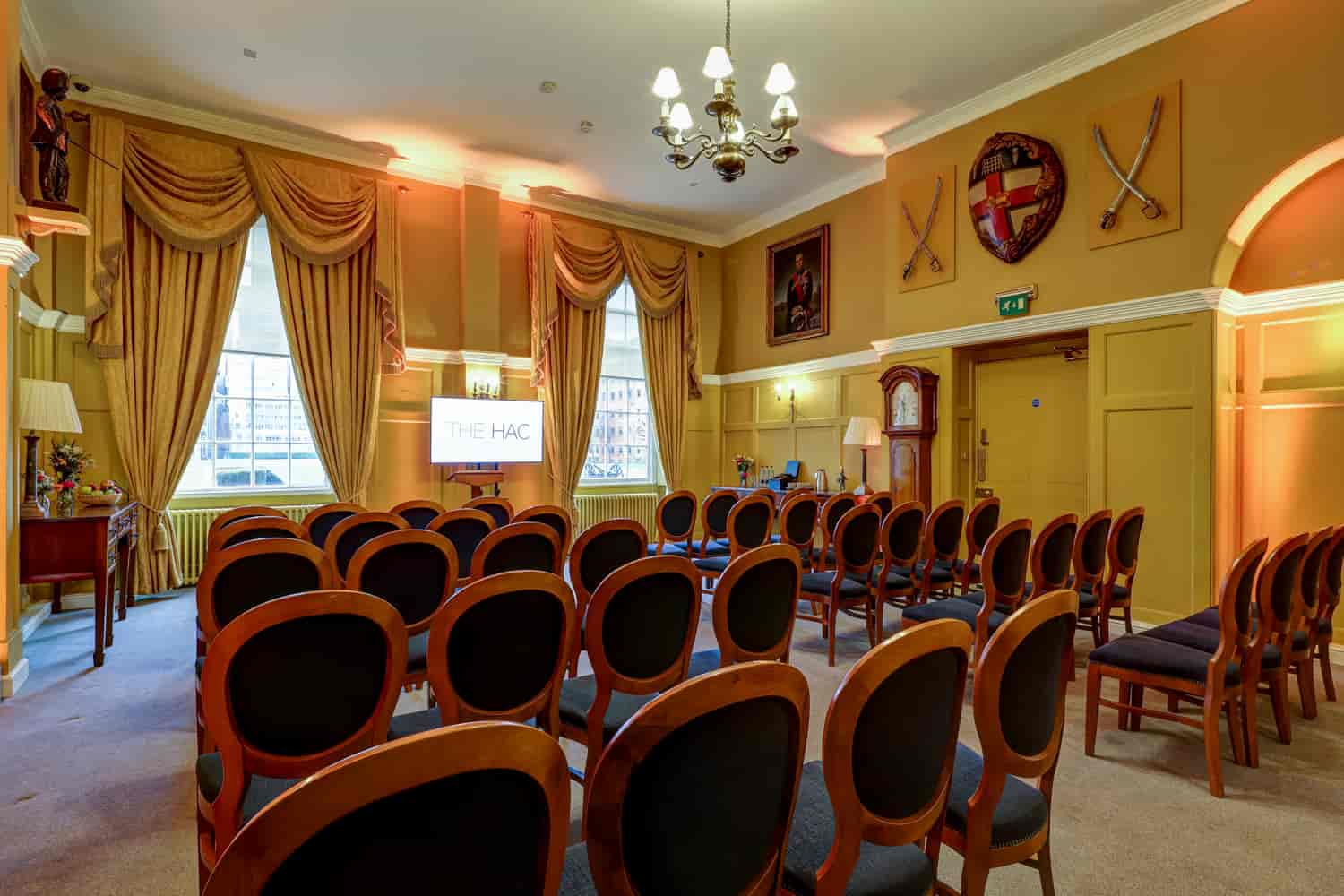
Business at The HAC (Honourable Artillery Company)
Elegant meeting room with garden views in a historic mansion. Ideal for board meetings and seminars.
From: £110 per person
Capacity: Up to 60 guests
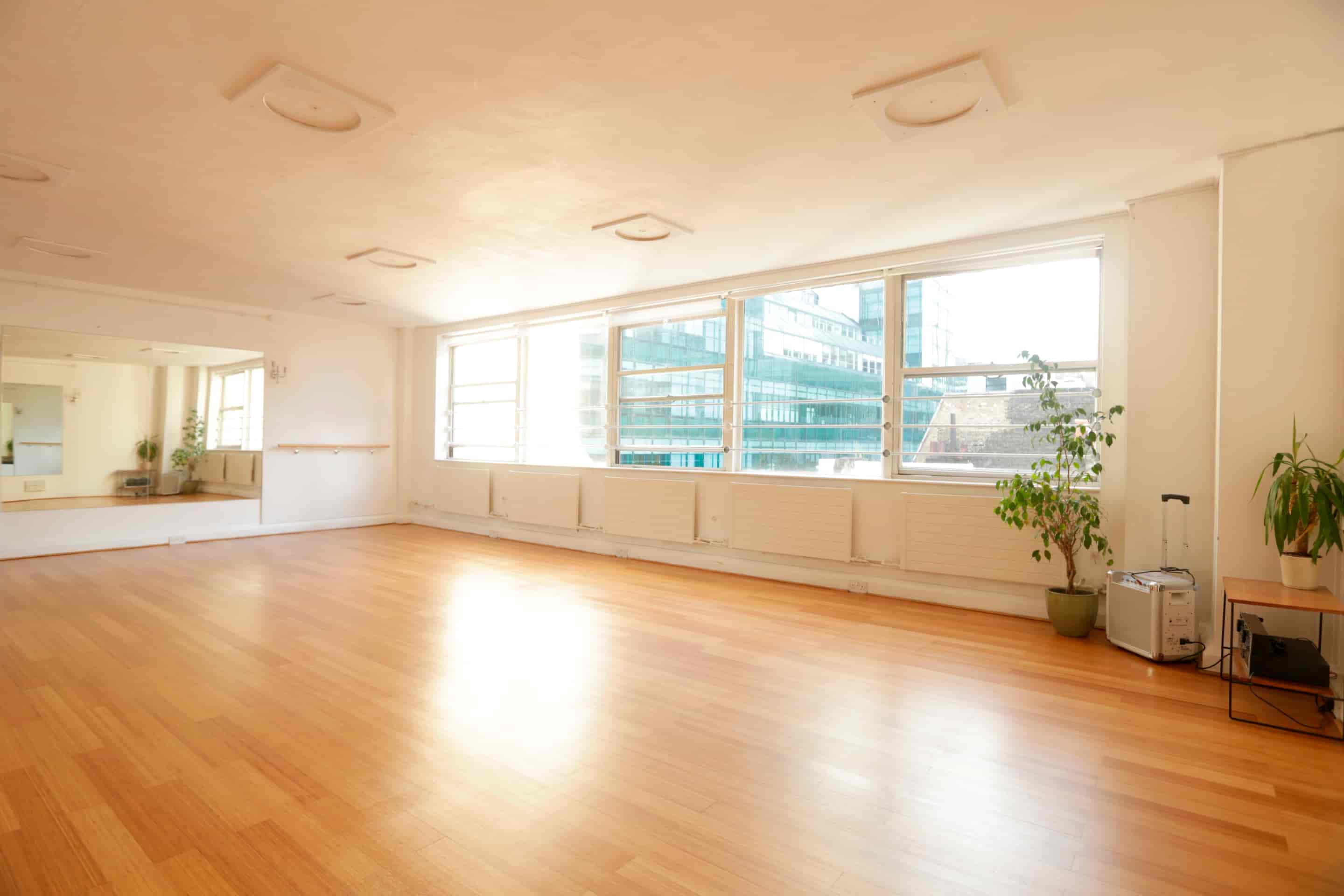
Arts at London Rehearsal Space - Liverpool Street / Moorgate
Bright, airy studio with wooden floors and mirrors. Ideal for rehearsals, auditions, and fitness classes.
From: £35 per person
Capacity: Up to 50 guests
Business at One Birdcage Walk
A versatile, light-filled room in Westminster with park views. Ideal for meetings, workshops, and dining.
From: £1310 per person
Capacity: Up to 60 guests
Weddings at The Union Club
An intimate dining room in a charming Georgian townhouse, perfect for weddings and receptions.
From: £120 per person
Capacity: Up to 60 guests
Events at Kia Oval
Executive boxes at Kia Oval: ideal for meetings, seminars, workshops with plasma screens and balcony access.
From: £1100 per person
Capacity: Up to 50 guests
Business at BMA House
A stunning, circular room with a chandelier and Corinthian columns. Ideal for meetings and presentations.
From: £1800 per person
Capacity: Up to 90 guests
Business at The Royal Pharmaceutical Society
A modern meeting and conference space with excellent AV facilities, set against the backdrop of a historic pharmacy collection.
From: £800 per person
Capacity: Up to 100 guests
Events at Bakers' Hall
Elegant oak-panelled room for meetings, seminars, receptions, private dining, and parties.
From: £450 per person
Capacity: Up to 65 guests
Dining at art'otel London Battersea Power Station
From: £65 per person
Capacity: Up to 85 guests
Business at De Vere Grand Connaught Rooms
An elegant meeting suite in a historic venue, featuring modern tech and an outdoor terrace.
From: £64 per person
Capacity: Up to 56 guests
...and 6 more venues available
Related Event Types
- Unusual Venues
- Unusual Venues
- Kitchenes For Hire
- Marriage Proposal Venues
- Kitchenes For Hire
- Marriage Proposal Venues
- Unusual Venues
- Unusual Venues
- Unusual Venues
- Unusual Venues
- Unusual Venues
- Unusual Venues
- Unusual Venues
- Gallaries
- Gallaries
- Basement Venues
- Basement Venues
- Warehouse