Concert & Live Music Venues for Hire in London
Find London concert venues with the right sound equipment, stage capacity and late licences, backed by instant quotes and real venue experts.
532 Concert Venues for Hire in London



















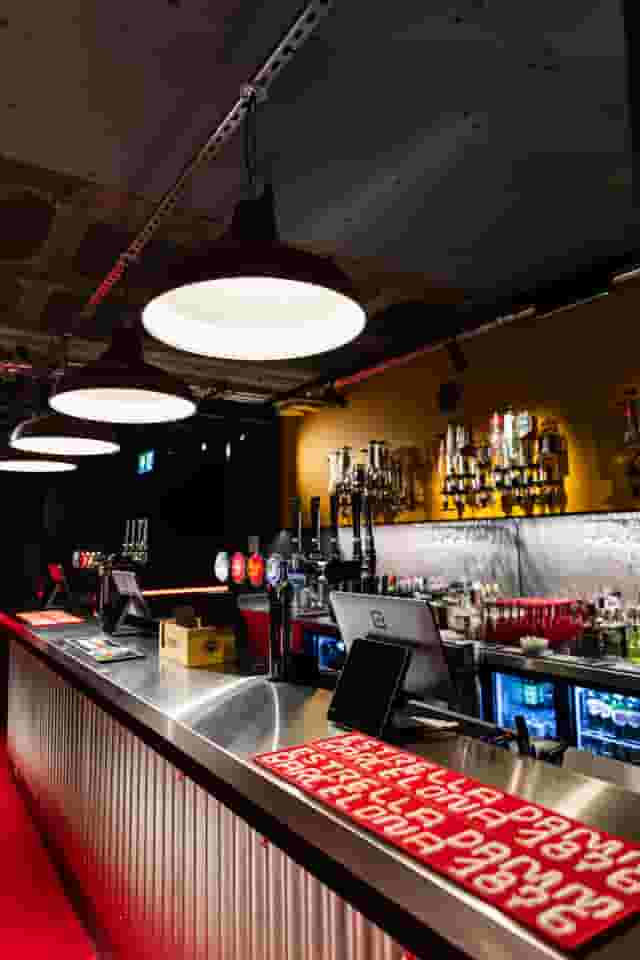
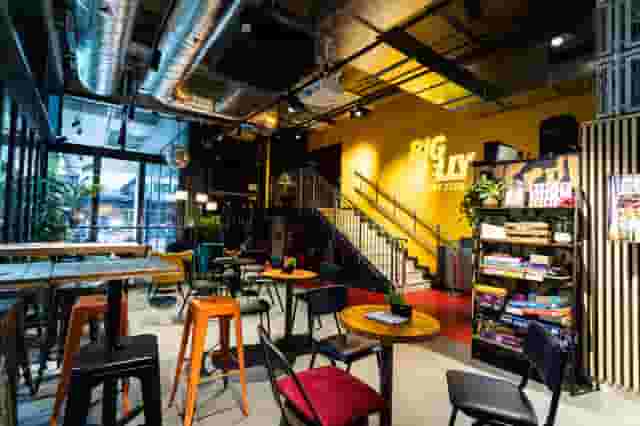
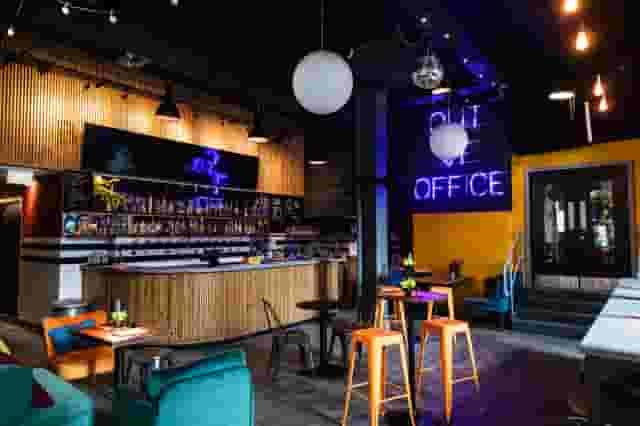
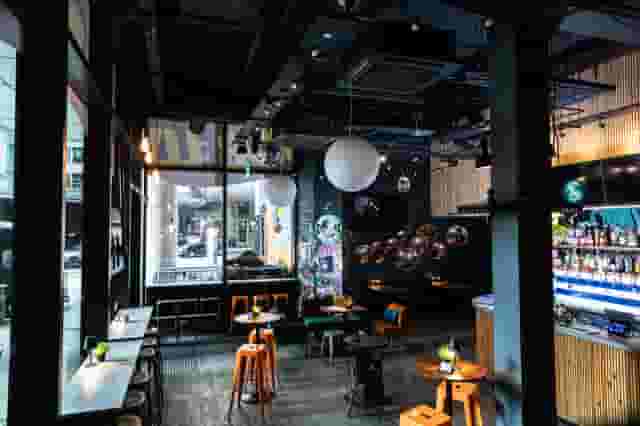












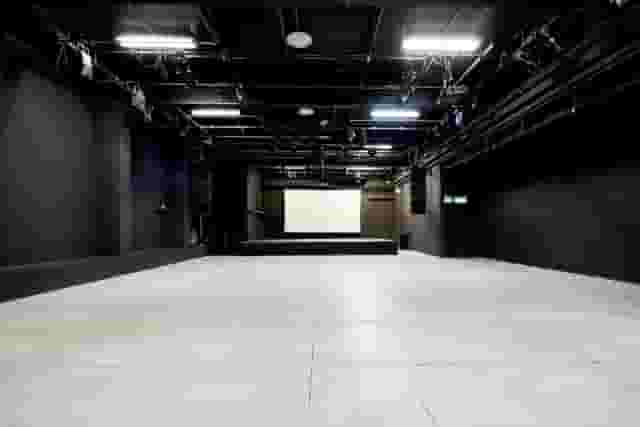
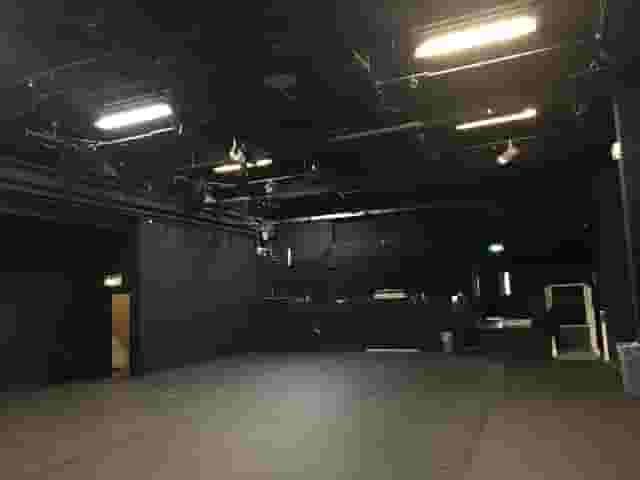
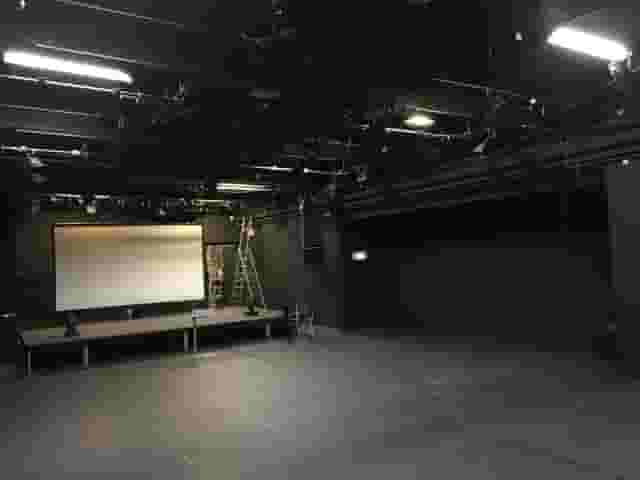
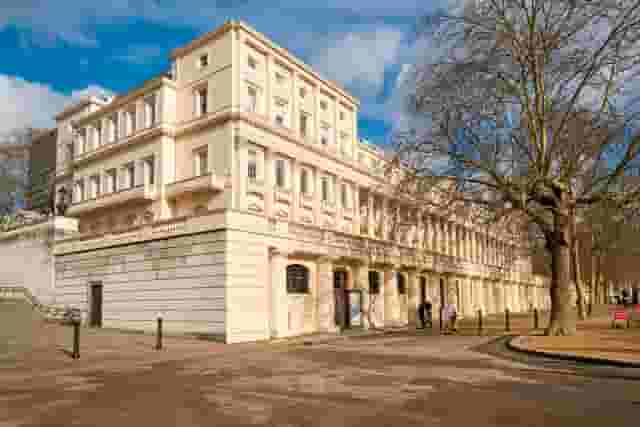































































































































































































































No venues match these filters
Try widening your capacity, luxury level or event type.
Don't have time to search? We'll find it for you.
For business events that need human judgement, talk to our team. Free for events of 100+ people, budgets over £10k or ongoing programmes.




Explore more venues in London


















Frequently asked questions
Should I choose a central or secluded London venue?
What size venue is best for London concerts?
How important is tech for London concert venues?
Are outdoor venues suitable for London gigs?
What's the cost of hiring a London concert venue?
Other platforms search their database. We search everything.
Tell us what you need. Our deep research finds any venue, whether it's in our marketplace or not. No one else does this.
About Concert for Hire in London
Matching room capacity to ticket sales and crowd dynamics
Promoting a live gig comes down to arithmetic and atmosphere. A half-empty room drains energy from the stage, while an oversold space creates bottlenecks at the box office and the bar. When you book a concert venue in London, the headline standing capacity rarely tells the entire story. You have to account for sightlines, mixing desks, merchandising stalls and guest list surges.
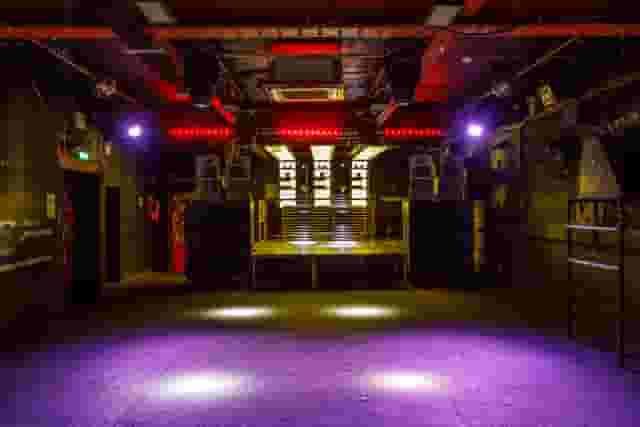
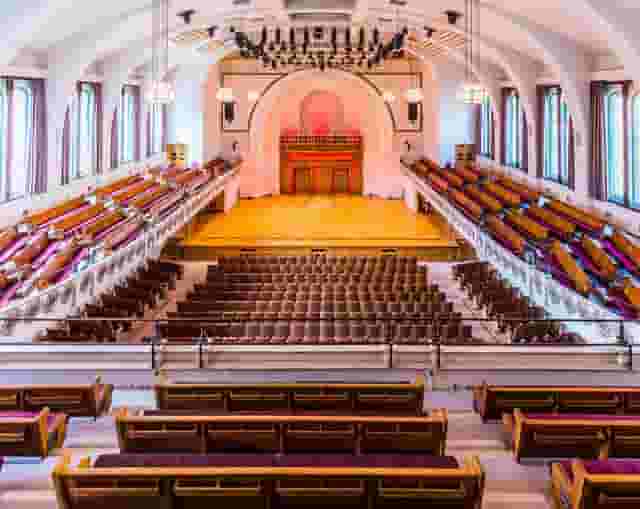
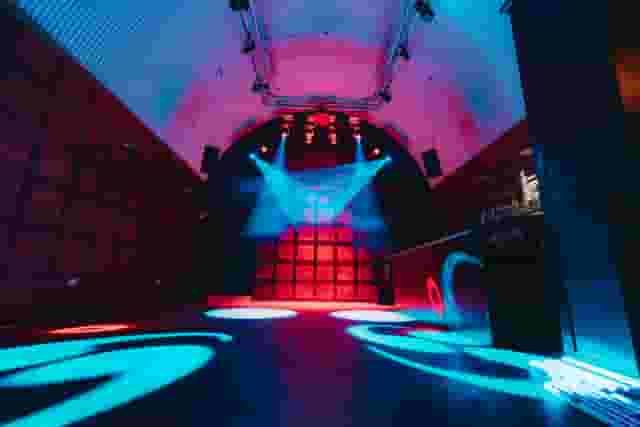
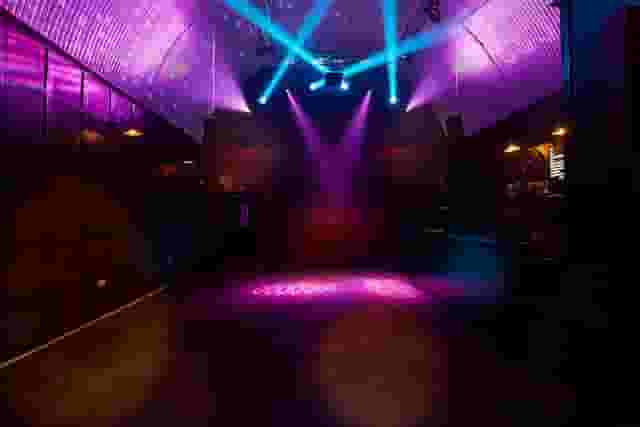
For mid-sized club gigs and multi-room shows, multi-level spaces give you natural crowd distribution. Electrowerkz in Angel provides a five-level industrial layout with space for up to 1550 standing guests across its rooms. That modular footprint lets you run alternative rooms, secondary DJ sets or quiet merch areas away from the main floor. When you want a unified crowd locked into a single stage, rooms like XOYO in Shoreditch bring 800 people together across two industrial-style rooms with purpose-built DJ booths and focused sound.
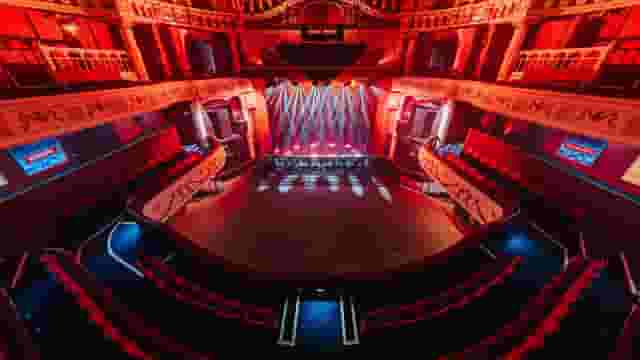
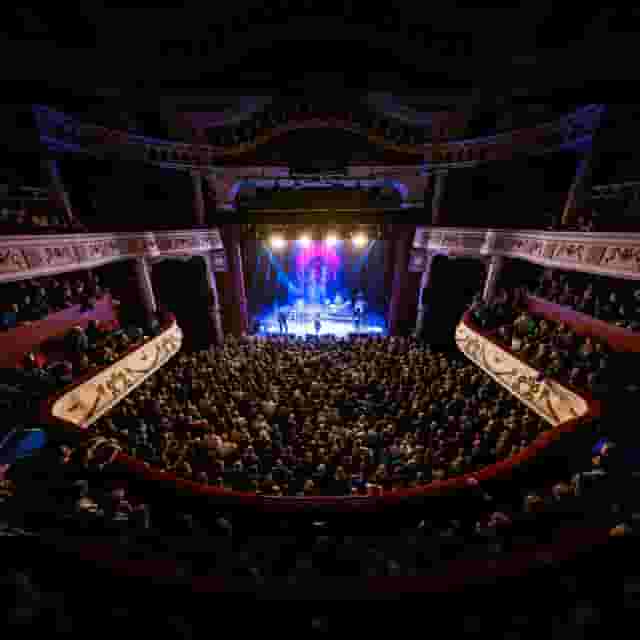
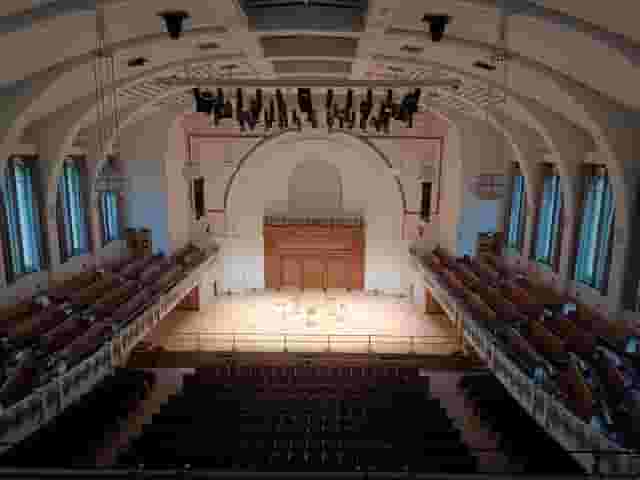
Moving into the four-figure bracket changes your operational footprint. At The Grand in Clapham Junction, the Victorian auditorium holds 1250 standing guests, pairing a traditional tiered theatre view with club-grade production and multiple bars. Once you scale past 1300 ticket holders, purpose-built performance infrastructure becomes mandatory. indigo at The O2 handles 1381 standing guests with built-in acoustic design, while KOKO in Camden accommodates 1500 for live receptions across its historic theatre floor and wraparound balconies. For large touring productions, Troxy in East London stretches capacity to 2100 in theatre format, giving you the floor space needed for major front-of-house desks and elaborate stage sets without sacrificing clear sightlines.
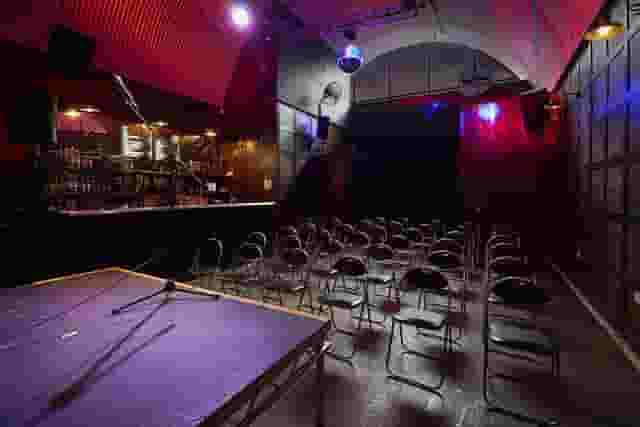
Smaller, focused rooms demand equal discipline. A room like Bush Hall in Shepherd's Bush accommodates up to 300 guests in a restored Edwardian music hall. It suits intimate acoustic sets, album launches or preview shows where audience proximity to the performance is the primary draw. Conversely, Village Underground in Shoreditch holds 125 in a cabaret layout, offering a raw brick warehouse backdrop with strong in-house sound for seated performances or showcases.
| Venue | Neighbourhood | Stated capacity | Ideal event format |
|---|---|---|---|
| Bush Hall | Shepherd's Bush | 300 reception | Intimate acoustic gigs, preview sets and showcases |
| Village Underground | Shoreditch | 125 cabaret | Stripped-back seated sets and curated performances |
| XOYO | Shoreditch | 800 standing | Club nights, electronic live acts and album release parties |
| The Grand | Clapham Junction | 1250 standing | High-energy headline bands and theatrical club shows |
| indigo at The O2 | Greenwich Peninsula | 1381 standing | Touring artists requiring modern, integrated acoustics |
| KOKO | Camden | 1500 reception | Historic multi-tiered live shows and late-night performances |
| Electrowerkz | Angel | 1550 standing | Multi-room underground shows and multi-act mini festivals |
| Troxy | Tower Hamlets | 2100 theatre | Major ticketed concerts, touring acts and awards shows |
Production, stage plots and technical specifications
Live music fails when the technical advance is treated as an afterthought. You cannot rely on a generic venue spec sheet sent three months before show day. The audio team needs an accurate, up-to-date technical specification and stage plot from the headline act and every support artist before you sign a venue hire contract.
Audio infrastructure and backline
A functional live music venue must provide clear details on its public address system, monitor wedges, in-ear monitor compatibility and microphone inventory. Confirm the exact mixing console at front of house and monitor positions. If the venue cannot supply a dedicated monitor desk and your artist runs seven separate stereo in-ear mixes, you will need to hire that console and split system externally, which bites into your production budget.
Check the power supply on and around the stage. Traditional backline, guitar amplifiers and pedalboards demand clean, isolated power separate from the venue lighting rig to prevent audible ground hums. Ask whether the venue provides an in-house backline kit, such as a house drum shell pack or bass cabinet, or if every piece of hardware must be loaded in by the artists.
Stage lighting and sightlines
Stage lighting needs to illuminate the performers without blinding front-of-house sound engineers or spilling excessively into the ticket-scanning area. Check whether the venue lighting package includes automated moving heads, static stage washes and a functional lighting desk with an operator included in the facility fee. Both audience areas and backstage corridors require suitable normal and emergency lighting that meets local authority safety standards, ensuring that dark venue spaces remain safe during quick changes and band changeovers.
Soundcheck timing dictates the entire schedule. Clarify when load-in starts and how many hours are allocated for sound checks. Touring acts often require two to three hours to ring out monitors and balance front-of-house sound, which means support acts may only receive a short line check before doors open. Establish clear changeover windows between acts to prevent the first band from eating into your headliner's curfew.
Budgeting, door splits and hire models
Promoting a concert involves balancing fixed overheads against ticket sales, bar spend and merchandising commissions. Understanding how a venue charges for its space prevents unexpected reconciliation bills after the final encore.
How concert venues structure pricing
London live music venues generally operate on one of three financial models: a straight hire fee, a minimum bar spend, or a split deal based on ticket sales and bar revenue. Standard venue hire usually covers the bare room, basic utility usage and existing house lighting. Security staff, sound engineers, lighting operators, box office personnel and post-event cleaning are frequently itemised as additional costs on your settlement sheet.
For ticketed promoted events in London, indicative market pricing typically falls between £44 to £98 per head. This figure is based on 8 quotes from the venues on this page and assumes a party size of about 200 guests. What this covers depends heavily on where a quote sits within that range. Towards the £44 end of the range, expect a bare dry hire or an off-peak weeknight rate where you cover all crew, security and ticketing surcharges on top. Quotes trending towards the £98 end of the range tend to incorporate dedicated sound and lighting technicians, security teams, basic box office staffing and comprehensive in-house production. To gauge where specific rooms sit against your box office targets, Hire Space is an event planning and venue booking platform with a team of real people beside it, providing instant, data-backed price estimates drawn from actual bookings. It also flags comparable stages at a lower hire cost if your initial choice threatens to outstrip your ticket revenue.
| Budget line item | What is usually covered | What triggers additional charges |
|---|---|---|
| Primary venue hire | Room access, base utilities and existing stage structure | Extended load-in hours, overnight de-rigs and dark days |
| Production crew | In-house sound engineer and house lighting technician | Additional stage hands, monitor engineers and changeover crew |
| Security and stewarding | SIA security door supervisors for ticket checks and bag searches | Pit security, backstage wristband checkers and extra crowd control |
| Technical hardware | House PA system, monitor wedges and standard stage mics | Specialist wireless mic channels, backline hire and extra lighting fixtures |
| Front of house staff | Basic duty manager and bar staff | Dedicated box office scanners, guest list staff and cloakroom teams |
Hidden promoter costs
Watch for ticketing and merchandising cuts. Many established venues mandate using their proprietary ticketing partner or charge an inside commission on tickets sold through external platforms. Others take a commission of 10 to 25 percent on band merchandise sold inside the building, or charge a flat buy-out fee if the artist provides their own seller. Clarify these commercial terms before putting tickets on sale so your break-even calculations remain realistic.
Licensing, curfew restrictions and crowd dispersal
A concert venue's licence dictates how late you can play, what volume you can achieve and how you manage ticket holders outside the entrance. Local councils across London monitor live music premises closely, and breaching noise or timing conditions can result in heavy financial penalties or an immediate show stoppage.
Noise limits and decibel monitoring
Every licensed music room operates under specific sound restrictions agreed with the local environmental health officer. These usually specify an equivalent continuous sound level measured at the sound desk over a set period, alongside strict limits on low-frequency bass bleed. Ask whether the venue operates an active noise limiter linked to the mains power. A sudden power cut caused by an over-enthusiastic drummer tripping a decibel limiter can ruin a performance and damage guitar amplifiers.
Establish the venue's off-stage curfew well in advance. In central and residential London areas, live music curfews typically hit at 23:00 on weekdays and Saturdays, with occasional extensions to midnight or 01:00 for club-night formats. The curfew applies to the final note of music, not when the artist walks off stage. If your headline act runs late, venue management will cut stage sound to protect their premises licence.
Crowd safety and outdoor considerations
Managing audience movement begins at the pavement. You need clear separation between ticket-holder queues, guest list check-in and general pedestrian foot traffic. Venues must provide an adequate ratio of Security Industry Authority licensed security staff to manage bag checks, search procedures and ticket scanning.
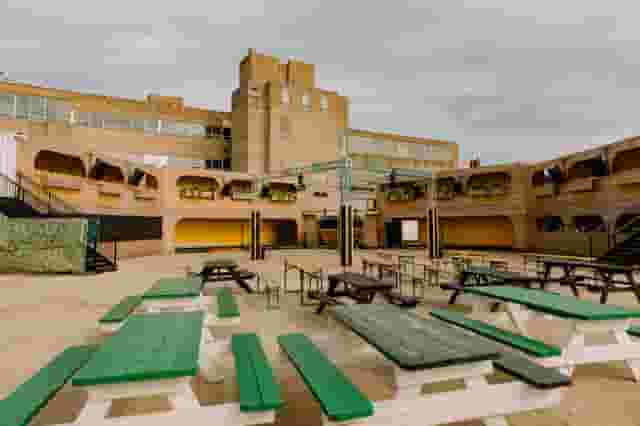
If your event incorporates an outdoor element, such as a courtyard stage, food market or smoking terrace, operational requirements multiply. The site must have a robust wet-weather and emergency plan, sound temporary structures, sufficient toilets, auxiliary power, area lighting, clear crowd-flow arrangements and accessible routes throughout. You must review the venue's licensing position, noise limits and protocols for managing nearby residents and late-night dispersal before confirming the booking. Ask management directly what happens if severe weather makes an outdoor stage or audience pathway unsafe, and confirm whether there is an indoor contingency space available.
At the end of the night, crowd dispersal must be managed proactively. A rush of several hundred ticket holders leaving onto residential streets can trigger noise complaints that threaten future bookings. Security teams should guide attendees towards designated transport links and taxi collection zones rather than letting crowds linger outside the venue doors.
Load-in logistics, central streets and transport access
The location of your venue directly impacts production efficiency during the day and ticket sales in the evening. London's geography presents distinct trade-offs between central accessibility and operational freedom.
Central versus secluded locations
A central venue makes arrival straightforward for ticket holders relying on London Underground networks and national rail lines, which helps advance sales. Central postcodes, however, present severe operational hurdles for touring productions. Streets in Camden, Shoreditch or Soho feature restricted loading bays, narrow access alleys, low-emission vehicle charges and heavy pedestrian congestion. Parking a touring sleeper coach or an equipment truck outside a central venue often requires expensive council parking suspensions booked weeks ahead.
A venue situated slightly outside the central core often provides greater physical control over production logistics. Dedicated loading docks, off-street vehicle bays and wider access doors streamline the load-in of heavy flight cases, backline gear and staging risers. These sites also allow more space for crowd queuing and security cordons away from busy roads. The trade-off is travel time: you will need to give your audience clear public transport advice, walking routes from the nearest station, local taxi pickup points and late-night travel options for when the show finishes after regular tube hours.
The production advance checklist
To keep the day of the show running smoothly, run through this practical sequence with your venue production manager at least two weeks before doors open:
- Confirm vehicle registration numbers and arrival times for band vans and equipment trucks, booking council bay suspensions where required.
- Review ramp access, lift dimensions and stage door widths to ensure large road cases and mixing consoles fit into the performance hall without stairs.
- Establish dressing room access times, rider storage, catering facilities and secure green room spaces for visiting performers.
- Verify Wi-Fi network availability and dedicated production connections for box office scanners, live streaming and artist tour managers.
- Agree on the box office protocol, door opening time, support act stage times, headline performance duration and the strict noise curfew.
- Double-check emergency exit routes, fire warden assignments and the location of first aid stations across both public and backstage areas.
What our customers say
Inspiration and planning guides

This Is Why London Has Such Unique Venues
At Hire Space, unusual venues are the name of the game. Passion to find a unique venue for an event seems to be unabated in London, but it's of little surprise when taking into account all the amazing spaces the capital has to offer. But just why is London filled with so many unusual venues for hire? We investigated: Romans, Saxons, Normans, Tudors and Stuarts. The Black Death, two World Wars and one Great Fire. London has seen it all and lived to tell the tale. That's why so many of its bu

EventLAB Series: Introducing the Event
We're very excited to introduce EventLAB [https://eventlab.online/], our first two-day event designed to take event professionals through every step of the event planning process. We'll be bringing you the latest updates in the run-up to the event in our 'EventLAB Series' [https://hirespace.com/blog/tag/eventlab//], including relevant content and a little glimpse of the speakers, workshops and themes that will feature at the event. In the first instalment, we’ll explain all there is to know a

6 Reasons Why Venues Should Join Hire Space
Four years ago, we launched Hire Space to connect event venues with new customers easily via our online platform and Venue Expert service. We've come up with 6 reasons why Venue Managers might like working with Hire Space, and why venues should join the club [http://bit.ly/2kQaHEd]! 1. Best SEO in the Industry = High Web Traffic Our Marketing team has enhanced our site visibility on search engines and as a result 1.3M customers visited our web site in 2016 (7% higher than the previous year). Ou
One supplier. Every venue. Full visibility on what you spend.
Multiple venues and events. One agreement.