Community Centres in London for 500 people
Explore community centres in London suitable for events of up to 500 people.
About Community Centres
### Why London's Community Centres Are Perfect for Your 500-Person Event (And What Makes Them Different) When you're planning an event for 500 people, you might instinctively think of hotels or purpose-built conference centres. But here's something we've learned after years in the industry: London's community centres often deliver better value and a more authentic experience than their commercial counterparts. The numbers tell a compelling story. While premium conference venues can charge £120+ per delegate per day, community centres typically range from £1,000 to £3,000 for a full day hire – that's potentially £15,000-20,000 in savings for your 500-person event. But it's not just about the money. #### What Sets Community Centres Apart for Large Events Community centres were designed with flexibility in mind. Take The Camden Centre, for instance – its 450m² main hall can accommodate 500 people theatre-style, 300 for a banquet, or 250 in classroom configuration. That's the kind of adaptability you simply don't get with rigid hotel ballrooms. The technical specifications are surprisingly robust too. Most venues suitable for 500 people come with 4-metre ceiling heights (essential for proper AV setups), 200-amp three-phase power supply, and 100 Mbps internet as standard. We've seen events run seamlessly with DMX-controlled LED lighting grids that would make commercial venues envious. #### The Community Connection Advantage There's something special about hosting events in spaces that serve the local community daily. Your delegates aren't just attending another corporate gathering – they're experiencing authentic London neighbourhoods. This connection often translates into higher engagement and more memorable experiences. The practical benefits are substantial too. Unlike hotels that might restrict your catering options, community centres typically allow external caterers, giving you access to London's incredible food scene. Plus, with dedicated 50m² storage spaces, you can set up elaborate exhibitions or product displays that would be impossible elsewhere. #### Transport and Accessibility Benefits London's community centres are strategically located near transport hubs – many within 15 minutes of major stations like King's Cross or Liverpool Street. The accessibility standards are excellent, with ramps and lifts meeting Equality Act requirements as standard. For events requiring [corporate team-building elements](https://hirespace.com/GB/London/Corporate-Days-Out), community centres offer the perfect blend of professional facilities and relaxed atmosphere. The key is understanding which venues have the infrastructure to support your specific needs – something we'll explore in detail next. ### The Essential Planning Checklist: What You Must Know Before Booking a 500-Capacity Community Centre Right, let's get into the nitty-gritty of what you actually need to check before putting pen to paper on that booking contract. We've seen too many events stumble because someone assumed a community centre would "just work" for 500 people – and trust me, the devil's in the details. #### Space Configuration and Flow Management First things first: that 500-person capacity isn't always what it seems. Most community centres quote theatre-style seating for their maximum numbers, but if you're planning a networking event or need breakout spaces, you're looking at significantly different layouts. A venue that seats 500 theatre-style might only accommodate 300 for a banquet or 250 in classroom configuration. Here's what we always check: can the space handle your specific flow requirements? For 500 people, you need multiple entry and exit points to avoid bottlenecks. The fire safety regulations are strict – you'll need clearly marked emergency exits and a minimum of one staff member per fifty guests during the event. #### Technical Infrastructure Deep Dive Don't assume the AV setup will handle your needs. While most 500-capacity venues have basic projection and sound systems, streaming a hybrid event requires dedicated bandwidth allocation. We've learned to specifically ask about the internet infrastructure – that 100 Mbps might be shared across the entire building. Power supply is another crucial consideration. Large events often require additional equipment, and you'll want confirmation of that 200-amp three-phase supply. If you're planning elaborate lighting or multiple screens, get the electrical specifications in writing. #### Licensing and Compliance Essentials Here's where community centres can catch you out. Unlike hotels with comprehensive event licenses, community centres might need additional permits for certain activities. If you're serving alcohol, selling merchandise, or hosting entertainment, check the premises license covers your specific requirements. The public liability insurance requirement is typically £5 million coverage – make sure your event insurance aligns with venue requirements. Some venues require proof of insurance 30 days before the event. #### Catering and Supplier Logistics One massive advantage of community centres is catering flexibility, but this comes with responsibility. You'll need to coordinate kitchen access, loading bay schedules, and waste management. Most venues have specific delivery windows – typically early morning to avoid local traffic restrictions. For [company retreats](https://hirespace.com/GB/Greater-London/Company-Retreats) or multi-day events, storage becomes critical. Confirm that 50m² storage space is actually accessible and secure for your equipment. The key is creating a detailed technical rider before you even start viewing venues. This prevents nasty surprises and ensures you're comparing like with like when evaluating options. ### Navigating London's Community Centre Landscape: Location, Transport and Local Considerations ### Navigating London's Community Centre Landscape: Location, Transport and Local Considerations Location can make or break your 500-person event, and with community centres, you've got some brilliant opportunities that commercial venues simply can't match. The trick is understanding how London's geography works in your favour – and where the potential pitfalls lie. #### The Transport Hub Strategy We've found the sweet spot for large community centre events is within a 15-minute walk of major transport hubs. King's Cross St Pancras, Liverpool Street, and Oxford Circus are absolute goldmines for accessibility. From King's Cross to Canary Wharf takes just 25 minutes by Tube, while Oxford Circus to Shoreditch is a mere 15-minute journey. But here's what most people miss: check the last transport times for your event. Standard Tube services run until midnight, with Night Tube on Victoria and Central lines Friday and Saturday nights. If you're planning evening events, this could be the difference between delegates staying late or rushing off early. #### Parking and Loading Realities Let's be honest about parking – it's challenging. Street parking near central venues costs £5-10 per hour, and spaces are scarce. However, community centres often have better loading access than hotels. Areas like Shoreditch and Southbank have dedicated loading bays, but you'll want to schedule deliveries for early morning to avoid congestion. For events requiring significant setup, consider venues near the Thames where river transport might be an option, or areas with good cycle hire access – Santander Cycles are increasingly popular with delegates. #### Neighbourhood Character and Local Benefits This is where community centres truly shine. Unlike sterile conference hotels, these venues are embedded in real London neighbourhoods. A venue in Notting Hill gives you access to fantastic local cafés and wellness shops, while Shoreditch locations tap into the creative energy that makes networking events memorable. The local amenities matter more than you might think. Areas near Hyde Park or Regent's Park offer delegates pleasant walking routes between sessions, while venues close to the Thames provide stunning backdrop opportunities for photos and outdoor networking. #### Practical Local Considerations Each London borough has its own character and regulations. Camden venues might have stricter noise restrictions after 10pm, while Tower Hamlets locations often have better access to diverse catering options. We always research the local council's event policies – some require temporary event notices for larger gatherings. Consider the broader event ecosystem too. If you're planning something that complements [sustainable venue practices](https://hirespace.com/blog/finding-a-sustainable-venue-for-your-event/), areas like King's Cross and Stratford have embraced green initiatives that align with modern corporate values. The key is matching your event's personality with the neighbourhood's character. A tech conference works brilliantly in Shoreditch's creative quarter, while financial services events thrive near the City's traditional business district. ### Smart Budgeting and Booking Strategies for Large-Scale Community Centre Events ### Smart Budgeting and Booking Strategies for Large-Scale Community Centre Events Here's the reality about budgeting for 500-person community centre events: the headline hire fee is just the beginning. We've seen too many event planners get caught out by the hidden costs that can easily double your initial budget if you're not careful. The base venue hire typically ranges from £1,000 to £3,000 per day, but that's for the space alone. Factor in essential additions like professional AV equipment (£800-1,500), additional staffing requirements (minimum one per fifty guests means £1,200-2,000 in staff costs), and enhanced security for larger crowds (£500-800). Suddenly, your £2,000 venue becomes a £5,000+ investment. #### The 18-Month Booking Sweet Spot Community centres operate differently from commercial venues when it comes to advance booking. While hotels might offer early bird discounts, community centres often have fixed pricing but limited availability. For 500-person capacity venues, we recommend booking 12-18 months ahead – not for price advantages, but because there are simply fewer venues that can handle this scale. The seasonal patterns are worth understanding too. January through March offers the best availability and sometimes negotiating room, while September through November is peak corporate season with premium pricing. If you're flexible with dates, Tuesday through Thursday bookings often come with better terms than weekend events. #### Negotiation Strategies That Actually Work Unlike hotels where everything's negotiable, community centres have less pricing flexibility but more service adaptability. Instead of pushing for lower hire fees, negotiate value-adds: extended setup time, complimentary storage access, or waived cleaning fees. We've secured £500-800 in additional value through these approaches. The key is understanding their constraints. Many community centres rely on regular community bookings, so offering to book multiple dates or becoming a repeat client carries real weight. For [corporate events](https://hirespace.com/GB/London/Corporate-Days-Out) that might become annual fixtures, mention this upfront – it often unlocks better terms. #### Budget Allocation Best Practice | Cost Category | Percentage of Total Budget | Typical Range (500 people) | |---------------|---------------------------|---------------------------| | Venue Hire | 25-30% | £2,000-£3,500 | | Catering | 35-40% | £3,500-£5,000 | | AV & Technical | 15-20% | £1,500-£2,500 | | Staffing & Security | 10-15% | £1,200-£2,000 | | Contingency | 10% | £800-£1,300 | The contingency fund isn't optional with community centres – these venues often require quick decisions on additional services that commercial venues include as standard. #### Payment Terms and Protection Most community centres require 50% deposit upon booking, with the balance due 30 days before the event. This differs significantly from hotel payment terms, so factor this into your cash flow planning. Always request a detailed breakdown of what's included versus additional charges – transparency varies widely between venues. The smart money is on building relationships with 2-3 preferred community centres rather than shopping around for each event. This approach often yields better terms and priority booking access for future events. ### Avoiding the Common Pitfalls: Expert Solutions to 500-Person Event Challenges After fifteen years of managing large-scale events in community centres, we've seen the same mistakes crop up time and again. The good news? They're all preventable if you know what to watch for. Let me share the solutions that'll save you from the headaches we've witnessed countless times. #### The Capacity Confusion Crisis Here's the biggest trap: assuming that "500-person capacity" means the same thing across all venues. We've walked into spaces advertised for 500 people only to discover that's based on standing room only, or includes outdoor areas that aren't suitable for your presentation setup. Always request a detailed floor plan with actual measurements. A venue might technically fit 500 people theatre-style, but if there's no space for registration desks, catering stations, or networking areas, you're in trouble. The Camden Centre's 450m² main hall works brilliantly because it includes circulation space – something many venues overlook in their capacity calculations. #### The Technical Infrastructure Trap Community centres often have basic AV that looks adequate on paper but falls short under pressure. That "professional sound system" might work fine for 50 people but create dead zones with 500 delegates. We always insist on a technical site visit with our AV supplier present – it's caught issues that would've been disasters on event day. The internet bandwidth is another classic pitfall. While 100 Mbps sounds generous, it's often shared across the entire building. If the local youth club is streaming videos upstairs while you're trying to run a hybrid conference, your delegates will notice. Request dedicated bandwidth or plan for mobile hotspot backup. #### Catering Logistics Nightmares The flexibility to use external caterers is brilliant until you realise the kitchen facilities are designed for community dinners, not corporate events. We've seen caterers struggle with inadequate prep space, limited refrigeration, and serving areas that create bottlenecks with large crowds. Always arrange a pre-event kitchen inspection with your chosen caterer. For 500 people, you'll need multiple serving stations to avoid queues, and clear protocols for waste management. Some venues charge extra for extended kitchen access – factor this into your [event planning timeline](https://hirespace.com/blog/how-hire-space-tech-saves-time-for-event-planners/). #### The Parking and Access Reality Check Unlike hotels with valet services, community centres expect you to manage delegate arrival logistics. With 500 people potentially arriving within a 30-minute window, this becomes critical. We've learned to stagger arrival times and provide detailed transport information in advance. Consider appointing arrival coordinators for the first hour – it prevents the chaos that can set a negative tone for your entire event. For venues near busy areas like Shoreditch, coordinate with local traffic wardens about temporary restrictions. The key is treating these challenges as opportunities for better planning rather than insurmountable obstacles. With proper preparation, community centres deliver experiences that commercial venues simply can't match.
Featured Venues for Community Centres
Browse 16 venues perfect for Community Centres
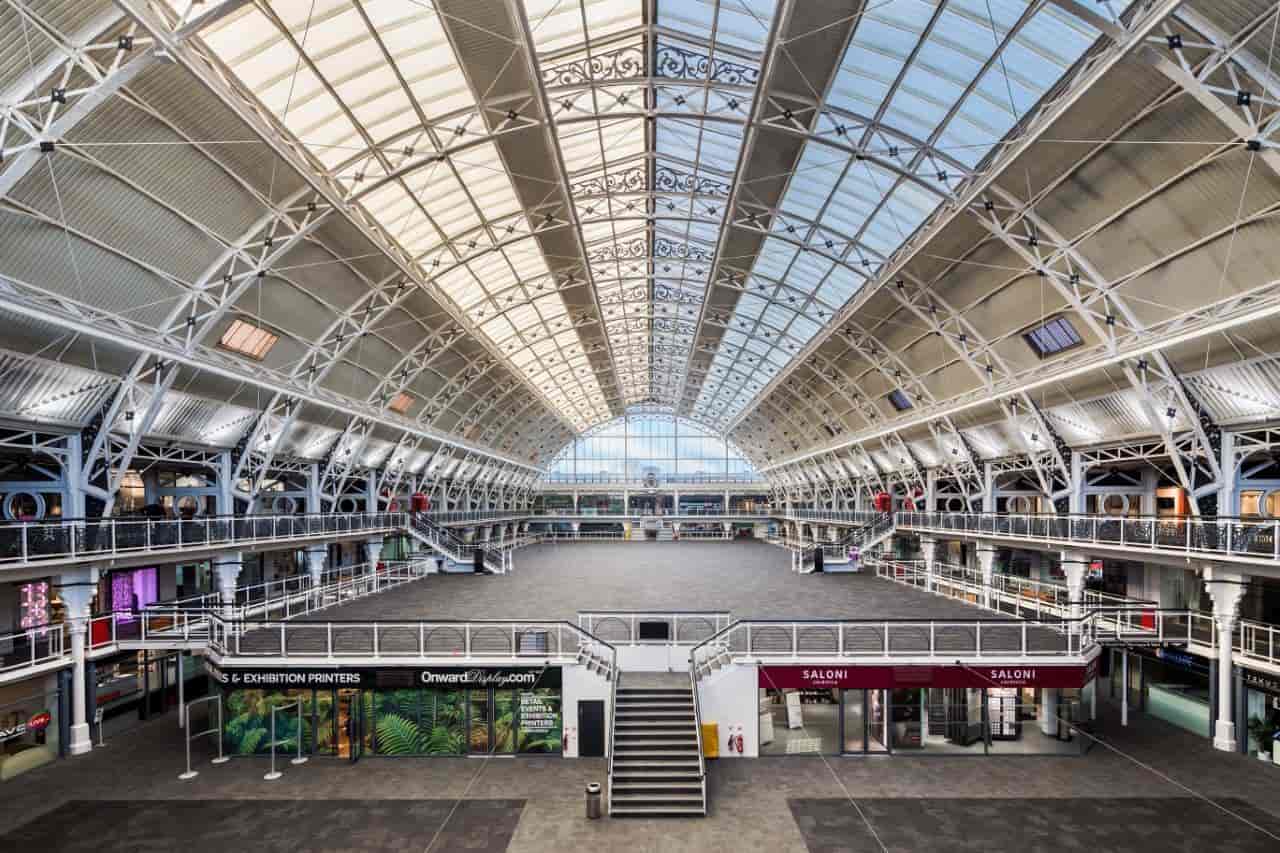
Business at Business Design Centre
A spacious, light-filled mezzanine ideal for exhibitions, conferences, and gala dinners.
From: £24650 per person
Capacity: Up to 3500 guests
Business at Royal Lancaster London
A versatile, pillar-free event space in a modern hotel near Hyde Park, ideal for awards ceremonies and conferences.
From: £70 per person
Capacity: Up to 1680 guests
Business at Arsenal Football Club - Emirates Stadium
A versatile event space with pitch views, accommodating up to 1,200 guests for conferences, dinners, and receptions.
From: £7800 per person
Capacity: Up to 800 guests
Business at The Courthouse Shoreditch
Modern, versatile event spaces in a historic hotel, ideal for conferences and business meetings.
From: £110 per person
Capacity: Up to 700 guests
Events at Leonardo Royal Hotel London Tower Bridge
A spacious, pillar-free event suite with advanced AV tech in a green hotel near Tower Bridge.
From: £49 per person
Capacity: Up to 700 guests
Business at Hilton London Bankside
A luxury hotel venue with flexible spaces for events from intimate gatherings to large celebrations.
From: £85 per person
Capacity: Up to 700 guests
Business at InterContinental London Park Lane
A grand ballroom for up to 750 guests in a luxury hotel, ideal for conferences and award ceremonies.
From: £2000 per person
Capacity: Up to 1000 guests
Events at Tobacco Dock
A versatile, naturally lit gallery space with exposed beams, ideal for networking and events.
From: £13000 per person
Capacity: Up to 900 guests
Business at Hilton London Metropole
A vast event space for 1,350 guests in a prime London location with exclusive lobby access.
From: £15000 per person
Capacity: Up to 1350 guests
Business at Royal National Hotel
A grand pillar-free ballroom in Central London, ideal for large conferences and events up to 700.
From: £49 per person
Capacity: Up to 800 guests
...and 6 more venues available
Related Event Types
- Reception Halls
- Reception Halls
- Livery Halls
- Livery Halls
- Church Halls
- Church Halls