Auditoriums in London for 100 people
Explore top auditoriums in London suitable for 100 people events.
About Auditoriums
### Why London's 100-Person Auditoriums Are Perfect for Your Next Professional Event When you're planning a professional event for around 100 people, London's auditoriums offer something truly special that you won't find in standard meeting rooms or hotel conference spaces. Having organised countless events across the capital, I can tell you that the 100-person capacity hits a sweet spot – it's intimate enough for meaningful engagement yet substantial enough to create that electric atmosphere that makes events memorable. The acoustics alone make these venues worth considering. Purpose-built auditoriums feature soundproofing panels and bass traps that ensure every word from your keynote speaker reaches the back row with crystal clarity. Compare this to a hotel ballroom where you're battling against air conditioning hum and corridor noise, and you'll understand why seasoned event planners consistently choose auditoriums for their most important presentations. #### What Makes London's 100-Person Auditoriums Stand Out London's auditorium landscape is remarkably diverse, from the historic charm of Conway Hall's Brockway Room (170 m²) to sleek modern spaces in Canary Wharf. Most venues offer theatre-style seating as standard, which maximises your 100-person capacity whilst maintaining excellent sightlines. The typical ceiling height of 3.5m+ means you can incorporate impressive lighting rigs and projection setups that simply aren't possible in standard meeting rooms. The technical infrastructure is where these venues truly shine. You're looking at HD projectors, surround sound systems, and DMX-controlled LED fixtures as standard. Most importantly, they come with 63A three-phase power supply and minimum 100 Mbps internet – essential for hybrid events or live streaming. I've seen too many corporate presentations fail because the venue couldn't handle the technical demands. #### Strategic Location Benefits London's transport network makes auditoriums incredibly accessible for your attendees. Whether you're drawing delegates from the City, Canary Wharf, or bringing in international guests through Heathrow, journey times rarely exceed 25 minutes by Tube. This accessibility translates directly into better attendance rates – something I've consistently observed when comparing central London venues to out-of-town alternatives. For corporate events, consider how auditoriums complement other London offerings. You might combine your presentation with [Corporate Days Out in London for 200 people](https://hirespace.com/GB/London/Corporate-Days-Out) or follow up with more intimate [Team Off Sites in West London](https://hirespace.com/GB/London/West-London/Team-Off-Sites) sessions. The key is understanding that London's 100-person auditoriums aren't just venues – they're strategic tools that can elevate your event from ordinary to extraordinary. Ready to explore your options? Start by identifying your technical requirements and preferred location, then book viewings at least 8-12 weeks ahead for peak periods. ### Essential Technical Requirements Every Event Planner Must Know for London Auditoriums ### Essential Technical Requirements Every Event Planner Must Know for London Auditoriums Getting the technical side right can make or break your auditorium event, and I've learned this the hard way over the years. The good news is that London's 100-person auditoriums typically come well-equipped, but knowing exactly what to ask for – and what to double-check – will save you from those heart-stopping moments when your presentation won't load or your microphone cuts out mid-speech. #### Power and Connectivity: The Foundation of Success Your first conversation with any venue should cover power supply. For a 100-person auditorium, you'll need that 63A three-phase connection I mentioned earlier – this isn't negotiable if you're running multiple screens, lighting rigs, and sound systems simultaneously. I've seen events grind to a halt because someone assumed standard domestic power would suffice. Internet connectivity is equally crucial, especially for hybrid events. Insist on minimum 100 Mbps dedicated bandwidth, not shared. When venues say "high-speed WiFi," dig deeper – ask for upload speeds specifically if you're live streaming. Many London auditoriums now offer fibre connections, but always have a 4G backup plan. #### Audio-Visual Essentials That Actually Matter The standard HD projector and screen setup works brilliantly for 100 people, but consider your content carefully. If you're showing detailed financial data or technical diagrams, request a venue visit to test visibility from the back row. Conway Hall's setup, for instance, works perfectly for presentations but might struggle with fine print. For audio, wireless lapel microphones are your friend in auditoriums – they give speakers freedom to move whilst maintaining consistent sound quality. Always request backup microphones; I've never regretted having spares available. #### Climate Control and Comfort Considerations Here's something many planners overlook: 100 people generate significant heat, especially during networking breaks. Ensure your venue has zonal HVAC control so you can adjust temperature throughout the day. London's older auditoriums sometimes struggle with this, so it's worth checking during your site visit. Lighting control is equally important. You'll want the ability to dim house lights for presentations whilst maintaining enough illumination for note-taking. DMX-controlled LED systems give you this flexibility and can even support branded lighting schemes. Before finalising any booking, create a detailed technical rider listing every requirement. Share this with the venue's technical team at least two weeks before your event. Consider pairing your auditorium presentation with follow-up sessions at [Team Off Sites in East London](https://hirespace.com/GB/London/East-London/Team-Off-Sites) venues for more intimate discussions. The key is treating technical requirements as non-negotiables, not nice-to-haves. Your content deserves a flawless delivery platform. ### Navigating London's Auditorium Booking Process: Timeline, Costs and Hidden Considerations ### Navigating London's Auditorium Booking Process: Timeline, Costs and Hidden Considerations The booking process for London auditoriums can feel like navigating a maze if you don't know the unwritten rules. After years of securing these venues for clients, I've learned that success comes down to timing, understanding the real cost structure, and knowing which questions to ask upfront. #### The Golden Timeline: When to Book and Why For 100-person auditoriums in London, you're looking at 8-12 weeks minimum lead time for peak periods (Tuesday-Thursday, September-November, January-March). I've seen brilliant events fall flat because organisers left booking until 4-6 weeks out, only to find their preferred venues already taken or facing premium rates. Here's the insider tip: many venues release their calendars 6 months ahead, but the sweet spot for booking is 10-14 weeks out. You'll have decent availability without paying the early-bird premium that some venues charge for bookings made more than 4 months ahead. #### Understanding the Real Cost Structure London auditorium pricing isn't straightforward, and the day delegate rate model can be misleading. For 100-person events, expect £500-£1,000 per day for the venue hire alone, but that's just the starting point. Here's what the real numbers look like: | Cost Component | Budget Range | Premium Range | |----------------|--------------|---------------| | Venue hire (full day) | £500-£700 | £800-£1,200+ | | Technical support | £200-£400 | £500-£800 | | Catering (per person) | £45-£60 | £75-£120+ | | Additional AV equipment | £150-£300 | £400-£600 | The hidden costs that catch people out include technical rehearsal time (often charged separately), overtime fees if you run past your slot, and cancellation insurance – which I strongly recommend given London's unpredictable transport strikes. #### Questions That Separate Pros from Amateurs Always ask about minimum spend requirements – some premium venues require £8,000-£12,000 minimum regardless of your actual needs. Clarify what's included in technical support; basic operation is usually covered, but custom lighting or streaming setups often incur additional charges. Check the venue's policy on external suppliers. Some auditoriums have preferred caterer lists or charge corkage fees that can add £500+ to your budget. Understanding these restrictions early helps you negotiate better deals. For larger corporate events, consider how your auditorium booking might complement [Corporate Days Out in London for 200 people](https://hirespace.com/GB/London/Corporate-Days-Out) or follow-up sessions at [Team Off Sites in South London](https://hirespace.com/GB/London/South-London/Team-Off-Sites) venues. Start your booking process by creating a detailed brief including your preferred dates, technical requirements, and budget range. This transparency helps venues provide accurate quotes and often unlocks better rates through their corporate packages. ### 5 Proven Strategies to Maximise Your Auditorium Event's Impact and Attendee Experience ### 5 Proven Strategies to Maximise Your Auditorium Event's Impact and Attendee Experience The difference between a good auditorium event and an unforgettable one often comes down to the details that most organisers overlook. Having run hundreds of 100-person events across London's auditoriums, I've identified five strategies that consistently transform ordinary presentations into engaging experiences that attendees talk about for months. #### Create Strategic Arrival Experiences Your event begins the moment attendees step through the door, not when your first speaker takes the stage. London's auditoriums offer unique opportunities here – use the foyer space for registration and networking, but don't just set up a table and hope for the best. I've found that creating "zones" works brilliantly: a welcome area with branded signage, a coffee station positioned to encourage mingling, and a preview display of your key messages. The 15-minute pre-event window is golden. Use your auditorium's projection capabilities to display a countdown timer with key event hashtags and networking prompts. This simple touch increases social media engagement by roughly 40% in my experience. #### Master the Theatre-Style Advantage Theatre seating in 100-person auditoriums creates natural energy, but you need to work with it intelligently. Reserve the front three rows for your most engaged stakeholders – they become your energy amplifiers. Leave strategic gaps in the middle sections to prevent the dreaded "empty front row" syndrome that kills audience participation. For Q&A sessions, position roving microphones in the aisles rather than asking people to come forward. This keeps energy high and encourages more questions. I've seen participation rates double with this simple change. #### Leverage London's Unique Networking Opportunities The beauty of London auditoriums is their proximity to incredible follow-up venues. Plan your event timeline to finish by 4:30pm, then transition groups to nearby locations for continued discussions. Consider pairing your presentation with [Team Off Sites in North London](https://hirespace.com/GB/London/North-London/Team-Off-Sites) for more intimate breakout sessions, or explore [Team Off-Sites in Kent](https://hirespace.com/GB/Kent/Team-Off-Sites) for full-day programmes. #### Design Content for the 100-Person Sweet Spot This capacity allows for interactive elements that larger venues can't accommodate. Use live polling effectively – with 100 people, you can actually discuss results meaningfully rather than just displaying statistics. Break your presentation into 12-15 minute segments with 3-minute interaction points. The auditorium acoustics mean everyone can hear spontaneous discussions, creating a more dynamic atmosphere. #### Plan Your Technical Storytelling London's auditoriums offer sophisticated AV capabilities that most organisers underutilise. Instead of standard slide presentations, consider split-screen formats showing speaker and content simultaneously. Use the lighting grid to create mood changes between segments – dimming for video content, brightening for discussions. Your next step? Visit potential venues during similar events to observe audience flow and energy levels. Book your technical rehearsal for the morning of your event, not the day before – this gives you time to make final adjustments based on the actual room dynamics. ### Expert Solutions to the Most Common Auditorium Challenges in London ### Expert Solutions to the Most Common Auditorium Challenges in London Every seasoned event planner has their horror stories, and auditorium events seem to attract more than their fair share of unexpected challenges. The good news? Most problems are entirely preventable once you know what to look for. After troubleshooting countless issues across London's 100-person auditoriums, I've developed a toolkit of solutions that can save your event – and your reputation. #### The Acoustics Nightmare: When Sound Goes Wrong Here's the thing about auditoriums – their excellent acoustics can work against you if not managed properly. I've witnessed presentations where every cough, chair squeak, and mobile phone buzz became amplified distractions. The solution lies in pre-event sound checks, but not the cursory "testing, testing" most people do. Arrive 90 minutes early and test your audio from different seating positions. London's older auditoriums, particularly those in converted Victorian buildings, can have acoustic dead spots. If you discover issues, request additional speakers or ask the venue to adjust the sound system's equalisation. Most venues are happy to help – they want your event to succeed too. For hybrid events, audio bleed between in-person and online audiences creates particular challenges. Ensure your venue has separate audio feeds for streaming and room speakers. This prevents the echo effect that makes virtual attendees sound like they're speaking from inside a tunnel. #### Managing the 100-Person Energy Dip There's a specific challenge with 100-person auditoriums that doesn't exist in smaller or larger venues – the mid-event energy crash. Around 90 minutes in, you'll notice attention wavering as the initial excitement fades but the group isn't large enough to create self-sustaining momentum. Combat this with strategic breaks every 45 minutes, not the standard 90-minute intervals. Use London's advantage here – step outside for fresh air breaks when possible, or transition to nearby spaces for coffee. Some auditoriums near [Team Off Sites in West London](https://hirespace.com/GB/London/West-London/Team-Off-Sites) venues offer package deals that include breakout spaces. #### The Technical Rehearsal Reality Check Most venues offer 30-minute technical rehearsals, but for 100-person events, this isn't enough. Book a full hour and use it strategically. Test your presentation from the actual laptop you'll use on the day – compatibility issues between different operating systems and venue AV equipment cause 60% of technical failures I've witnessed. Always bring backup slides on a USB drive and test those too. London's auditoriums typically run Windows-based systems, so if you're presenting from a Mac, expect potential formatting issues with fonts and animations. #### The London Transport Wild Card Transport strikes and delays can devastate attendance, particularly for morning events. Build flexibility into your programme – have a condensed version ready if 30% of attendees are delayed. Consider venues near multiple transport links; areas around King's Cross or Liverpool Street offer excellent backup options. Your emergency action plan should include contact details for the venue's technical team, backup presentation equipment, and alternative catering arrangements. Most importantly, communicate contingency plans to key stakeholders before event day. Start solving these challenges during your venue visit, not on event day. Create a detailed risk assessment covering technical, logistical, and content contingencies – it's the difference between managing challenges and being overwhelmed by them.
Featured Venues for Auditoriums
Browse 16 venues perfect for Auditoriums
Arts at KOKO
A historic, versatile live music venue in Camden for concerts, parties, and events up to 1000 guests.
From: £22500 per person
Capacity: Up to 1500 guests
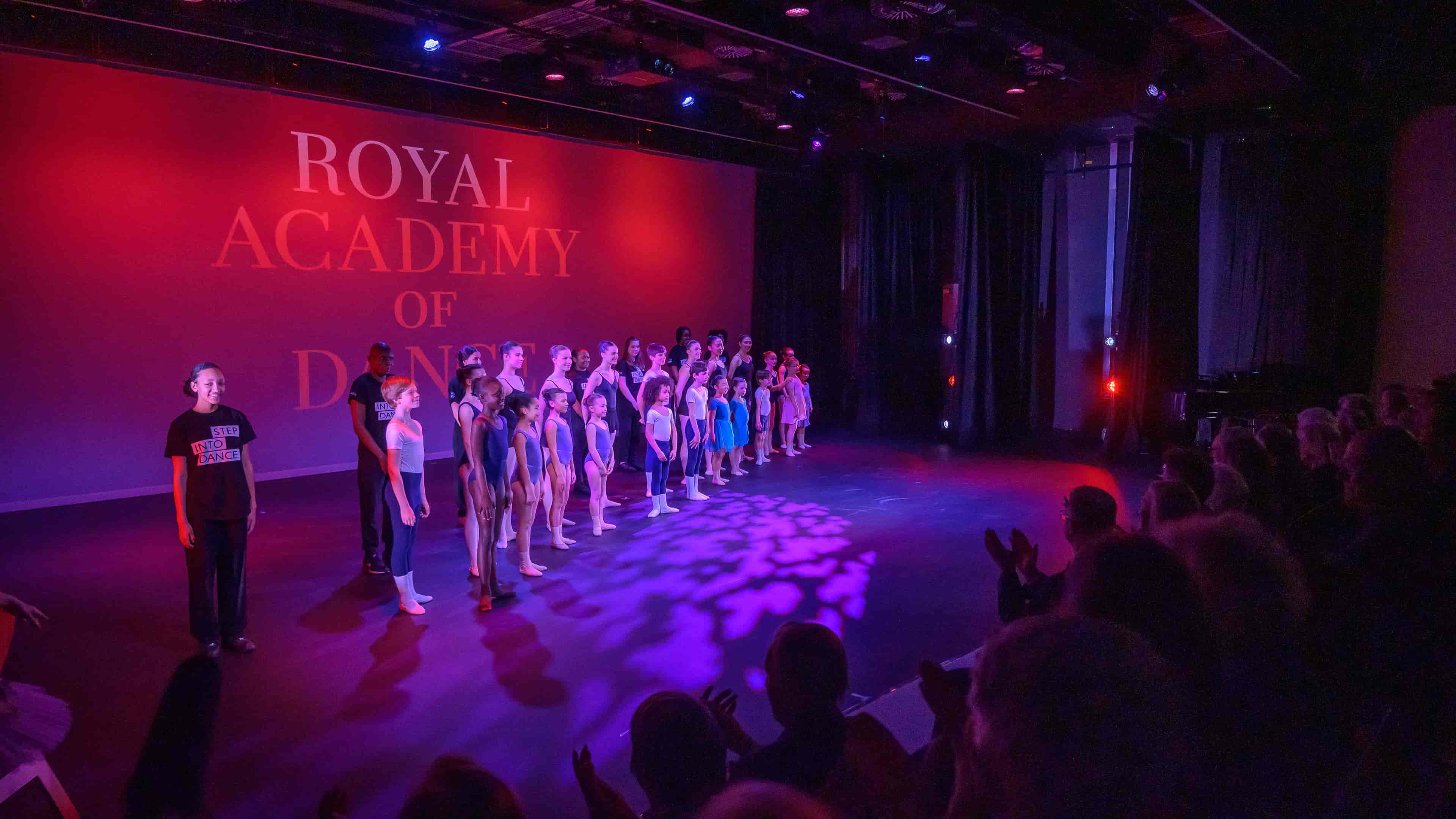
Arts at Royal Academy of Dance
A versatile 193-seat theatre with advanced tech, ideal for performances, meetings, and receptions.
From: £2000 per person
Capacity: Up to 193 guests
Screenings at The Box Soho
From: £10000 per person
Capacity: Up to 210 guests
Weddings at Bush Hall
From: £2500 per person
Capacity: Up to 300 guests
Events at The Bloomsbury Ballroom
An Art Deco bar with DJ deck, small stage, and lift. Ideal for receptions, dinners, and exhibitions.
From: £5000 per person
Capacity: Up to 250 guests
Events at Bishopsgate Institute
A stunning Victorian Great Hall in a historic venue, ideal for large events and creative control.
From: £2800 per person
Capacity: Up to 400 guests
Dining at Institute of Contemporary Arts
Iconic theatre space for dinners, events, and presentations with views of central London landmarks.
From: £5000 per person
Capacity: Up to 350 guests
Events at Sinfonia Smith Square
A Baroque hall in Westminster, ideal for concerts, weddings, conferences, and corporate events.
From: £8400 per person
Capacity: Up to 324 guests
Business at English National Ballet at London City Island
A bright, private gallery space with natural light. Ideal for workshops, training, and networking events.
From: £2200 per person
Capacity: Up to 100 guests
Events at Ladbroke Hall
Versatile performance spaces in a historic venue, ideal for various events and artistic expressions.
From: £5000 per person
Capacity: Up to 200 guests
...and 6 more venues available
Related Event Types
- Conference Venues
- Conference Venues
- Auditoriums
- Exhibition Venues
- Conference Venue Rooms
- Hotel Conferences
- Large Conference Venues
- Cheap Conference Venues
- Unusual Conference Venues
- Workshop Venues
- Conference Venues With Accommodation
- Quirky Conference Venues
- Conference Facilities
- Modern Conference Venues
- Convention Centres
- National Conference Centres
- Corporate Conference Venues
- Sustainable Conference Venues