Historic Venues & Buildings in Manchester
Find historic Manchester event venues with character, private dining spaces and full meeting facilities for your next business gathering.
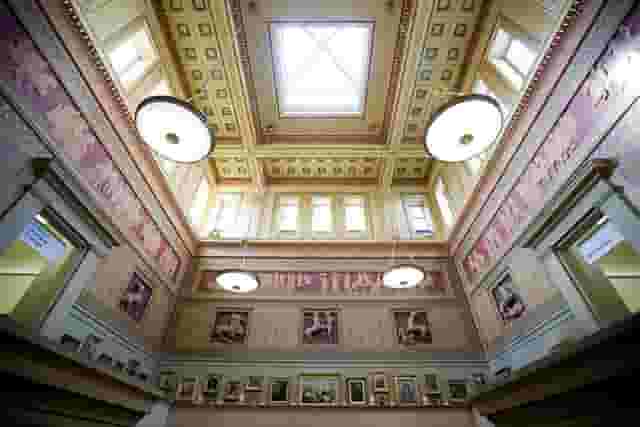
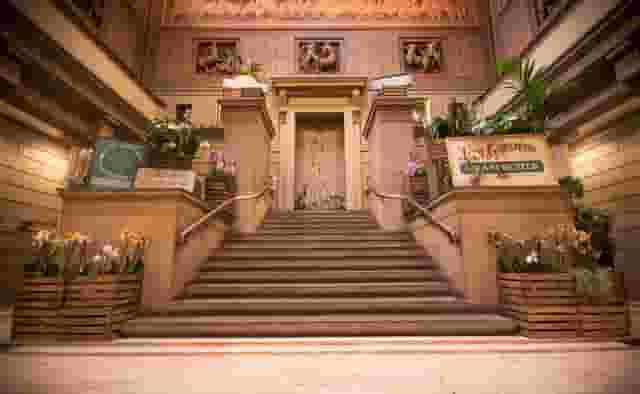
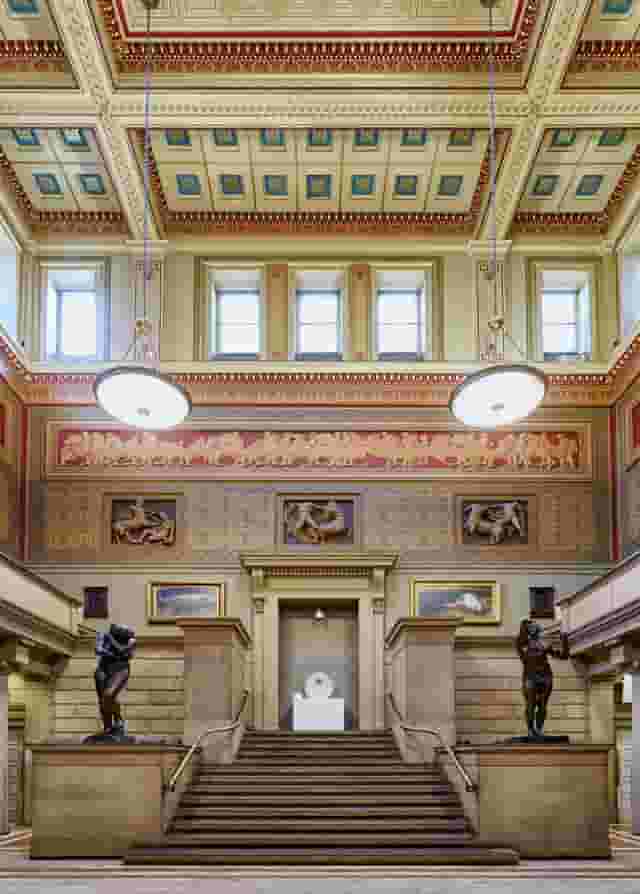
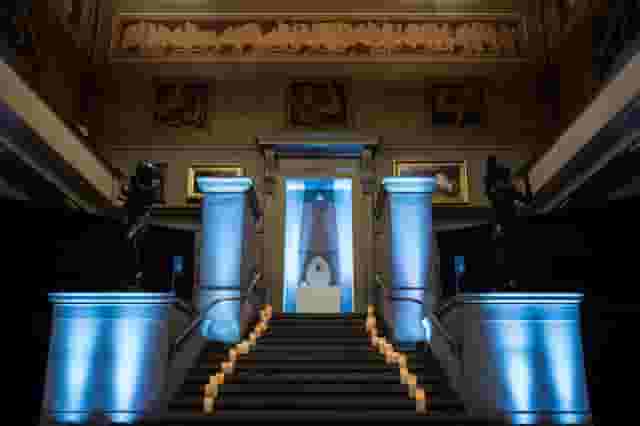
98 Historic Venues for Hire in Manchester




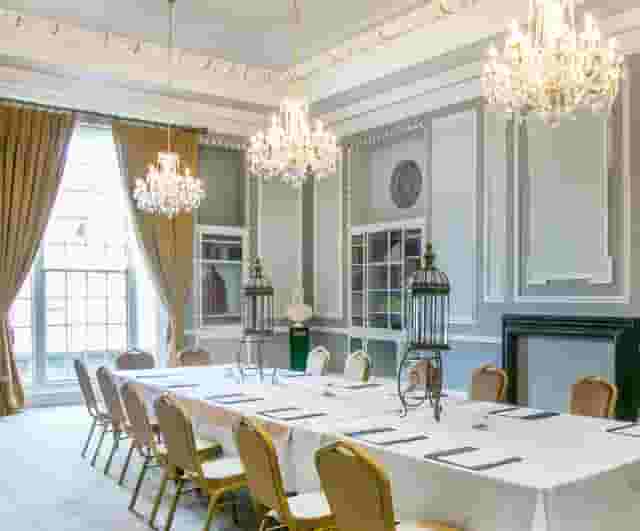
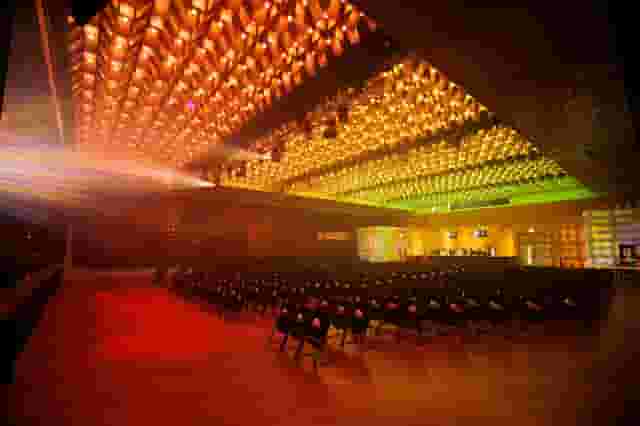
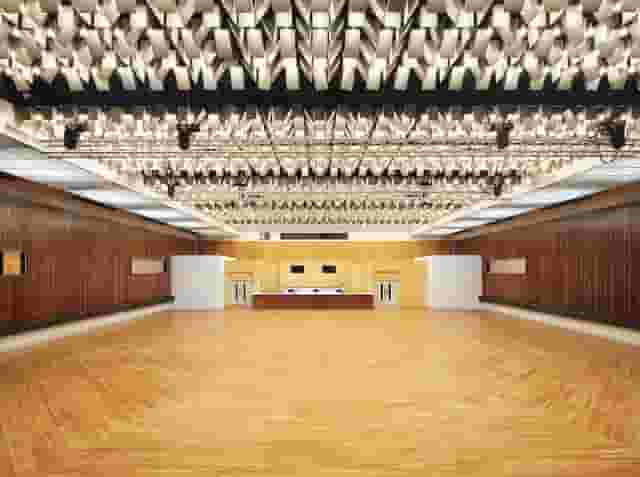
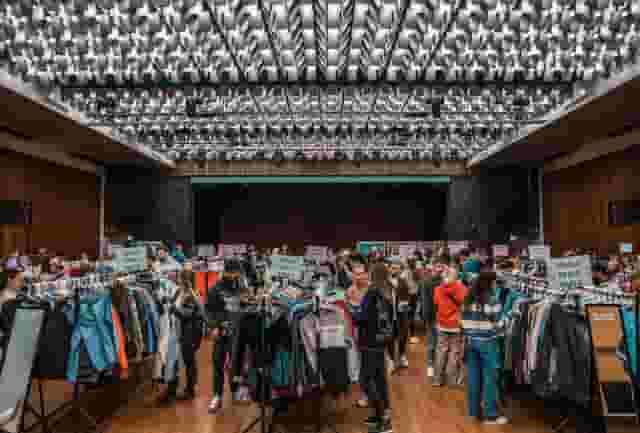
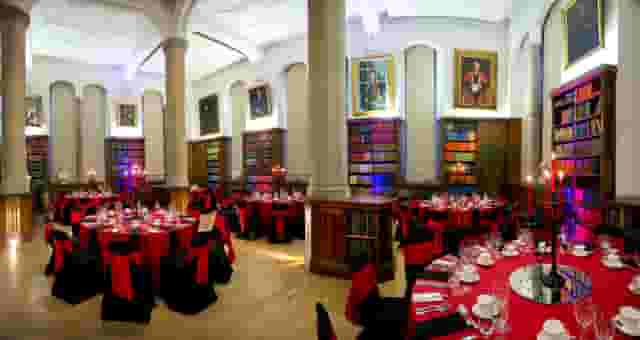
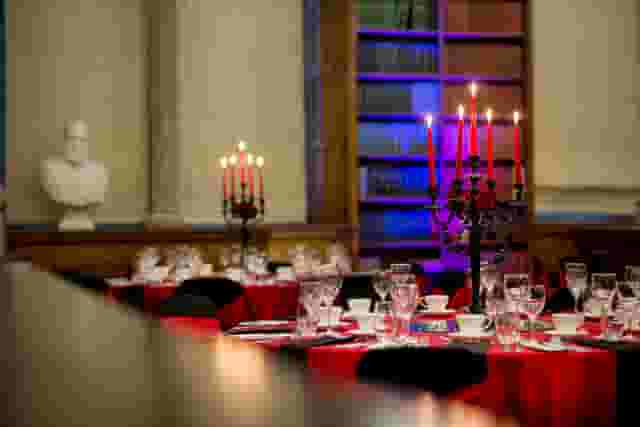
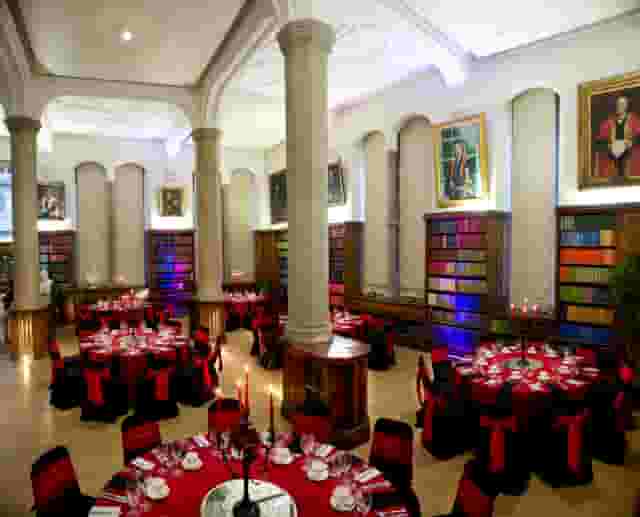
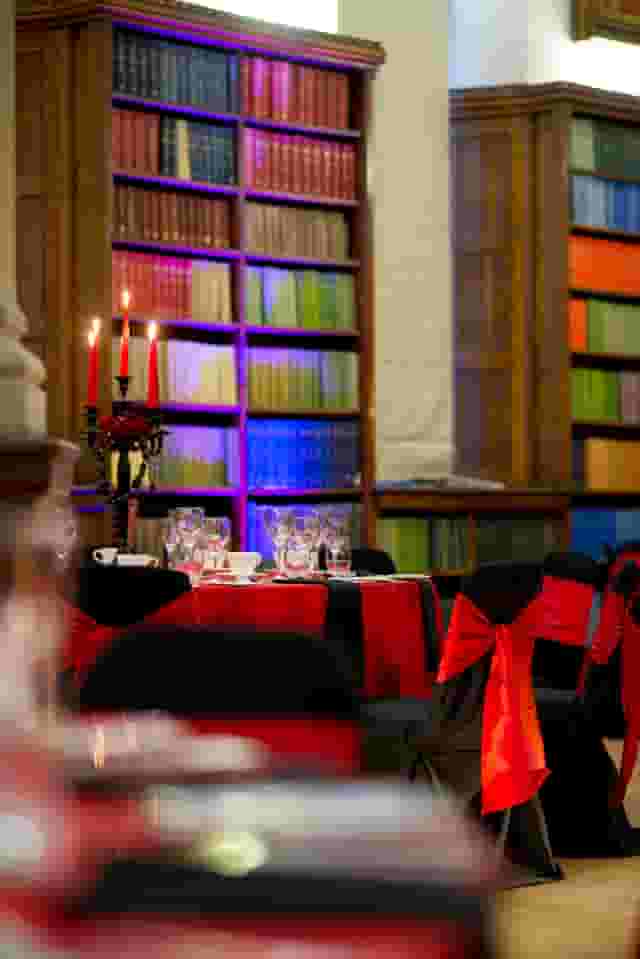
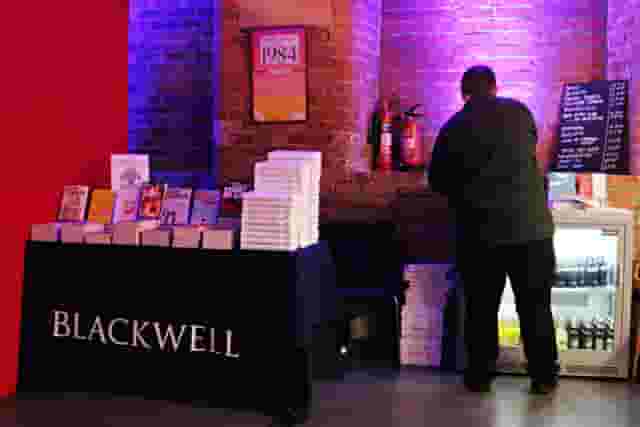
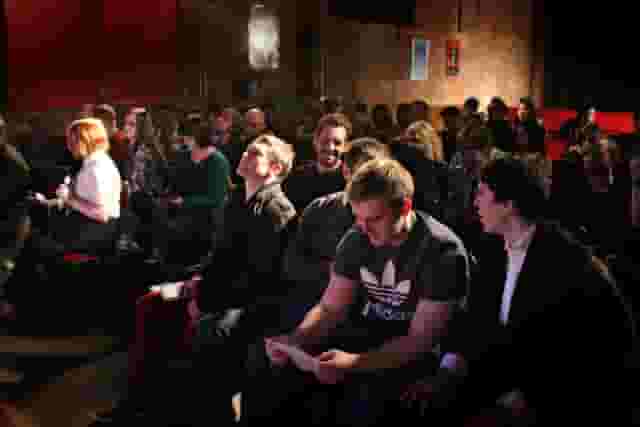
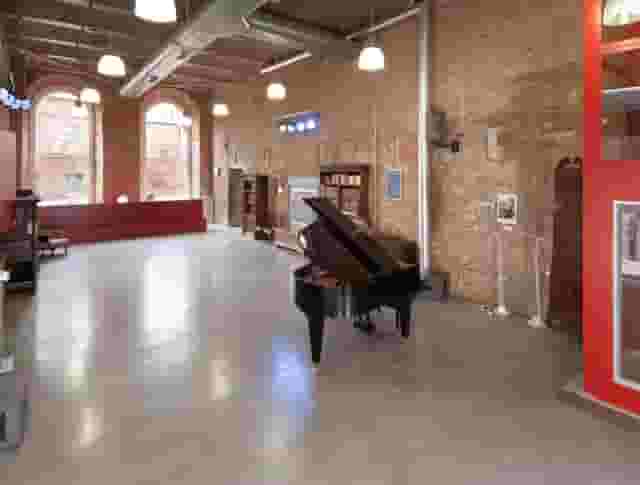



















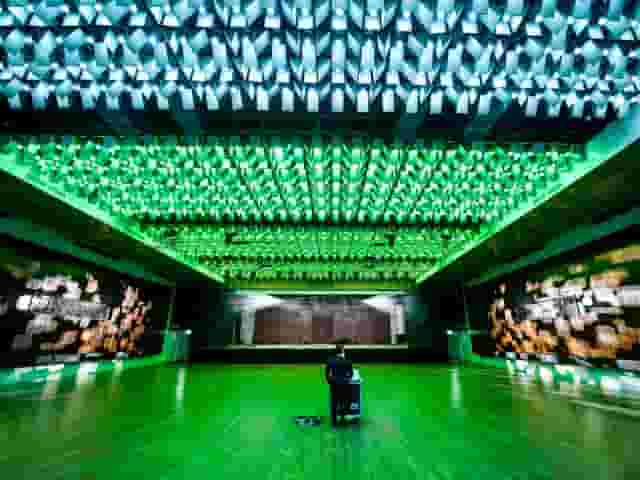
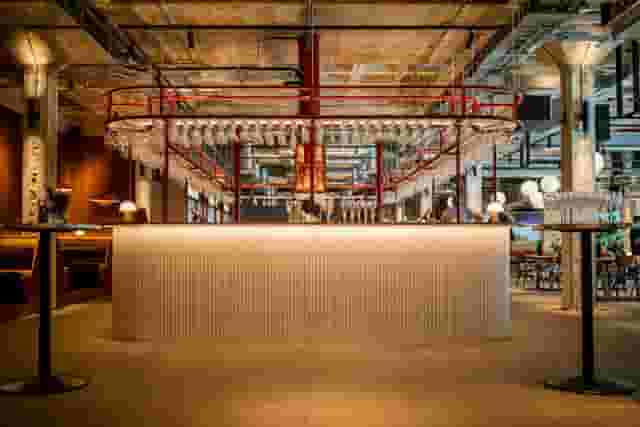
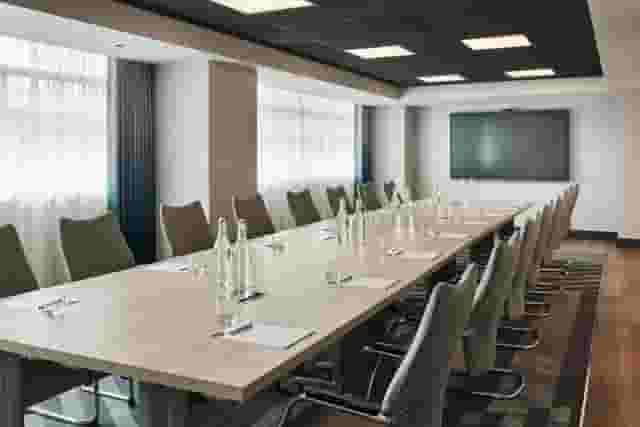
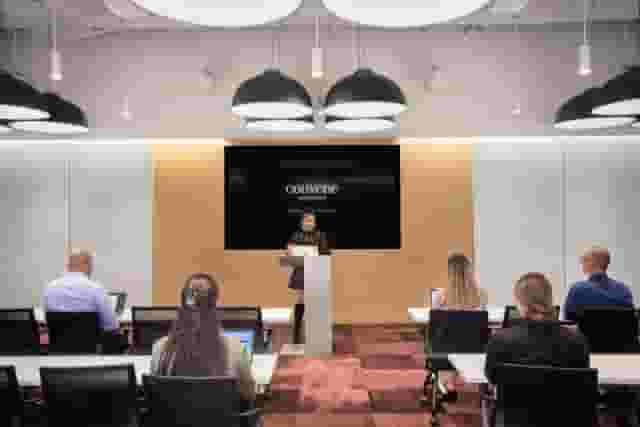






























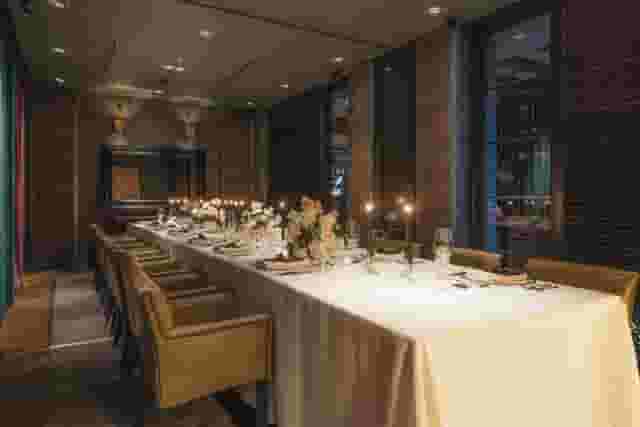
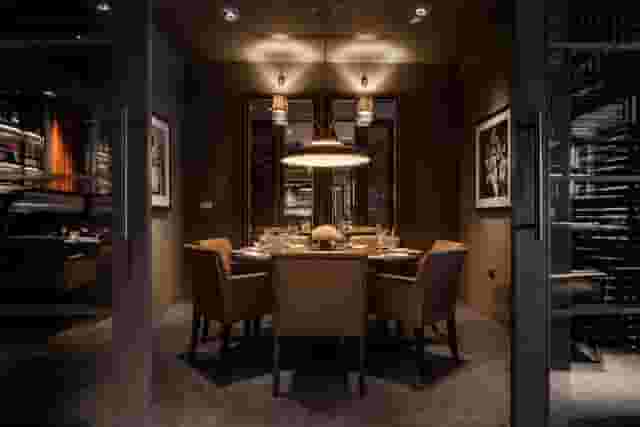
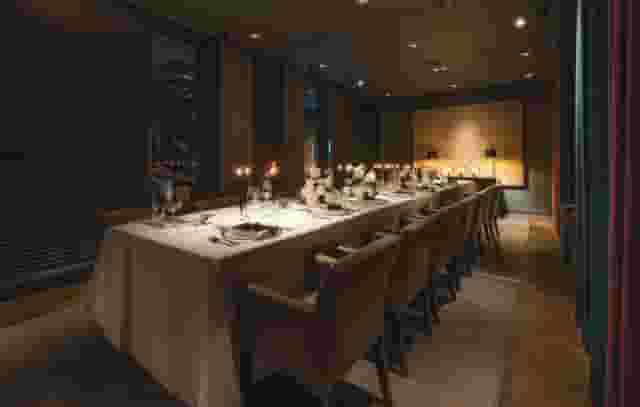
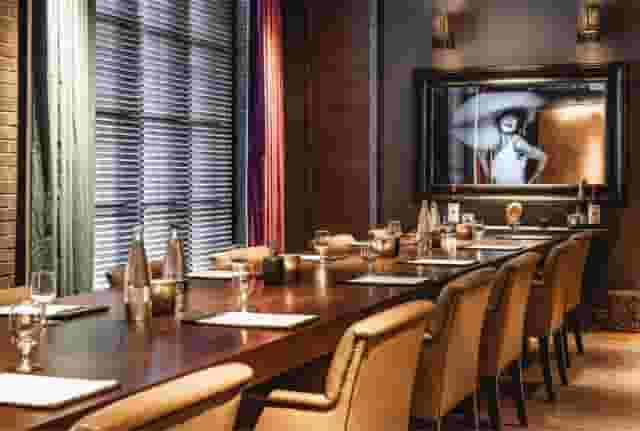
No venues match these filters
Try widening your capacity, luxury level or event type.
Don't have time to search? We'll find it for you.
For business events that need human judgement, talk to our team. Free for events of 100+ people, budgets over £10k or ongoing programmes.




Explore more venues in Manchester





Frequently asked questions
What are Manchester's historic venue capacities?
What historic venues suit academic events?
Are historic venues in central Manchester?
Can historic venues host modern tech needs?
How to enhance a gala in a historic venue?
Other platforms search their database. We search everything.
Tell us what you need. Our deep research finds any venue, whether it's in our marketplace or not. No one else does this.
About Historic in Manchester
Matching building type to company event format
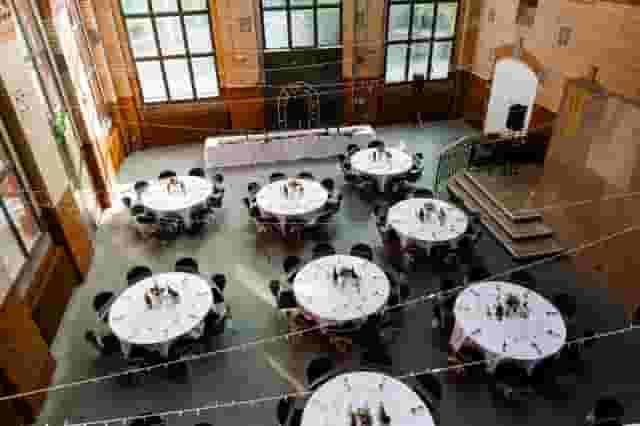
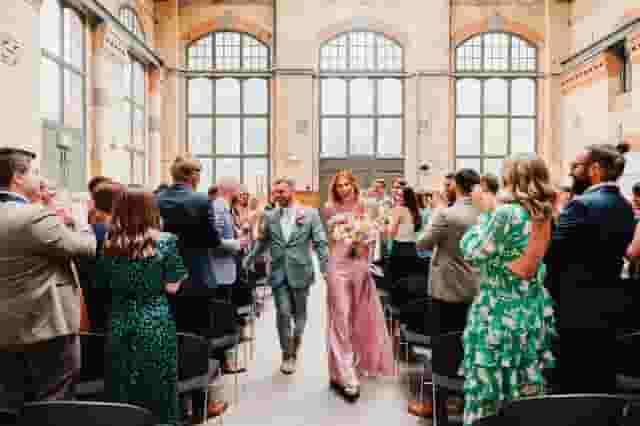
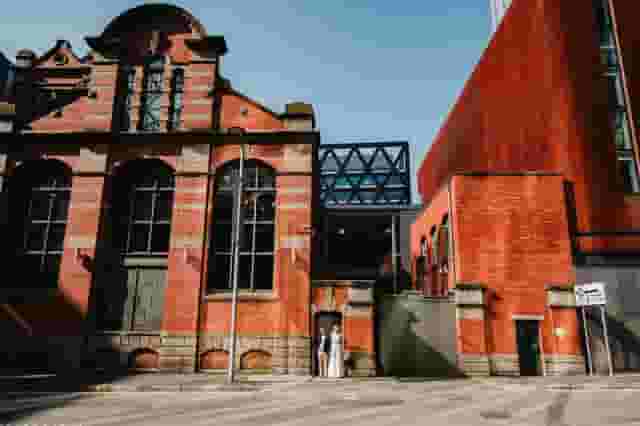
Manchester has one of the dense collections of commercial and civic heritage in the country. Warehouses, cotton exchanges, former churches, bank vaults and Victorian public halls sit within walking distance of central rail hubs. For a company organiser, holding an event in a historic building immediately sets a distinct tone, but architectural style directly governs how an evening functions.
Different eras impose different restrictions on guest movement, production and catering. Historic venues in the city broadly split into three distinct categories:
Large civic and performance halls
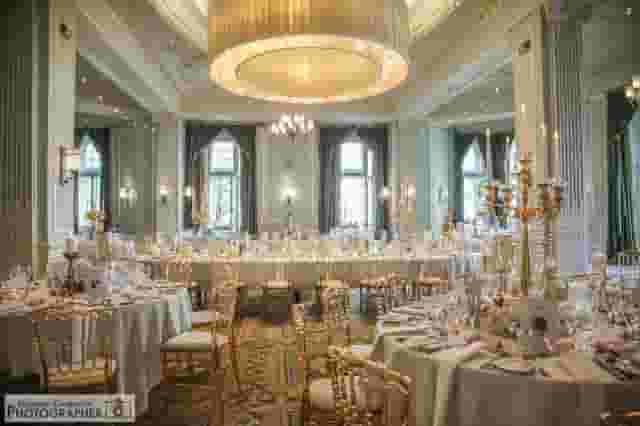
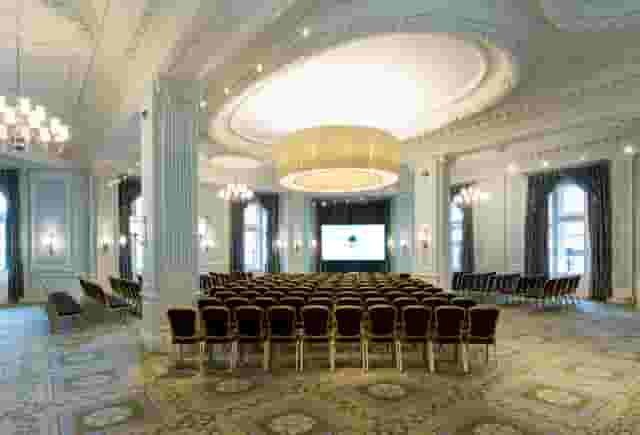
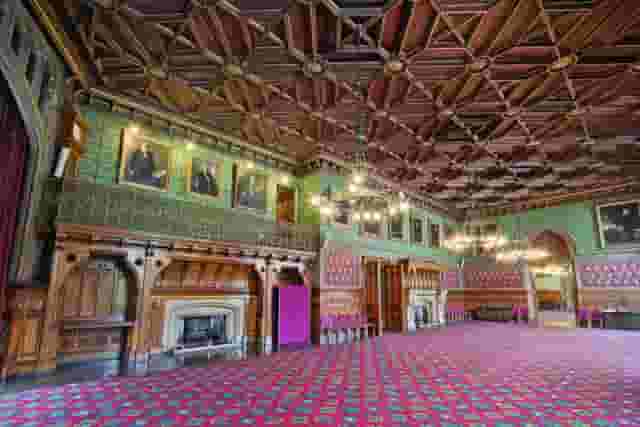
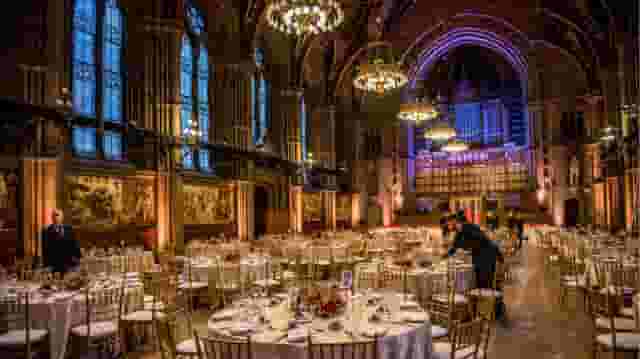
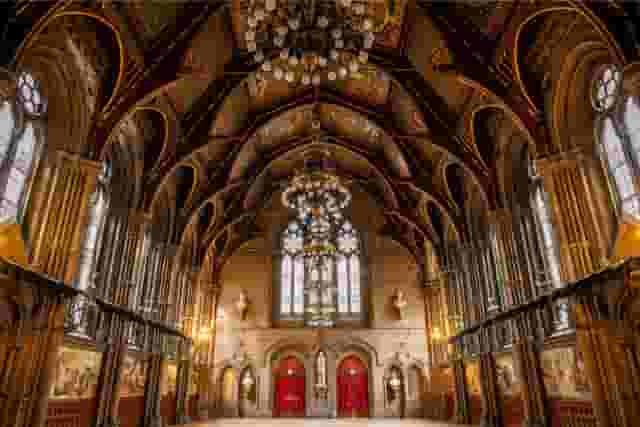
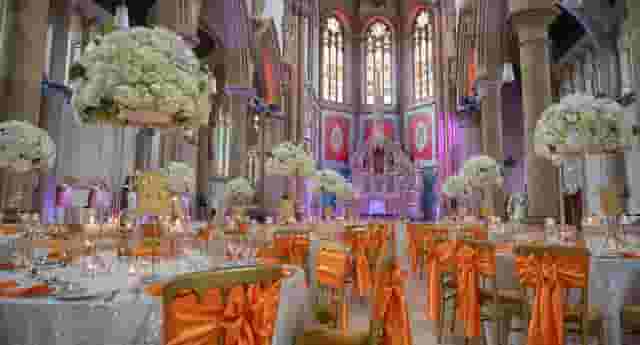
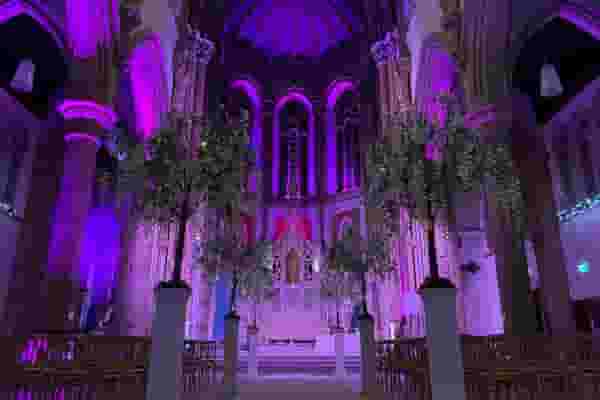
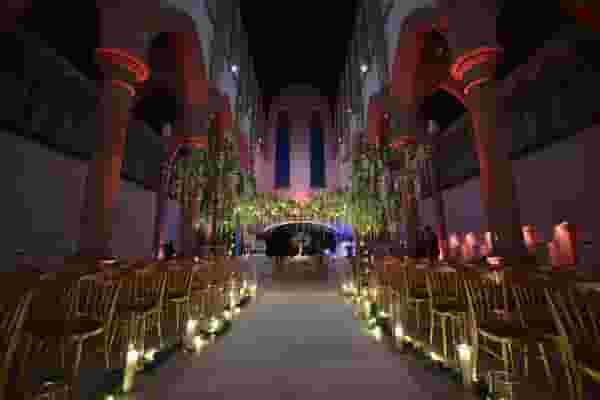
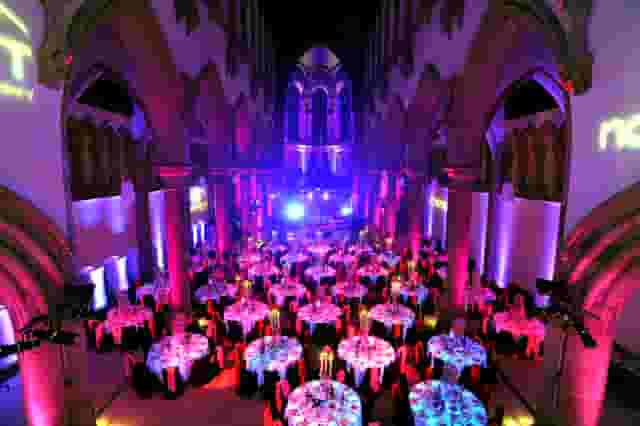
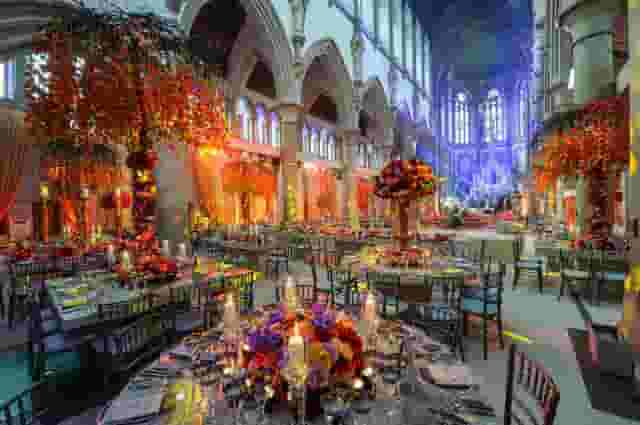
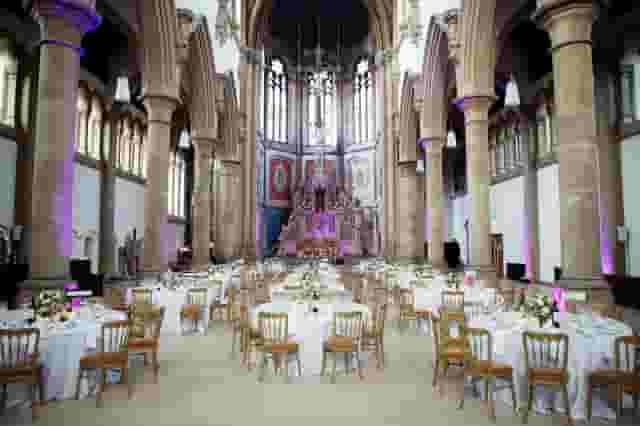
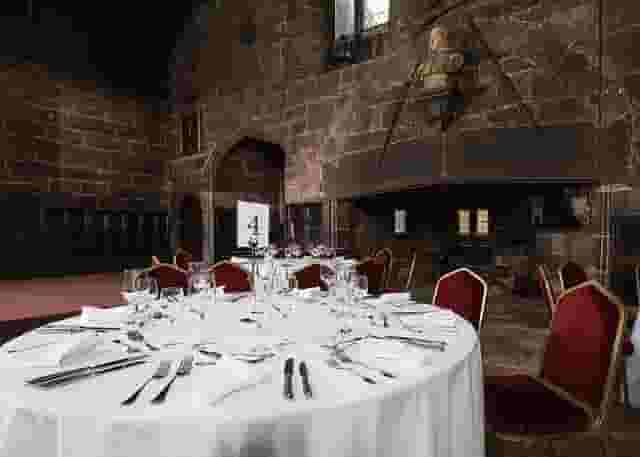
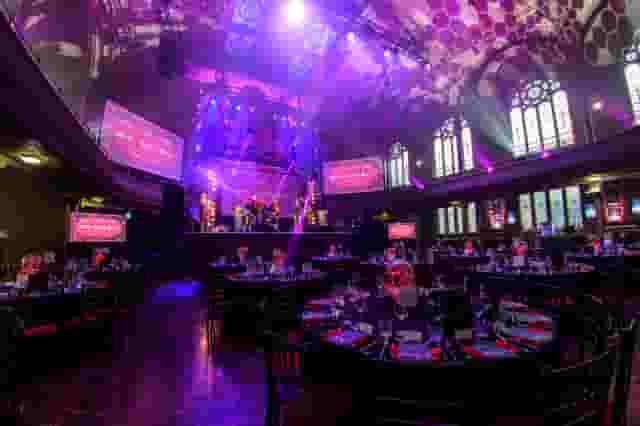
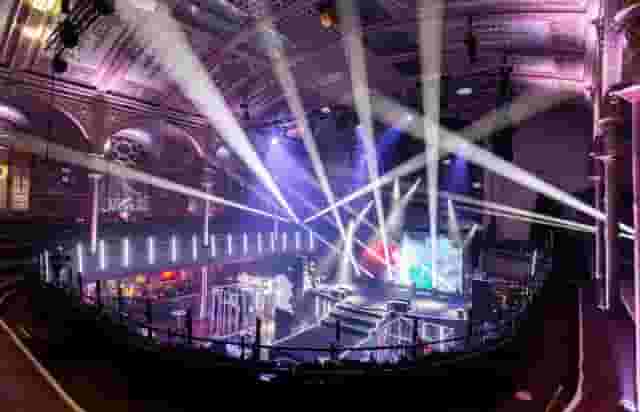
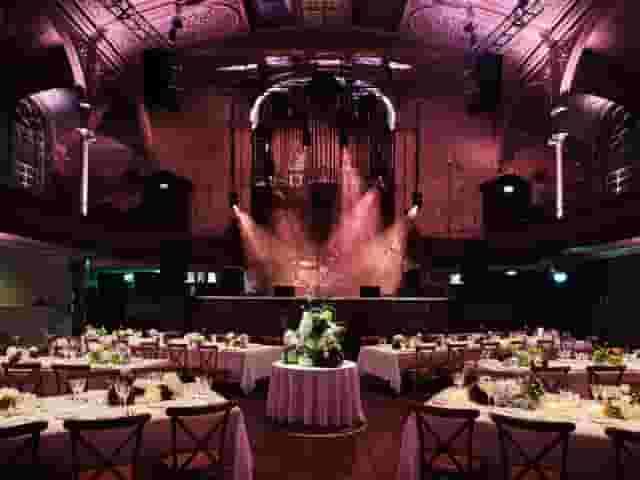
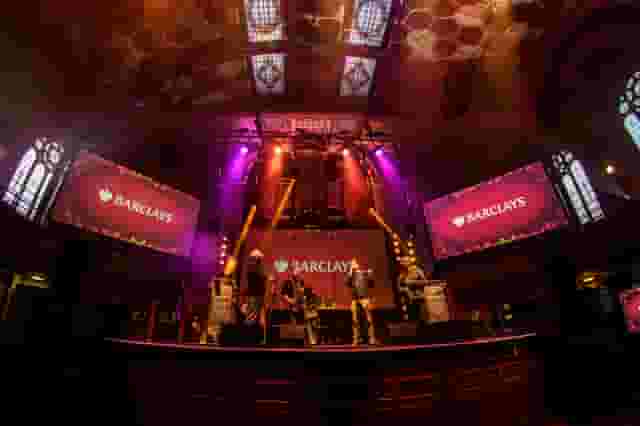
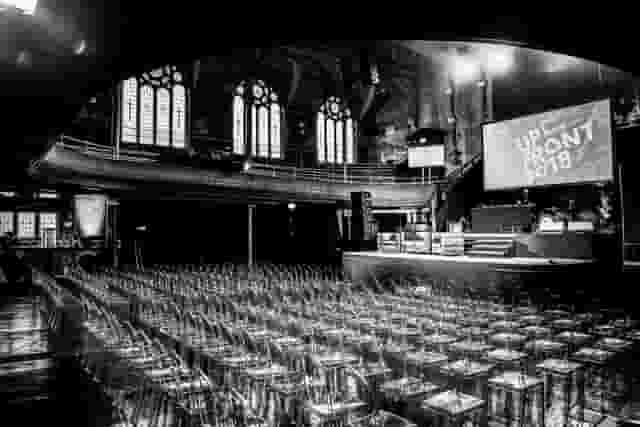
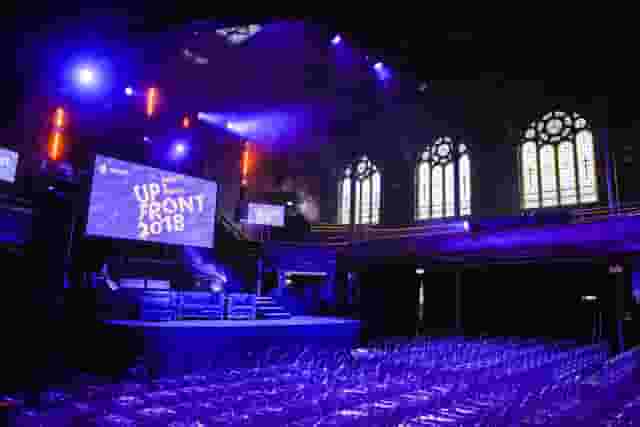
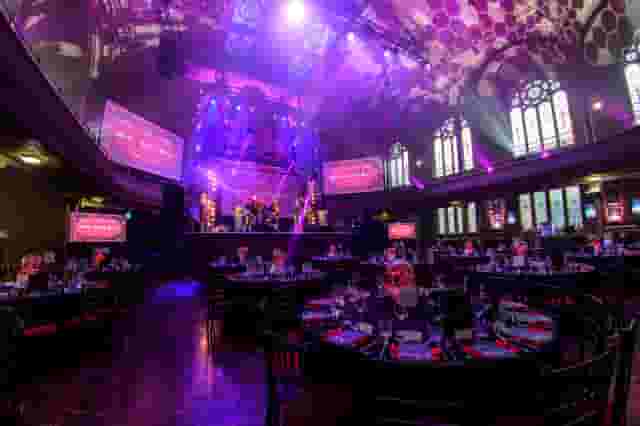
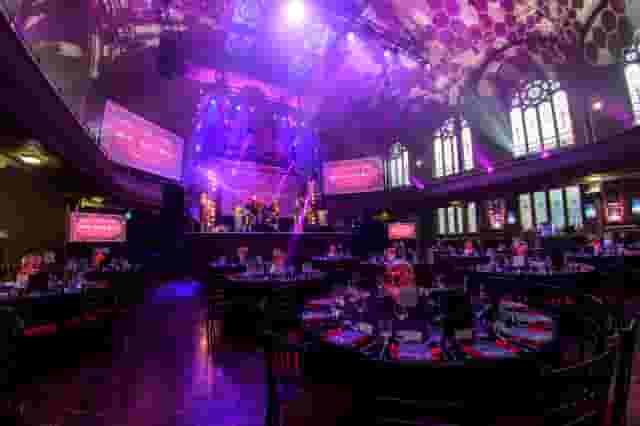
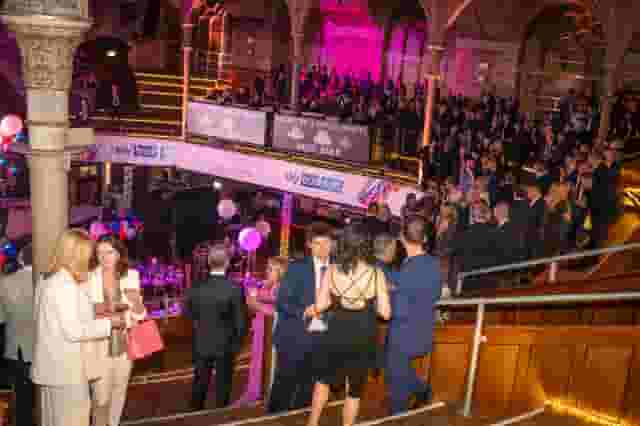
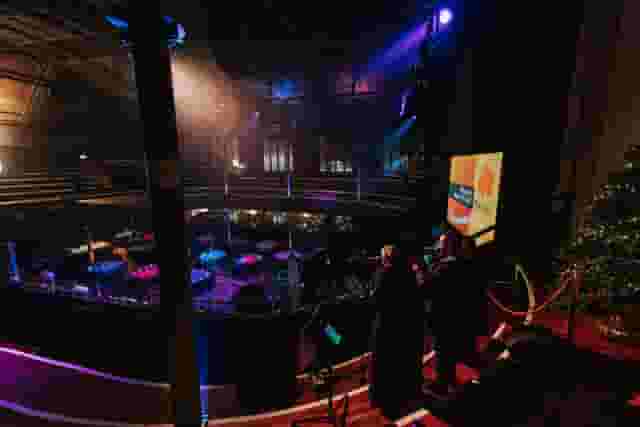
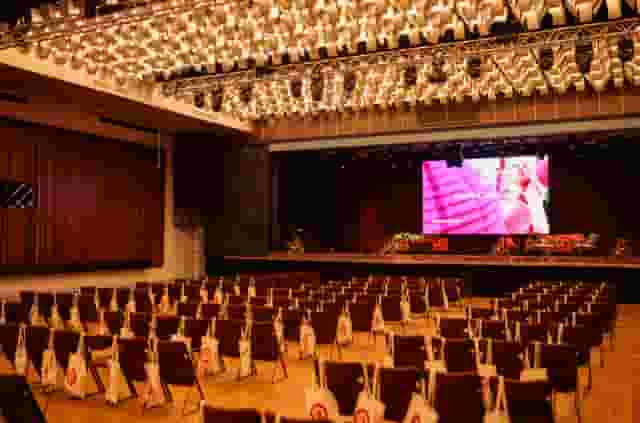
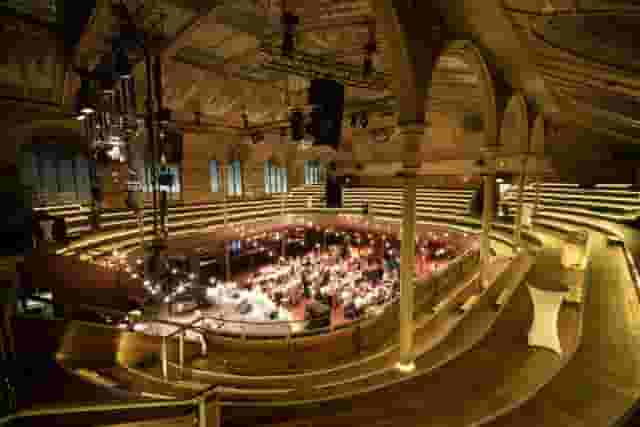
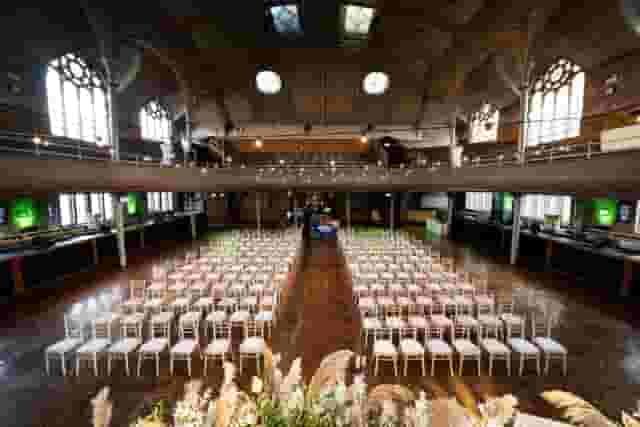
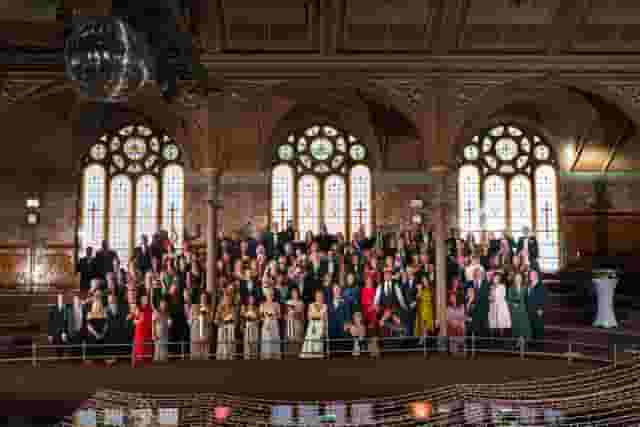
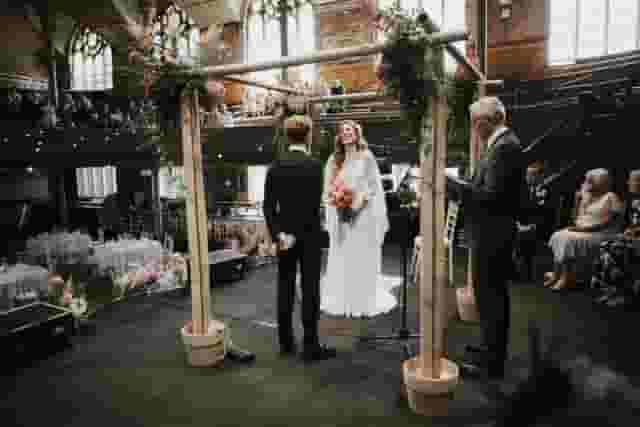
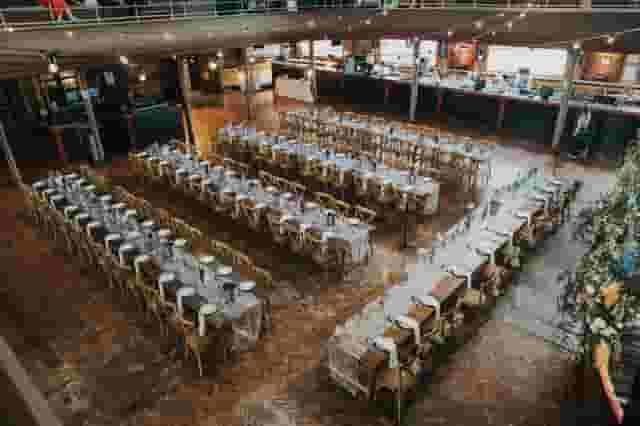
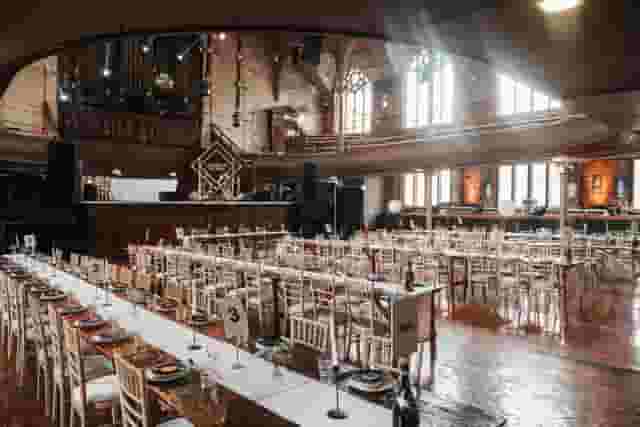
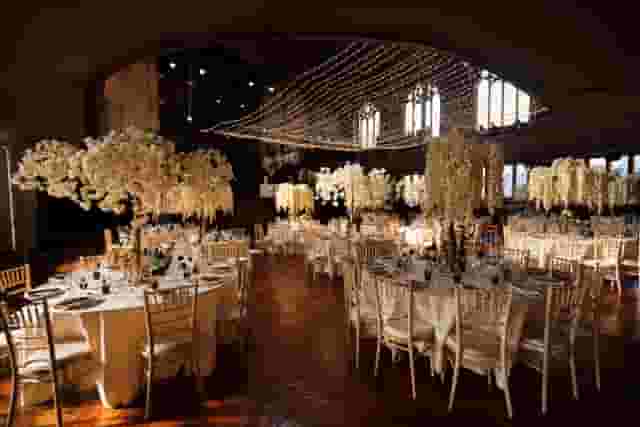
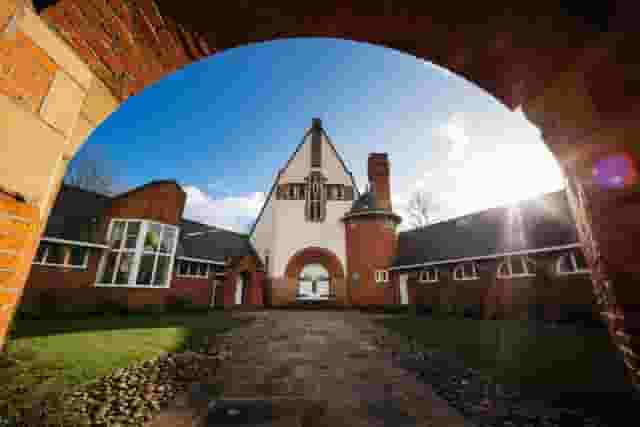
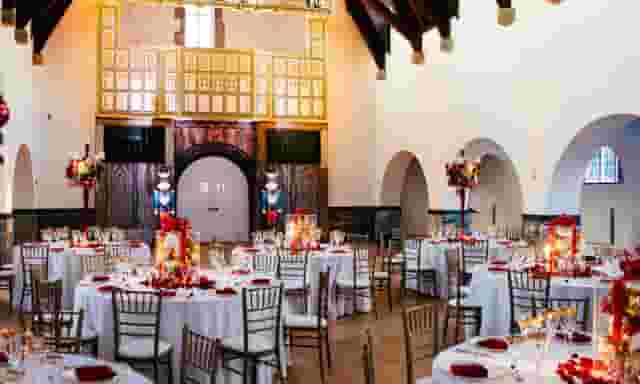
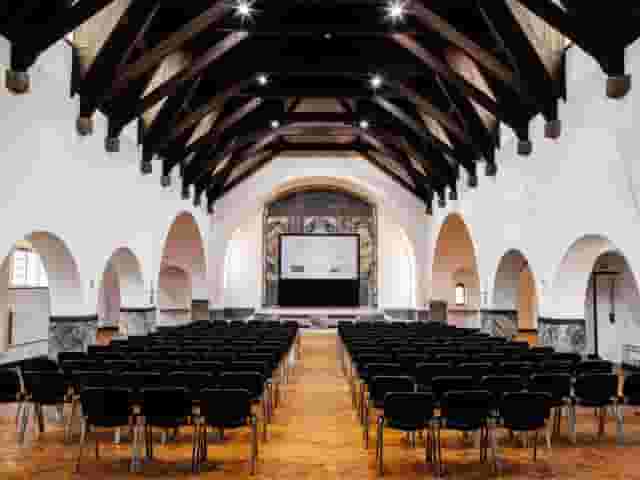
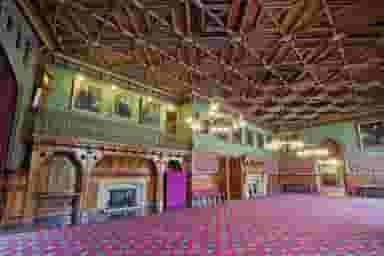
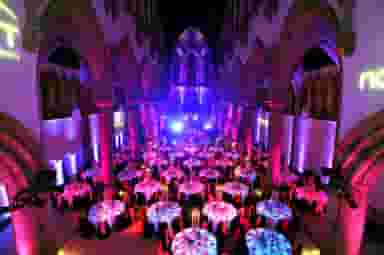
Victorian halls built for public assembly offer vast floor plates, high ceilings and strong visual character. These spaces suit company all-hands, awards ceremonies and large scale networking receptions where you need volume and impact. The Albert Hall on Peter Street is a Grade II listed former Wesleyan chapel with a capacity of 1500 standing in its Main Hall, offering horseshoe balconies and original stained glass. Similarly, The Monastery Manchester in Gorton provides a Gothic setting with its Great Nave, accommodating up to 650 guests in theatre layout or 450 for banquets. These sites give you immediate scale, but their sheer cubic volume means you must consider heating, specialised directional audio and substantial staging to prevent your event feeling dwarfed.
Industrial mills and engine works
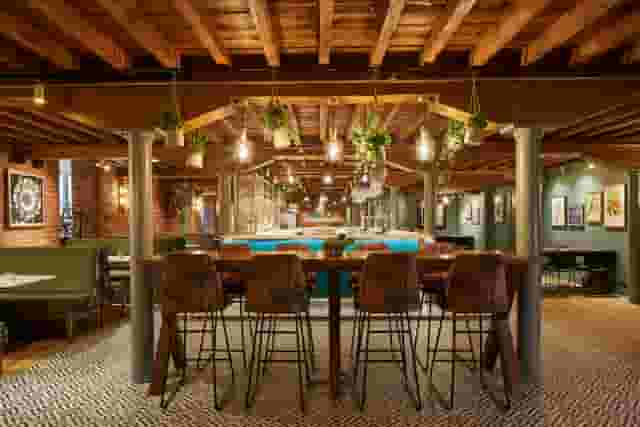
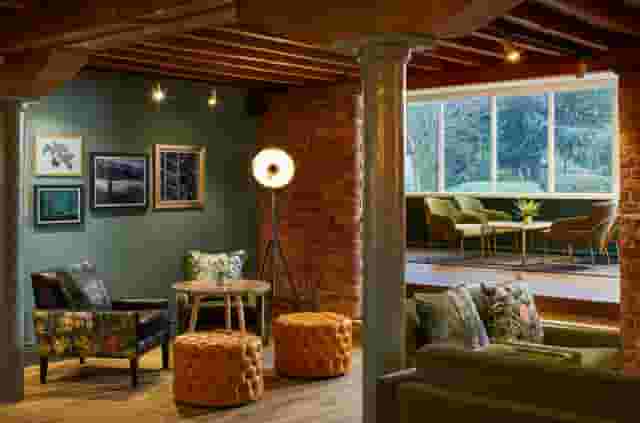
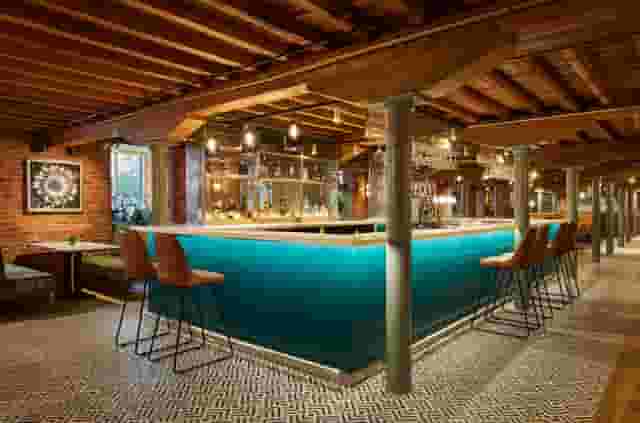
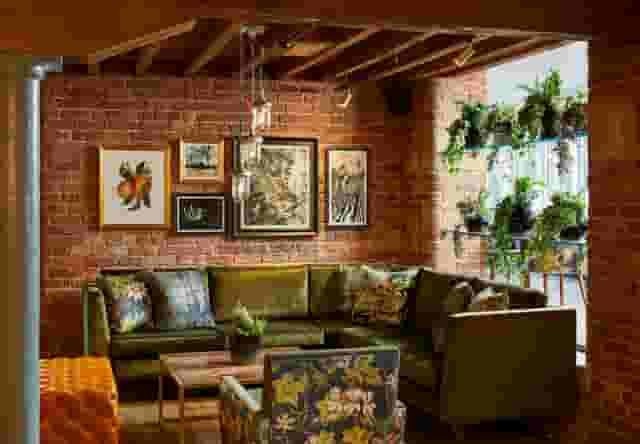
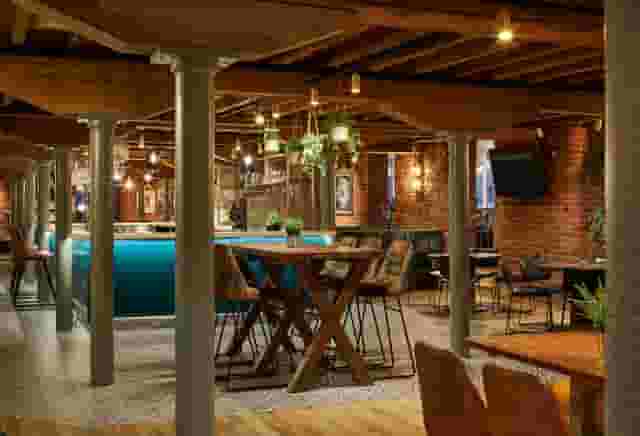
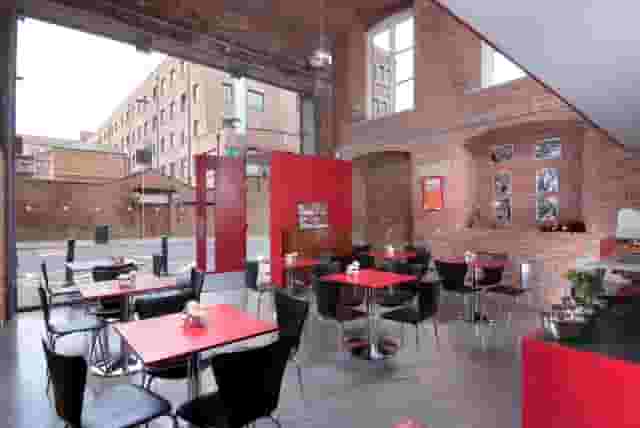
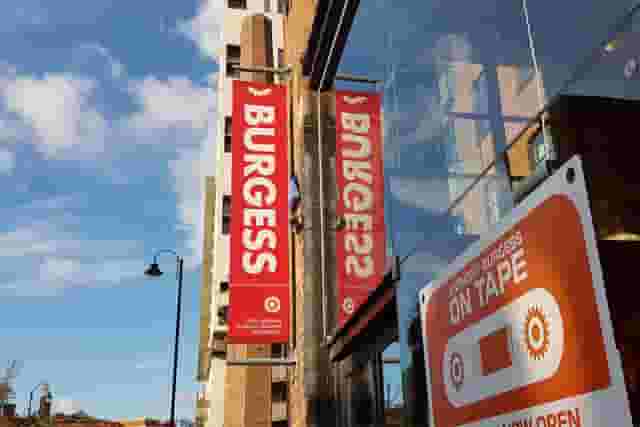
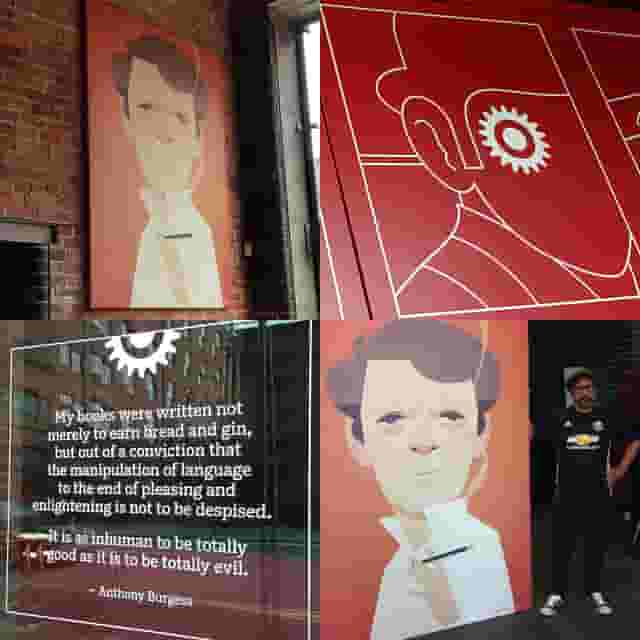
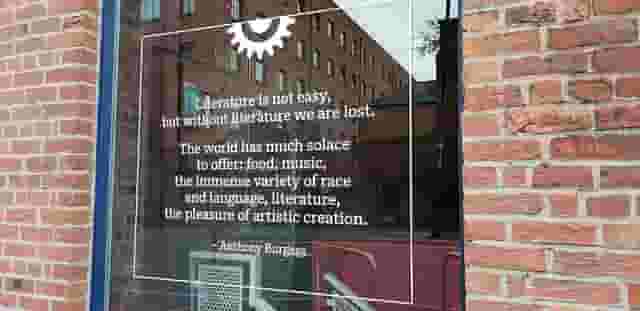
The city's textile and manufacturing legacy left brick-built mills and engine rooms characterised by cast-iron columns, timber beam ceilings and bare brickwork. These spaces lend themselves naturally to informal product launches, internal celebrations and evening drinks receptions. The Burgess Foundation on Oxford Road provides an authentic mill setting in The Engine House, accommodating 100 standing with exposed brick and high ceilings. Industrial heritage sites often have fewer decorative sensitivities than civic palaces, allowing easier rigging of freestanding lighting rigs, though floor loading and access routes can be tight.
Academic, institutional and library spaces
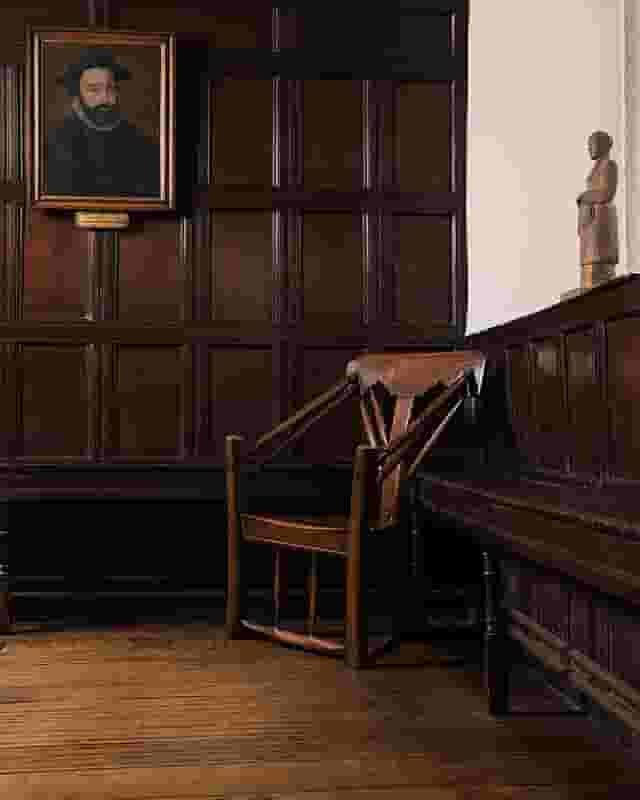
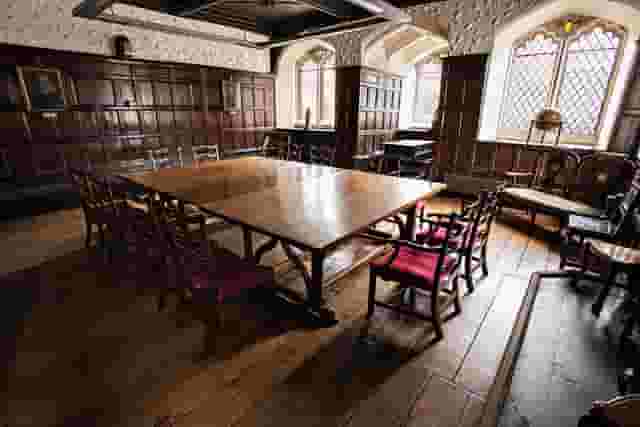
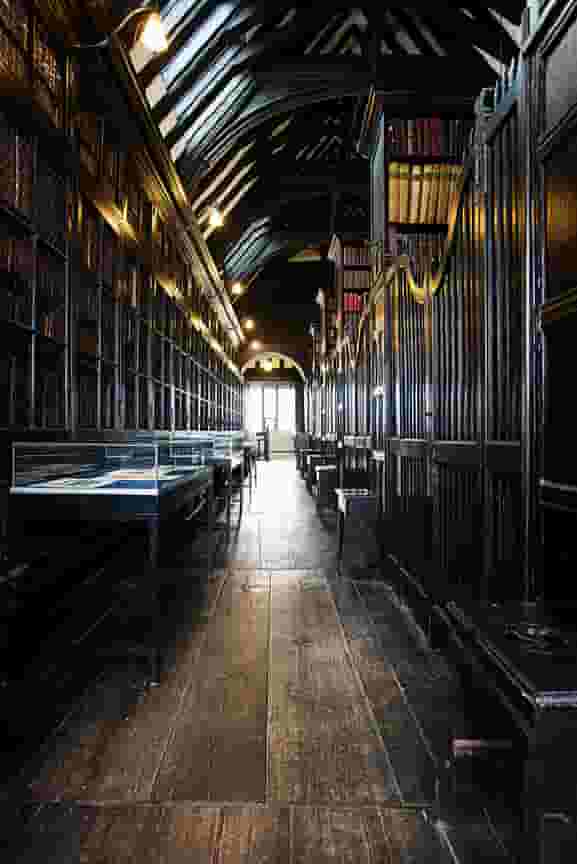
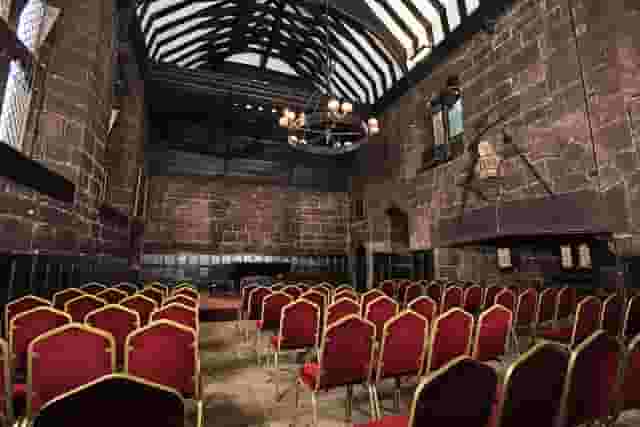
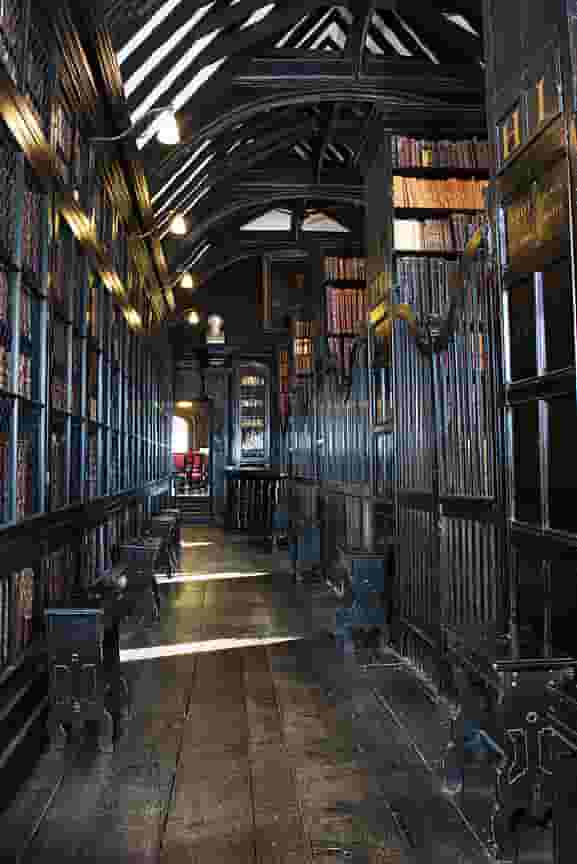
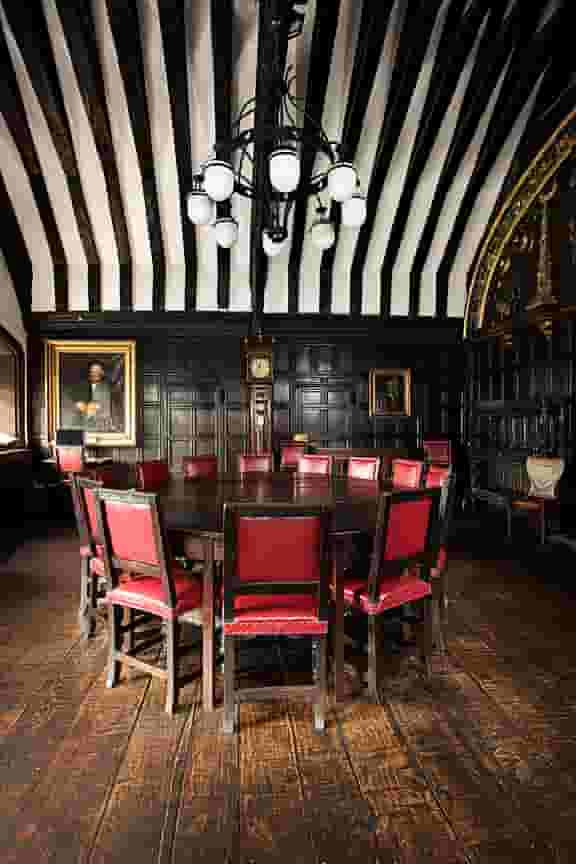
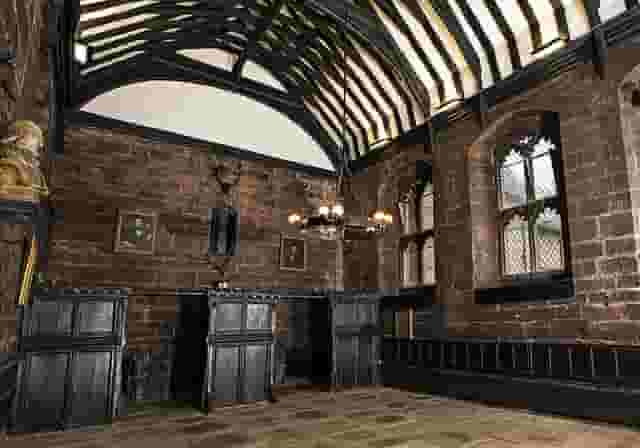
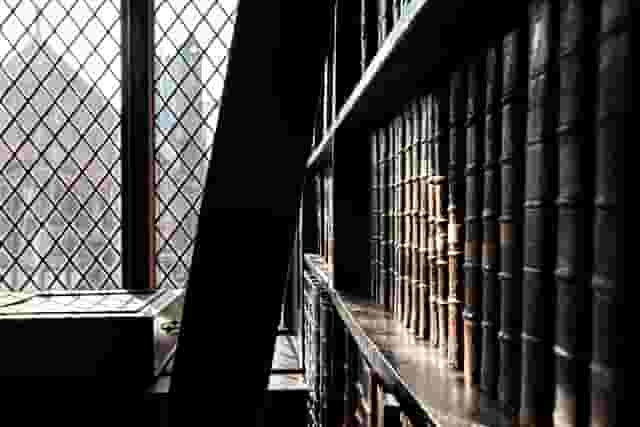
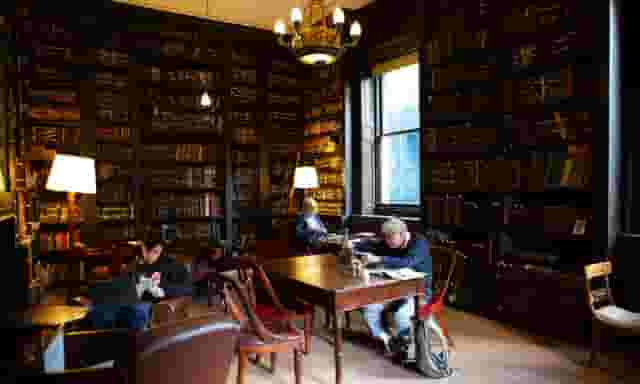
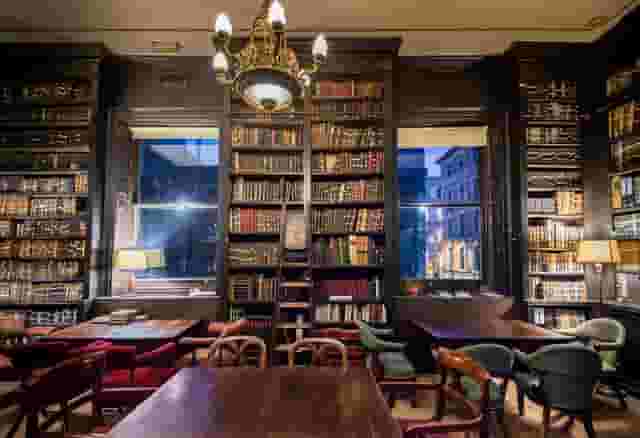
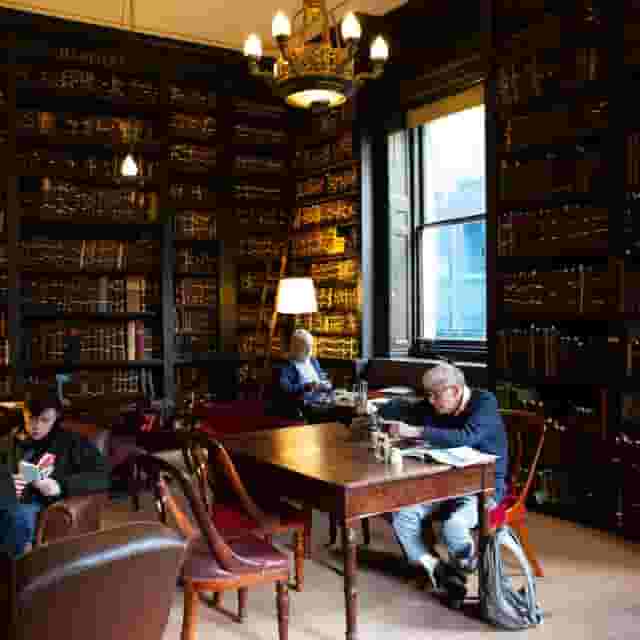
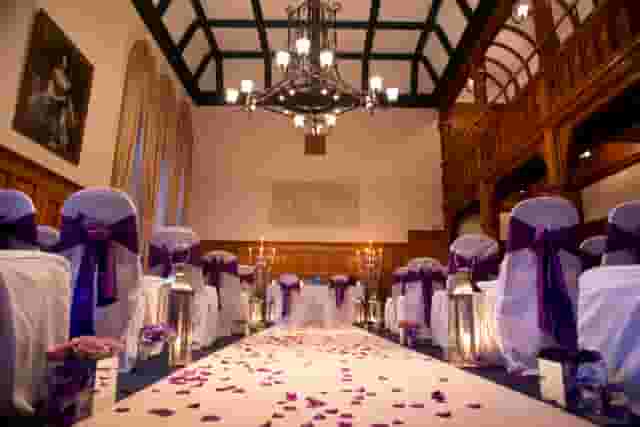
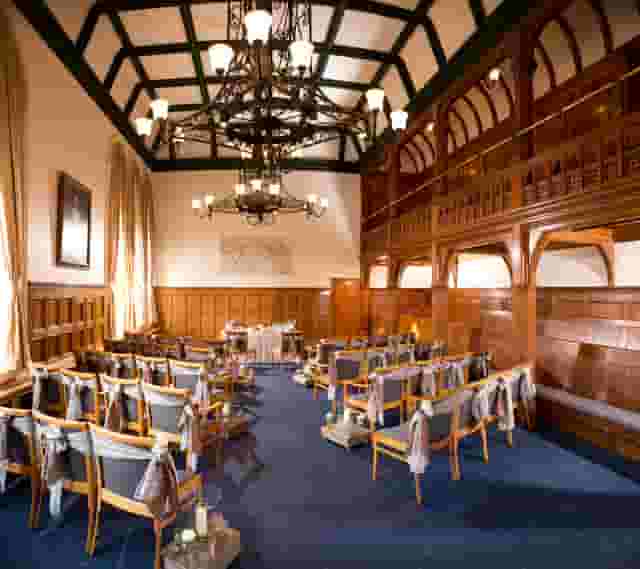
Medieval structures and Edwardian institutions offer wood panelling, historic reading rooms and quiet cloistered courtyards. These rooms are suited to client dinners, leadership retreats, intellectual symposia and panel discussions where conversation is the primary focus. Chetham's Library in the Cathedral Quarter holds up to 100 guests standing within a medieval stone setting that feels completely removed from the commercial core. These rooms come with strict preservation covenants, meaning red wine bans, restrictions on open flames and low noise thresholds are routine conditions of hire.
Understanding costs and comparing quotes
Pricing across historic Manchester properties varies significantly depending on whether the building operates as a dedicated commercial venue, a hotel with historic wings, or a protected charity trust. Based on 5 quotes from the venues on this page, indicative costs for company events sit between £40 to £95 per head. This figure assumes a standard booking of about 50 guests requiring a private space with food and drinks. To see where your plans sit within that range without waiting days for quotes, venue booking platform Hire Space provides instant price estimates drawn from real booking data, supported by a team of real event planners who help narrow down your options. If a particular heritage setting exceeds your target spend, they can also recommend similar characterful venues at a lower price point.
The wide spread between the lower and upper ends reflects what is included in the base agreement versus what must be brought in from specialist contractors.
| Cost category | Low end (£40 to £55 per head) | Mid to high end (£60 to £95 per head) |
|---|---|---|
| Room hire model | Minimum food and beverage spend or flat subsidised hall hire | Fixed venue hire fee plus itemised catering tariffs |
| Food service | Fork buffet, bowl food or finger food menus | Multi-course seated dinner with passed canapés |
| Drink allocation | Two glasses of house wine or beer per person | Half bottle of premium wine, arrival reception and mineral water |
| Staffing and protection | Standard service staff and duty manager | Dedicated heritage steward, security personnel and cloakroom team |
| Technical infrastructure | Basic house PA system and existing ambient lighting | Hired external trussing, specialist sound technician and pin-spotting |
Events trending towards the £40 end of the bracket typically operate under a minimum spend model within a historic hospitality venue, where built-in kitchen infrastructure and house furniture keep overheads down. Spaces operating primarily as operational hotels, such as The Midland Hotel Manchester, which offers the historic Trafford Suite for up to 120 guests in cabaret style, can bundle service staff, tables, glassware and dining into a combined rate.
Quotes pushing towards the £95 end generally involve dry-hire fees in standalone Grade II or Grade I listed structures. In these spaces, you pay for the room itself, then add accredited caterers who must hire mobile hot-holding equipment, transport waste off site and pay conservation cleaning charges. Always ask whether the headline quote includes heritage conservator oversight fees, waste removal charges and utility surcharges, as heating a stone nave in November requires considerable power. Hire Space 360 is enterprise venue and hotel procurement for companies spending £1m or more a year on meetings and events: a managed meetings and events programme, the kind procurement teams call strategic meetings management. For organisations managing disparate supplier costs across a wider calendar of events, it places every venue, production partner and hotel stay on one agreement with consolidated invoicing. You can see how Hire Space 360 works for procurement, with dedicated venue sourcing specialists providing live spend reporting and audit trails across every booking.
Catering, drinks and operational practicalities in heritage spaces
Providing private hospitality within a building that has stood for over a century presents operational hurdles that do not exist in modern conference centres. Historic architecture was rarely designed with commercial banquet kitchens or freight lifts in mind.
Kitchen infrastructure and prep space
True heritage spaces frequently operate with limited or no back-of-house kitchen extraction. Caterers must either finish dishes using electrical regeneration ovens in an adjacent room or prepare food cold. Venues with permanent hotel backing, such as the Kimpton Clocktower Hotel on Oxford Street, avoid this hurdle. Its Directors Suite accommodates 200 guests for receptions surrounded by oak panelling, supported by full in-house brigade catering.
When booking an independent historic site, check whether your caterer must work from an external courtyard or an unheated side room. This adds logistical costs for temporary tabling, mobile hand-washing stations and protective floor coverings.
Licensing, alcohol and heritage fabric protection
Conservation rules influence how food and drink service is run:
- Red wine restrictions: Several historic libraries and textile galleries permit only white wine, champagne and clear spirits to prevent irreversible damage to stone, historic carpets or untreated floorboards.
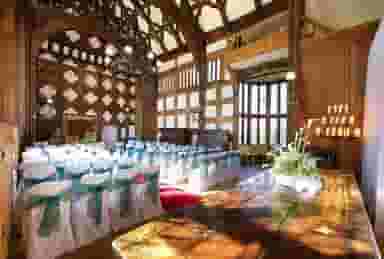
- Naked flame bans: Gas cooking, open flame chafing dishes and live candles on dining tables are widely prohibited in timber-framed or listed properties. Battery-powered warmers and LED table lamps are standard workarounds.
- Bar location and waste disposal: Wet bars must sit away from sensitive woodwork or historic archive displays. Venues regularly require heavy-duty rubber spill mats under all dispensing stations and mandate that glass bottles are packed out rather than placed in domestic bins.
Confirm late licences early in your planning. Many Manchester city centre heritage buildings sit close to residential redevelopments in Ancoats, Spinningfields or Castlefield, resulting in strictly enforced music curfews between 23:00 and midnight.
Technical delivery, acoustics and production constraints
Historic properties were built for natural vocal projection or reverent quiet, not modern amplified presentations, hybrid video conferencing and digital projection. Delivering high-quality corporate presentations in these rooms requires early technical planning.
Managing natural reverberation
Stone walls, high barrel-vaulted ceilings and expansive glass windows create pronounced acoustic bounce. In an untreated cavernous room, microphones will cause speech to wash out into an unintelligible echo. Hallé St Peter's in Ancoats, a Grade II listed former church with high ceilings and original features, was redeveloped specifically as a rehearsal and performance centre, making its acoustic profile and sound balance well suited to events for up to 230 people in cabaret layout.
Where a historic hall lacks acoustic treatment, insist on distributed PA systems. Rather than two large speakers at the front blasting sound at high volume, position smaller delay speakers down the length of the room at lower volume to keep speech crisp without triggering room echo.
Rigging, power and cabling limitations
You cannot drill into stone, attach brackets to decorative plasterwork or tape gaffer tape directly onto delicate parquet flooring.
- Ground-supported infrastructure: All staging, backdrop displays, projection screens and lighting fixtures must be free-standing on weighted base plates or tank traps.
- Power supply verification: Victorian and Edwardian buildings often have limited three-phase power outlets. If your evening requires theatrical lighting, stage heating and professional mobile ovens, check whether the venue power board can handle the load or if an external whisper-quiet generator is required.
- Cable paths: Trailing cables across listed stonework presents trip hazards and visual clutter. Cable routes often need to run through perimeter conduits or use heritage-approved low-tack mats that leave no residue on sensitive stone.
| Technical check | Consideration in heritage buildings | Solution |
|---|---|---|
| Wi-Fi signal penetration | Thick load-bearing stone walls block internal radio frequency signals | Request hardwired ethernet drops or supplementary cellular access points |
| Screen placement | High windows without blackout blinds cause screen glare | Use high-lumen LED walls rather than standard optical projectors |
| Heating and climate | High ceilings lead to heat loss; draughts around historic window frames | Plan supplementary floor-level radiative heaters away from timber panelling |
| Speech clarity | Hard masonry surfaces reflect frequencies above 1 kHz | Deploy directional line-array speakers and carpeted breakout areas |
Location, access and guest travel across Manchester
Transport connectivity is a major asset of Manchester's historic inventory. Most key venues sit within quick reach of Manchester Piccadilly, Manchester Victoria, Oxford Road or Deansgate rail stations, with Metrolink tram stops linking the commercial quarters.
Central versus outer perimeter locations
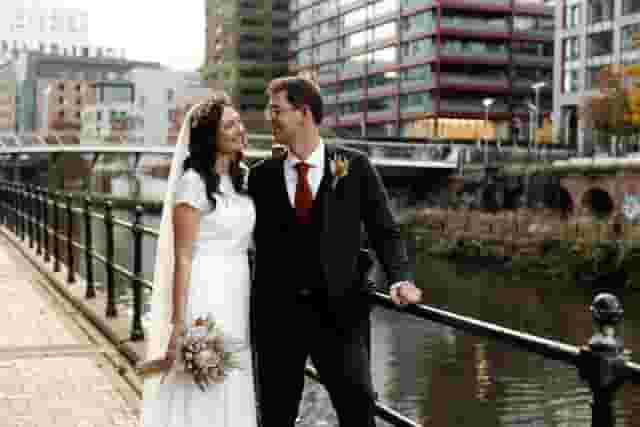
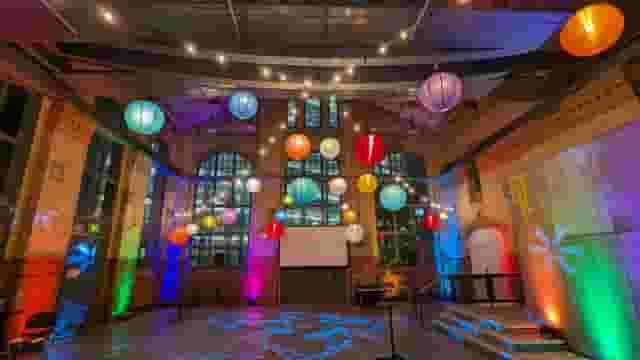
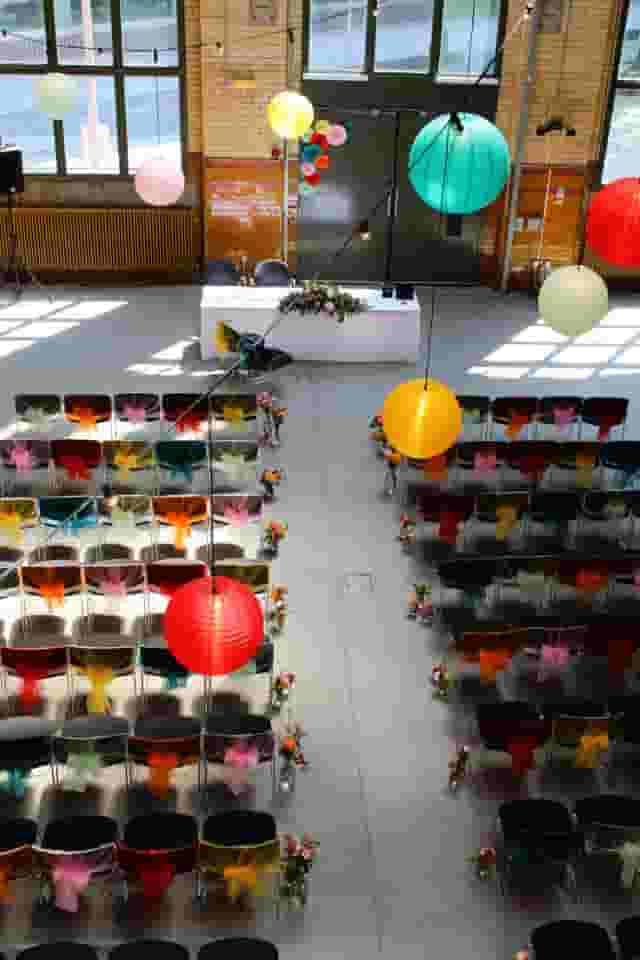
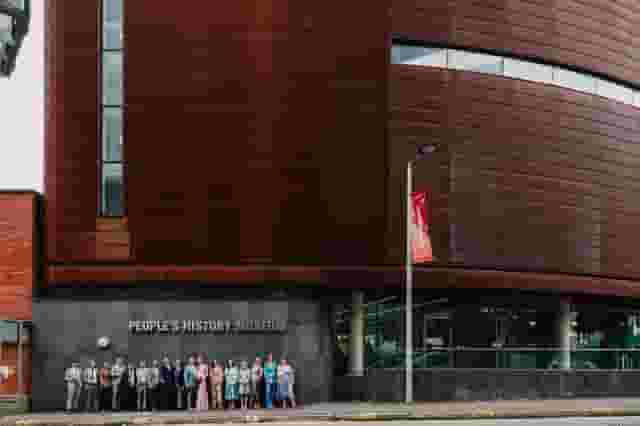
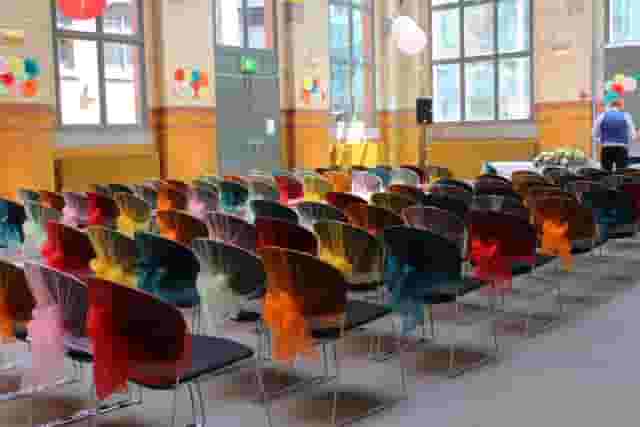
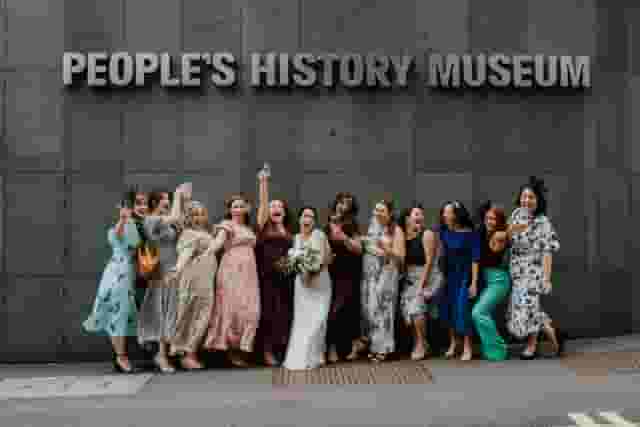
Central venues allow delegates to walk from mainline trains or regional business hotels without requiring complex coach logistics. For example, People's History Museum is located right on the river in Spinningfields, with its Riverside Room offering space for 65 reception guests within quick walking distance of Salford Central and the central business district.
Properties outside the inner ring road, such as the Gorton monastery buildings, require planned group transit or taxi staging. If you host an event beyond the central walking grid, factor a managed taxi marshaling plan into your evening running order so that guests are not left waiting on industrial perimeter roads when the event finishes.
Accessibility within listed structures
Listed building status historically created exemptions from modern access standards, meaning older properties sometimes feature flight steps, narrow doorways or heavy manual doors.
Before confirming your booking, verify the full route from street to seat:
- Step-free access: Check whether the step-free entrance is the primary entrance or a secondary service entrance through a kitchen or loading bay. A dignified arrival experience for all attendees is essential.
- Internal lifts: Older passenger lifts in converted commercial properties can have narrow door openings and restricted weight capacities that struggle with heavy equipment cases or motorised mobility chairs.
- Accessible facilities: Confirm that accessible toilets are located on the same level as the event space, rather than down a spiral staircase or in an adjacent administrative block.
A comprehensive site tour with your catering and technical suppliers will identify whether loading bays have height caps, if internal stone thresholds need temporary threshold ramps, and how waste disposal will be managed without causing damage to the fabric of the building. With those operational variables locked down, Manchester's historic architecture provides a memorable, high-character backdrop for any corporate gathering.
What our customers say
Inspiration and planning guides

Watch a real brief turn into priced, available venues in 15 minutes
Chloe Richardson has spent 17 years in events. We gave Deep Venue Research one of her briefs and filmed every step, from the first questions to availability checked at the venues she chose.
Simple Events Win: Why Restraint Beats Spectacle
Budgets are tight and audiences want connection over spectacle. The events that land in 2026 are the deliberately simple ones. Here is how to edit rather than cut, grounded in the 2026 industry data, and why the right venue does the heavy lifting.

Why UK Event Calendars Got So Tight (And How to Book Smarter)
Lead times for UK corporate events are up 39% since 2022, based on Hire Space booking data. The calendar is tighter, conversion rates fall sharply when you leave it late and the peak windows are getting more crowded. Here is what the numbers say and what to do about it.
One supplier. Every venue. Full visibility on what you spend.
Multiple venues and events. One agreement.