Museums in London for 400 people
Explore unique museums in London perfect for hosting events of up to 400 people.
About Museums
### Why London's Museums Are Perfect for Your 400-Guest Event (And Which Ones Actually Work) There's something magical about hosting an event surrounded by centuries of history and world-class artifacts. We've organised dozens of museum events over the years, and honestly, they create an atmosphere that's impossible to replicate in a standard conference centre. London's museums aren't just stunning backdrops – they're practical venues that can genuinely accommodate 400 guests with proper planning. The Natural History Museum's Earth Hall, for instance, offers flexible configurations from theatre-style (400 capacity) to banquet seating (300), while the Science Museum's Flight Gallery provides that wow factor with aircraft suspended overhead. #### What Makes Museum Venues Actually Work for Large Groups The key advantage is space flexibility. Most suitable museum venues offer 500-800 m² of event space with minimum 4m ceiling heights – crucial when you're managing sightlines for 400 people. The Wellcome Collection's Reading Room and the V&A's Medieval & Renaissance Galleries have hosted corporate launches we've organised, and the natural acoustics in these grand spaces actually enhance presentations rather than fighting against them. Budget-wise, you're looking at £5,000-£10,000 per day for exclusive hire, which might seem steep until you factor in what's included. Most venues provide basic AV infrastructure, climate control, and that Instagram-worthy backdrop that'll have your delegates sharing content long after the event. Compare that to hiring a bland conference centre plus décor, and the numbers start making sense. #### The Venues That Actually Deliver From our experience, the British Museum's Great Court works brilliantly for networking receptions, while the Imperial War Museum's atrium handles formal presentations beautifully. The key is matching your event format to the space – we've learned that cocktail receptions work better in galleries with artifact displays, whilst formal presentations need those purpose-built spaces like the Natural History Museum's Darwin Centre. One insider tip: many museums offer exclusive after-hours access, which transforms the entire experience. Your guests get to explore collections privately whilst mingling – it's like having a [corporate day out in London](https://hirespace.com/GB/London/Corporate-Days-Out) that doubles as cultural enrichment. The technical infrastructure is there too – most venues now offer 100 Mbps internet, three-phase power supply, and professional lighting systems. Just remember that artifact protection means no wall attachments and restrictions on certain décor elements. Ready to explore specific venues? Let's dive into the planning timeline that'll ensure your museum event runs seamlessly. ### The Essential Planning Timeline: What Museum Event Organisers Wish They'd Known Earlier Here's what we've learned from years of museum event planning: start your booking process **12-18 months ahead** for premium venues like the Natural History Museum or British Museum. These iconic spaces get snapped up quickly, especially for those coveted evening slots that transform your event into something truly special. The biggest mistake we see? Leaving the technical requirements discussion until month three. Museums have strict artifact protection protocols that affect everything from your lighting setup to catering arrangements. We always schedule our initial venue walkthrough within the first month, bringing along our AV team to identify any potential challenges early. #### The Critical 6-Month Mark Six months out is when things get serious. This is your deadline for finalising guest numbers – and trust me, museums are less flexible than hotels when it comes to last-minute capacity changes. The Science Museum, for example, requires final numbers 90 days before your event, with limited scope for adjustments after that point. Your catering decisions also need locking in around this time. Museum venues often have exclusive catering partnerships, and popular dates for 400-person events can see waiting lists for preferred suppliers. We've seen brilliant events nearly derailed because someone assumed they could sort catering "closer to the time." #### The Final 90-Day Sprint The last three months are all about the details that make museum events shine. Security briefings become crucial – your 400 guests will need managing differently in a space filled with priceless artifacts. Most venues require a detailed security plan including guest flow management and designated photography areas. This is also when you'll finalise those special touches that museums excel at. After-hours gallery access, curator-led tours, or exclusive artifact viewings – these elements need coordinating with museum education teams well in advance. One thing that's caught us out before: museum venues often have earlier load-in restrictions than commercial spaces. The V&A, for instance, limits setup access to preserve their conservation environment. Factor this into your timeline, especially if you're planning elaborate staging. The golden rule we've developed? Add 30% more time to every museum venue milestone compared to standard venues. The payoff – that jaw-dropping moment when your guests walk into a space surrounded by history – makes every extra planning hour worthwhile. Speaking of those planning details, let's tackle the technical requirements that can make or break your museum event. ### Navigating Museum Venue Requirements: From Artifact Protection to AV Setup ### Navigating Museum Venue Requirements: From Artifact Protection to AV Setup The first time we tried to hang banners in the British Museum, we learned a harsh lesson about artifact protection protocols. Museums operate under completely different rules than standard venues, and understanding these requirements upfront can save you from some rather embarrassing conversations with conservation teams. The golden rule? **Nothing touches the walls, ever.** This means your usual backdrop solutions won't work. Instead, you'll need freestanding structures or ceiling-mounted systems where permitted. Most venues require all equipment to maintain at least 2 metres clearance from display cases, which significantly impacts your floor plan for 400 guests. #### Power and Technical Infrastructure Reality Check Here's where museum venues actually shine – the technical infrastructure is often superior to purpose-built conference centres. You'll typically get 200-amp, three-phase power supply and dedicated 100 Mbps internet connections. The Natural History Museum's Earth Hall, for instance, has built-in projection capabilities and professional lighting systems that would cost thousands to replicate elsewhere. However, there's a catch. All electrical work must be completed by museum-approved contractors, usually adding £2,000-£3,000 to your technical budget. We've learned to factor this into our initial costings rather than treating it as a nasty surprise later. #### Climate Control and Conservation Concerns Museums maintain strict environmental conditions to protect their collections – typically 18-22°C with 45-55% humidity. With 400 people generating significant heat and moisture, venues often require additional climate control measures. The Science Museum charges an extra £500-£800 for enhanced HVAC during large events, but it's essential for guest comfort and artifact protection. Sound levels are another consideration. Most venues cap audio at 85 decibels to prevent vibration damage to displays. This affects everything from your speaker placement to entertainment choices – we've had to completely redesign sound systems to meet these requirements. #### The Catering Conundrum Food and drink restrictions can be the most challenging aspect. Many galleries prohibit catering entirely, limiting you to designated spaces like atriums or purpose-built event areas. The V&A's Medieval Gallery, for example, allows champagne receptions but no food service within the gallery itself. When catering is permitted, expect additional cleaning fees of £1,500-£2,500 for 400-person events. Museums require professional deep cleaning to museum standards, not standard venue cleaning. The key to success? Build relationships with venue operations teams early. They're incredibly knowledgeable about working within these constraints and often suggest creative solutions we'd never considered. Much like planning [company retreats in Greater London](https://hirespace.com/GB/Greater-London/Company-Retreats), the devil's in the details – but the payoff is extraordinary. Next, let's explore how to structure your budget to maximise impact while navigating these unique requirements. ### Smart Budget Strategies for Museum Events That Deliver Maximum Impact Let's be honest about museum event budgets – they're not cheap, but they can deliver extraordinary value when you know how to structure the spend. We've seen companies blow £25,000 on a museum event that felt flat, whilst others create unforgettable experiences for £12,000 by understanding where to invest and where to save. The baseline for hiring a London museum for 400 people sits between £5,000-£10,000 per day, with venues like the Natural History Museum commanding the higher end. But here's what most event planners miss – that hire fee often includes elements you'd pay separately elsewhere: professional lighting, climate control, basic AV infrastructure, and security. When you factor in what a comparable setup would cost at a blank canvas venue, museums start looking remarkably competitive. #### Where to Invest Your Budget for Maximum Impact Your biggest opportunity lies in exclusive access experiences. After-hours gallery tours, curator presentations, or private viewings can transform a standard corporate event into something genuinely memorable. The British Museum charges around £3,000 for exclusive evening access, but guests will talk about wandering through empty galleries for years afterwards. Catering deserves strategic investment too. Museum-approved caterers understand the unique challenges – working around artifact protection, managing service in heritage spaces, and creating menus that complement the cultural setting. Budget £45-65 per head for quality catering that matches the venue's prestige. We've learned that skimping here creates a jarring disconnect between the magnificent setting and mediocre food. #### Smart Cost-Saving Strategies That Actually Work Timing is your secret weapon. Tuesday-Thursday bookings often secure 15-20% discounts compared to Friday events. Similarly, afternoon events (2-6pm) typically cost less than evening exclusives whilst still offering that special museum atmosphere. Consider hybrid approaches for larger groups. The Science Museum's Flight Gallery works brilliantly for 200-person presentations, with overflow guests watching via live stream in adjacent spaces. This approach can reduce venue costs by 30% whilst maintaining the wow factor for key attendees. Equipment sharing presents another opportunity. Many museums have relationships with preferred AV suppliers who store equipment on-site, reducing transport and setup costs. The V&A's regular suppliers, for instance, offer package deals that can save £2,000-£3,000 on technical requirements. One insider tip that's saved us thousands: book your museum event as part of a wider programme. Venues often offer attractive rates when you're also booking [team off-sites in North London](https://hirespace.com/GB/London/North-London/Team-Off-Sites) or other corporate activities. The Natural History Museum has given us 25% discounts when events were part of larger corporate partnerships. The key is viewing museum venues as premium experiences that justify their cost through unique value delivery. When budgeted correctly, they create lasting impressions that standard venues simply cannot match. Now, let's explore the common pitfalls that can derail even well-budgeted museum events – and how to avoid them entirely. ### Avoiding the 5 Most Common Museum Event Mistakes (Plus Expert Solutions) After organising museum events for over a decade, we've seen the same mistakes crop up repeatedly – and they're all completely avoidable with the right knowledge. The most expensive mistake? Assuming museum events work like hotel conferences. They absolutely don't, and that assumption has cost clients thousands in last-minute fixes and disappointed guests. #### Mistake #1: Underestimating Load-In Complexity The biggest shock for first-time museum event organisers is discovering that your usual 6am load-in simply isn't happening. Most museums restrict access until 9am to protect conservation environments, and some venues like the V&A require all equipment to enter through specific loading bays that can only accommodate one supplier at a time. We learned this the hard way at a 400-person product launch where three suppliers arrived simultaneously at 8am, only to queue for two hours. Now we create detailed load-in schedules with 45-minute windows per supplier, adding £1,500-£2,000 to budgets for extended setup time but eliminating chaos entirely. #### Mistake #2: Ignoring Acoustic Realities Museum spaces weren't designed for presentations, and the acoustics can be brutal. High ceilings and hard surfaces create echo chambers that turn even professional speakers into mumbling disasters. The Natural History Museum's Earth Hall looks spectacular but requires strategic speaker placement and sound dampening to work for 400 guests. Our solution? Always budget £3,000-£4,000 for professional acoustic treatment. Temporary sound panels and directional speakers transform these spaces from acoustic nightmares into presentation-friendly environments. #### Mistake #3: Overlooking Guest Flow Management With priceless artifacts everywhere, guest movement becomes critical. We've seen events where 400 people created bottlenecks around popular displays, causing security concerns and frustrated attendees. The British Museum's Great Court requires careful crowd management to prevent congestion around the Reading Room entrance. Smart event design includes designated viewing areas, timed gallery access, and clear signage. Factor £800-£1,200 for professional crowd management – it's essential for both guest experience and venue compliance. #### Mistake #4: Inadequate Photography Planning Museums have strict photography policies that can blindside event photographers. Flash photography near artifacts is typically forbidden, and some galleries prohibit photography entirely. We've had photographers arrive with standard equipment only to discover they needed specialised low-light gear. Always arrange a pre-event photography briefing with museum staff. Budget an extra £500-£800 for professional museum-appropriate equipment, and designate specific photo zones to avoid conflicts with conservation requirements. #### Mistake #5: Forgetting the Weather Contingency Unlike hotels with climate-controlled loading areas, museums often require outdoor equipment transfers. London weather can turn a smooth setup into a soggy disaster, particularly for venues like the Science Museum with external loading requirements. Our weather contingency includes covered walkways (£300-£500 rental) and waterproof equipment covers. It's a small investment that prevents thousands in damaged equipment and delayed setups. The key to museum event success? Respect the venue's unique requirements rather than fighting against them. When you work with these constraints instead of around them, museums deliver experiences that standard venues simply cannot match. Much like planning [unconventional conference venues](https://hirespace.com/blog/unconventional-conference-venues-youll-love/), success comes from embracing what makes these spaces special. Ready to start planning your museum event? Begin with a detailed venue walkthrough focusing on these five areas – it'll save you time, money, and stress whilst ensuring your 400 guests experience something truly memorable.
Featured Venues for Museums
Browse 16 venues perfect for Museums
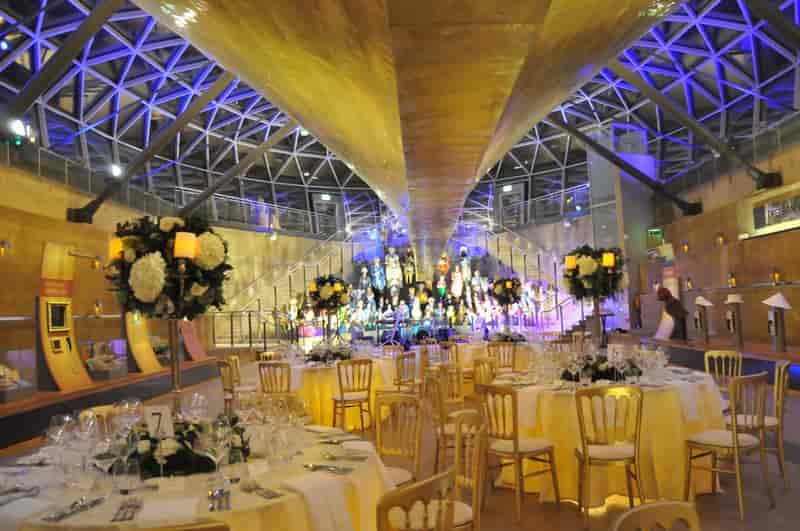
Events at Cutty Sark
An iconic venue under a ship's hull, ideal for dinners, receptions, and corporate events.
From: £10500
Capacity: Up to 400 guests
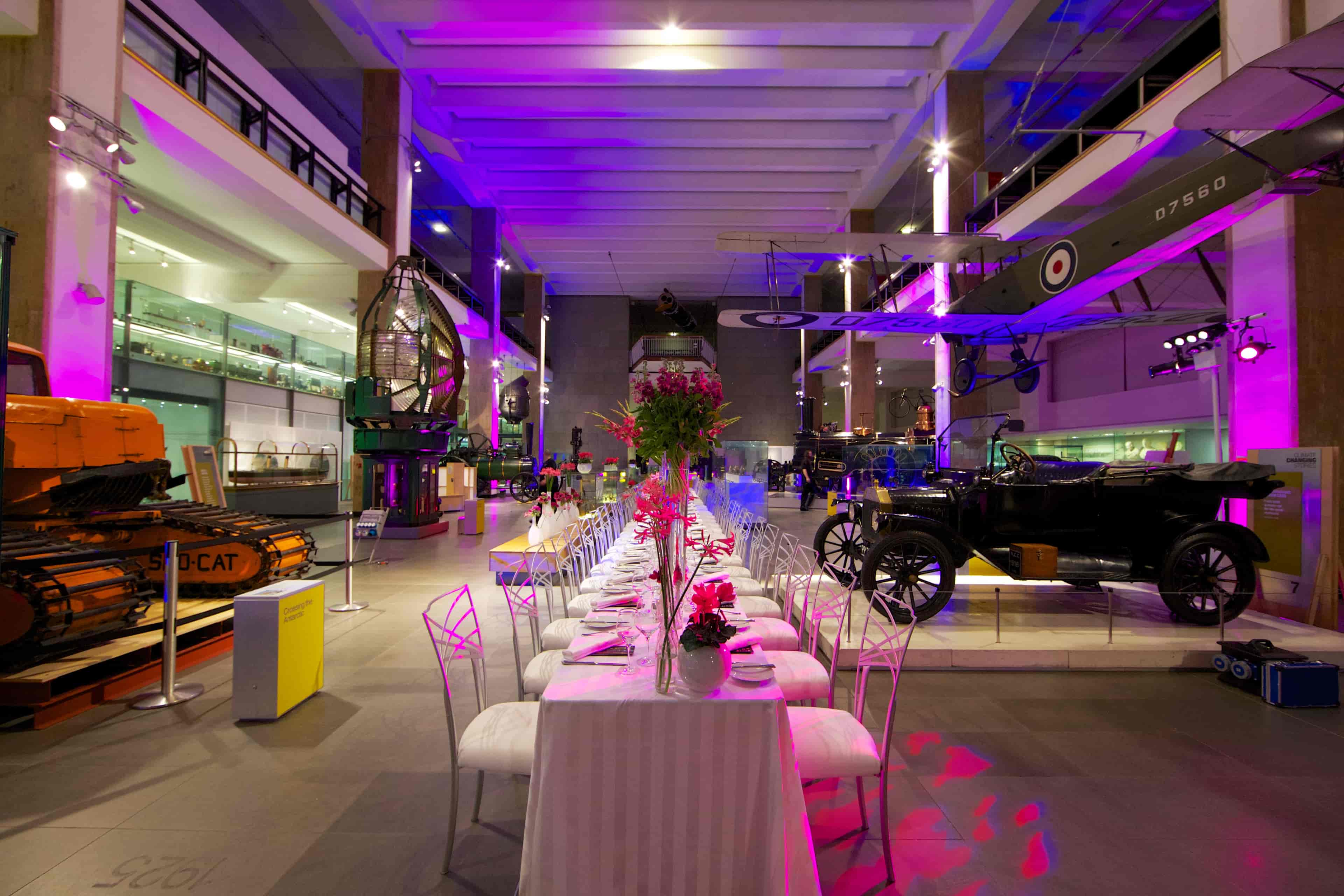
Dining at The Science Museum
Dine among iconic exhibits in a unique museum space. Ideal for receptions, dinners, and galas.
From: £17400
Capacity: Up to 400 guests
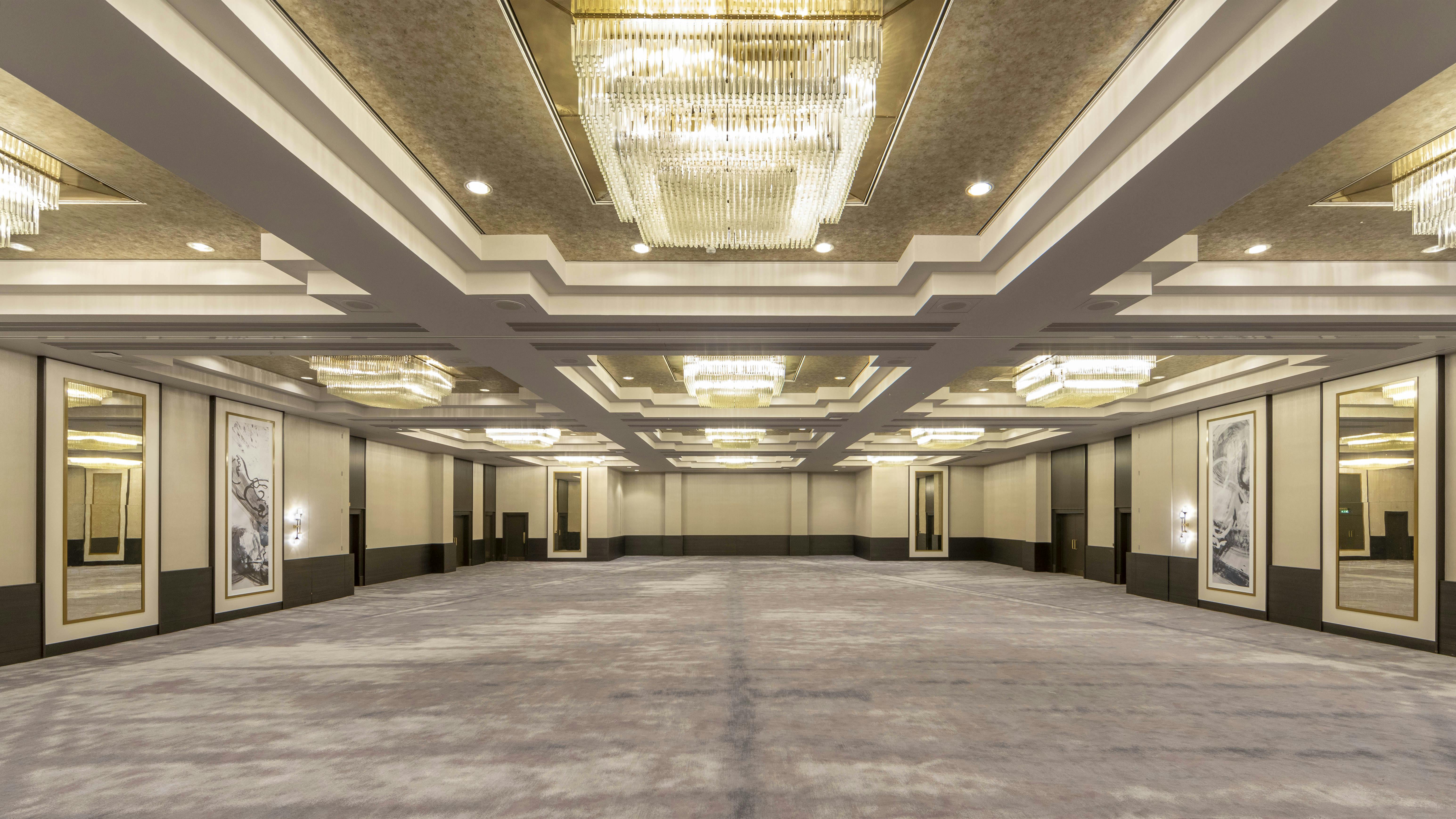
Business at The Landmark London
A luxurious 5* Victorian hotel with a grand ballroom, ideal for large-scale elegant events.
From: £20000
Capacity: Up to 500 guests
Events at The Royal Society
A prestigious venue in Carlton House Terrace, ideal for events from small meetings to large receptions.
From: £10800
Capacity: Up to 500 guests
Events at The Waldorf Hilton, London
An opulent Grade II listed hotel with a luxurious Palm Court suitable for weddings, receptions, and large-scale events.
From: £110 per person
Capacity: Up to 400 guests
Business at Stationers' Hall and Garden
A versatile Grade I listed venue in the heart of London, ideal for conferences, meetings, and networking events.
From: £2500
Capacity: Up to 450 guests
Dining at Kia Oval
A pillarless suite with natural light and Oval wicket views. Ideal for dining events and banquets.
Capacity: Up to 900 guests
Events at The Bloomsbury Ballroom
An opulent Art Deco ballroom in central London, ideal for large events, weddings, and corporate parties.
From: £12000
Capacity: Up to 500 guests
Events at National Army Museum
Modern museum in Chelsea with versatile spaces for stylish Christmas parties under a Lynx Helicopter.
From: £126
Capacity: Up to 400 guests
Film and Photo at St Martin-in-the-Fields
A historic 18th-century crypt in central London, ideal for large events, parties, and receptions.
From: £11000
Capacity: Up to 500 guests
...and 6 more venues available
Related Event Types
- Unusual Venues
- Unusual Venues
- Basement Venues
- Boats
- Cafes
- Conservatory Venues
- Gallaries
- Loft Venues
- Palaces
- Townhouses
- Warehouse
- Warehouse Venues
- Basement Venues
- Boats
- Cafes
- Conservatory Venues
- Gallaries
- Loft Venues