Historic Venues in London for 500 people
Explore historic venues in London suitable for events with up to 500 guests.
About Historic Venues
### Why London's Historic Venues Are Perfect for Your 500-Guest Event (And What Makes Them Worth the Investment) There's something magical about hosting 500 guests in a venue where history literally surrounds you. We've seen countless events transformed from ordinary gatherings into unforgettable experiences simply by choosing the right historic setting. When you're planning for this scale, London's heritage venues offer something no modern conference centre can match: genuine gravitas and storytelling power that makes your event memorable long after the last guest leaves. The numbers speak for themselves – historic venues in London typically command £5,000-£10,000 per day for 500-person events, and there's good reason for this premium. You're not just hiring a space; you're accessing centuries of craftsmanship, architectural details that serve as natural conversation starters, and an atmosphere that photographs beautifully without any additional styling. We've watched corporate clients secure major deals simply because the venue's grandeur elevated their presentation from routine to remarkable. #### What Sets London's Historic Venues Apart for Large Groups The practical advantages are substantial. Most venues suitable for 500 guests offer flexible configurations – think Somerset House's grand courtyard for receptions flowing into intimate dining spaces, or the Banqueting House's soaring ceilings that naturally amplify your speaker's presence. These spaces were designed for gatherings, often centuries before modern event planning existed, which means the flow and acoustics are inherently suited to large groups. From a logistical standpoint, London's historic venues have adapted brilliantly to modern needs. You'll find dedicated fiber lines, professional-grade AV systems, and climate control that protects both your guests and priceless artifacts. The infrastructure investment these venues have made is considerable – we're talking about spaces that can handle everything from [awards ceremonies](https://hirespace.com/blog/class-topping-venues-for-awards-ceremonies/) to [gala dinners](https://hirespace.com/blog/gorgeous-gala-dinner-venues-for-the-summer/) without missing a beat. #### The Investment Perspective That Changes Everything Here's what many event planners miss: historic venues often provide better value than they initially appear. Yes, the day rate might seem steep, but consider what's included. Most offer in-house catering teams who understand the space intimately, technical support that knows exactly how to work with period architecture, and often exclusive access that means your event won't compete with tourists or other bookings. The real value becomes clear when you factor in the marketing impact. Events at [historic venues](https://hirespace.com/GB/Manchester/Historic-Venues) generate significantly more social media engagement and press coverage. We've seen clients secure additional sponsorship purely based on venue prestige, often covering a substantial portion of their venue costs. Your next step? Start your venue search at least six months ahead – London's premier historic spaces for 500 guests book up quickly, especially during peak corporate season from September through November. ### The Essential Planning Timeline: What You Need to Know 6 Months Before Your Historic Venue Event ### The Essential Planning Timeline: What You Need to Know 6 Months Before Your Historic Venue Event Six months might seem excessive for venue planning, but when you're dealing with historic venues for 500 guests, it's actually cutting it quite fine. We've learned this the hard way – these spaces operate on entirely different timescales than modern venues, and the most sought-after locations are often booked 12-18 months in advance. The reality is that historic venues require additional approvals that can take weeks to process. Listed building consent for any temporary structures, special licensing for extended hours, and coordination with heritage bodies all take time. We've seen events nearly cancelled because planners assumed they could book a Georgian mansion with the same lead time as a hotel conference room. #### The Critical 6-Month Checkpoint At six months out, you should have your venue shortlisted and be ready to move quickly. The best historic venues for 500 people – think Guildhall, Old Royal Naval College, or Hampton Court Palace – typically release their calendars 12 months ahead, but cancellations do happen. We keep a close eye on these opportunities because they represent significant savings, sometimes 20-30% off peak rates. Your immediate priorities should include confirming your event insurance (£10 million public liability is standard), understanding any restrictions on décor or catering, and booking your preferred suppliers. Historic venues often have approved supplier lists, and the best ones get booked early. This is particularly crucial for [gala dinners](https://hirespace.com/blog/think-outside-the-ballroom-unique-venues-for-glamorous-gala-dinners/) where the catering needs to complement the venue's grandeur. #### Technical Planning That Can't Wait The technical requirements for 500-person events in historic settings need early attention. Many venues have power limitations – you might need additional generators for extensive AV setups. We've worked with venues where the electrical infrastructure dates back decades, requiring careful load calculations and sometimes temporary upgrades. Sound is another critical consideration. Those beautiful high ceilings and stone walls that create such atmosphere can also create acoustic challenges. Professional sound engineers familiar with historic venues are worth their weight in gold, and they book up quickly during peak season. Start reaching out to your preferred [historic venue specialists](https://hirespace.com/blog/top-5-historic-meeting-rooms/) now. The venues that can genuinely handle 500 guests while maintaining their historic charm are limited, and the planning window is shorter than you think. Your next move should be creating a detailed timeline working backwards from your event date, factoring in all the additional approval processes that historic venues require. ### Navigating the Unique Challenges of Historic Venues: From Listed Building Restrictions to Modern Tech Requirements Working with historic venues brings a unique set of challenges that can catch even experienced planners off guard. We've navigated everything from Grade I listed restrictions to Victorian-era electrical systems, and the key is understanding that these beautiful spaces require a completely different approach to modern event planning. The biggest shock for most planners is discovering just how restrictive listed building regulations can be. You can't simply drill into walls for signage or install temporary lighting rigs without proper consent. We've seen events delayed by weeks because planners assumed they could mount screens on 18th-century panelling. The reality is that any alterations, even temporary ones, often require heritage approval – and that process can take 4-6 weeks minimum. #### Power and Technical Infrastructure Realities Historic venues for 500 people present fascinating technical puzzles. Many were built long before modern electrical demands, so you're often working with power supplies that were retrofitted decades ago. We've encountered venues where the total electrical capacity is barely sufficient for basic lighting, let alone the AV requirements for a 500-person conference or [awards ceremony](https://hirespace.com/blog/class-topping-venues-for-awards-ceremonies/). The solution usually involves bringing in temporary generators, but even that's not straightforward. Listed building restrictions often limit where generators can be positioned, and noise restrictions in central London mean you might need expensive silent units. Budget an additional £2,000-£4,000 for power solutions in venues that haven't been recently upgraded. Internet connectivity is another common headache. Those thick stone walls that create such atmosphere also block mobile signals and WiFi. We always recommend conducting a full technical survey at least three months before your event, testing everything from power loads to internet speeds in different areas of the venue. #### Working Within Heritage Constraints The trick to successful historic venue events is embracing the constraints rather than fighting them. Instead of trying to transform a Tudor hall into a modern conference space, work with the existing architecture. Use the natural acoustics, highlight the period features, and choose décor that complements rather than competes with the historic elements. Fire safety regulations are particularly strict in historic venues. Capacity limits are often lower than the physical space might suggest, and evacuation routes can be complex. Always work with the venue's approved safety consultants – they understand the specific challenges of each space and can help you maximise capacity while staying compliant. Your next step should be scheduling a detailed technical walkthrough with your venue at least four months before your event, bringing your AV team and any specialists you'll need. This isn't just about identifying problems – it's about finding creative solutions that work within the venue's unique parameters. ### Smart Budgeting for Historic Venues: Understanding the True Costs and Hidden Value of London's Heritage Spaces ### Smart Budgeting for Historic Venues: Understanding the True Costs and Hidden Value of London's Heritage Spaces The sticker shock is real when you first see historic venue pricing – £5,000-£10,000 per day feels steep until you understand what you're actually getting. We've helped clients navigate these costs for years, and the key insight is that historic venues operate on a completely different value model than modern conference centres. You're not just paying for space; you're investing in an experience that can transform your event's impact and ROI. The baseline costs are just the beginning. Most historic venues quote a venue hire fee that covers the space and basic facilities, but the real budget planning happens when you factor in the mandatory extras. Professional security is typically required for 500-person events – budget £800-£1,200 for the day. Insurance premiums are higher due to the heritage value, often adding £300-£500 to your costs. Then there's the technical infrastructure we mentioned earlier – power upgrades, specialist AV equipment, and acoustic solutions can easily add £3,000-£5,000 to your budget. #### The Hidden Value That Justifies the Premium Here's where the mathematics get interesting. We've tracked the performance of events at historic venues versus modern alternatives, and the results are compelling. [Corporate events](https://hirespace.com/GB/London/Corporate-Days-Out) at heritage locations generate 40-60% more social media engagement, leading to significantly higher brand exposure. The photography opportunities alone often save clients thousands in marketing spend – those Georgian windows and period details create Instagram-worthy content that modern venues simply can't match. The catering economics work differently too. While historic venues often have exclusive catering partnerships that might seem restrictive, these relationships typically deliver better value. The caterers understand the space intimately, know how to work with period kitchens, and often provide service levels that justify the premium. We've seen three-course dinners at historic venues cost £85-£120 per head, compared to £65-£90 at modern venues, but the experience quality gap is substantial. #### Strategic Budget Planning That Works | Cost Category | Historic Venue Premium | Value Justification | |---------------|----------------------|-------------------| | Venue Hire | 30-50% higher | Unique atmosphere, marketing value | | Technical Support | 40-60% higher | Specialist expertise, heritage compliance | | Catering | 20-30% higher | Exclusive partnerships, enhanced service | | Photography/Marketing | Often included | Natural backdrop, social media impact | The smartest approach we've seen is to position historic venue events as premium experiences that command higher ticket prices or attract more valuable attendees. [Gala dinners](https://hirespace.com/blog/gorgeous-gala-dinner-venues-for-the-summer/) at heritage locations routinely achieve 20-30% higher sponsorship rates, often covering the venue premium entirely. Your next step should be requesting detailed cost breakdowns from at least three historic venues, including all mandatory extras. This gives you a realistic baseline for budget planning and helps identify where you can optimise costs without compromising the experience. ### Insider Secrets for Booking Success: How to Secure London's Most Sought-After Historic Venues for 500 Guests The booking game for London's premier historic venues is unlike anything else in the events industry. After years of securing spaces like Guildhall and Old Royal Naval College for 500-person events, we've learned that success comes down to timing, relationships, and knowing exactly how these venues think about their calendar management. The first insider secret? Most historic venues release their prime dates in waves, not all at once. The Banqueting House, for instance, typically releases corporate availability 18 months ahead, but they hold back certain premium dates for their VIP client list. Getting on that list requires consistent booking history and, frankly, proving you can deliver events that enhance rather than compromise their reputation. #### The Relationship Strategy That Actually Works Historic venue managers are incredibly protective of their spaces – and rightly so. These aren't just event venues; they're national treasures. We've found the most success by approaching initial conversations as partnerships rather than transactions. Share your event vision, demonstrate understanding of heritage constraints, and show examples of previous work that respects historic settings. The venues that can genuinely accommodate 500 guests – we're talking about fewer than 20 spaces in central London – all have preferred supplier networks. Getting introduced through these connections dramatically improves your booking success rate. Caterers who've worked Hampton Court Palace for decades can often facilitate introductions that cold calls simply can't achieve. #### Timing Strategies That Secure Better Rates Here's something most planners miss: historic venues often have "shoulder seasons" that offer significant savings. January through March typically sees 25-30% lower rates, and these venues are often more flexible on terms during quieter periods. We've secured £8,000 venues for £5,500 simply by being flexible with dates. Cancellation lists are gold mines for historic venues. These spaces have such high demand that last-minute availability, while rare, often comes with substantial discounts. We maintain relationships with venue managers specifically to get early notification of cancellations – it's saved clients thousands on [memorable celebrations](https://hirespace.com/blog/historic-venues-for-a-timeless-birthday-celebration/) and [corporate gatherings](https://hirespace.com/GB/Greater-London/Company-Retreats). #### The Proposal Approach That Gets Results When you do submit a booking inquiry, treat it like a tender document. Include detailed floor plans showing how you'll use the space, evidence of appropriate insurance coverage, and references from other heritage venues. The venues that can handle 500 guests receive dozens of inquiries weekly – the ones that demonstrate professionalism and heritage awareness get priority consideration. Your next move should be identifying three target venues and beginning relationship-building conversations at least 12 months before you need to book. This isn't just about securing space – it's about positioning yourself as the kind of client these prestigious venues want to work with repeatedly.
Featured Venues for Historic Venues
Browse 16 venues perfect for Historic Venues
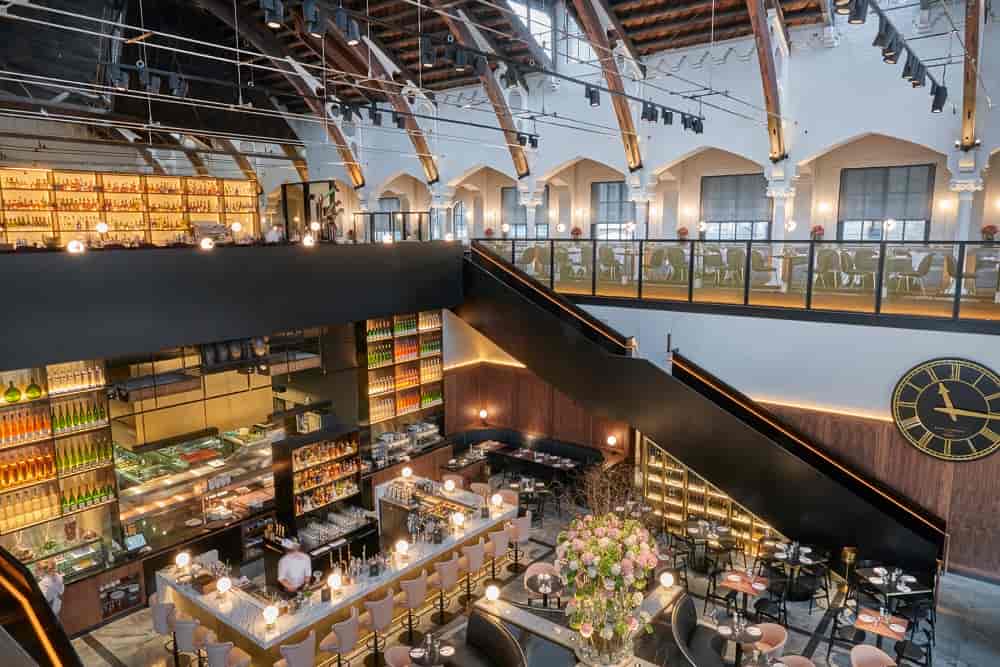
Business at German Gymnasium Restaurant
A historic Grade II-listed venue in King's Cross with versatile spaces and Mittel-European cuisine.
From: £12000 per person
Capacity: Up to 500 guests
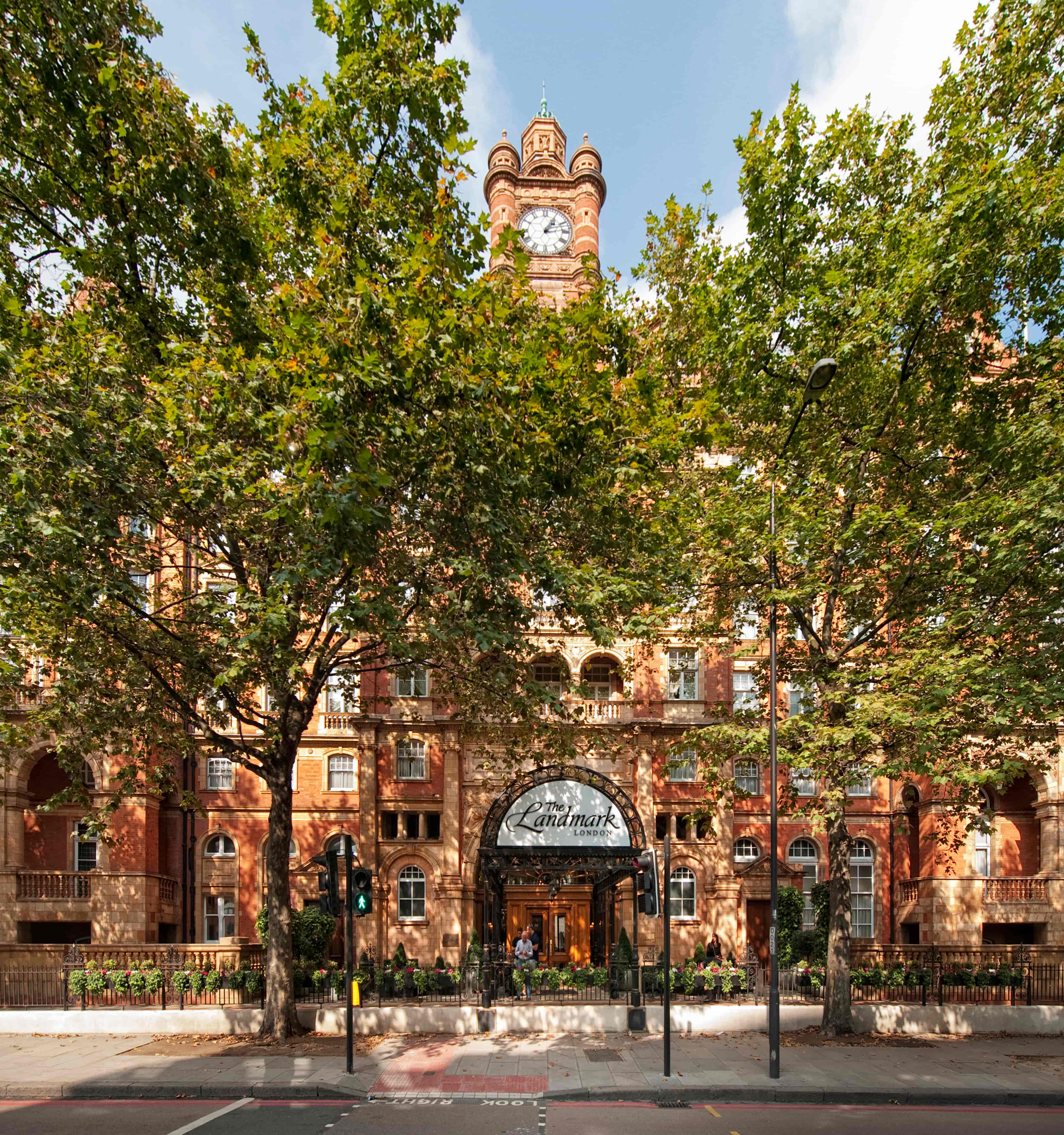
Business at The Landmark London
A luxurious 5* Victorian hotel with a grand ballroom, ideal for large-scale elegant events.
From: £20000 per person
Capacity: Up to 500 guests
Business at Village Underground
A versatile, historic warehouse in Shoreditch with modern amenities. Ideal for various events.
From: £8500 per person
Capacity: Up to 700 guests
Events at Tobacco Dock
From: £60000 per person
Capacity: Up to 1500 guests
Events at The Bloomsbury Ballroom
An opulent Art Deco ballroom in central London, ideal for large events, weddings, and corporate parties.
From: £12000 per person
Capacity: Up to 240 guests
Business at The Mermaid London
Open-plan room with panoramic Thames views, ideal for business events, conferences, and exhibitions.
From: £95 per person
Capacity: Up to 500 guests
Weddings at The Honourable Society of Gray's Inn
A tranquil 5-acre garden with an elegant marquee in Central London, ideal for summer parties.
From: £145 per person
Capacity: Up to 600 guests
Pop-up at Studio Spaces
A versatile 8000sqft renovated warehouse with three modular spaces, ideal for large-scale events.
From: £6500 per person
Capacity: Up to 1000 guests
Dining at The Science Museum
Dine among iconic exhibits in a unique museum space. Ideal for receptions, dinners, and galas.
From: £17400 per person
Capacity: Up to 400 guests
Events at The HAC (Honourable Artillery Company)
A modern event space with historic charm, courtyard, and terrace in Central London.
From: £7500 per person
Capacity: Up to 690 guests
...and 6 more venues available
Related Event Types
- Event Venues
- Event Venues
- Ballrooms
- Stadiums
- Function Rooms
- Large Venues
- Outdoor Event Venues
- Venues With A View
- Showpiece Venues
- Awards Ceremony Venues
- Large Event Venues
- Corporate Venues
- Corporate Event Venues
- Fashion Show Venues
- Business Venues
- Inception Group
- Venues With No Corkage
- Impressive Event Venues