Historic Venues in London for 400 people
Explore historic venues in London suitable for events up to 400 guests.
About Historic Venues
### Why London's Historic Venues Are Perfect for Your 400-Guest Event (And What Makes Them Worth the Investment) There's something magical about hosting 400 guests in a venue where history literally surrounds you. We've seen countless events transformed from ordinary gatherings into unforgettable experiences simply by choosing the right historic setting in London. The numbers speak for themselves: historic venues in London commanding £5,000-£10,000 per day aren't just expensive—they're investments in creating lasting impressions. When you're hosting 400 people, you need a space that can handle the scale whilst maintaining that intimate connection to London's rich heritage. Think Guildhall's medieval grandeur or the Old Bailey's judicial gravitas—these aren't just backdrops, they're conversation starters. #### What Makes 400-Guest Historic Venues Special The sweet spot for historic venues lies in their ability to offer both grandeur and functionality. Most can accommodate 400 guests in theatre-style seating, around 250 for banqueting, or 350 for receptions—perfect for those milestone corporate events, award ceremonies, or [gorgeous gala dinner venues](https://hirespace.com/blog/gorgeous-gala-dinner-venues-for-the-summer/) that demand something extraordinary. Here's what we've learned from years of booking these spaces: the technical infrastructure has caught up with the heritage. Modern historic venues now offer 200-amp power supplies, 100 Mbps internet, and professional AV systems—all discretely integrated to preserve the architectural integrity. The Old Royal Naval College, for instance, seamlessly blends 18th-century architecture with cutting-edge conference facilities. #### The Investment Reality Let's be honest about costs. You're looking at £12-£25 per person for venue hire alone, before catering and extras. But here's the insider perspective: these venues often include elements that would cost thousands elsewhere. Period features, architectural lighting, and that indefinable sense of occasion that makes guests feel they're part of something significant. The booking timeline is crucial—secure your preferred date 6-12 months ahead, especially for venues like [historic meeting rooms](https://hirespace.com/blog/top-5-historic-meeting-rooms/) that are in constant demand. Peak seasons (spring and autumn) command premium rates, but the investment pays dividends in guest satisfaction and brand perception. Consider this: when did you last attend an event in a generic conference centre that people still talked about months later? Historic venues create those memorable moments that extend your event's impact far beyond the day itself. For 400 guests, that's powerful ROI on your venue investment. ### The Essential Planning Timeline: What You Need to Know 6 Months Before Your Historic Venue Event Six months out might seem excessive, but trust us—it's barely enough time when you're dealing with London's most coveted historic venues for 400 guests. We've watched too many brilliant events fall flat because the planning timeline was compressed, and heritage buildings have their own unique rhythm that simply can't be rushed. The reality is stark: venues like the Banqueting House or Middle Temple Hall are booked solid 12-18 months ahead for peak dates. If you're working with a six-month window, you'll need to be strategic about timing and flexible about dates. Tuesday through Thursday bookings offer better availability and can save you 15-20% on venue costs—a significant saving when you're looking at £8,000-£12,000 daily hire fees. #### The Critical First 30 Days Your immediate priority is securing three potential dates and getting detailed technical specifications. Historic venues often have quirky limitations—medieval doorways that won't accommodate standard staging, or listed building restrictions that affect lighting installations. The Guildhall, for instance, requires special permissions for any temporary structures, which can add 4-6 weeks to your planning timeline. Start your venue visits now, not later. Bring your AV team if possible—those 4-metre minimum ceiling heights and period electrical systems need professional assessment. We've seen events where the acoustic challenges of stone walls and vaulted ceilings weren't properly addressed until the day itself. Not ideal when you're hosting 400 people expecting flawless sound quality. #### Licensing and Permissions Timeline Here's where historic venues get complex. Many require special event licenses beyond standard premises licenses, particularly if you're planning [awards ceremonies](https://hirespace.com/blog/class-topping-venues-for-awards-ceremonies/) or large corporate gatherings. Westminster venues, for example, often need additional security clearances that take 8-12 weeks to process. Budget for specialist insurance too—£5 million public liability is standard, but heritage buildings often require additional coverage for historic fabric and contents. This isn't just bureaucracy; it's protecting spaces that have hosted everyone from royalty to Shakespeare. #### The 90-Day Mark: Technical Deep Dive By three months out, you should have your technical requirements locked down. Historic venues typically need bespoke AV solutions—those beautiful period rooms weren't designed for modern projection systems or wireless networks. Factor in £3,000-£5,000 for specialist technical support, but remember this investment ensures your 400 guests experience seamless presentations in genuinely spectacular surroundings. Start your catering discussions now too. Many historic venues have exclusive caterers or strict guidelines about what can be prepared on-site. The earlier you engage, the more flexibility you'll have in menu design and service style. Your next step? Create a detailed venue specification document and start reaching out to your shortlisted venues this week. Time really is of the essence with these remarkable spaces. ### Navigating the Technical Challenges: Power, Sound, and Space in London's Heritage Buildings ### Navigating the Technical Challenges: Power, Sound, and Space in London's Heritage Buildings The moment you step into a 16th-century guildhall with modern AV requirements, you'll understand why technical planning for historic venues requires a completely different approach. We've learned this the hard way—beautiful stone walls that create stunning acoustics for string quartets can turn into echo chambers for modern PA systems, and those gorgeous period windows that flood spaces with natural light can wreak havoc with projection visibility. The power infrastructure is your first hurdle. Most historic venues have been retrofitted with modern electrical systems, but the capacity varies dramatically. While newer installations offer 200-amp three-phase supplies, older buildings might max out at 100 amps—barely sufficient for a 400-person event with full AV requirements. The Tower of London's medieval halls, for instance, require careful load management to avoid tripping the entire system during peak usage. #### #### Sound Engineering in Heritage Spaces Acoustics in historic venues are wonderfully unpredictable. Those soaring ceilings and stone surfaces that create such dramatic atmosphere can cause 2-3 second reverb times—fine for ceremonial speeches, disastrous for detailed presentations. Budget £4,000-£6,000 for specialist acoustic treatment, including temporary sound dampening and line-array speaker systems designed for challenging environments. We always recommend a full acoustic survey before finalising your AV specification. The Banqueting House's famous ceiling requires speakers positioned to avoid interference with Rubens' paintings, whilst maintaining even coverage for 400 guests. It's technical theatre at its finest. #### #### Space Planning Reality Check Historic venues weren't designed for modern event logistics. Medieval doorways average 1.8 metres wide—forget wheeling in standard staging through the main entrance. Loading access often means navigating narrow service corridors or using goods lifts with weight restrictions of 500kg maximum. The floor loading capacity is crucial too. Many historic buildings have weight restrictions of 300-400 kg/m²—sufficient for guests but potentially problematic for heavy staging or exhibition stands. Always request structural surveys for anything beyond standard furniture arrangements. Consider venues like [historic meeting rooms](https://hirespace.com/blog/top-5-historic-meeting-rooms/) that have already solved these challenges through careful modernisation. They've invested in discrete infrastructure upgrades that preserve character whilst delivering modern functionality. #### #### Climate Control Considerations Heritage buildings often have limited climate control options due to conservation requirements. Expect temperature variations of 3-5 degrees across large spaces, and factor in additional ventilation for 400 guests in rooms that might originally have hosted 50. Portable climate solutions cost £800-£1,200 per day but are essential for guest comfort. Your next step? Schedule a technical site visit with your AV team at least 12 weeks before your event. Bring detailed equipment specifications and discuss power requirements, rigging points, and access routes. The venue's technical manager will become your best friend—they know every quirk and limitation of their historic space. ### Understanding the True Costs: From Venue Hire to Hidden Extras in Historic London Properties ### Understanding the True Costs: From Venue Hire to Hidden Extras in Historic London Properties The sticker shock is real when you first see historic venue quotes—£8,000 for a day's hire can feel eye-watering until you understand what you're actually getting. We've helped hundreds of event planners navigate these costs, and the key is understanding that historic venues operate on a completely different pricing model from modern conference centres. The base venue hire is just the starting point. For 400 guests in a premium historic London venue, expect £5,000-£10,000 daily hire, but that's before the essential extras that make these spaces functional for modern events. Unlike contemporary venues where AV and basic facilities are included, historic properties often charge separately for everything from additional power supplies to specialist cleaning. #### The Hidden Cost Breakdown Here's where budgets can spiral if you're not prepared. Specialist insurance adds £500-£800 per event—heritage buildings require coverage for historic fabric and contents that standard policies don't cover. Security deposits range from £2,000-£5,000, refundable but tying up cash flow for 4-6 weeks post-event. Technical requirements are where costs really mount up. That beautiful medieval hall needs £3,000-£5,000 in specialist AV equipment to handle 400 guests properly. Temporary power distribution, acoustic treatment, and climate control can add another £2,000-£3,000. We've seen events where technical costs exceeded venue hire fees—not because venues are gouging, but because heritage buildings need bespoke solutions. Staffing is another consideration often overlooked. Historic venues typically require minimum staffing levels of 8-10 people for 400-guest events, including security, technical support, and heritage wardens. This can add £1,500-£2,500 to your bill, but it's non-negotiable for venues with priceless collections or strict conservation requirements. #### Smart Budget Planning The venues that offer best value often bundle services intelligently. Look for packages that include basic AV, staffing, and insurance—you'll pay £12,000-£15,000 total but avoid the nickel-and-diming that can push costs to £20,000+. Some venues like those featured in our guide to [beautiful banqueting venues](https://hirespace.com/blog/7-beautiful-banqueting-venues/) have invested in permanent infrastructure that reduces additional technical costs. Seasonal pricing varies dramatically too. Peak autumn and spring dates command 30-40% premiums, whilst January and February bookings can save £3,000-£4,000 on the same venue. For corporate events, this flexibility can deliver significant savings without compromising on impact. Consider venues that have already solved the infrastructure challenges—they've absorbed the modernisation costs and can offer more predictable pricing. Your next step? Request detailed cost breakdowns from three venues, including all potential extras. This transparency helps you compare like-for-like and avoid budget surprises later. ### Insider Secrets for Booking Success: How to Secure London's Most Sought-After Historic Venues The booking game for London's premier historic venues is intensely competitive—we're talking about spaces that receive 50+ enquiries for every available date. But here's what most event planners don't realise: success isn't just about being first in the queue, it's about understanding how these venues actually make their booking decisions. The golden rule? Build relationships before you need them. Venue managers at places like Middle Temple Hall or the Old Royal Naval College remember planners who've delivered flawless events. They're more likely to hold dates for repeat clients or recommend alternative dates when your first choice isn't available. We've seen planners secure last-minute bookings at venues with 18-month waiting lists simply because they'd proven themselves reliable. #### The Art of Flexible Negotiation Here's an insider secret: historic venues often have more pricing flexibility than they initially indicate, especially for off-peak periods or multiple bookings. A Tuesday-Wednesday booking in February might start at £8,000 but could drop to £6,500 with the right approach. The key is demonstrating value beyond just the booking fee—venues appreciate clients who respect their heritage, follow guidelines meticulously, and generate positive publicity. Consider package deals too. Venues like those featured in our [Christmas party venues](https://hirespace.com/blog/christmas-party-venues-to-get-your-bells-jinglin-all-the-way/) guide often offer better rates when you book catering, AV, and additional services together. For 400-guest events, bundled packages can save £2,000-£3,000 compared to sourcing everything separately. #### Timing Your Approach Strategically The booking calendar rhythm is crucial. Most venues release their following year's availability in March-April, but here's the insider tip: they often have a soft-release period in January-February for preferred clients. Get on their priority lists now by expressing genuine interest and demonstrating your event's alignment with their venue's character. For immediate bookings, focus on venues that have invested in modern infrastructure—they're more likely to accommodate shorter planning timelines. Check out options like those in our guide to [venues you didn't know you could hire](https://hirespace.com/blog/9-london-venues-you-didnt-know-you-could-hire/) for hidden gems with availability. #### The Professional Approach That Works Always present a complete event brief upfront—guest numbers, event type, technical requirements, and budget range. Venues appreciate planners who've done their homework. Include your track record with similar events and references from other historic properties if you have them. Your next step? Create a target list of five venues and start building relationships now, even if your event is months away. Send a brief introduction email highlighting your event's prestige and alignment with their venue's heritage. The investment in relationship-building pays dividends when you need to secure that perfect historic setting for your 400 guests.
Featured Venues for Historic Venues
Browse 5 venues perfect for Historic Venues
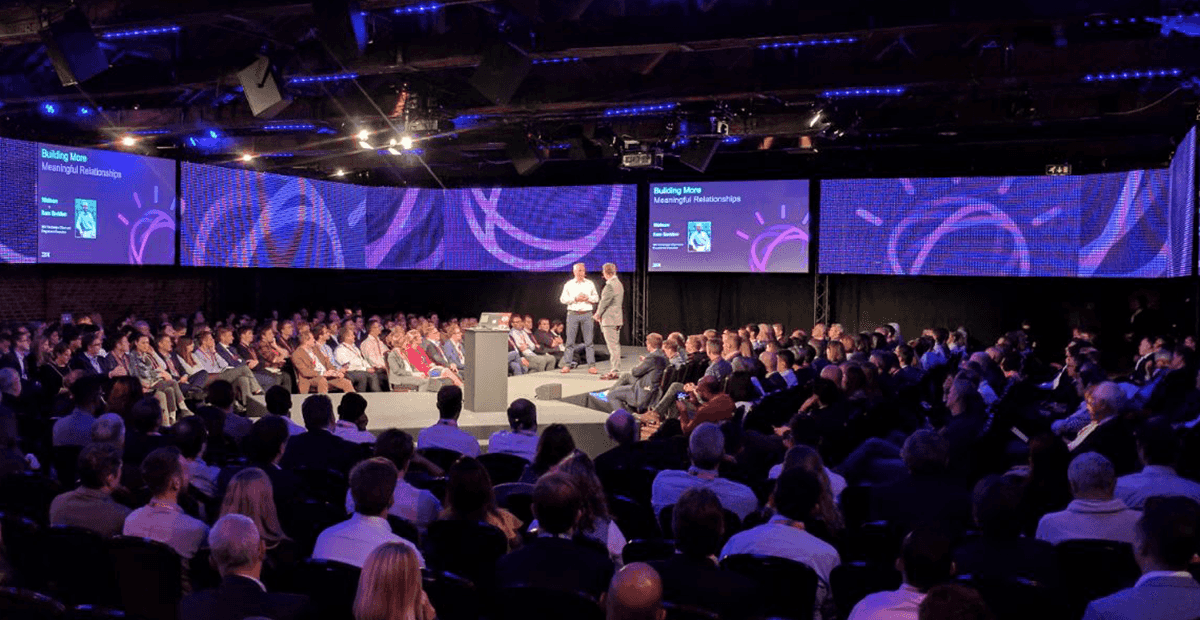
Business at The Brewery
A vast historic event space with a timber roof, ideal for conferences, dinners, and exhibitions.
From: £125 per person
Capacity: Up to 900 guests
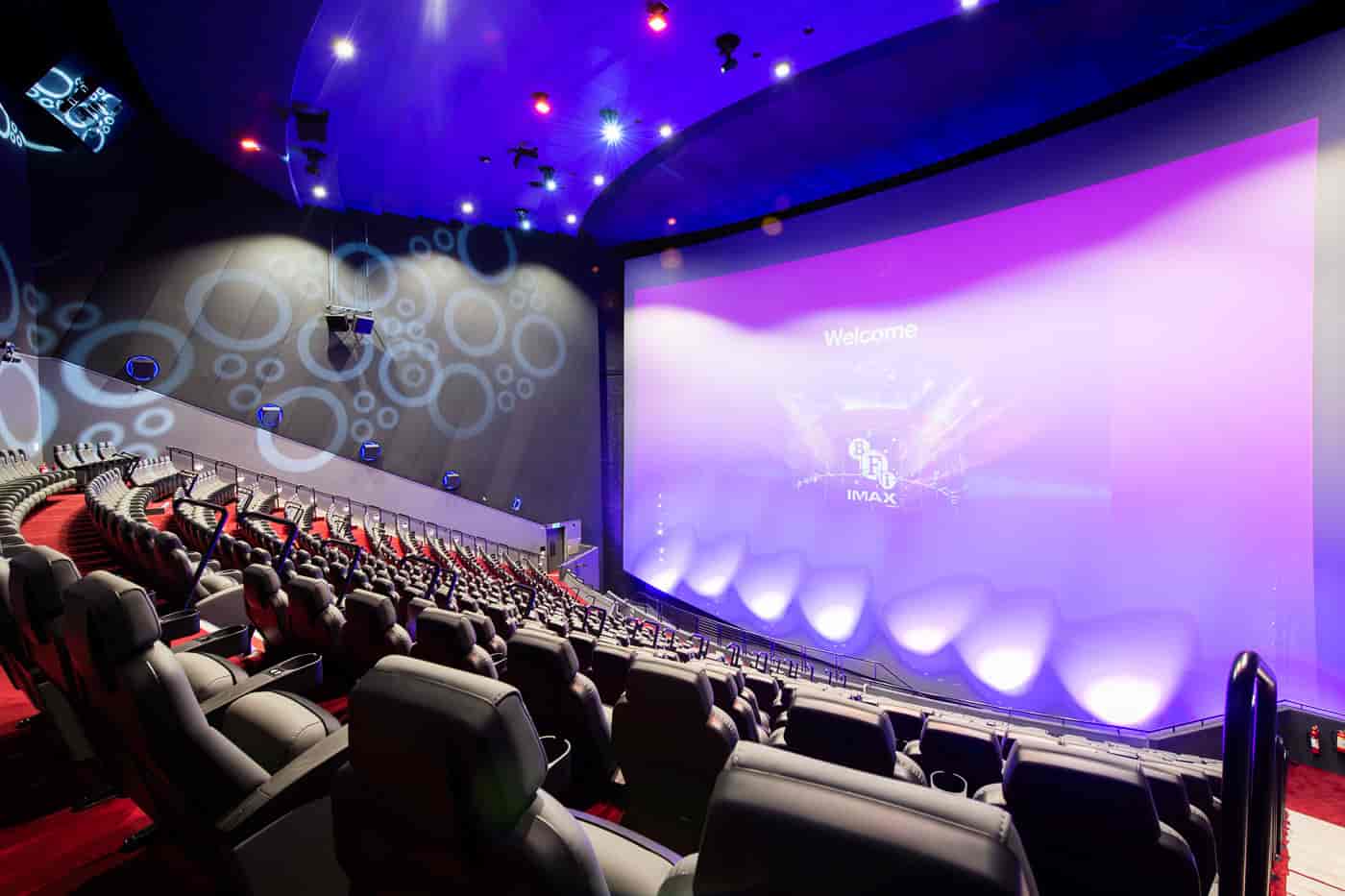
Screenings at BFI IMAX
A large, iconic cinema with the UK's biggest screen, ideal for screenings and corporate events.
From: £4000 per person
Capacity: Up to 500 guests
Dining at Royal Lancaster London
A grand adaptable suite for large events, with a dedicated entrance and capacity for 1200 guests.
From: £70 per person
Capacity: Up to 1680 guests
Dining at Hilton London Metropole
A versatile pillar-free suite in a central London hotel, ideal for corporate events and private gatherings.
From: £8000 per person
Capacity: Up to 900 guests
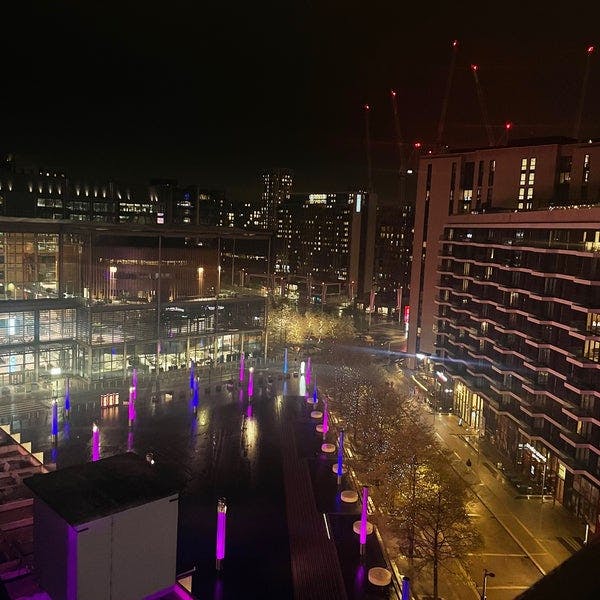
Events at Hilton London Wembley
A stylish rooftop bar for private events with a vibrant atmosphere near Wembley Stadium.
From: £2500 per person
Capacity: Up to 800 guests
Related Event Types
- Event Venues
- Event Venues
- Product Launch Venues
- Venues With A View
- Showpiece Venues
- Large Event Venues
- Dry Hire Venues
- Fashion Show Venues
- Business Venues
- Recently Opened
- Venues on the Thames
- Charity Ball Venues
- Networking Venues
- Reception Venues
- New Years Eve Venues
- Formal Event Venues
- Sustainable Event Venues
- Product Launch Venues