Pop Up Spaces in Central London for 300 people
Explore unique Pop Up Spaces in Central London for 300 people. Perfect venues for dynamic events.
About Pop Up Spaces
### Why Central London's Pop Up Spaces Are Perfect for Your 300-Person Event (And What Makes Them Different) When you're planning an event for 300 people, pop up spaces in Central London offer something traditional venues simply can't match – complete creative freedom combined with prime location access. We've seen countless events transform from ordinary to extraordinary simply because the venue itself became part of the story. The numbers tell a compelling tale: whilst traditional venues for 300 guests typically run £15,000+ per day, pop up spaces often deliver better value at £5,000-£15,000, depending on your requirements. More importantly, you're not paying for someone else's aesthetic – you're investing in a blank canvas that can become anything your brand needs. #### What Sets 300-Person Pop Up Spaces Apart The sweet spot for pop up venues accommodating 300 people is around 400m², giving you genuine flexibility for different layouts. Theatre-style seating works brilliantly for product launches, whilst reception format can comfortably host 350 guests for networking events. We've found that spaces like The Old Truman Brewery exemplify this versatility perfectly. The technical infrastructure in Central London's larger pop up spaces has evolved dramatically. You'll typically find three-phase power supply with 63 amps per phase – essential when you're running professional AV setups for 300 people. Most venues now offer 100 Mbps internet as standard, though we always recommend testing streaming capabilities during your site visit. #### The Central London Advantage Location remains king in event planning. Your guests can reach venues near King's Cross St Pancras within 10 minutes from Oxford Circus, whilst Heathrow Express delivers international attendees to Paddington in just 15 minutes. This accessibility translates directly into higher attendance rates – something we've consistently observed across corporate events. The regulatory landscape is more straightforward than many assume. A Temporary Event Notice covers most requirements, though alcohol service needs separate licensing. Westminster City Council's online portal streamlines the process considerably. #### Making the Investment Work Here's where experience pays dividends: negotiate your hire period to include setup and breakdown time. Many venues offer attractive rates for midweek bookings, particularly January through February when demand drops. Consider partnering with established suppliers like Event Concept for AV needs – their familiarity with Central London's pop up spaces can save both time and budget. For events requiring something more intimate, [Pop Up Spaces in Central London for 50 people](https://hirespace.com/GB/London/Central-London/Pop-Up-Spaces) offer similar flexibility on a smaller scale, whilst venues like [5 a Side in Covent Garden](https://hirespace.com/GB/London/Central-London/Covent-Garden/5-a-Side) provide unique alternatives for team-building elements. The key is viewing your pop up space as a strategic investment rather than just a venue hire – when done right, it becomes an integral part of your event's success story. ### The Essential Planning Timeline: What You Need to Know 6 Months Before Your Pop Up Event Six months might seem excessive for a pop up event, but trust us – it's the difference between scrambling for availability and securing your ideal space at the right price. We've watched too many brilliant events compromise on location simply because they started planning too late. The reality is stark: Central London's best pop up spaces for 300 people get booked 4-6 months in advance, particularly during peak seasons from May to July and November to December. Start your venue search now, and you'll have genuine choice rather than settling for what's left. #### The 6-Month Advantage: Securing Prime Dates and Better Rates Beginning your search six months out puts you in the driver's seat for negotiations. Venues are more flexible on pricing when they're filling their calendar rather than responding to urgent requests. We've seen clients save 15-20% on hire fees simply by booking early, especially for those January-February dates when demand naturally drops. Your deposit requirements become more manageable too. Most reputable venues ask for £500-£1,000 upfront, but early bookings often allow for staged payments rather than large lump sums closer to the event date. #### Critical Licensing and Permissions Timeline Here's where the six-month timeline becomes essential: Temporary Event Notices require 10 working days minimum, but Westminster City Council recommends applying 28 days ahead during busy periods. If you're planning alcohol service, factor in additional licensing time – particularly crucial for corporate events where last-minute changes aren't an option. Planning permission considerations vary dramatically depending on your pop up's nature. Product launches with significant structural changes need longer lead times, whilst straightforward networking events move through the system faster. #### Supplier Coordination and Technical Planning The technical complexity of 300-person events demands early supplier engagement. AV companies like Event Concept need detailed venue specifications to quote accurately – information that's only available once you've secured your space. Power requirements alone (that essential three-phase supply with 63 amps per phase) can influence venue selection significantly. Climate control planning becomes critical with 300 guests. Venues need advance notice to ensure HVAC systems can maintain that comfortable 18-22°C range throughout your event, particularly during summer months when demand on cooling systems peaks. #### Your Next Steps Start with a shortlist of 5-6 potential venues and schedule site visits within the next fortnight. Document power specifications, internet capabilities, and storage space during each visit – these details become crucial during supplier briefings. Remember, the venues booking six months ahead are typically the ones worth having. ### Navigating Central London's Pop Up Space Regulations and Hidden Costs for Large Events The regulatory maze around pop up spaces can catch even experienced planners off guard, particularly when you're dealing with 300-person capacities. What looks like a straightforward venue hire often involves multiple licensing layers and costs that aren't immediately obvious – but knowing what to expect puts you firmly in control. We've seen event budgets blown by unexpected charges that could have been negotiated upfront. The key is understanding that pop up spaces operate differently from traditional venues, with regulations that reflect their temporary nature and the scale of your event. #### The Licensing Landscape for 300-Person Pop Ups Your Temporary Event Notice is just the starting point. For 300 guests, you're looking at enhanced safety requirements that smaller pop ups don't face. Fire safety assessments become mandatory, typically costing £500-£800 depending on venue complexity. These aren't optional extras – they're legal requirements that venues often pass directly to hirers. Alcohol licensing adds another layer. If you're serving drinks to 300 people, expect licensing fees of £200-£400 plus the administrative time. Westminster City Council's portal streamlines applications, but factor in 28 days processing time during peak periods. We always recommend applying early – rushed applications face higher scrutiny and potential delays. #### Hidden Costs That Catch Planners Out Here's where experience saves money: many pop up spaces charge separately for essential services that traditional venues include. Cleaning fees for 300-person events typically run £300-£600, whilst security requirements can add £800-£1,200 for evening events. These aren't negotiable – they're driven by insurance requirements and local authority conditions. Power consumption becomes a significant factor with 300 guests. That three-phase supply we mentioned? Expect additional charges of £200-£500 if your AV requirements exceed standard provision. Climate control for larger groups often incurs supplementary costs, particularly during summer months when cooling 400m² spaces requires substantial energy. #### Insurance and Liability Considerations Public liability insurance covering 300-person events requires minimum £2 million coverage – standard for most venues but worth confirming. Some pop up spaces require additional event-specific insurance, adding £150-£300 to your budget. The good news? Many venues have preferred insurance partners offering competitive rates for regular hirers. #### Your Regulatory Checklist Start by requesting a complete breakdown of all potential charges during initial venue discussions. Ask specifically about cleaning, security, additional power, and any council-imposed requirements. Document everything in writing – verbal agreements don't help when unexpected invoices arrive. Consider engaging a local events specialist familiar with Central London's regulatory landscape. Their relationships with licensing authorities and understanding of venue-specific requirements often save more than their fees cost. ### 5 Proven Strategies to Maximize Your Pop Up Space Investment in Central London ### 5 Proven Strategies to Maximize Your Pop Up Space Investment in Central London Smart event planners know that maximizing your pop up space investment isn't just about negotiating the hire fee – it's about creating multiple revenue streams and cost efficiencies that traditional venues simply can't offer. After organizing dozens of 300-person events in Central London's pop up spaces, we've identified five strategies that consistently deliver exceptional ROI. #### Strategy 1: Multi-Day Bookings with Staggered Setup Here's an insider secret: most pop up venues offer significant discounts for multi-day hires, even if you're only using the space for one main event. Book three days – setup, event, breakdown – and you'll often pay just 150-180% of the single-day rate rather than 300%. This approach eliminates the stress of rushed setup and gives you time to perfect every detail. For 300-person events, this strategy becomes essential. Your AV installation alone requires 6-8 hours in a 400m² space, and climate control systems need time to stabilize before guests arrive. We've seen venues like The Old Truman Brewery offer particularly attractive multi-day packages during off-peak periods. #### Strategy 2: Revenue-Generating Pre and Post Events Transform your pop up space into a revenue generator by hosting smaller, paid events around your main gathering. A VIP preview evening for 50 guests can generate £4,000-£8,000 in additional revenue whilst creating exclusivity around your main event. Similarly, morning-after networking breakfasts for key attendees extend your venue investment's value. The beauty of pop up spaces is their flexibility – the same 400m² that hosts 300 for your main event can accommodate 50 VIPs in an intimate setting the evening before. Consider venues near transport hubs like King's Cross for maximum accessibility across multiple events. #### Strategy 3: Strategic Supplier Partnerships Negotiate package deals with suppliers who regularly work in Central London's pop up scene. Companies like Event Concept often provide better rates when they're handling multiple elements – AV, lighting, and staging – rather than individual components. We've seen clients save 20-25% through these partnerships whilst ensuring seamless technical integration. #### Strategy 4: Seasonal Timing Optimization January and February bookings can cost 30-40% less than peak season rates, whilst still delivering the same Central London prestige. If your event timing is flexible, these months offer exceptional value without compromising on venue quality or guest experience. #### Strategy 5: Hybrid Event Integration Design your pop up space for both physical and virtual attendance. With 100 Mbps internet standard in most venues, streaming capabilities can double your audience reach whilst generating additional ticket revenue. The key is planning your 400m² layout to accommodate both in-person networking and broadcast-quality filming zones. Start by identifying which of these strategies align with your event goals, then build them into your initial venue negotiations for maximum impact. ### Common Pop Up Space Pitfalls (And How Experienced Planners Avoid Them) Even seasoned event planners can stumble when transitioning from traditional venues to pop up spaces, particularly when scaling up to 300-person events. The flexibility that makes these venues so appealing can also create unexpected challenges – but knowing what to watch for transforms potential disasters into smooth operations. We've rescued countless events from common pitfalls that could have been avoided with proper planning. The good news? Most issues stem from underestimating the unique requirements of temporary spaces rather than insurmountable problems. #### The Power Supply Trap That Catches Everyone Here's the mistake we see most often: assuming that 400m² of space automatically means adequate power for 300 guests. Standard domestic supply won't handle professional AV systems, catering equipment, and climate control simultaneously. That three-phase power with 63 amps per phase isn't just recommended – it's essential for events of this scale. Always request a detailed power audit during your site visit. We've seen events forced to hire expensive generators at £800-£1,200 per day because planners didn't verify electrical capacity upfront. Venues like those near King's Cross typically offer robust infrastructure, but confirmation prevents costly surprises. #### The Hidden Storage Crisis Pop up spaces rarely include adequate storage for 300-person events. Your 30-50m² storage requirement (that essential 10% of total space) often costs extra or simply doesn't exist. We've watched event teams scramble to find off-site storage just days before their launch, adding £200-£400 in unexpected costs. Plan storage requirements during initial venue selection. Factor in registration desks, catering supplies, AV equipment, and guest materials. Some venues offer partnerships with nearby storage facilities – negotiate these arrangements early rather than solving storage crises under pressure. #### The Climate Control Miscalculation Three hundred people generate significant heat – approximately 21,000 BTUs per hour in a confined space. Many pop up venues lack HVAC systems designed for such loads, leading to uncomfortable conditions that overshadow even brilliant content. We've seen networking events become endurance tests when temperature control fails. Verify climate control capacity during summer site visits. Request specifications showing the system can maintain 18-22°C with full occupancy. If the venue can't provide this data, consider it a red flag requiring additional cooling solutions. #### The Licensing Assumption Assuming your venue handles all licensing requirements is perhaps the costliest mistake. Many pop up spaces operate on basic licenses that don't cover 300-person events with alcohol service. We've seen events cancelled 48 hours before launch due to licensing oversights. Create a licensing checklist during initial discussions. Confirm who's responsible for Temporary Event Notices, alcohol licenses, and any special permissions. Document responsibilities in writing – verbal agreements disappear when problems arise. Start your next pop up space search by addressing these four areas upfront, and you'll avoid the pitfalls that catch less experienced planners.
Featured Venues for Pop Up Spaces
Browse 16 venues perfect for Pop Up Spaces
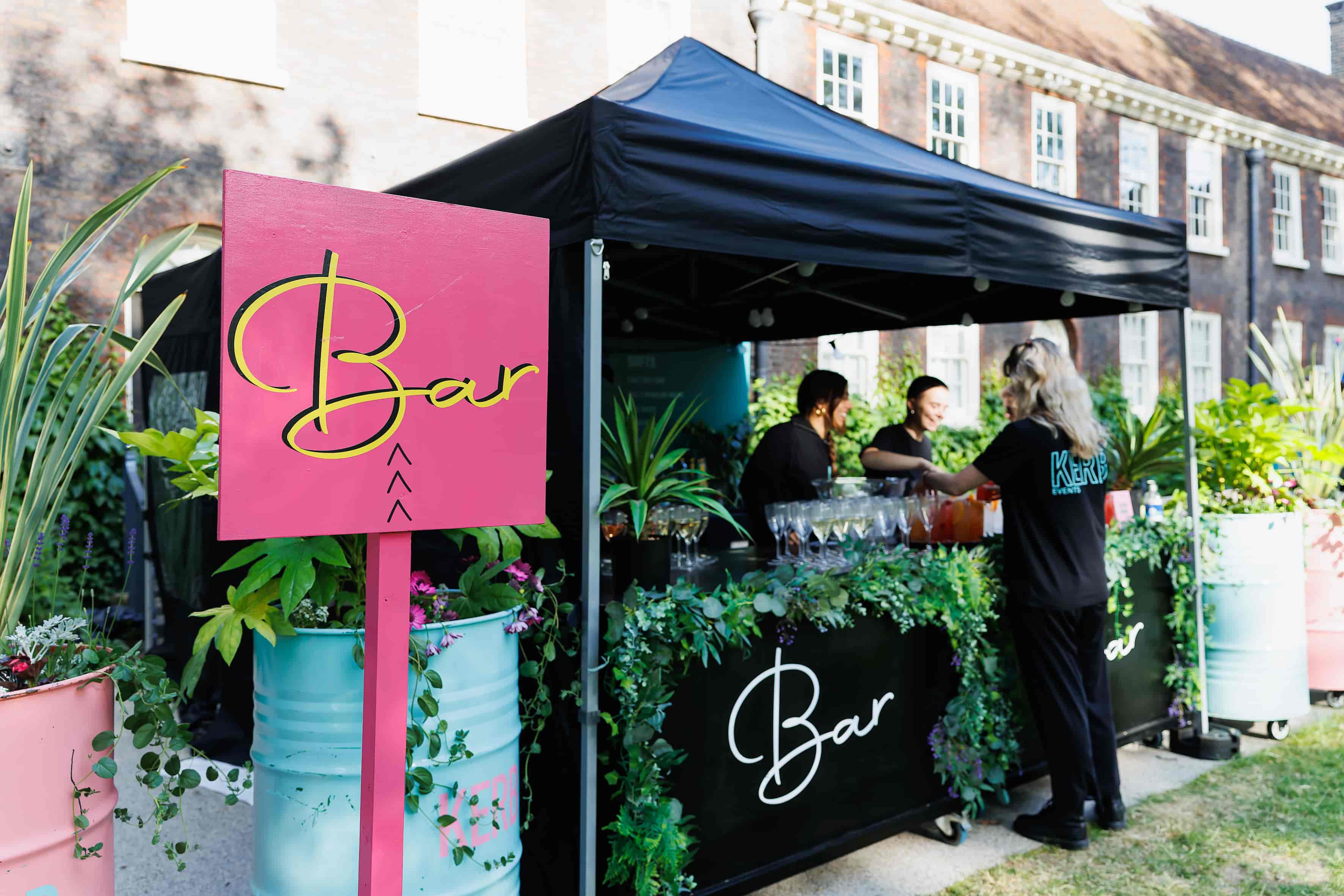
Events at Shoreditch Gardens
A unique outdoor venue with historic backdrop, ideal for summer events with street food and drinks.
From: £75 per person
Capacity: Up to 800 guests
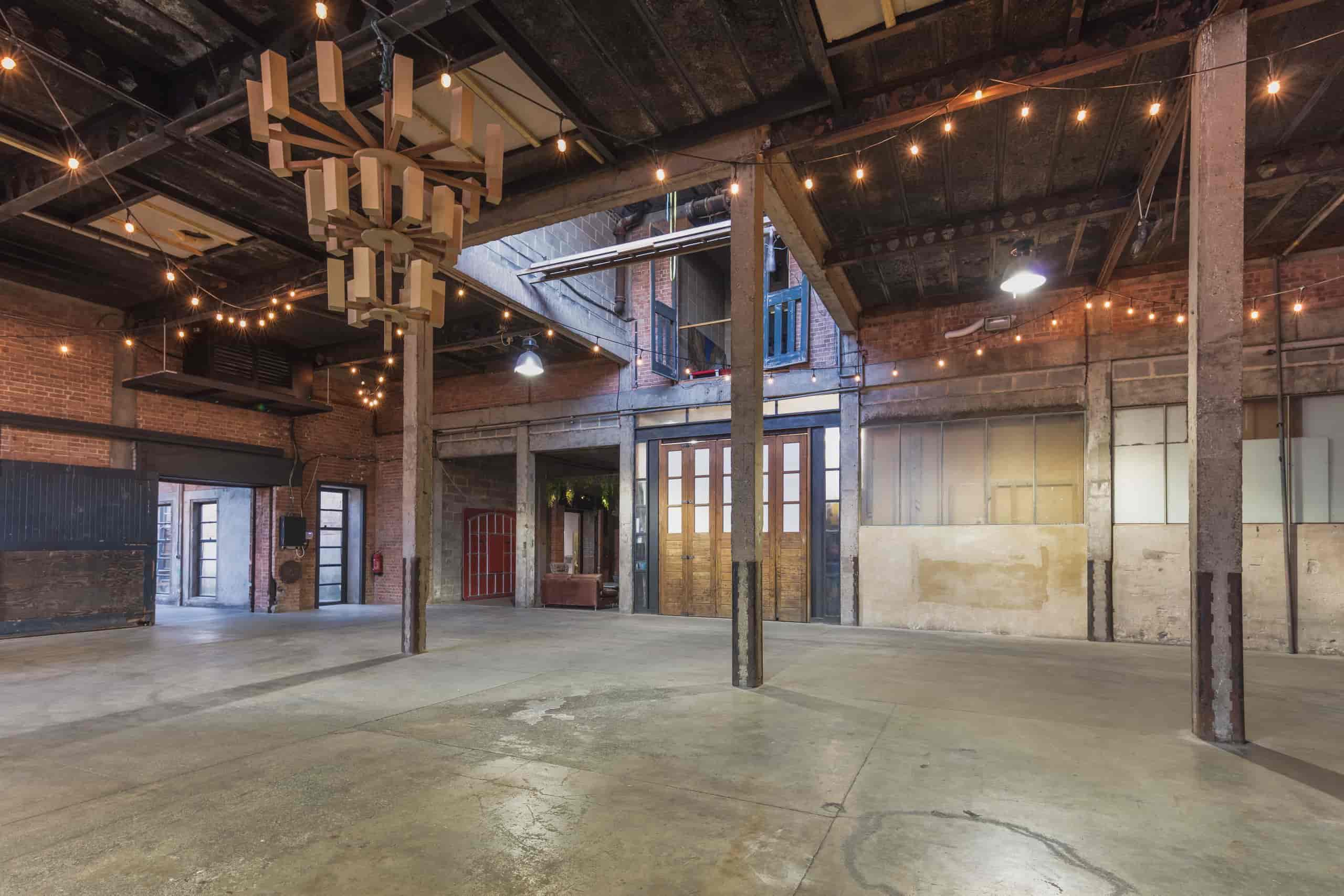
Events at Hoxton Docks
A versatile, historic warehouse on Regent's Canal. Ideal for various events and creative projects.
From: £2000 per person
Capacity: Up to 700 guests
Business at Park Village
A versatile 10,000 sq ft event space in a historic Victorian building near Regent's Park.
From: £8500 per person
Capacity: Up to 400 guests
Pop-up at Studio Spaces
A versatile 743sqm warehouse event space for up to 700, ideal for creative productions and launches.
From: £4000 per person
Capacity: Up to 700 guests
Pop-up at The Vinyl Factory Soho
A versatile 6,000 sq. ft. venue in Soho with industrial and loft vibes, ideal for various events.
From: £1980 per person
Capacity: Up to 320 guests
Pop-up at OXO Tower Restaurant, Bar and Brasserie
From: £4200 per person
Capacity: Up to 450 guests
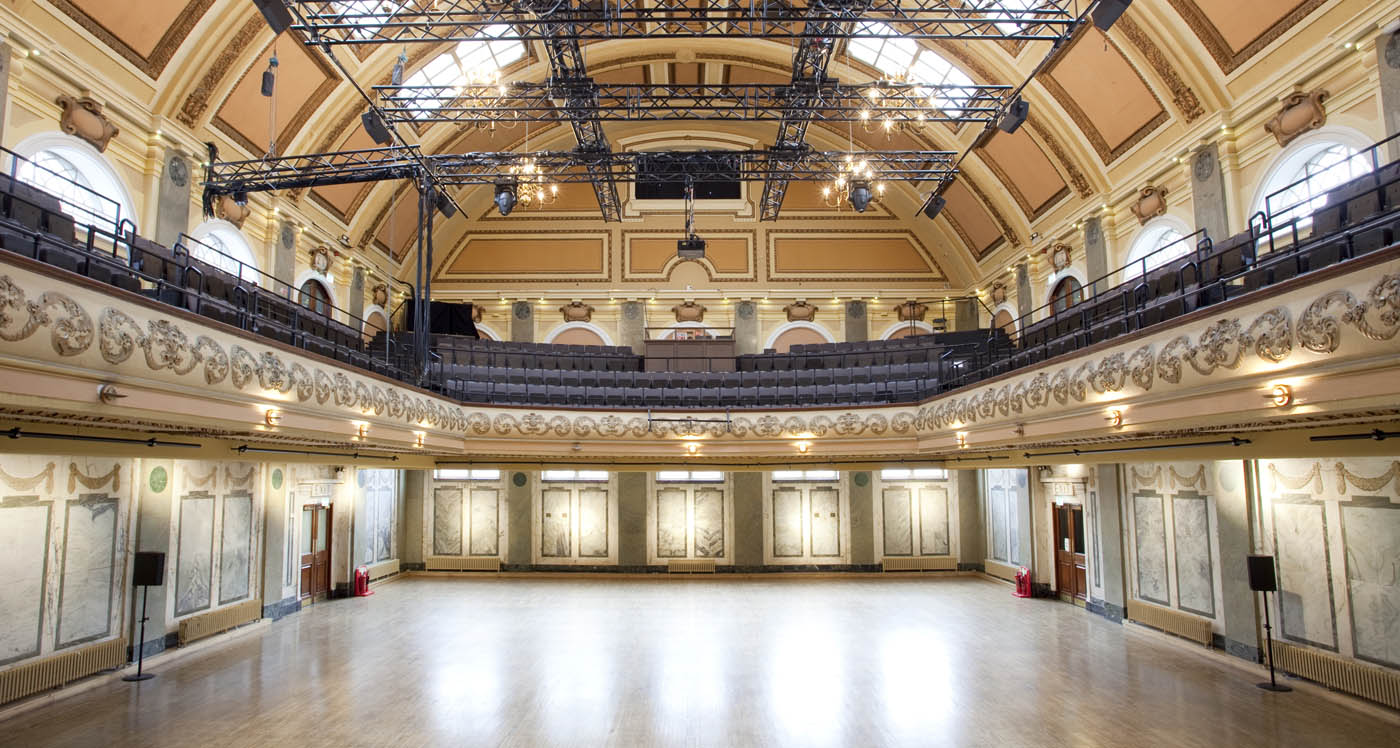
Dining at Institute of Contemporary Arts
Iconic theatre space for dinners, events, and presentations with views of central London landmarks.
From: £5000 per person
Capacity: Up to 350 guests
Business at Between The Bridges
A versatile riverside venue with a private entrance, terrace, and capacity for up to 600 guests.
From: £30000 per person
Capacity: Up to 800 guests
Business at 26 Leake Street
A versatile industrial event space near Waterloo Station for big productions, conferences, and corporate gatherings.
From: £12000 per person
Capacity: Up to 1150 guests
Pop-up at JW3
A versatile, weather-proof outdoor space in Central London for up to 400 guests. Ideal for events.
From: £1500 per person
Capacity: Up to 400 guests
...and 6 more venues available
Related Event Types
- Event Venues
- Conference Venues
- Meeting Rooms
- Event Venues
- Event Venues
- Conference Venues
- Conference Venues
- Party Venues
- Party Venues
- Meeting Rooms
- Meeting Rooms
- Private Dining Rooms
- Private Dining Rooms
- Away Day Venues
- Away Day Venues
- Wedding Venues
- Unusual Venues
- Wedding Venues