ETM Group Venues in London
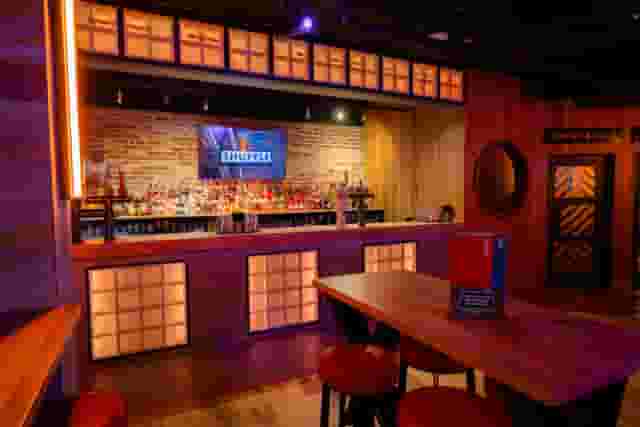
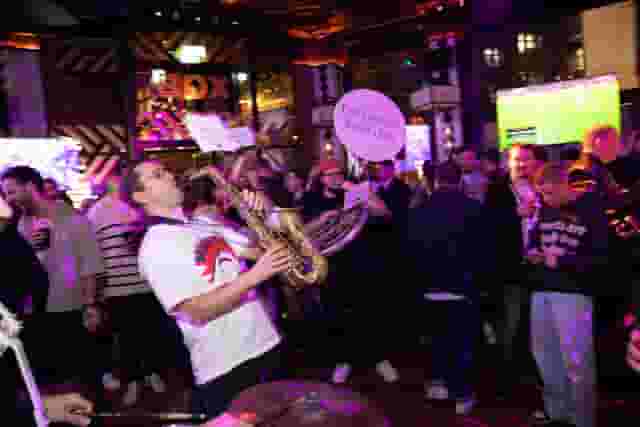
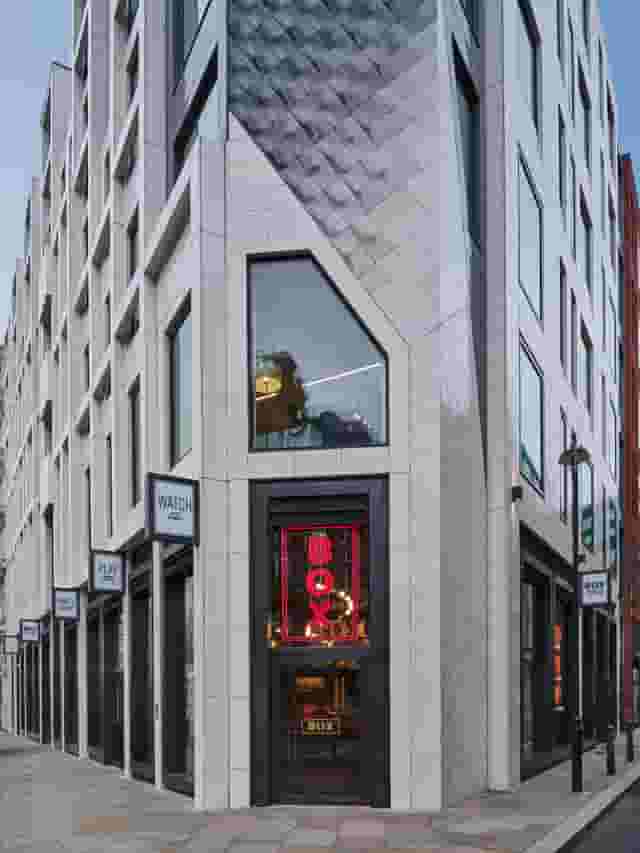
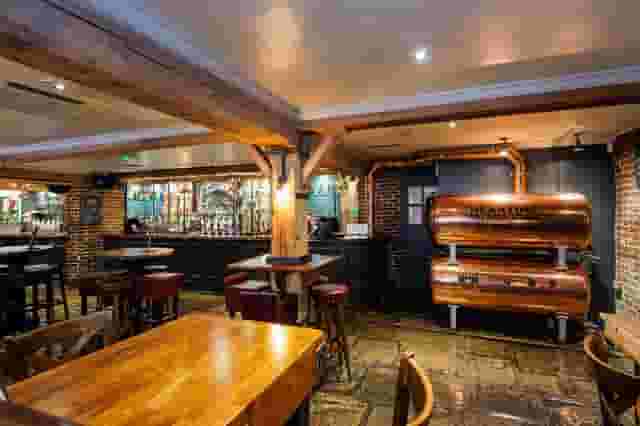
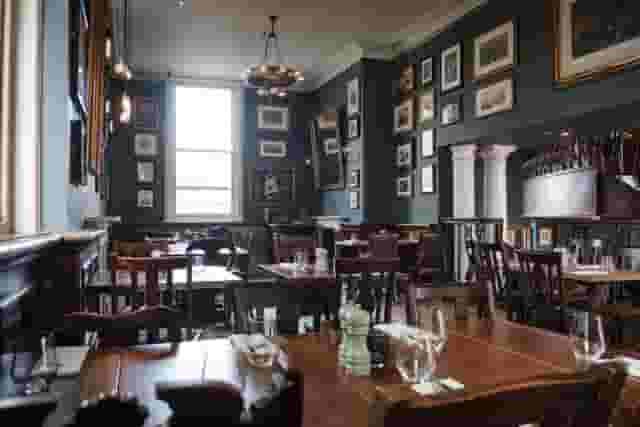
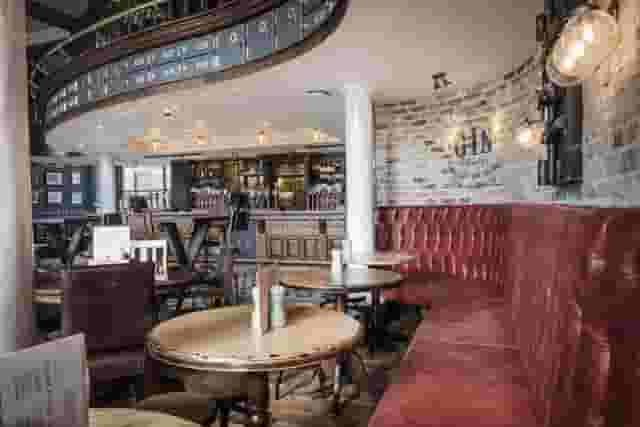
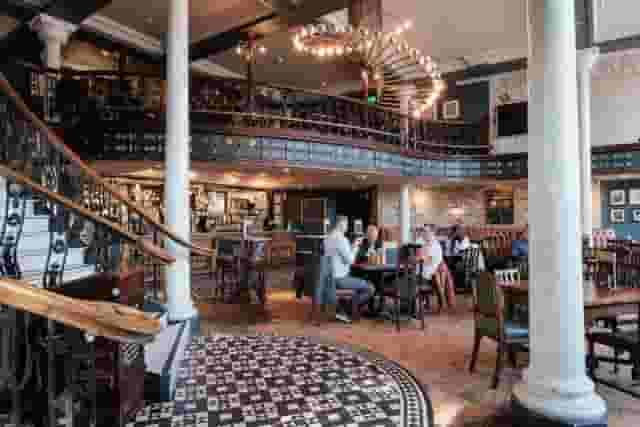
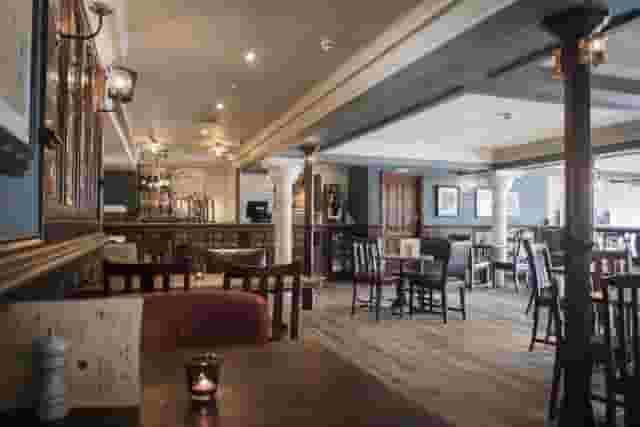
Explore London pub and restaurant venues for corporate dining, networking receptions and company socials with private spaces and group menus.
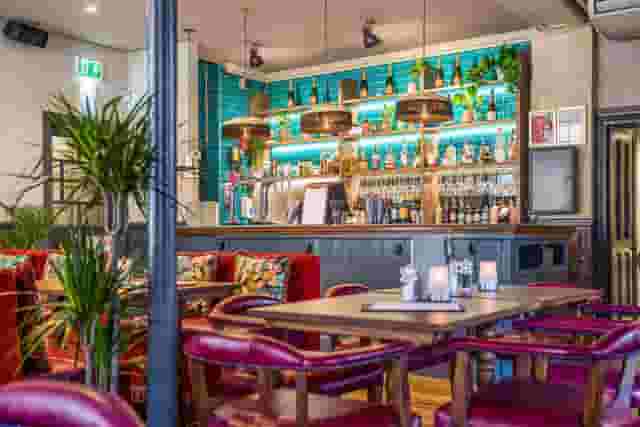
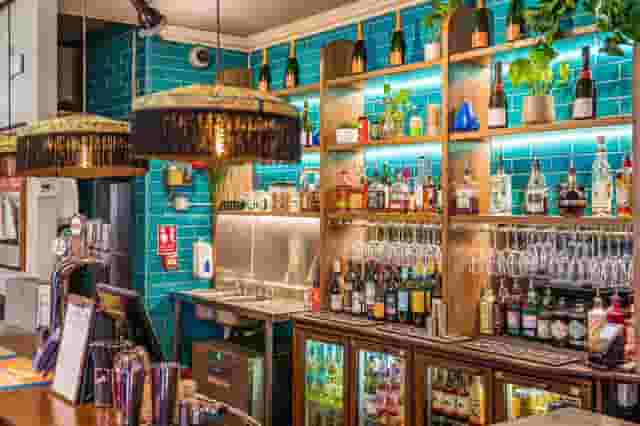
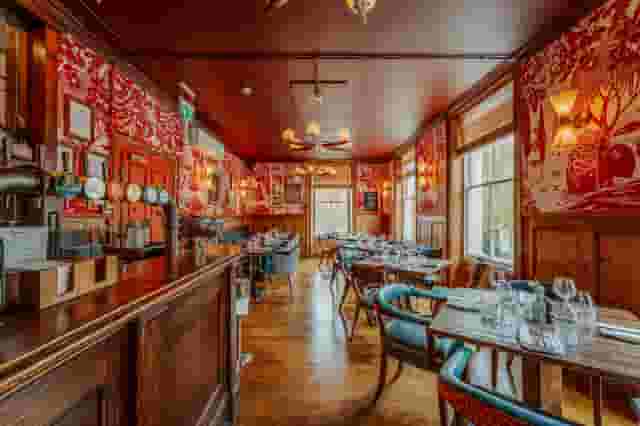
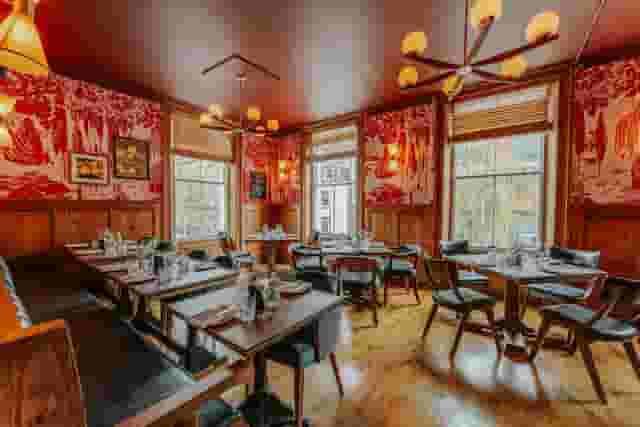
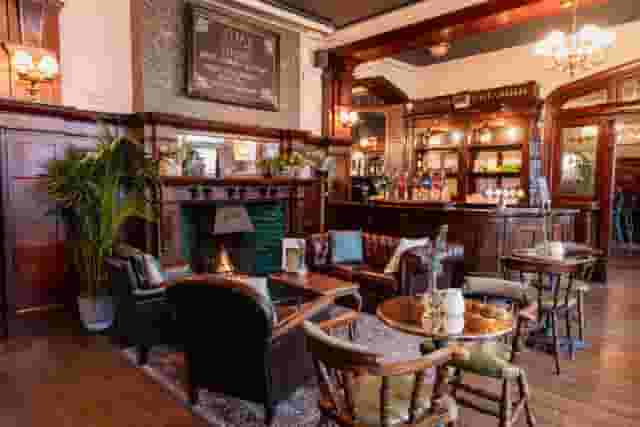
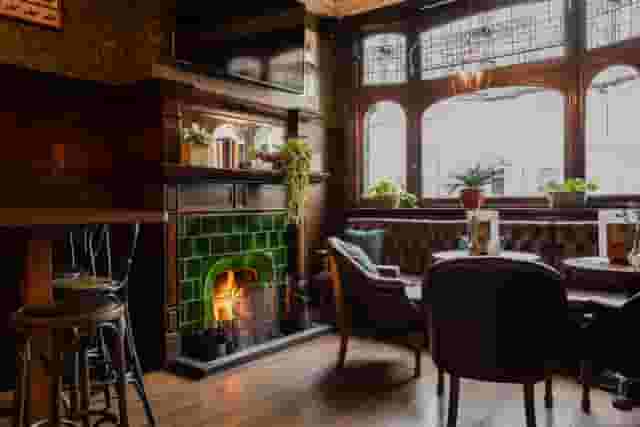
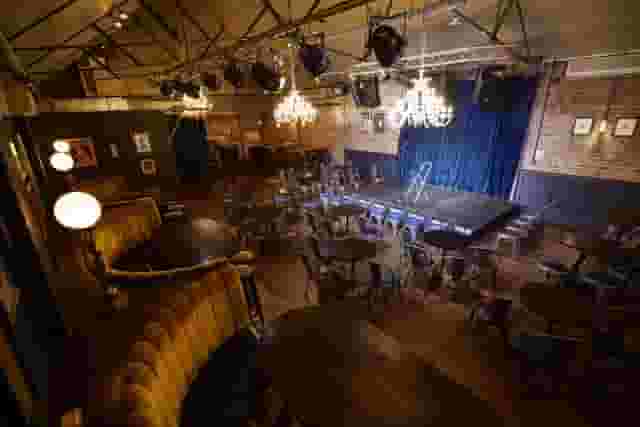
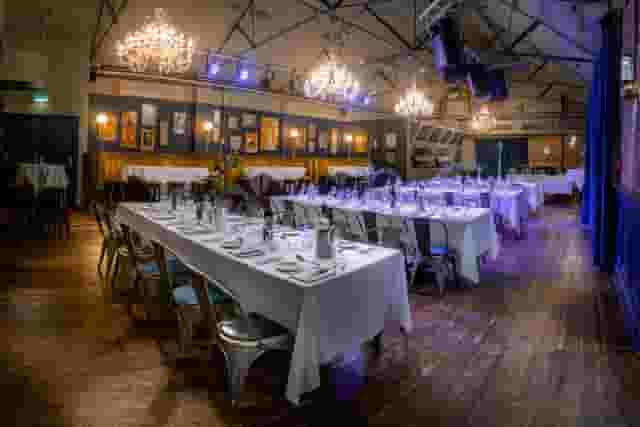
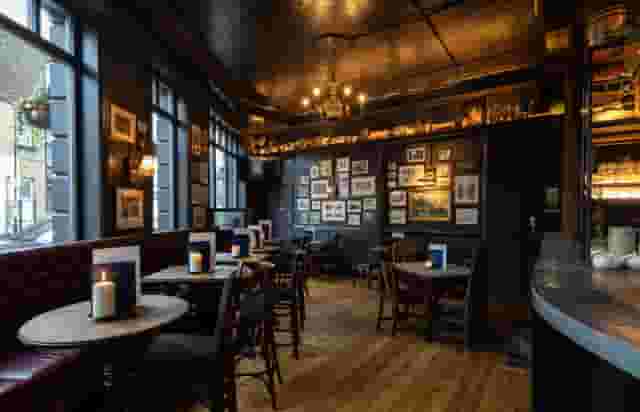
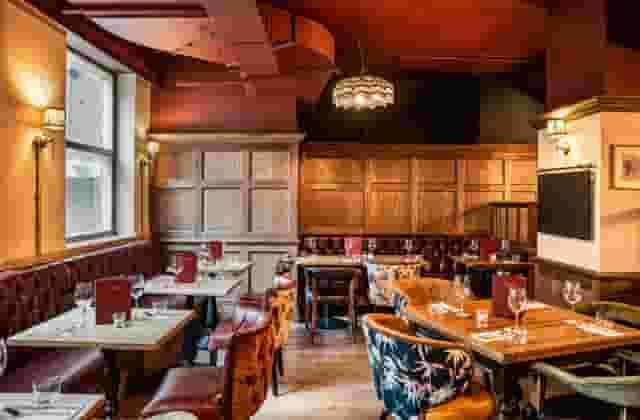
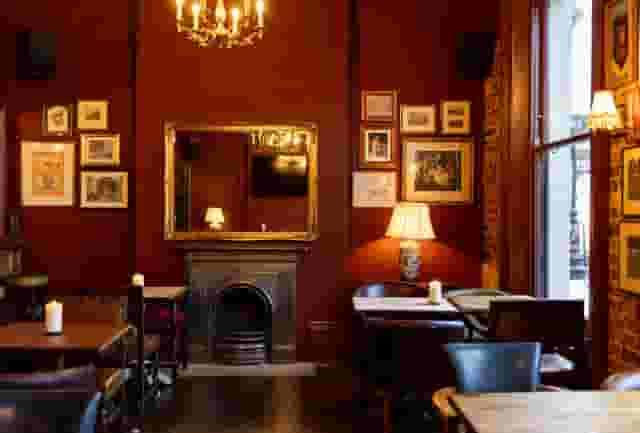
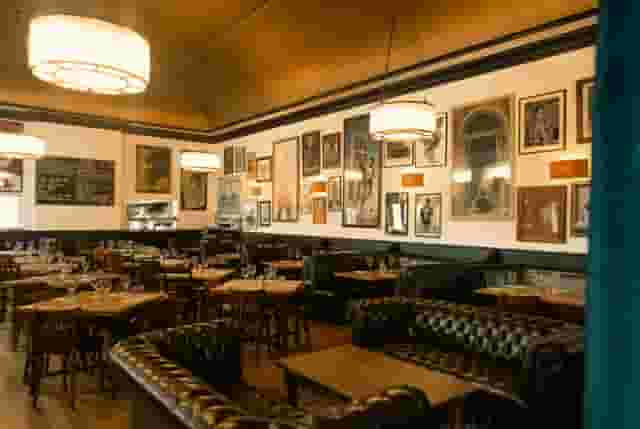
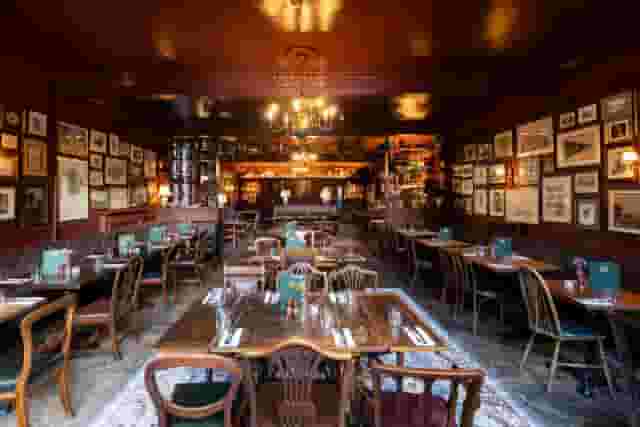
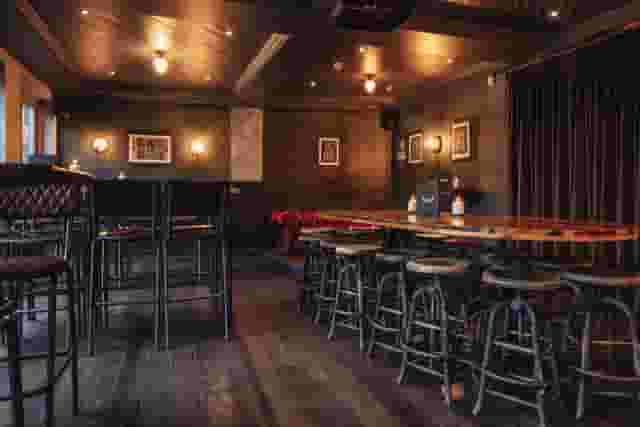
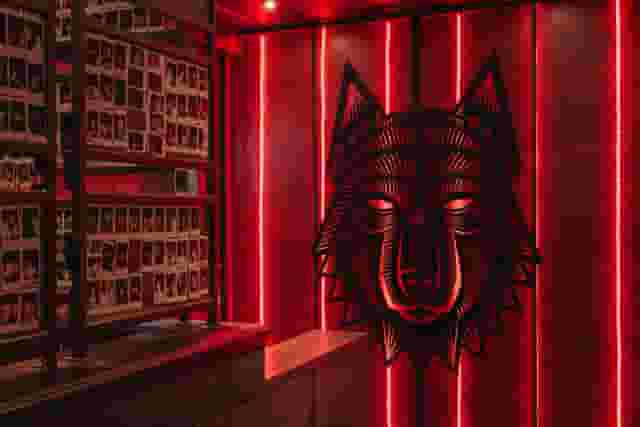
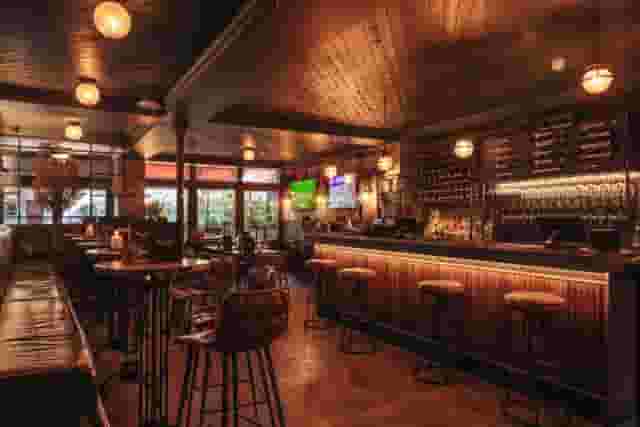
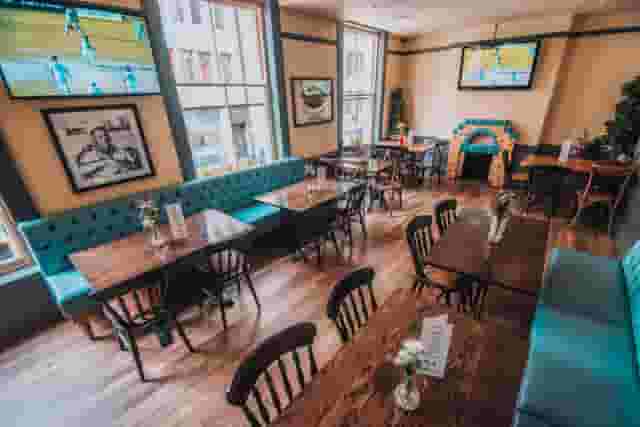
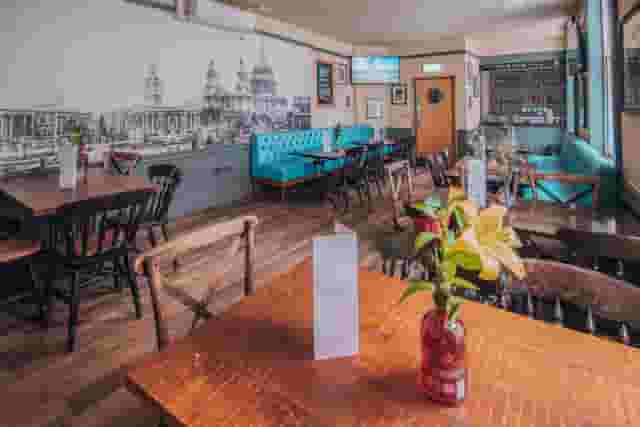
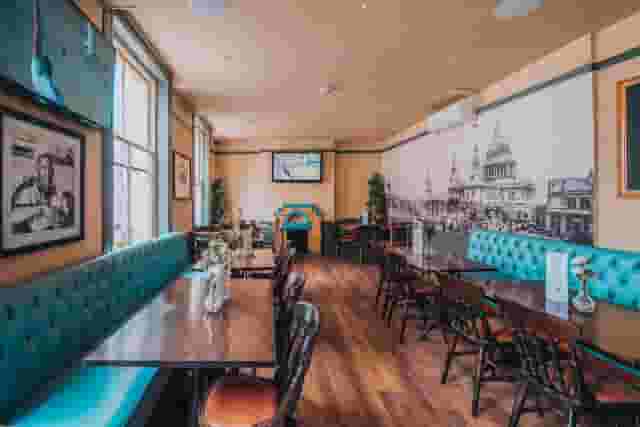
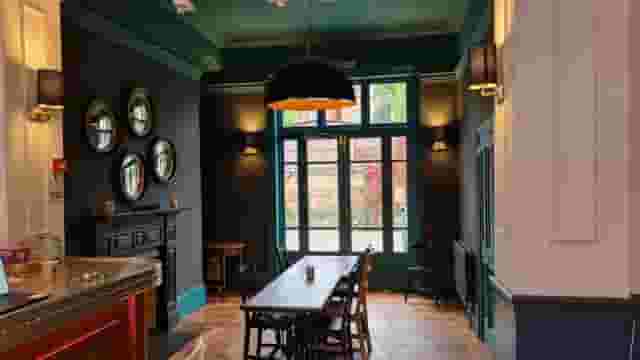
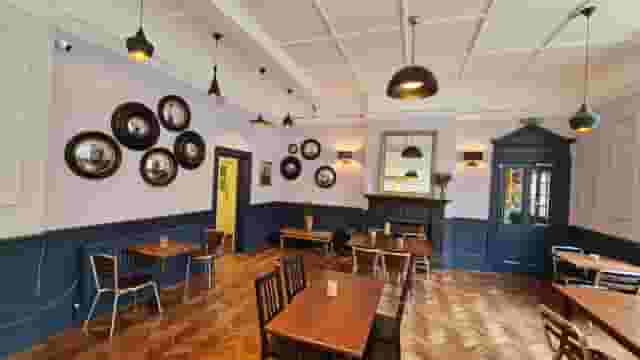
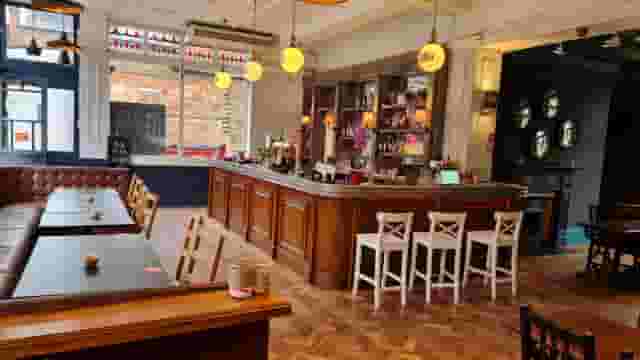
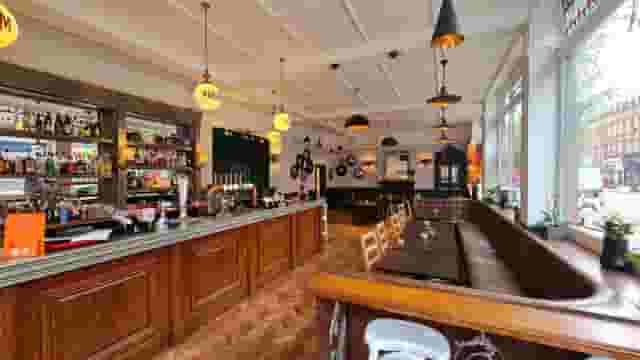
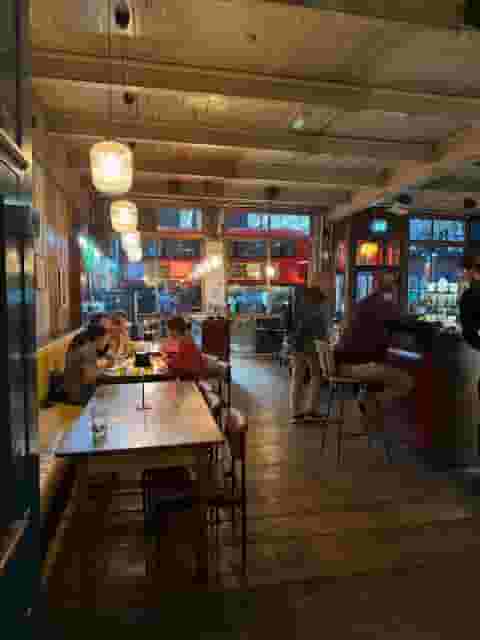
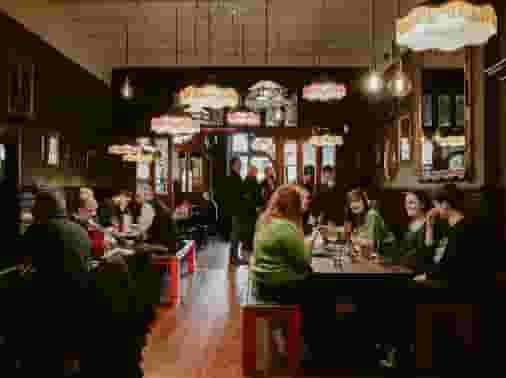
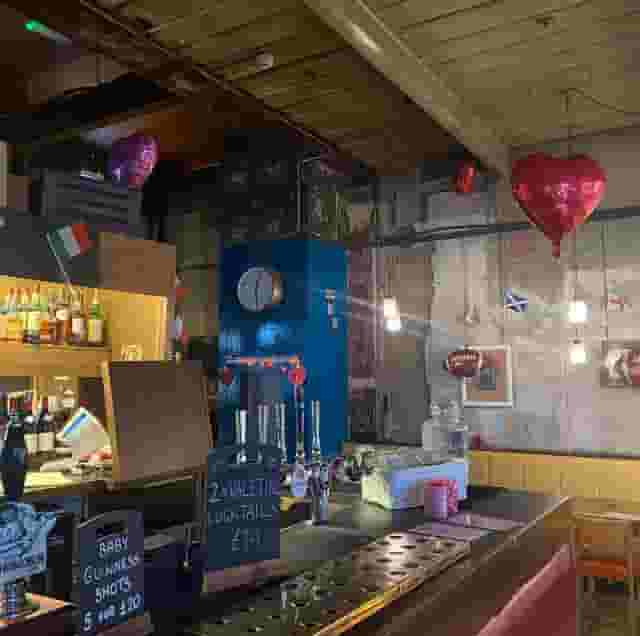
899 ETM Group in venues in London






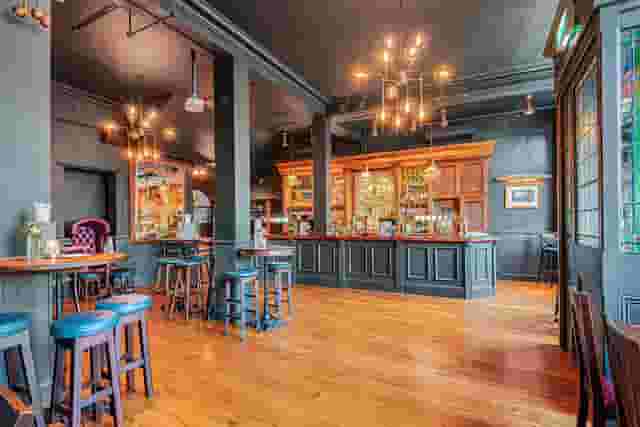
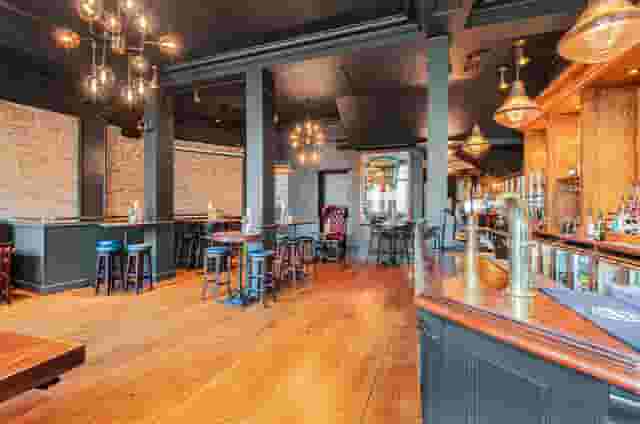
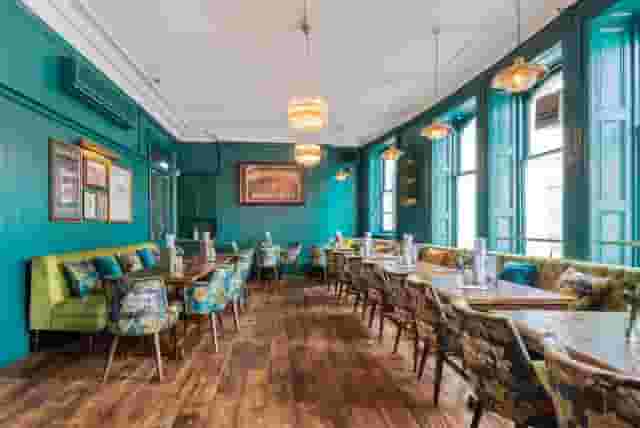
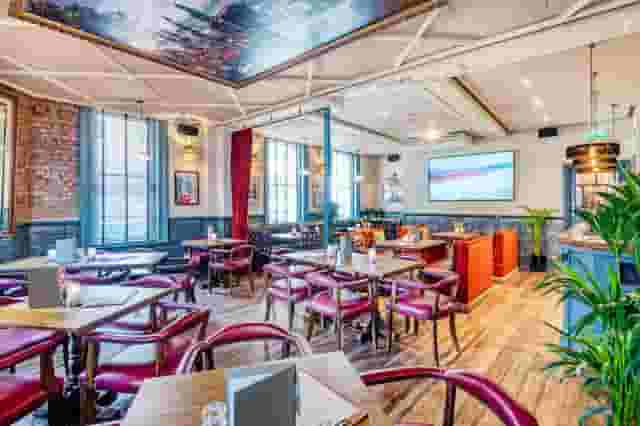
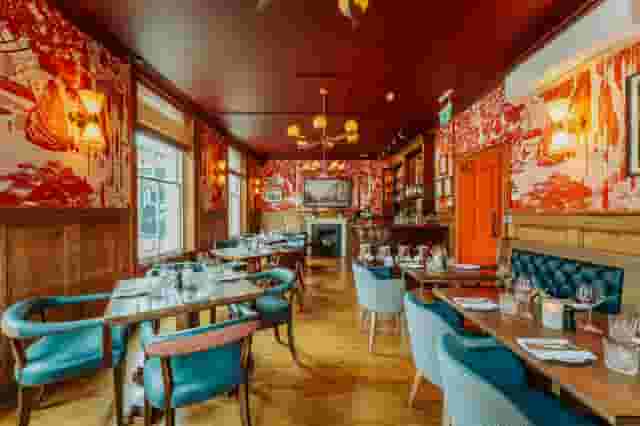
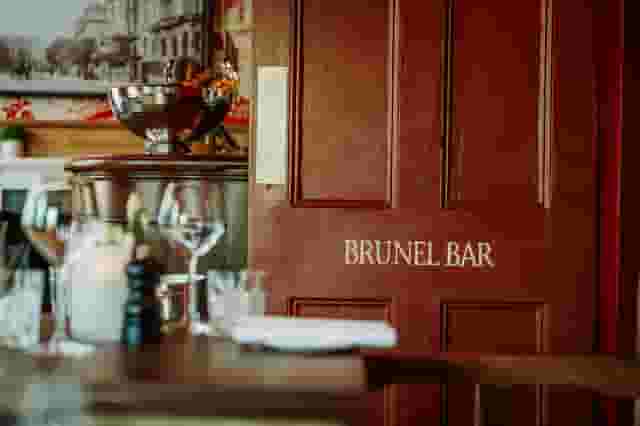
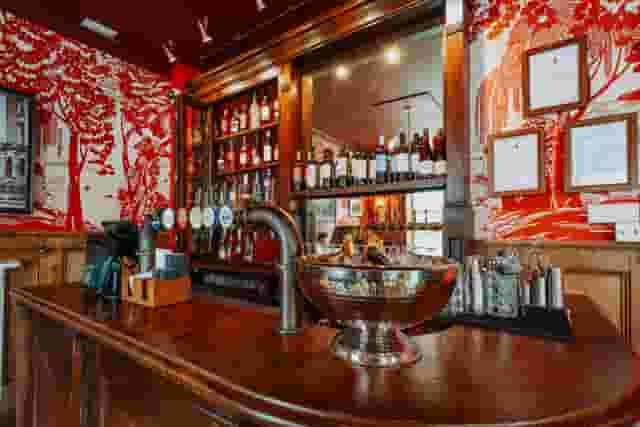

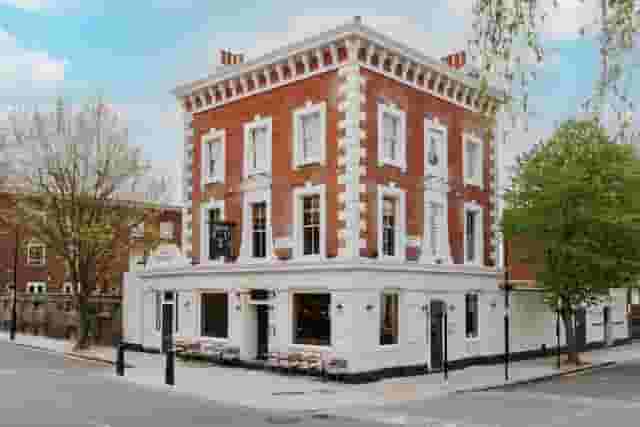














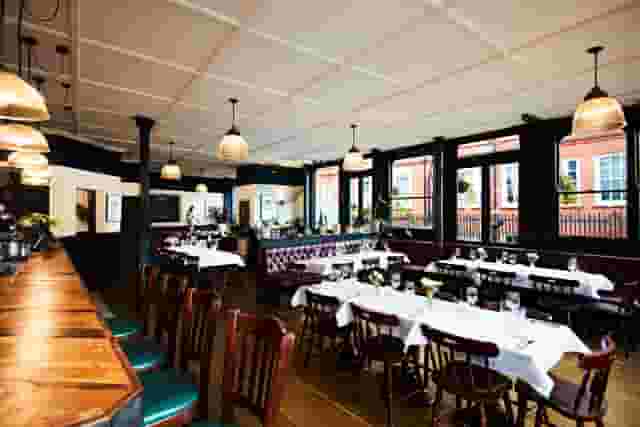

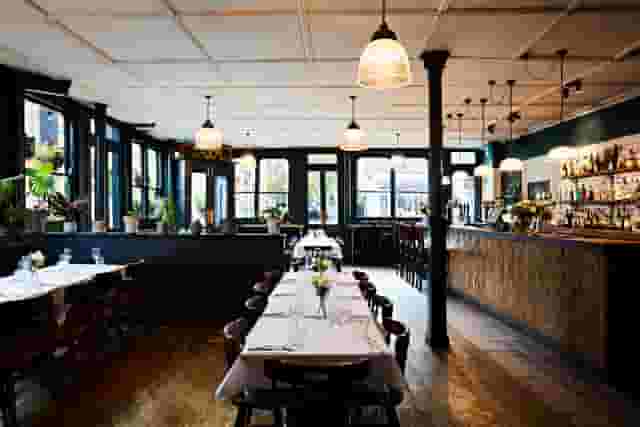

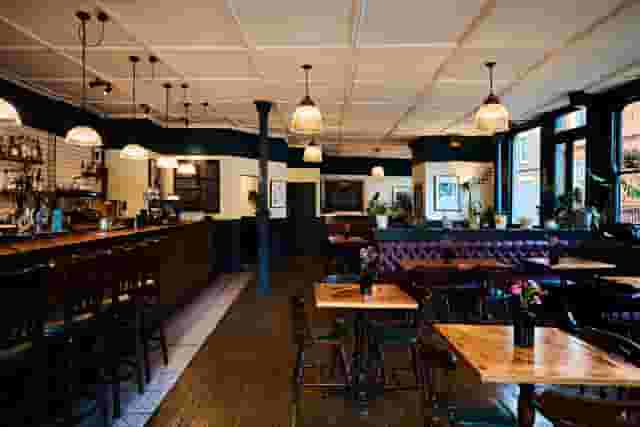

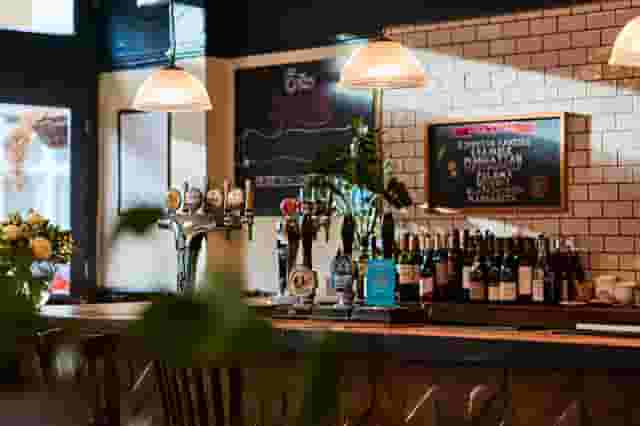



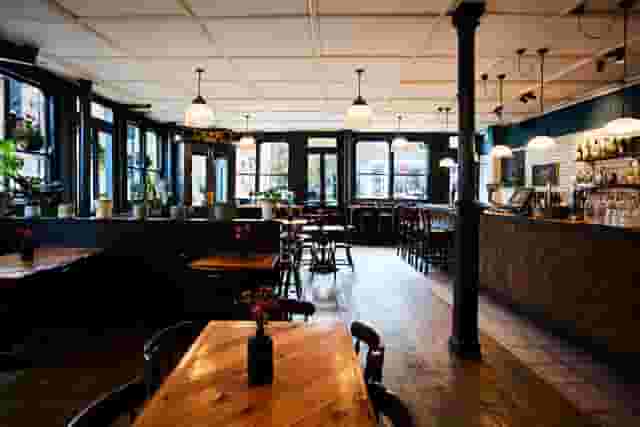
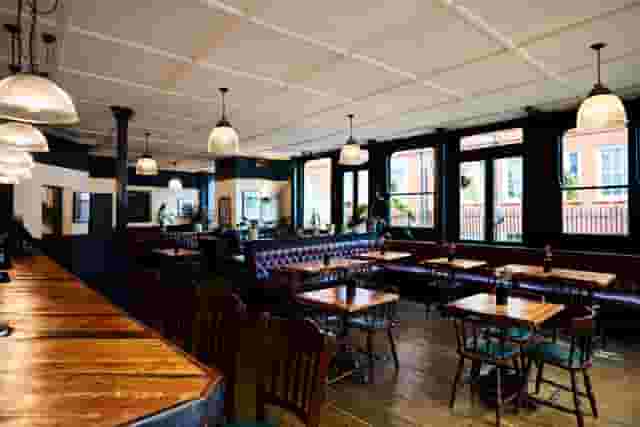

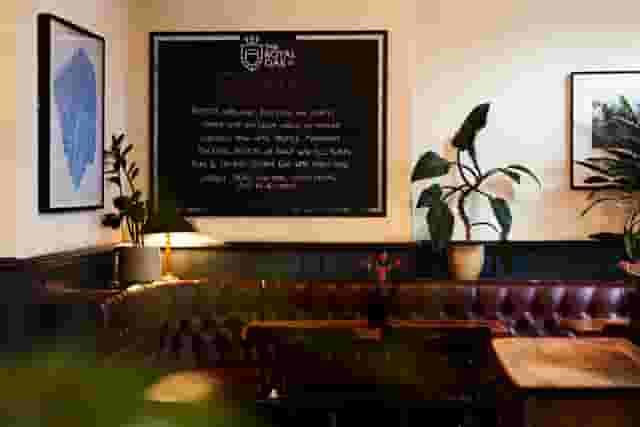



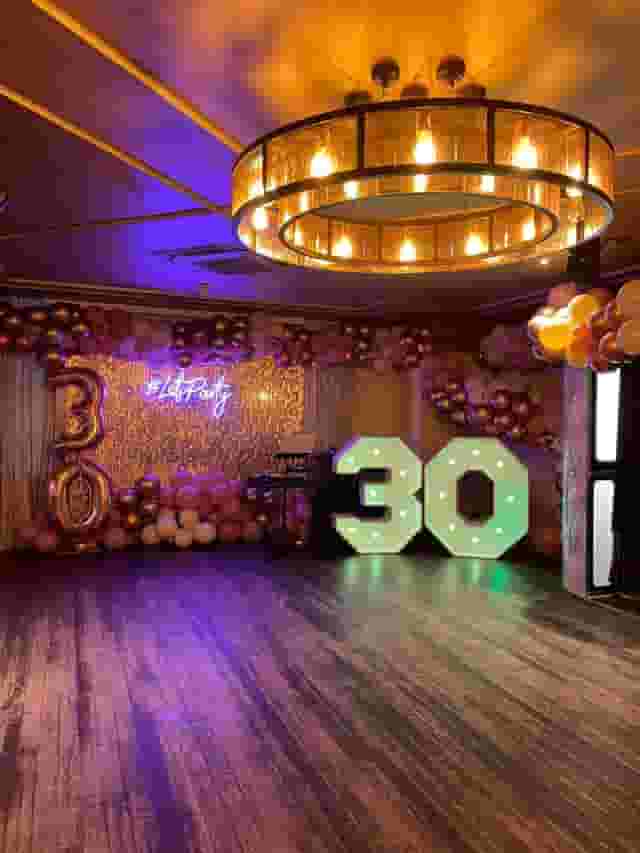
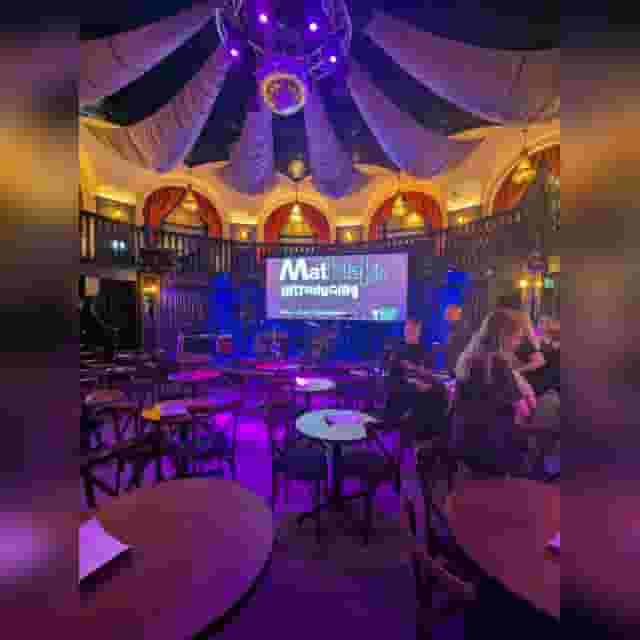
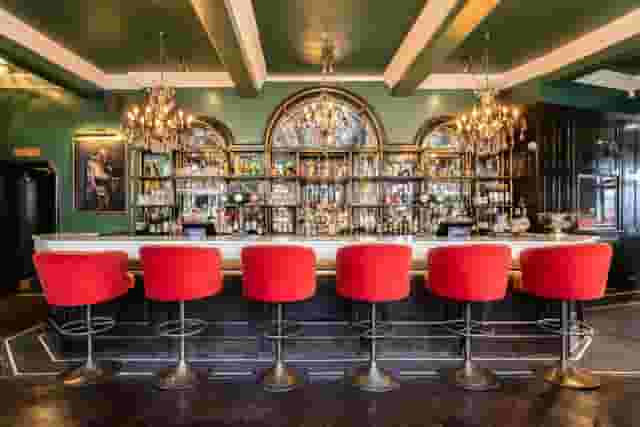


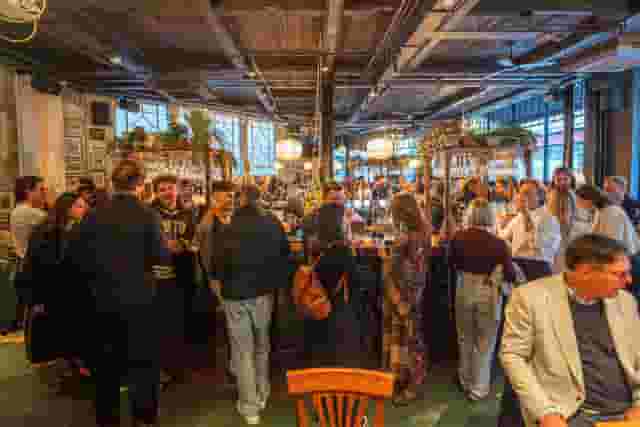

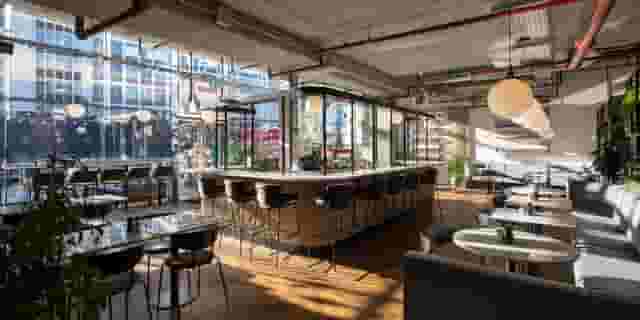
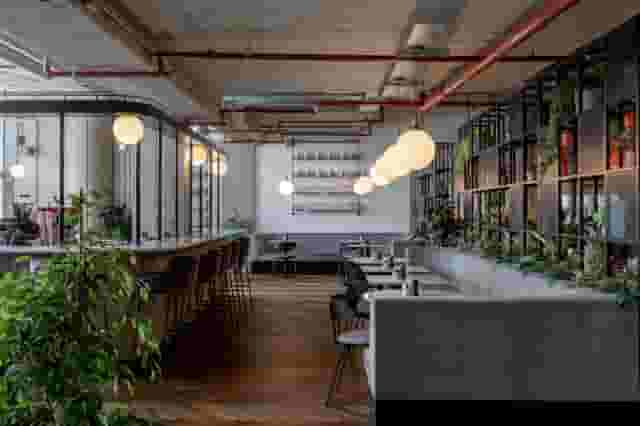
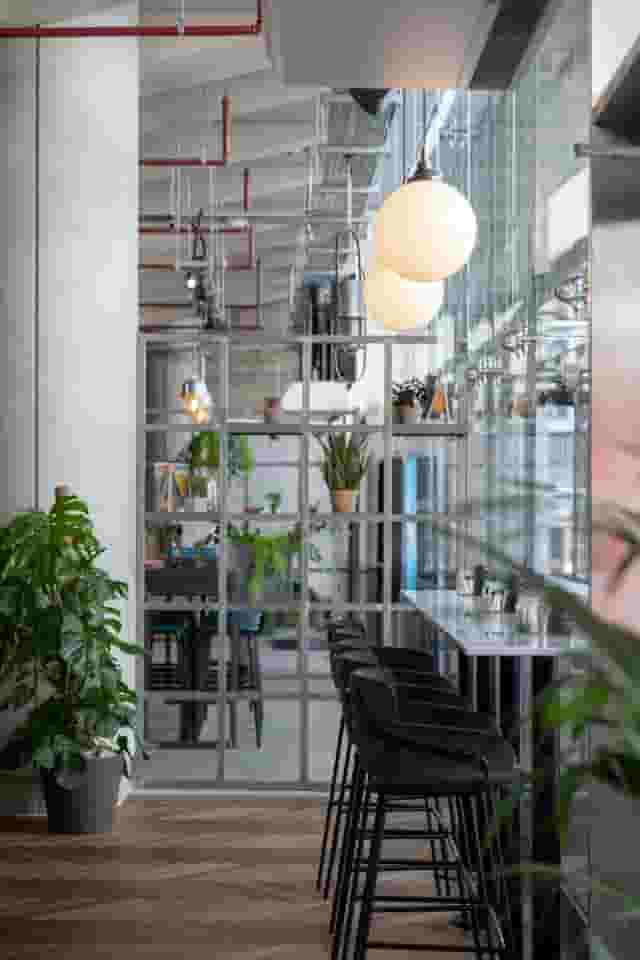
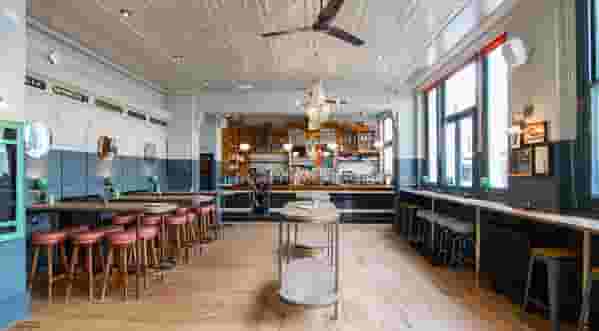
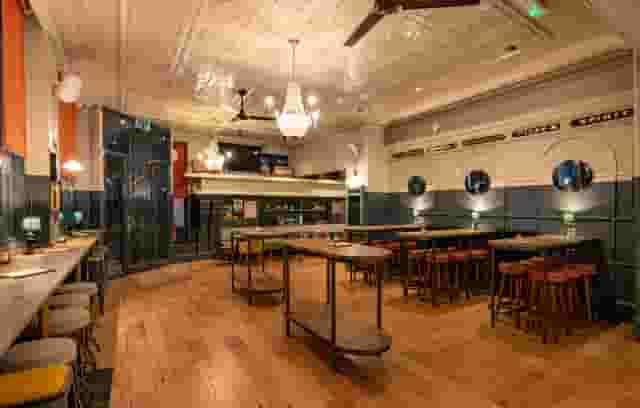
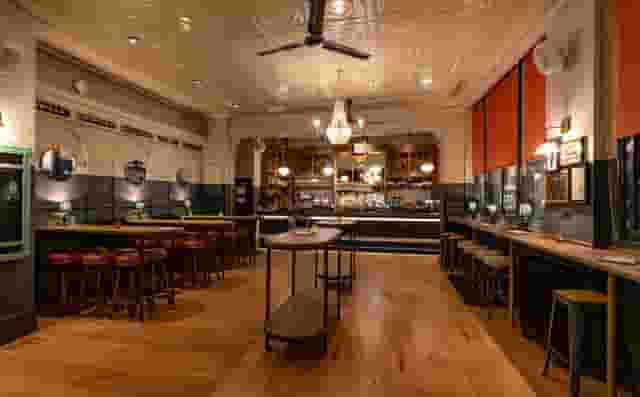
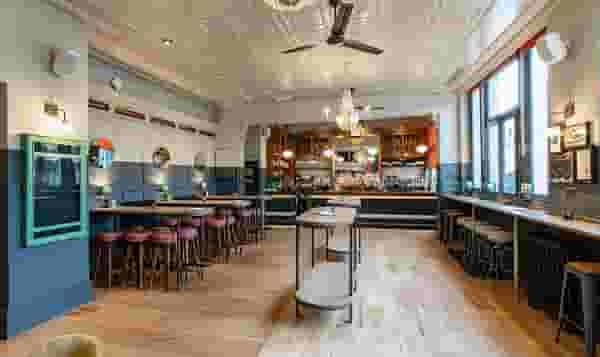


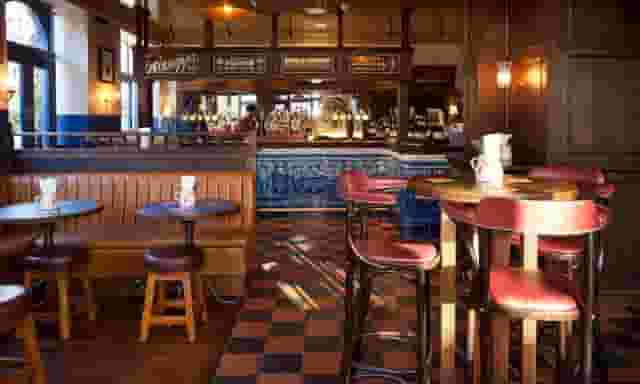
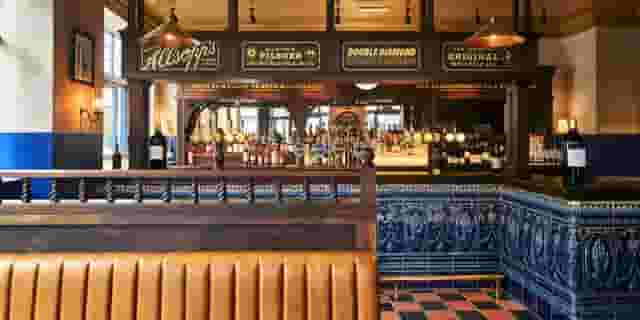
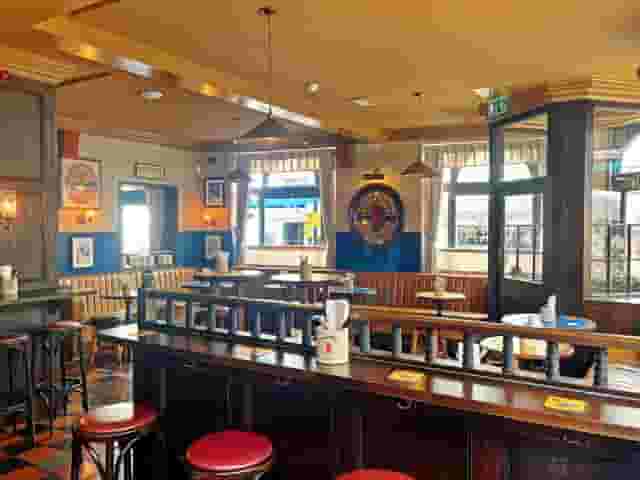
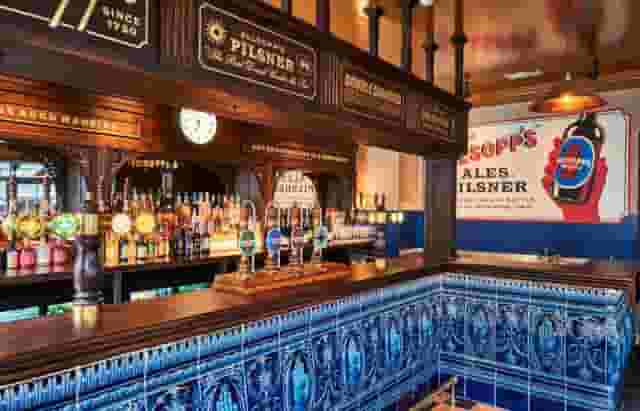
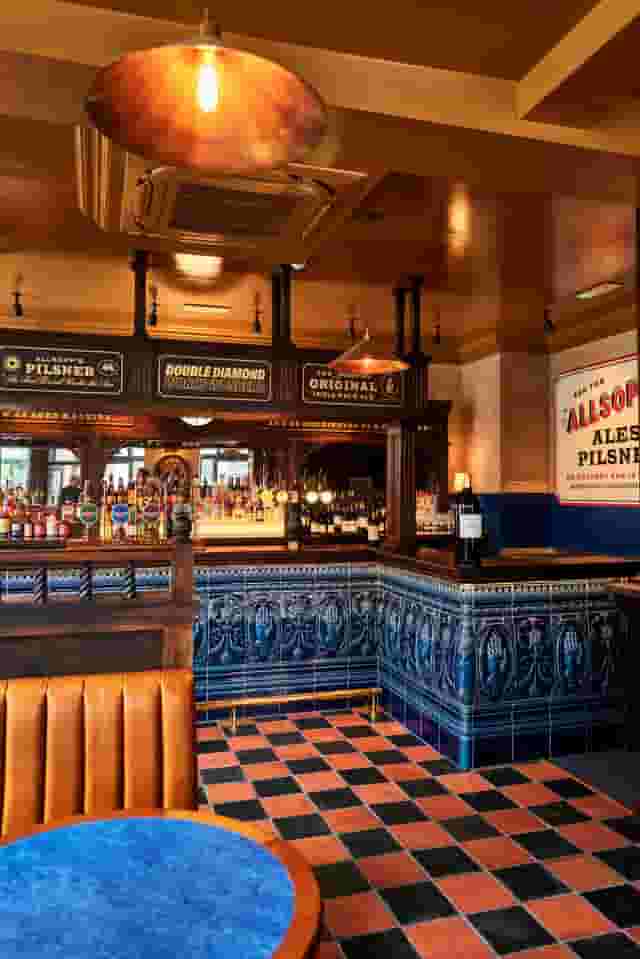
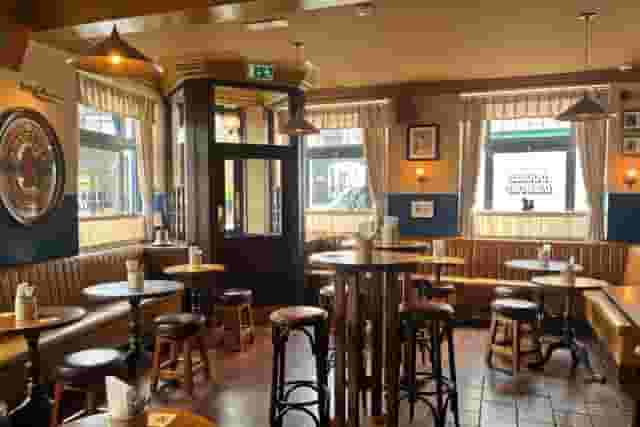
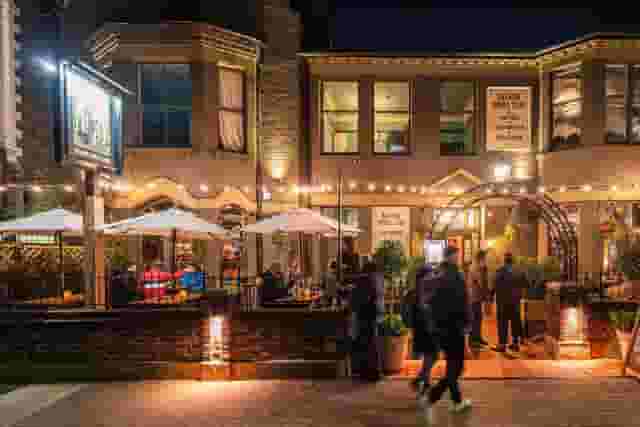
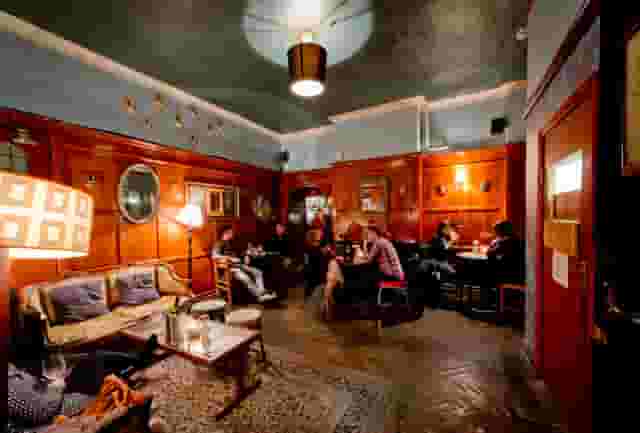
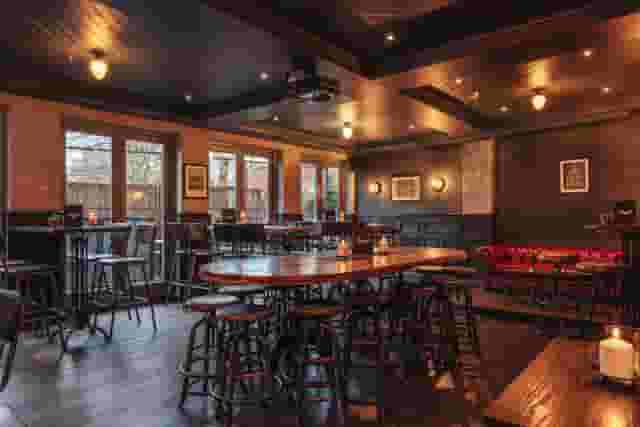
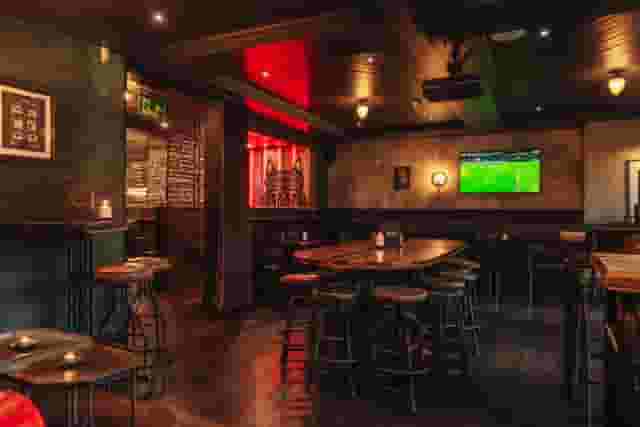
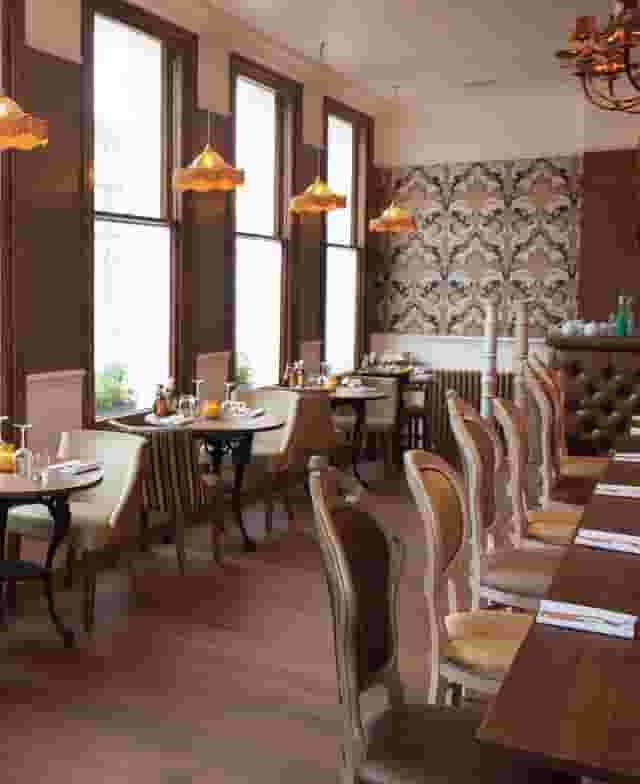
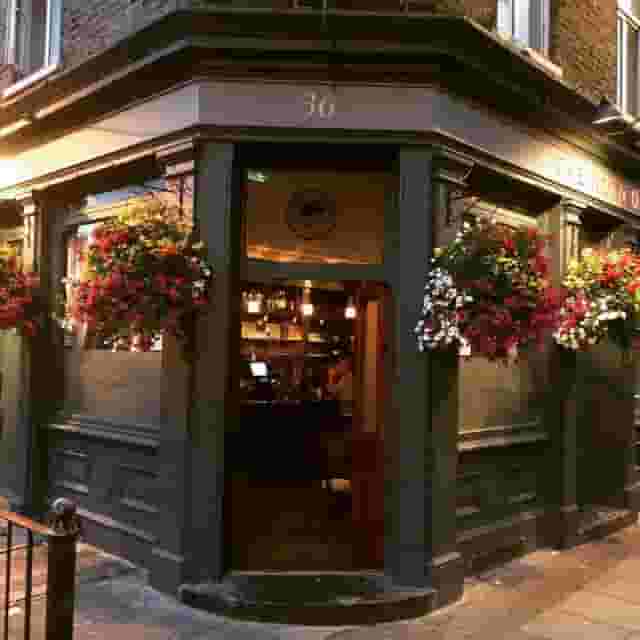
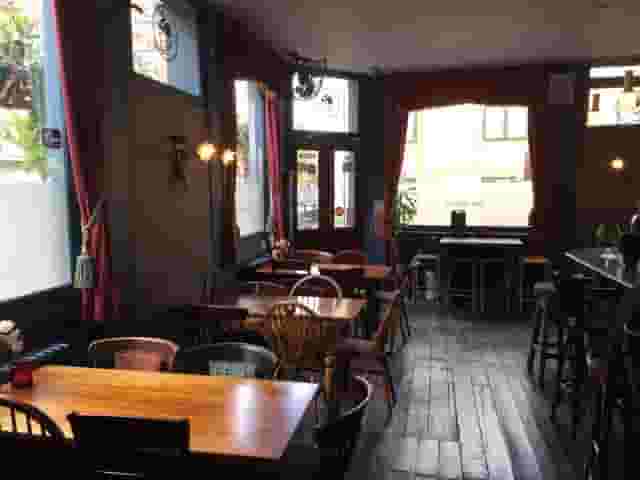
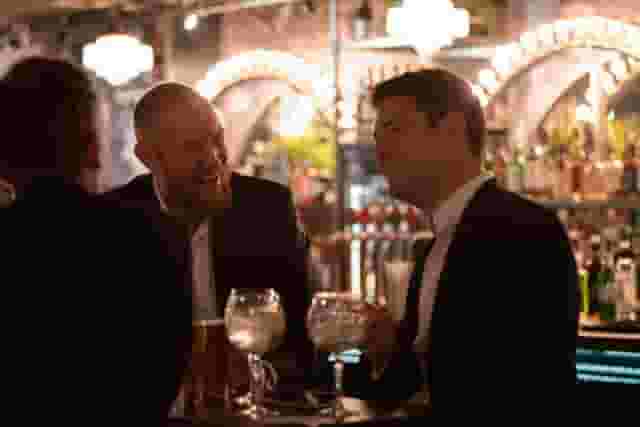
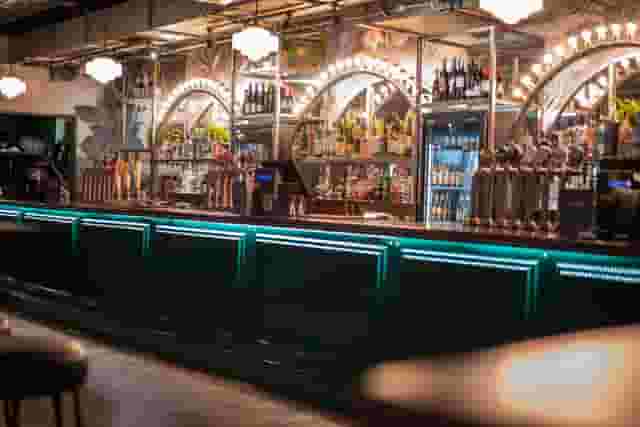










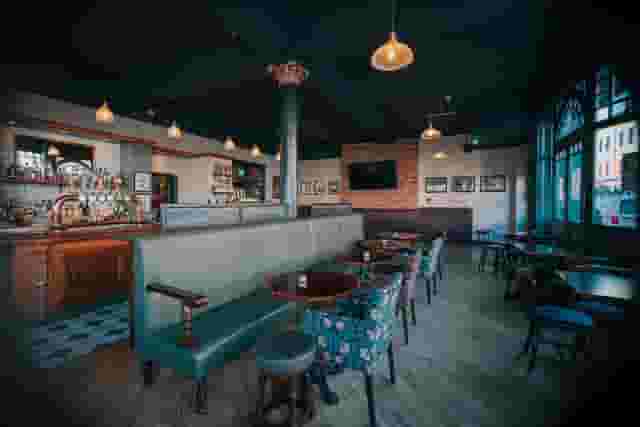
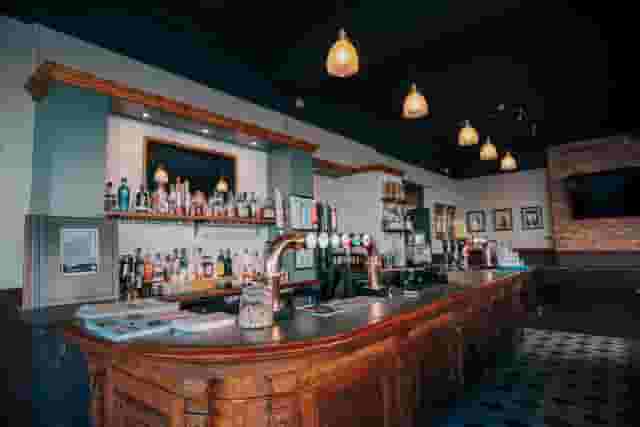
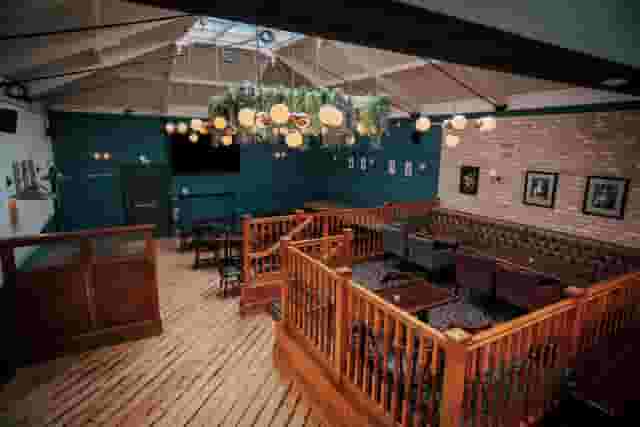
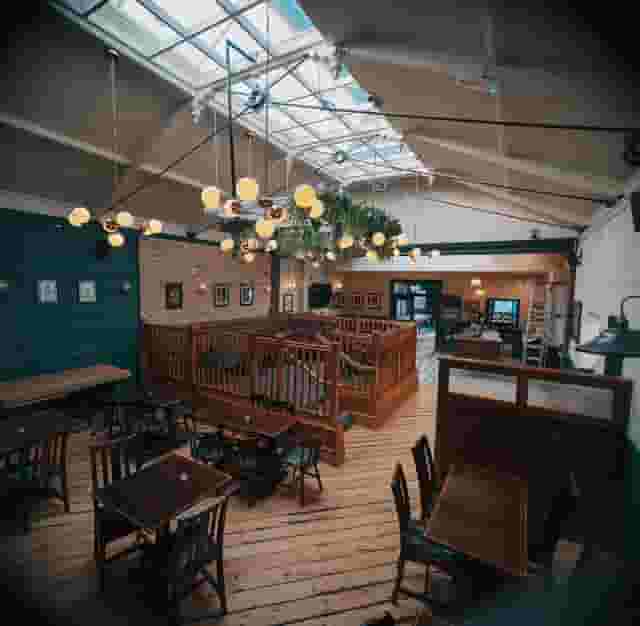
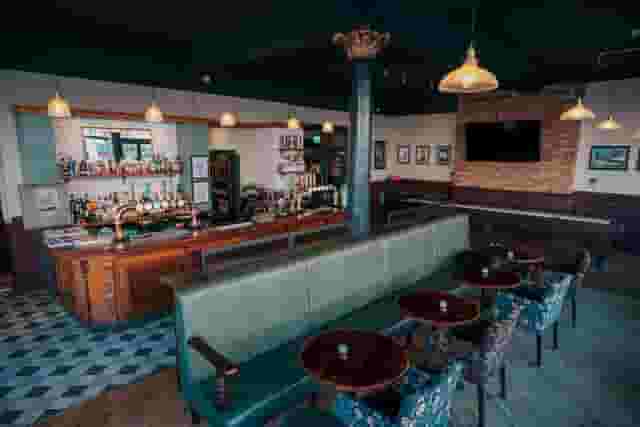

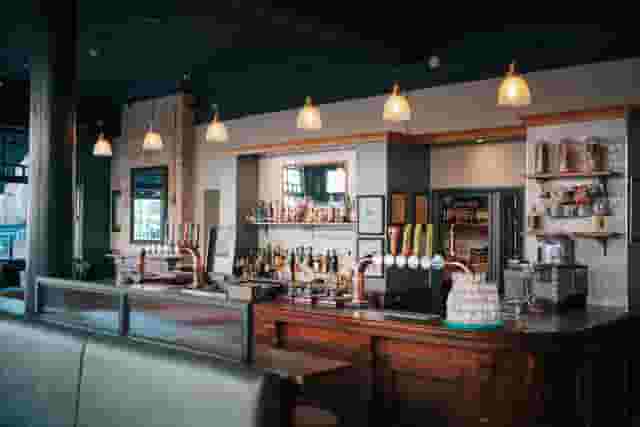
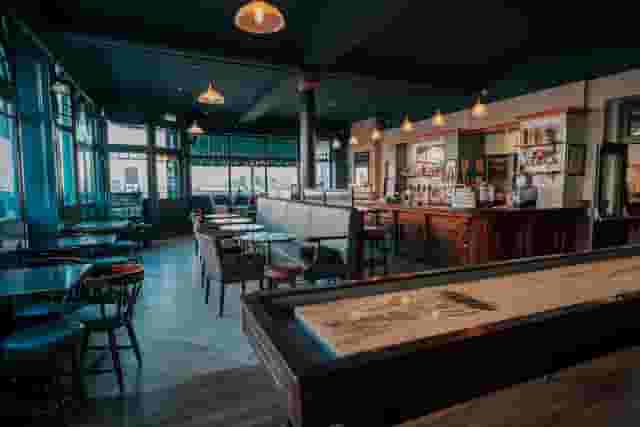
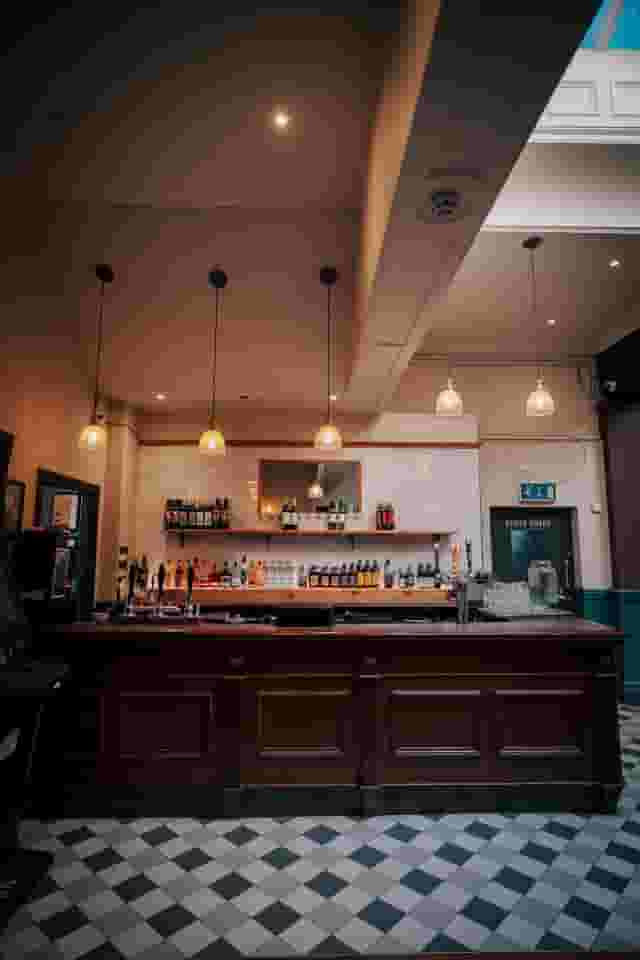

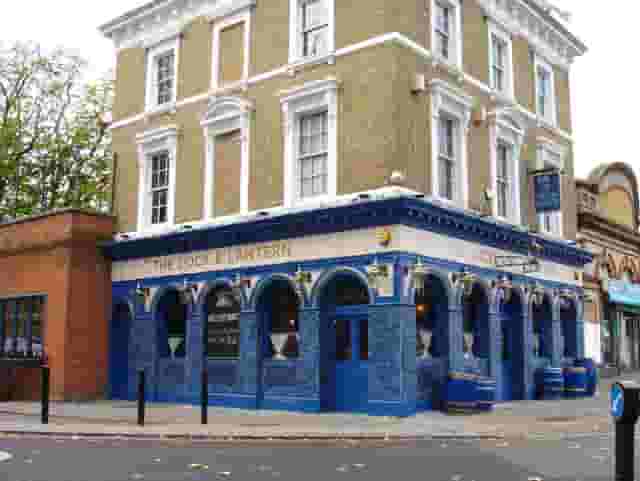
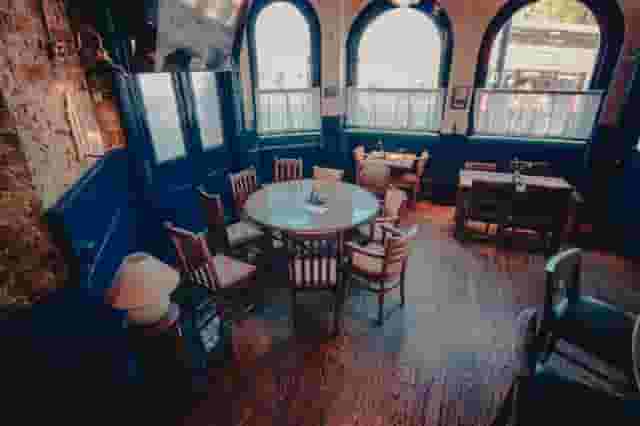
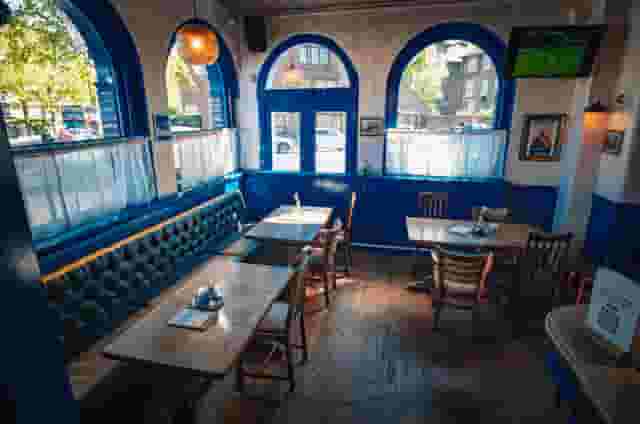
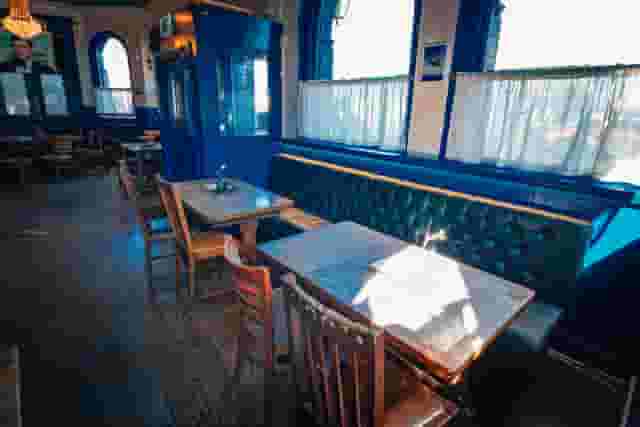




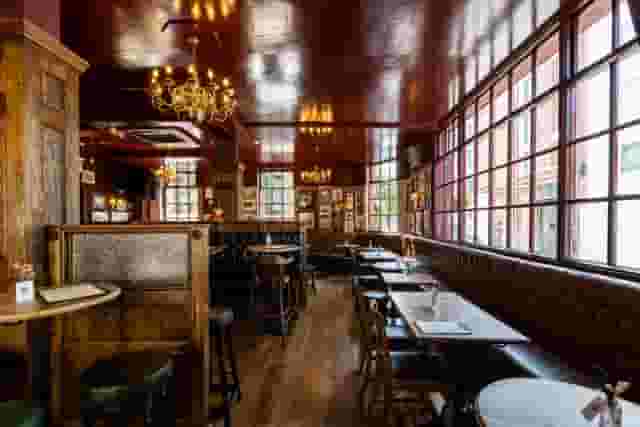
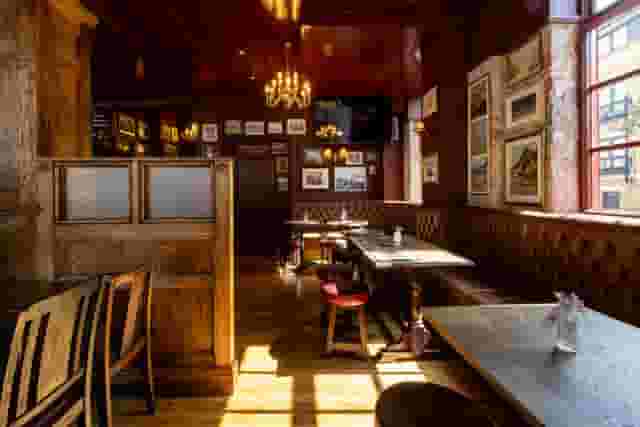
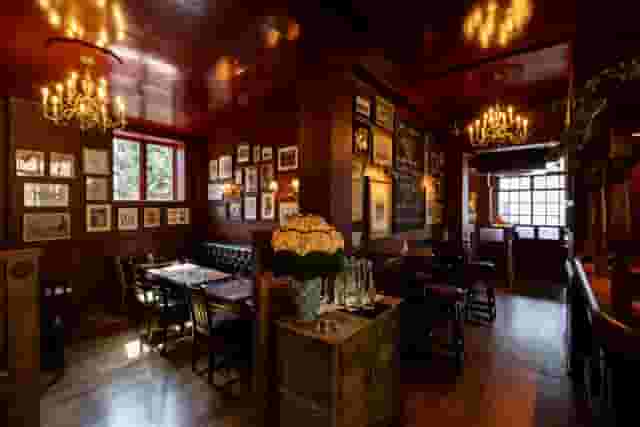
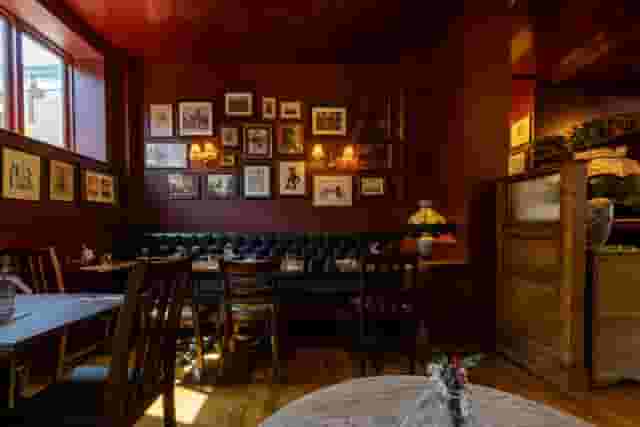
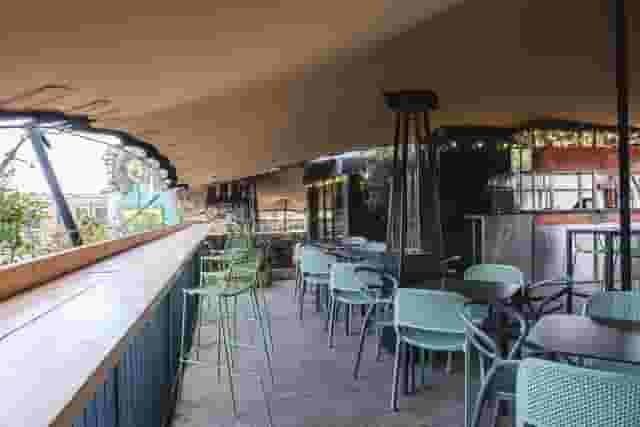
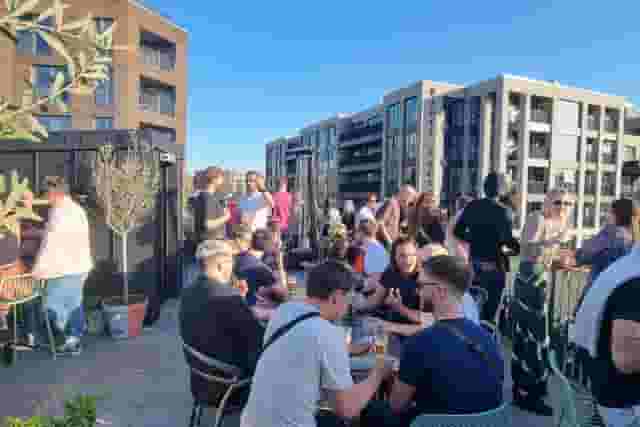
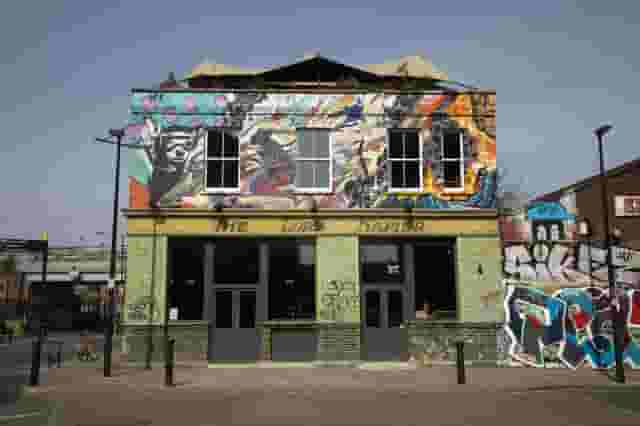
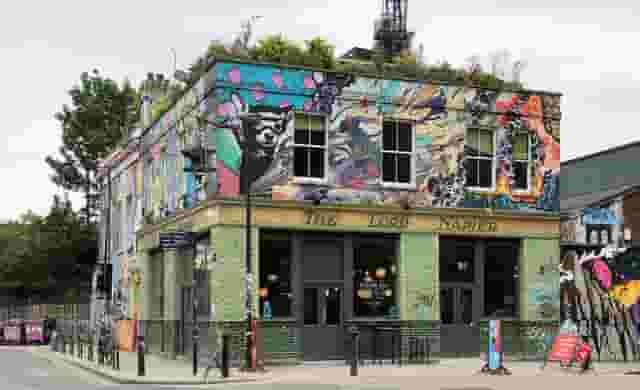
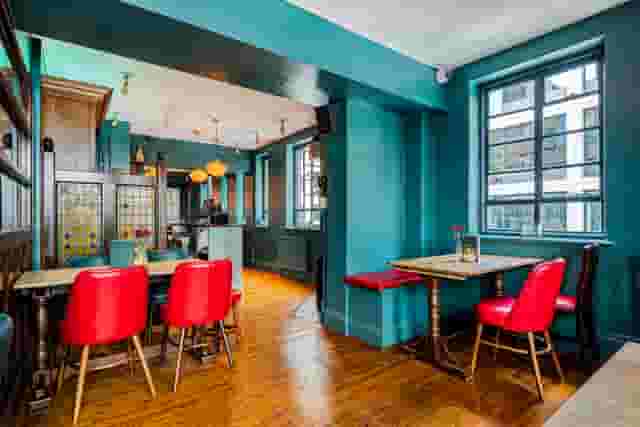
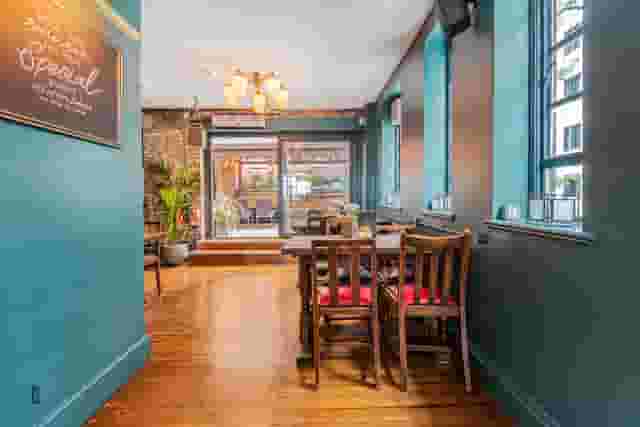
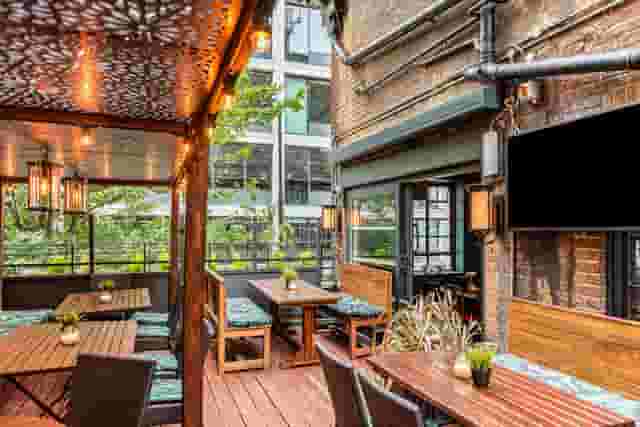

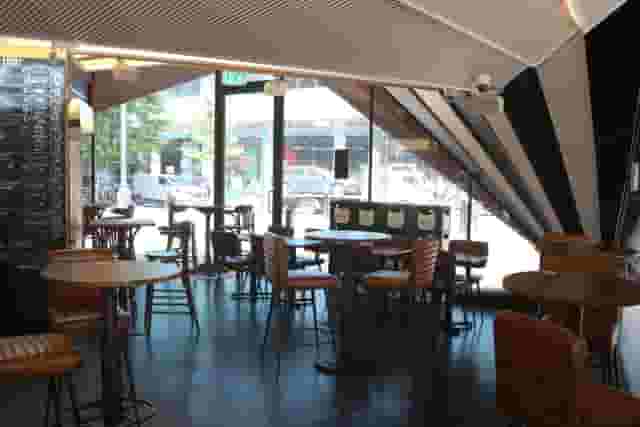
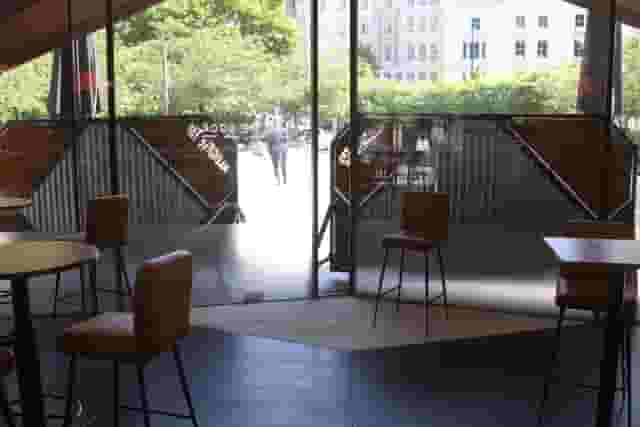
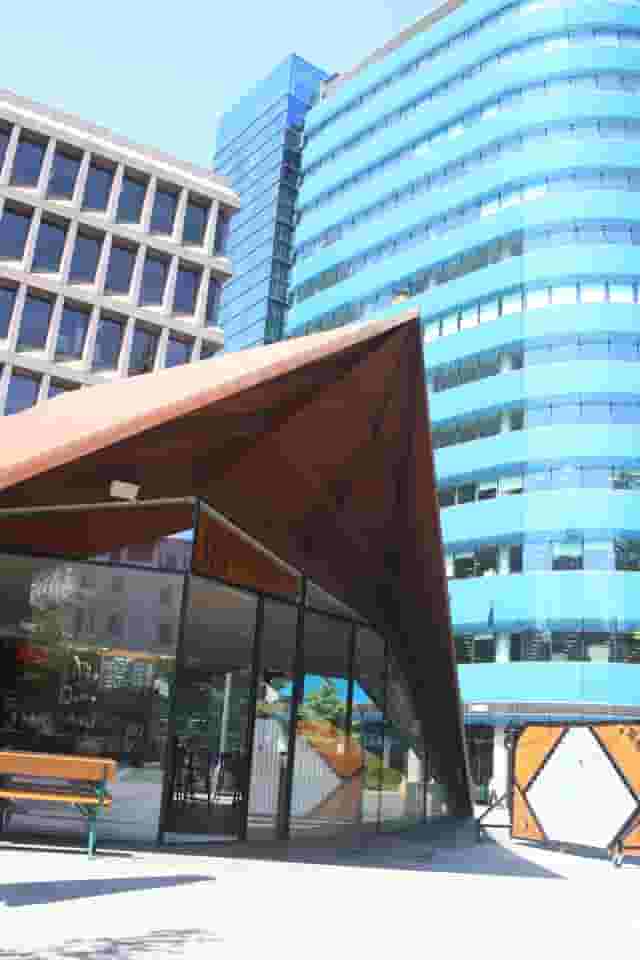


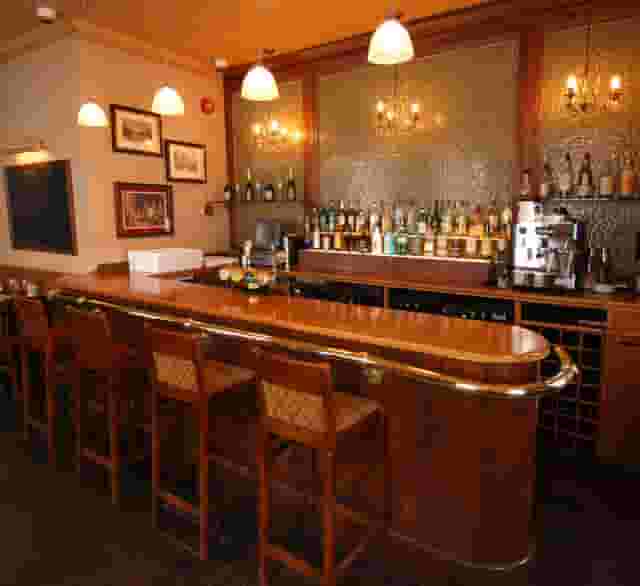
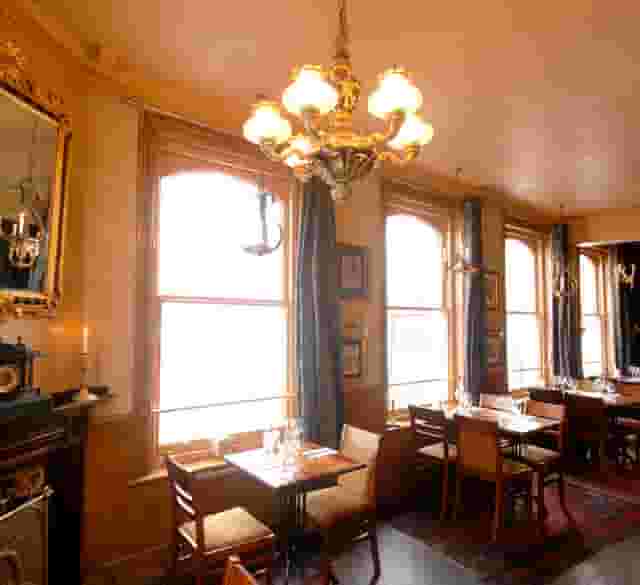
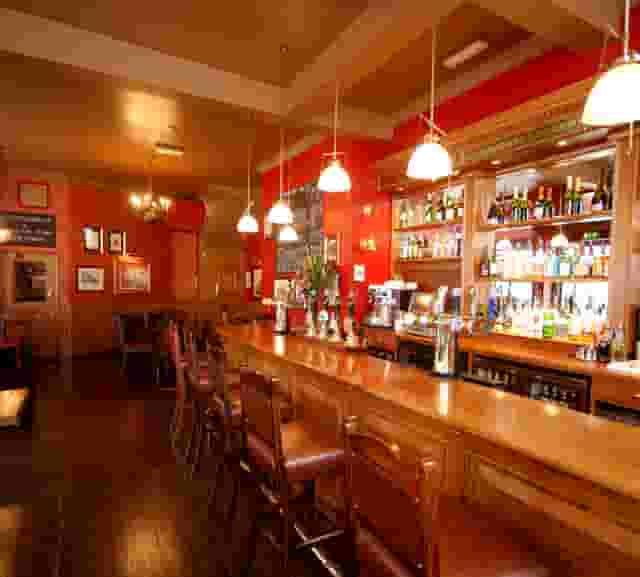
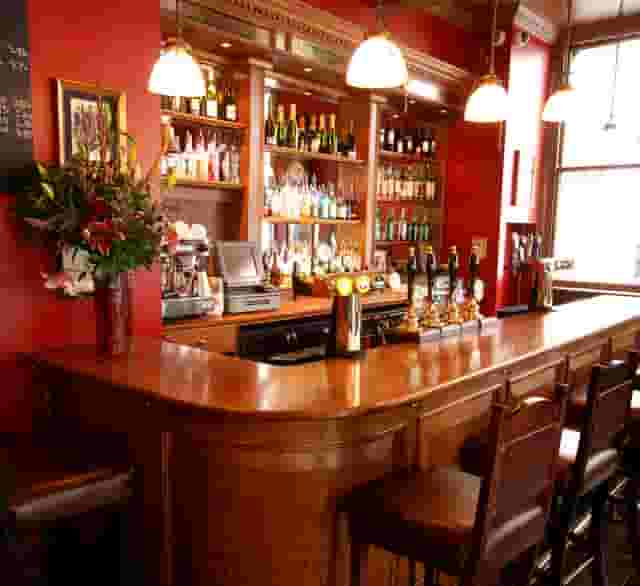




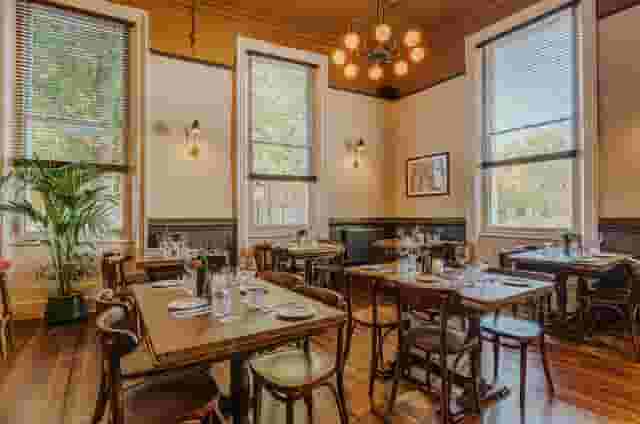
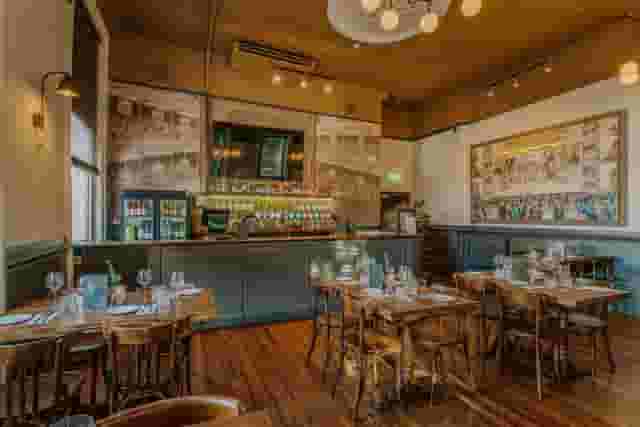
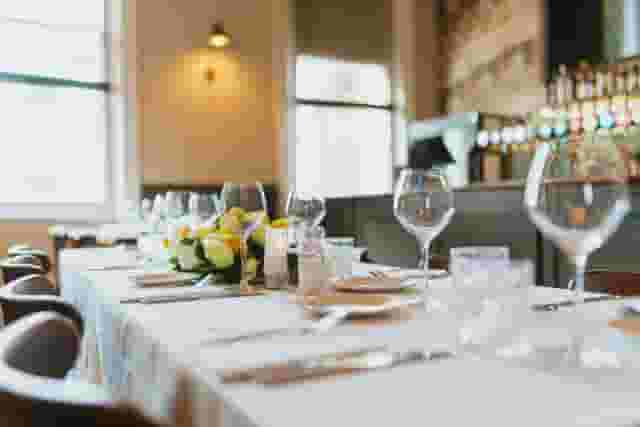
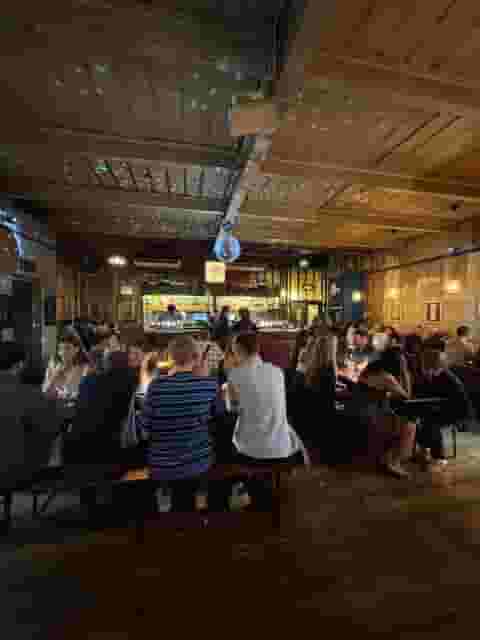


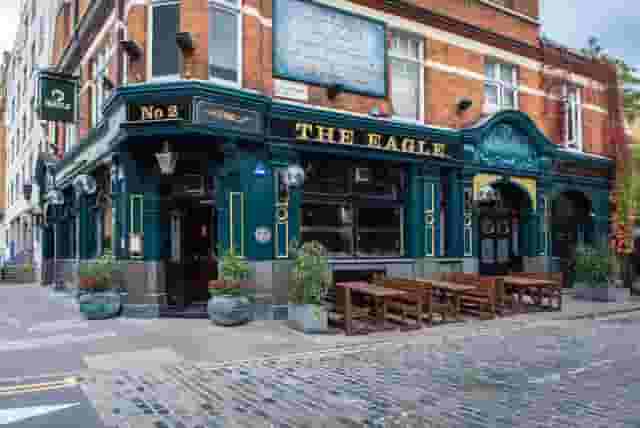
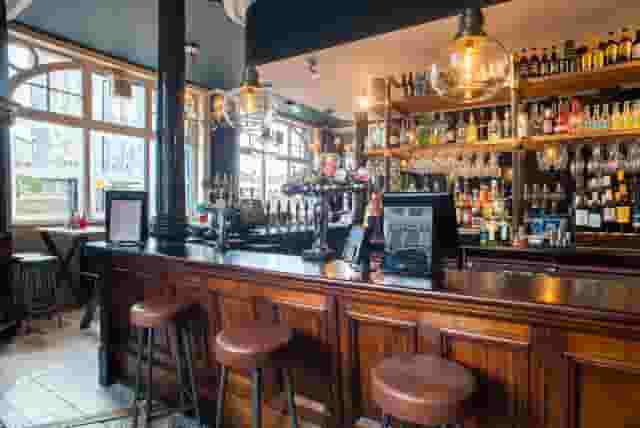
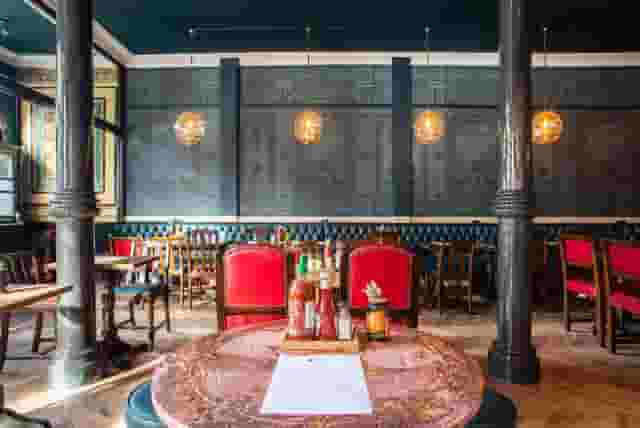
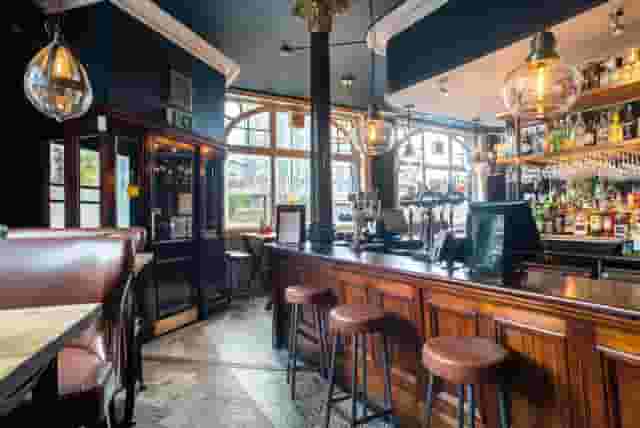




No venues match these filters
Try widening your capacity, luxury level or event type.
Don't have time to search? We'll find it for you.
For business events that need human judgement, talk to our team. Free for events of 100+ people, budgets over £10k or ongoing programmes.




Explore more venues in London
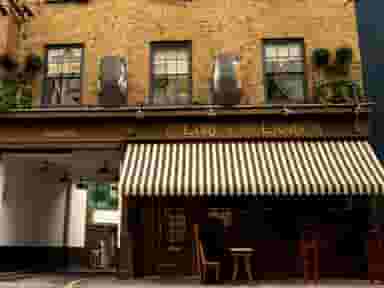
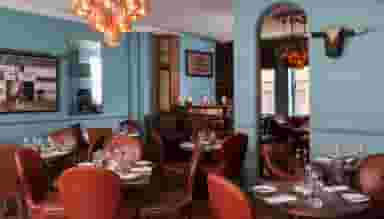
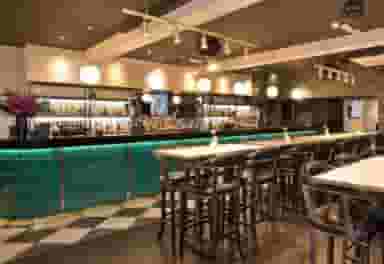









Frequently asked questions
Are ETM venues suitable for large meetings?
How to select an ETM Group venue for a wedding?
What tech should I expect at ETM venues?
Can I host a corporate event at an ETM venue?
Other platforms search their database. We search everything.
Tell us what you need. Our deep research finds any venue, whether it's in our marketplace or not. No one else does this.
About ETM Group in London
Booking a pub or restaurant space for a company event comes down to balancing two priorities: high-calibre hospitality and the practical mechanics of a working corporate function. Modern hospitality groups across London have adapted their premises to bridge this divide. Instead of sterile hotel suites or echoing community halls, these properties combine established commercial kitchens, professional cellar setups and private rooms designed for corporate entertainment.
Securing the right outcome requires looking past the surface decor. You need to inspect operational capacity, audio-visual limitations, kitchen logistics, acoustic barriers and minimum spend thresholds. Understanding how these hospitality operations function behind the scenes will save your team time, preserve your budget and ensure your colleagues or clients enjoy a properly organised event.
Matching the venue style to your event format
The primary decision is whether your event requires exclusive takeover of a building or a dedicated private hire room. Pub and restaurant collections offer both models, but each carries specific commercial and operational consequences.
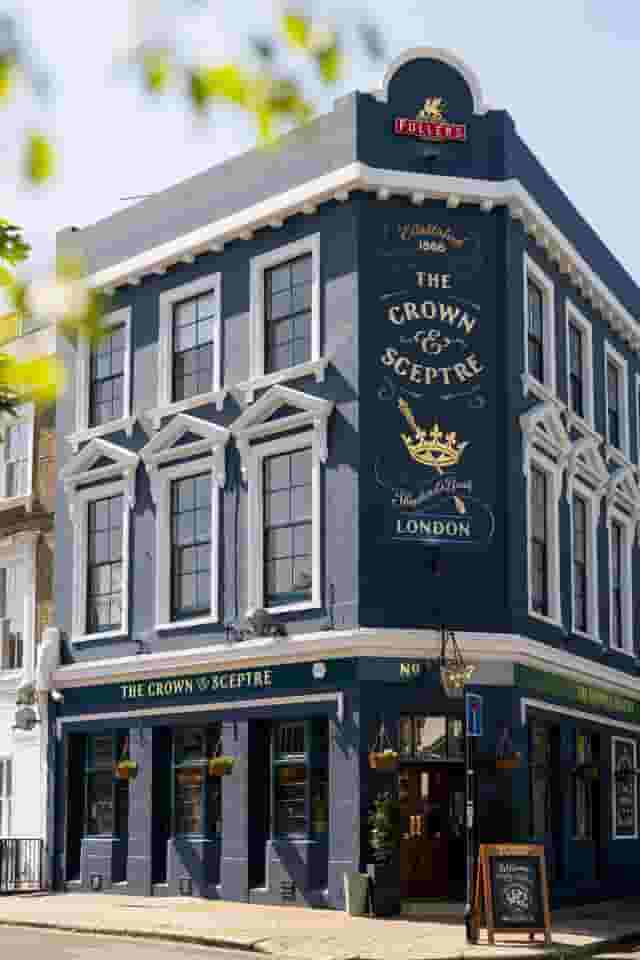
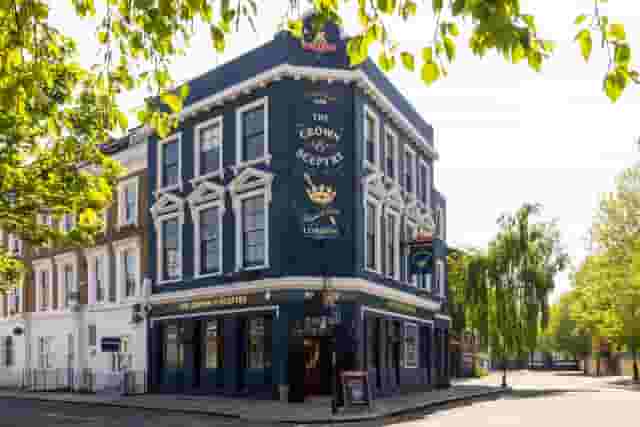
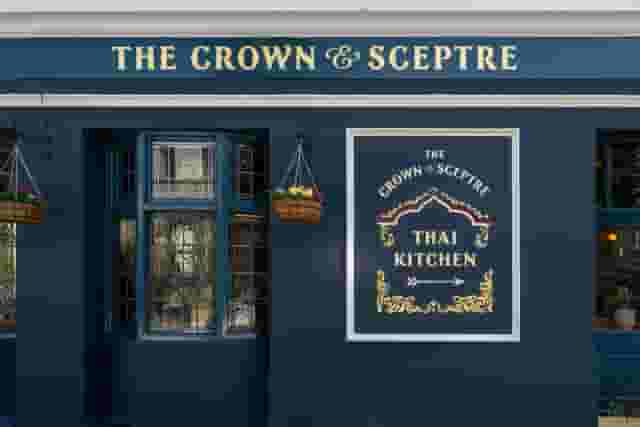
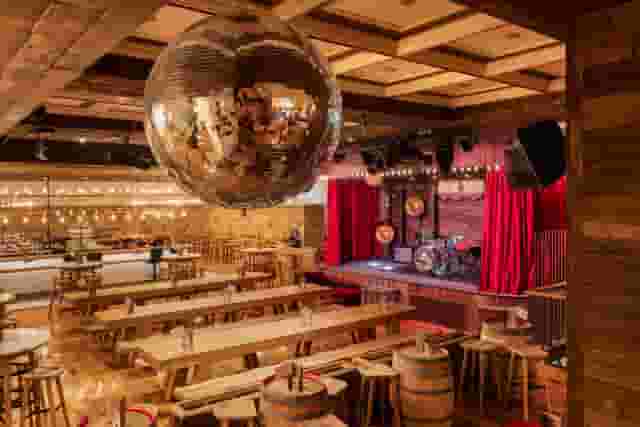
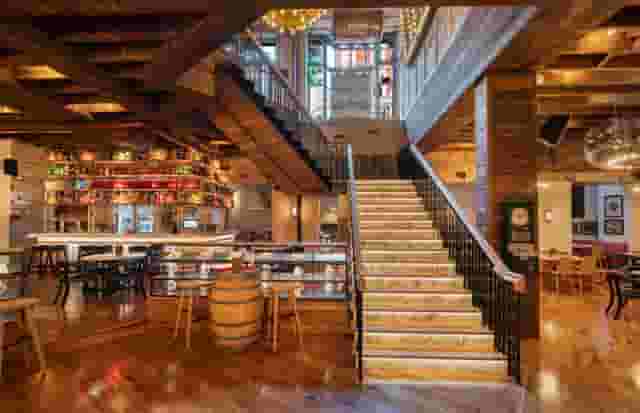
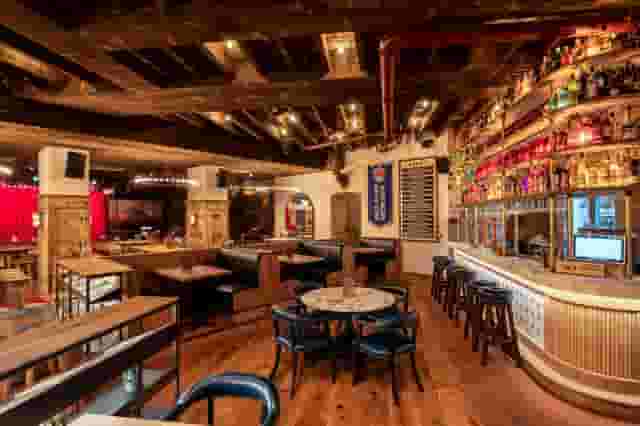
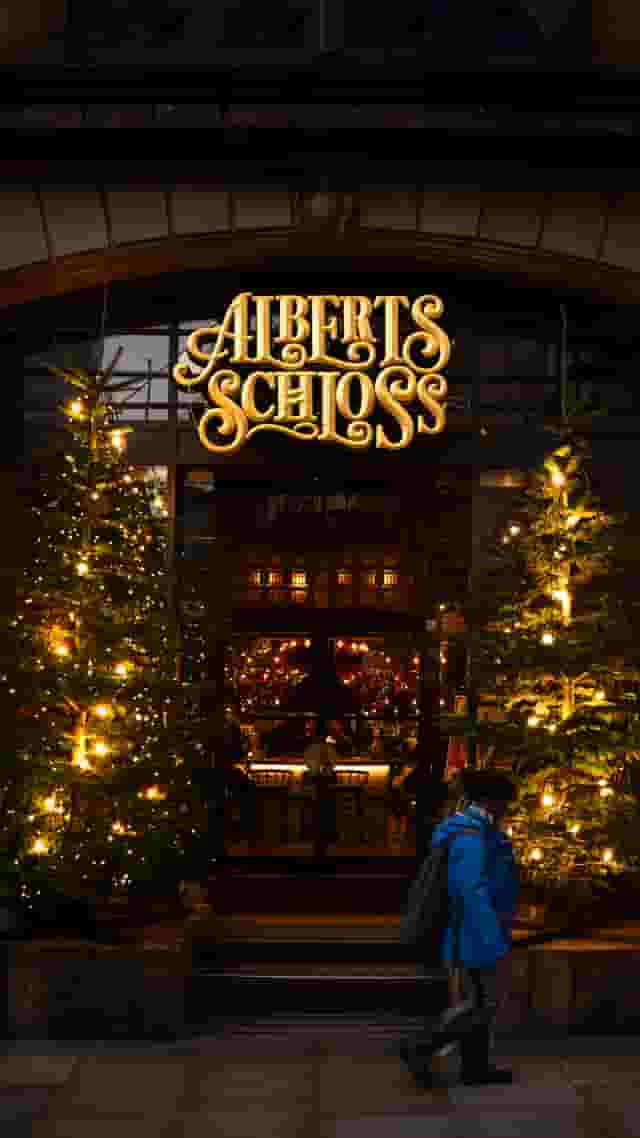
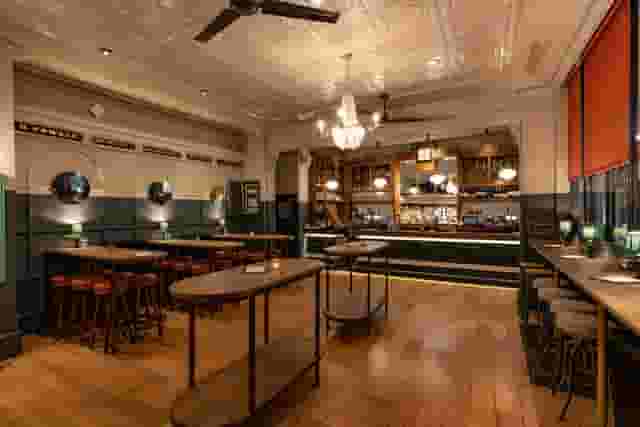
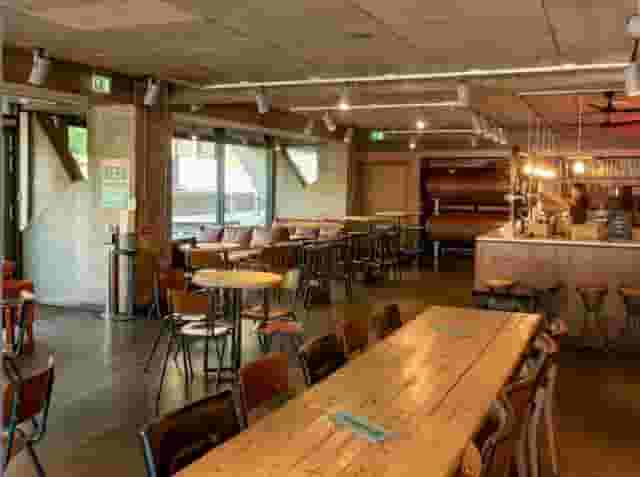
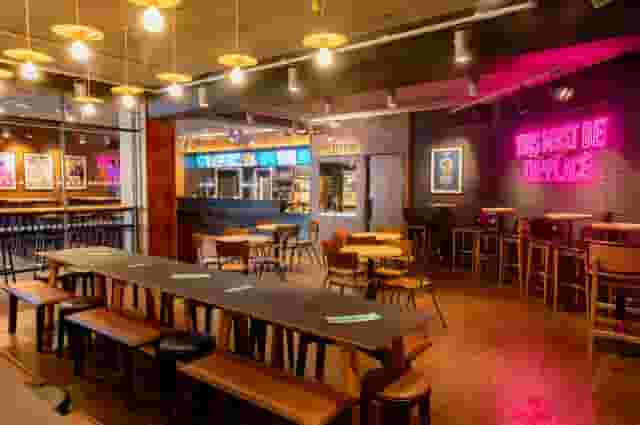
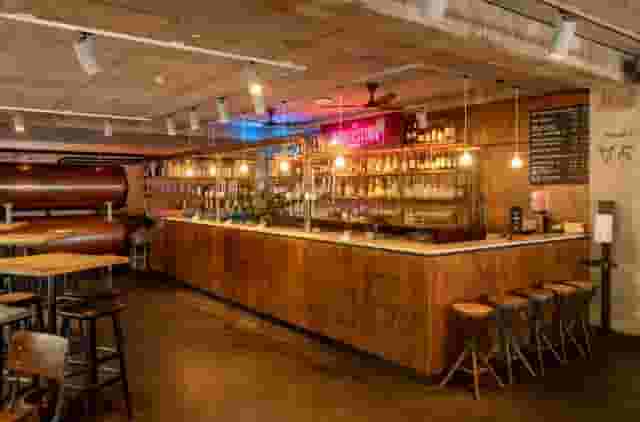
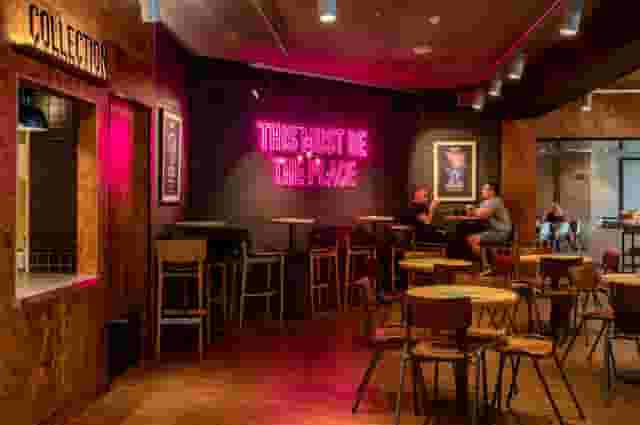
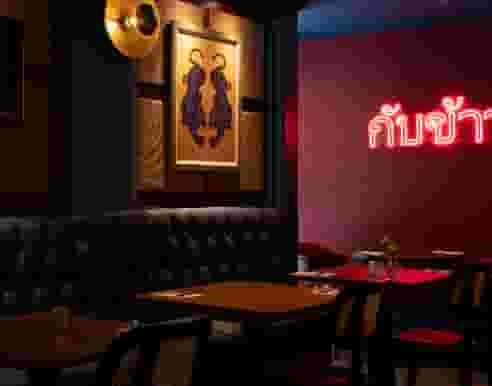
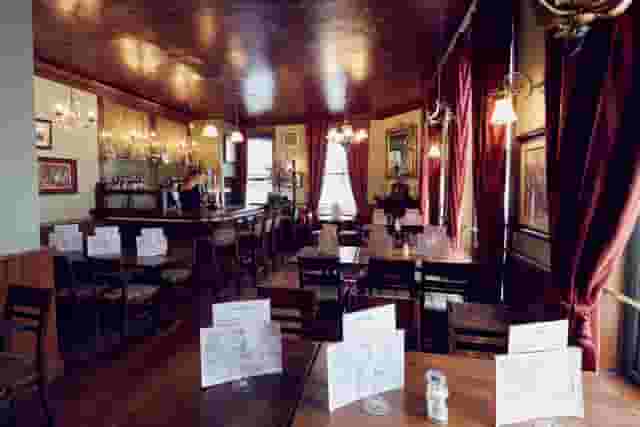
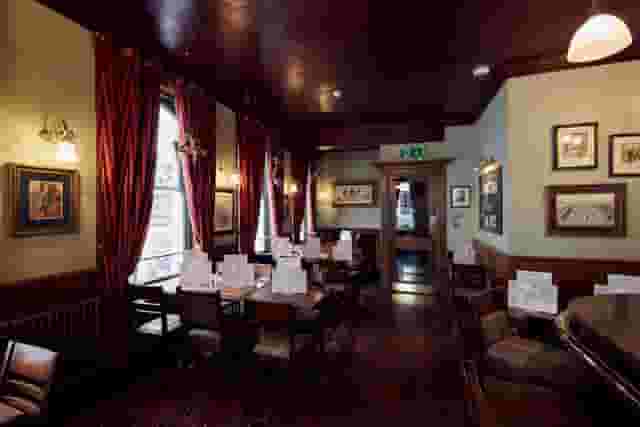
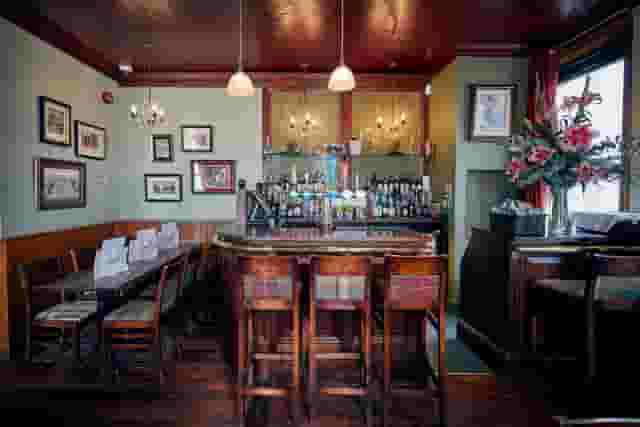
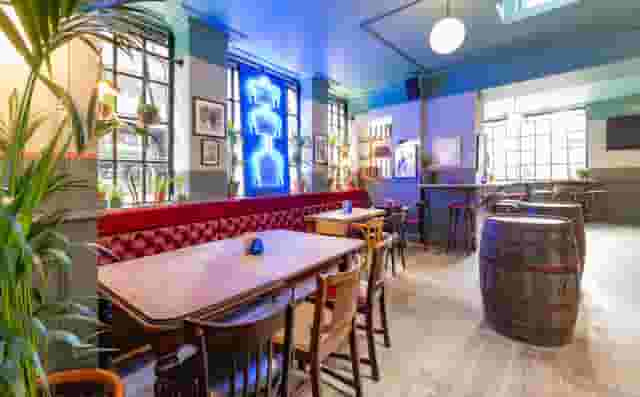
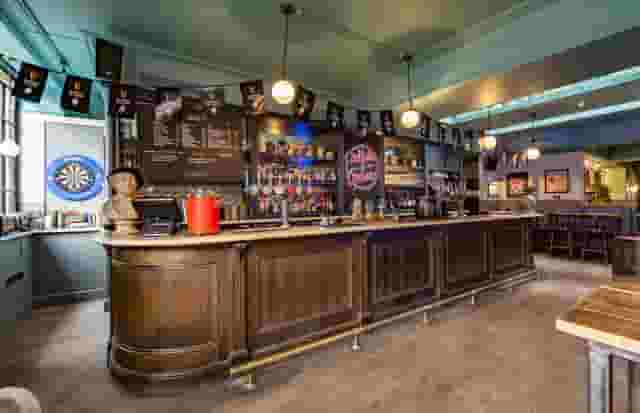
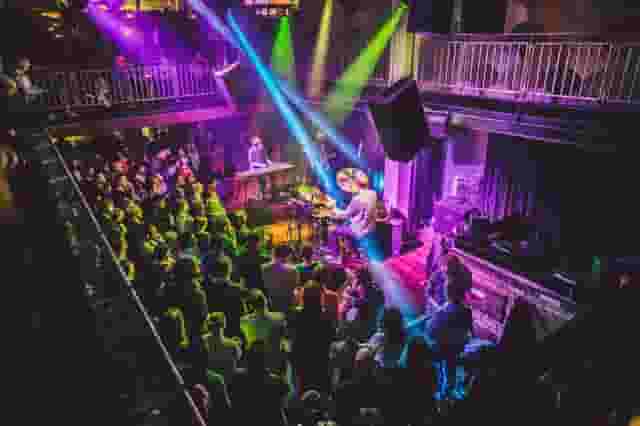
For company-wide celebrations, product reveals or summer parties where guest lists run into the hundreds, an exclusive venue hire guarantees complete privacy, total control over the atmosphere and unrestricted access to the bar and floor staff. A whole-venue takeover at a large West End beer palace like Albert's Schloss Soho, which holds up to 650 guests standing, provides substantial space for large headcounts, entertainment programming and structured catering rotations. Similarly, hiring Big Easy Covent Garden, with capacity for 300 standing guests, provides an industrial, high-energy environment supported by an established barbecue kitchen and infrastructure for live music. Further west, taking over The Crown & Sceptre in Shepherds Bush gives up to 200 guests access to a pub setting with an outdoor garden, screen facilities and an on-site Thai kitchen.
Exclusive buyouts demand higher minimum spends because the venue forfeits its standard walk-in and table-booking trade. When your headcount sits between 20 and 100 people, private function rooms and dedicated floors within multi-level properties make far more practical sense. To evaluate suitable rooms without waiting days for replies, venue booking platform Hire Space combines data-led sourcing with a team of real people who help manage the outcome. It gives instant, data-backed price estimates based on real booking data, and shows confirmed availability for work events of 100 guests or more.
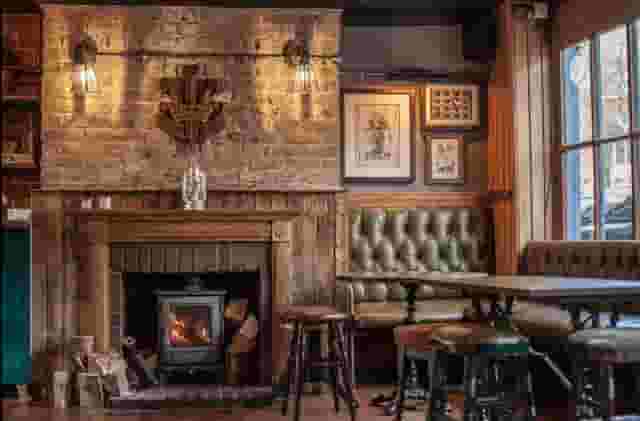
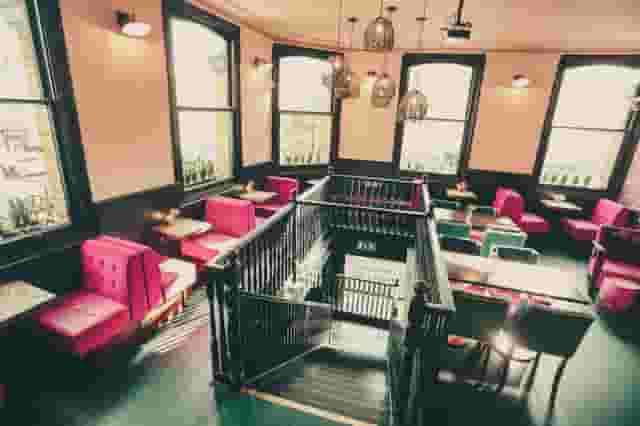
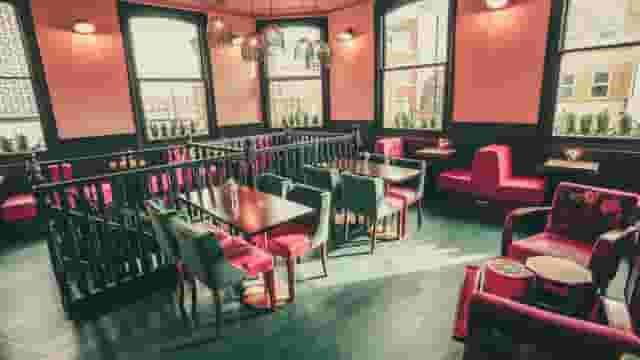
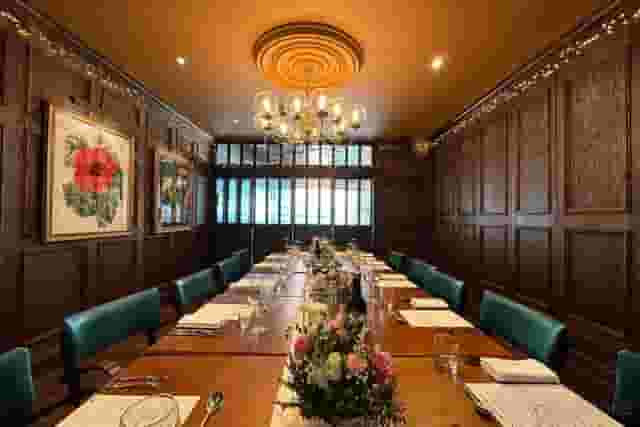
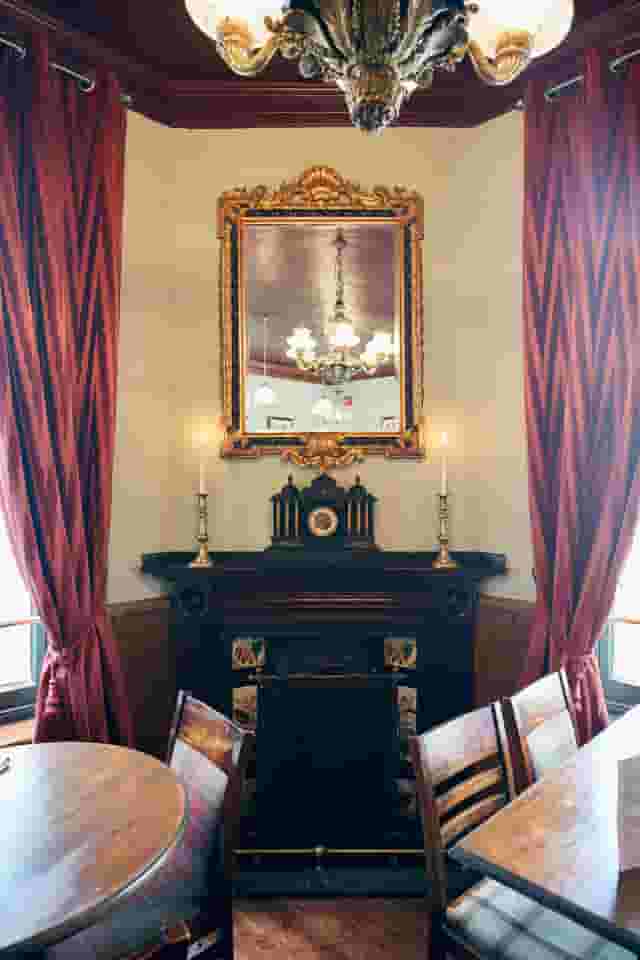
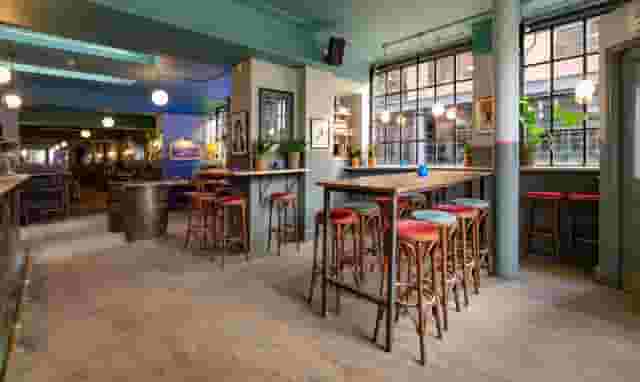
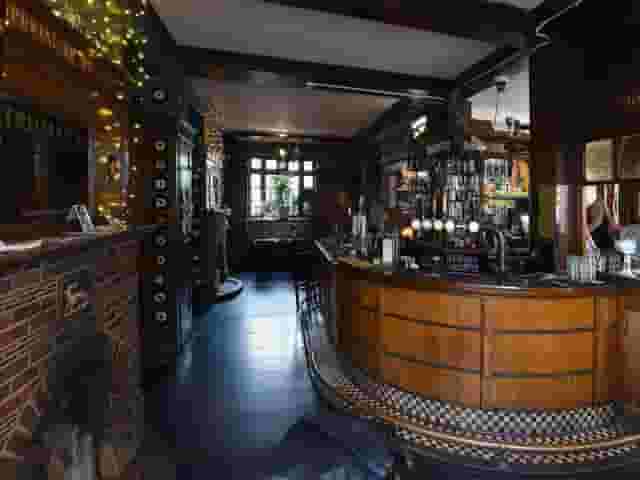
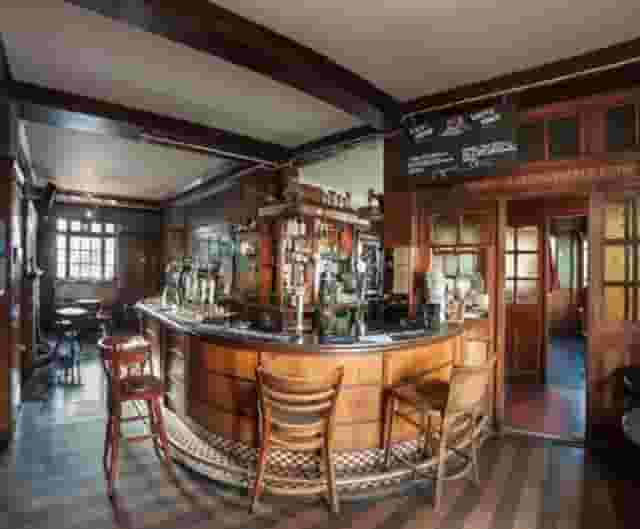
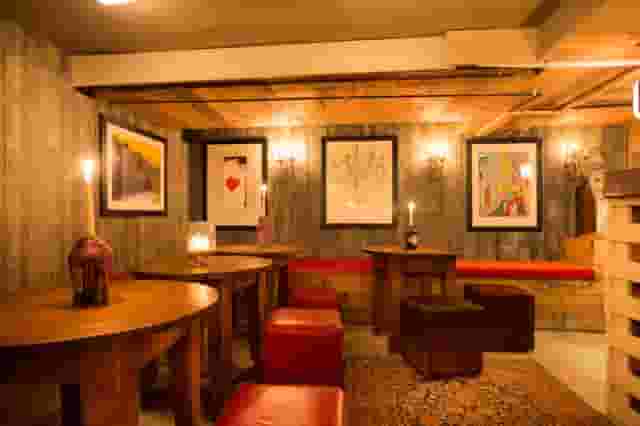
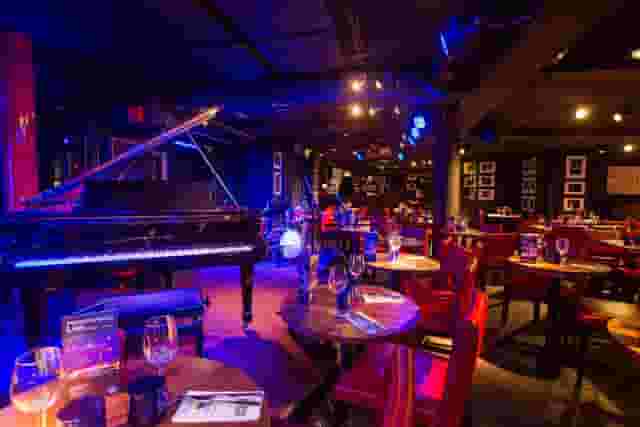
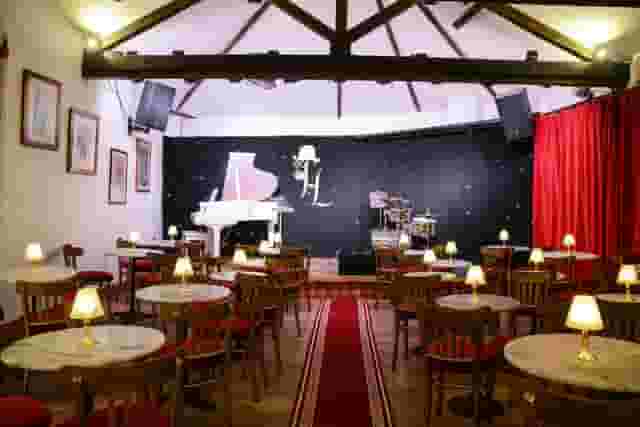
Subterranean cocktail bars, mezzanine floors and mezzanine dining rooms allow you to run an intimate, focused gathering while still drawing on the energy and back-of-house power of a larger hospitality venue. The cellar bar at The Sir Christopher Hatton in Hatton Garden accommodates up to 100 guests for a private reception, insulating your party from the ground-floor pub bustle while retaining dedicated bar service. If you are planning an executive dinner or small team celebration with a distinct culinary focus, a private room at Los Mochis London City accommodates 30 standing guests with views across the capital alongside Mexican and Japanese menus.
If your event leans towards formal dining rather than casual drinks, look closely at our curated notes on the Top 7 Central London Private Dining Venues and our selection exploring Taste the Luxury with These Top Private Dining Rooms. Both outline how room layouts alter conversation flow and meal pacing.
| Venue | Primary Location | Max Capacity | Ideal Event Format |
|---|---|---|---|
| Albert's Schloss Soho | Soho | 650 standing | Large company parties and high-headcount socials |
| Big Easy Covent Garden | Covent Garden | 300 standing | Lively receptions with live music and casual dining |
| The Crown & Sceptre | Shepherds Bush | 200 standing | Team socials, casual mixers and screenings |
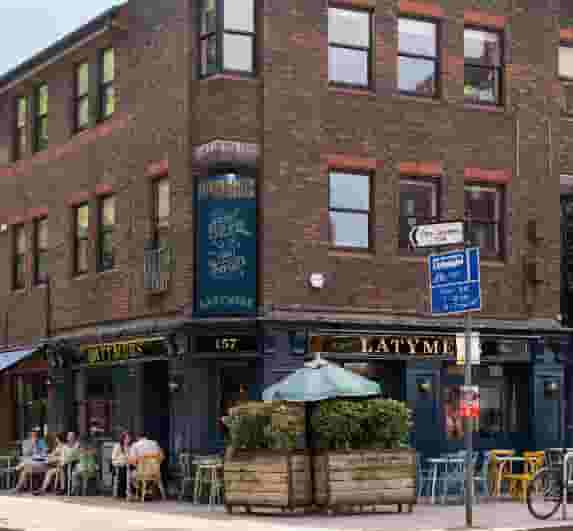
| The Sir Christopher Hatton | Hatton Garden | 100 reception | Private drinks receptions and subterranean networking |
| The Angel | Old Street | 70 buffet | Hybrid meetings, tech socials and sports screenings |
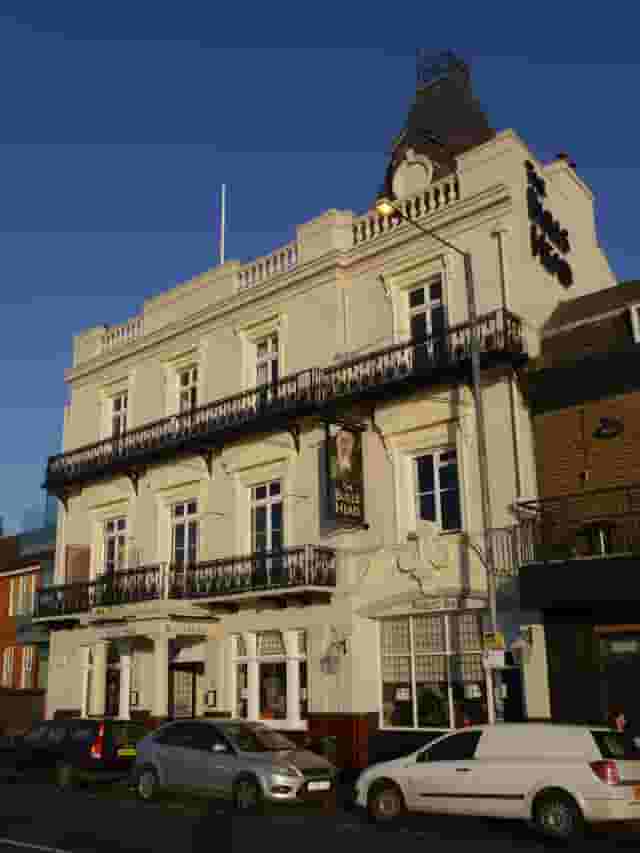
| The Bull and The Hide | Liverpool Street | 55 buffet | Board meetings, client roundtables and away days |
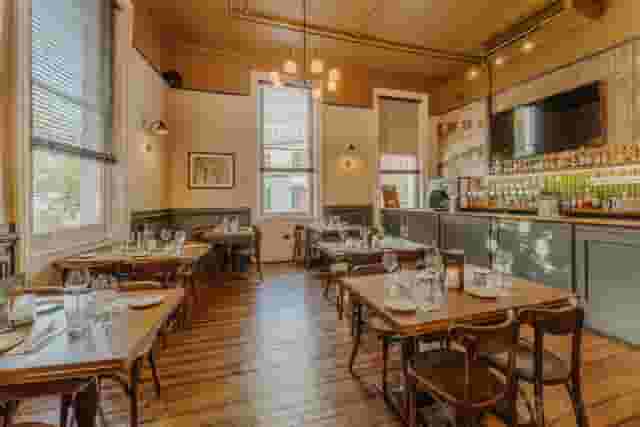
| Los Mochis London City | City of London | 30 standing | Intimate client dining and leadership receptions |
Managing sound, presentations and technical setups
The most frequent mistake in booking pub and restaurant function rooms for corporate functions is assuming their commercial sound and visual systems will automatically handle professional presentations.
A hospitality sound system is typically balanced to push ambient background music evenly into every corner of the room to encourage social conversation. That setup is completely different from a presentation rig designed for vocal intelligibility. If your event includes a quarterly review, an awards speech or an executive presentation, you must inspect the technical inventory during your site visit.
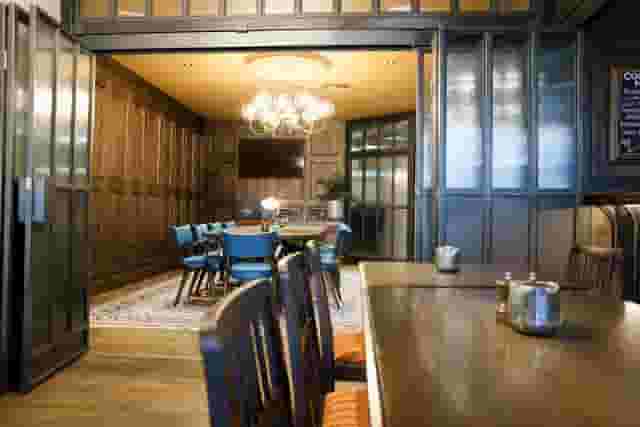
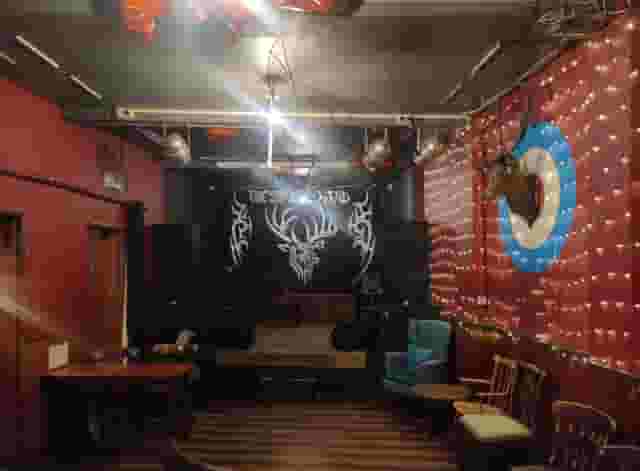
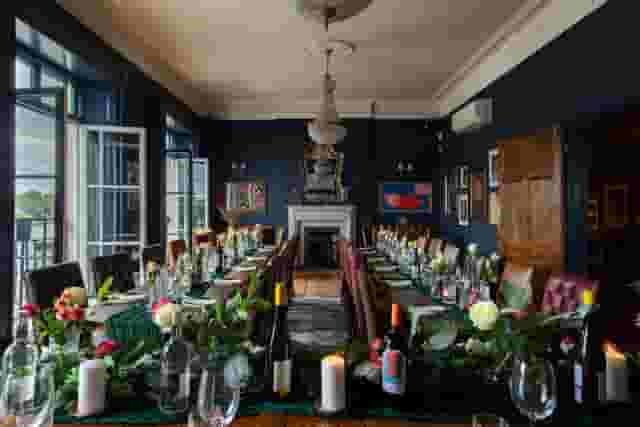
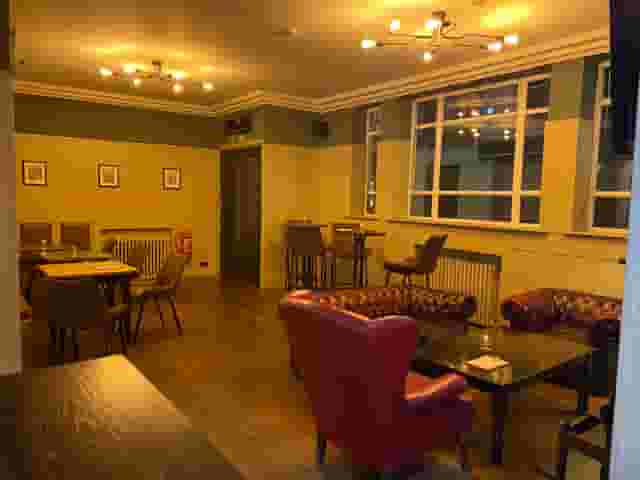
Private function rooms at The Bull and The Hide near Liverpool Street are configured directly for business use. Accommodating up to 55 guests in a buffet format, the room includes a built-in projector, versatile furniture configurations and a dedicated Sonos sound system, making it practical for daytime off-sites that transition into evening networking drinks. Similarly, The Lounge at The Angel near Old Street can hold up to 70 guests for a buffet or 45 seated, providing an independent private bar, integrated screens, private music control and a portable PA system for announcements.
When reviewing a space for hybrid functions or technical delivery, always audit five specific areas:
Visual hardware and sightlines
Inspect whether screens are consumer-grade televisions or professional displays with proper input distribution. Check that sightlines from all angles of the room are clear. In older or listed London buildings, supporting pillars, low ceilings and alcoves can obstruct the view for a third of your attendees. If you have guests seated along narrow walls, ask for secondary repeater monitors.
Audio clarity and music controls
Ask where the volume control sits and whether your space has an independent audio zone. In multi-level venues, sound leakage from the main bar beneath or above can ruin a presentation. Confirm whether the room accepts independent input from a laptop, tablet or phone, and verify whether the venue provides handheld or lapel microphones. If you need background music after your presentations, check whether you can run your own playlist or if the room is locked into the venue's house audio loop.
Power distribution and connectivity
Older pubs often feature limited electrical sockets, frequently tucked away behind fixed banquette seating. For daytime workshops where attendees need laptop power, establish whether the venue can provide safe, taped cabling and distribution boards. Reliable, high-capacity Wi-Fi is equally non-negotiable. Do not rely on open public networks; insist on access to the venue's secure administrative network or a dedicated corporate guest VLAN.
Lighting adaptability
Many evening-focused pubs and subterranean lounges operate on low, warm lighting circuits that cannot be adjusted upwards. If your team needs to review printed materials, collaborate on whiteboards or present slides, dim mood lighting will leave attendees struggling. Ensure the room features dimmable, daylight-balanced zones so you can raise light levels during working hours and lower them for the evening reception.
Food service styles and structuring the drinks reception
Food and drink service in hospitality venues requires careful scheduling. Unlike purpose-built conference centres that clear buffet tables in twenty minutes, restaurant kitchens must balance your group catering alongside standard floor service, unless you have secured full venue exclusivity.
For standing gatherings of 80 to 200 guests, tray-passed canapes and bowl food are substantially more effective than fixed buffet tables. Buffets create immediate choke points in private rooms, pulling guests out of conversation and leaving long queues near the serving area. Bowl food, by contrast, delivers hot, restaurant-quality dishes directly into the crowd. Plan for four to five savoury bowls per person if your event replaces dinner, supplemented by three to four lighter canapes during the first hour.
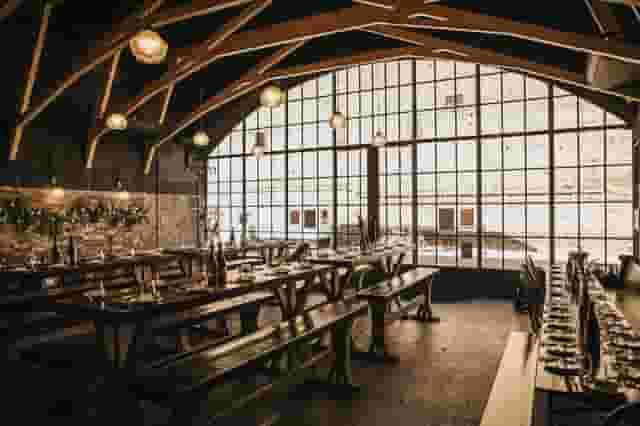
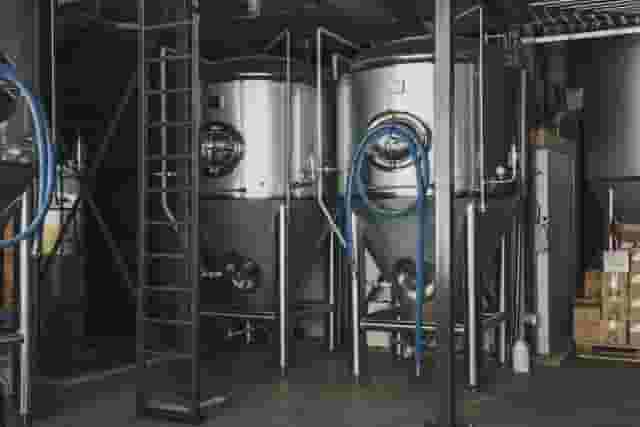
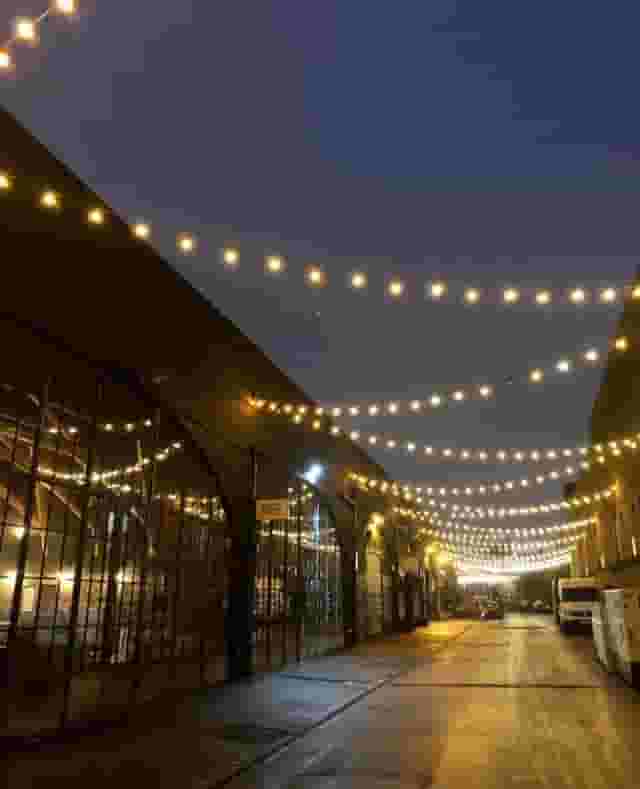
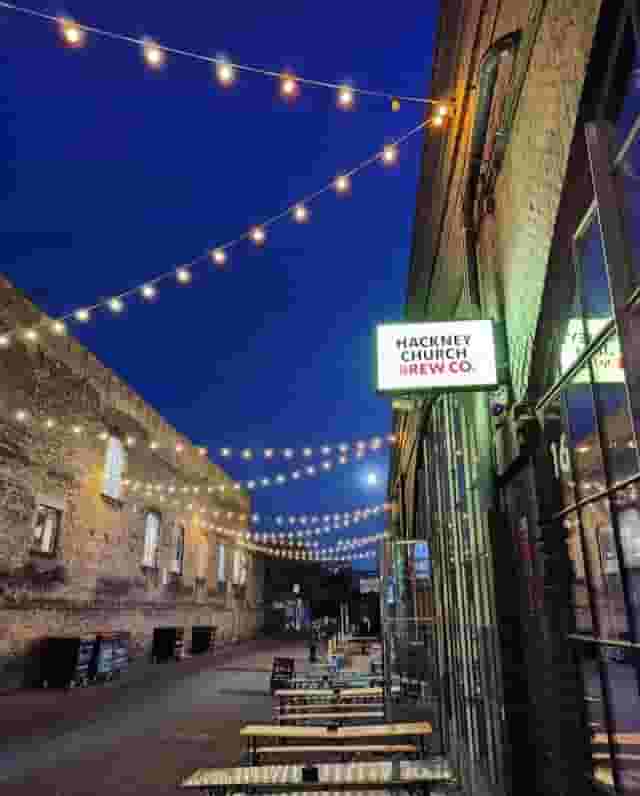
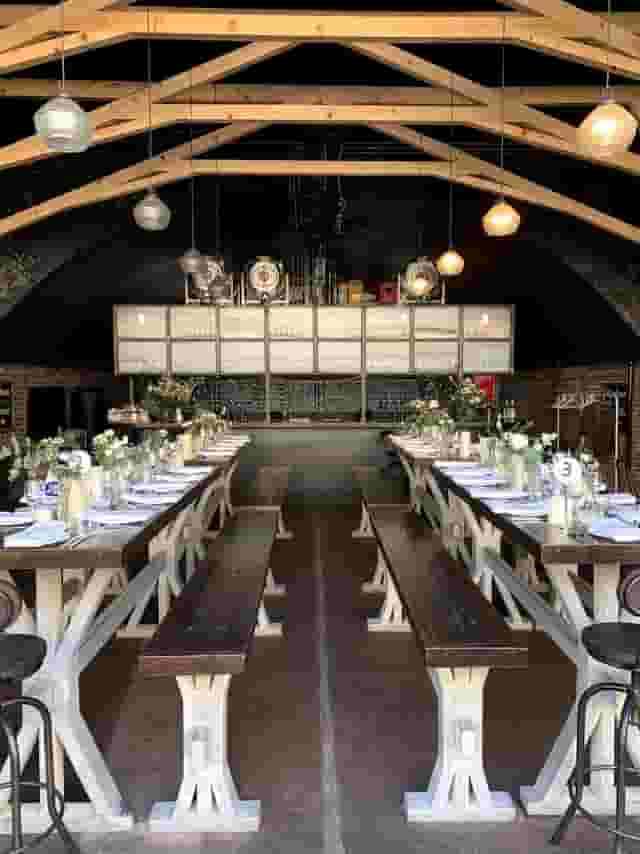
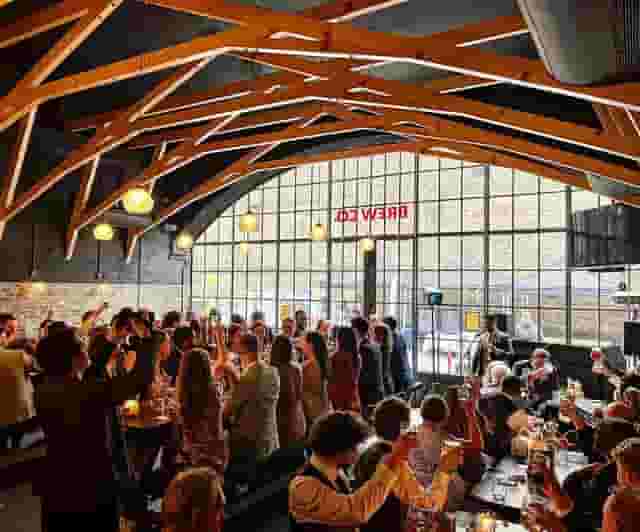
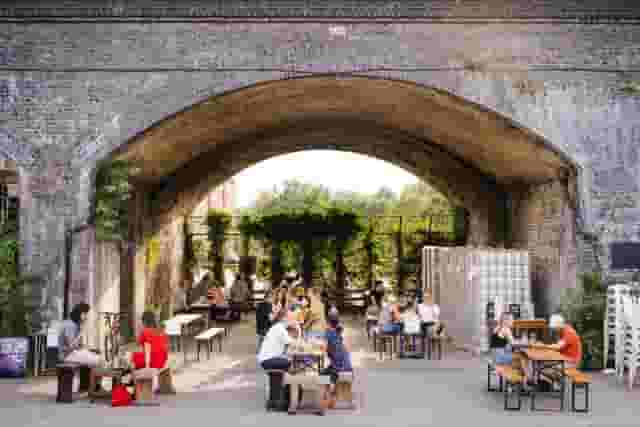
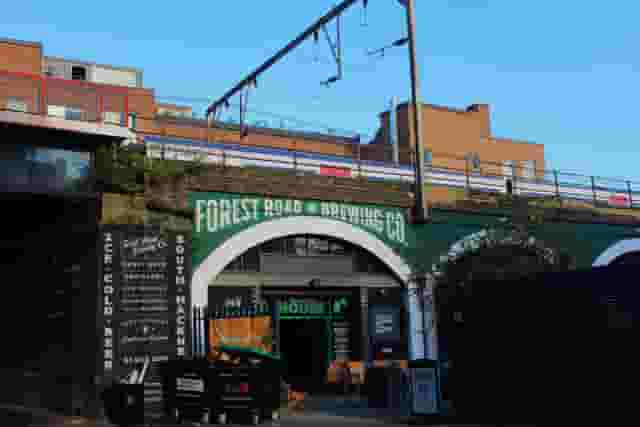
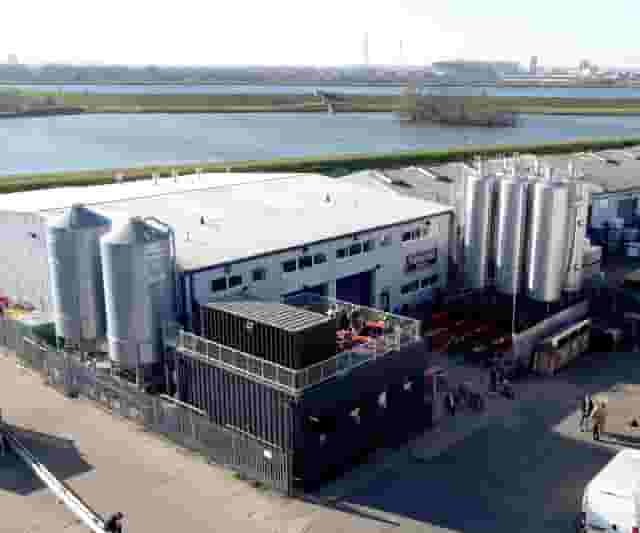
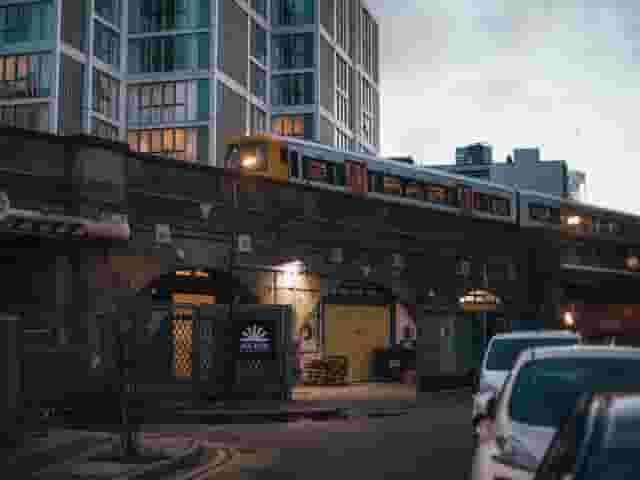
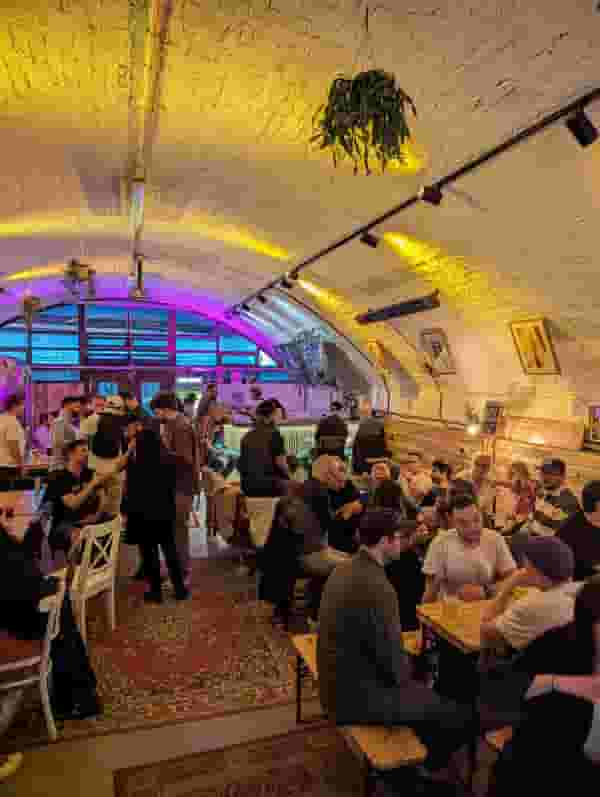
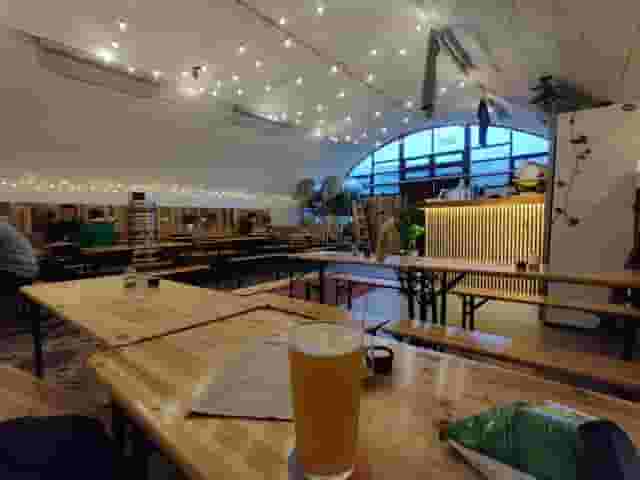
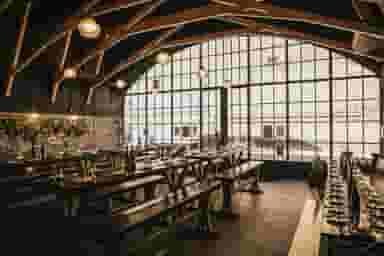
Alternative venues with on-site production, such as Hackney Church Brew Co. in Hackney, offer a distinct catering rhythm. Accommodating up to 150 guests standing inside renovated railway arches, this space pairs industrial proportions and natural daylight with brewery-direct service, offering a relaxed environment well suited to informal celebrations and creative company socials.
When structuring beverage packages, avoid running an open bar with unconstrained selection. Open bars without limits lead to sudden budget spikes, slow bar service and uneven spending. Work with the venue to agree on a pre-selected menu:
- Reception drinks: Arrange for sparkling wine, draught beer or a single seasonal cocktail to be tray-served as guests arrive. This disperses the initial crowd away from the bar counter immediately.
- Curated wine and beer list: Restrict complimentary selections to two white wines, two red wines, a prosecco or champagne, and the venue's core draught taps. Limiting the menu keeps pouring times fast and costs predictable.
- Non-alcoholic provision: Provide quality soft options that go beyond tap water and commercial soda. High-end low-alcohol beers, infused cordials and craft sodas are now standard corporate expectations.
- Capped tabs with notifications: If running on consumption rather than a fixed per-head package, set a clear monetary ceiling. Instruct the floor manager to notify your designated event lead when spending reaches 75% and 90% of the agreed cap, giving you time to authorise an extension or close the tab cleanly.
Commercials, minimum spends and budgeting realities
Most private pub and restaurant rooms in London operate on a minimum spend structure rather than a dry room hire fee. Under this model, you agree to spend a contracted amount on food and drinks across the duration of your booking. If your group fails to meet the threshold, the shortfall is charged to your card as a room fee. Hire Space 360 is enterprise venue and hotel procurement for companies spending £1m or more a year on meetings and events: a managed meetings and events programme, the kind procurement teams call strategic meetings management. It puts every booking and minimum spend commitment on one agreement with a single supplier, ensuring company gatherings stay within event policy while replacing separate venue bills with consolidated invoicing. Finance and procurement teams also get live spend reporting with full audit trails, backed by dedicated event sourcing experts who handle terms and negotiations.
Minimum spend amounts are heavily driven by the day of the week, the time of day and the season:
| Timing Factor | Impact on Spend Requirements | Operational Considerations |
|---|---|---|
| Monday to Tuesday | Lowest minimum spend demands | Venues are eager to fill quiet days; better room options and flexible terms. |
| Wednesday to Thursday | Peak corporate demand | High competition across the City and West End; early contracting essential. |
| Friday daytime | Moderate to low demand | Useful window for day off-sites, though evenings fill rapidly with social trade. |
| November to December | Maximum seasonal surge | Peak festive pricing applies; strict cancellation terms and pre-order deadlines. |
| Dry hire vs package | Varies by venue licence | Packages simplify budgeting; minimum spends offer menu flexibility. |
To make your budget stretch further, pay close attention to the additions that sit outside the headline spend figure:
- Discretionary service charge: Central London venues routinely add 12.5% to 15% service charge to food and drink tallies. Crucially, in many contracts, service charge does not count towards fulfilling your minimum spend target. Confirm whether service contributes to the minimum threshold before signing.
- Catering pre-order wastage: When ordering fixed-price menus for seated dining, venues require final guest counts and menu choices between 7 and 14 days before the event. Any dropouts after that deadline are charged at full price. Always track RSVP deadlines ruthlessly within your company.
- Security fees: If your private gathering runs late into the night, exceeds 100 standing guests or features live entertainment, local licensing authorities may compel the venue to deploy registered door supervisors. These are typically billed to the client at an hourly rate per guard.
- Audio-visual hire fees: While basic screens or local PA systems are often included in room hire, specialist hardware such as wireless roving microphones, staging or technical staffing will appear as separate, non-spend-qualifying charges.
Timings, licensing and getting guests home
A well-planned corporate event considers how attendees arrive, how the schedule runs and how everyone gets home safely. Pub and restaurant venues are bound by local council premises licences that govern alcohol service, entertainment permissions and outdoor terrace curfews.
When reviewing a contract, check the licensing cut-off rather than the venue's advertised closing time. In residential areas, council regulations frequently mandate that outdoor terraces, courtyards and beer gardens close by 21:00 or 22:00 to minimise neighborhood noise. If your plan involves a summer drinks reception on an outdoor patio, confirm the exact hour your party will be moved indoors.
Similarly, last orders at the bar are often called 30 to 45 minutes prior to building closure, with music systems turned down 20 minutes before guests are asked to vacate. If you plan an evening running until midnight, clarify whether that marks the bar closure or the moment your guests must be out of the building.
Transport connectivity must factor into your final location choice. Venues within a five-minute walk of major London Underground interchanges, Elizabeth Line hubs or main railway terminals ensure strong attendance and a low friction departure at the end of the night.
Ensure your post-event logistics account for night travel options, particularly for team members heading outside central zones. Providing clear directions, nearby station information and taxi pickup points on the event invitation helps maintain a professional, well-managed experience from arrival right through to the end of the night.
What our customers say
Inspiration and planning guides

This Is Why London Has Such Unique Venues
At Hire Space, unusual venues [https://hirespace.com/Browse/Unusual-Event-Venues-London] are the name of the game. Passion to find a unique venue for an event seems to be unabated in London, but it's of little surprise when taking into account all the amazing spaces the capital has to offer. But just why is London filled with so many unusual venues for hire? We investigated: Romans, Saxons, Normans, Tudors and Stuarts. The Black Death, two World Wars and one Great Fire. London has seen it a

EventLAB Series: Introducing the Event
We're very excited to introduce EventLAB [https://eventlab.online/], our first two-day event designed to take event professionals through every step of the event planning process. We'll be bringing you the latest updates in the run-up to the event in our 'EventLAB Series' [https://hirespace.com/blog/tag/eventlab//], including relevant content and a little glimpse of the speakers, workshops and themes that will feature at the event. In the first instalment, we’ll explain all there is to know a

6 Reasons Why Venues Should Join Hire Space
Four years ago, we launched Hire Space to connect event venues with new customers easily via our online platform and Venue Expert service. We've come up with 6 reasons why Venue Managers might like working with Hire Space, and why venues should join the club [http://bit.ly/2kQaHEd]! 1. Best SEO in the Industry = High Web Traffic Our Marketing team has enhanced our site visibility on search engines and as a result 1.3M customers visited our web site in 2016 (7% higher than the previous year). Ou
One supplier. Every venue. Full visibility on what you spend.
Multiple venues and events. One agreement.