Modern Conferences in Oxford
Discover modern conference venues in Oxford, UK, with advanced facilities for a seamless professional event experience.
11 Modern Conferences in venues in Oxford











No venues match these filters
Try widening your capacity, luxury level or event type.
Don't have time to search? We'll find it for you.
For business events that need human judgement, talk to our team. Free for events of 100+ people, budgets over £10k or ongoing programmes.




Explore more venues in Oxford


Frequently asked questions
Are Oxford venues near public transport?
How to ensure privacy at Oxford venues?
Can Oxford venues host large conferences?
What tech should Oxford venues provide?
What's unique about Oxford conference venues?
What tech capabilities are standard in Oxford modern conference venues?
How can event planners boost engagement in Oxford conference spaces?
How do Oxford conference venues manage flexible event layouts?
What adaptable room setups do modern Oxford venues offer?
What factors should be considered when selecting an Oxford conference venue?
What power and connectivity solutions are available in Oxford venues?
What are typical delegate day rates in Oxford for modern conferences?
How crucial is high-quality AV equipment for Oxford conferences?
Which Oxford areas provide best access for conference attendees?
Other platforms search their database. We search everything.
Tell us what you need. Our deep research finds any venue, whether it's in our marketplace or not. No one else does this.
About Modern Conferences in Oxford
Selecting the Ideal Modern Conference Venue in Oxford: Balancing History with Innovation
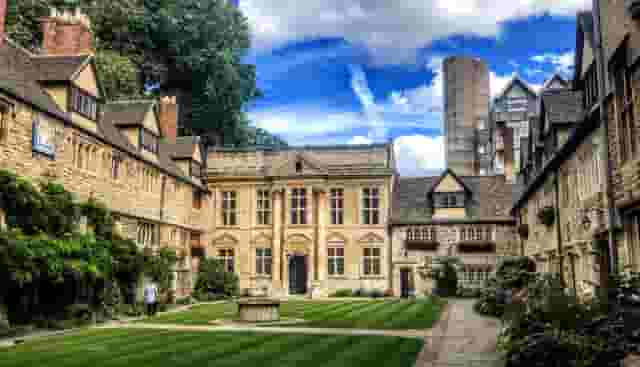
When organising a conference in Oxford, selecting the ideal modern venue requires a harmonious balance between the city's historic charm and the innovative features necessary for a contemporary event. Oxford, with its prestigious academic heritage, offers a unique opportunity to host conferences in venues that inspire with their gothic and neoclassical architecture, yet are equipped with the latest technological advancements.
For event professionals, it's crucial to consider the juxtaposition of history and modernity. Venues like the Sa\u00efd Business School exemplify this blend, offering cutting-edge facilities within an iconic setting. When evaluating potential venues, prioritise those that provide state-of-the-art audiovisual systems, high-speed internet, and flexible spaces that can adapt to various conference formats and sizes.
Accessibility is another key factor. With Oxford's well-connected transport links, ensure your venue is within easy reach of the central train station or bus services. This not only facilitates a smooth experience for delegates travelling from afar but also respects the compact nature of the city, allowing attendees to explore Oxford's cultural tapestry between sessions.
Moreover, consider the venue's commitment to sustainability. With a growing emphasis on eco-friendly events, selecting a venue that practices waste reduction, energy efficiency, and local sourcing can enhance your conference's reputation and align with corporate social responsibility goals.
Incorporating Oxford's rich history into your event isn't just about the venue; it's about creating an atmosphere that reflects the city's academic prestige. Whether through themed breaks, local culinary delights, or tours of the university's historic sites, your choice of venue can facilitate an immersive experience that leaves a lasting impression on delegates.
Remember, the ideal modern conference venue in Oxford isn't just a space; it's a gateway to a seamless blend of tradition and innovation that will elevate your event to new heights.
Maximising Technology and Connectivity for a Seamless Oxford Conference Experience
In the heart of Oxford, where tradition meets innovation, modern conference venues are equipped to deliver a seamless experience through advanced technology and connectivity. As an event organiser, ensuring that your venue has the technological infrastructure to support a dynamic and interactive conference is paramount.
Firstly, assess the venue's Wi-Fi capabilities; robust, high-speed internet is non-negotiable for today's conferences. Delegates expect to connect seamlessly, whether it's for live-tweeting sessions, accessing digital handouts, or participating in real-time polls. Additionally, consider the bandwidth available, especially if you plan to incorporate live streaming or virtual participation options, which can significantly enhance the reach and inclusivity of your event.
Next, explore the audiovisual (AV) facilities. Modern venues in Oxford should offer integrated AV systems, allowing for crisp presentations and clear audio. Work closely with the in-house AV team to ensure that lighting, sound, and visuals are tailored to create the desired ambiance and that transitions between speakers and sessions are smooth.
Interactive technology, such as AR/VR experiences, can take your conference to the next level. A VR tour of Oxford's historic sites, for example, can add a unique dimension to your event. Ensure the venue can support these technologies, both in terms of equipment and technical expertise.
Lastly, don't overlook the importance of tech support. A dedicated on-site team can swiftly address any technical hitches, maintaining the professional flow of your conference. By prioritising these technological considerations, you'll not only maximise efficiency but also provide an engaging and memorable experience for all attendees.
Incorporating Oxford's Rich Cultural Tapestry into Your Event Planning
In the pursuit of a standout conference, weaving Oxford's rich cultural tapestry into your event planning can transform a standard gathering into an extraordinary experience. As you select a modern conference venue in Oxford, consider how the city's scholarly ambience and architectural splendour can be reflected in your event's theme and activities.
For a truly immersive experience, curate breakout sessions or networking events in spaces that capture Oxford's essence. Incorporate elements of local history or literature into your conference materials or design interactive workshops that draw inspiration from the city's academic roots. Engage with local experts or academics to provide insightful talks or guided tours, adding depth to the conference content.
When planning catering, opt for menus that celebrate Oxfordshire's culinary heritage. Local cheeses, ales from nearby breweries, and dishes made with regional produce can delight delegates while supporting local businesses. Additionally, consider entertainment options that showcase Oxford's cultural scene, such as performances by local musicians or poets.
Remember to provide attendees with information on Oxford's attractions, from the Bodleian Libraries to the Ashmolean Museum, encouraging exploration beyond the conference walls. By integrating Oxford's cultural richness into your event, you create an enriching backdrop that fosters connection, inspiration, and a memorable conference experience.
Explore similar strategies and insights on Corporate Away Day Venues in the South East, Modern Conference Venues in Greater London, and The Top 5 Large Conference Venues in London, among others, to enhance your event planning.
Sustainability and Eco-Friendly Practices at Oxford's Conference Venues
In the quest for sustainability, Oxford's modern conference venues are leading the charge with eco-friendly practices that cater to the environmentally conscious event organiser. When planning your conference in Oxford, it's essential to consider venues that demonstrate a commitment to reducing their carbon footprint and promoting green initiatives.
Look for venues that utilise energy-efficient lighting and heating systems, which not only lower energy consumption but also create a comfortable atmosphere for delegates. Inquire about recycling and composting programs to ensure waste is minimised. Venues that offer facilities for secure bike storage or are located near public transport hubs encourage attendees to opt for greener travel options.
Catering is another area where sustainability can be championed. Select venues that source food locally, reducing food miles and supporting Oxfordshire's farmers and producers. Ask about options for organic or plant-based menus, which have a lower environmental impact and cater to a range of dietary preferences.
Water conservation measures, such as low-flow faucets and dual-flush toilets, contribute to a venue's eco-credentials. Additionally, consider venues that have policies in place for reducing single-use plastics, opting instead for reusable or biodegradable materials.
By choosing a venue with strong eco-friendly practices, you not only ensure a responsible event but also resonate with delegates who value sustainability. This proactive approach can enhance your organisation's reputation and set a positive example within the industry. For further insights into sustainable event planning, explore resources like The Top Sustainable Conference Venues in London and Event Contingency Planning in 2023.
Post-Event Engagement: Leveraging Oxford's Academic Prestige for Lasting Impact
Oxford's academic prestige is not only a draw for attendees during the conference but can also be a powerful tool for post-event engagement. To leave a lasting impact, consider how you can extend the intellectual capital of your event beyond the confines of the conference venue.
One practical approach is to create content that captures the essence of your event and Oxford's scholarly environment. This could include post-conference reports, video highlights, or interviews with keynote speakers, which can be shared on your organisation's website or through social media channels. By doing so, you maintain momentum and continue to engage with delegates and those who couldn't attend in person.
Another actionable tip is to collaborate with local academic institutions or thought leaders to produce joint research papers or articles that delve deeper into the conference themes. Such partnerships not only enrich the content but also lend credibility and a broader platform for dissemination.
Additionally, consider organising follow-up webinars or roundtable discussions that allow for continued dialogue and networking. These can be particularly effective if they involve Oxford-based academics or industry experts, reinforcing the connection to the city's intellectual heritage.
Lastly, encourage attendees to contribute to a post-event blog or forum, creating a space for shared insights and discussions. This not only fosters a sense of community but also serves as a repository of knowledge that can inform future events.
For more insights on creating impactful events, explore resources like 7 Corporate Event Trends And Predictions For 2024 and Mirror Mirror: Reflecting Your Brand in Your Event Venue.
What our customers say
Inspiration and planning guides
5 Conference Venues With Outside Space
Discover 5 standout London, UK conference venues with outside space. Compare capacities, amenities and layouts for summer conferences, outdoor networking and fresh-air breakouts. Plan your next corporate event with ease.

Unique Venue of the Month: Banqueting House
On a blustery winter's day in January 1649, the deposed King Charles I was beheaded by the victorious rebels of the Civil War. And the bloody execution took place just outside of our Unique Venue of the Month. Not many venues can claim to be of such historical significance, but Banqueting House [https://hirespace.com/Spaces/London/42821/Banqueting-House/Main-Hall/Weddings] – the only remaining part of the Palace of Whitehall, where English monarchs used to reside – played a major part in Briti

Sneak Peek: The Salters' Hall Refurbishment
Located in the heart of the City, Salters’ Hall combines the rich heritage of the salt trade of medieval London with contemporary surroundings. Rebuilt in 1972 by Basil Spence and now a Grade II listed building, it is a rare example of a post-war livery building and has remained largely untouched until now... Architects de Metz Forbes Knight [http://www.dmfk.co.uk/projects/load/salters-hall] (dMFK) were tasked with the project to upgrade the building whilst retaining its sense of history and al
One supplier. Every venue. Full visibility on what you spend.
Multiple venues and events. One agreement.