Wedding Venues in West London
Compare West London wedding reception venues with historic halls, riverside gardens and spaces suited to drinks, seated dinners and evening dancing.
60 Wedding in venues in West London




























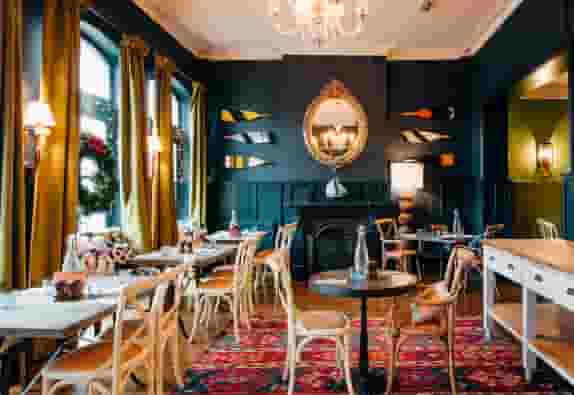
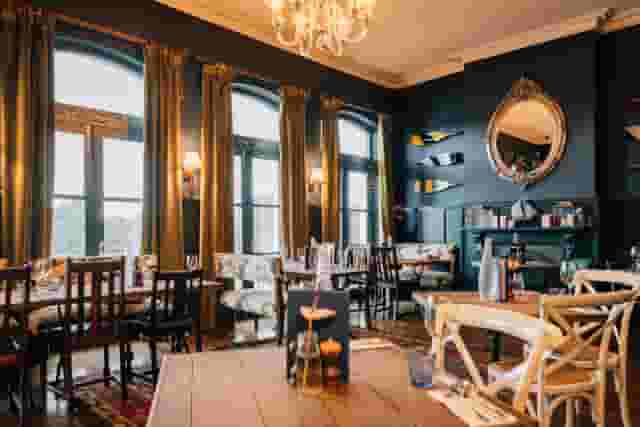


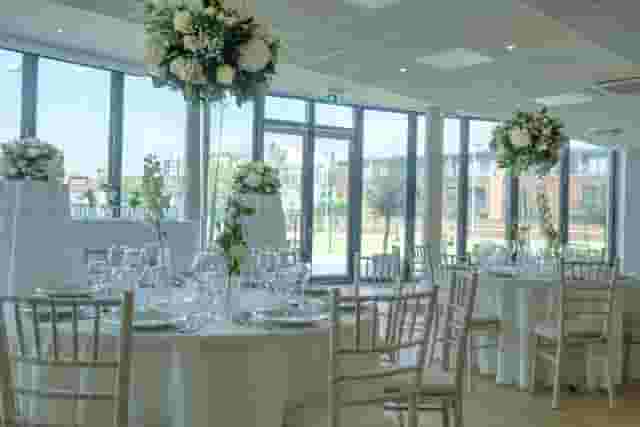



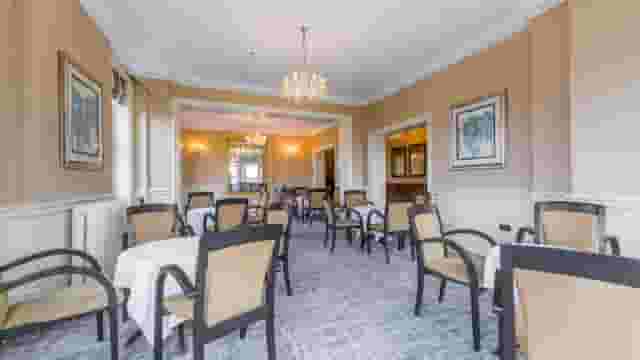



































No venues match these filters
Try widening your capacity, luxury level or event type.
Don't have time to search? We'll find it for you.
For business events that need human judgement, talk to our team. Free for events of 100+ people, budgets over £10k or ongoing programmes.




Explore more venues in West London














Frequently asked questions
What are the most unique wedding reception venues in West London?
How can I make my wedding reception more special and memorable?
What are the best catering options for my wedding?
Does venue hire include a Wedding Planner?
Other platforms search their database. We search everything.
Tell us what you need. Our deep research finds any venue, whether it's in our marketplace or not. No one else does this.
About Wedding in West London
Choosing the right style of West London wedding venue
Planning a wedding reception that moves comfortably from a drinks reception to a seated dinner and into late-night dancing comes down to how a space handles flow. West London offers an unusual mix of settings, ranging from grand riverside grounds and historic estates out towards Chiswick and Fulham, through to classical Regency manors and cavernous restored industrial halls further north. Finding the right backdrop depends on how many guests you want in the room, how formal you want the meal to feel and whether you prefer an all-in-one property or a blank canvas where you bring in external suppliers.
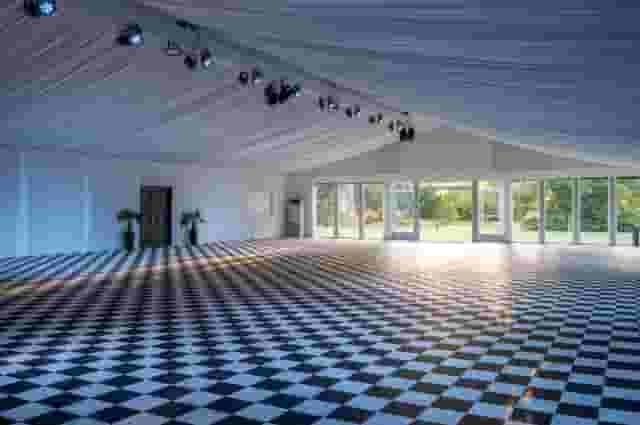
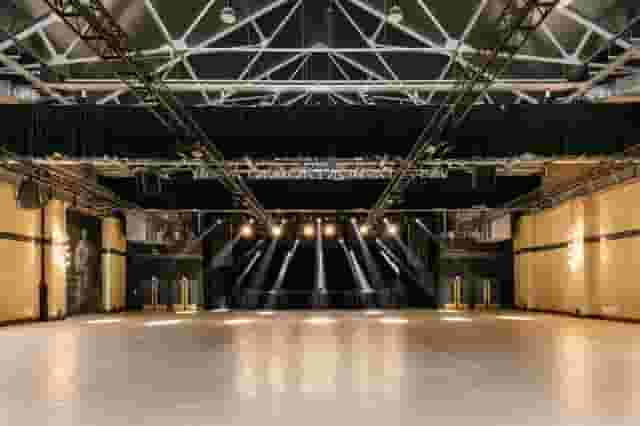
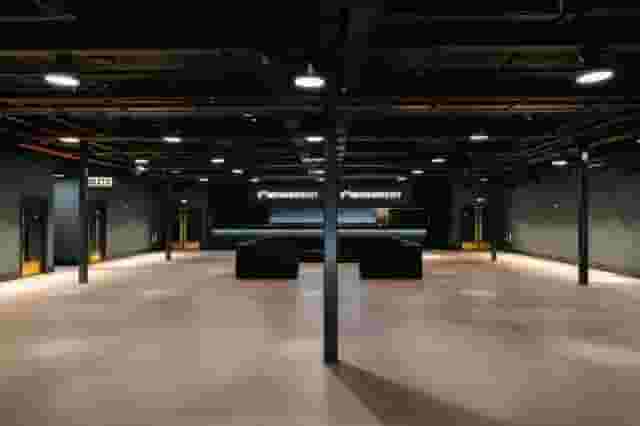
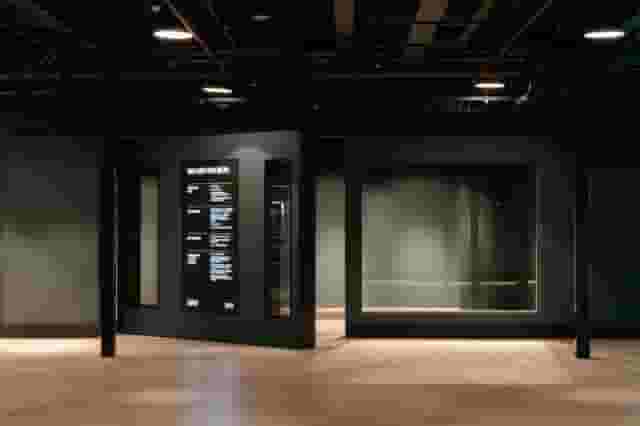
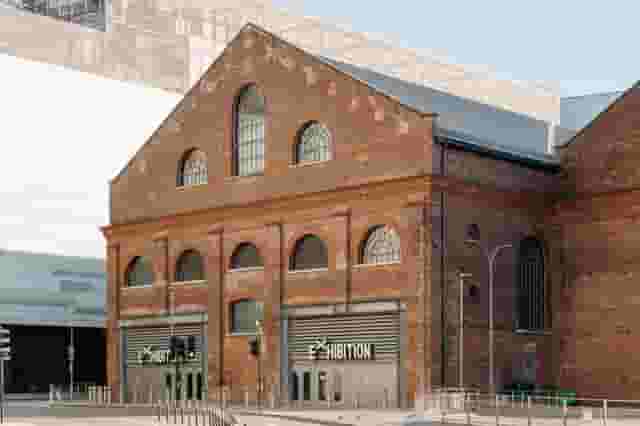
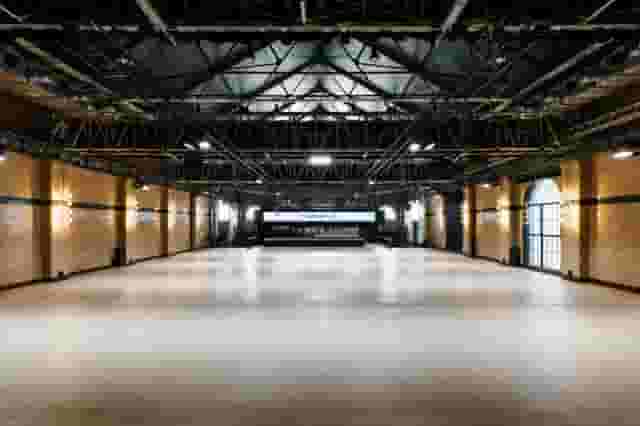
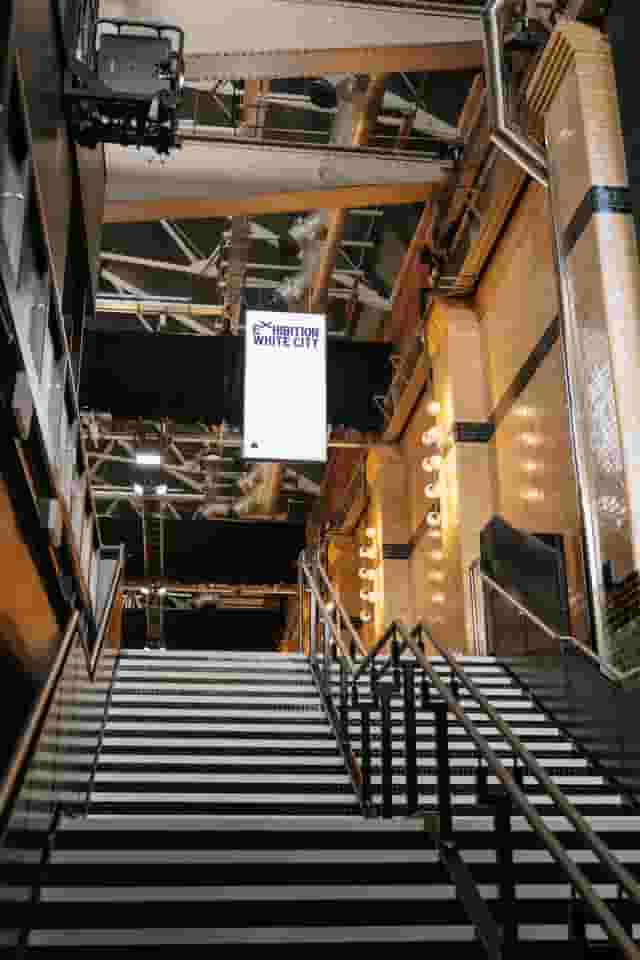
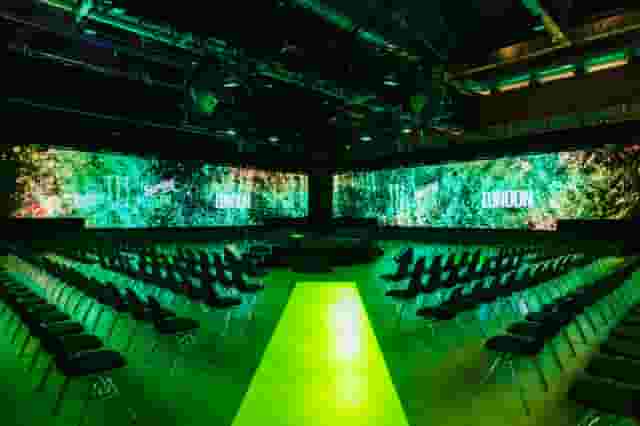
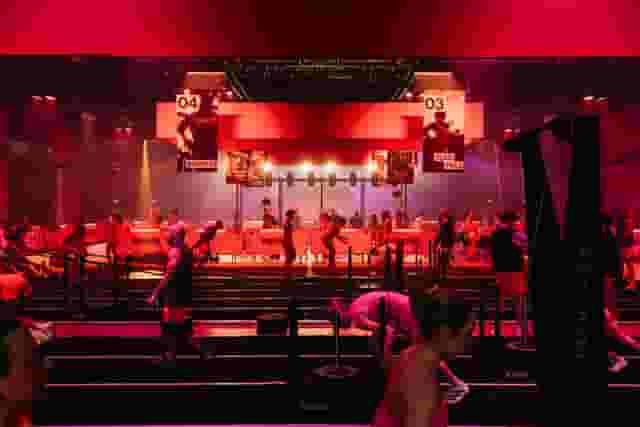
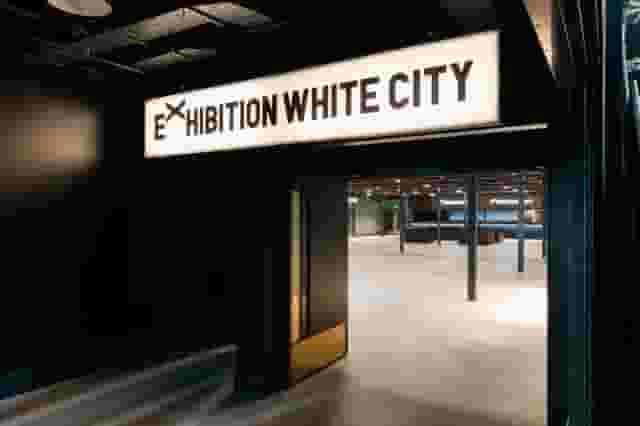
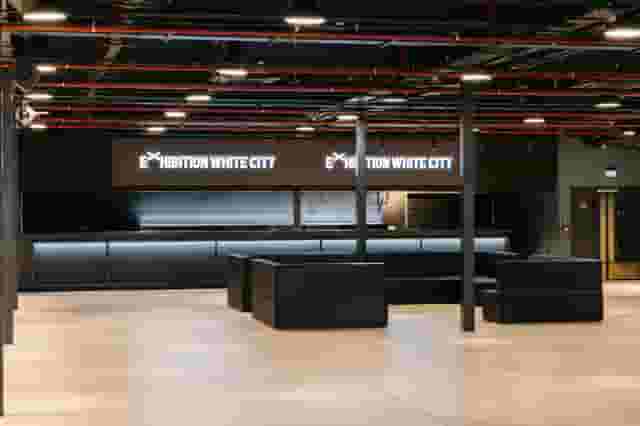
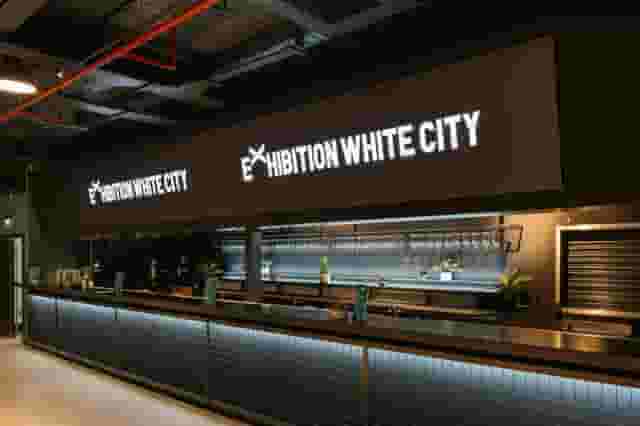
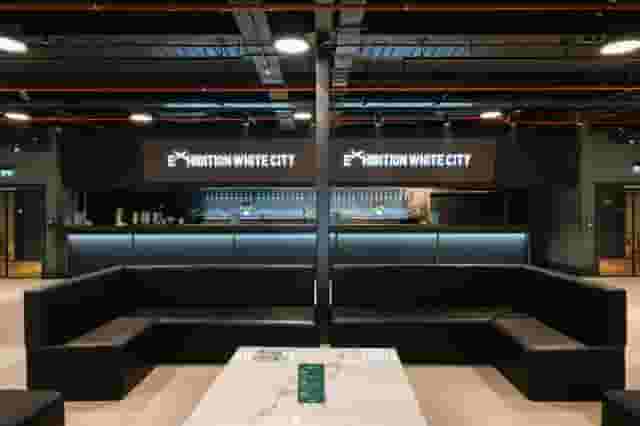
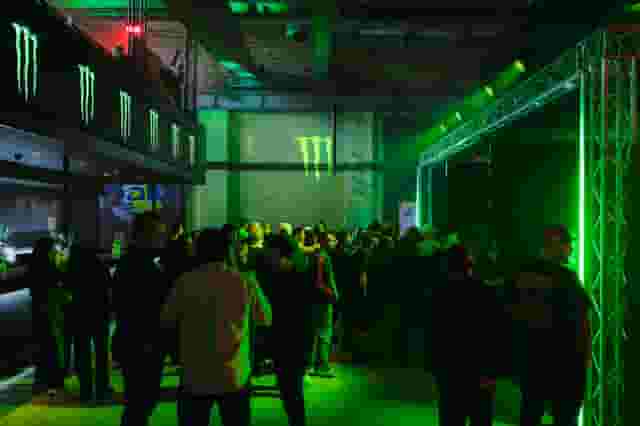
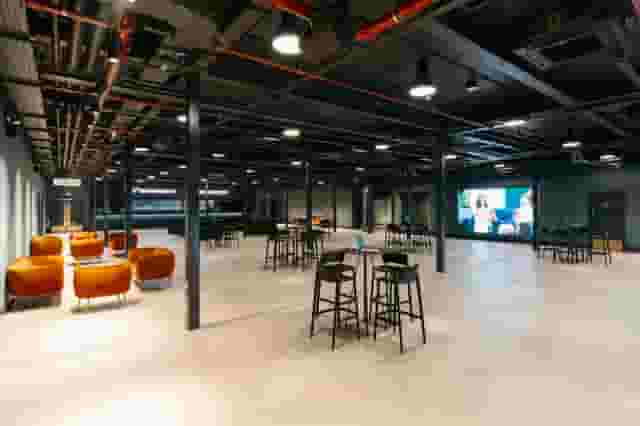
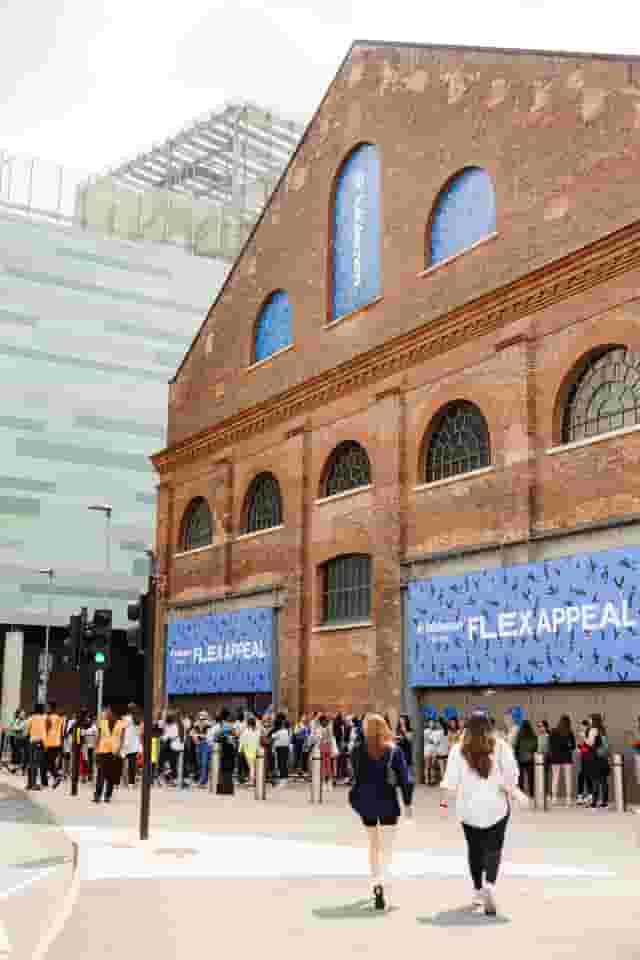
For larger guest lists, space to spread out is essential. If you are inviting upwards of a thousand people, industrial conversions like the Whole Venue at Exhibition White City in White City offer raw architectural scale. It can accommodate up to 1500 guests for a standing reception inside a Victorian structure, giving you the room to set up distinct zones for dining, lounging and a stage without crowding the dance floor.
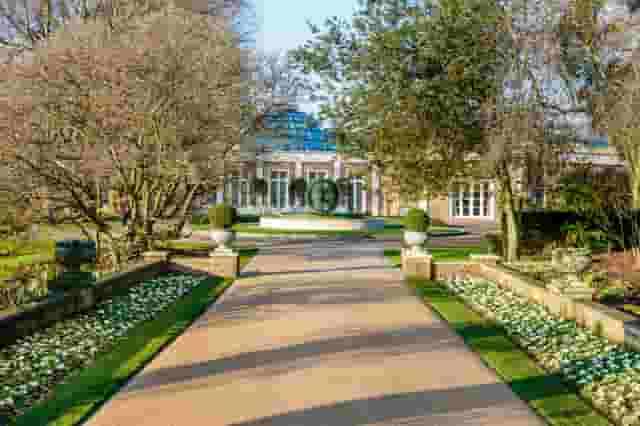
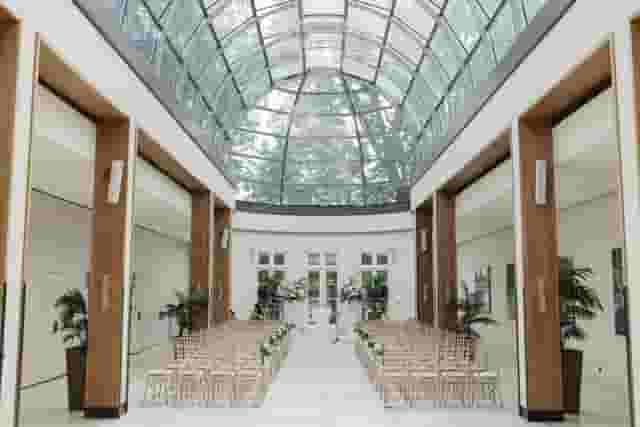
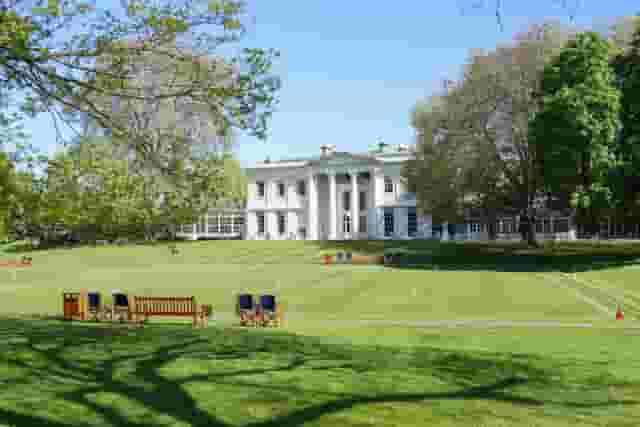
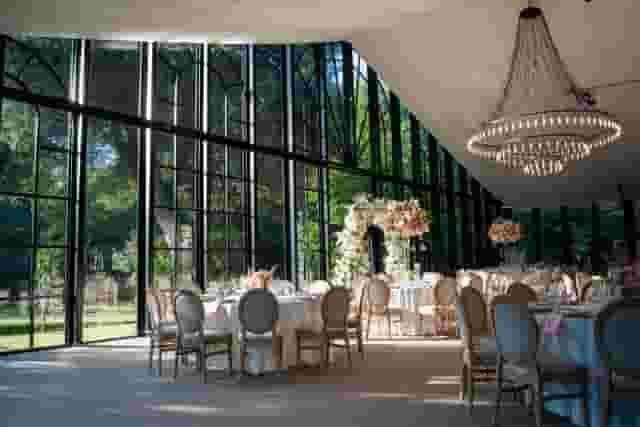
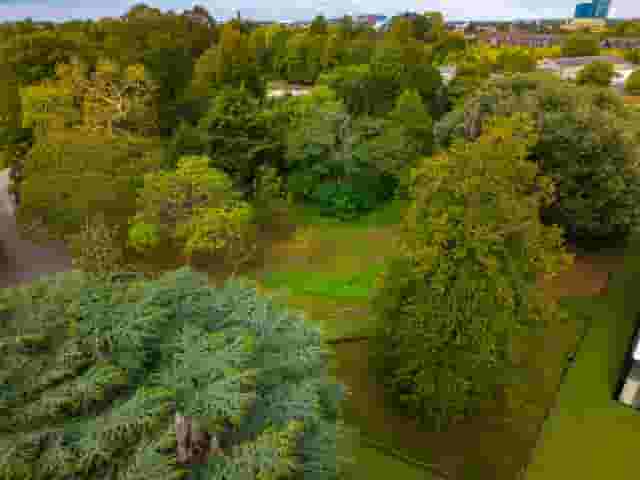
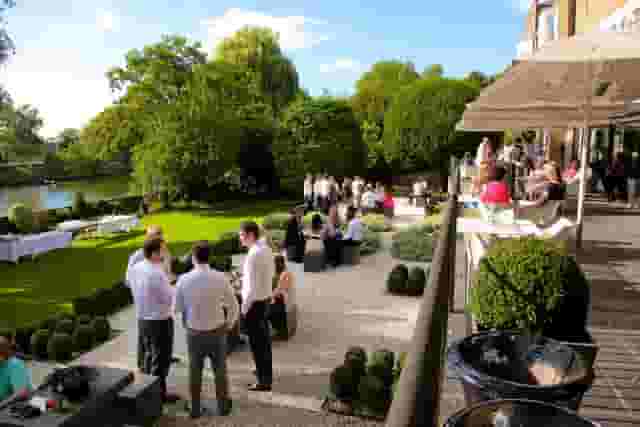
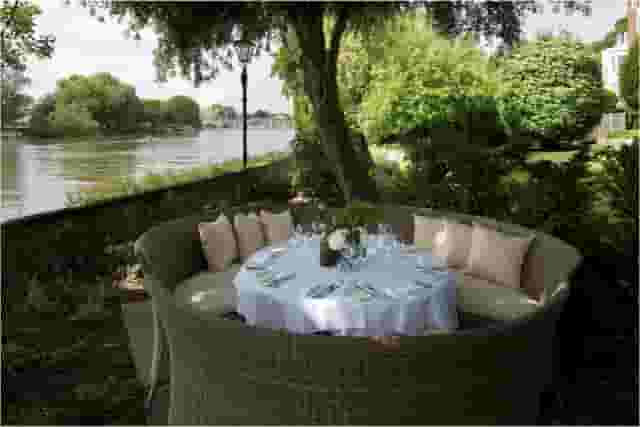
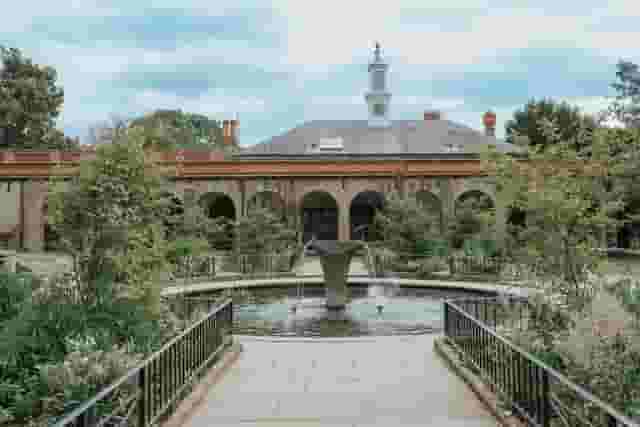
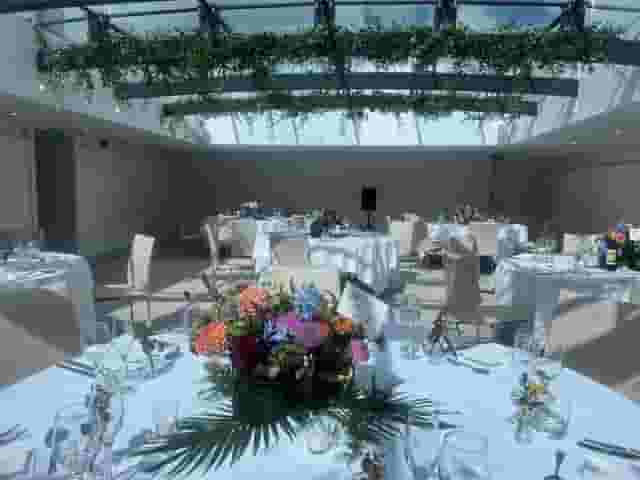
Couples looking for a more traditional country estate atmosphere within London often look towards the river. The Palm Court and Broomhouse Suite at The Hurlingham Club in Fulham accommodates up to 850 guests for a standing reception. It pairs private Thames-side gardens with a glass-domed conservatory space, allowing your drinks reception to happen outdoors by the water before moving inside under the glass for dinner and dancing. A short distance away, the Walled Garden at Fulham Palace provides another riverside garden setting, holding up to 500 guests for standing events alongside its historic country house grounds.
Mid-sized parties between 100 and 300 guests have very different architectural choices. If you want theatrical character with built-in acoustics and performance staging, the Whole Venue at Bush Hall in Shepherd's Bush holds up to 300 for a reception. It was originally built as an Edwardian dance hall, meaning the room already has the ornate plasterwork, vintage lighting and staging setup needed to carry a live band into the evening without extensive dressing.
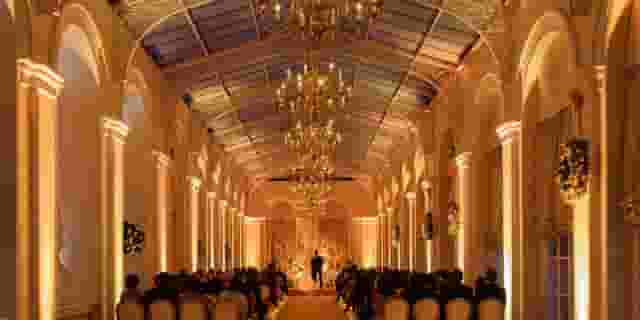
Further west, classical estates give you manicured parkland alongside historic state rooms. The Gunnersbury Park House, Orangery and Temple at Gunnersbury Park holds up to 250 standing guests across its Regency house, glass orangery and outdoor temple. Venues with multiple adjoining spaces make the progression of the day easier: you can host arrival drinks in an orangery or walled terrace, move indoors for a seated dinner, and reveal the party room later in the evening without guests having to watch tables being pushed aside.
For gatherings under 150 guests, look for venues that create intimacy without feeling cramped during the dancing portion of the night. Upper Dining at Belvedere in Kensington provides exclusive access to an upper floor layout including a loggia, torrino and terrace, seating up to 140 for dining. In Ealing, Soane's Garden Room at Pitzhanger Manor & Gallery seats 90 guests for a dinner dance inside an art-filled historic manor looking out over park gardens. If your guest list is smaller still, Chiswick House at Chiswick House and Gardens accommodates up to 90 for a reception inside an eighteenth-century Palladian villa, where ornate historic rooms provide immediate character.
Before booking, consult Hire Space's Ultimate Guide to Finding The Perfect Wedding Venue in London for an overview of what to look out for during your search.
Structuring the reception, dinner and evening party
A reception running across six to eight hours requires careful pacing to keep momentum high. Moving a room full of people from arrival cocktails to formal dining and finally onto the dance floor takes deliberate planning, especially when furniture needs adjusting between courses.
| Stage of the evening | Typical run time | Key operational considerations |
|---|---|---|
| Drinks reception | 60 to 90 minutes | Standing room, tray-passed drinks, light canapes and ambient music |
| Seated meal | 2 to 2.5 hours | Table service, speeches, wine replenishment and kitchen clearance |
| Room changeover | 30 to 45 minutes | Moving perimeter tables, clearing the dance floor and sound checks |
| Evening dancing | 3 to 4 hours | Bar reopening, live band or DJ sets and late-night food stations |
The arrival drinks reception sets the tone. Keeping this part of the day to around an hour or an hour and a half ensures guests have time to mingle, enjoy a glass of champagne and take in the surroundings without growing hungry. Canapes or small food stations during this window keep appetites at bay while wedding photographs are completed.
Moving into the seated meal is where delays most often occur. Plated three-course dinners create a traditional, formal atmosphere, while family-style sharing platters encourage conversation across the table. If you choose sharing platters or extensive buffet layouts, ensure the room allows ample space between tables so service staff and guests can move freely without bottlenecking near the kitchen exits.
Speeches are best placed either immediately before the meal starts or between the main course and dessert. Placing speeches early allows nervous speakers to relax and enjoy their food, whereas holding them after dinner keeps the transition into the evening party swift.
The transition from dinner to dancing requires thought if your dinner and party share the same room. A venue with a separate bar or garden terrace allows you to herd guests out of the dining room for coffee or a cocktail while staff dismantle tables, clear glassware and open up the dance floor. If everything happens in a single space, position your dance floor, DJ booth and evening bar away from the main dining tables from the start, so service staff can reset around the perimeter without disrupting the flow of the room.
To prepare for technical and logistical queries before you commit, review The Top Questions To Ask On Your Venue Site Visit to make sure your shortlist covers power supplies, supplier load-in windows and evening curfews.
Understanding costs, packages and supplier rules
Budgeting for a London wedding reception involves balancing venue hire fees with food, drink, staffing and production. West London venues operate across several distinct pricing models: dry hire, minimum spend or all-inclusive per-head packages.
Our pricing data indicates that wedding costs in this area typically sit in a range from £70 to £210 per head. This figure is indicative, estimated from what these venues have charged for similar events, and is based on 4 quotes from the venues on this page for about 100 guests, assuming that party size. To help you budget accurately for your own reception, Hire Space is an event planning and venue booking platform backed by a team of real people who provide instant price estimates based on real booking figures. This allows you to gauge what a space will cost before you enquire and suggests similar venues at a lower price if your favourite option sits above your budget.
Where your event lands within that band depends on the venue structure you choose:
- Venues towards the £70 end of the range often operate on a dry-hire basis or offer introductory packages with standard house wines, simple buffet menus and shorter hire hours. A lower hire fee gives you flexibility, but you must factor in the cost of hiring tables, chairs, linen, bar staff and kitchen equipment, which can quickly add up.
- Venues towards the £210 end of the range tend to include comprehensive hospitality: a champagne reception with canapes, a formal three-course plated dinner, half a bottle of paired wine per guest, dedicated security, event managers, late-night snacks and late licences that extend past midnight.
| Cost category | What is usually included | Common extras to watch for |
|---|---|---|
| Venue hire | Basic room access, house furniture, standard security and cleaning | Extended setup hours, storage fees and late-night licensing past midnight |
| Catering | Food preparation, service staff, basic crockery, cutlery and glassware | Upgraded linen, kitchen equipment hire, chef tastings and allergen-specific stations |
| Drinks packages | Arrival glass, table wine, water and toast sparkling wine | Spirits packages, extra bar staff, corkage fees and late-night bar extensions |
| AV and lighting | Basic house ambient lighting and background sound systems | DJ sound systems, dance floor lighting rigs, microphones and dedicated sound technicians |
Be clear on supplier restrictions when reviewing pricing. Many heritage properties, museums and council-run historic houses mandate that you work exclusively with caterers and production crews from an approved supplier list. These lists protect the historic fabric of the building, but accredited caterers may have higher baseline rates than independent suppliers. If you want to bring in specialist catering for religious or cultural requirements, confirm early whether the venue allows external caterers and what buy-out or kitchen hire fees apply.
Staffing is another variable that alters your final invoice. Check whether the quoted venue fee includes an on-site wedding coordinator or purely an operations manager. An on-site coordinator provided by a venue is primarily responsible for the building, opening doors, liaising with security and ensuring suppliers adhere to health and safety policies. They will not manage your stationery, chase your personal suppliers or adjust your dress. If you require full planning and coordination, budget for an independent planner or check what level of pre-event coordination the venue team provides.
Licensing, curfews and sound limits
Licensing laws in West London can vary significantly depending on whether a venue borders residential properties or sits within an open public park. Before signing a contract, check the specific premises licence regarding entertainment and alcohol service.
Historic houses and venues close to residential streets in Fulham, Kensington and Chiswick often have strict noise curfews. An 11pm terminal hour for amplified music is common across suburban boroughs. If you want a party that runs until 1am or 2am, you will need a venue with a late licence or one willing to apply for a Temporary Event Notice (TEN). Bear in mind that local councils grant TENs at their discretion, and there is a statutory cap on how many notices an address can hold each year.
Sound limiters are another practical factor. Venues with residential neighbours may install sound limiters that cut power to the band or DJ if volume exceeds a set decibel limit. If you have your heart set on a brass-heavy funk band or a high-volume live act, ask the venue manager what decibel ceiling is enforced and where the microphone sensor is positioned. Acoustic acts, smaller live trios or specialist DJs who know how to work within sound management systems will save you from abrupt power cuts during the party.
If you are serving alcohol, clarify whether you are buying an inclusive drinks package, running a paid bar or supplying your own bottles. Venues charging corkage will charge a flat fee per opened bottle of wine or champagne. If you are operating a paid bar for the evening portion of the night, verify whether the venue handles the licence or if your caterer must provide a designated premises supervisor.
Transport, logistics and guest access
West London spans a broad area, from central transport hubs like Kensington and Shepherd's Bush through to outer riverside pockets with narrower transit links. Ensuring your guests can arrive easily and leave safely at the end of the evening prevents unnecessary logistical headaches.
For venues along the District and Piccadilly lines, guests will generally find public transport straightforward. Underground stations close at midnight on weekdays, but the Night Tube operates on Fridays and Saturdays across the Piccadilly and Central lines, running through stations such as White City and Shepherd's Bush. This makes venues in inner West London particularly convenient for guests travelling back into central or north London late at night.
Properties situated further west or nestled beside the river, such as those in Isleworth or leafy parts of Chiswick, may require pre-arranged transport. Narrow residential streets around older estates frequently have strict parking restrictions or zero on-site guest parking. If your venue does not offer dedicated parking bays, advise guests to use taxi apps or provide a managed coach shuttle service from the nearest rail or tube interchange.
Finally, consider supplier access for deliveries. Florists, cake makers, production teams and musicians need reasonable windows for load-in and sound checks. City venues with tight loading bays or restricted red routes require timed delivery slots and parking permits for vans. Make sure your venue coordinator provides clear access times and logistics guides so your setup runs smoothly before guests arrive.
What our customers say
Inspiration and planning guides

3 Affordable Wedding Venues In London
Planning a wedding in London can be as dreamy as it is daunting, especially when trying to keep costs reasonable without compromising on the venue. Fortunately, London boasts an array of stunning yet affordable wedding venues that cater to every taste and budget. So let's dive in!

Venue Review: Theatre Royal Drury Lane
Theatre Royal Drury Lane [https://hirespace.com/Spaces/London/11681/Theatre-Royal-Drury-Lane/Grand-Saloon/Weddings] is a phoenix. Amazingly, the first time it burned down was after the Great Fire Of London - it survived that fire. But six years later, it was burnt to a crisp. But it rose, rebuilt, only a few years later - only to be destroyed once again, in 1794. And in 1809, having been rebuilt again, it caught alight, and Theatre Royal [https://hirespace.com/Spaces/London/11681/Theatre-Royal

9 Glorious Glass Venues in London
London is a city that knows how to make an impression, and when it comes to hosting events, why settle for anything less than spectacular? Enter London’s glorious glass venues!
One supplier. Every venue. Full visibility on what you spend.
Multiple venues and events. One agreement.