Stadiums in London for 400 people
Explore stunning stadiums in London ideal for hosting events with up to 400 guests.
About Stadiums
### Why London's Stadium Venues Are Perfect for Your 400-Person Event (And Which Ones Actually Deliver) When you're planning an event for 400 people, you need a venue that can handle the scale without making your guests feel lost in a cavernous space. London's stadium venues hit that sweet spot perfectly – they're designed for crowds, yet intimate enough for meaningful connections. The magic number here is crucial. At 400 guests, you're looking at venues with 500-700 m² of usable space, which most stadium hospitality suites and event spaces can accommodate brilliantly. We've found that venues like The Oval's hospitality areas and Twickenham's event spaces work exceptionally well for this size gathering, offering that perfect balance of grandeur and intimacy. #### What Makes Stadium Venues Actually Work for 400 People Stadium venues excel because they're built with crowd psychology in mind. The sightlines are designed for engagement, the acoustics are engineered for clarity, and the infrastructure can handle your technical requirements without breaking a sweat. You'll typically get 4-metre minimum ceiling heights – essential for proper AV setups – and robust power supplies with 3-phase, 400-amp capacity. The real advantage? These venues understand event flow. Unlike converted spaces that might struggle with 400 people moving through them, stadiums have natural circulation patterns built in. Your guests won't feel cramped during networking sessions, and you won't have bottlenecks at the bar. #### The Numbers That Matter for Your Budget Expect to invest £2,000-£5,000 per day for a quality stadium venue in London, with most bookings requiring around £1,000 as a non-refundable deposit. For a 400-person event, you're looking at roughly £80-£120 per head for a solid experience in central London, rising to £200+ for premium locations with full production support. The key is understanding what's included. Many stadium venues bundle technical support, which can save you thousands compared to bringing in external AV teams. When we've organised [corporate days out in London for 100 people](https://hirespace.com/GB/London/Corporate-Days-Out), we've seen how this integrated approach streamlines both planning and costs. #### Getting the Venue Selection Right Not all stadium spaces work equally well for 400 people. Look for venues with dedicated event spaces rather than trying to section off larger areas. The hospitality suites at venues like Lord's or The Oval are purpose-built for this capacity and come with proper climate control, storage facilities, and crucially, separate entrances that don't interfere with match-day operations. Your next step? Visit potential venues during a similar-sized event to see how the space actually feels with people in it. ### The Essential Planning Timeline: What You Need to Know 6 Months Before Your Stadium Event Six months might seem excessive for a 400-person stadium event, but trust me – it's the minimum you need to secure the right venue and avoid the premium pricing that comes with last-minute bookings. Stadium venues operate on sporting calendars, and the best spaces get snapped up well in advance. #### The 6-Month Mark: Venue Selection and Initial Deposits Start by identifying your preferred venues and checking their availability against major sporting fixtures. Nothing's worse than booking The Oval's hospitality suite only to discover it clashes with a Test match. Most stadium venues require that £1,000 non-refundable deposit we mentioned earlier, so you'll need budget approval sorted early. At this stage, you're also locking in your preferred date range. Stadium venues typically offer better rates for midweek bookings – we've seen savings of 20-30% compared to weekend rates. If your event can flex around sporting schedules, you'll have more negotiating power on that £2,000-£5,000 daily rate. #### 4-5 Months Out: Technical Planning and Licensing This is when stadium-specific challenges emerge. Unlike hotel conference centres, stadium venues often have complex technical requirements. You'll need to coordinate with their in-house AV teams early – these aren't spaces where you can just plug in a laptop and hope for the best. The 100 Mbps minimum internet bandwidth and 3-phase power supply requirements mean your technical brief needs to be detailed. We've learned this the hard way when organising [company retreats in Greater London for 200 people](https://hirespace.com/GB/Greater-London/Company-Retreats) – stadium venues need specific technical specifications upfront. Don't forget licensing requirements either. If you're serving alcohol or planning entertainment, premises licenses can take 6-8 weeks to process. Stadium venues usually have their own licenses, but special events might need additional permissions. #### 3 Months Before: Finalising Guest Flow and Catering Stadium venues excel at crowd management, but 400 people still need careful choreography. Work with the venue's event team to map out arrival patterns, registration areas, and networking zones. The natural circulation patterns we mentioned earlier need to be optimised for your specific event format. Catering logistics are particularly crucial in stadium venues. Unlike purpose-built conference centres, kitchen facilities might be designed for match-day operations rather than formal dining. Confirm serving arrangements early and consider whether you need additional equipment brought in. Your next priority should be confirming your technical requirements and beginning the licensing process if needed. ### Navigating Stadium Logistics: From Load-In to Guest Flow for Mid-Size Events Stadium logistics can make or break your 400-person event, and frankly, they're quite different from what you'd expect at a traditional conference venue. The good news? Once you understand how stadiums actually work, you'll find they're brilliantly designed for managing crowds – you just need to work with their systems rather than against them. #### The Load-In Reality: Why Stadium Access Changes Everything Stadium load-in is a completely different beast from hotel venues. Most stadium event spaces have dedicated service entrances, but they're often shared with catering operations and maintenance teams. Book your load-in slot early – typically between 7am-10am for afternoon events – and expect to coordinate with the venue's operations team rather than just turning up with your suppliers. The 500-700 m² event spaces we're dealing with usually have excellent storage facilities (minimum 50 m² is standard), but access routes can be surprisingly narrow. We've learned to brief suppliers on vehicle restrictions – many stadium car parks can't accommodate large articulated lorries, so you might need smaller delivery vehicles. Here's something most people don't realise: stadium venues often have strict noise restrictions during load-in, especially if there are residential areas nearby. That means no power tools before 8am and careful coordination of any construction work. #### Managing Guest Flow: Working with Stadium Psychology The beauty of stadium venues is their natural crowd psychology – people instinctively know how to move through these spaces. Your 400 guests will naturally form circulation patterns around the venue's existing infrastructure, but you need to enhance rather than fight these flows. Position your registration area near the main entrance but not directly in the flow path – stadium concourses are designed for quick movement, not queuing. We typically recommend setting up registration 30% to the left or right of the main entrance, which reduces bottlenecks while maintaining visibility. For networking sessions, use the venue's existing hospitality areas as anchor points. Most stadium event spaces have built-in bars and serving areas positioned to encourage natural mingling. Don't try to recreate this with temporary furniture – work with what's already there. #### The Technical Coordination Challenge Stadium venues come with robust technical infrastructure – that 3-phase, 400-amp power supply and 100 Mbps internet we mentioned earlier – but accessing it requires coordination with in-house teams. Unlike hotels where you might plug directly into wall sockets, stadium power distribution often requires qualified technicians. Book your technical rehearsal at least 48 hours before your event. Stadium AV teams are usually excellent, but they work within strict safety protocols that can't be rushed. The 4-metre minimum ceiling heights are perfect for projection and lighting, but rigging points need to be pre-approved and professionally installed. Your next step should be scheduling a detailed site visit with your key suppliers to walk through the entire load-in and setup process. ### Getting Maximum Value from Your Stadium Booking: Insider Tips on Costs and Negotiations ### Getting Maximum Value from Your Stadium Booking: Insider Tips on Costs and Negotiations Stadium venues have a unique pricing psychology that works in your favour if you understand their business model. Unlike hotels that rely on consistent occupancy, stadiums make their real money on match days – which means your 400-person event represents valuable off-season revenue they're often willing to negotiate on. #### Understanding Stadium Revenue Cycles The key insight here is timing your approach around their sporting calendar. Stadium venues typically have three distinct pricing periods: peak (match days and major events), shoulder (week before/after major fixtures), and off-peak (mid-season quiet periods). For a 400-person event, you're looking at £2,000-£5,000 daily rates, but we've secured 25-30% discounts by booking during off-peak periods. Here's what most people miss: stadium venues often have minimum spend requirements rather than fixed hire fees. If you're planning a [product launch with significant production values](https://hirespace.com/blog/perfect-product-launch-locations-in-london/), you might hit their £8,000-£12,000 minimum spend through catering and technical services alone, making the venue hire essentially free. #### The Bundle Negotiation Strategy Stadium venues excel when you bundle services rather than cherry-picking individual elements. Their in-house teams can provide everything from technical support to catering, and they'd rather secure a comprehensive booking than compete on individual line items. We've found the sweet spot for 400-person events is negotiating packages that include venue hire, basic AV setup, and catering for around £120-£150 per head in central London locations. This compares favourably to the £200+ you'd pay for premium hotel venues with similar technical capabilities. The real value comes from their technical infrastructure. That 3-phase power supply and professional AV setup would cost thousands to bring into a blank canvas venue. When you factor in the 4-metre ceiling heights and built-in acoustics, stadium venues often deliver better value than purpose-built conference centres. #### Timing Your Negotiations Book your initial site visit during a quiet period when the venue team has time to properly showcase their capabilities. We've secured better deals by demonstrating genuine interest in the venue's unique features rather than just focusing on price comparisons. Consider multi-year agreements if you're planning annual events. Stadium venues value predictable revenue streams and will often lock in favourable rates for 2-3 year commitments. This works particularly well for [corporate events that need consistent branding and logistics](https://hirespace.com/blog/reflecting-your-brand-in-your-venue/). Your next move should be requesting a detailed breakdown of all included services and identifying which elements offer the best negotiating leverage. ### Avoiding the 5 Most Common Stadium Event Mistakes That Can Derail Your 400-Person Gathering After organising dozens of stadium events, we've seen the same five mistakes trip up even experienced event planners. The good news? They're all completely avoidable once you know what to watch for. Stadium venues have their own quirks, and what works brilliantly in a hotel conference centre can backfire spectacularly in a sporting venue. #### Mistake #1: Underestimating Sound Management in Open Spaces Stadium venues are acoustically designed for crowd noise, not intimate conversation. That 500-700 m² space with 4-metre ceilings can turn your networking session into a cacophony if you don't plan properly. We've watched 400-person events become shouting matches because organisers assumed the venue's PA system would handle everything. The solution? Zone your audio carefully. Use the venue's existing hospitality areas as natural sound breaks, and consider hiring additional acoustic panels for key networking zones. Budget an extra £800-£1,200 for proper sound management – it's worth every penny when your guests can actually hear each other. #### Mistake #2: Ignoring Stadium Security Protocols Stadium venues operate under strict security frameworks that can't be bent for your event. We've seen corporate events delayed by two hours because organisers didn't brief guests on bag restrictions and entry procedures. Most stadium venues have clear bag policies and metal detection systems that remain active even for private events. Send detailed arrival instructions to your 400 guests at least a week before the event. Include specific guidance on prohibited items, parking arrangements, and alternative entrances. The £1,000 deposit you've paid won't cover the chaos of guests queuing outside because they brought the wrong bag. #### Mistake #3: Overlooking Catering Logistics in Match-Day Kitchens Stadium kitchens are designed for speed and volume, not the nuanced service your 400-person event might require. Unlike hotel venues with dedicated event kitchens, stadium catering facilities often prioritise match-day operations. We've seen beautifully planned menus fall apart because the kitchen couldn't accommodate dietary requirements or service timing. Visit the kitchen facilities during your site inspection and discuss service logistics in detail. Many stadium venues work best with buffet-style service or pre-plated options rather than complex à la carte menus. Factor this into your per-head budget of £80-£120 – simpler menus often deliver better results. #### Mistake #4: Failing to Plan for Weather-Dependent Access Many stadium event spaces have outdoor elements or require guests to cross exposed areas. Unlike enclosed conference centres, weather can genuinely impact your event logistics. We've organised [summer events where outdoor networking areas](https://hirespace.com/blog/super-summer-party-venues/) became unusable due to unexpected rain, leaving 400 guests cramped in indoor spaces. Always have a weather contingency plan, especially for events between October and March. Confirm covered walkways between parking and your event space, and consider hiring additional indoor furniture if outdoor areas become unavailable. #### Mistake #5: Misunderstanding Stadium Licensing Restrictions Stadium venues often have complex licensing arrangements that differ from standard event spaces. Entertainment licenses, alcohol service times, and noise restrictions can vary significantly from what you'd expect at hotels or dedicated event venues. We've seen events forced to end early because organisers assumed standard licensing applied. Confirm all licensing details in writing during your initial booking. If you're planning entertainment or extended alcohol service, discuss this specifically with the venue team. Some stadium venues require additional temporary licenses for certain types of events, which can take 4-6 weeks to process. Your next step should be creating a detailed pre-event checklist that addresses each of these potential pitfalls
Featured Venues for Stadiums
Browse 16 venues perfect for Stadiums
Events at The HAC (Honourable Artillery Company)
A modern event space with historic charm, courtyard, and terrace in Central London.
From: £7500
Capacity: Up to 690 guests
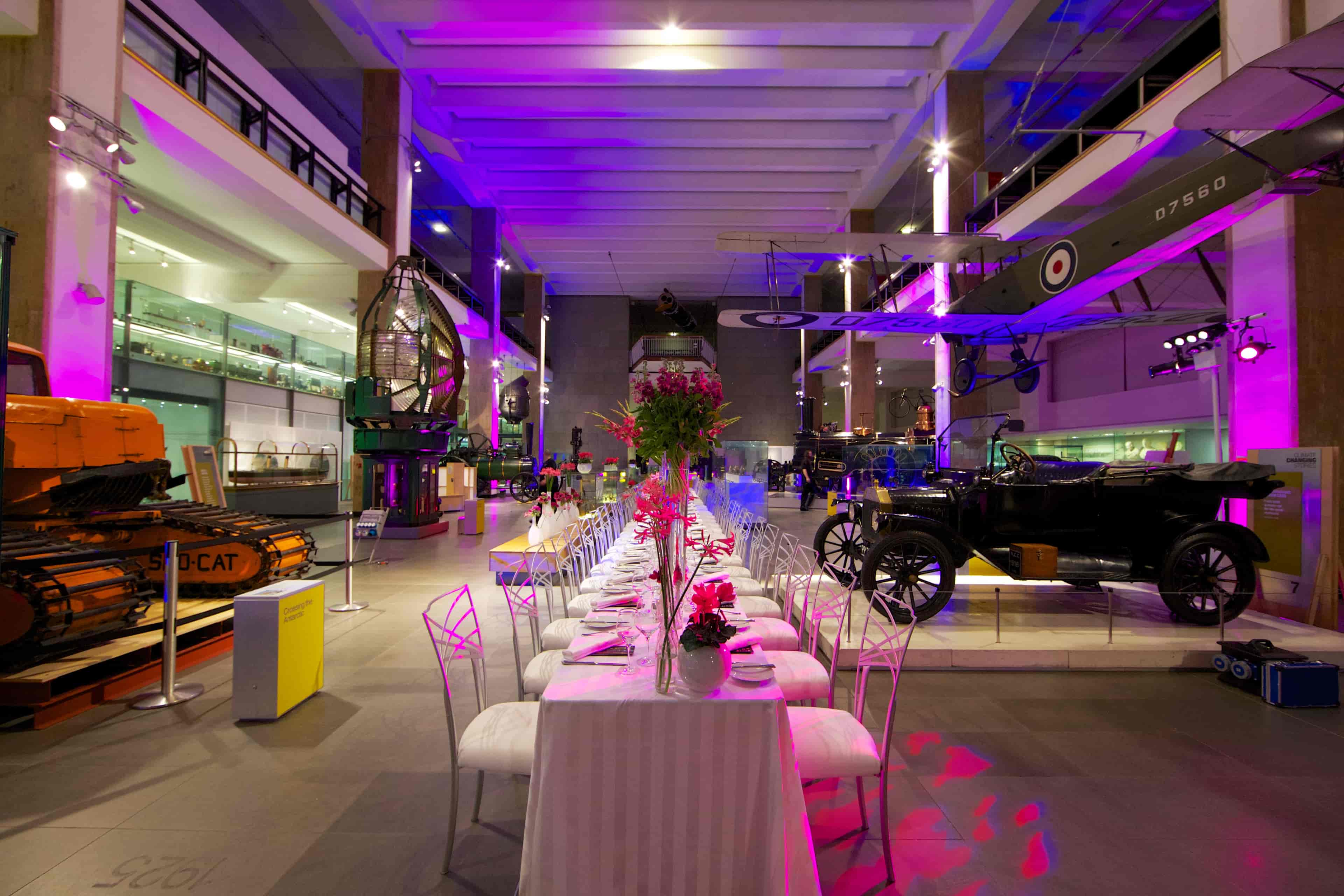
Dining at The Science Museum
Dine among iconic exhibits in a unique museum space. Ideal for receptions, dinners, and galas.
From: £17400
Capacity: Up to 400 guests
Dining at Kia Oval
A pillarless suite with natural light and Oval wicket views. Ideal for dining events and banquets.
Capacity: Up to 900 guests
Events at The Waldorf Hilton, London
An opulent Grade II listed hotel with a luxurious Palm Court suitable for weddings, receptions, and large-scale events.
From: £110 per person
Capacity: Up to 400 guests
Dining at The Dutch Hall
From: £2900
Capacity: Up to 400 guests
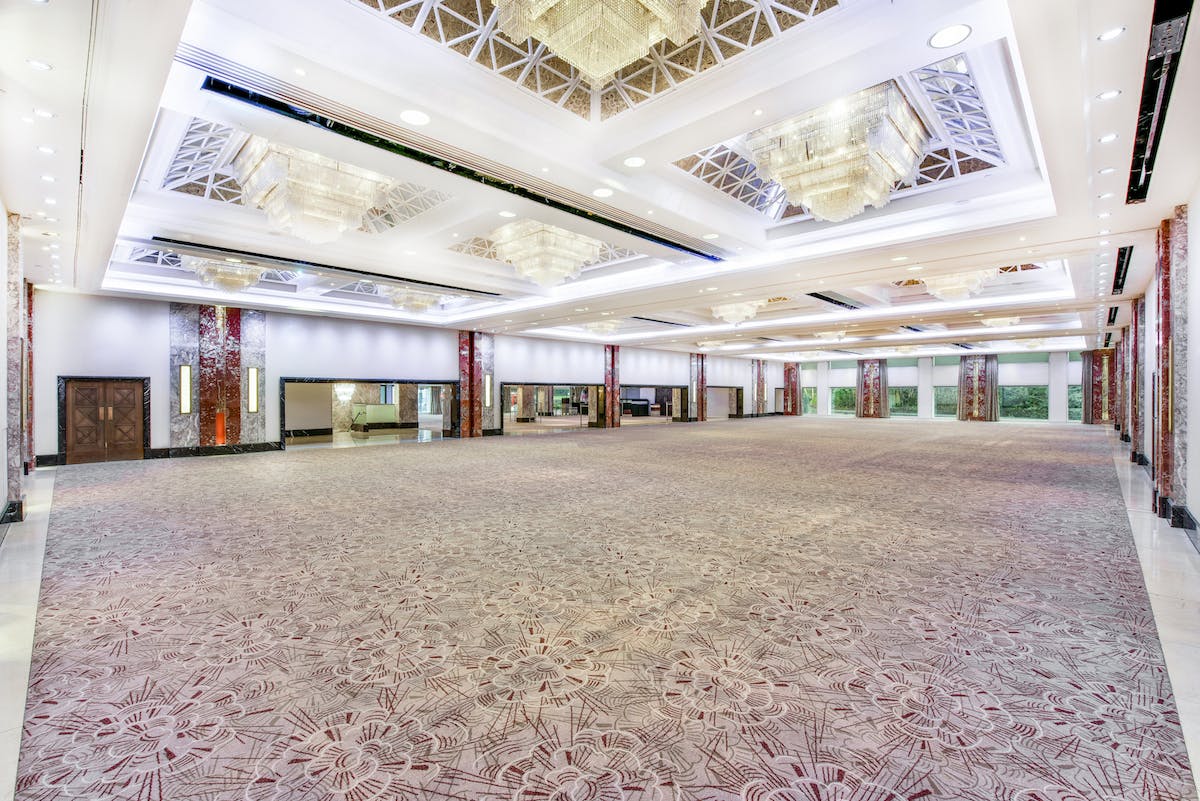
Events at The Bloomsbury Ballroom
An opulent Art Deco ballroom in central London, ideal for large events, weddings, and corporate parties.
From: £12000
Capacity: Up to 500 guests
Events at 1 Lombard Street
A sophisticated brasserie venue for up to 150 guests, perfect for corporate events and celebrations.
From: £8000
Capacity: Up to 350 guests
Events at Tobacco Dock
From: £60000
Capacity: Up to 1500 guests
Business at Dockside Vaults
A 450-capacity venue with historic charm, exposed brickwork, and versatile event spaces in St. Katharine Docks.
From: £16000
Capacity: Up to 450 guests
Events at National Army Museum
Modern museum in Chelsea with versatile spaces for stylish Christmas parties under a Lynx Helicopter.
From: £126
Capacity: Up to 400 guests
...and 6 more venues available
Related Event Types
- Event Venues
- Event Venues
- Awards Ceremony Venues
- Ballrooms
- Banqueting Venues
- Blank Canvas Venues
- Charity Ball Venues
- Corporate Event Venues
- Corporate Venues
- Dry Hire Venues
- Fashion Show Venues
- Formal Event Venues
- Gala Dinner Venues
- Historic Venues
- Impressive Event Venues
- Inception Group
- Large Event Venues
- Large Venues