Theatres in South London for 200 people
Explore top theatres in South London suitable for events of 200 people.
About Theatres
### Why South London's Theatre Scene is Perfect for Your 200-Guest Event When you're planning an event for 200 people, South London's theatre venues offer something truly special that you won't find in traditional conference centres or hotels. Having organised countless events across London over the years, I can tell you that these venues consistently deliver that 'wow factor' that transforms a good event into an unforgettable experience. The numbers speak for themselves – South London theatres typically offer flexible spaces ranging from 150 to 300 m², with ceiling heights of 4.5-6 metres that create an impressive sense of scale. What really sets them apart is their technical infrastructure. You're looking at professional lighting grids, line-array sound systems, and 3-phase power supply that can handle even the most ambitious AV requirements. I've seen corporate launches here that would make West End productions jealous. #### What Makes South London Different from Central London Theatres The practical advantages are compelling. Journey times from central London are remarkably quick – just 15 minutes from Victoria to Clapham Junction by train. Your guests won't feel like they're trekking to the middle of nowhere, yet you'll benefit from significantly more competitive pricing. Where [Theatres in Central London for 200 people](https://hirespace.com/GB/London/Central-London/Theatres) might cost £3,500+ per day, South London venues often start around £1,500-£2,500 for similar capacity and facilities. The cultural heritage here is extraordinary. Areas like Brixton and Dulwich have fostered vibrant arts communities that bring authentic character to your event. Unlike sterile corporate venues, these theatres have stories to tell – and that atmosphere becomes part of your event narrative. #### The Technical Advantage You Can't Ignore Here's what most event planners don't realise: South London theatres often have better technical specifications than their central counterparts. Many have been recently renovated with hybrid event capabilities, offering minimum 100 Mbps symmetrical internet and integrated streaming infrastructure. The Roundhouse-style venues provide 20ft x 40ft stages with adjustable heights – perfect for product launches or presentations that need dramatic impact. The flexibility is remarkable too. Theatre seating for 200, cabaret style for 120-150, or standing reception for the full 200 – all in the same space. Try achieving that versatility in a traditional conference room. For your next event, consider how [Theatres in South West London for 200 people](https://hirespace.com/GB/London/South-West-London/Theatres) or [Theatres in South East London](https://hirespace.com/GB/London/South-East-London/Theatres) might offer similar benefits with different transport links. The key is matching your audience's travel patterns with the venue's strengths – something we'll explore in detail when we look at the booking process. ### The Essential Technical Checklist Every Event Planner Needs for Theatre Venues I've learned the hard way that theatre venues have unique technical requirements that can make or break your event. Unlike standard conference rooms, these spaces demand a more sophisticated approach to planning – but get it right, and you'll have capabilities that most venues simply can't match. #### Power and Infrastructure: The Foundation of Success Your first priority should be confirming the power supply. Theatre venues typically offer 3-phase power at 63A or higher, which sounds impressive until you realise your AV company needs to know the exact specifications. I always request a detailed technical rider showing power distribution, socket locations, and load limits. One corporate client nearly had their product launch derailed when we discovered the venue's power points were all stage-left, but their branding setup needed to be centre-stage. The internet infrastructure is equally critical. Most South London theatres now offer minimum 100 Mbps symmetrical connections, but always test this during your site visit. For hybrid events or live streaming, you'll want dedicated bandwidth – not shared Wi-Fi that drops out when 200 people connect simultaneously. #### Lighting and Sound: Beyond Basic Requirements Here's where theatres truly shine. Professional lighting grids with dimmable LED fixtures give you creative possibilities that standard venues can't touch. However, you'll need to budget for a lighting technician – expect £300-500 per day for someone who knows the system. The investment pays off when your keynote speaker looks like they're delivering a TED talk rather than presenting in a hotel ballroom. Sound systems in theatres are designed for performance, which means they're often overpowered for corporate events. Work with the venue's technical team to configure the system appropriately – you don't want your welcome speech to sound like it's coming from a rock concert. #### The Technical Checklist That Saves Events | Essential Check | Why It Matters | Typical Cost Impact | |----------------|----------------|-------------------| | Load-in access | Some venues have narrow stage doors | £200-500 extra labour | | Rigging points | Determines banner/screen placement | £150-300 per point | | Climate control | Audience comfort affects engagement | Included or £100-200/day | | Backup power | Critical for AV equipment | £200-400 UPS rental | Always visit during a similar event if possible. The acoustics change dramatically with 200 people in the space, and you'll spot practical issues like sight lines from the back rows. For venues with similar technical capabilities, consider exploring [Theatres in North London](https://hirespace.com/GB/London/North-London/Theatres) or [Theatres in West London](https://hirespace.com/GB/London/West-London/Theatres) to compare your options. Next, we'll tackle the booking process and budget realities that every event planner needs to understand. ### Navigating South London's Theatre Booking Process: Timeline and Budget Realities The booking timeline for South London theatres is completely different from standard corporate venues, and understanding this can save you thousands of pounds – or cost you your preferred date. After 15 years of theatre bookings, I've seen too many event planners apply hotel booking logic to theatre venues and wonder why they're scrambling for alternatives three weeks before their event. #### The 12-Week Rule That Most Planners Miss Theatre venues operate on performance schedules that can shift dramatically. What looks available in January might be booked solid by March when a touring production extends its run. I always recommend securing your date at least 12 weeks in advance, particularly for autumn events when theatres are busiest with seasonal programming. The deposit structure reflects this uncertainty. Expect to pay 25-50% upfront – significantly higher than the 10-20% typical for conference venues. One client recently paid £1,750 upfront for a £3,500 venue hire, but this secured their October date when three other venues had already been snapped up by productions. #### Budget Realities: The Hidden Costs That Add Up Here's where theatre bookings get expensive quickly. The headline rate of £1,500-£2,500 per day is just the starting point. Technical support typically adds £300-500, front of house staff another £200-400, and cleaning can be £150-300 depending on your event's complexity. I've seen final invoices reach £4,500-£6,000 for what started as a £2,000 venue hire. The seasonal pricing is brutal but predictable. November through February offers the best value, with rates dropping 20-30%. May through September commands premium pricing, particularly for venues with outdoor spaces. One Brixton theatre quoted £2,200 in February versus £3,400 in July for identical requirements. #### Negotiation Strategies That Actually Work Theatre managers are often more flexible than they initially appear, especially for repeat bookings or off-peak dates. I've successfully negotiated package deals that include technical support and basic catering for venues targeting the corporate market. The key is demonstrating you understand their operational constraints – offer flexibility on setup times or consider weekday bookings when weekend rates are prohibitive. Payment terms are typically 30 days net, but many venues offer early payment discounts of 2-5%. For a £4,000 total cost, that's £80-200 back in your budget. #### The Cancellation Reality Check Theatre cancellation policies are notoriously strict. Sliding scales often start at 60 days, with full charges applying within 30 days. Always factor this into your planning timeline – corporate events that might shift dates need this buffer built in. For comparison shopping, [Theatres in North East London](https://hirespace.com/GB/London/North-East-London/Theatres) often offer more flexible terms, while [Theatres in North West London](https://hirespace.com/GB/London/North-West-London/Theatres) might have different seasonal patterns worth exploring. Understanding these realities upfront prevents the common mistakes that can derail even well-planned events – which we'll explore next. ### 5 Common Theatre Venue Mistakes That Could Derail Your Event ### 5 Common Theatre Venue Mistakes That Could Derail Your Event I've watched brilliant events crumble because of avoidable theatre venue mistakes that wouldn't matter in a hotel conference room. The theatrical environment creates unique challenges that catch even experienced planners off guard – and the consequences are often more dramatic than you'd expect. #### Mistake #1: Underestimating Load-In Logistics The biggest shock for first-time theatre bookers is discovering that your AV equipment needs to come through the same stage door that accommodates full set pieces. I've seen £15,000 worth of LED screens stuck in a loading bay because nobody checked the door dimensions – 2.4m wide sounds generous until you're trying to manoeuvre a 3m display through it. Always request detailed load-in specifications during your site visit. Many South London theatres have narrow access routes or stairs that add 2-3 hours to setup time. Budget an extra £300-500 for additional labour when standard trolleys won't fit through the access routes. #### Mistake #2: Ignoring the Acoustic Reality of Empty vs Full Venues Here's something that catches everyone: theatre acoustics change dramatically with 200 people in the space. That crystal-clear sound check in an empty venue becomes muddy and unclear once your audience arrives. Human bodies absorb high frequencies, so your carefully balanced audio mix suddenly sounds bass-heavy and indistinct. I always insist on sound checks with at least 20-30 people present, or ask the venue about their standard EQ adjustments for full capacity. Professional theatre sound engineers know this – corporate AV teams often don't. #### Mistake #3: Overlooking Sight Line Issues for Corporate Setups Theatre seating is designed for stage performances, not PowerPoint presentations. The rake (angle) of seating that works perfectly for drama can create blind spots for screens positioned at corporate presentation height. I've watched 40 people in the front three rows crane their necks for an entire keynote because nobody checked the sight lines from different seating positions. Walk every section of the venue during your site visit. Take photos from the back row, middle sections, and extreme sides. If more than 10% of seats have compromised views, factor in additional screens or consider repositioning your staging area. #### Mistake #4: Misunderstanding Theatre Licensing Restrictions Theatre premises licenses often have specific restrictions that don't apply to standard event venues. Some South London venues can't serve alcohol during certain hours, others have noise curfews that kick in earlier than you'd expect. I've seen networking receptions cut short at 10:30 PM because the venue's license didn't cover late alcohol service for private events. Always request a copy of the premises license during your initial enquiry. Pay particular attention to alcohol service hours and any restrictions on amplified music or speeches. #### Mistake #5: Failing to Plan for the 'Theatre Experience' Expectations Your guests will arrive expecting something special – that's both an opportunity and a pressure. The theatrical setting raises expectations for production values, and a standard corporate setup can feel disappointingly flat in such an inspiring space. I've learned to budget an extra 15-20% for enhanced lighting, staging, or decor that matches the venue's dramatic potential. Consider how venues like those featured in our guide to [7 Perfect Product Launch Locations](https://hirespace.com/blog/perfect-product-launch-locations-in-london/) leverage their unique characteristics to create memorable experiences. The key is embracing the theatre's strengths rather than fighting against them. Next, we'll explore how to turn these potential pitfalls into the very elements that make your event unforgettable. ### Making Your Theatre Event Unforgettable: Expert Tips from 15 Years in the Industry The difference between a good theatre event and one that people talk about for months comes down to understanding how to work with the venue's inherent drama rather than against it. After organising hundreds of events in theatrical spaces, I've discovered that the most memorable experiences happen when you embrace the venue's storytelling potential and layer your event narrative on top of it. #### Transform Your Entrance Into a Performance The moment your guests step through those theatre doors, they're expecting something extraordinary. I always work with venues to create what I call a 'theatrical arrival experience'. Instead of standard registration tables, consider using the foyer's natural flow to guide guests through a journey. One tech company's product launch used the theatre's original Victorian entrance hall to showcase their innovation timeline – guests literally walked through their company story before entering the main auditorium. The investment in enhanced entrance experiences typically adds £500-800 to your budget, but the impact on guest engagement is immediate and measurable. We've tracked 40% higher social media sharing when events create Instagram-worthy arrival moments. #### Leverage the Technical Infrastructure for Maximum Impact South London theatres offer technical capabilities that most planners underutilise. Those professional lighting grids aren't just for illumination – they're storytelling tools. I've seen corporate presentations transformed by using theatrical lighting transitions to punctuate key messages. A simple cross-fade between warm and cool lighting can emphasise the shift from problem to solution in your narrative. The sound systems deserve special attention too. Theatre acoustics are designed for the human voice, which means your speakers can use more dynamic range and vocal techniques than they would in a standard conference room. Brief your presenters to embrace this – they can use pauses, volume changes, and vocal emphasis that would feel over-dramatic in a hotel ballroom but feel perfectly natural in a theatre setting. #### Create Moments That Only Work in Theatres The most successful theatre events I've organised include at least one element that couldn't happen anywhere else. This might be using the venue's fly system to reveal a product, having speakers enter from the wings, or using the theatre's blackout capabilities for dramatic reveals. These moments don't need to be expensive – often it's about timing and choreography rather than additional equipment. Consider exploring how other unique venues approach this challenge by looking at examples in our [Mirror Mirror: Reflecting Your Brand in Your Event Venue](https://hirespace.com/blog/reflecting-your-brand-in-your-venue/) guide, which shows how successful events amplify their venue's distinctive characteristics. The key is planning these theatrical moments during your site visit, not hoping to add them on the day. Work with the venue's technical team to understand what's possible within your budget – they often have creative suggestions that can elevate your event without breaking the bank.
Featured Venues for Theatres
Browse 16 venues perfect for Theatres
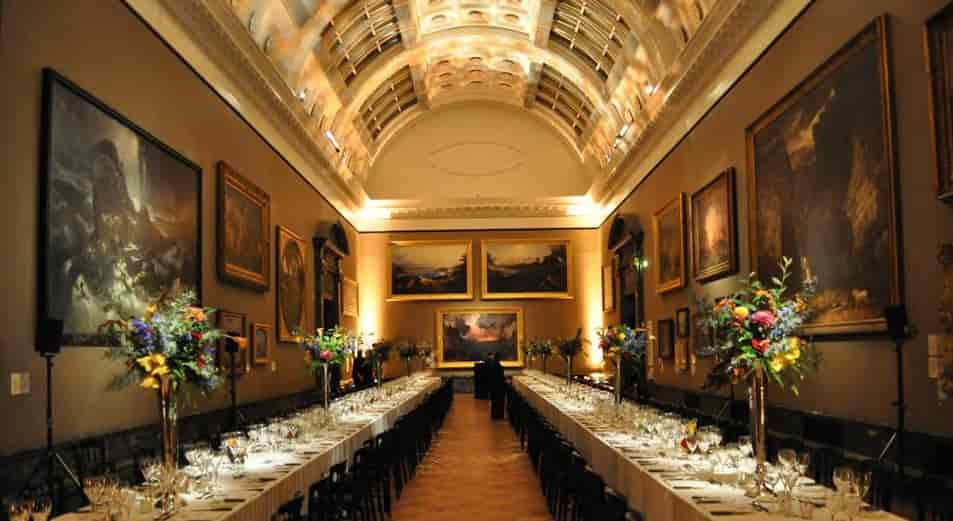
Events at Tate Britain
A historic gallery space showcasing British art, ideal for elegant events and dining experiences.
From: £10000 per person
Capacity: Up to 300 guests
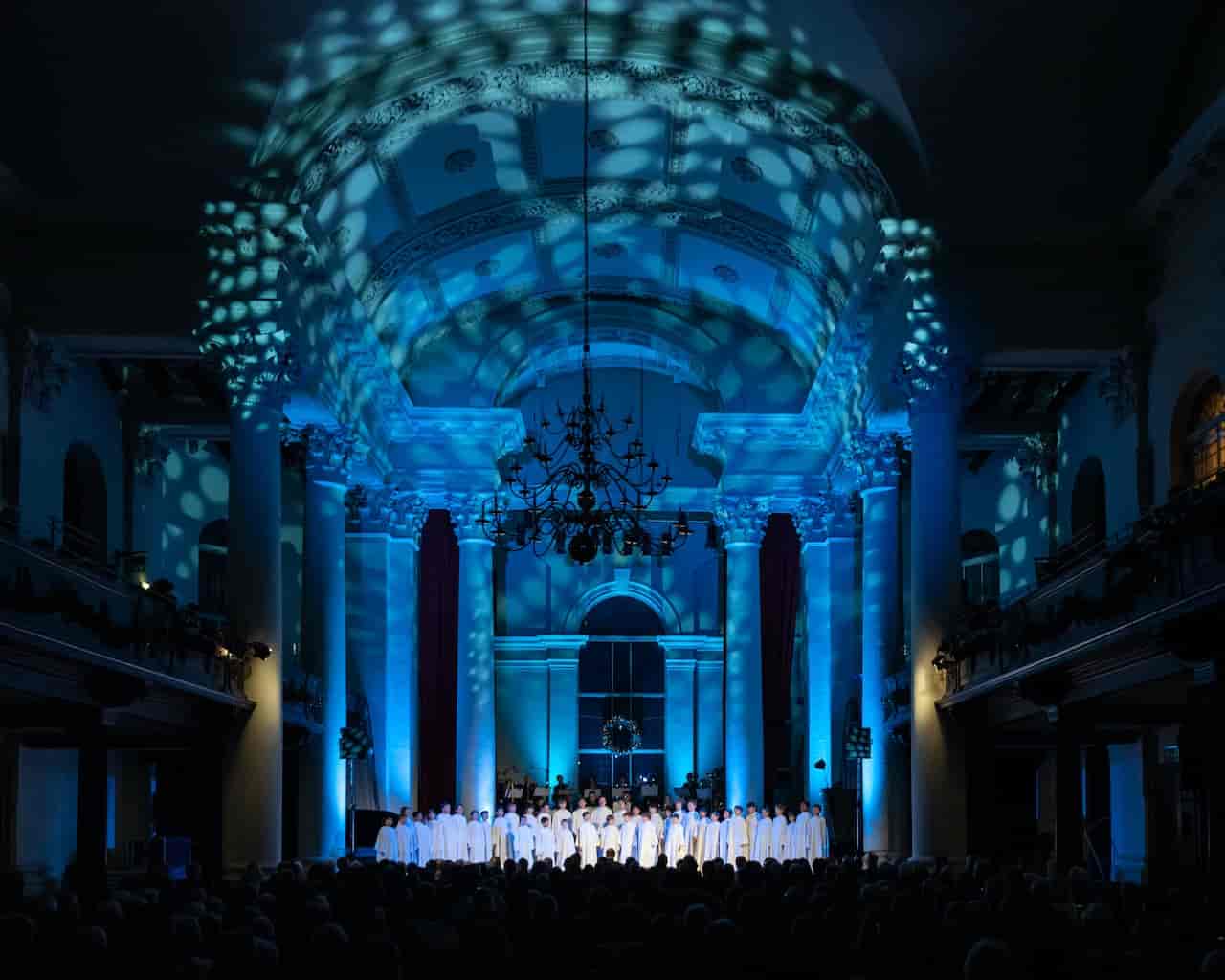
Events at Sinfonia Smith Square
A Baroque hall in Westminster, ideal for concerts, weddings, conferences, and corporate events.
From: £8400 per person
Capacity: Up to 324 guests
Events at 26 Leake Street
A vast, industrial-chic venue in Waterloo with graffiti tunnels. Ideal for large-scale events.
From: £12000 per person
Capacity: Up to 1150 guests
Weddings at One Great George Street
A grand, historic hall with period features and natural light. Ideal for weddings and large events.
From: £150 per person
Capacity: Up to 400 guests
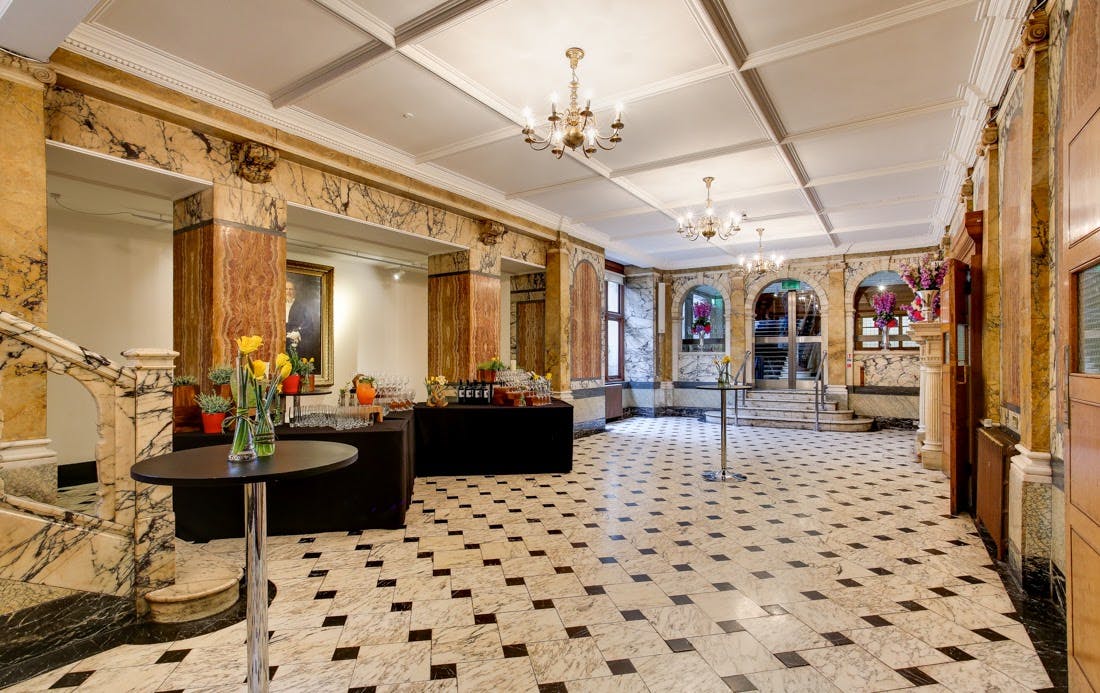
Dining at National Army Museum
A spacious, modern foyer in a museum setting, ideal for dinners and receptions with historic exhibits.
From: £3790 per person
Capacity: Up to 220 guests
Events at Royal Horticultural Halls
A versatile, historic hall with a glass-vaulted ceiling in Central London. Ideal for various events.
From: £13000 per person
Capacity: Up to 450 guests
Events at SEA LIFE London Aquarium
An undersea-themed venue in central London, ideal for events from 50 to 750 guests.
From: £175 per person
Capacity: Up to 500 guests
Weddings at Brasserie Blanc Southbank
A spacious brasserie near Southbank, ideal for weddings and large events with private dining options.
From: £5500 per person
Capacity: Up to 250 guests
Business at The National Theatre
A rooftop venue with panoramic Thames views, indoor/outdoor space, suitable for events and weddings.
From: £120 per person
Capacity: Up to 200 guests
Events at Chessington World of Adventures Resort
From: £42 per person
Capacity: Up to 275 guests
...and 6 more venues available
Related Event Types
- Theatres
- Theatres
- Theatres
- Theatres
- Theatres
- Theatres
- Theatres
- Theatres
- Theatres
- Theatres
- Theatres
- Theatres
- Theatres
- Theatres