Party Venue in Liverpool
Find and book private party venues in Liverpool, from Baltic Triangle warehouses to grand halls, with fast estimates and availability.
98 Party in venues in Liverpool

































































No venues match these filters
Try widening your capacity, luxury level or event type.
Don't have time to search? We'll find it for you.
For business events that need human judgement, talk to our team. Free for events of 100+ people, budgets over £10k or ongoing programmes.




Explore more venues in Liverpool
Frequently asked questions
What does it mean when a venue quote me a minimum spend?
What are some large party venues in Liverpool?
What are the best venues in Liverpool for a private Birthday party?
Can I bring my own music when I hire the space for a party?
Other platforms search their database. We search everything.
Tell us what you need. Our deep research finds any venue, whether it's in our marketplace or not. No one else does this.
About Party Venue in Liverpool
Matching your party style to Liverpool neighbourhoods
Liverpool packs distinct architectural styles and party environments into compact, walkable pockets. Where you choose to host shapes everything from the dress code to the music policy and how late guests can stay.
The Baltic Triangle suits casual parties focused on dancefloors, street food and live audio. Converted industrial buildings here give you raw brickwork, concrete floors and high ceilings that can handle heavy sound rigs. A space like the Event Hall at Hinterlands offers 10,500 square feet of converted warehouse capacity, welcoming up to 560 standing guests. Warehouses allow you to bring in external decor, production teams and specialised staging, but you need to budget for lighting and furniture hire because these rooms arrive empty.
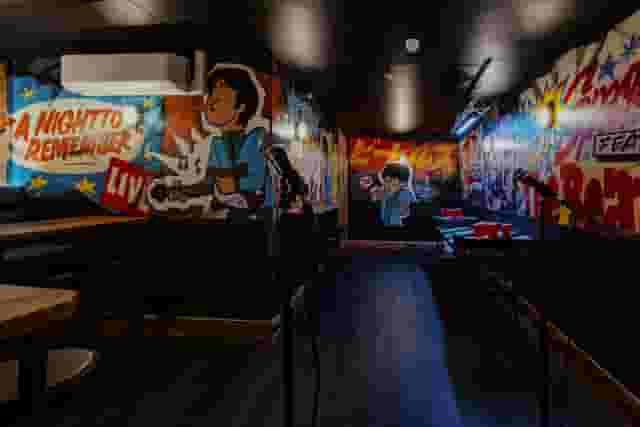
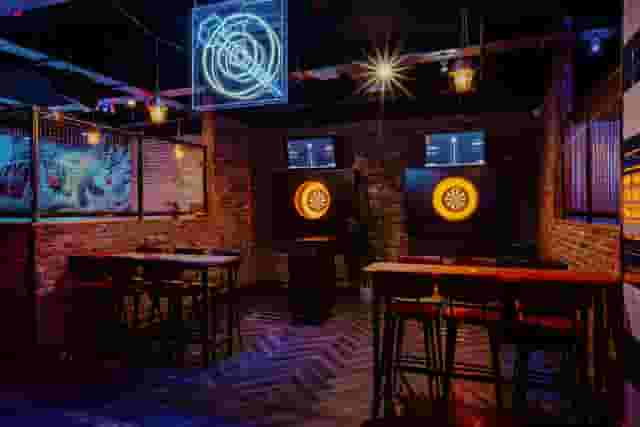
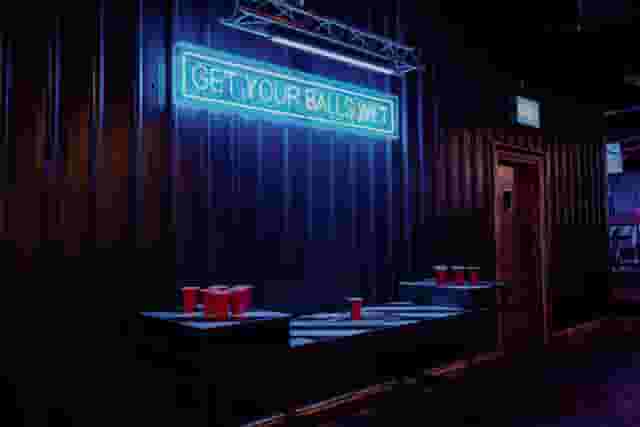
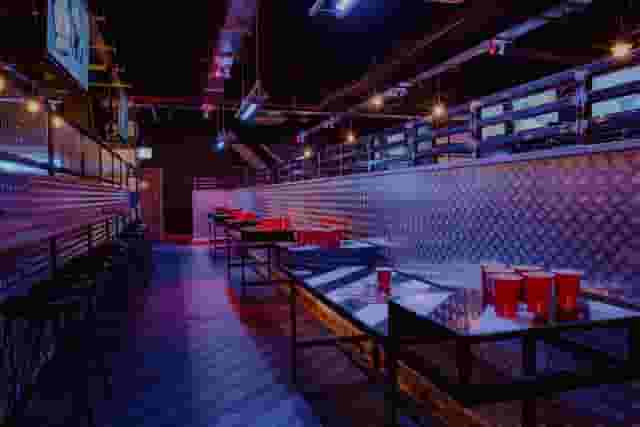
If you prefer an energetic social night centred on games and drinks, Boom Battle Bar in the city centre provides full venue hire for up to 400 standing guests. Having axe throwing, shuffleboard and beer pong on site cuts down the pressure of arranging separate evening entertainment, keeping groups mingling naturally around the games.
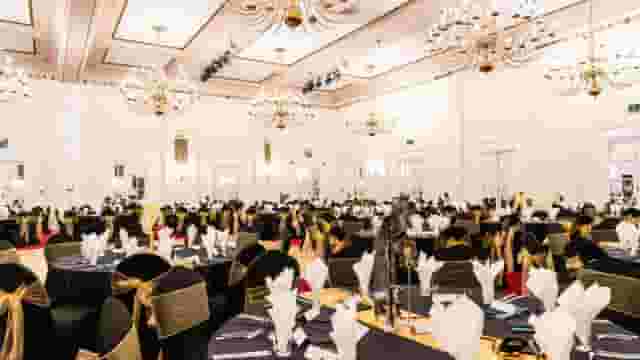
Moving towards the historic business district and the waterfront, the atmosphere turns towards classical maritime scale and civic grandeur. The Main Ballroom at Liverpool Town Hall holds 300 guests for a reception under crystal chandeliers and Georgian plasterwork. Down by the Mersey, the Liver Suite inside the Royal Liver Suite takes up to 200 reception guests against waterfront views. These settings suit milestone occasions where formal dress codes and evening elegance set the tone.
For large guest lists, scale requires industrial footprints. The Rum Warehouse at Titanic Hotel & Rum Warehouse Liverpool occupies a renovated 1950s warehouse on Stanley Dock, seating 600 dining guests across an expansive floor plan with dockside views. In the city centre, The Great Hall at St George's Hall accommodates 800 guests in a theatre setup beneath vaulted ceilings and chandeliers.
Smaller gatherings work better in the creative quarter around Ropewalks and the Georgian Quarter. The Clubhouse at The Ropewalks Hotel gives you a two-tier layout for up to 150 reception guests, while Fifth two at Hope Street Hotel provides two private outdoor terraces looking across the city skyline for 150 guests. For focused private dining, the Boardroom at Liverpool (Gaucho) accommodates 18 seated guests inside a former bank.
| Liverpool neighbourhood | Defining character | Best suited party style |
|---|---|---|
| Baltic Triangle | Converted warehouses, red brick, concrete | Casual parties, late dancefloors, live bands |
| City Centre & Ropewalks | Boutique bars, games spaces, multi-tier clubs | Social gatherings, activity parties, cocktail nights |
| Waterfront & Commercial District | Georgian civic halls, maritime dock warehouses | Milestone celebrations, formal banquets, receptions |
| Georgian Quarter | Cobbled streets, boutique hotels, rooftop terraces | Sunset drinks, private dining, terrace parties |
Structuring guest capacity and layout choices
Choosing between standing receptions, buffet layouts and seated dining changes how your party flows and feels. Cramming too many bodies into a room suffocates conversation, while booking an oversized hall leaves your gathering feeling sparse.
Standing receptions need less square footage per person than dining events, but guests still require room to move between the bar, food stations and dance area without queuing bottlenecks. When planning a cocktail reception, calculate roughly one square metre of clear floor space per person once you subtract the footprint of bars, staging and cloakrooms. The Clubhouse at The Ropewalks Hotel provides a split-level design for 150 people that naturally breaks guests into smaller conversational circles while preserving an energetic main room.
Buffet setups demand careful perimeter planning. Buffet tables draw clusters of guests simultaneously, which quickly halts traffic flow if placed next to narrow entryways or primary bar service areas. Keep buffet stations on opposite walls from the bar, allowing queues to form without blocking the path to the dancefloor or toilets.
Private seated dining requires significantly more space. Round tables seating eight to 10 guests provide good sightlines for group toasts, but they consume more square footage than rectangular banquet tables. Long banquet tables maximise room capacity, leaving wider corridors for service staff to circulate wine and plates. For inspiration on planning lively social evenings with informal layouts, read 7 super snazzy venues for the ultimate office party to see how different floor layouts influence guest mingling.
Remember that advertised venue capacities reflect maximum legal limits under standard configurations. If you introduce a four-piece band, a DJ console, a photo booth and a dancefloor into a room rated for 150 people standing, your functional capacity drops by 20 to 30 guests. Always ask the venue manager how their licensed capacity adjusts once production equipment and casual seating clusters take up floor space.
Food styles and beverage arrangements
The food format you select sets the operational pace of your night. Formal three-course dinners demand rigid timekeeping, requiring guests to sit at designated times, which dampens spontaneous socialising. Casual formats keep energy high.
Bowl food and grazing platters work well for stand-up parties where you want people circulating freely. Bowl food delivers substantial, warm dishes served in compact portions that guests can eat with a single fork while holding a drink. Grazing tables provide continuous grazing throughout the early evening, letting guests eat when hungry rather than forcing everyone to pause conversations for a scheduled course.
Street food stations or external food trucks offer variety for industrial spaces like Hinterlands, where blank canvas hire allows third-party suppliers. You can position taco trucks, slider stations or pizza ovens in outdoor courtyards, turning dining into an interactive part of the party. If you are staging an outdoor or semi-outdoor gathering, look through perfect pubs and bars for summer parties for ideas on pairing informal food formats with open-air drinks receptions.
Bar options usually split into three commercial models:
Cash bars
Guests purchase their own drinks directly throughout the night. This approach removes financial risk from the organiser, but it can create long bar queues if payment terminals lag or drinks require complex mixing.
Prepaid bar tabs
You allocate a fixed monetary balance behind the bar. You specify which items guests can order, such as wine, beer and single spirits, excluding premium champagne or doubles. Once the balance runs out, the bar reverts to a cash service, or you authorise an extension.
Unlimited drinks packages
Commonly priced across a fixed duration of three to five hours, covering house wine, prosecco, draft beer, cider and soft drinks. This system makes budgeting predictable, though you pay for non-drinkers at the same rate as everyone else.
Understanding contracts, costs and minimum spends
Budgeting for a Liverpool party requires looking beyond the basic room hire fee. Venues structure their commercial quotes through several distinct models, and understanding how each operates protects you from unexpected final invoices.
A minimum spend model requires your group to spend a set amount on food and drink during the event. Sometimes this stands instead of paying a separate room hire fee, although some venues charge both room hire and a minimum spend. Guest bar purchases or pre-ordered catering platters usually count toward the target, but you must clarify the terms beforehand. Confirm whether individual guest purchases at the bar register against your tally, how the venue tracks bar tallies in real time and who pays any shortfall if your attendees do not hit the agreed figure.
Minimum spend targets vary depending on the day of the week, seasonality, guest headcounts and whether you require exclusive private hire. A Saturday night in December carries a steep spend commitment compared to a Thursday evening in February. To navigate these fluctuations, venue booking platform Hire Space gives you instant price estimates based on real booking data before you submit an enquiry. Their team of real people is on hand to guide your search, suggesting similar Liverpool spots at a lower price if your preferred room stretches the budget.
| Pricing model | How it works | Best suited for | Watch out for |
|---|---|---|---|
| Minimum spend | Group commits to a set total spend on food and drinks | Parties with high beverage consumption | Unmet spend shortfalls billed directly to you |
| Dry hire | You pay for the empty room and supply everything else | Large scale warehouse builds, external catering | Separate costs for security, waste, power and furniture |
| Package per head | Fixed cost per person covering drinks, food and service | Predictable social dinners and formal receptions | Non-attendees charged at full contracted price |
| Venue hire plus catering | Flat room rental fee plus itemised catering orders | Venues with dedicated in-house chef teams | Service charges applied to both food and room fees |
Additional fees frequently appear on final settlement statements. Check these lines before signing any contract:
- Service charges: Many hospitality venues add an automatic discretionary service charge of 10 to 12.5 percent across all pre-ordered catering and bar tabs.
- Security personnel: Venues hosting late-night parties or serving alcohol beyond midnight often require licensed security staff. Ask if door security is included in your room hire fee or billed as an hourly surcharge per guard.
- Cloakroom staffing: Confirm whether guest coat storage is complimentary, operated by venue staff for an hourly charge, or charged to individual guests per item.
- Cleaning and waste removal: Dry hire warehouses sometimes require professional deep cleaning following an event, or charge commercial waste removal fees if your decor team leaves rubbish behind.
Sound limits, DJ setups and entertainment rules
Music dictates the party atmosphere, but council licensing regulations, residential neighbours and building restrictions limit what you can bring into a venue. Never book a DJ, five-piece horn section or live acoustic duo without reading the venue's entertainment policy.
Most party venues permit external music only if agreed in advance under specific operating conditions. Ask whether the space permits a full live band, a solo DJ, or simply a curated mobile phone playlist plugged into a house sound system. Many historic civic venues, such as Liverpool Town Hall, feature strict acoustic limits to protect heritage plasterwork and neighbouring properties.
Always clarify who supplies the production hardware. Some venues provide a complete sound console, microphones and dance lighting included in the hire. Others require your performers to bring their own speakers, stands, mixers and cables.
When bringing third-party performers into a venue, check these four requirements early:
- Public liability insurance: Most venues insist that your DJ or band carries active public liability insurance, usually covering five to 10 million pounds. Performers must email their insurance certificates directly to the venue team before load in.
- Portable appliance testing: Every piece of electrical kit plugged into the venue's sockets must show a valid test sticker confirming it passed safety inspections within the last 12 months.
- Sound limiters: Many inner-city party spaces operate automated sound limiters wired to the main mains power. If the band's volume exceeds a set decibel ceiling for more than a few seconds, the limiter cuts electricity to the stage. Brief your sound engineer or DJ on local decibel caps before they choose their speaker setup.
- Finishing times: Music licences often finish 30 to 60 minutes before the venue's overall closing time. A venue licensed until 1am might require music to wind down at 12.30am to allow an orderly guest departure.
Guest logistics and transport planning
Keeping your party running smoothly means ensuring guests can arrive easily and return home safely late at night. Central Liverpool offers excellent rail and road transit, but dispersal can become challenging after midnight when weekend crowds compete for taxis.
Liverpool Lime Street serves as the central hub for national rail arrivals, sitting directly opposite St George's Hall and within short walking distance of the city centre core. Liverpool Central connects suburban lines running out across Merseyside and Wirral, making city centre locations accessible for local guests travelling across the region.
If your venue sits outside the immediate central ring, plan around local transport links. The Baltic Triangle rests a 15-minute walk from Liverpool Central, though late-night partygoers will rely on pre-booked private hire vehicles or black cabs from designated ranks. Down at Stanley Dock, venues like Titanic Hotel sit slightly north of the city centre, making pre-arranged taxi shares or group minibus pickups useful for guests heading back to central hotels.
Confirm accessibility requirements ahead of booking. Historic venues often feature stone steps or raised entrance porticos, requiring designated ramp access, lift facilities and accessible toilets. Ensure any secondary areas, like upper mezzanines or outdoor smoking terraces, can be reached easily by all guests without negotiating narrow spiral staircases.
What our customers say
Inspiration and planning guides

How To Throw An Amazing Party (Without Paying For It)
Imagine a party, with your colleagues, your friends or your family, at the tip of The Gherkin. [https://hirespace.com/Venues/London/210/SearcysThe-Gherkin] I cannot convey just how incredible that venue is. It's a glass palace, floating between London's iconic, spiralling skyscrapers. You feel immersed in the London skyline, surrounded by a panorama of sky and steel. Here's the catch: it costs £10,500 to hire. Out of your budget? Not a problem: rather than paying yourself, you can get other pe

5 Easy DIY Decoration Ideas For Your Summer Party
Are you looking to make your summer event beautiful on a budget? These 5 ideas are simple but will guarantee to transform your event.

Hackney Town Hall: Modern Elegance Meets Art Deco Flair
Believe it or not, the London Borough of Hackney was once a wild and marshy place, the name itself likely having roots in the Old English for Haka’s Island. Now of course, Hackney is one of London’s trendiest boroughs and nowhere proves this more than the recently refurbished Hackney Town Hall [https://hirespace.com/Spaces/London/138600/Hackney-Town-Hall/Assembly-Hall/Weddings] . Hackney Town Hall combines the original elements of 1930s design with modern elegance. This gorgeous venue is perfec
One supplier. Every venue. Full visibility on what you spend.
Multiple venues and events. One agreement.